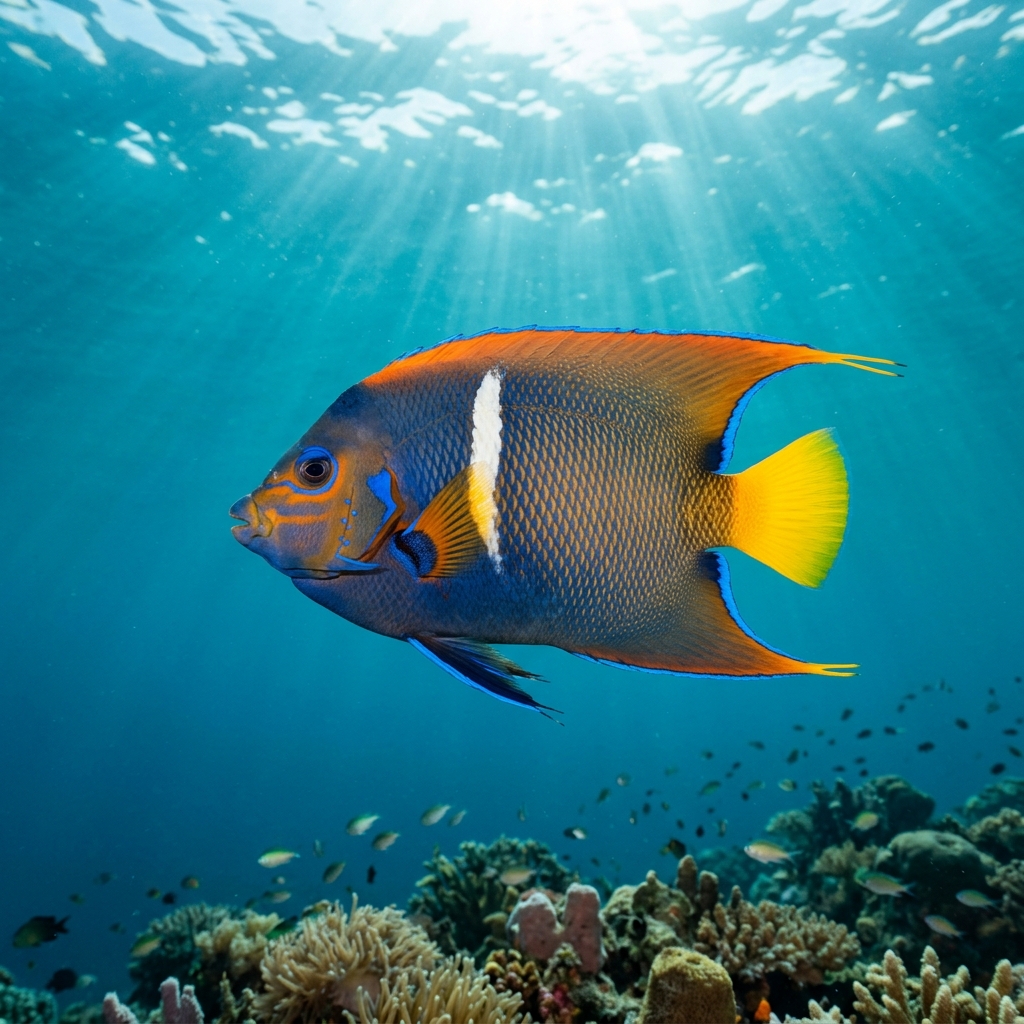
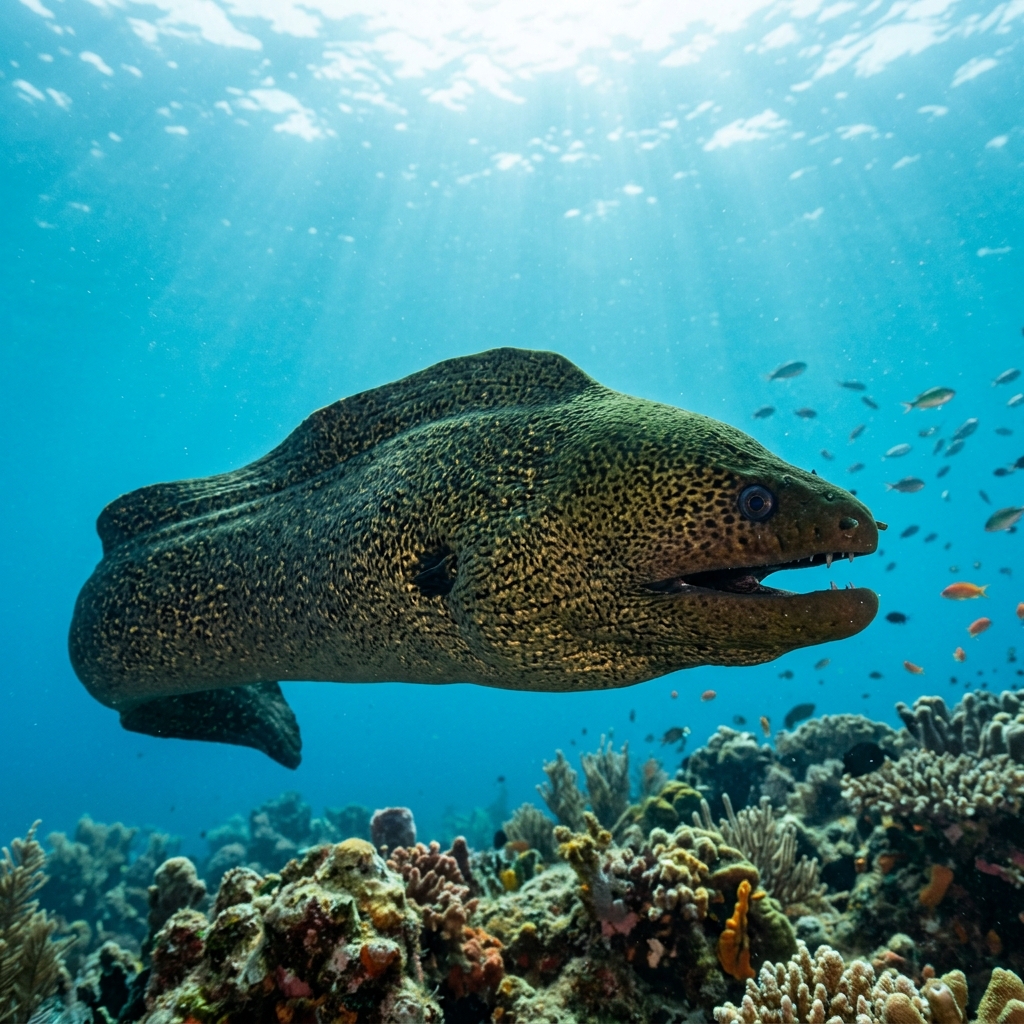
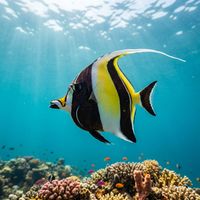
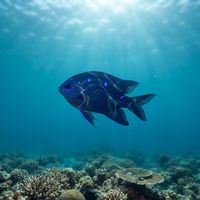
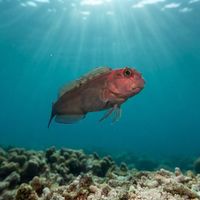
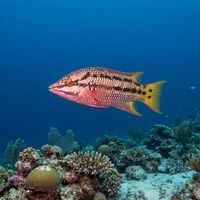
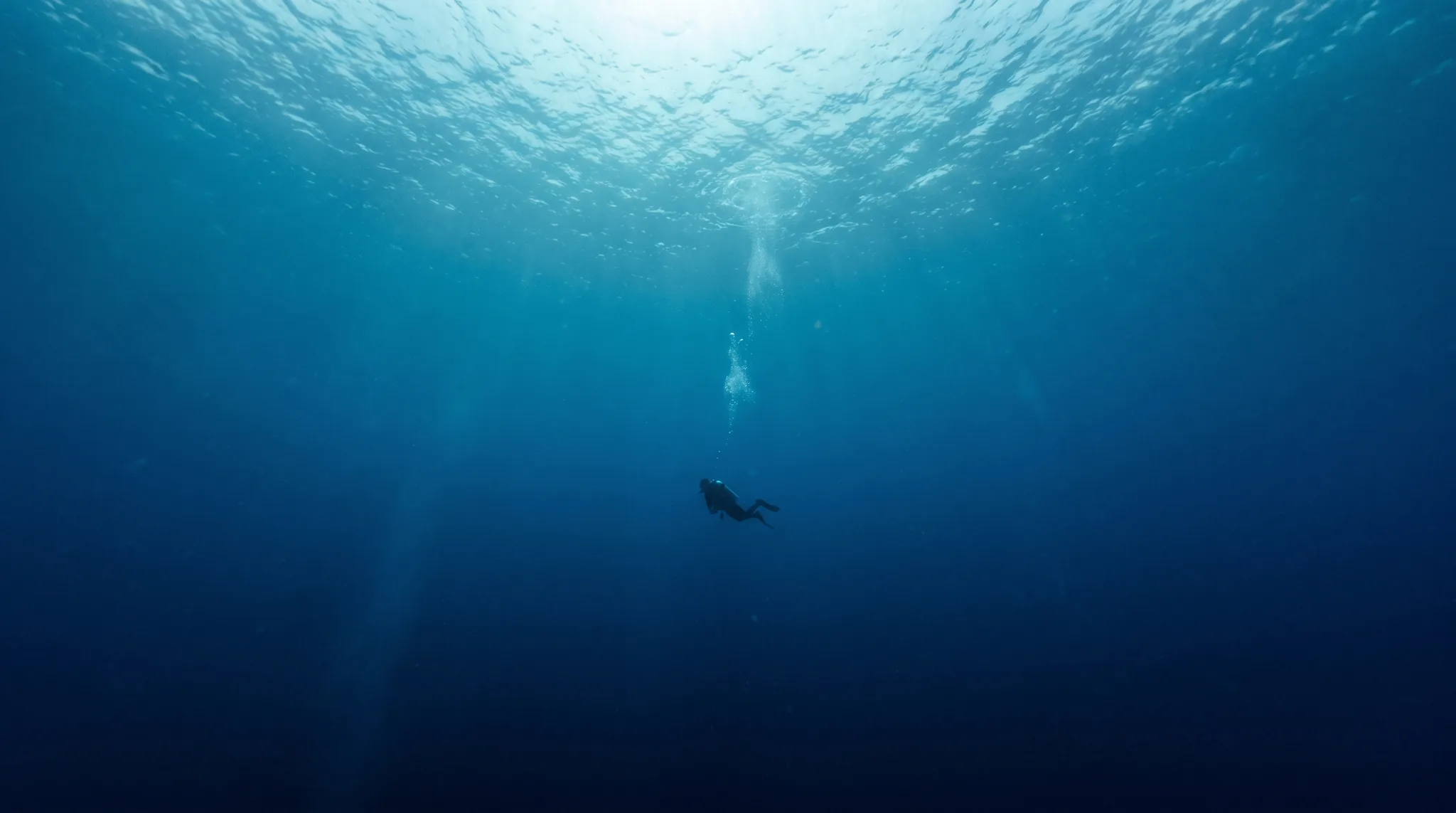
Baja California Sur draws divers and snorkellers with a broad mix of site types: reef pinnacles, drop-offs, walls, canyons, and deliberately scuttled wrecks. Three distinct sub-areas, La Paz, Cabo San Lucas, and Cabo Pulmo, each offer their own character and skill range. The marine life is reef-rich and observation-backed, with California Sea Lion, King Angelfish, Panamic Green Moray, and Whale Shark among confirmed encounters. Boat access dominates across the region, and conditions shift meaningfully between the cooler early months and the warmer late-summer peak.

Monthly water temperature across Baja California Sur's sites, from satellite sea-surface data corrected for depth. The band shows the site-to-site spread.
Water temperatures climb steadily from cooler winter conditions through to a warm late-summer and autumn peak, when diver activity also reaches its highest. October and the surrounding months tend to draw the most diving interest, while the early year offers quieter conditions at lower temperatures. Drift diving and exposed pinnacles mean currents can be a factor at several sites, particularly those rated for advanced divers.
37 operators

77 more sites to explore
3 areas
46Two island groups, wrecks, pinnacles, and California Sea Lion encounters make La Paz one of Baja California Sur's most varied dive destinations.
20Rocky reefs, dramatic walls and a pinnacle dive, with Whitetip Reef Shark and California Sea Lion among the highlights.
20A reef system off Baja's east cape where California Sea Lions, dense reef fish, and a shallow wreck make every outing eventful.
Water temperature around Baja California Sur ranges from about 21°C in February to 28°C in September, based on satellite sea-temperature data for its dive sites.
In the warm season (about 28°C) a rash guard or 3mm shorty is comfortable in Baja California Sur; in the coldest months (about 21°C) step up to a 5mm suit.
Fin maps 89 sites in Baja California Sur (80 scuba diving sites and 27 snorkelling spots, with some suited to both), organised into 3 areas.
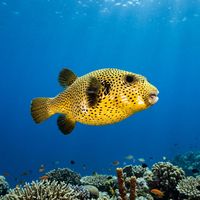
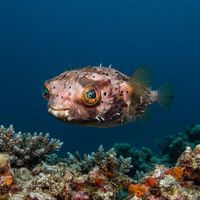
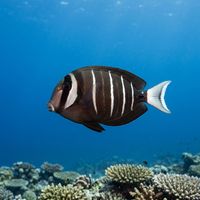
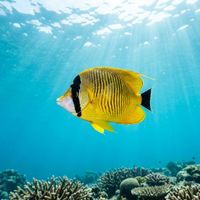
Sightings are observation-backed and varied. King Angelfish and Panamic Sergeant Major are seen at a large proportion of sites, while California Sea Lion, Panamic Green Moray, Barberfish, Moorish Idol, and Guineafowl Puffer are all commonly recorded. Whale Shark has also been observed in the region, though encounters are less predictable.
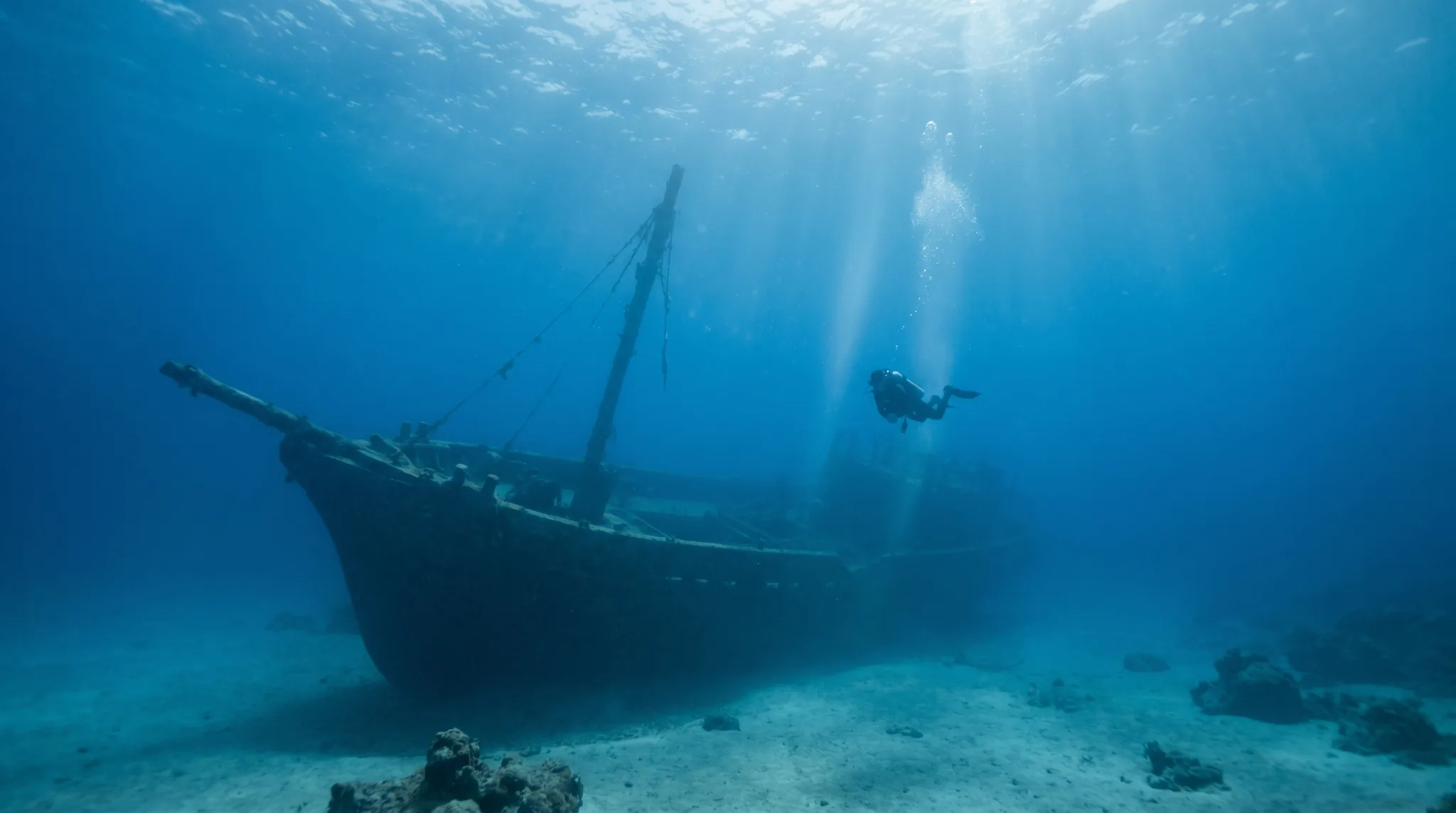
Yes, the region caters well to all levels. Shallow wrecks such as El Vencedor and Barco Encayado are rated beginner-friendly, as are several reef sites including Swanee Reef and Punta Arenas. Advanced divers will find plenty of challenge at pinnacle and drift sites like El Bajo (Marisla) and Los Morros.
La Paz is the largest hub with the greatest number of sites, including offshore islands like Isla Espiritu Santo and Isla Cerralvo. Cabo Pulmo offers a reef system with canyons, wrecks, and drift diving accessible to both divers and snorkellers. Cabo San Lucas rounds out the region with its own distinct site mix, giving travellers real choice depending on their focus.
Almost all sites across the region are boat-access only, including top sites at Isla Espiritu Santo, Isla Cerralvo, and Cabo Pulmo. Operators such as Dive Cabo, Blue Nation Diving, and Manta Scuba Diving serve the region. Shore entry is not a standard option, so planning around boat departures is important.