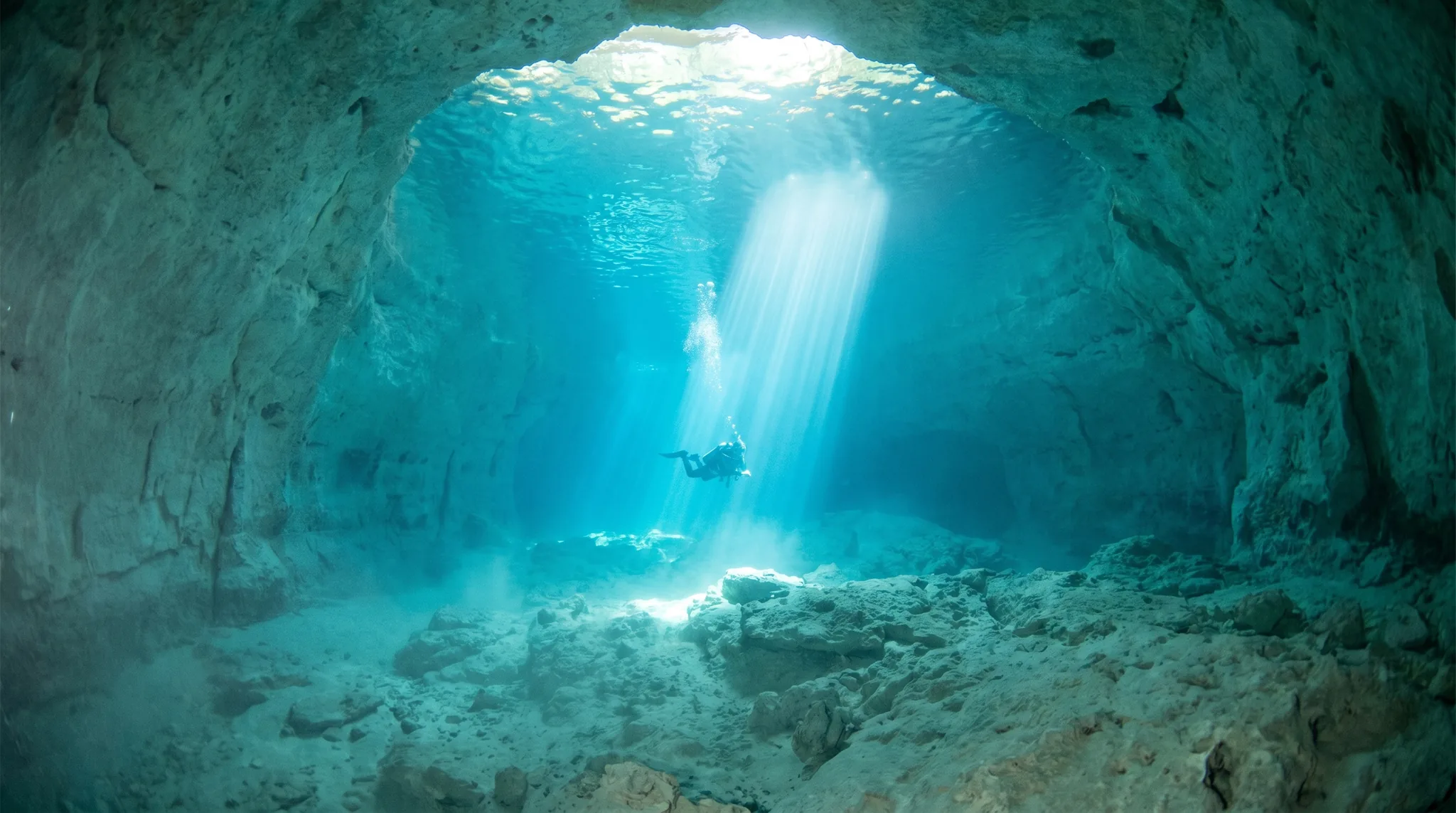
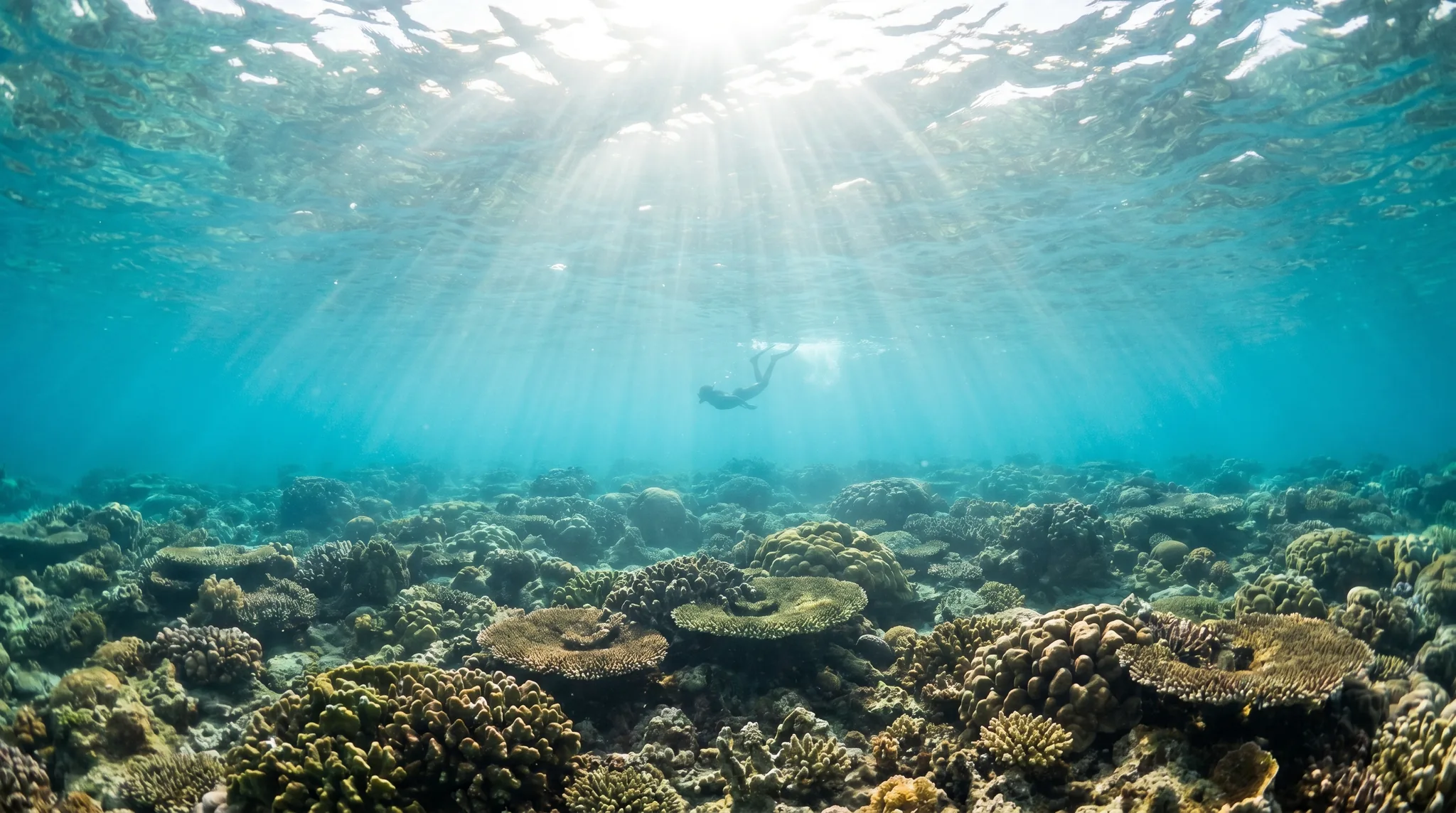
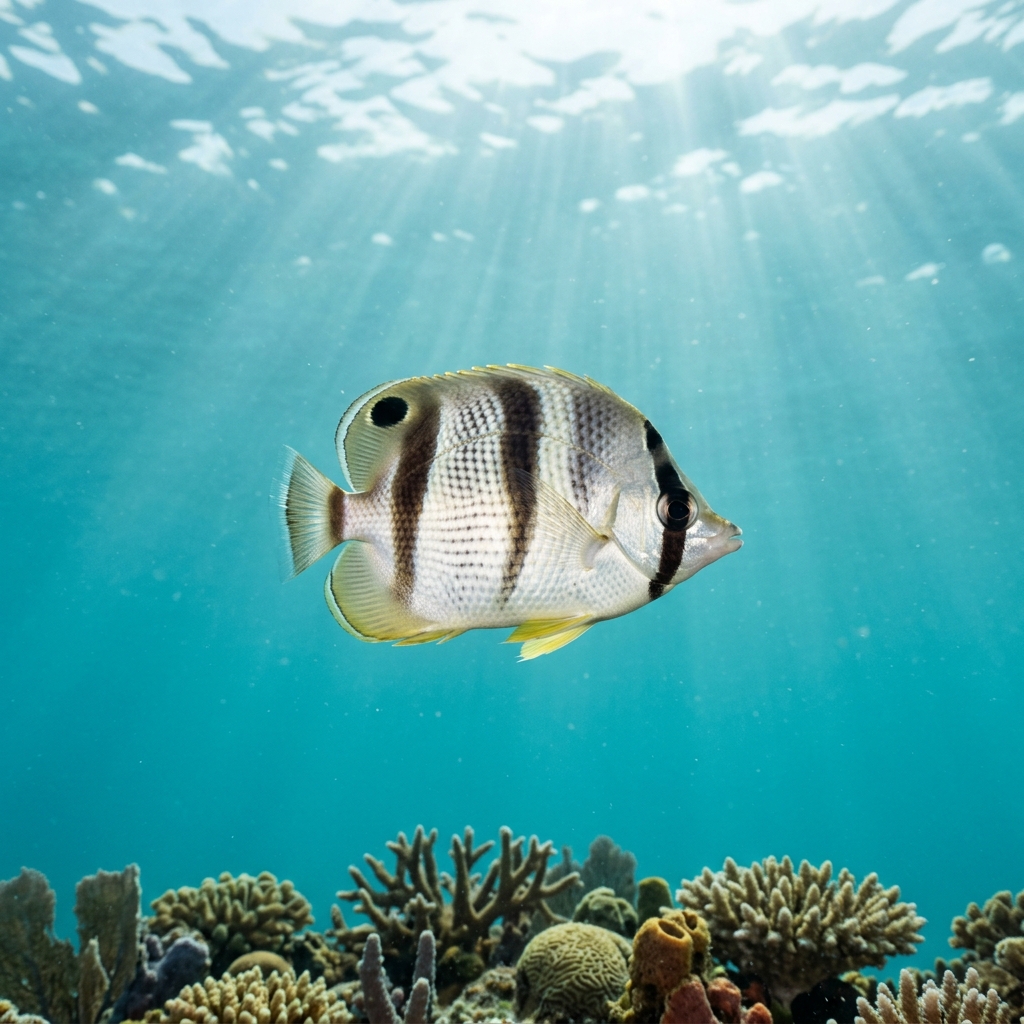
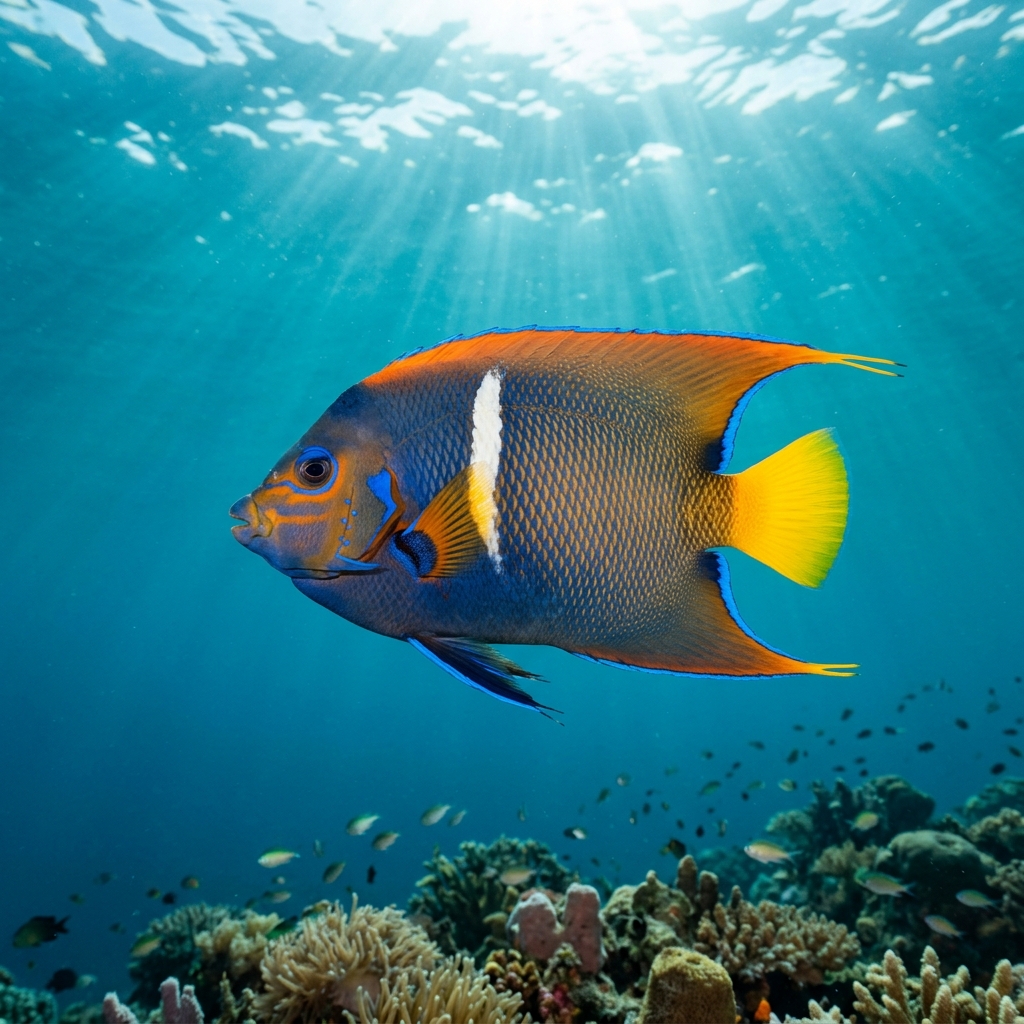
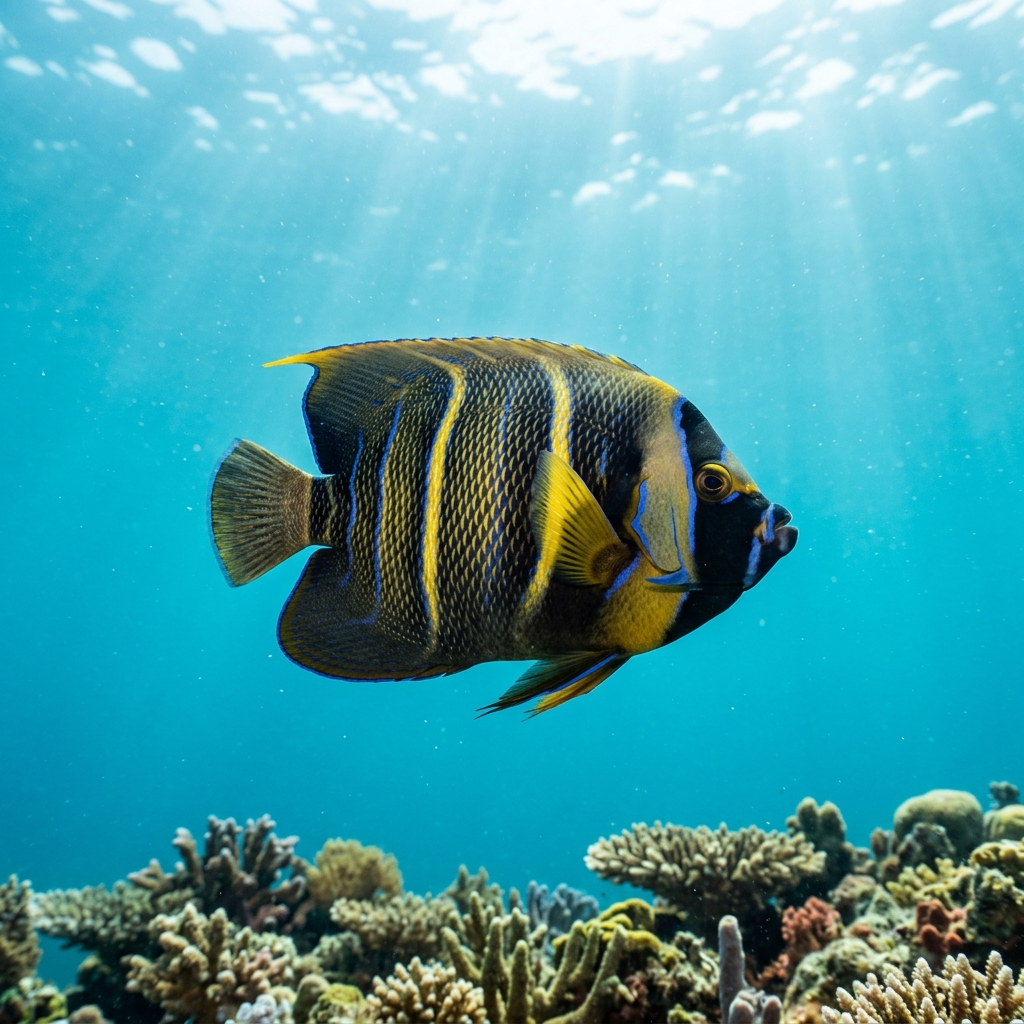
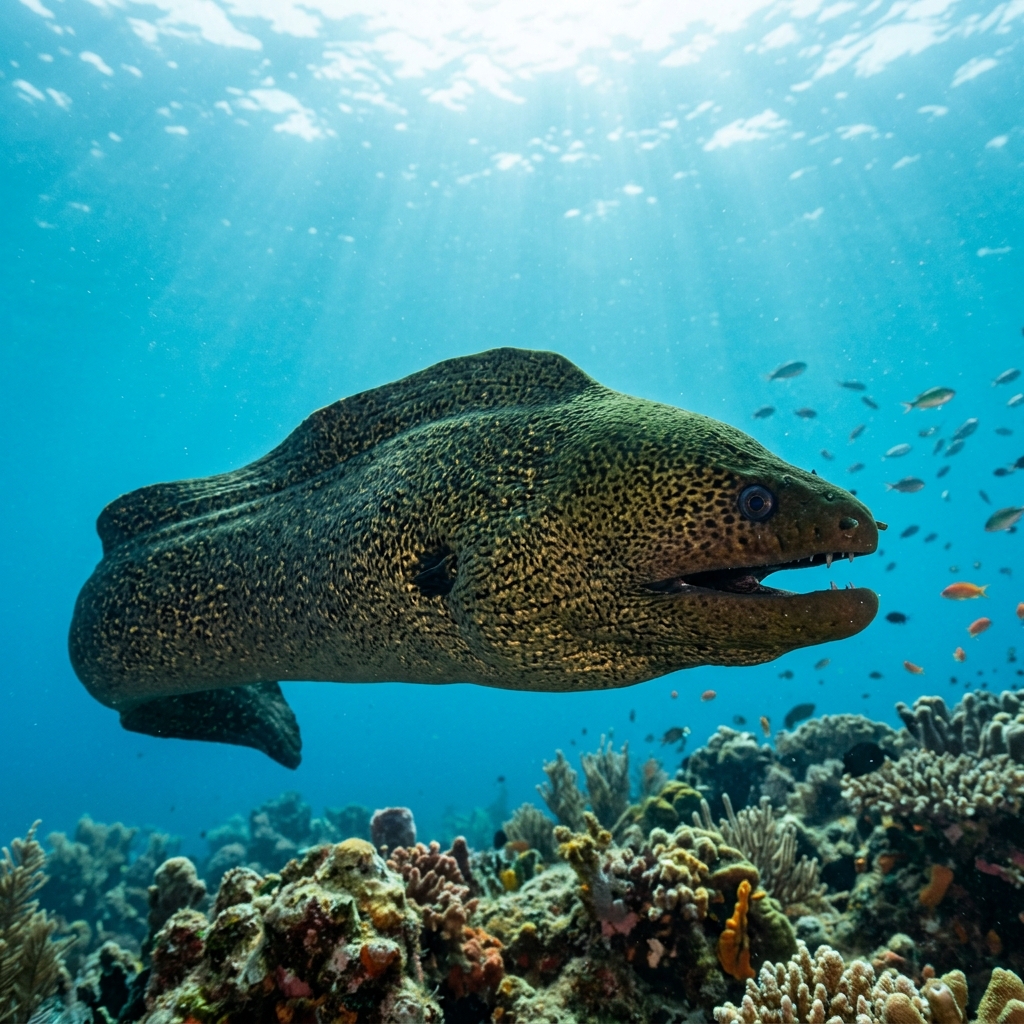
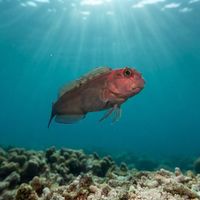
Puerto Vallarta's underwater terrain spans reef, wreck, cave, pinnacle, and drop-off sites across three distinct sub-areas: Los Arcos National Park, the Marietas Islands, and Chimo. Skill levels range from shore-entry shallows suited to beginners at sites like La Cocina and Club De Yates, through to deep wrecks and expert-only pinnacles. The Guineafowl Puffer, Threebanded Butterflyfish, and Spotted Eagle Ray are regularly observed, alongside multiple moray species and the colourful King Angelfish and Cortez Angelfish.
3 areas
Monthly water temperature across Puerto Vallarta's sites, from satellite sea-surface data corrected for depth. The band shows the site-to-site spread.
Water is warmest from late summer into autumn, with a cooler dip in the spring months. Visibility is most reliable during the drier months from late winter through spring, which also correspond to the highest diver preference in the data. Summer brings warmer water but conditions can vary, making the shoulder months of May, November, and December a practical balance of warmth and clarity.
28 operators
Mexico
31 more sites to explore
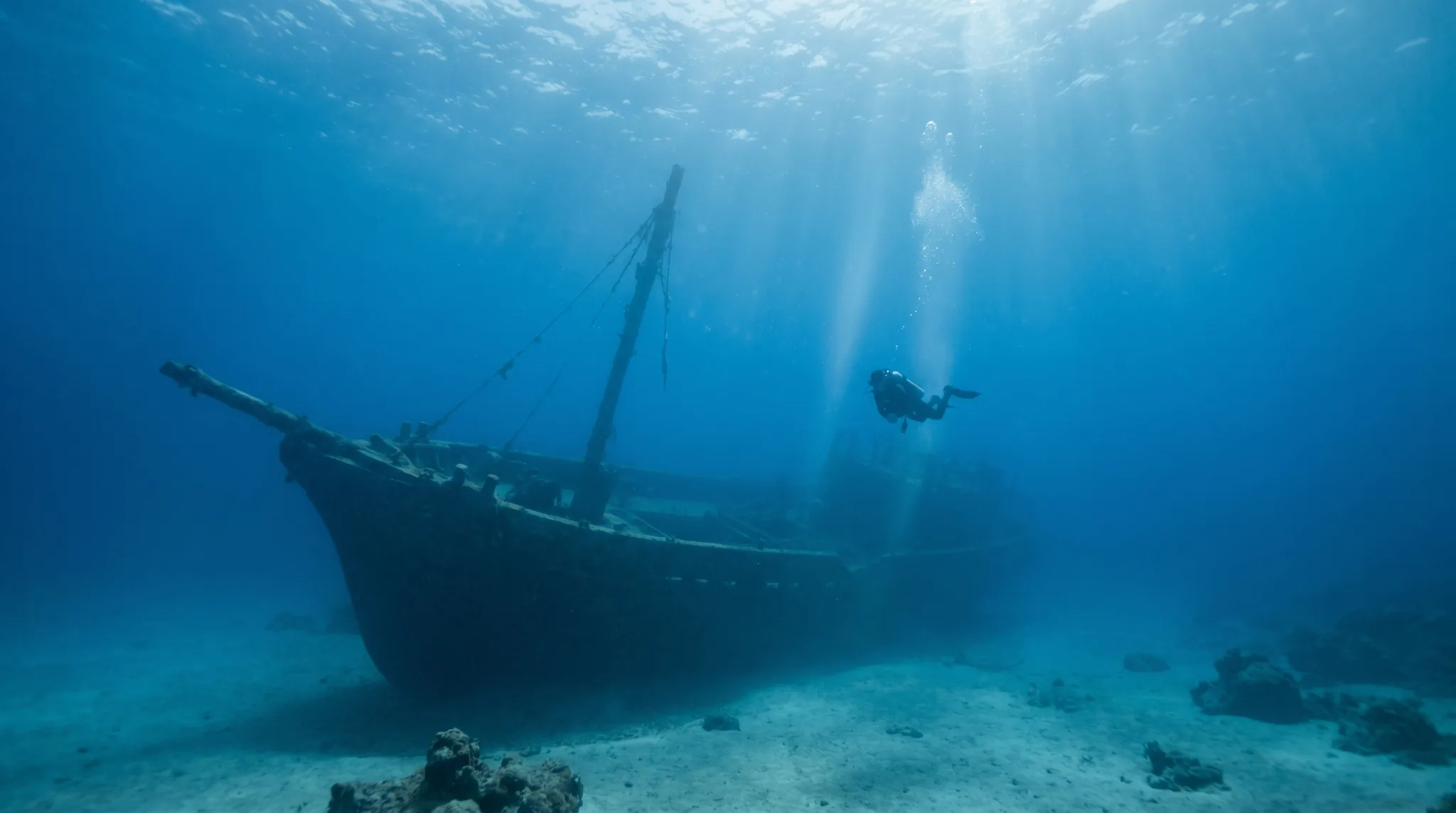
Rocky islets with reefs, caves, walls, and a shipwreck, plus reliably observed Spotted Eagle Ray and an abundance of angelfish.
Water temperature around Puerto Vallarta ranges from about 22°C in April to 30°C in September, based on satellite sea-temperature data for its dive sites.
In the warm season (about 30°C) a rash guard or 3mm shorty is comfortable in Puerto Vallarta; in the coldest months (about 22°C) step up to a 3mm full suit.
Fin maps 43 sites in Puerto Vallarta (36 scuba diving sites and 14 snorkelling spots, with some suited to both), organised into 3 areas.
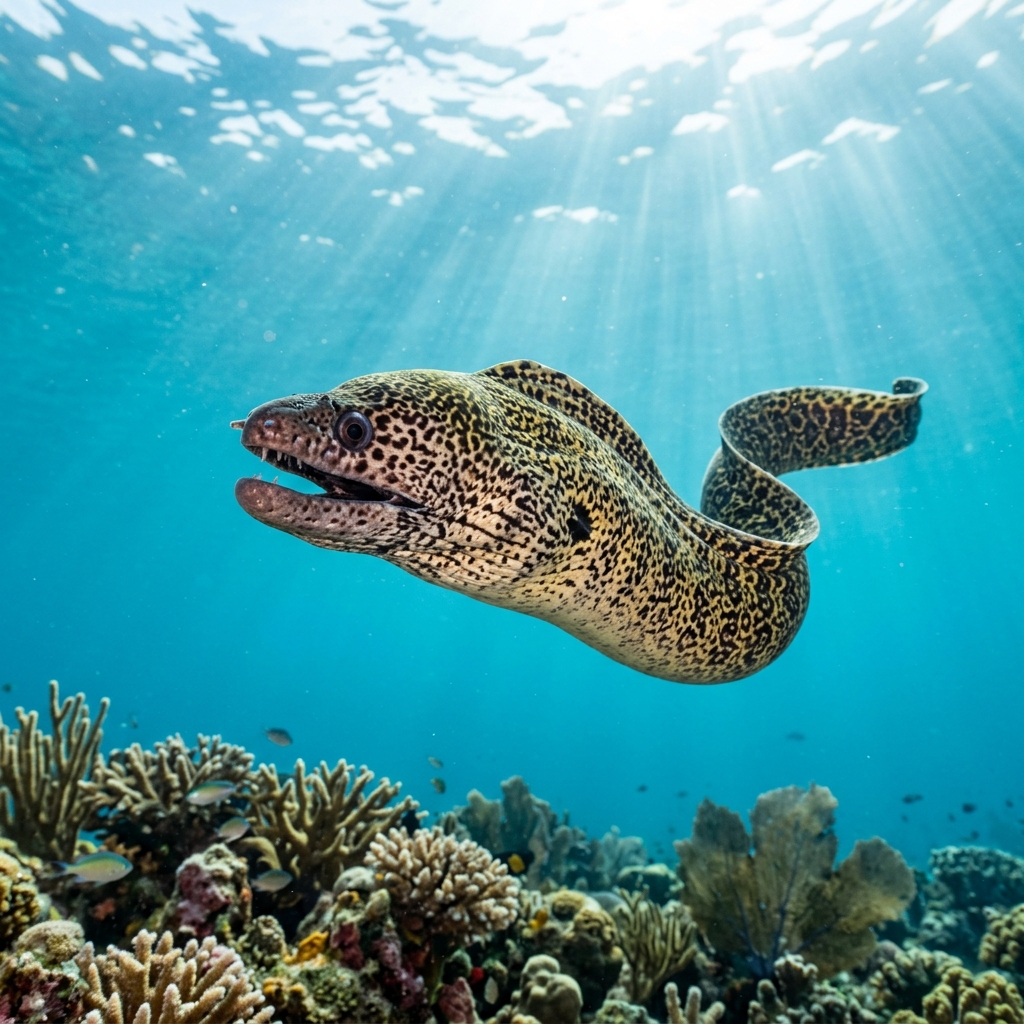
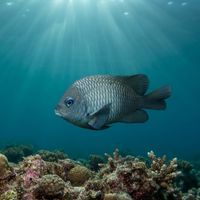
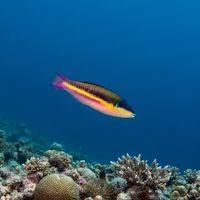
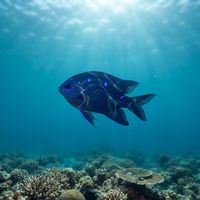
The region has a rich and well-documented species list. The Spotted Eagle Ray, Panamic Green Moray, Jewel Moray, and Snowflake Moray are all signature species with confirmed sightings. Colourful reef fish including the King Angelfish, Cortez Angelfish, Threebanded Butterflyfish, and Moorish Idol are observed consistently across the sites.
Yes, a good number of sites are rated beginner level. La Cocina and Club De Yates offer gentle shore entries into shallow reef, while La Luna and Cueva de las Meduzas are boat-access beginner dives with moderate depths. More challenging sites like Torrecillas and El Morro are reserved for advanced and expert divers.
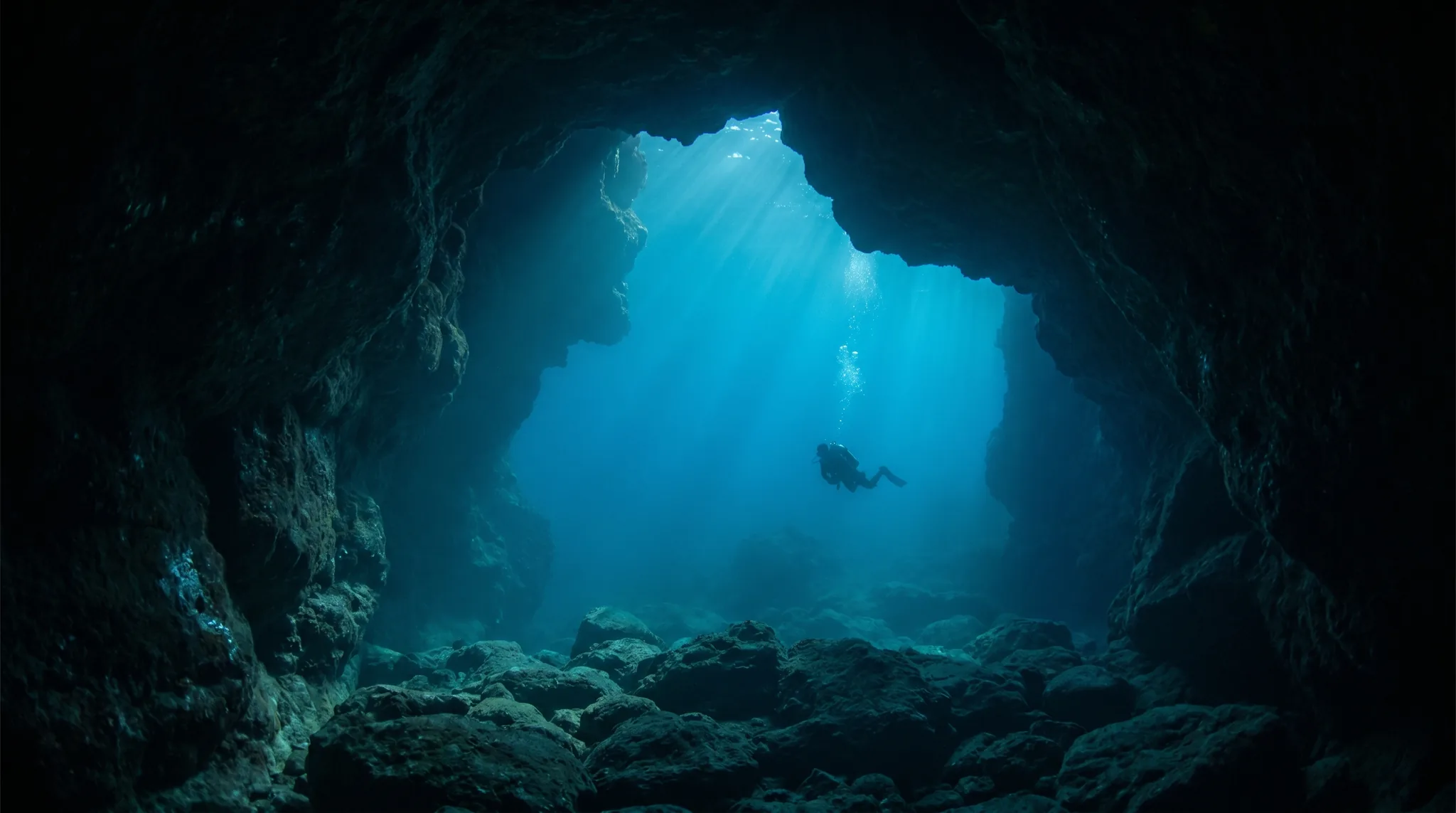
Los Arcos National Park offers the largest cluster of sites, with a mix of reefs, caves, walls, and caverns at a wide range of depths. The Marietas Islands feature more complex terrain including drop-offs, caves, and advanced sites such as El Morro. Chimo is a smaller area centred on dramatic reef and pinnacle topography, including the rock formations at the Chimo site itself.
Several sites are shore-entry, including Faro de Bucerias, La Cocina, Club De Yates, and Tenacatita. The majority of the region's sites, particularly those in the Marietas Islands and Chimo sub-areas, require boat access. Banderas Scuba Republic is the listed operator serving the region.