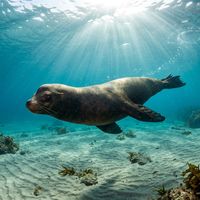
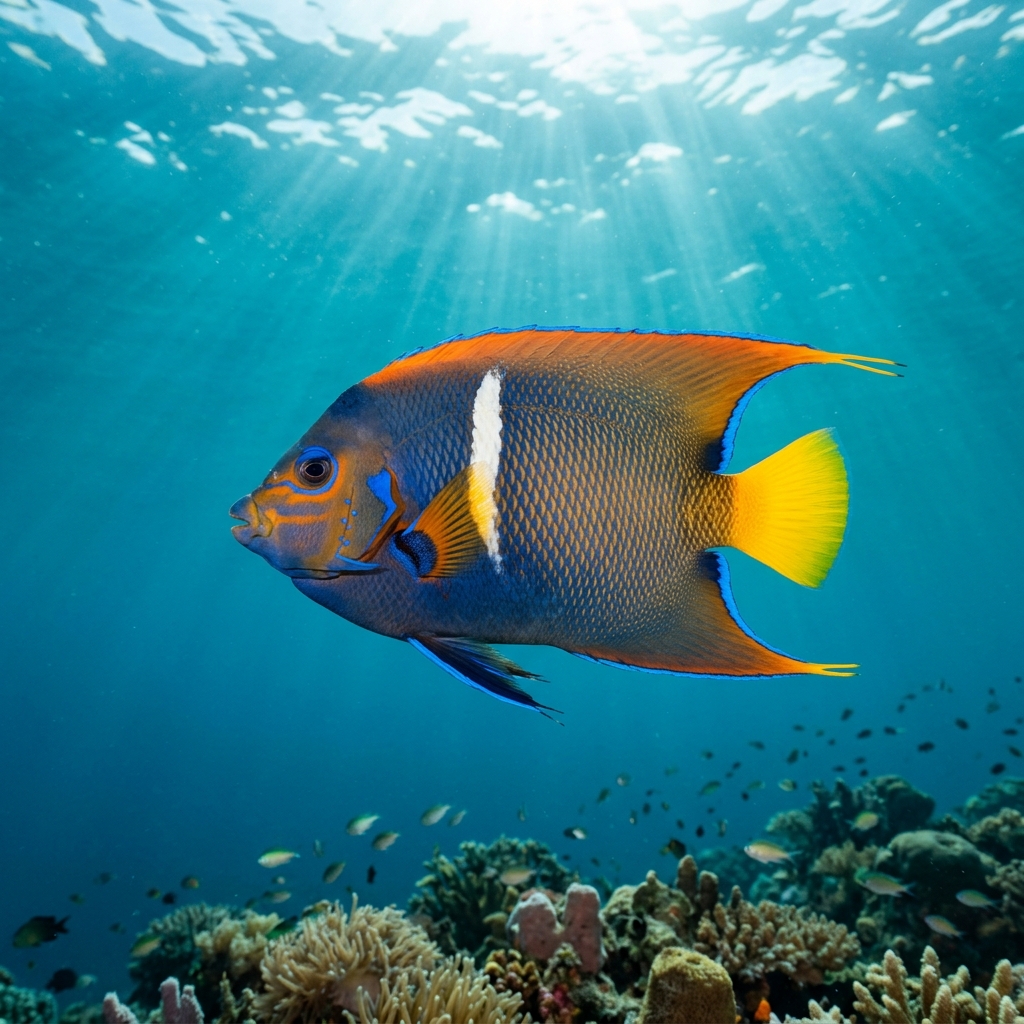
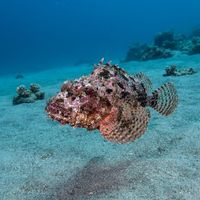
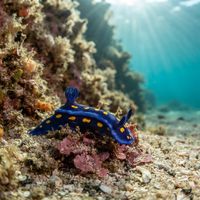
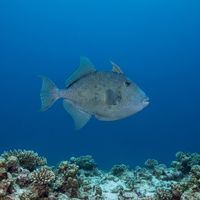
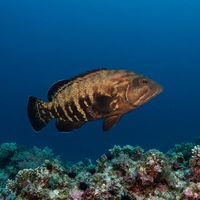
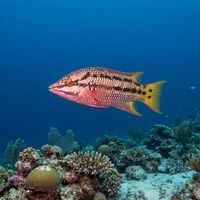
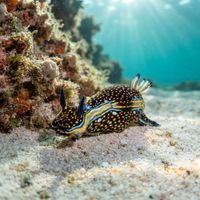
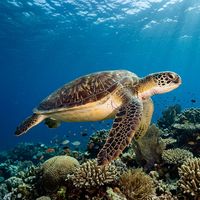
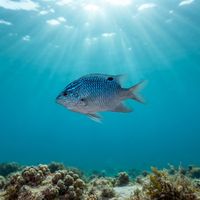
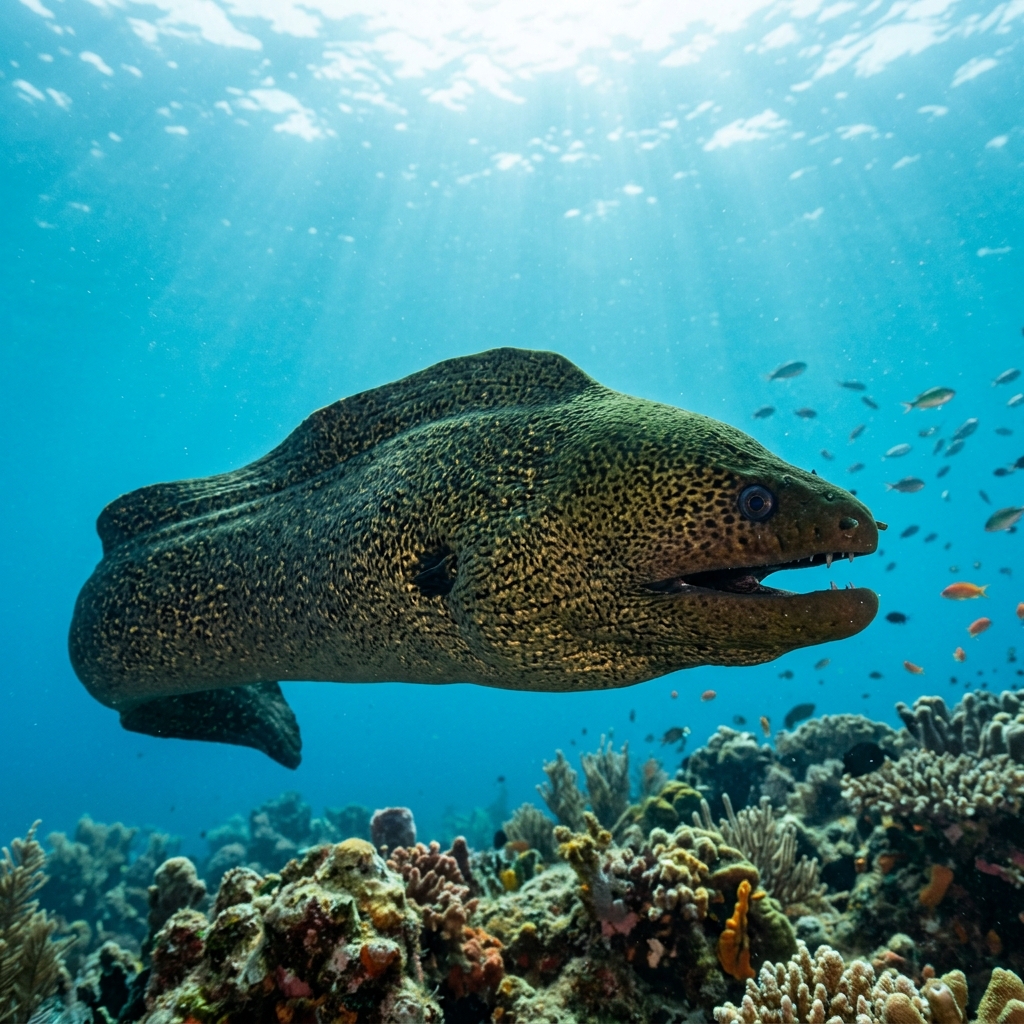
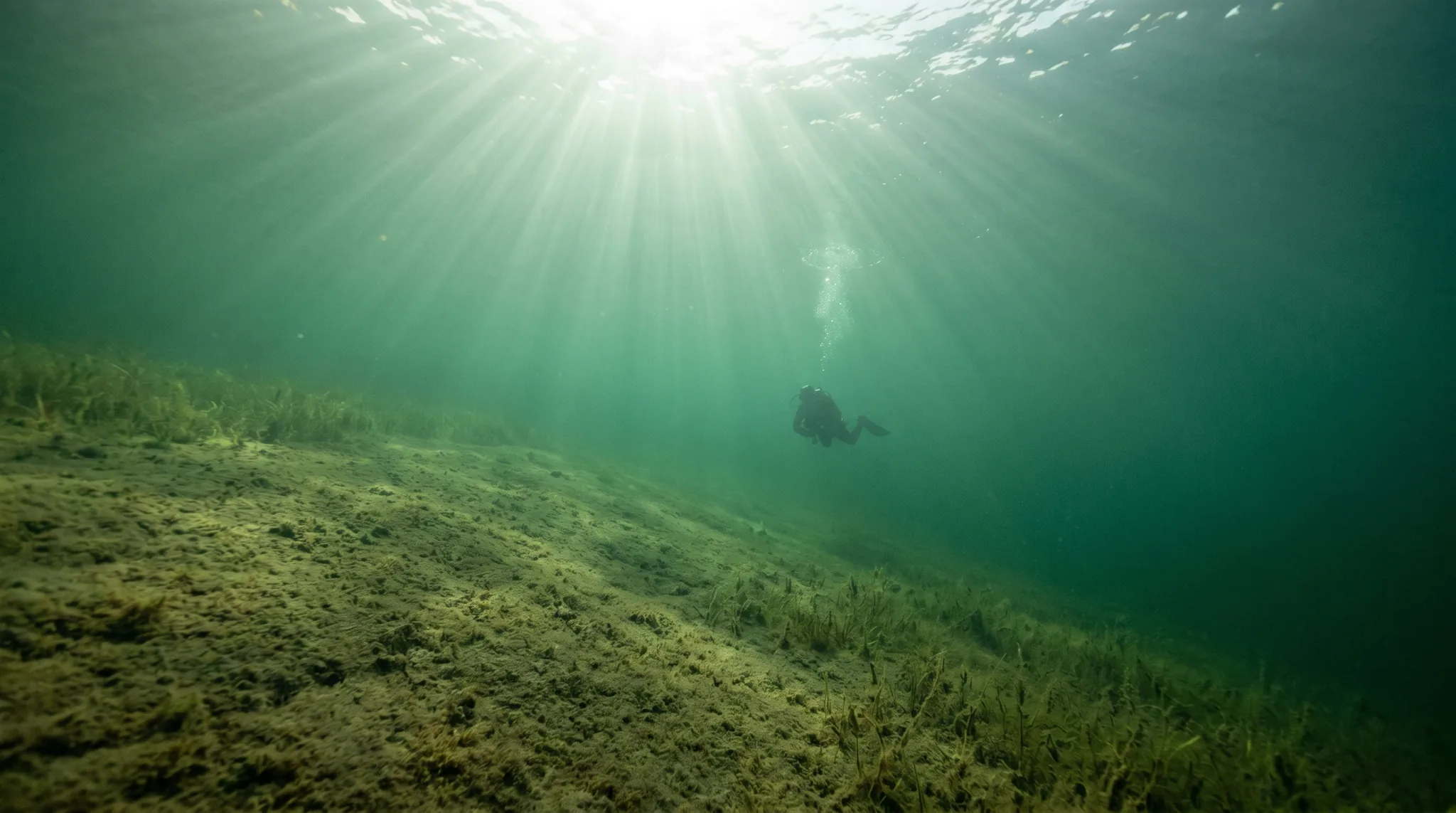
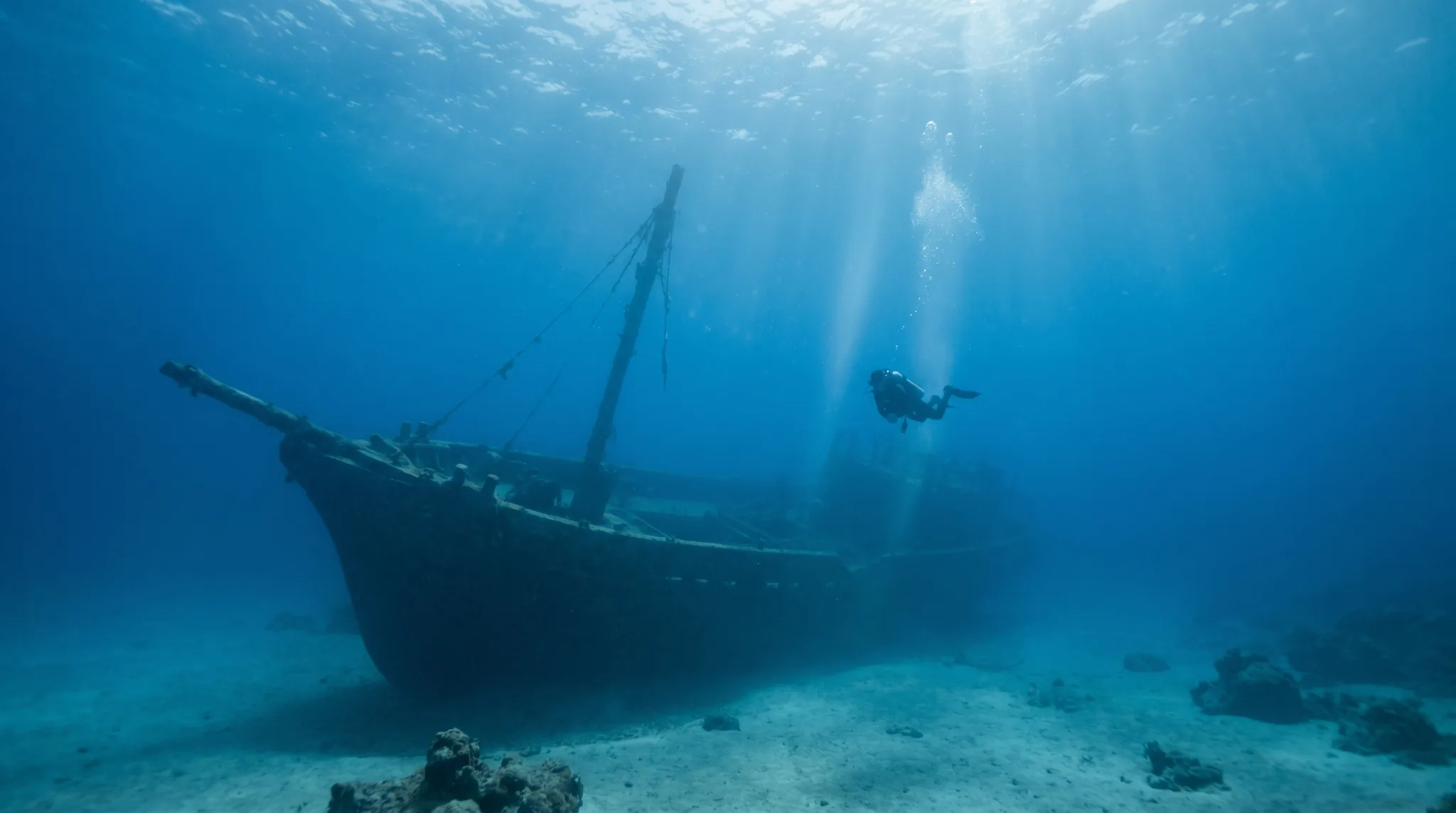
San Carlos divides across two distinct zones: the bay itself, where deliberately sunk wrecks like the Suchiate and ARM Santos have matured into artificial reefs, and the offshore waters around Isla San Pedro Nolasco, where caves, pinnacles and walls attract California Sea Lion and Panamic Green Moray. Site variety runs from very shallow beginner reefs to deep expert dives with strong currents. Scorpionfish, Yellow Snapper and Panamic Sergeant Major appear across almost every site, while the King Angelfish adds vivid colour throughout.
Monthly water temperature across San Carlos's sites, from satellite sea-surface data corrected for depth. The band shows the site-to-site spread.
Water is warmest from late summer into early autumn, making that period the most comfortable for lighter exposure suits and longer dives. Conditions cool noticeably through winter, when visitor numbers drop and the water reaches its coolest point in February and March. Peak activity clusters from late spring through October, when visibility and temperatures combine most favourably.
16 operators
42 more sites to explore
2 areas
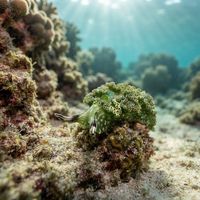
24Wrecks, pinnacles and reef walls with exceptional nudibranch diversity and resident California Sea Lion encounters.
15A compact island off San Carlos where California Sea Lions share reef walls, caves, and a shallow wreck with an exceptionally diverse fish community.
Water temperature around San Carlos ranges from about 18°C in February to 29°C in September, based on satellite sea-temperature data for its dive sites.
In the warm season (about 29°C) a rash guard or 3mm shorty is comfortable in San Carlos; in the coldest months (about 18°C) step up to a 5mm suit.
Fin maps 54 sites in San Carlos (48 scuba diving sites and 7 snorkelling spots, with some suited to both), organised into 2 areas.
Across San Carlos's dive sites, May, June, July, August, September and October are most often reported as the best months to visit.
Sightings across San Carlos sites are dominated by Scorpionfish, Panamic Sergeant Major and Yellow Snapper. California Sea Lion and King Angelfish are reliably observed, while Panamic Green Moray, Round Stingray and Spiny Lobster appear regularly. Green Sea Turtle is seen occasionally, and Flamingo Tongue adds interest on reef structures.
A good portion of sites in San Carlos are rated for beginners, including the wreck dives in the bay and shallow reefs such as Corralito and Tres Marias. Intermediate divers have strong options too, including the pinnacle at Seamount and the drift at Arroyo. Turner Island is reserved for experts, given its strong currents and depth.
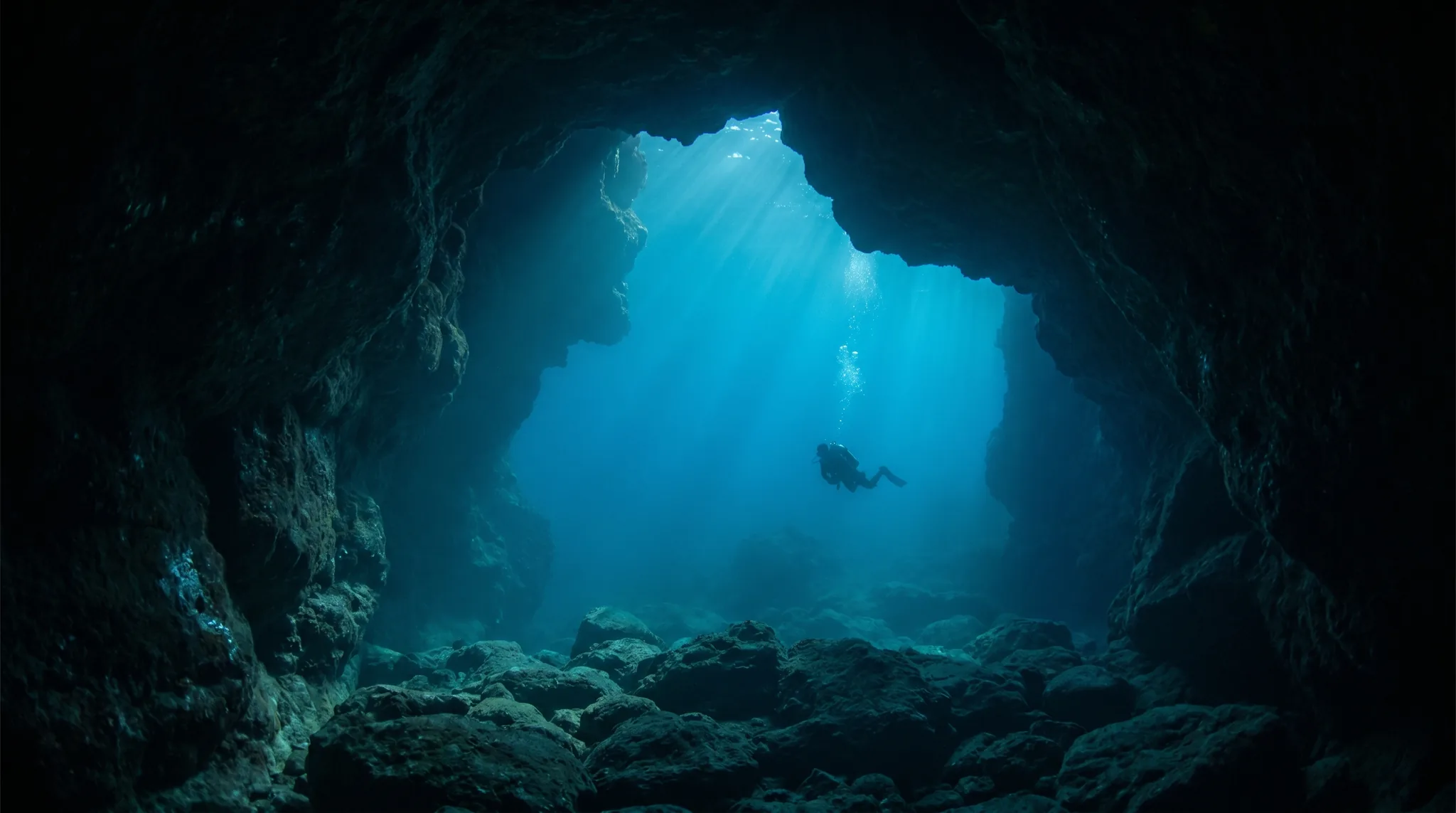
San Carlos Bay holds the largest concentration of sites and is home to the region's wreck diving, including two deliberately sunk vessels that now function as artificial reefs. Isla San Pedro Nolasco offers a different character, with cave systems, natural reef and shore-accessible diving at South Himalaya Bay. The island sites tend to suit divers looking for more varied topography.
The majority of sites across San Carlos require a boat, covering both the bay wrecks and the offshore reefs and walls. Shore access is available at South Himalaya Bay on Isla San Pedro Nolasco, and Isla Coronadito can be reached from either boat or shore. No dive operators are currently listed on Fin for this region.