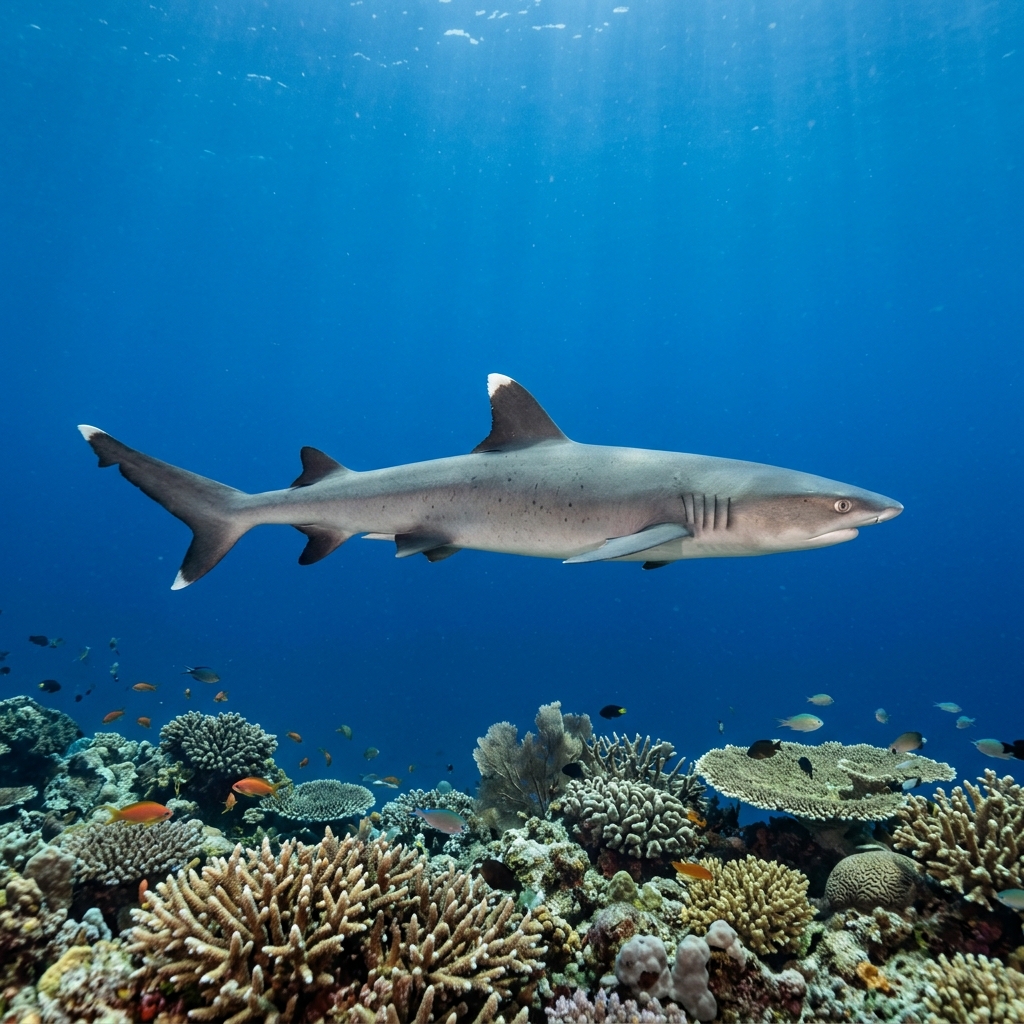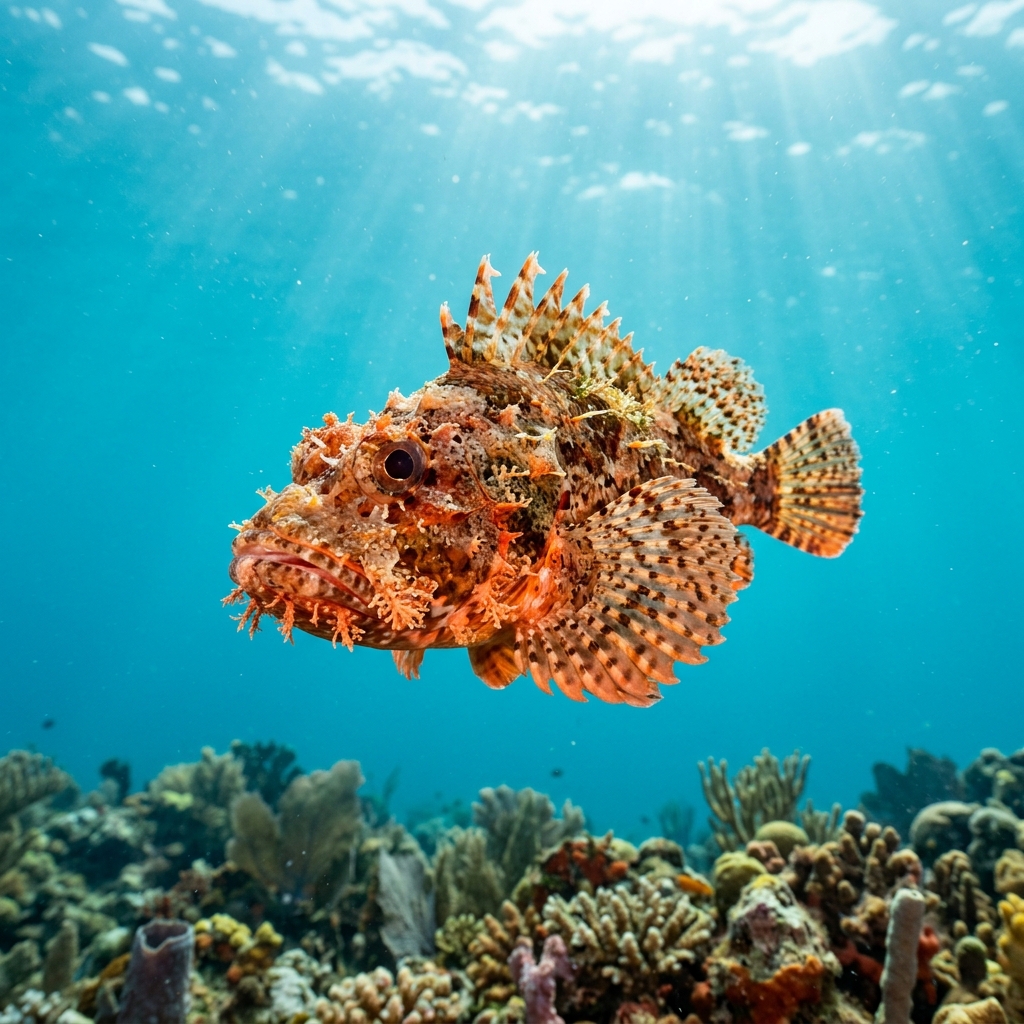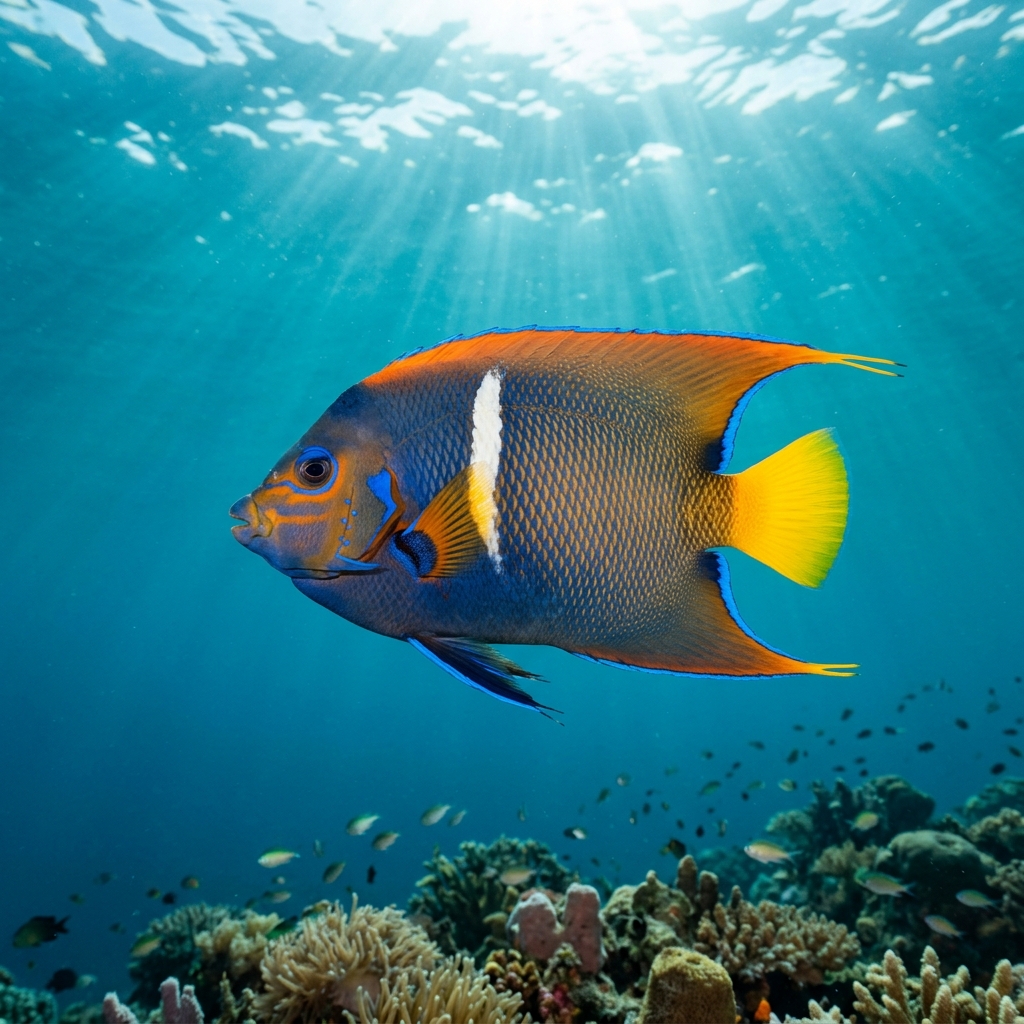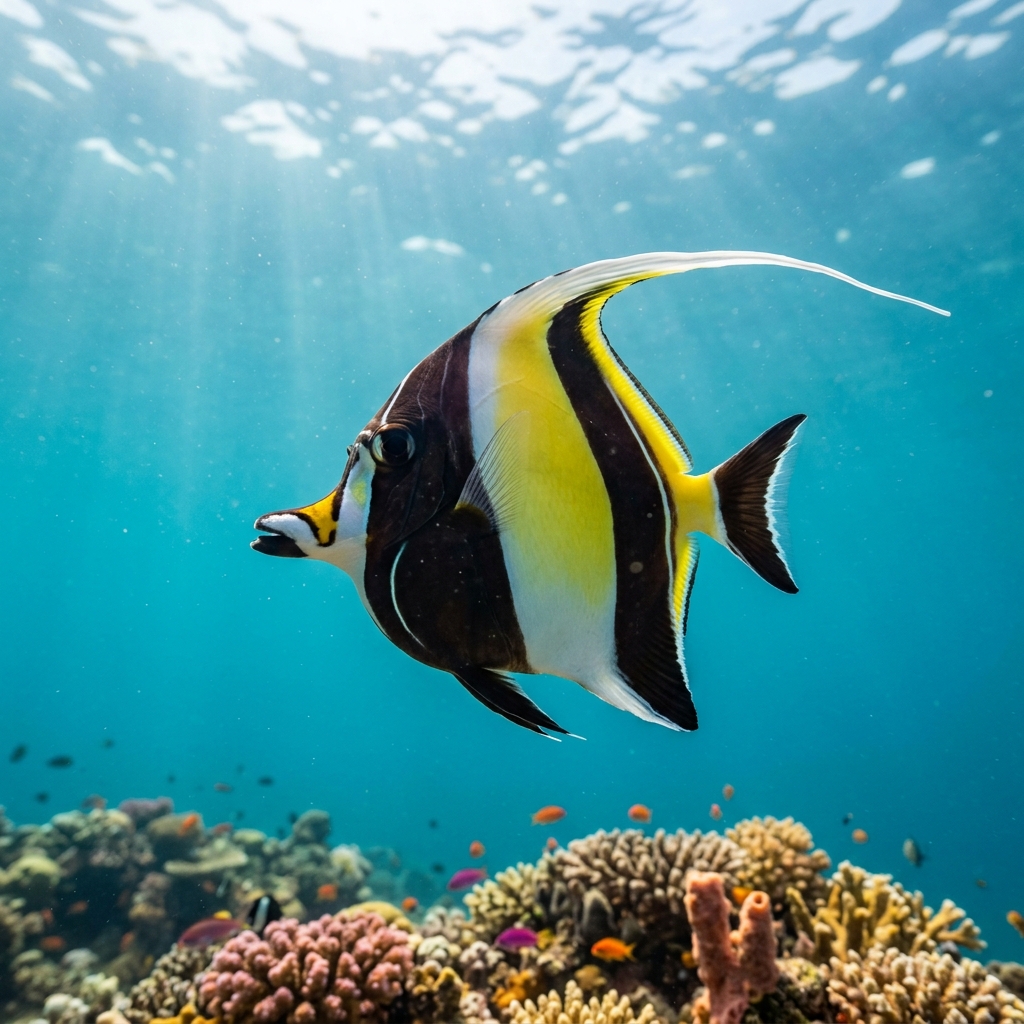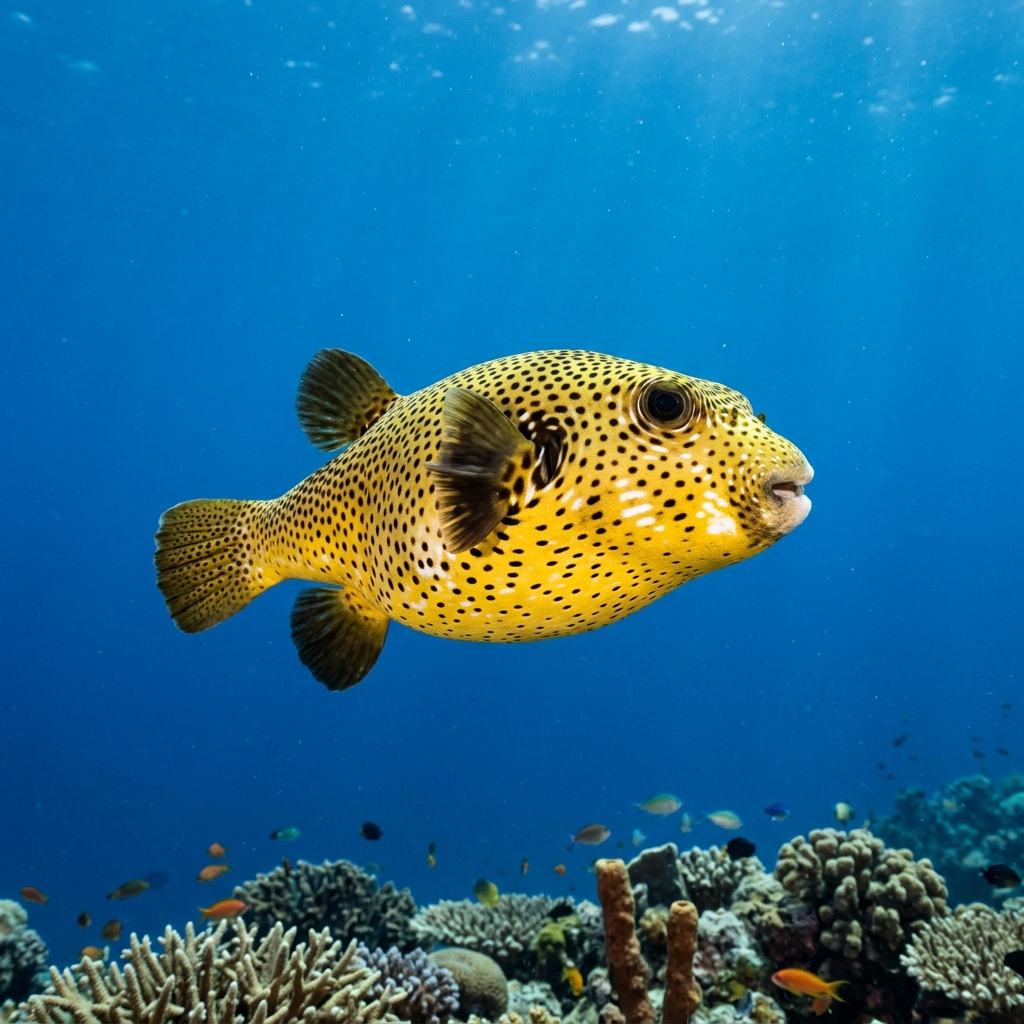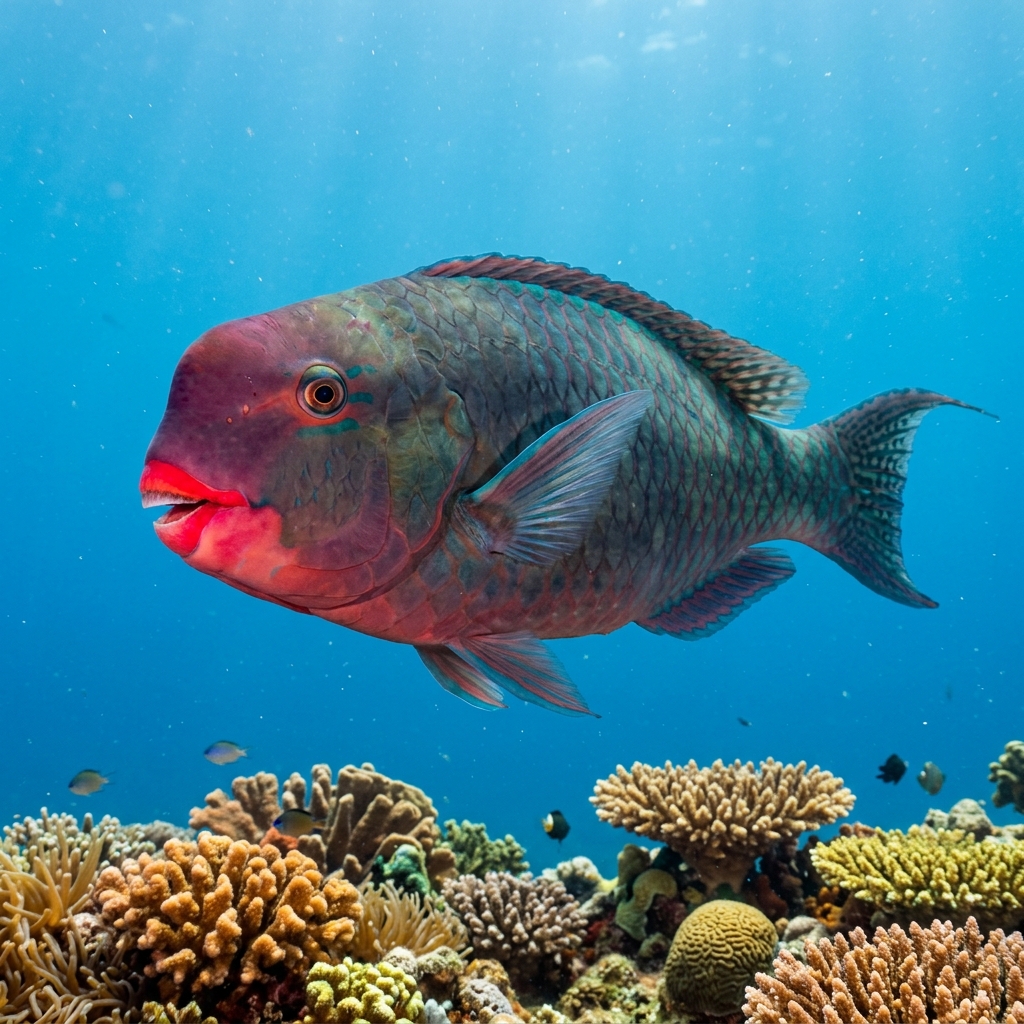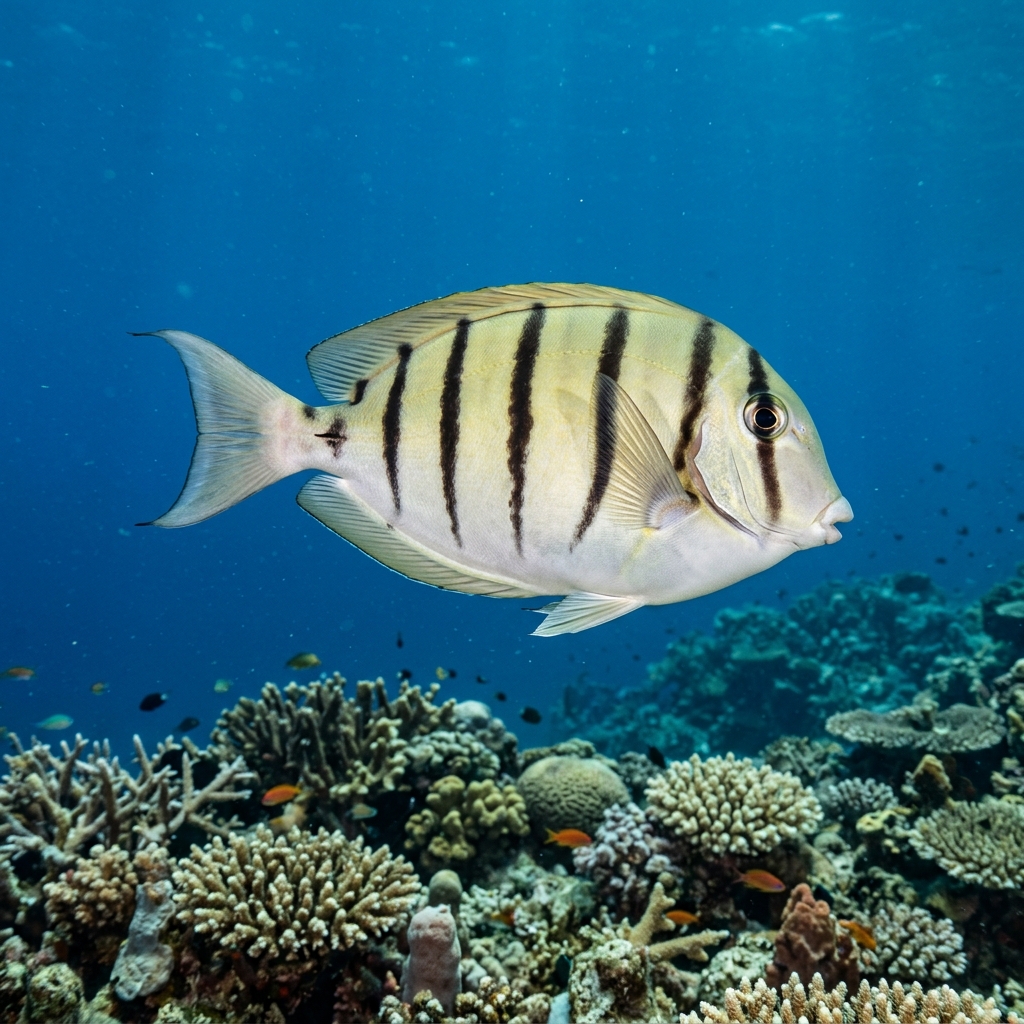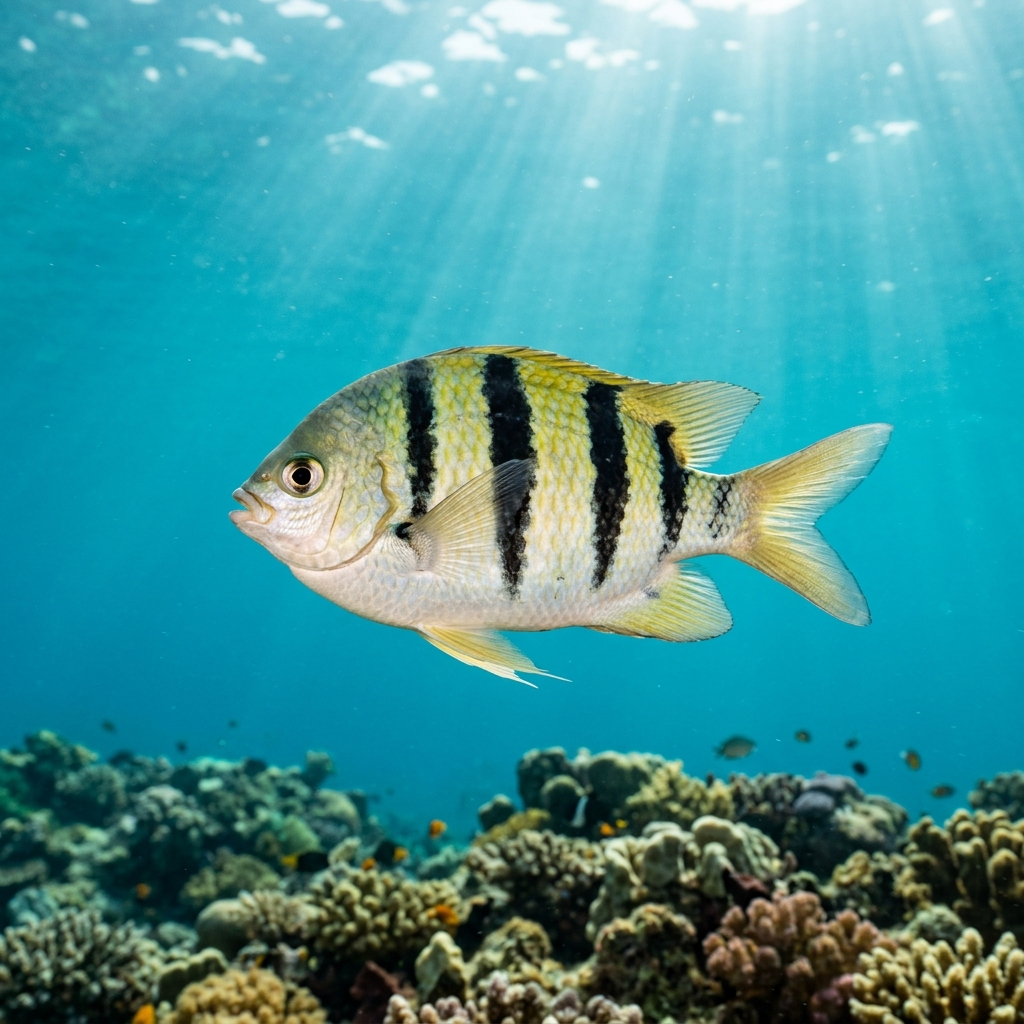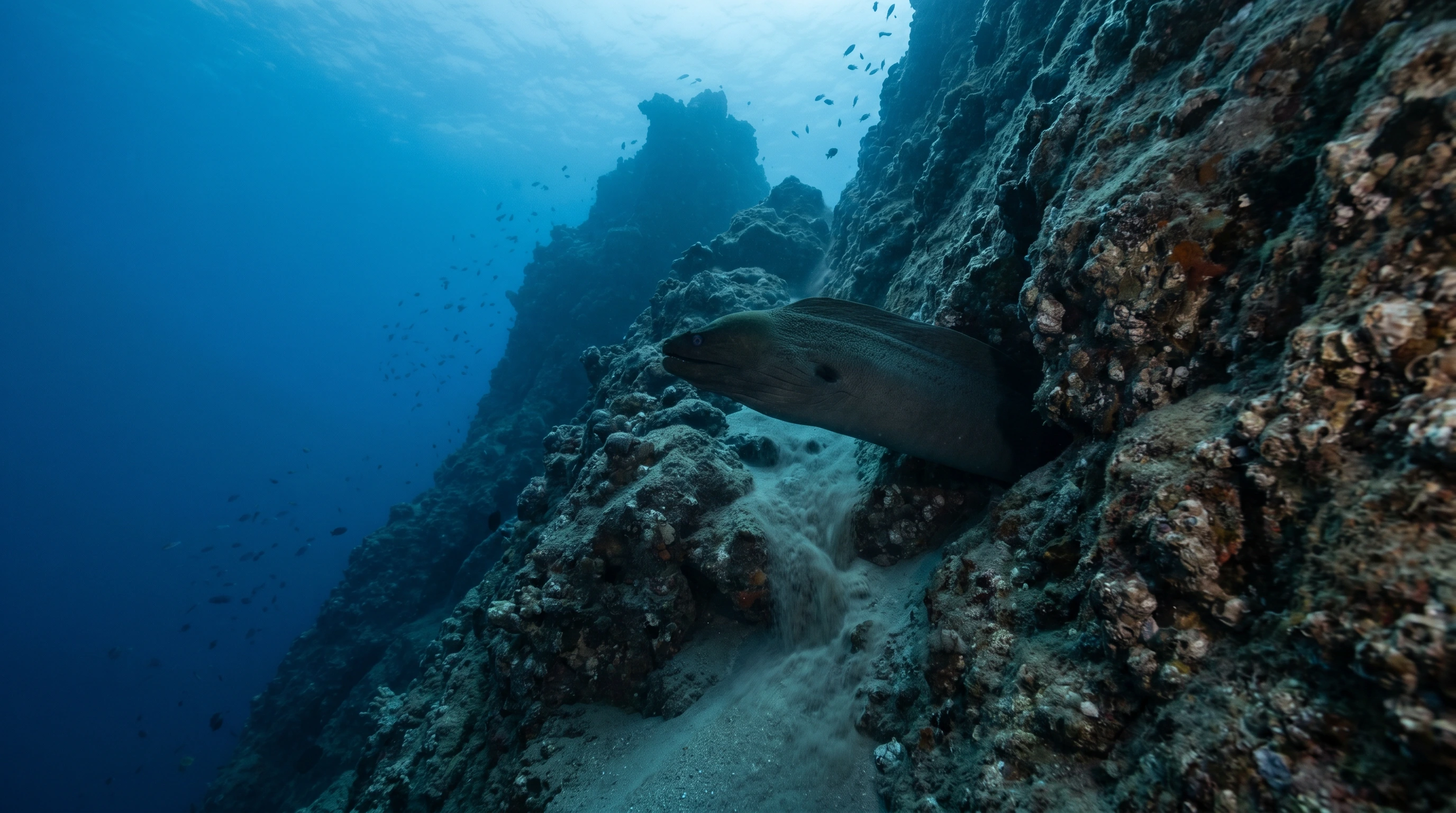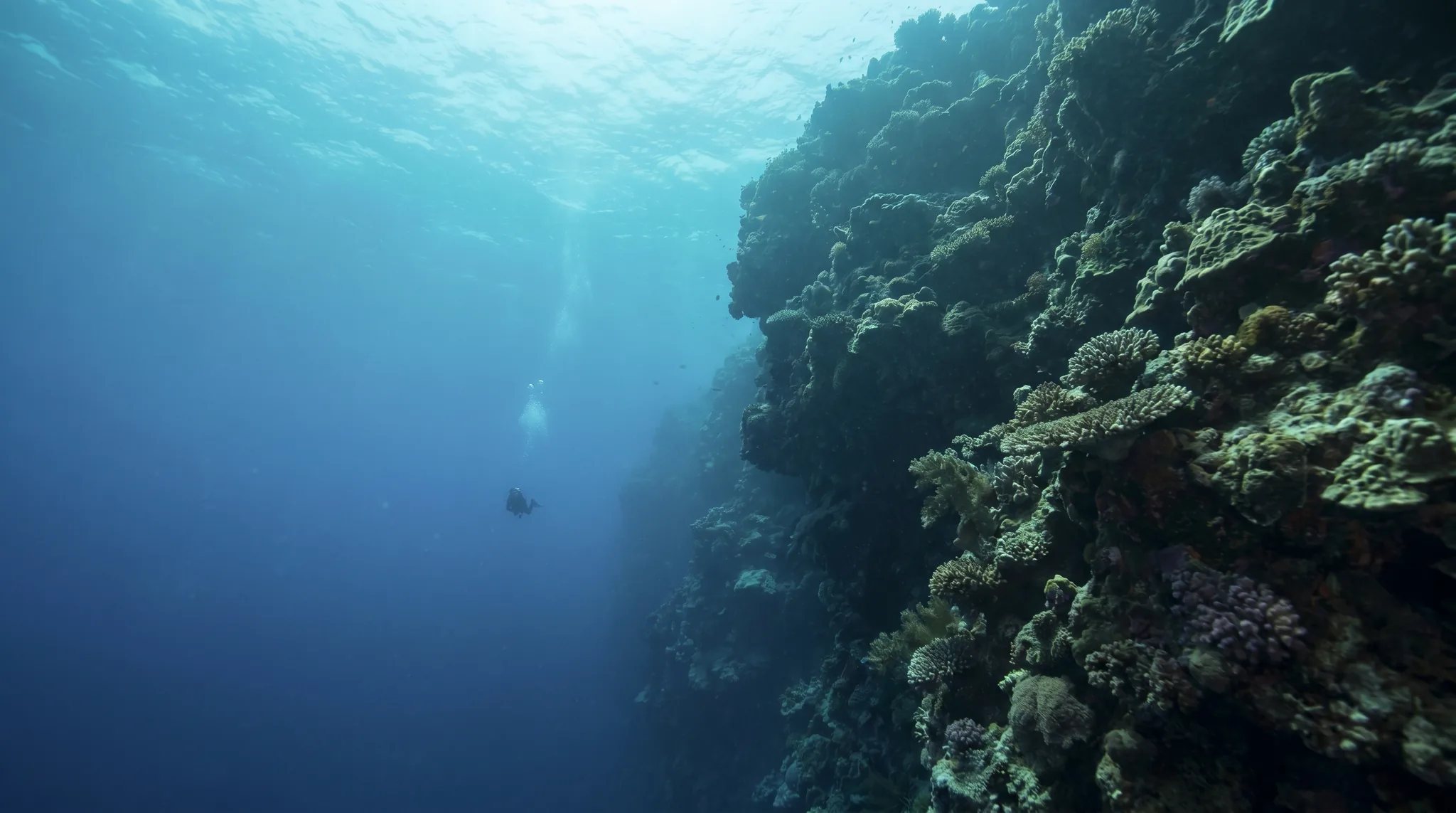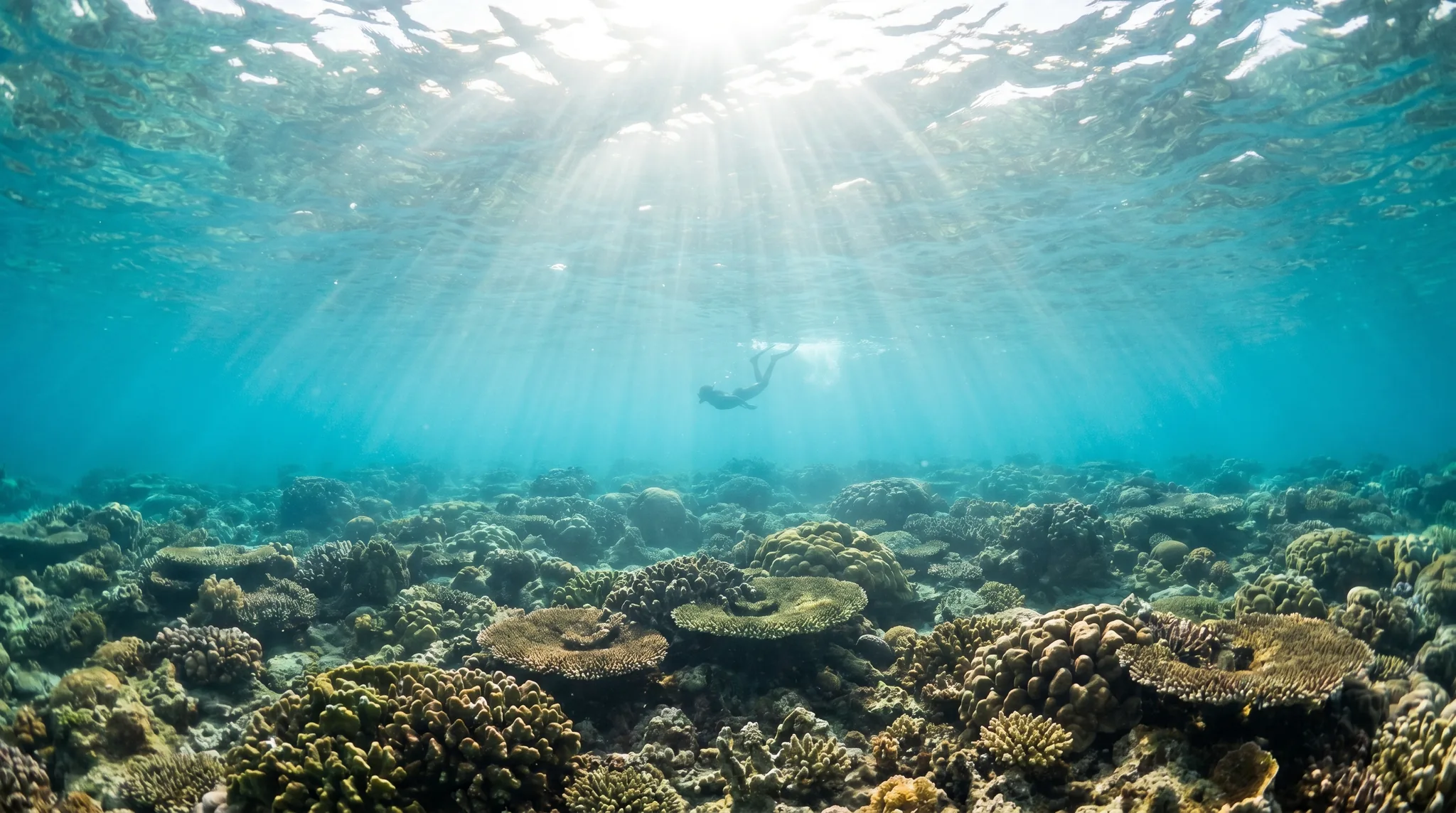
Missiones is a marine dive site located in Cabo San Lucas, Mexico, featuring a combination of reef, wall, and drop-off topography. Access to this site is by boat only. Water temperatures fluctuate between 21C and 29C throughout the year, with cooler conditions often found below 15 metres. Visibility is generally good but can vary. Divers can encounter a variety of marine life, including common wrasses and snails. Uncommon sightings include King Angelfish, Redlip Parrotfish, Razor Surgeonfish, Guineafowl Puffer, Moorish Idol, Sea Chub, Yellowfin Surgeonfish, Sally Lightfoot Crab, Convict Surgeonfish, Bluespotted Cornetfish, and Panamic Sergeant Major.
22.88998, -109.86455
October and November combine warm water, peak visibility, and lower tourist crowds.
Most sites are accessible by boat from the Cabo San Lucas marina within 5 to 30 minutes.
Recorded at this site
Entry
Boat
Boat required
Water Temp
21-29°C
Best Time
Jan, Feb, Mar, Apr, May, Oct, Nov, Dec
Divers regularly encounter common wrasses and snails. Uncommon species recorded at the site include King Angelfish, Redlip Parrotfish, Razor Surgeonfish, Guineafowl Puffer, Moorish Idol, Sea Chub, Yellowfin Surgeonfish, Sally Lightfoot Crab, Convict Surgeonfish, Bluespotted Cornetfish, and Panamic Sergeant Major.
No, this site requires boat access.
Water temperatures range from 21C to 29C. During winter months, temperatures can be cool, while in summer, deeper water below 15 metres may remain cold enough to require a thin wetsuit.
Diving at Missiones in Cabo San Lucas requires the following certifications: Advanced Open Water For Deep Sites. Always dive within your training limits.
A 3mm wetsuit is recommended for diving at Missiones in Cabo San Lucas. Water temperatures range from 21°C to 29°C.
The best months to visit Missiones in Cabo San Lucas are January, February, March, April, May, October, November, and December. Conditions outside these months can still be good but are less predictable.
Divers at Missiones in Cabo San Lucas should be aware of sharks. These encounters are generally rare and avoidable with proper awareness. Follow local safety guidance and maintain a respectful distance from all marine life.