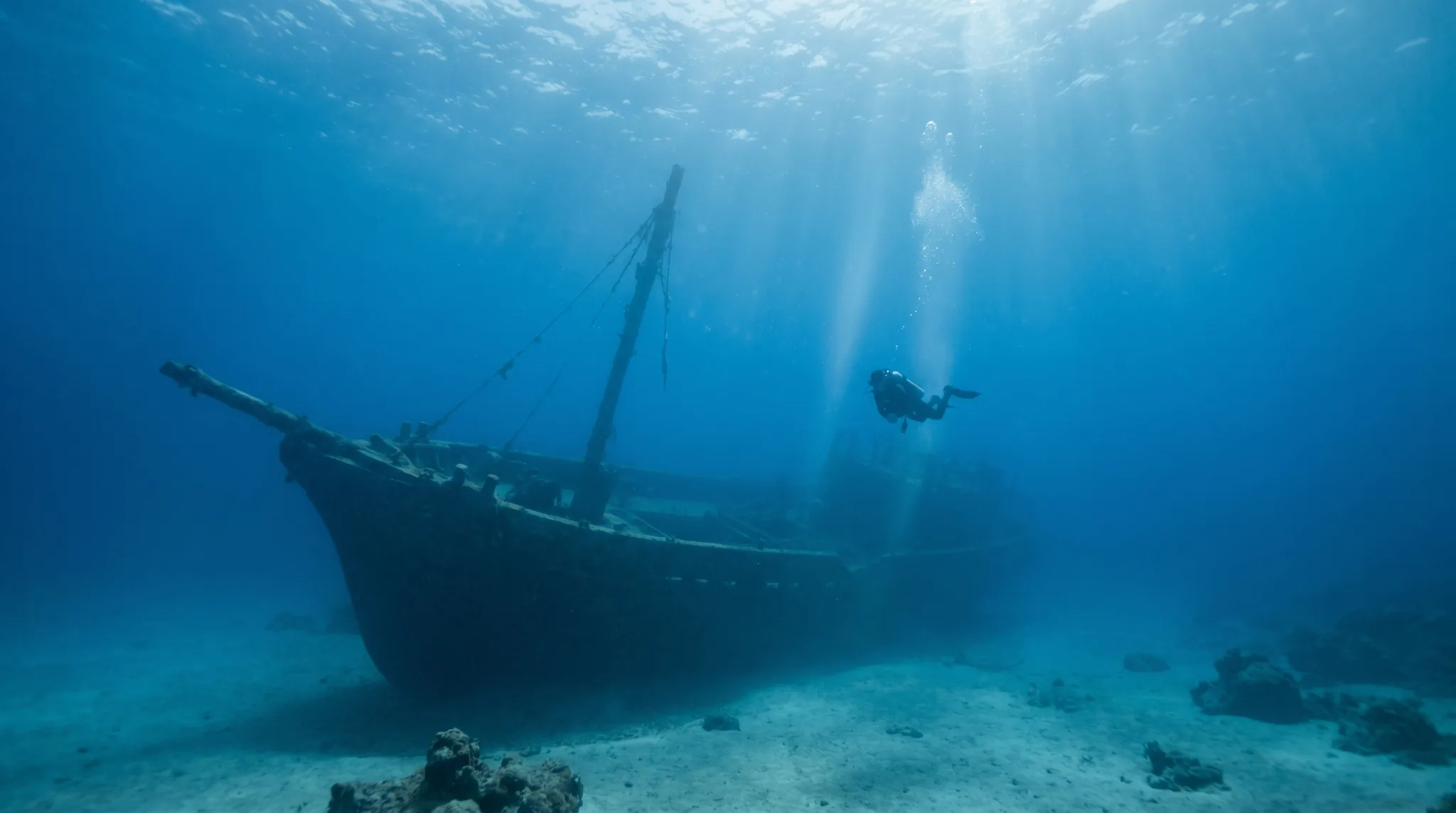
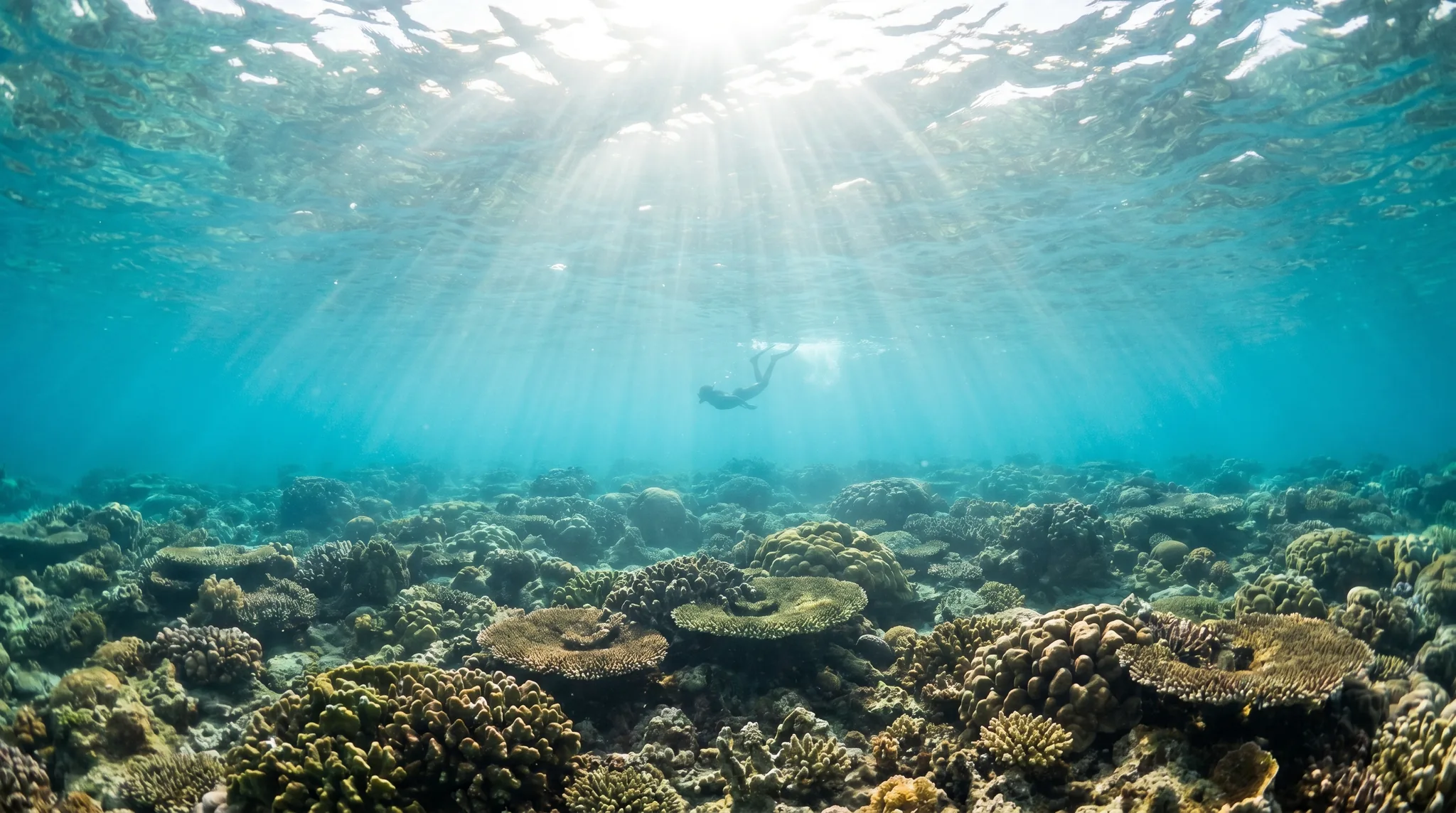
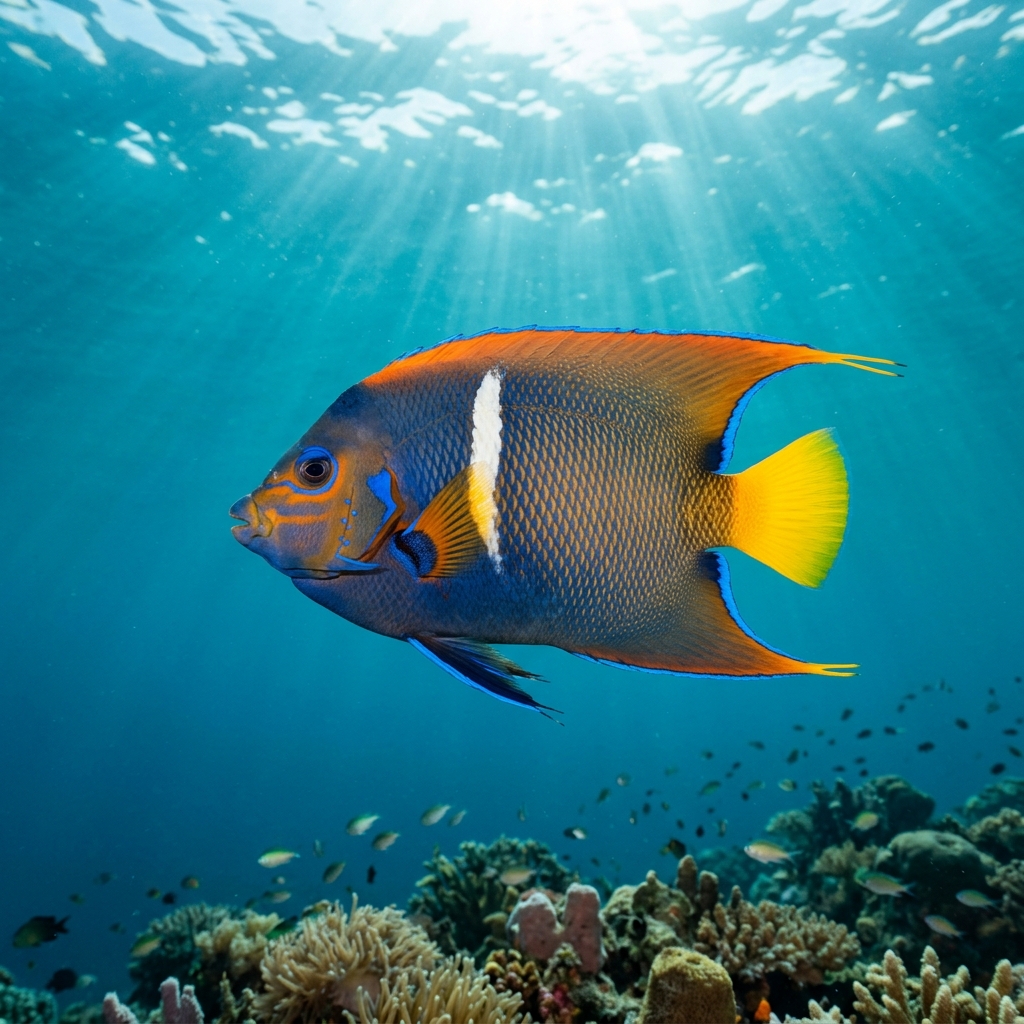
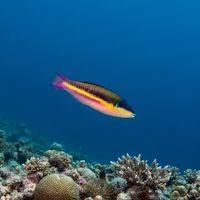
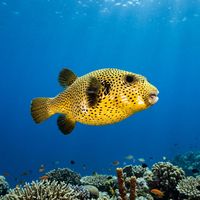
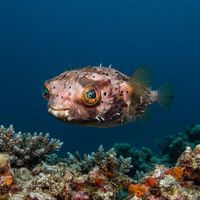
Cabo San Lucas offers a compact but varied dive scene built around rocky reefs, walls, and pinnacles along the Los Cabos Corridor. Sites range from shallow, beginner-friendly bays like Santa Maria Bay and Chileno Reef to the deeper walls of North Wall and the pinnacle at Neptune's Finger. The fish life is rich and observation-backed, with Cortez Rainbow Wrasse, King Angelfish, and Guineafowl Puffer present across nearly every site, and Whitetip Reef Shark and California Sea Lion appearing regularly. Conditions favour boat access for the more exposed sites.
Monthly water temperature across Cabo San Lucas's sites, from satellite sea-surface data corrected for depth. The band shows the site-to-site spread.
Water is at its warmest from late summer through to early winter, with the peak of recommended diving falling in October and November according to the best-months data. Temperatures dip noticeably in spring, particularly around April and May, when a light exposure suit becomes worthwhile. Visibility varies considerably across the year, so autumn's combination of warm water and calm conditions makes it the most consistently rewarding window.
14 operators

14 more sites to explore
Water temperature around Cabo San Lucas ranges from about 20°C in April to 28°C in August, based on satellite sea-temperature data for its dive sites.
In the warm season (about 28°C) a rash guard or 3mm shorty is comfortable in Cabo San Lucas; in the coldest months (about 20°C) step up to a 5mm suit.
Fin maps 20 sites in Cabo San Lucas (18 scuba diving sites and 5 snorkelling spots, with some suited to both).
Across Cabo San Lucas's dive sites, October, November and December are most often reported as the best months to visit.
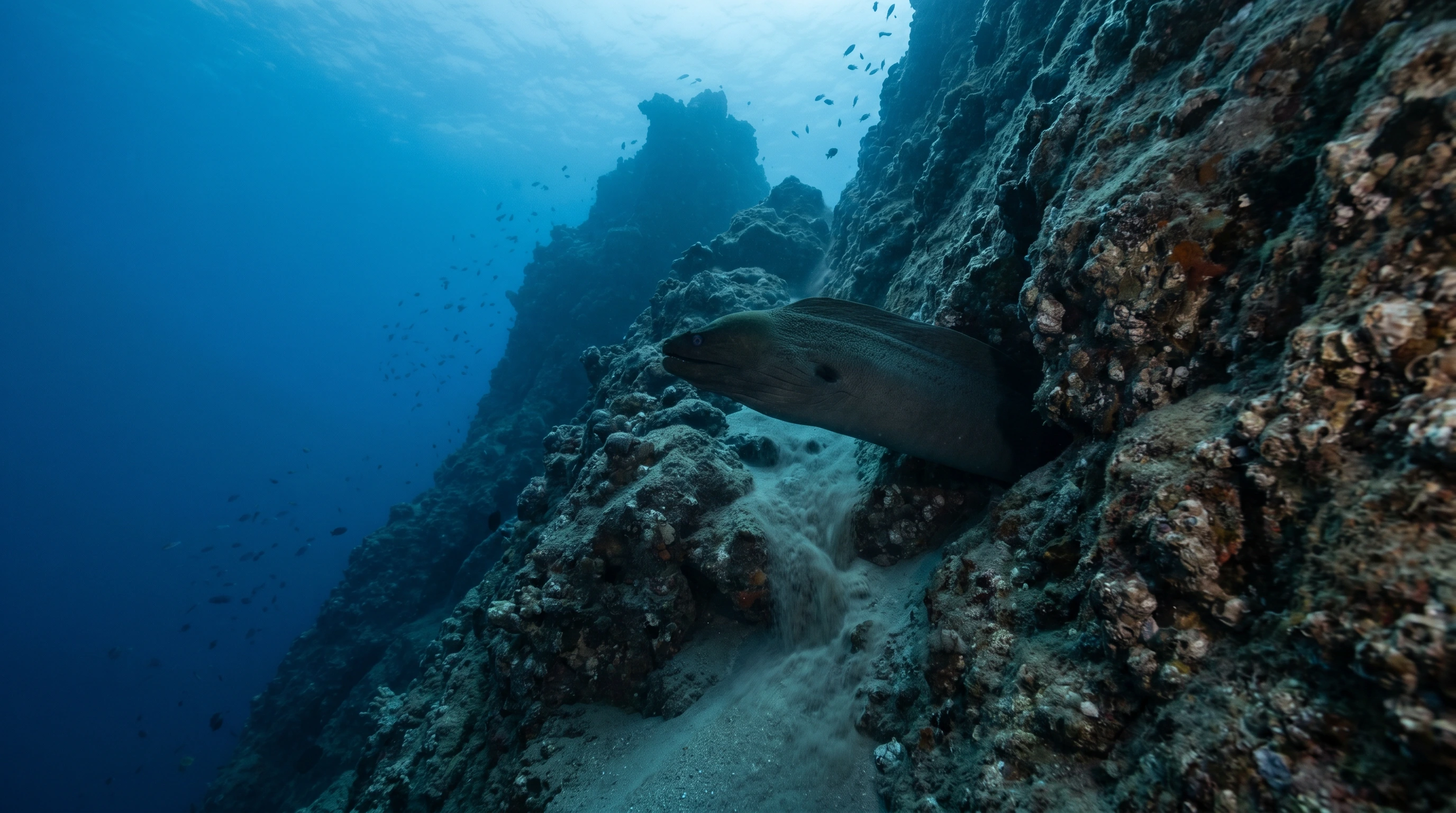
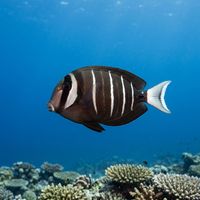
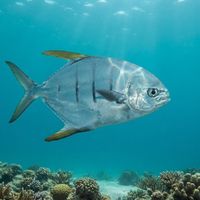
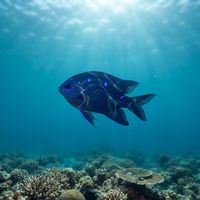
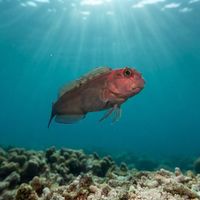
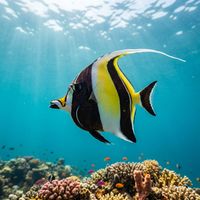
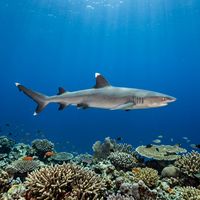
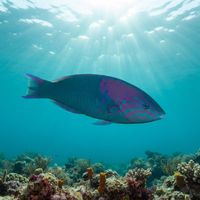
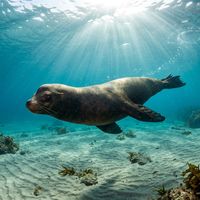
The reef fish community is notably consistent across sites, with King Angelfish, Cortez Rainbow Wrasse, Guineafowl Puffer, Razor Surgeonfish, and Moorish Idol observed very commonly. Whitetip Reef Shark is a regular sighting at many sites, and California Sea Lion and Humpback Whale make occasional appearances. Panamic Green Moray and Cortez Angelfish are also recorded, along with Blue-barred Parrotfish and Orangeside Triggerfish.
The majority of listed sites are rated for beginners, including Santa Maria Bay, Chileno Reef, Blowhole Beach, and North Wall. Neptune's Finger is the main site pitched at intermediate level, thanks to its deeper wall sections and occasional current. Newcomers will find plenty of accessible boat and shore options to build experience before attempting the more challenging sites.
Most sites require a boat, and there are many operators in the area, including Dive Cabo, Manta Scuba Diving, Dive Ninja Expeditions, and Cabo Adventures, among others. Shore entry is available at Chileno Reef, which can also be reached by boat. Sites like North Wall and Neptune's Finger are accessible by boat only, sitting further from shore.
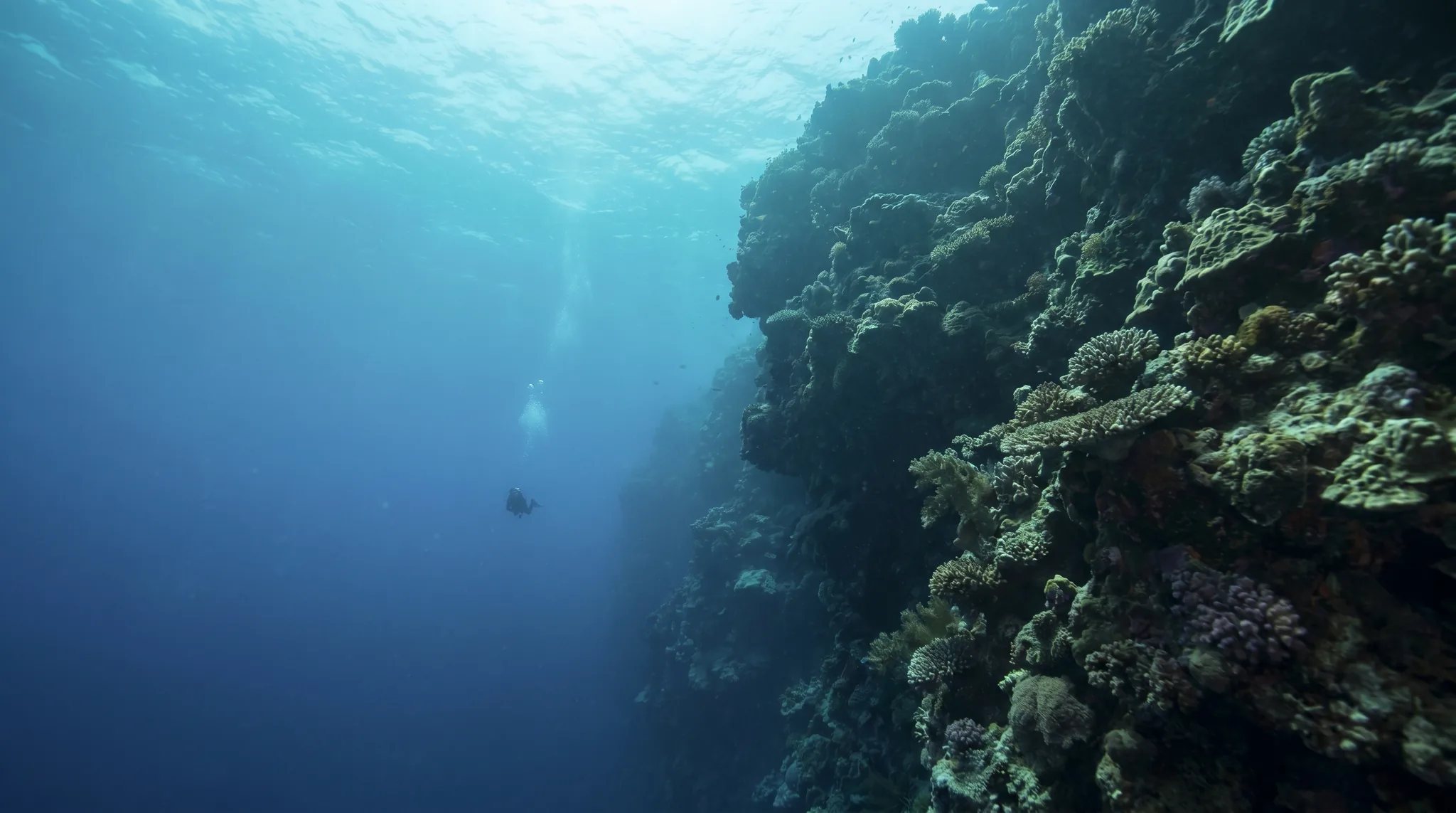
The site mix covers rocky reefs, walls, sand channels, and a distinctive pinnacle at Neptune's Finger, which rises above the surface and drops into a wall and drift section below. Blowhole Beach adds progressive wall terrain alongside its reef. This variety means divers can move between gentle reef dives and more structured wall dives within the same area.