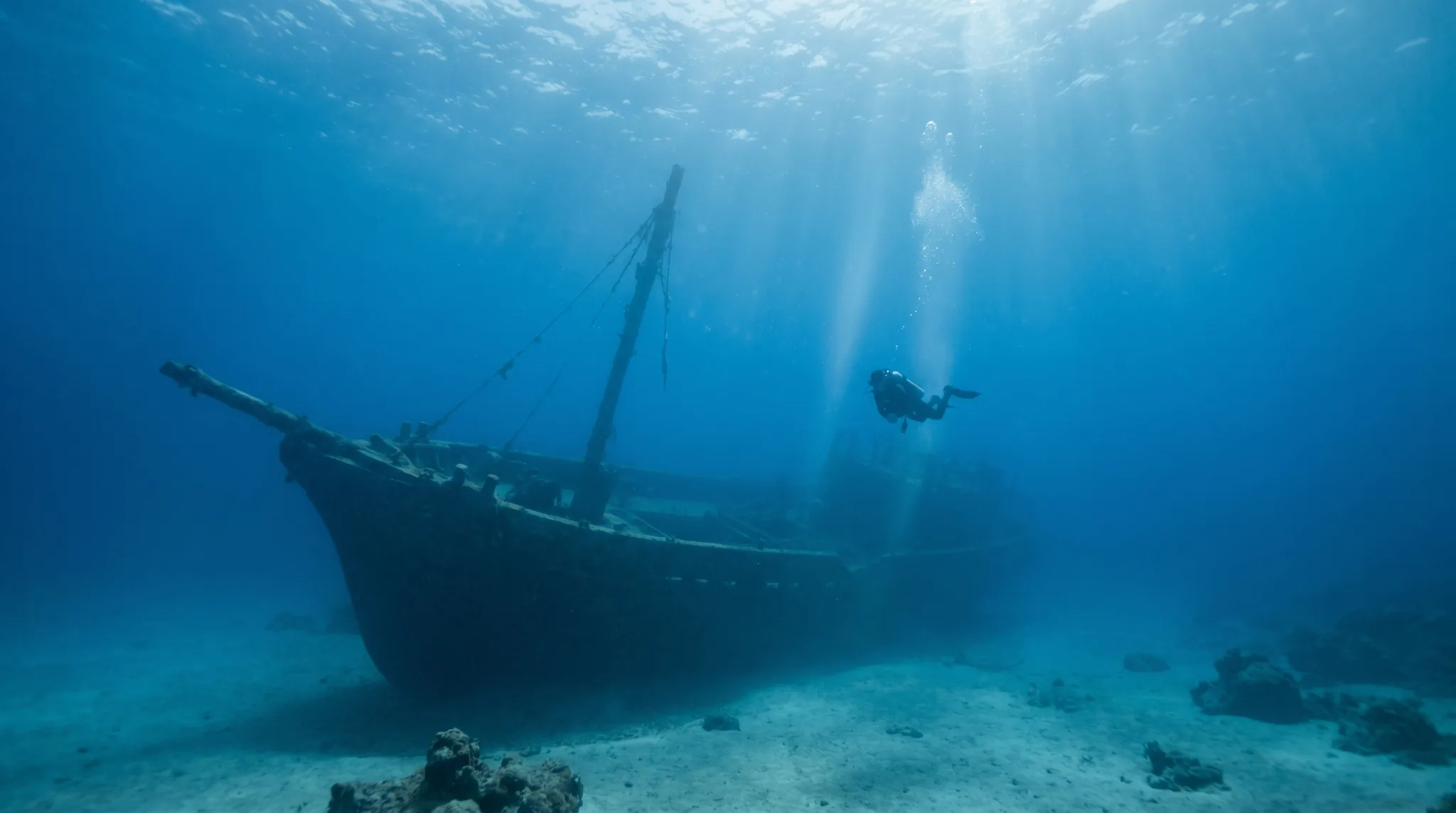
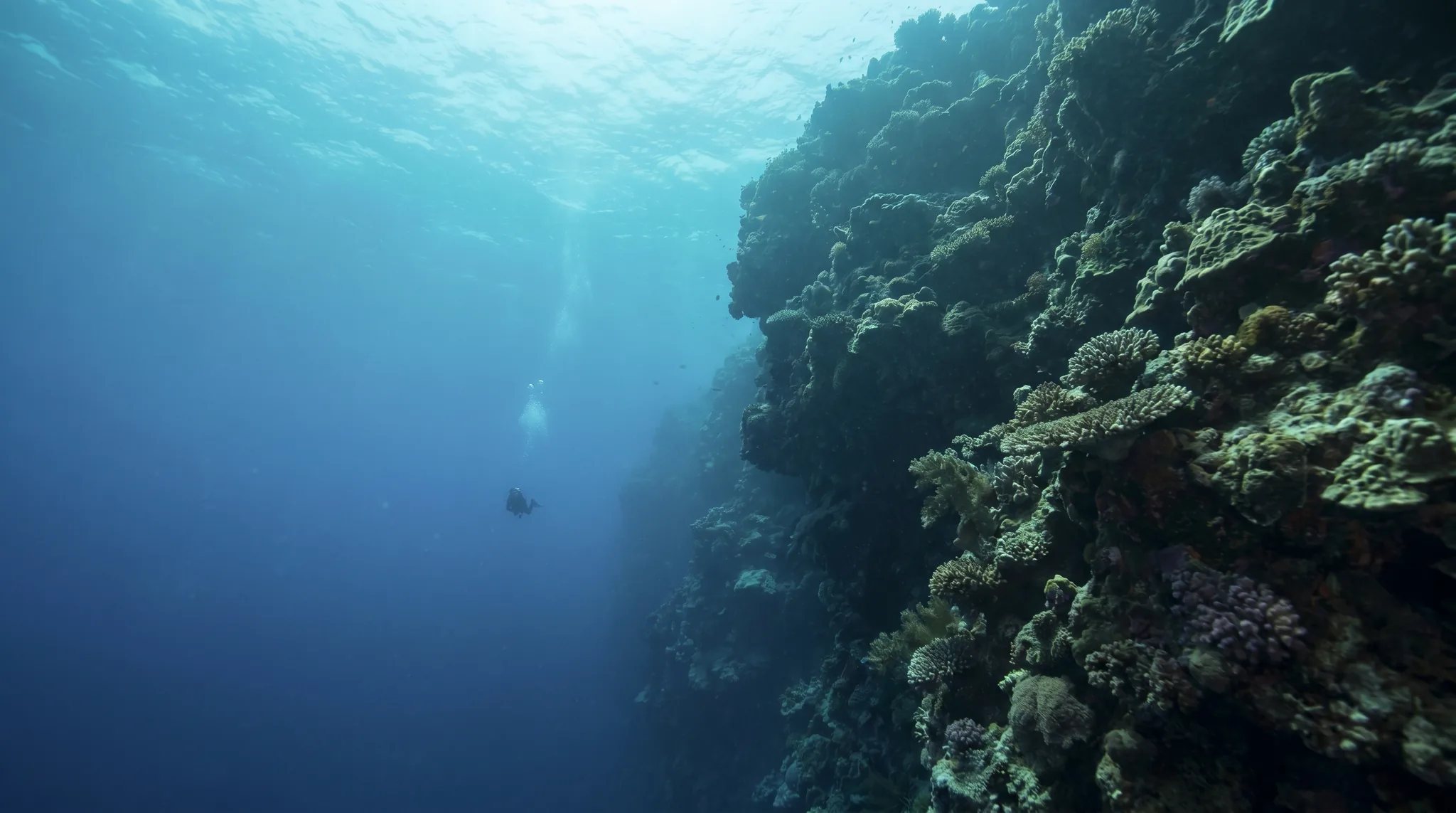
North Male Atoll spans a wide spread of sub-areas, from Bandos and Baros near the capital to the remote reaches of Helengeli and Asdu. Drift diving defines the experience: strong currents sweep channels and corners, drawing Spotted Eagle Ray, Whitetip Reef Shark and Manta Ray to cleaning stations at Lankan Manta Point. Reef tops, walls, pinnacles and the occasional wreck give variety across skill levels. The water stays warm year-round, with visibility and conditions peaking from January through April.
13 areas
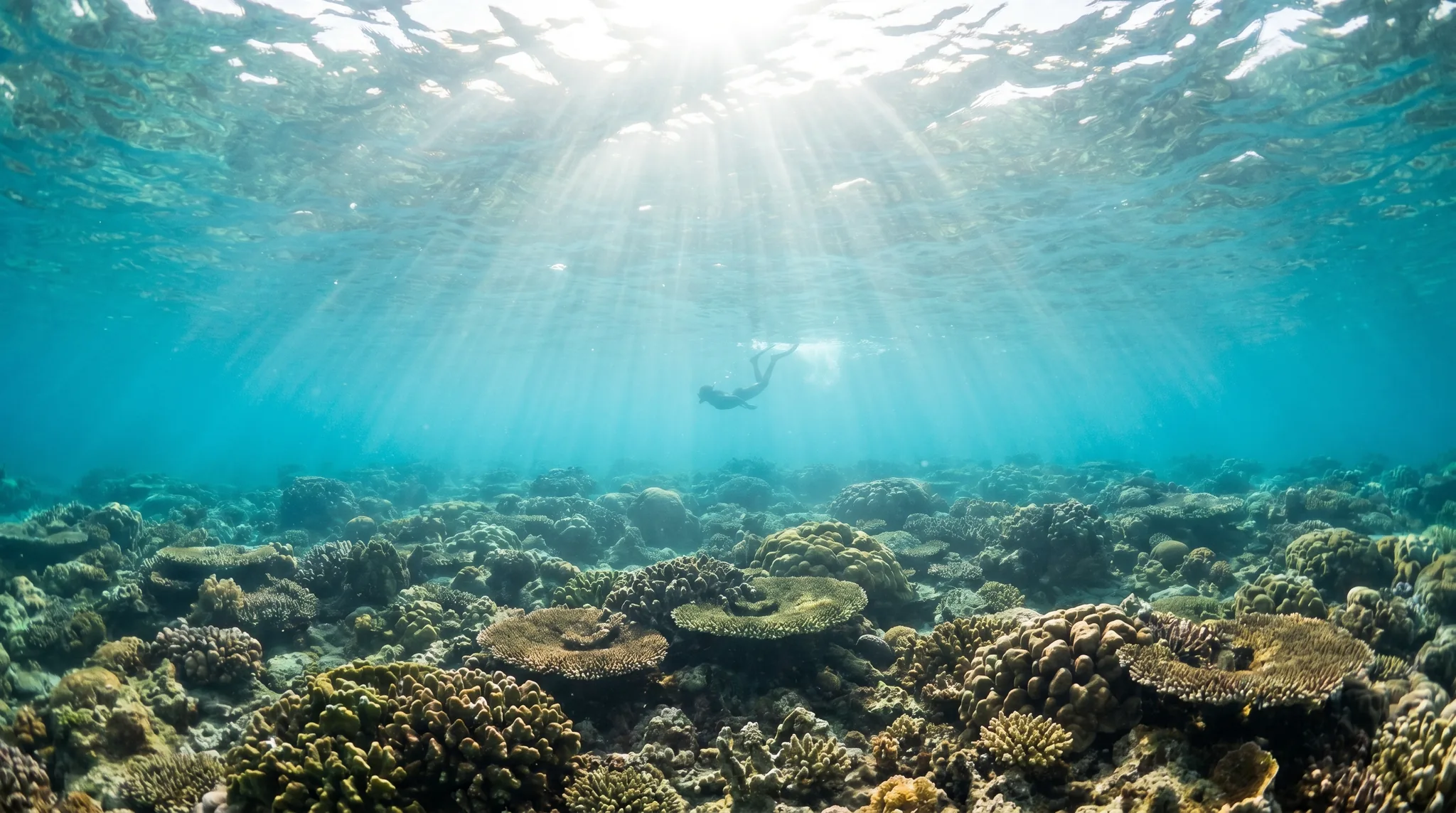
Monthly water temperature across North Male Atoll's sites, from satellite sea-surface data corrected for depth. The band shows the site-to-site spread.
Water temperature remains warm throughout the year with only a slight dip in January and a modest peak around May. The drier northeast monsoon season, broadly from January to April, tends to deliver calmer seas and the clearest visibility. The southwest monsoon brings choppier surface conditions and stronger current surges, which can concentrate pelagic life but demands more experience from visiting divers.
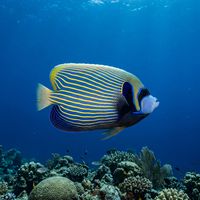
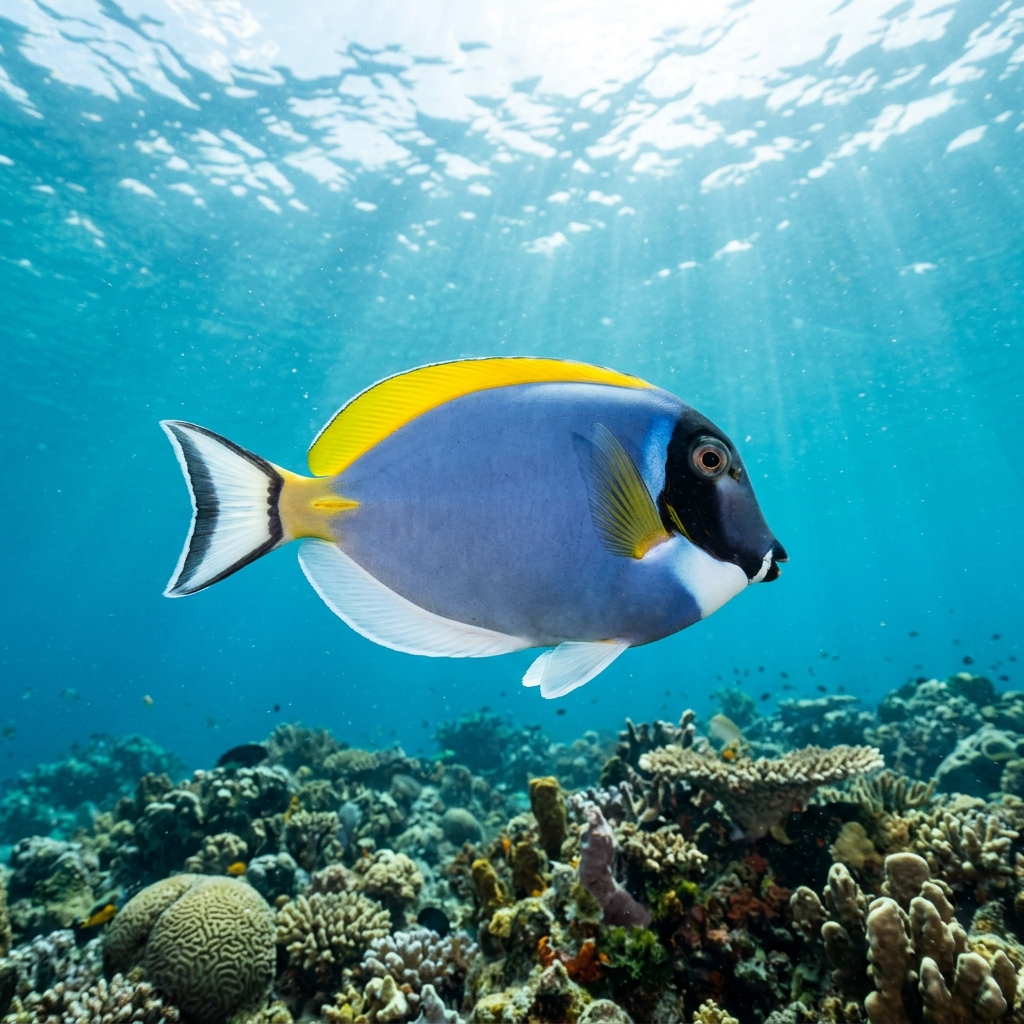
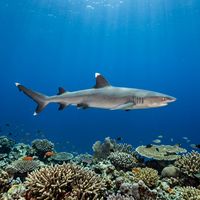
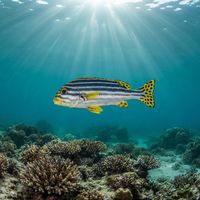
71 operators
Water temperature around North Male Atoll ranges from about 28°C in January to 30°C in May, based on satellite sea-temperature data for its dive sites.
190 more sites to explore
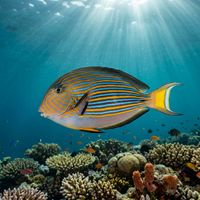
Beginner-friendly pinnacles and reef walls in North Male Atoll, with Blacktip Reef Shark and Spotted Eagle Ray among the regularly observed highlights.
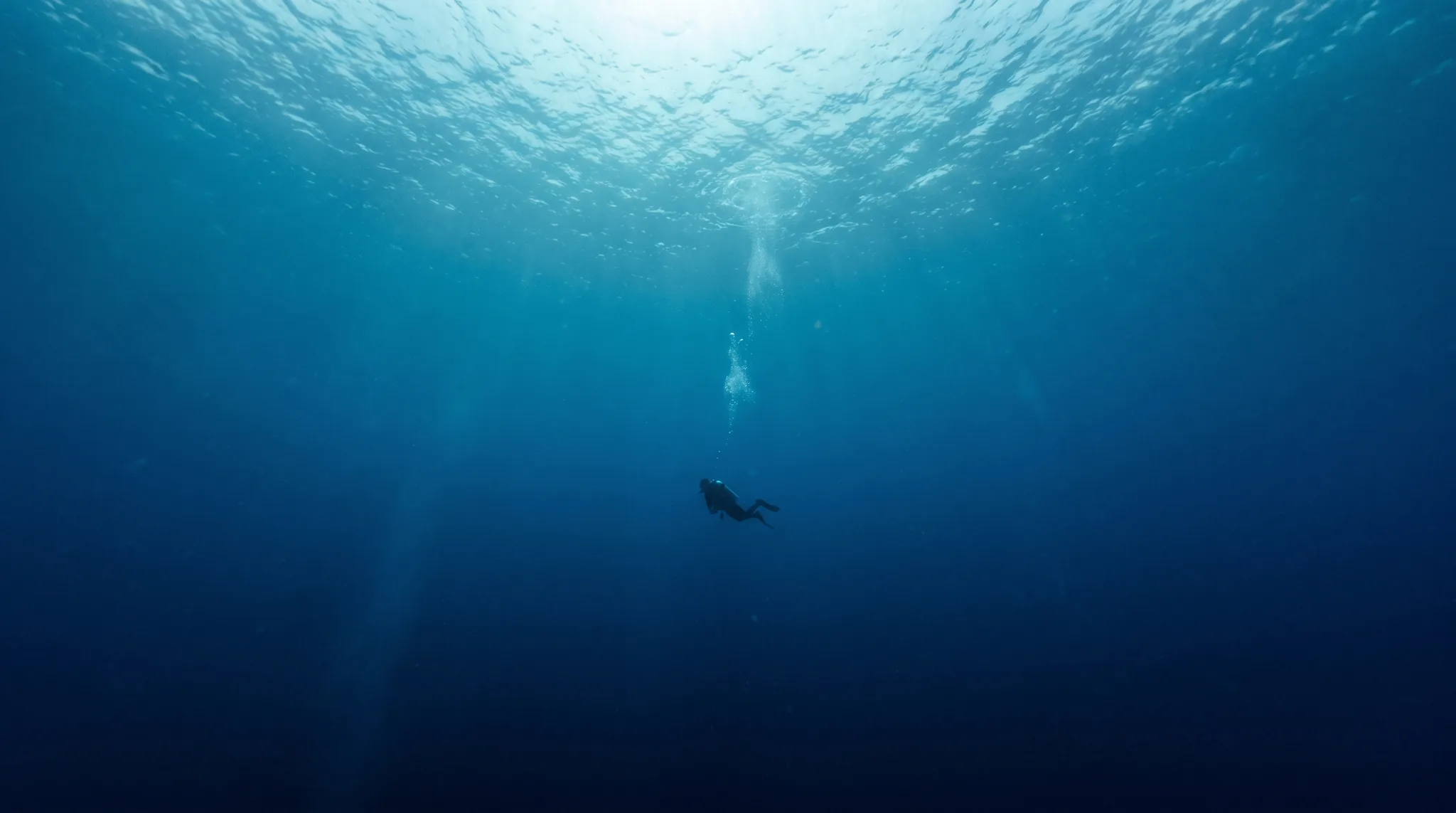
With water around 28–30°C, a rash guard or 3mm shorty works in North Male Atoll year-round.
Fin maps 202 sites in North Male Atoll (200 scuba diving sites and 43 snorkelling spots, with some suited to both), organised into 13 areas.
Across North Male Atoll's dive sites, January, February, March, April and December are most often reported as the best months to visit.
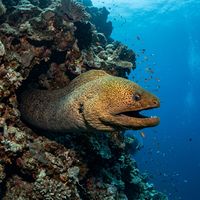
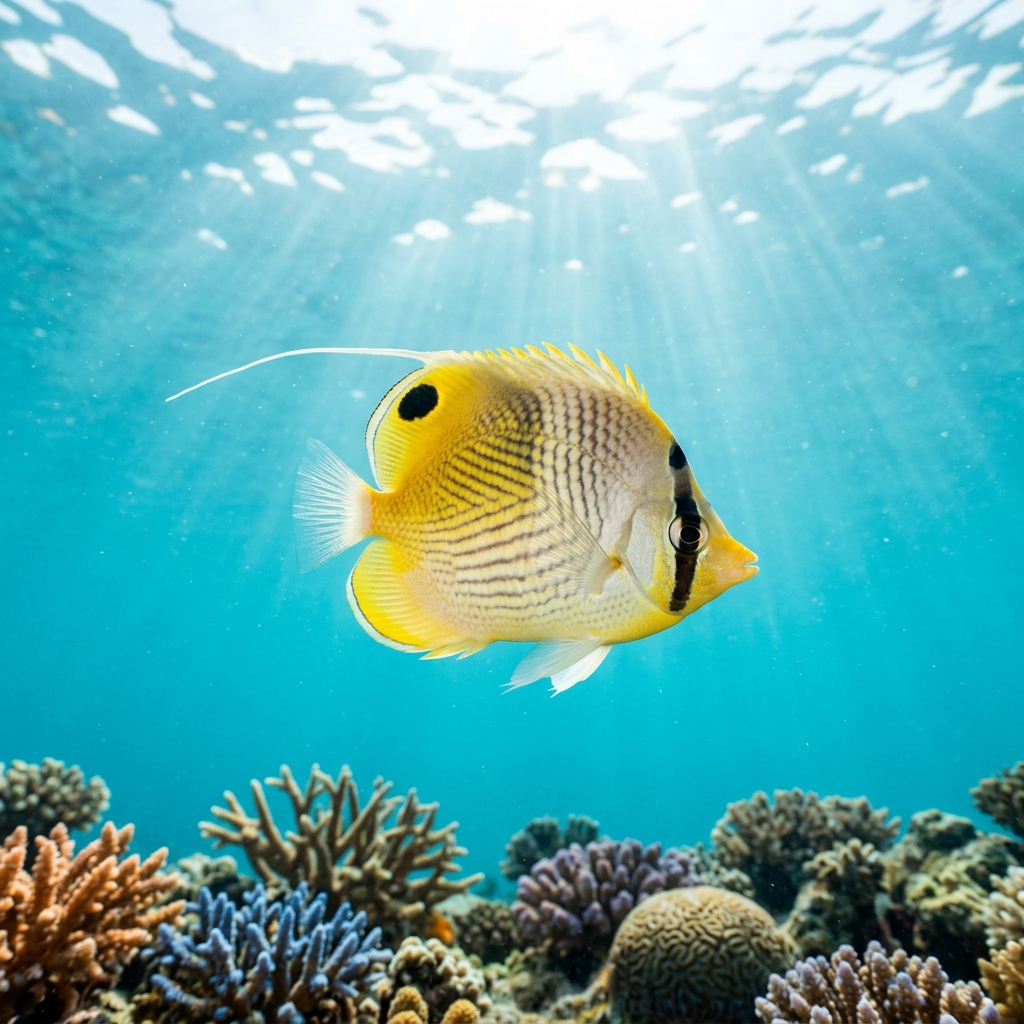
North Male Atoll has strong observation records for Spotted Eagle Ray, Whitetip Reef Shark and Giant Moray. Lankan Manta Point functions as a cleaning station where Manta Ray gather, particularly from May through November. Bluefin Trevally and Napoleon Wrasse also appear regularly across the reef network.
The atoll divides into distinct clusters spread across a large area. Areas such as Lankan and Manta Point are centred on pelagic encounters, while Banana Reef and HP Reef are known reef diving zones. Eriyadu, Helengeli and Asdu sit at the northern end and offer a more remote feel. Bandos and Baros are closest to the capital and are well served by operators.
The majority of sites require a boat transfer, which is the standard arrangement across the atoll. A small number of sites, such as Gasfinolhu House Reef, can be reached directly from shore. Many resorts and dive centres work with local operators, including Maldivers, Scuba Divine Maldives and Maldivian Academy of Diving, who run scheduled boat trips to sites across the atoll.