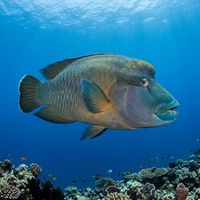
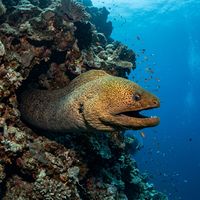
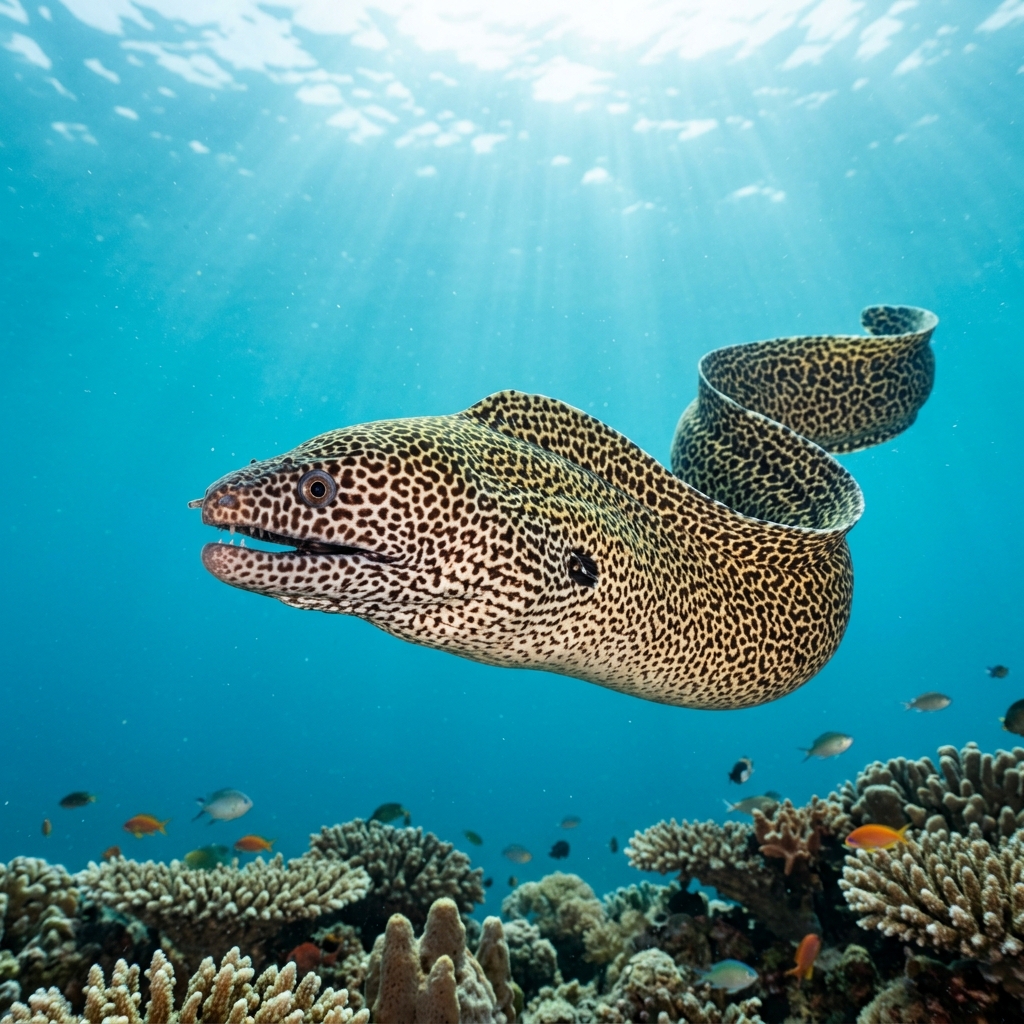
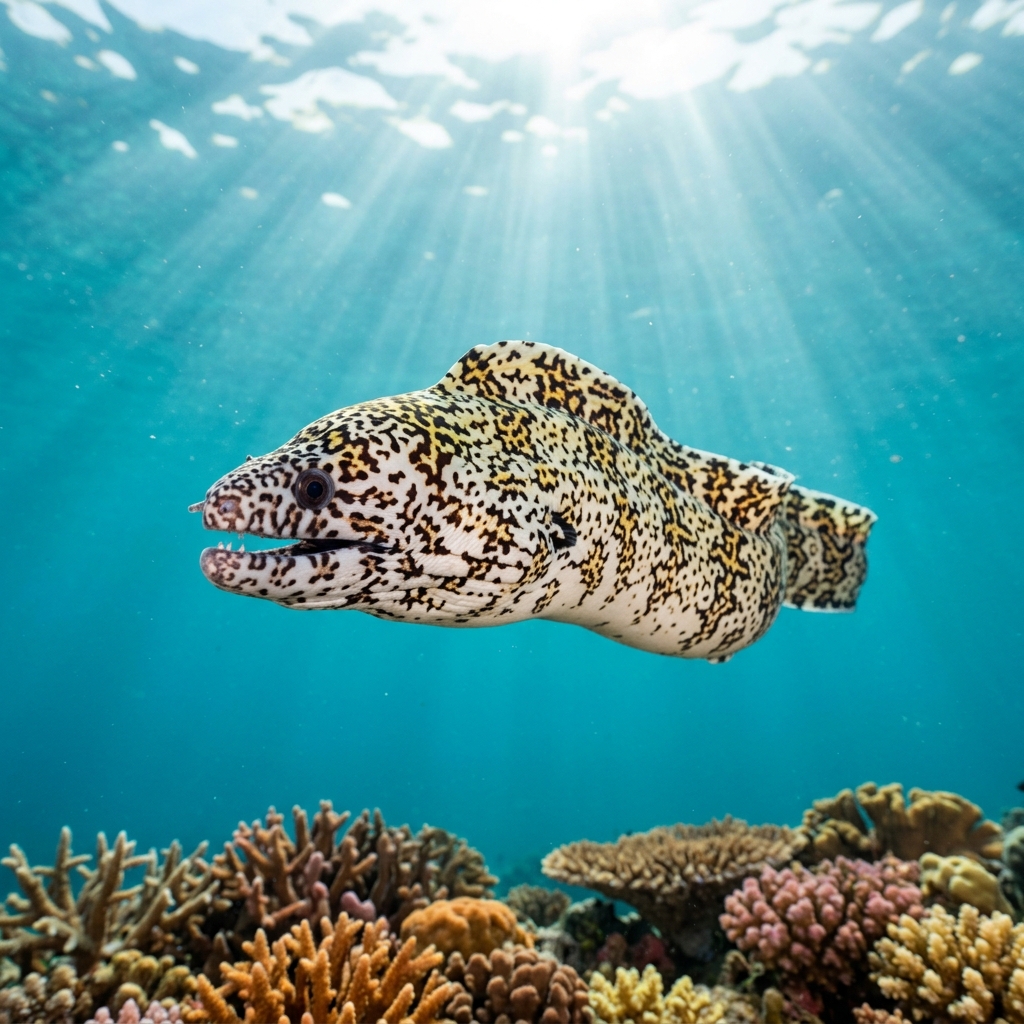
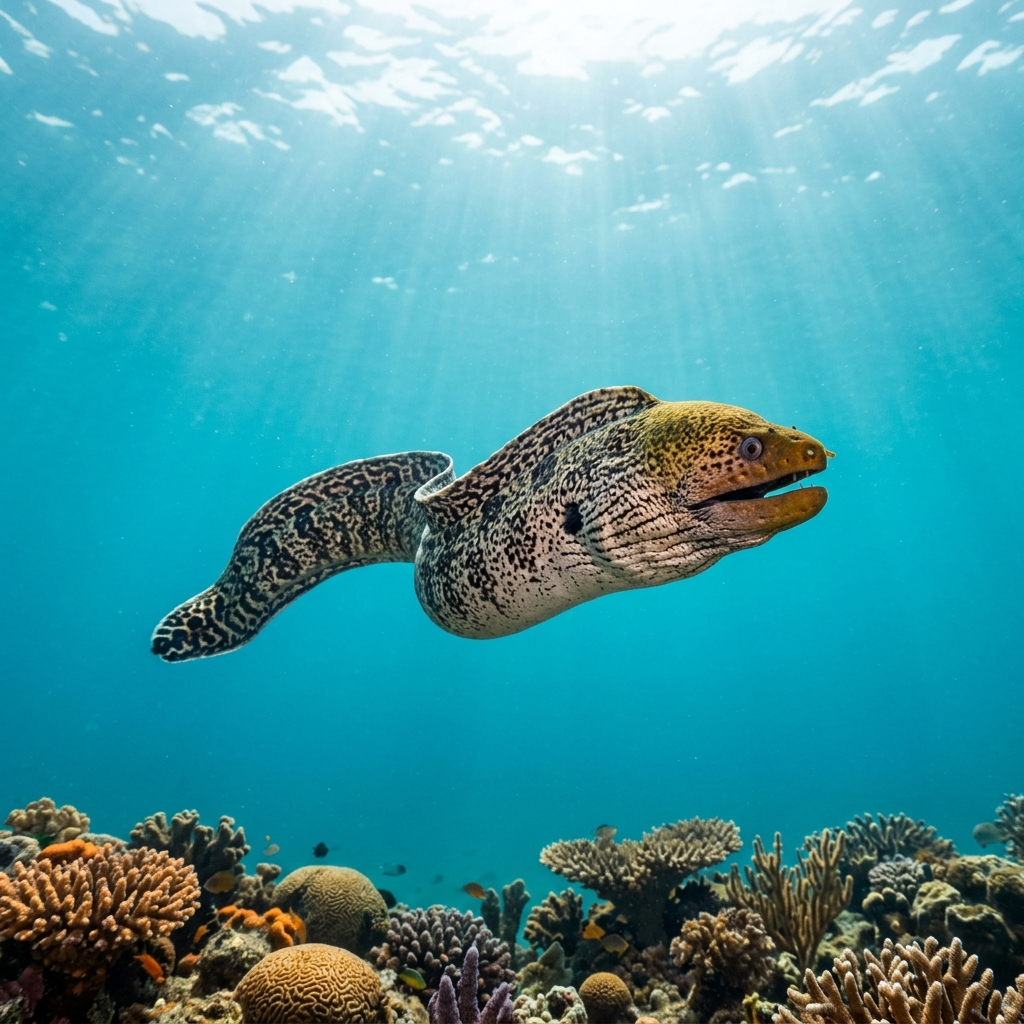
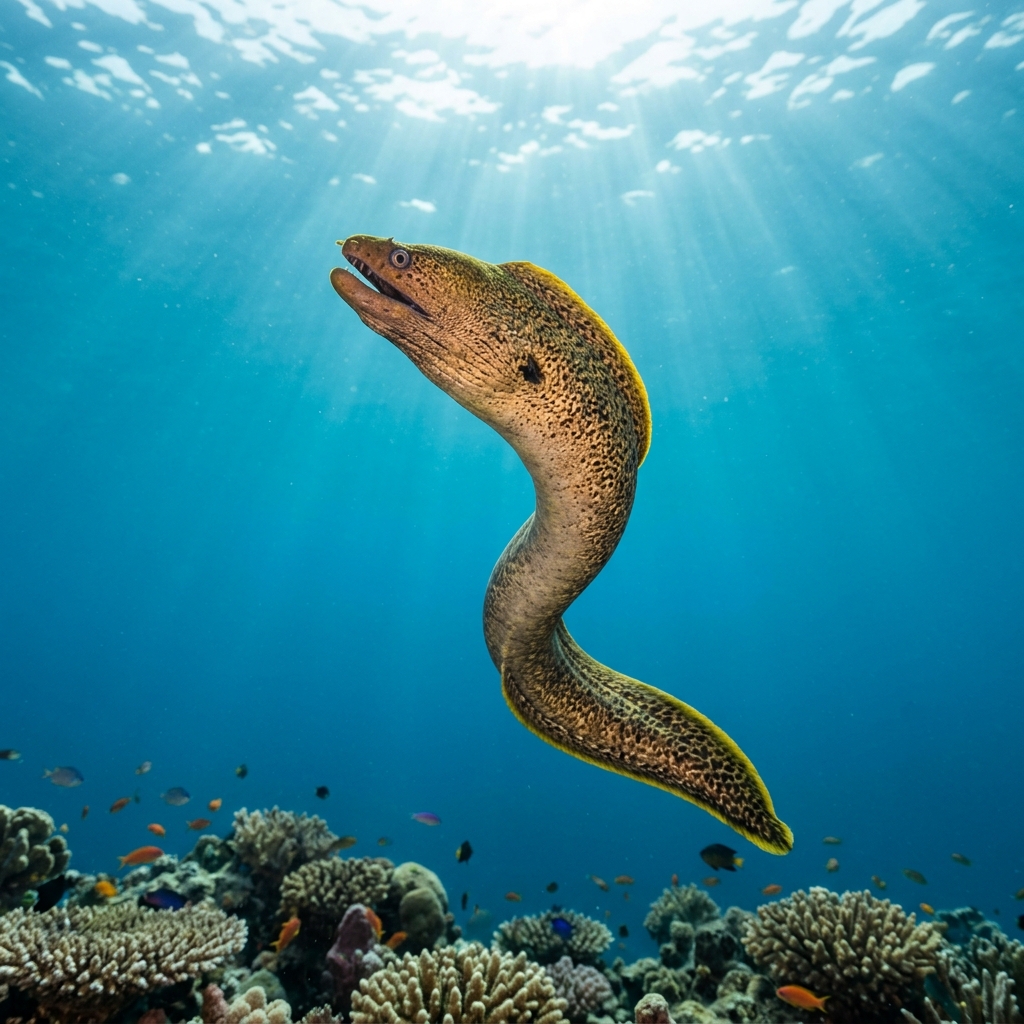
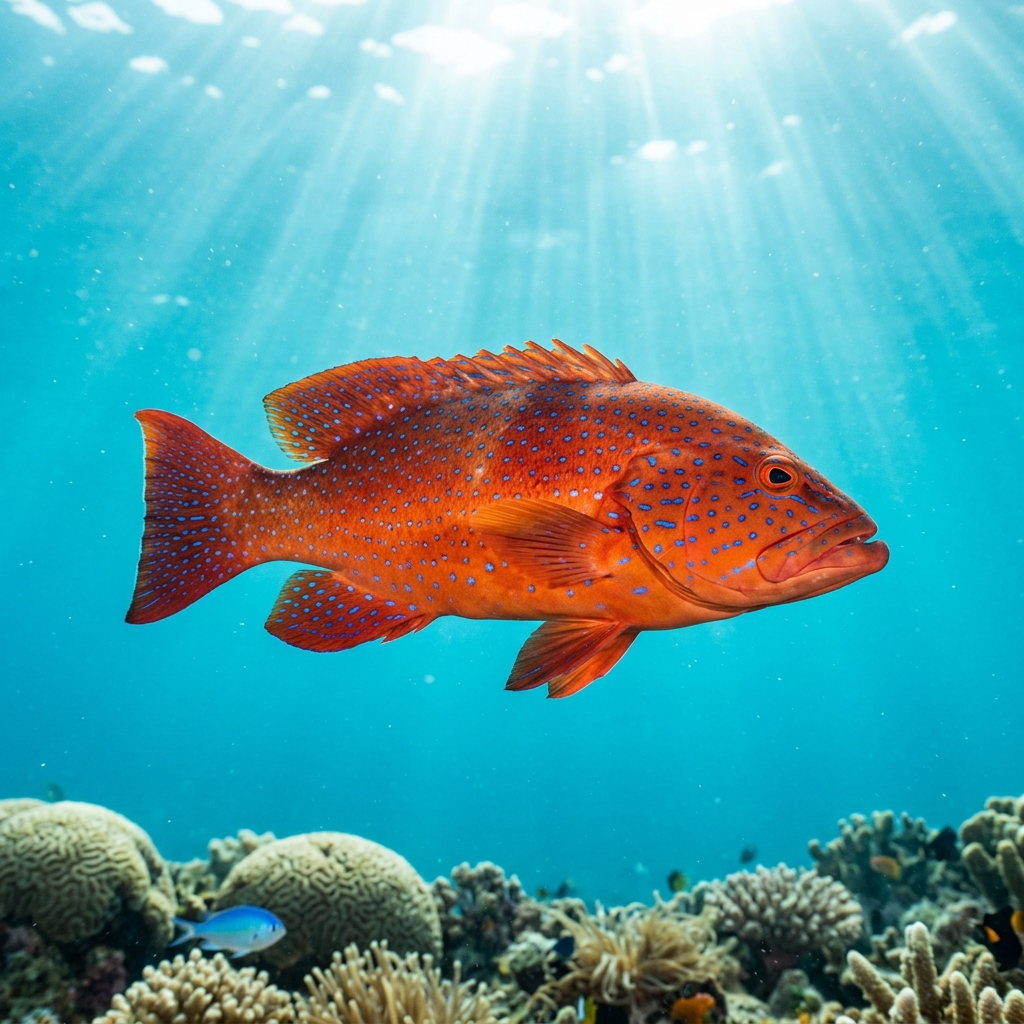
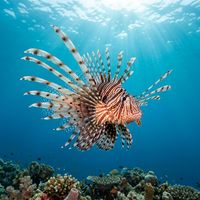
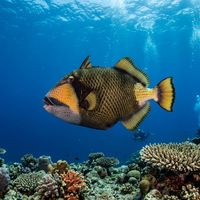
Banana Reef and HP Reef form a concentrated collection of boat-access dive sites in North Male Atoll, ranging from beginner-friendly reef slopes and artificial structures to advanced drift dives over pinnacles and walls. The signature marine life is moray-heavy: Giant Moray, Laced Moray, Snowflake Moray and Undulated Moray are all very commonly encountered. Napoleon Wrasse, Spotted Eagle Ray and Whitetip Reef Shark round out the pelagic interest. Drift conditions define many sites, and currents vary enough to suit multiple skill levels across the collection.
Monthly water temperature across Banana Reef & HP Reef's sites, from satellite sea-surface data corrected for depth. The band shows the site-to-site spread.
Water stays warm throughout the year with only slight variation, keeping conditions comfortable across all seasons. The histogram favours January through April as the peak window, when conditions tend to be most settled and visibility clearest. From mid-year onward, conditions are more variable, though the warmth remains consistent and the reefs are diveable year-round.
9 more sites to explore
Water temperature around Banana Reef & HP Reef ranges from about 28°C in January to 30°C in May, based on satellite sea-temperature data for its dive sites.
With water around 28–30°C, a rash guard or 3mm shorty works in Banana Reef & HP Reef year-round.
Fin maps 21 sites in Banana Reef & HP Reef (21 scuba diving sites and 3 snorkelling spots, with some suited to both).
Across Banana Reef & HP Reef's dive sites, January, February, March, April and December are most often reported as the best months to visit.
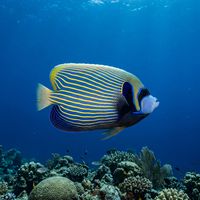
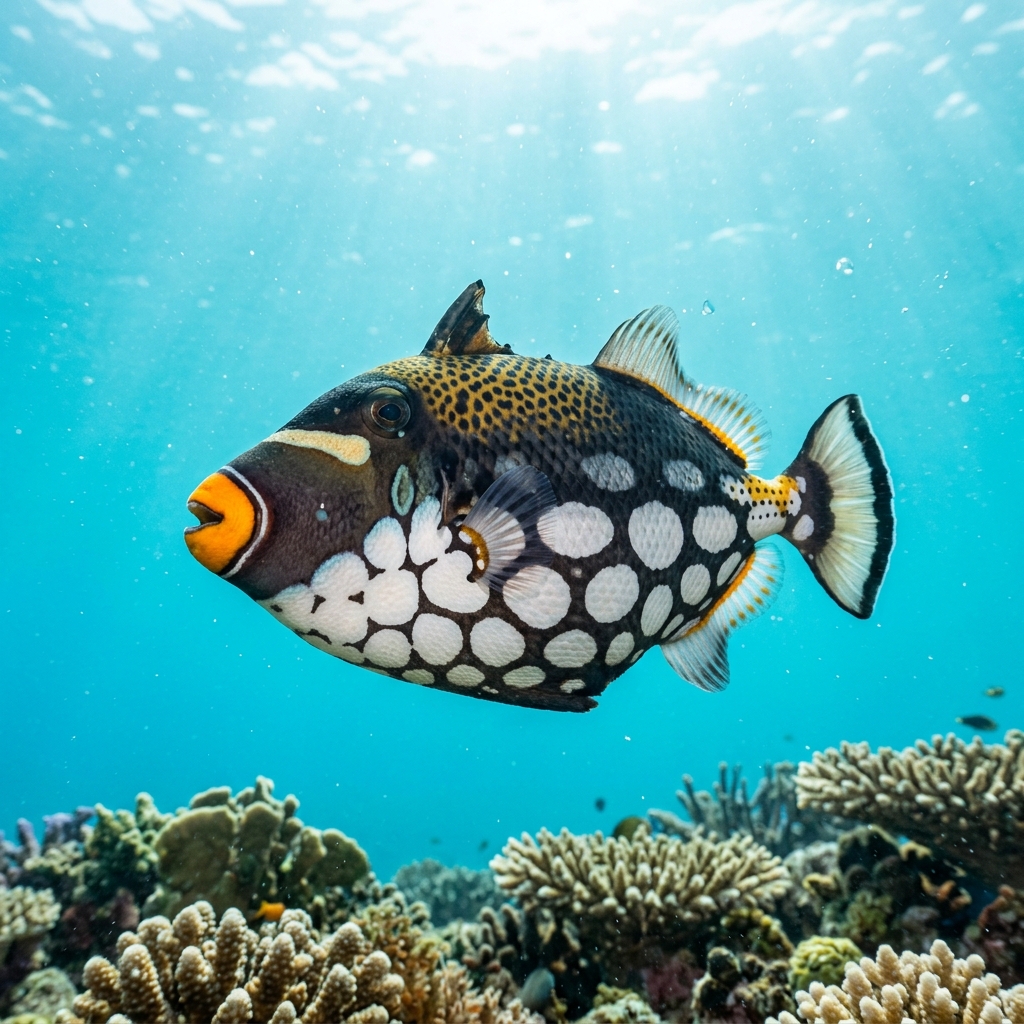
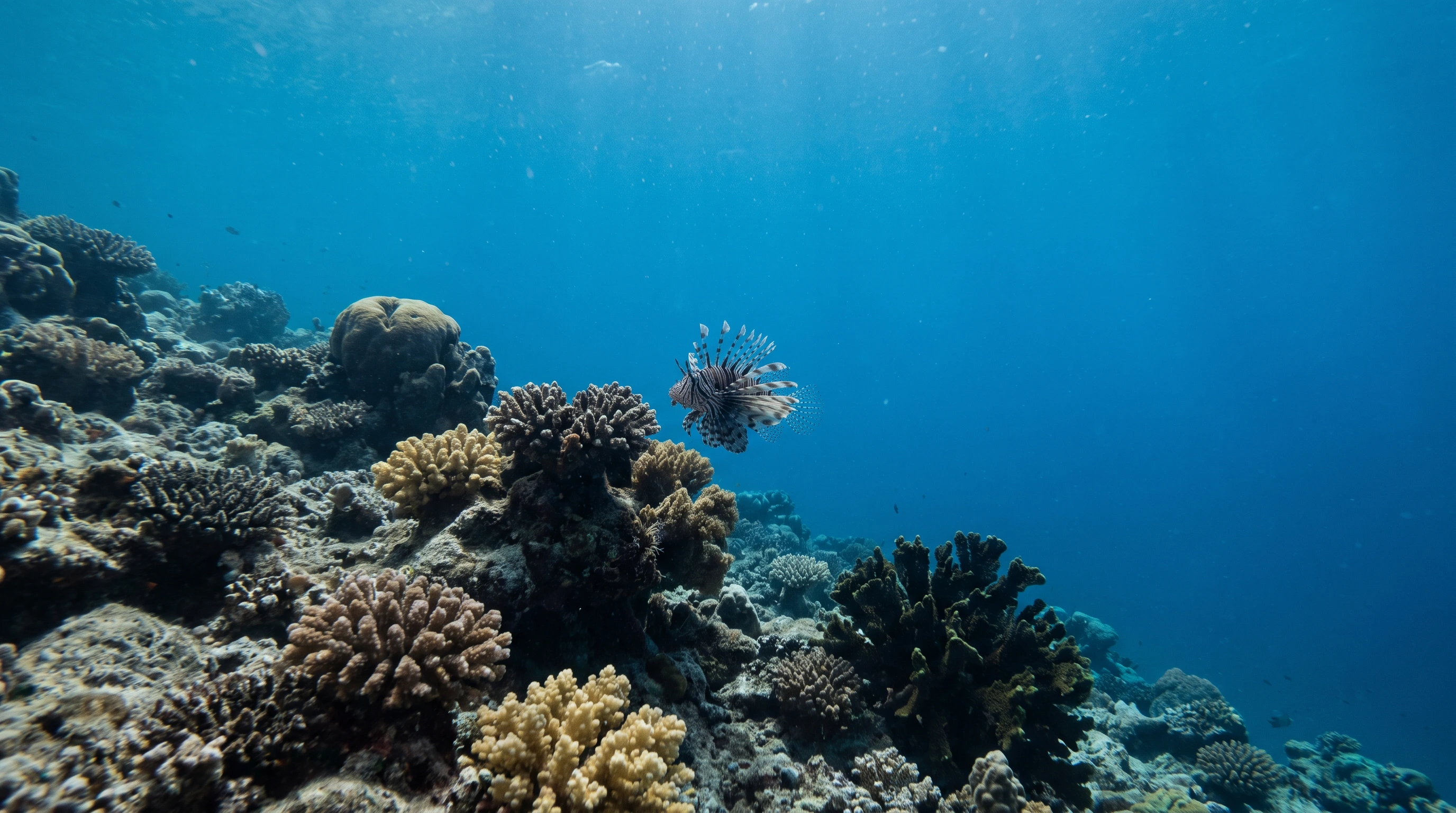
The area has an unusually strong moray eel presence, with Giant Moray, Laced Moray, Snowflake Moray and Undulated Moray all very commonly recorded. Napoleon Wrasse and Emperor Angelfish are frequent sightings on the reefs, while Spotted Eagle Ray and Whitetip Reef Shark appear regularly in open water. Clown Triggerfish, Coral Grouper and Spotfin Lionfish add further variety along the reef structures.
Several sites are rated beginner level, including Banana Reef itself, Fish Tank and Maagiri, all of which offer shallower entry points and relatively straightforward topography. Intermediate sites form the bulk of the collection, while Okobe Thila and Furana North are rated advanced due to stronger drift conditions and deeper profiles. There is enough variety here to serve divers across a range of experience.
Almost all sites in Banana Reef and HP Reef are boat-access only. Kurumba house reef is the one exception, offering a shore-entry option for divers wanting to enter directly from land. Boat access is the norm across the North Male Atoll, so most visits will be arranged through a resort or liveaboard.
The collection spans a broad range of topography. Thilas such as Okobe Thila, Sunlight Thila and Fanhamas Thila are submerged pinnacles that rise from depth. Sites like Maagiri and Banana Reef combine walls and drop-offs with cave features. Tiger Port and HP Reef incorporate artificial reef structures alongside natural coral. Several sites layer drift conditions over this varied terrain, so the experience shifts noticeably from one site to the next.