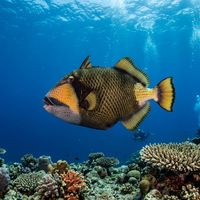
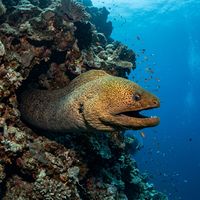
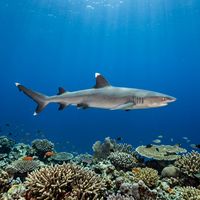
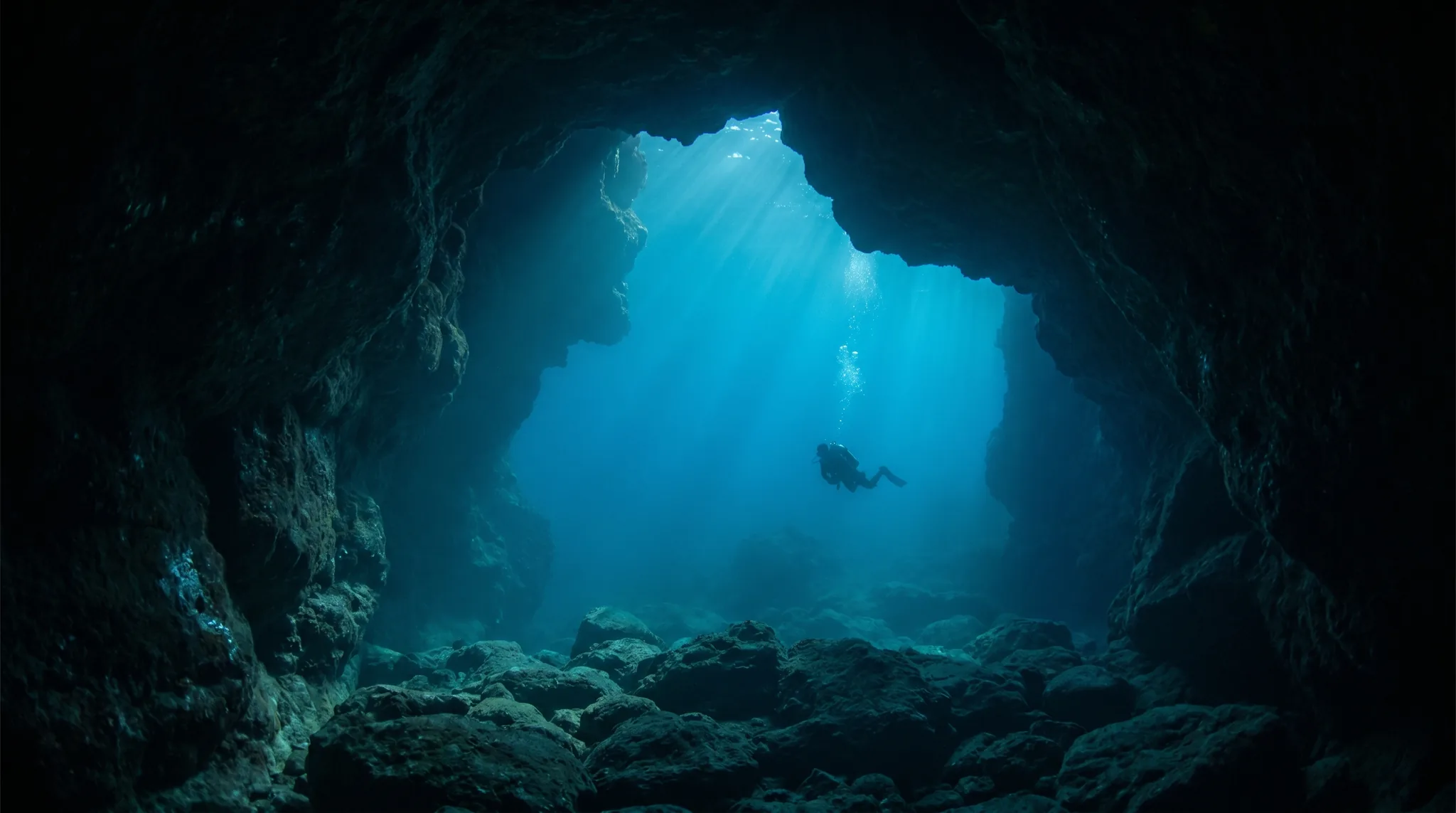
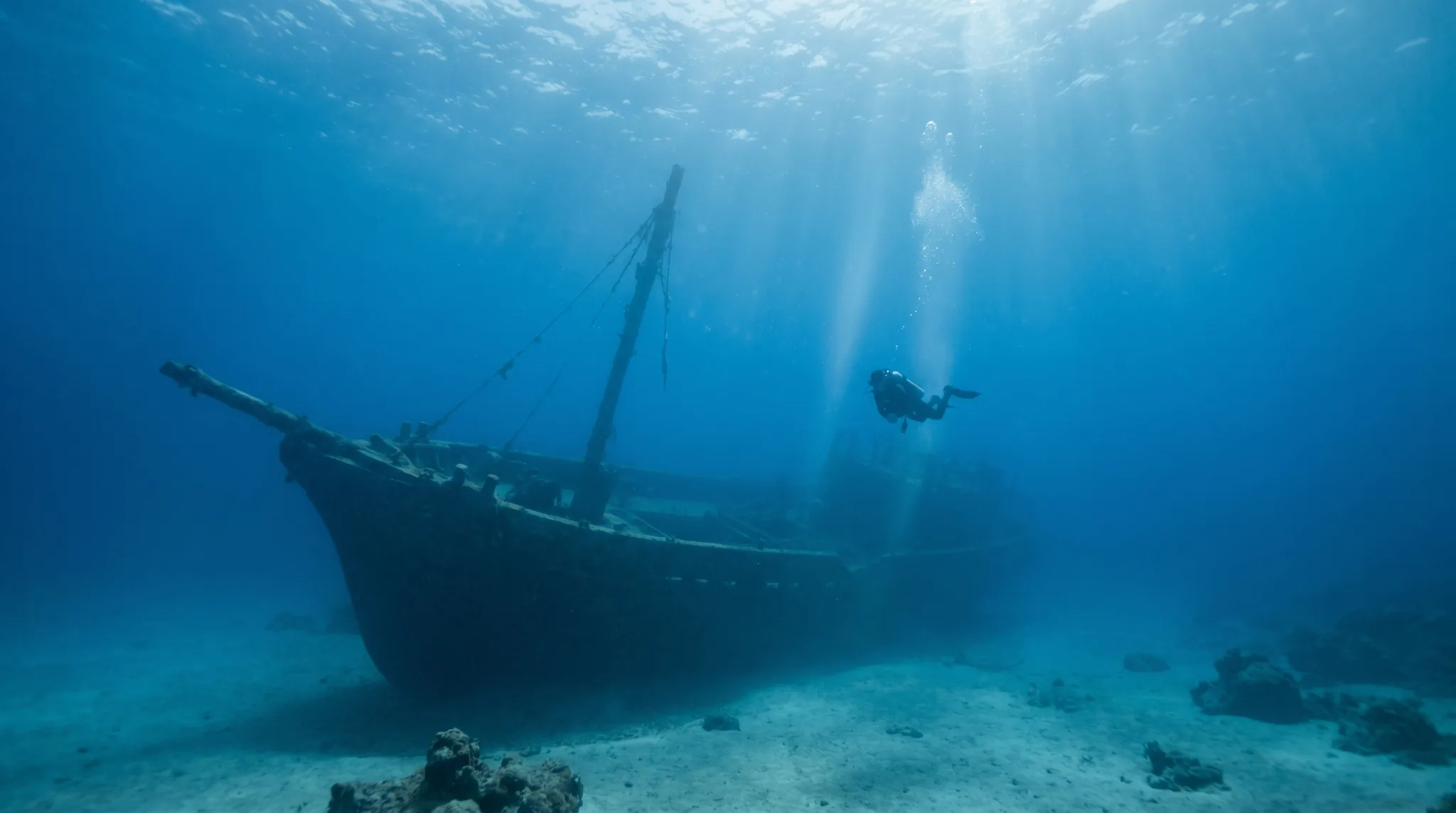
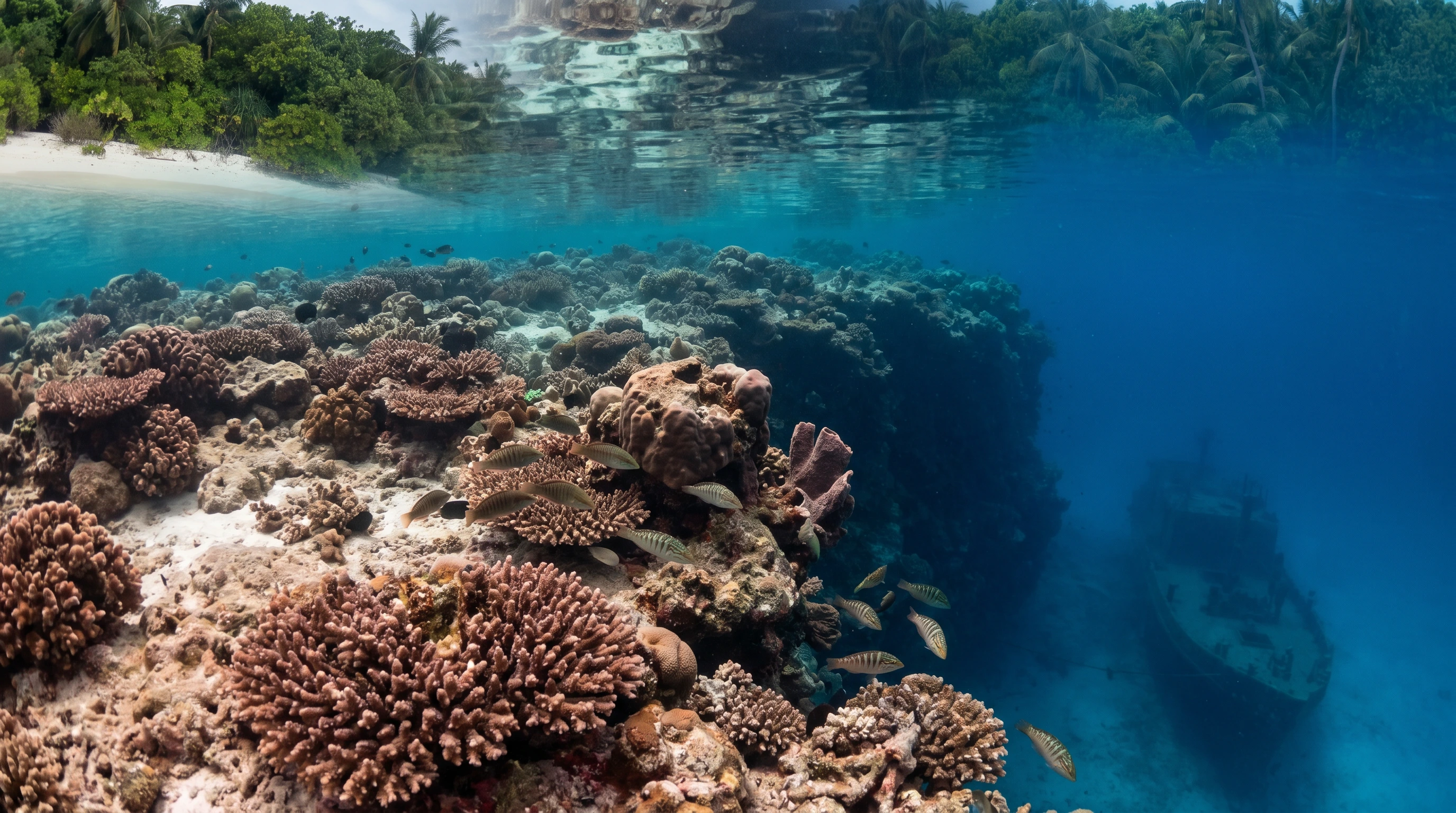
The Central Atolls span nine distinct sub-areas, from the site-rich North Male Atoll and Ari Atoll down to the quieter Dhaalu Atoll and Thoddoo. The underwater terrain mixes submerged pinnacles called thilas, vertical walls, drift channels and shallow reefs, catering to beginners and advanced divers alike. Warm water persists year-round, with visibility ranging from moderate to excellent depending on season and current. Signature encounters include the Spotted Eagle Ray, Napoleon Wrasse, Whitetip Reef Shark, Giant Moray and, in Ari Atoll, the Whale Shark. Snorkellers share many of these reefs, particularly the shallower sites around Thoddoo.
9 areas
 202
202A vast drift-diving atoll where strong currents bring Manta Ray, Spotted Eagle Ray and sharks to reefs ranging from shallow beginner slopes to deep walls.
136A large atoll built around drift dives, submerged pinnacles and reliable Whale Shark encounters, split between a busy south and a quieter north.
90Submerged pinnacles and strong drift currents draw Whitetip Reef Shark, Spotted Eagle Ray and Napoleon Wrasse across South Male Atoll's varied reef systems.
Monthly water temperature across Central Atolls's sites, from satellite sea-surface data corrected for depth. The band shows the site-to-site spread.
Water temperature remains consistently warm across every month, making exposure comfort largely a matter of personal preference rather than season. The best-months data points strongly to December through April as the peak period, when visibility tends to be at its clearest and conditions most settled. From May onward the pattern shifts, with reduced scores through the mid-year months before recovering in the final quarter of the year, reflecting the influence of the seasonal weather pattern on currents and plankton levels.
221 operators

Channel dives with resident sharks, rays and occasional Whale Shark sightings across three distinct sub-areas.
Water around Central Atolls stays near 30°C all year, based on satellite sea-temperature data for its dive sites.
With water around 29–30°C, a rash guard or 3mm shorty works in Central Atolls year-round.
Fin maps 553 sites in Central Atolls (545 scuba diving sites and 108 snorkelling spots, with some suited to both), organised into 9 areas.
Across Central Atolls's dive sites, January, February, March, April and December are most often reported as the best months to visit.
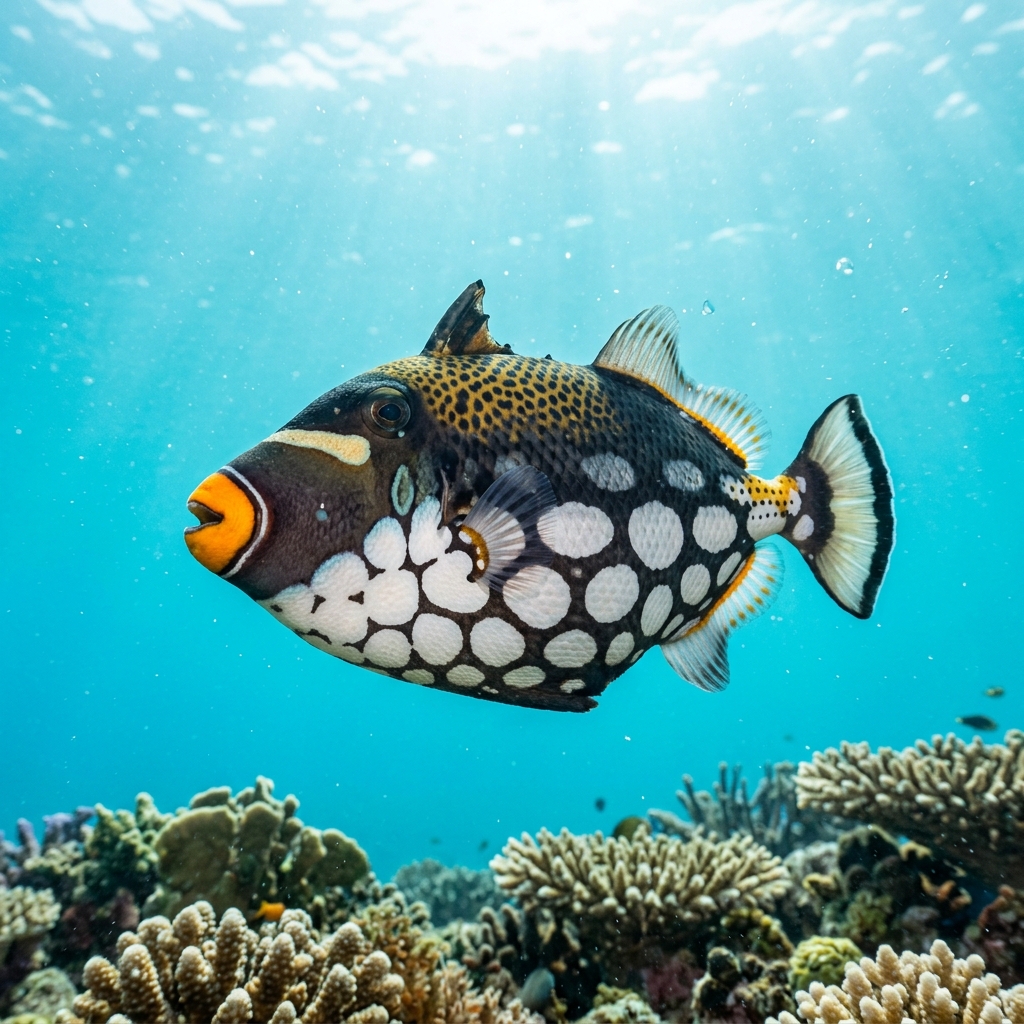
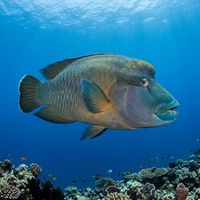
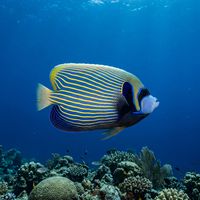
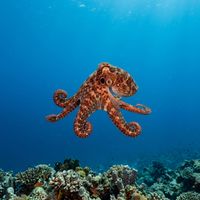
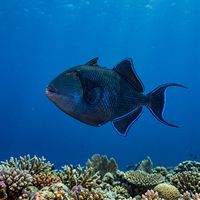
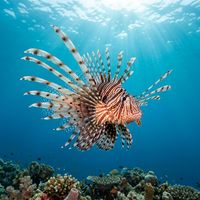
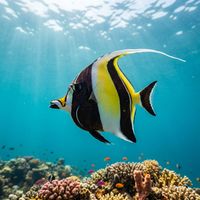
Observed species across the Central Atolls include the Spotted Eagle Ray, Giant Moray, Whitetip Reef Shark, Napoleon Wrasse and Emperor Angelfish. The Whale Shark is listed as a signature species for the region. On nearly every reef you are likely to encounter Wrasses, Redlip Parrotfish, Moorish Idol and Redtooth Triggerfish, all of which are very commonly recorded. The Day Octopus and Spotfin Lionfish add interest on closer inspection of the reef structure.
A good proportion of sites across the Central Atolls are rated for beginners, including Joy Corner, Black Coral, Thinga Thila and Lunbo Giri in North Male and South Male atolls, as well as several sites around Thoddoo. These sites offer shallow reef tops with moderate or mild currents. Intermediate and advanced sites such as Kandooma Thila and Shark's Tongue are also well represented for divers looking for stronger drift and deeper walls.
North Male Atoll has the largest concentration of sites and offers a wide range of reef, wall and drift dives. Ari Atoll is particularly associated with Whale Shark encounters and includes sites like Thoddoo Turtle. South Male Atoll features prominent pinnacle dives such as Kandooma Thila, while Vaavu Atoll and Meemu Atoll, home to Shark's Tongue, offer more remote drift diving. Rasdhoo Atoll, Faafu Atoll and Dhaalu Atoll each have a smaller selection of sites for those seeking quieter conditions.
The vast majority of dive and snorkel sites in the Central Atolls are accessed by boat, which is the standard arrangement across the sub-areas. A small number of sites, including Thoddoo Rangabeelu, offer both boat and beach entry. Operators such as Thoddoo Diving Center, Maldivers, Scuba Divine Maldives and Maafushi Scuba and Freediving are among those running trips across the region, with liveaboard options also available through operators like Dive and Sail.