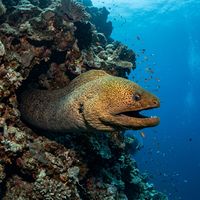
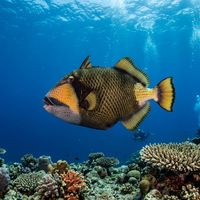
Meeru and Dhiffushi offer a concentrated mix of reef walls, submerged pinnacles, drift corners, wreck sites and cave passages, making the area one of the more varied pockets within North Male Atoll. Most sites are reached by boat, with current-driven drift dives forming the backbone of the experience at spots like Dhiffushi South Corner and Kassanfaru Beyru. Reef fish life is dense and consistent, with Giant Moray, Titan Triggerfish and occasional Grey Reef Shark and Spotted Eagle Ray logged across the sites.
Monthly water temperature across Meeru & Dhiffushi's sites, from satellite sea-surface data corrected for depth. The band shows the site-to-site spread.
Water temperature stays warm throughout the year, sitting at its highest from late spring into early summer and remaining comfortable through the rest of the year. The best-months data points to the drier period from late winter through spring, and again in December, when visibility at exposed sites tends to be at its clearest. From late spring into autumn, stronger currents arrive at drift sites, which can add challenge but also brings pelagic interest.
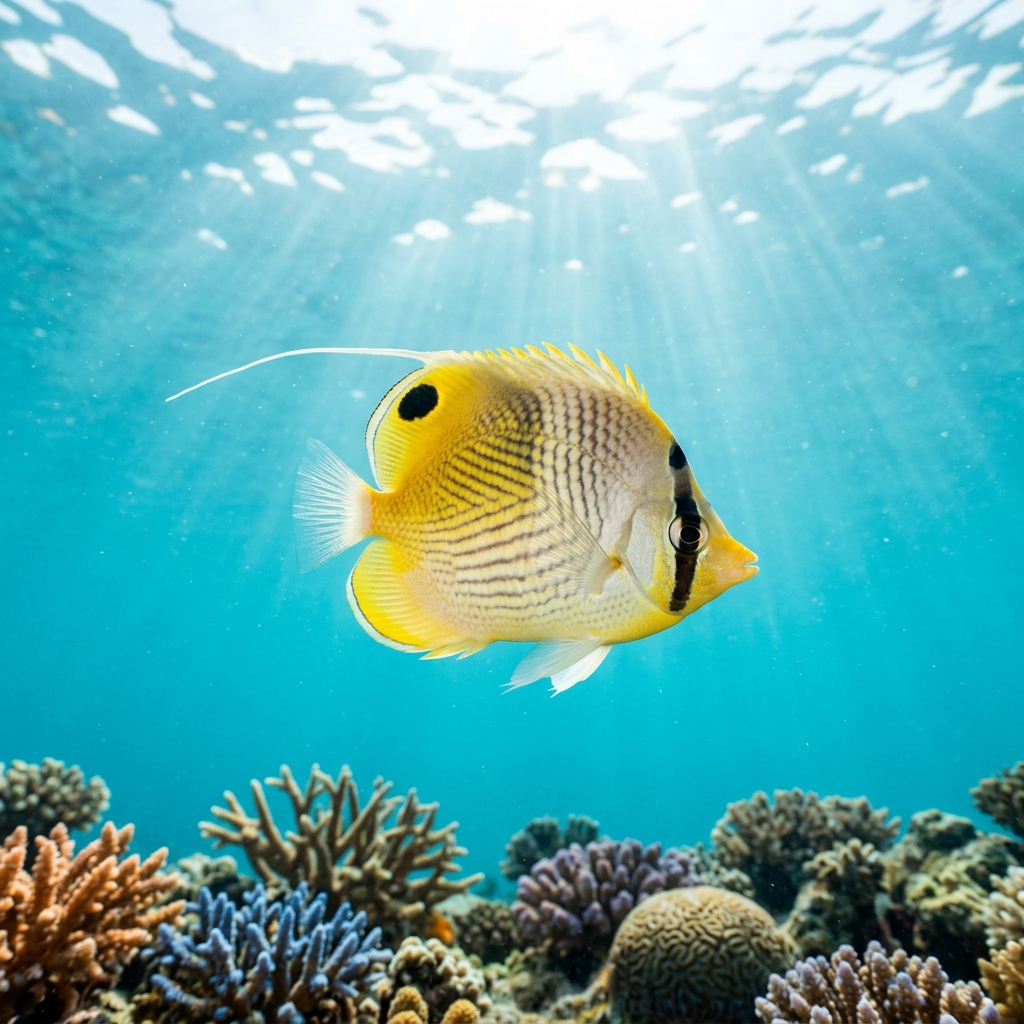
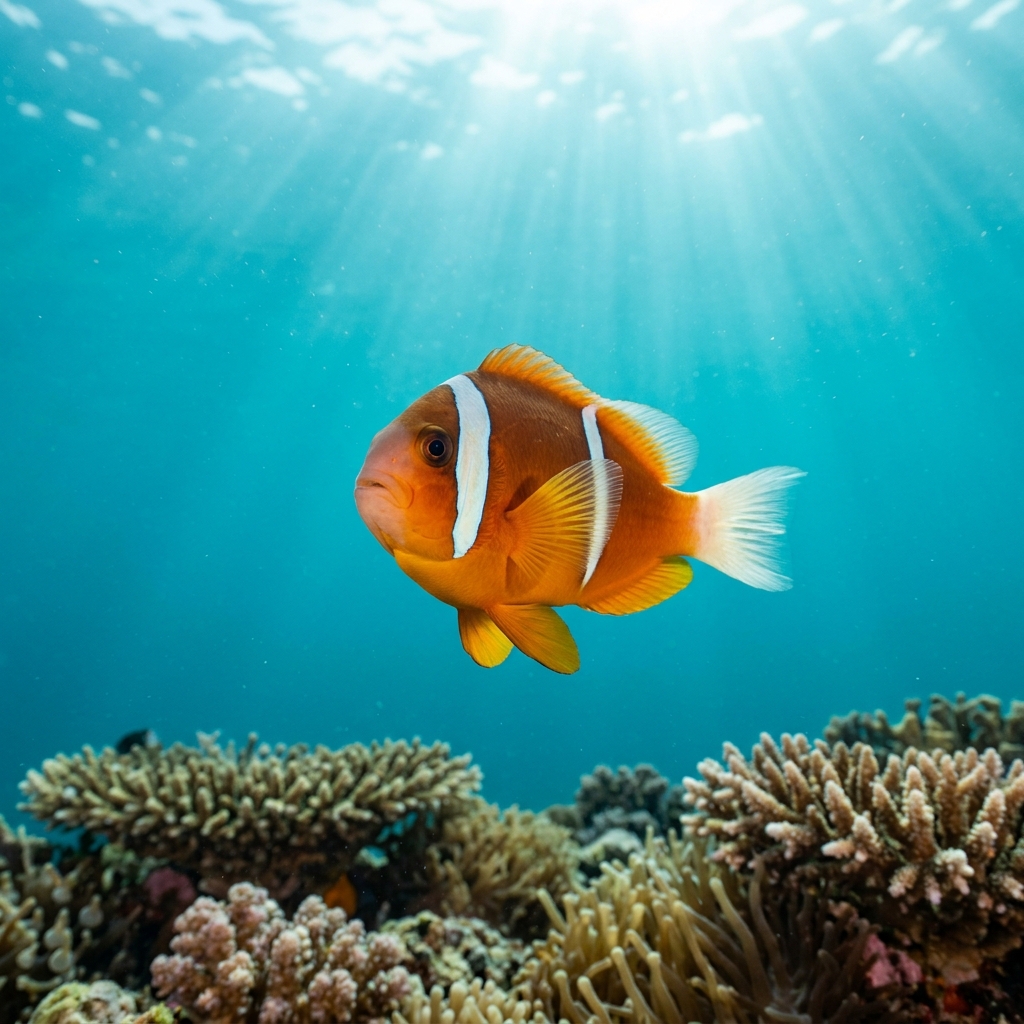
6 more sites to explore
Water temperature around Meeru & Dhiffushi ranges from about 28°C in January to 30°C in April, based on satellite sea-temperature data for its dive sites.
With water around 28–30°C, a rash guard or 3mm shorty works in Meeru & Dhiffushi year-round.
Fin maps 18 sites in Meeru & Dhiffushi (18 scuba diving sites and 4 snorkelling spots, with some suited to both).
Across Meeru & Dhiffushi's dive sites, January, February, March, April and December are most often reported as the best months to visit.
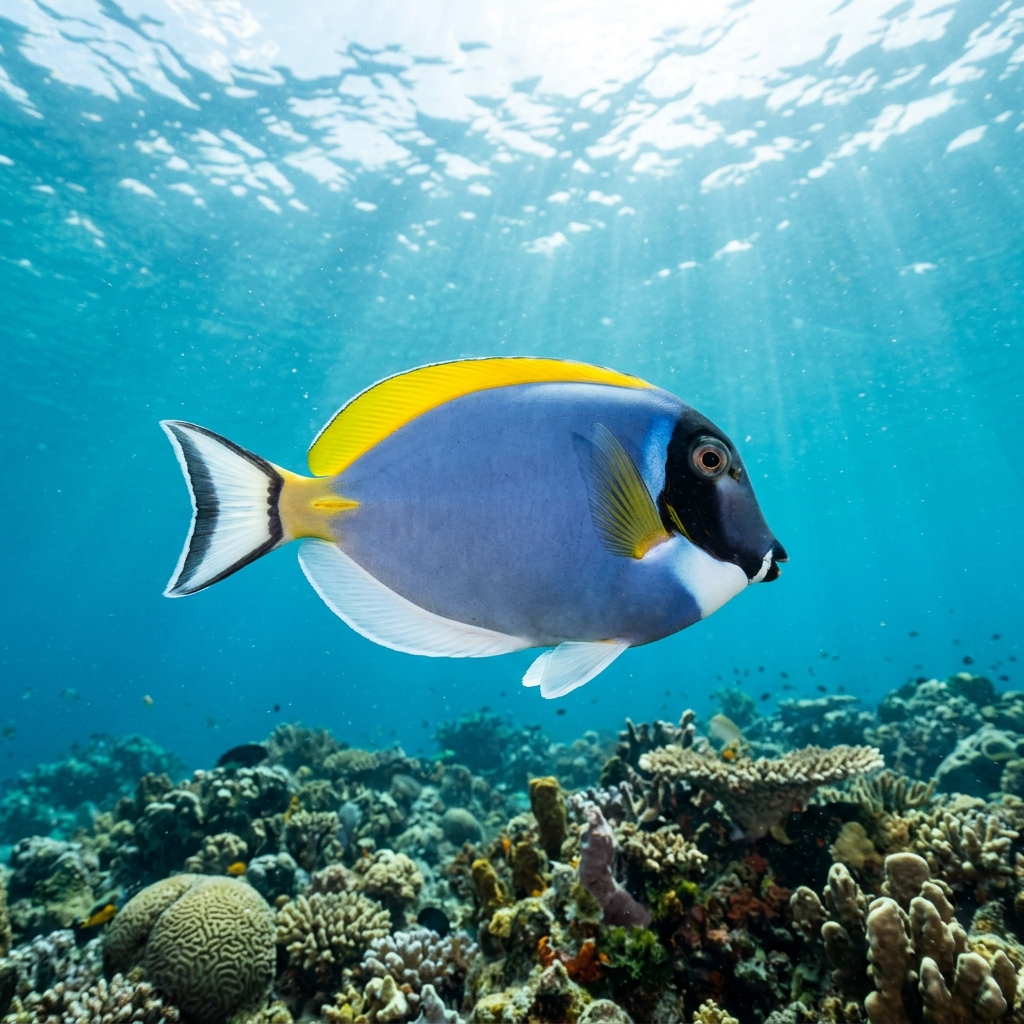
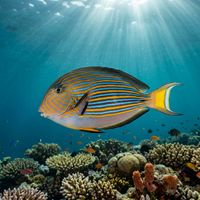
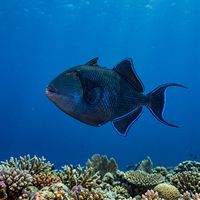
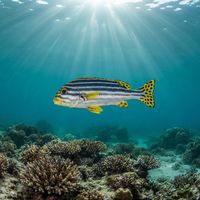
Reef fish are the constant highlight, with Giant Moray, Titan Triggerfish, Powder-blue Surgeonfish, Maldive Clownfish and Clown Triggerfish observed consistently across sites. Spotted Eagle Ray and Grey Reef Shark appear at a number of locations, and Whale Shark has also been recorded in the area. Oriental Sweetlips, Black-blotched Porcupinefish and Moorish Idol add variety on most dives.
Yes, several sites are rated for beginners. Paradise Lagoon offers a calm, shallow shore entry with mild currents, while Fish Point Meeru and West Rock are accessible by boat and well within beginner depth ranges. Snapper Point also carries a beginner rating despite reaching deeper water, offering a gentler introduction to drift and cave diving in the atoll.
The vast majority of sites require boat access, including all the drift corners, wrecks and deeper wall dives. Paradise Lagoon is the notable exception, offering a shore entry that suits those staying close to the island. The two local operators, Maldivers and Scuba Divine Maldives, can organise boat-based day trips across the full range of sites.
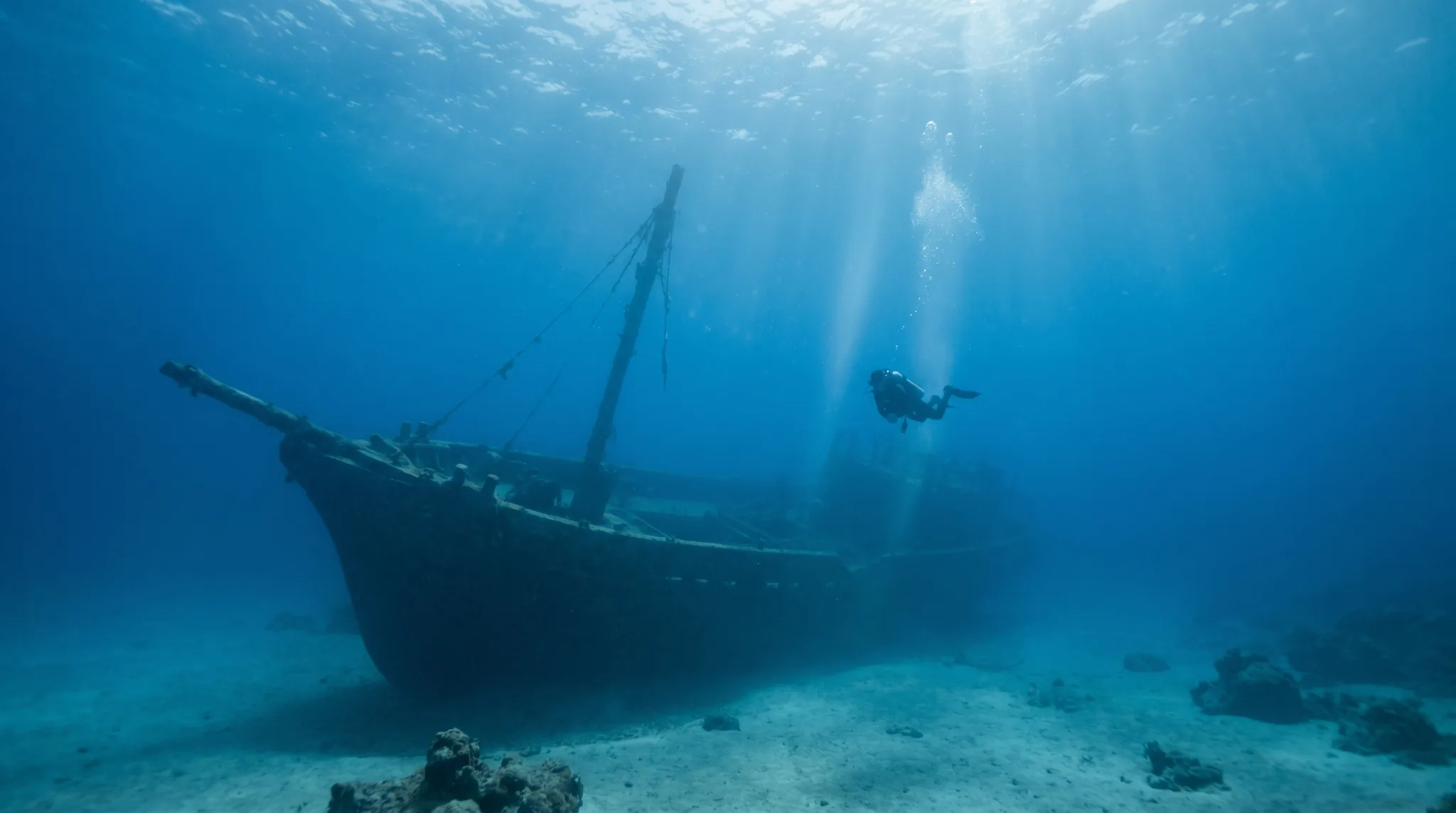
Reef walls and drift dives are the dominant formats, with sites like Holhi Wall, Meeru Corner and Prisca Head offering substantial wall topography. Submerged pinnacles such as Reethi Thila and Anniela Thila add variety, while West Rock and Asdhoo Wreck provide structure-based diving where wrecks have developed into artificial reefs. Cave passages feature at Kuda Badhi Caves and Snapper Point.