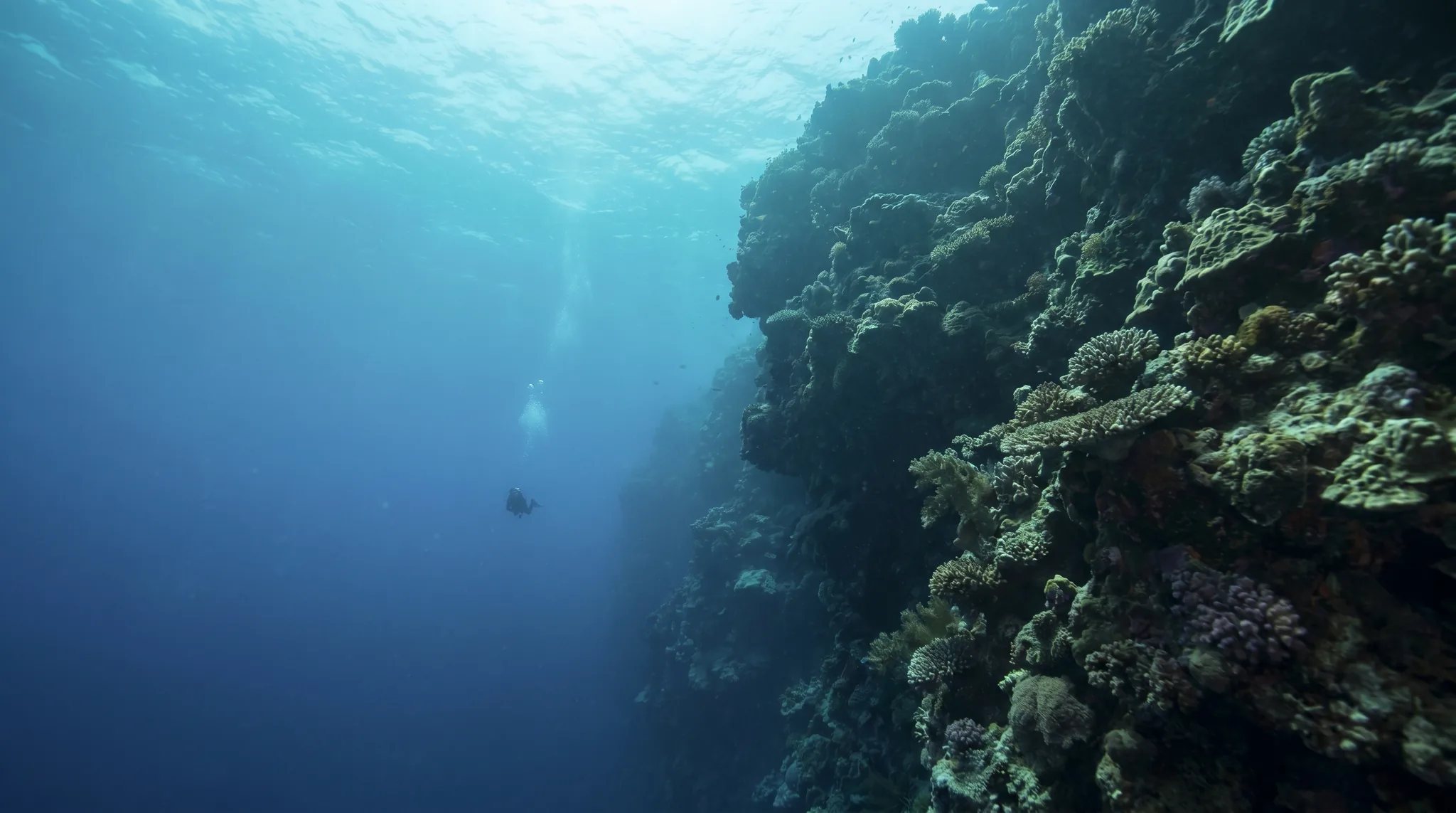
South Ari is defined by its extraordinary concentration of Whale Shark encounters, particularly around the Maamigili Whale Shark sub-area, alongside a broad spread of thilas, channels, walls and drop-offs that keep divers engaged across all skill levels. The Whitetip Reef Shark is observed across the great majority of sites, and Spotted Eagle Ray, Giant Moray and Napoleon Wrasse appear regularly. Sub-areas including Angaga & Vilamendhoo and Moofushi & Kudarah offer contrasting reef characters, from shallow shore entries to deep drift pinnacles.
4 areas
Monthly water temperature across South Ari's sites, from satellite sea-surface data corrected for depth. The band shows the site-to-site spread.
Water temperature stays consistently warm year-round, with almost no variation across the calendar. Visibility and conditions favour the drier months from January through April, when the best-months data peaks strongly, making this the most rewarding period for drift dives on exposed channels and pinnacles. From mid-year onward, conditions soften but diving remains viable, and the Whale Shark presence in the southern sub-area continues throughout.
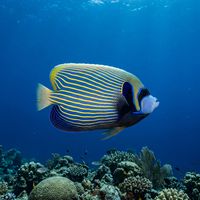
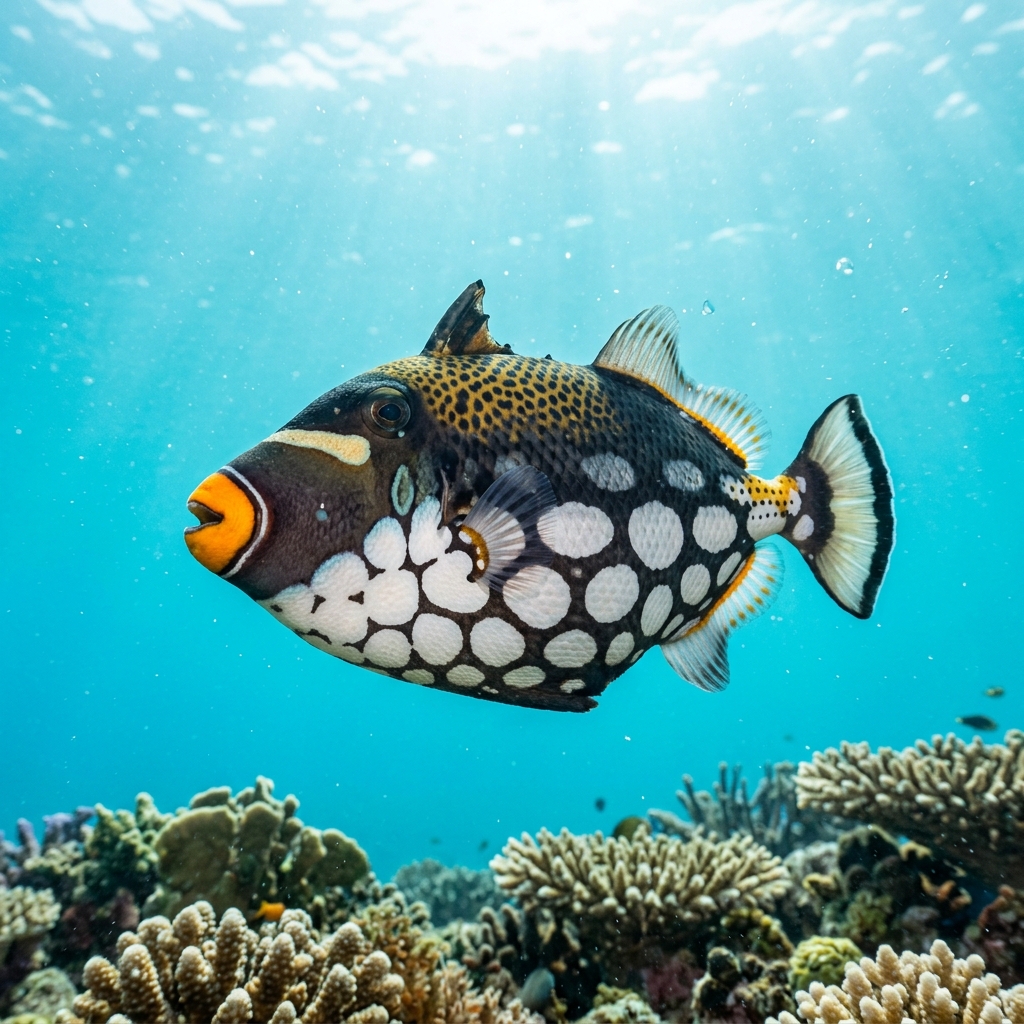
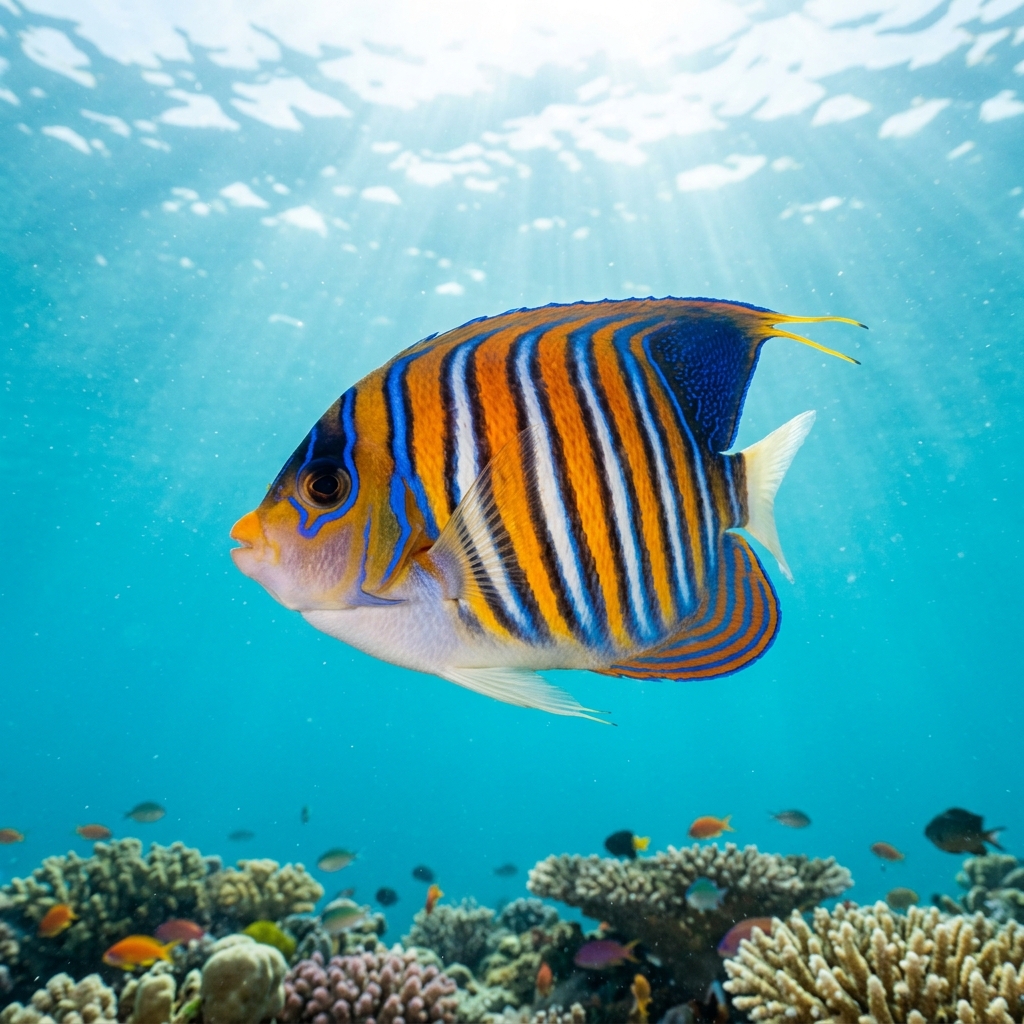
48 operators
Mahibadhoo, Maldives
77 more sites to explore

South Ari Atoll locality known for regular Whale Shark encounters alongside rich reef, pinnacle and drift diving.
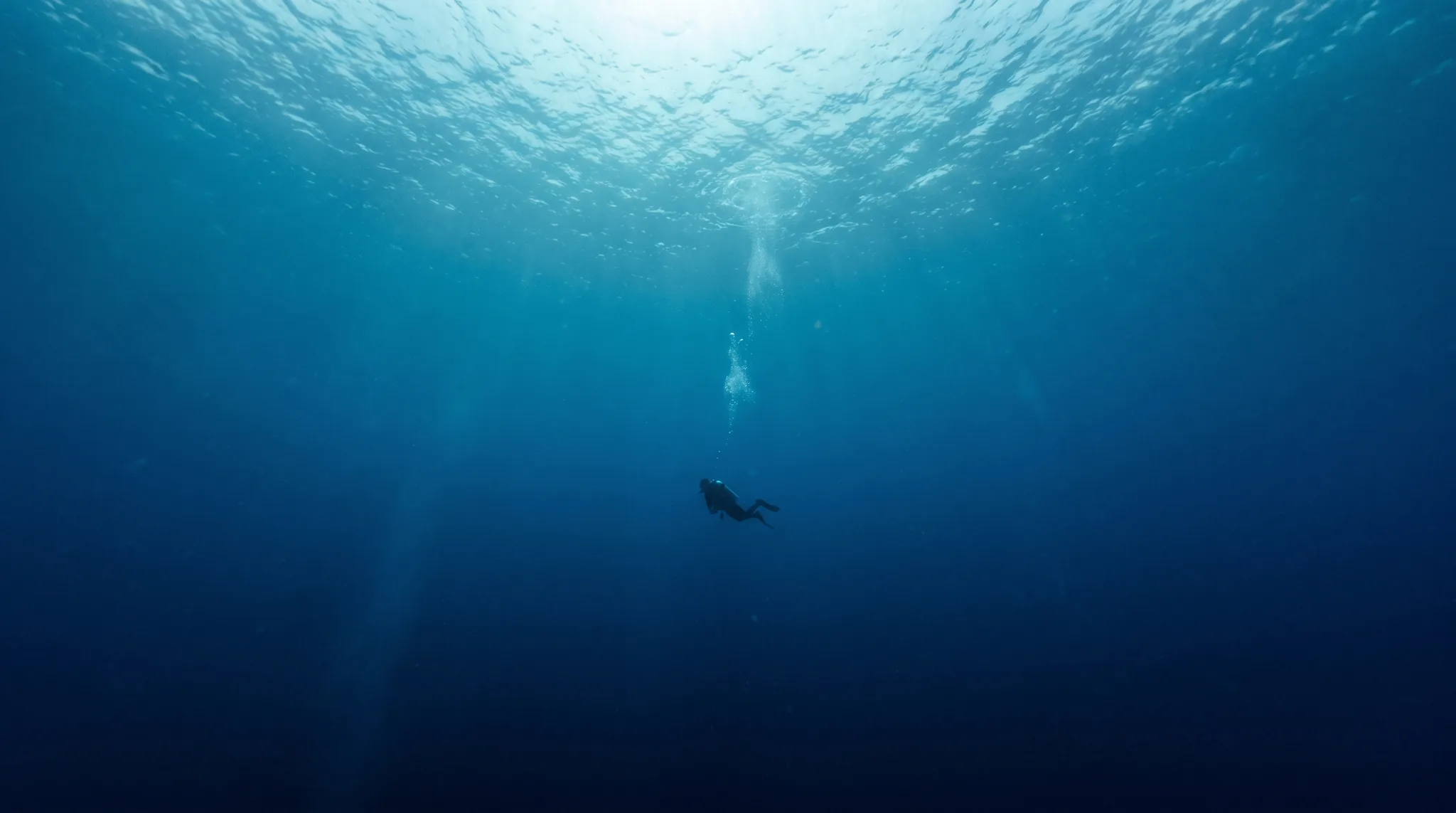
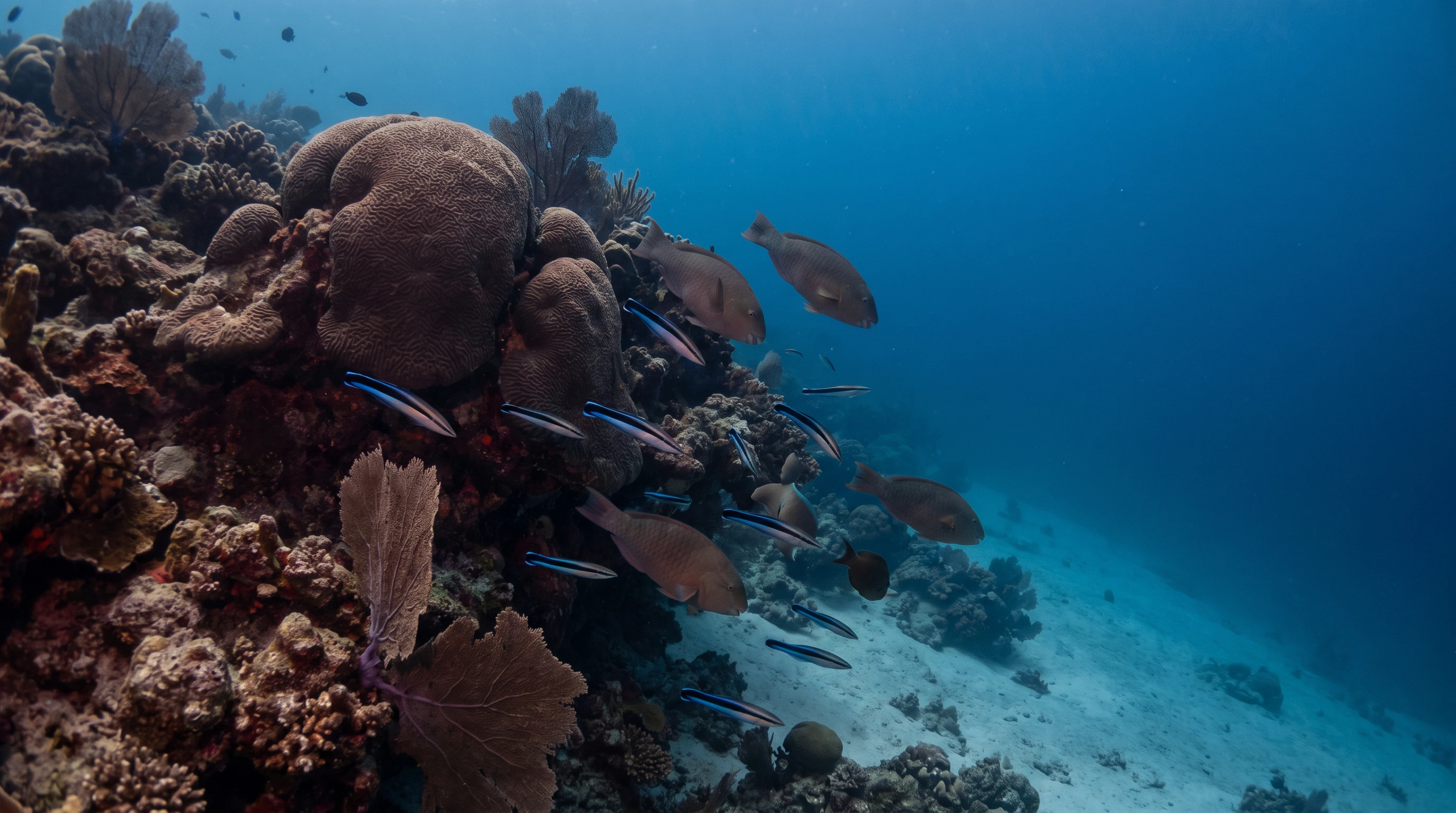
Water around South Ari stays near 30°C all year, based on satellite sea-temperature data for its dive sites.
With water around 29–30°C, a rash guard or 3mm shorty works in South Ari year-round.
Fin maps 89 sites in South Ari (85 scuba diving sites and 15 snorkelling spots, with some suited to both), organised into 4 areas.
Across South Ari's dive sites, January, February, March, April and December are most often reported as the best months to visit.
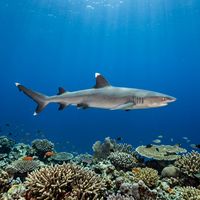
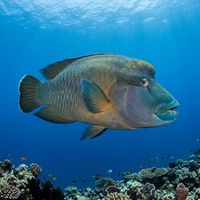
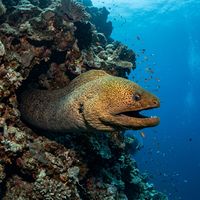
South Ari has a strong record of Whale Shark sightings, particularly in the Maamigili Whale Shark sub-area. Beyond that headline species, Whitetip Reef Shark is observed across nearly all sites, and Spotted Eagle Ray, Napoleon Wrasse and Giant Moray are all commonly encountered. Bluefin Trevally and Peacock Grouper are also very frequently recorded.
A portion of South Ari's sites are rated for beginners, including Whale Shark Point and Vilamendhoo, both of which offer accessible depths and straightforward conditions. The majority of dive sites are rated intermediate, with drift channels and deeper pinnacles such as Bobana Thila and Dhigu Faru reserved for advanced divers. Beginners have meaningful options here, though the region skews toward more experienced visitors overall.
The Maamigili Whale Shark sub-area holds the largest concentration of sites and is the focal point for Whale Shark encounters. Angaga & Vilamendhoo offers a mix of reef, wall and pinnacle diving with the rare option of shore entry at Vilamendhoo. Moofushi & Kudarah is known for channel and drift dives such as Moofushi Kandu and Moofushi Shark Corner, while Rangali adds further variety to the south.
The overwhelming majority of sites in South Ari require boat access, which is the norm across the region. Shore entry is available at Vilamendhoo, making it one of the few sites where divers and snorkellers can enter directly from the resort island. Operators including South Ari Dive Center, Euro-Divers Vilamendhoo and Ari Atoll Divers run regular boat trips to the wider site network.