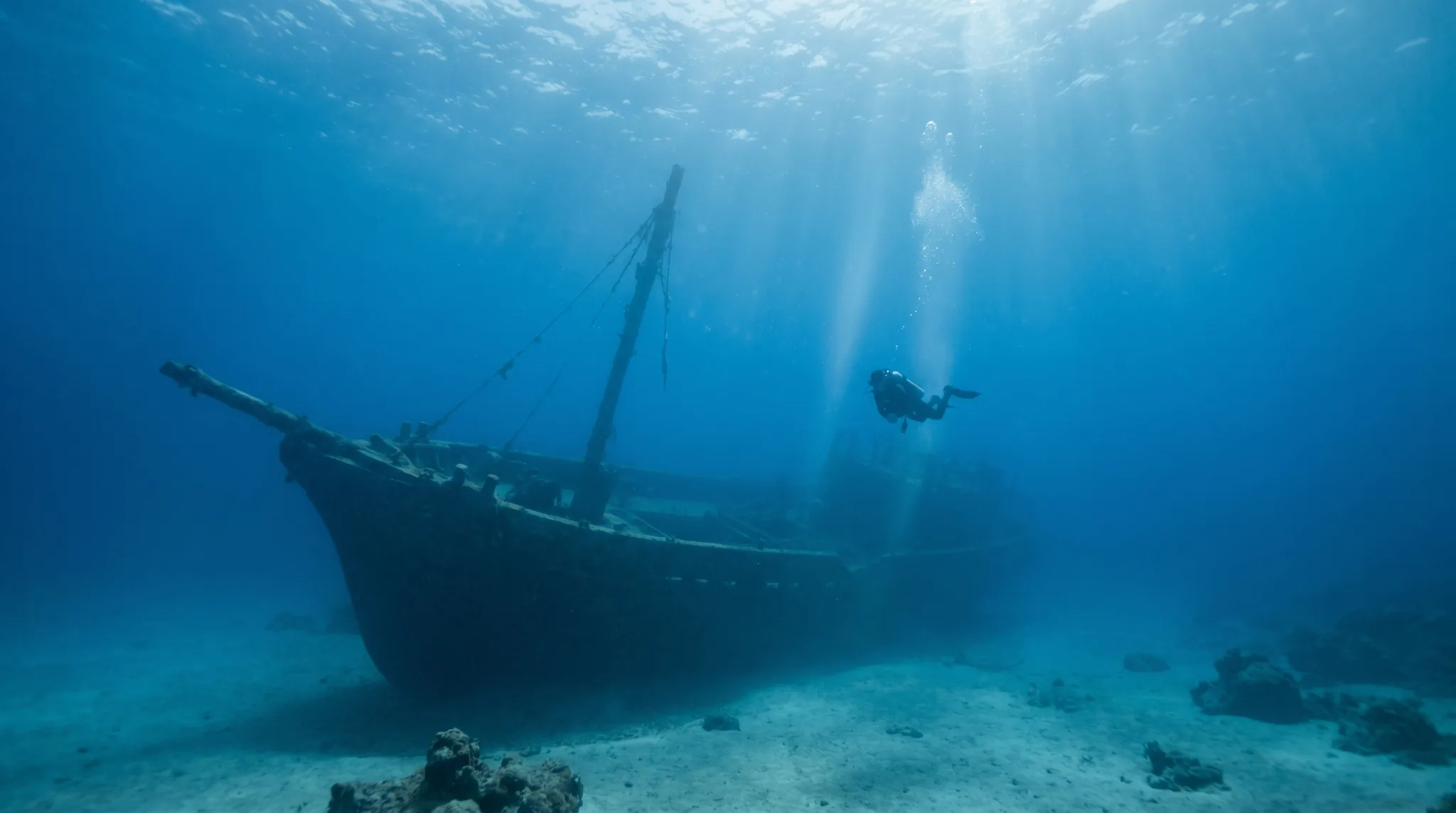
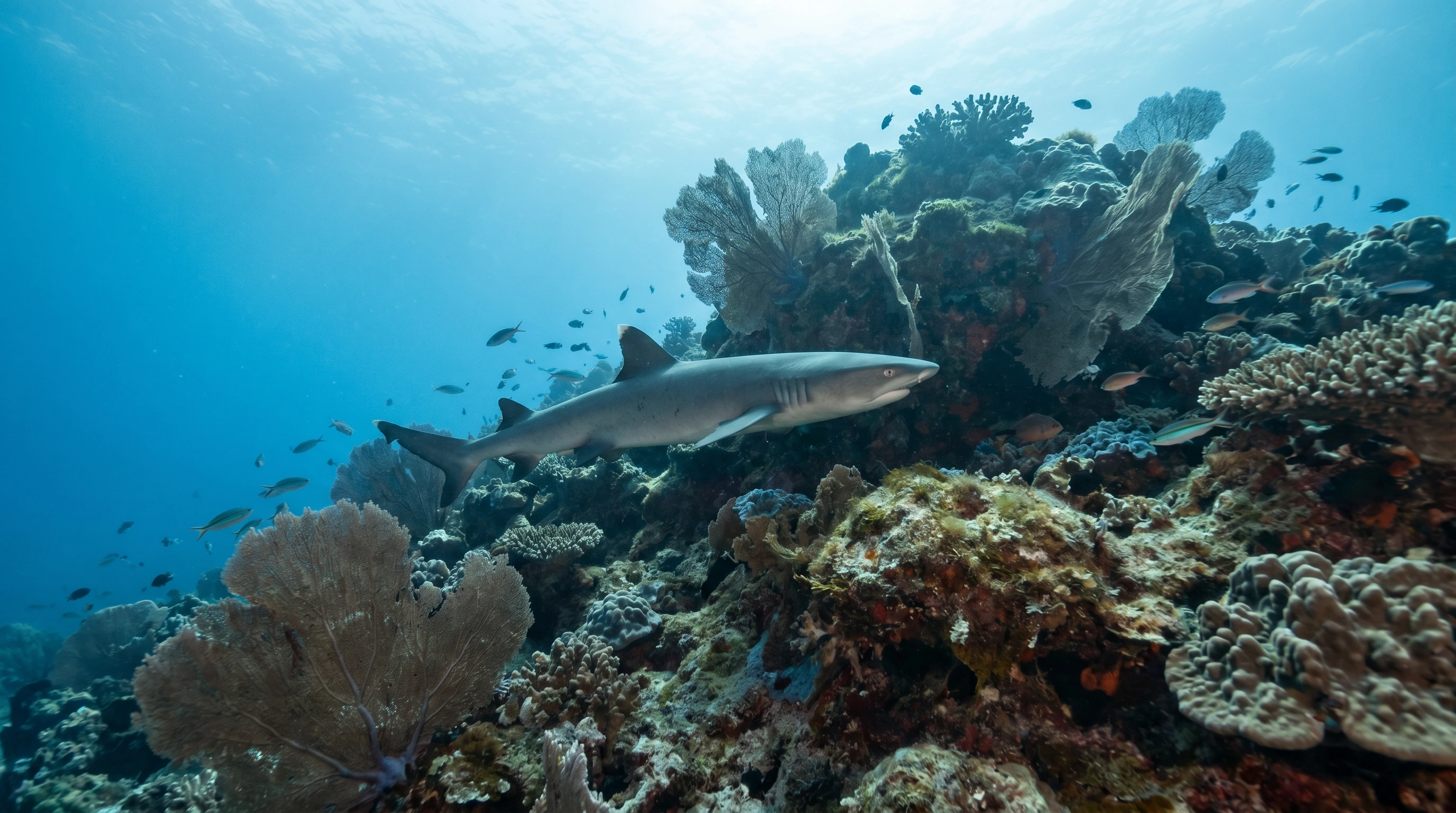
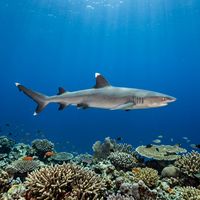
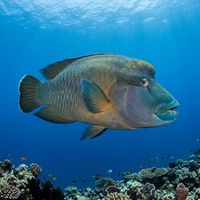
North Ari is built around submerged pinnacles, known locally as thilas, that rise from deep water to create concentrated drift diving through strong channel currents. The site mix leans heavily advanced, with boat access the norm across most of the area. Sub-areas spread from the northwestern reefs around Gangehi through the sheltered sites near Bathala and Ellaidhoo to the celebrated pinnacle of Maaya Thila. Reef fish life is rich and consistent, with Whitetip Reef Shark, Giant Moray, Napoleon Wrasse and Spotted Eagle Ray among regularly observed highlights.
3 areas
Monthly water temperature across North Ari's sites, from satellite sea-surface data corrected for depth. The band shows the site-to-site spread.
Water stays warm year-round with only slight variation between the coolest and warmest months, so thermal comfort is rarely a concern. The histogram of diver activity peaks from December through April, reflecting calmer seas and stronger visibility during the drier period, while the mid-year months see noticeably quieter conditions. Divers targeting the stronger drift sites should be aware that currents run hardest through the channel sites regardless of season.
45 operators

32 more sites to explore
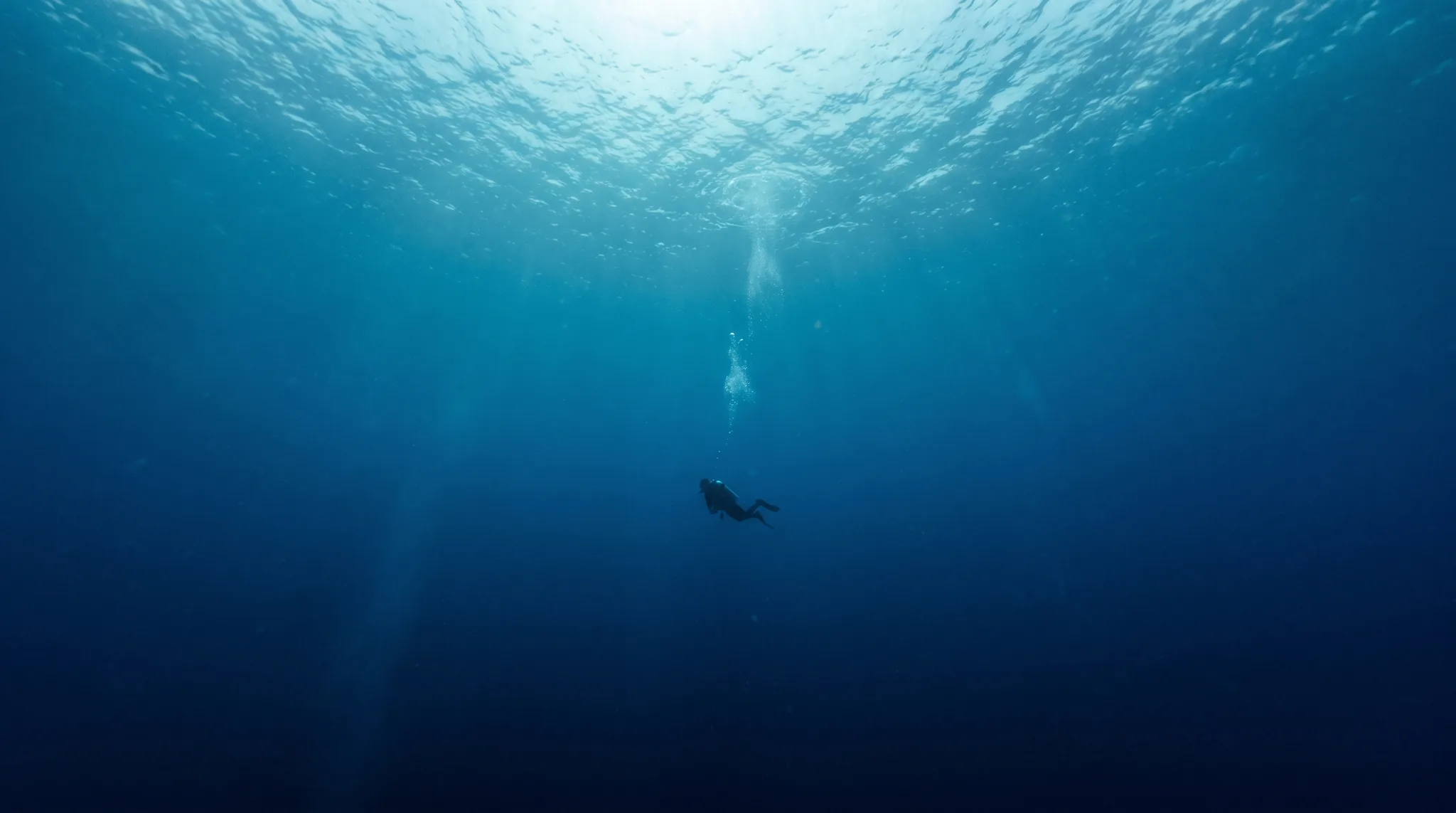
Drift-fed thilas and channels in North Ari, with consistent shark encounters and rich reef life across all sites.

Water temperature around North Ari ranges from about 28°C in January to 30°C in May, based on satellite sea-temperature data for its dive sites.
With water around 28–30°C, a rash guard or 3mm shorty works in North Ari year-round.
Fin maps 44 sites in North Ari (44 scuba diving sites and 4 snorkelling spots, with some suited to both), organised into 3 areas.
Across North Ari's dive sites, January, February, March, April, May and December are most often reported as the best months to visit.
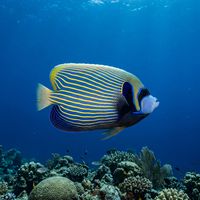
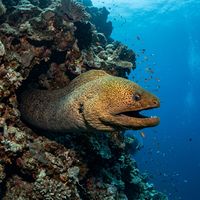
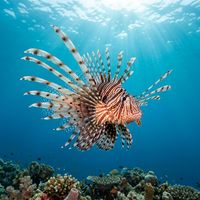
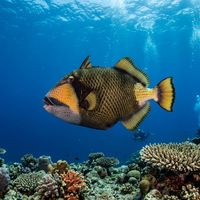
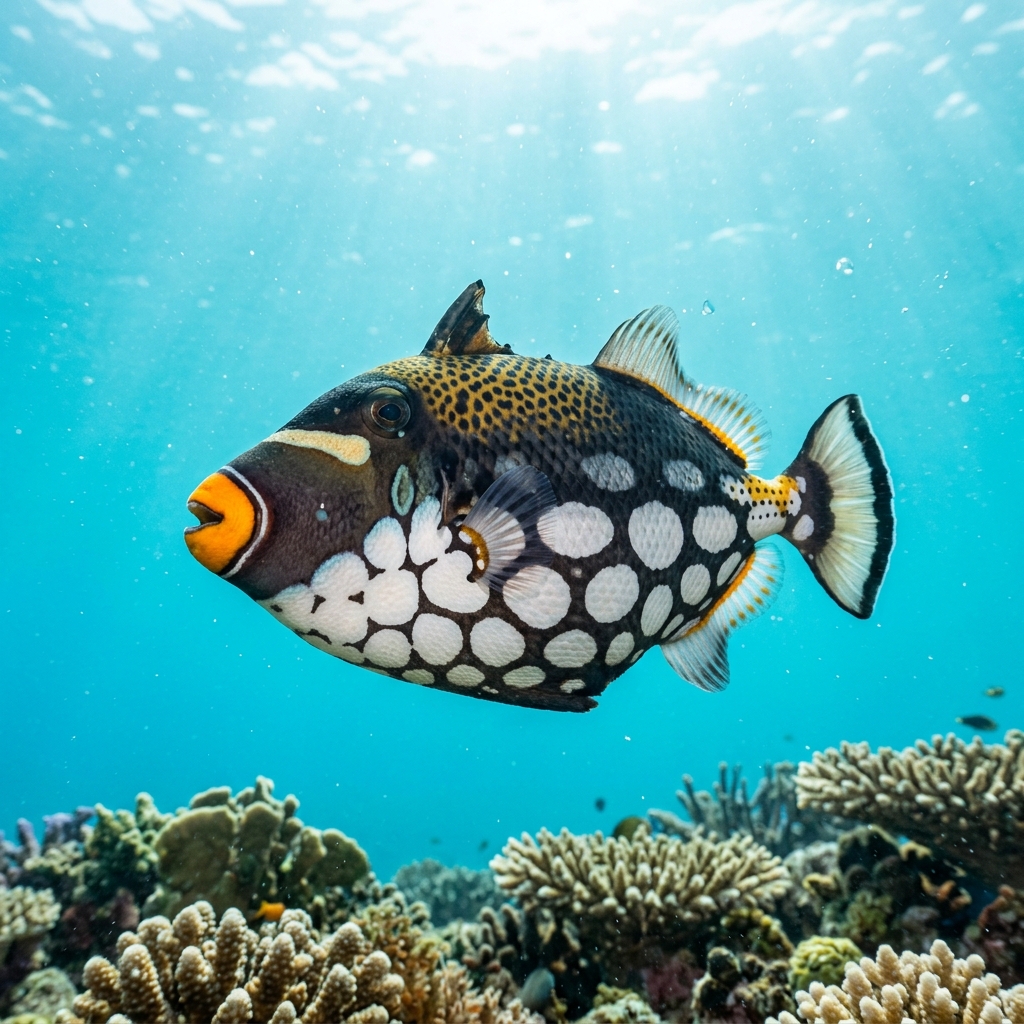
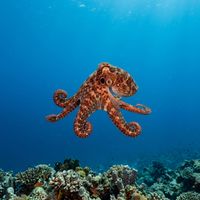
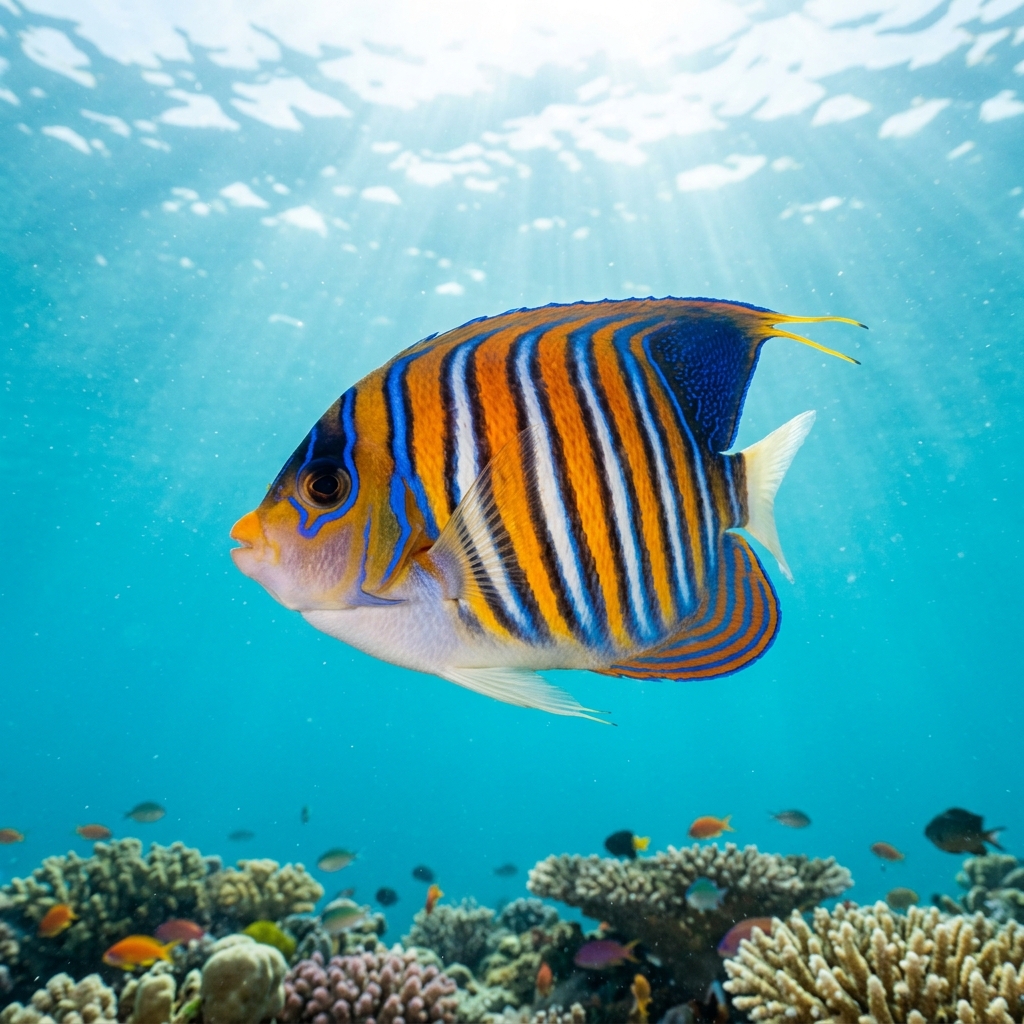
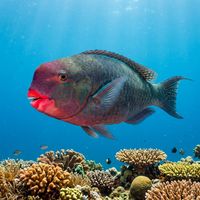
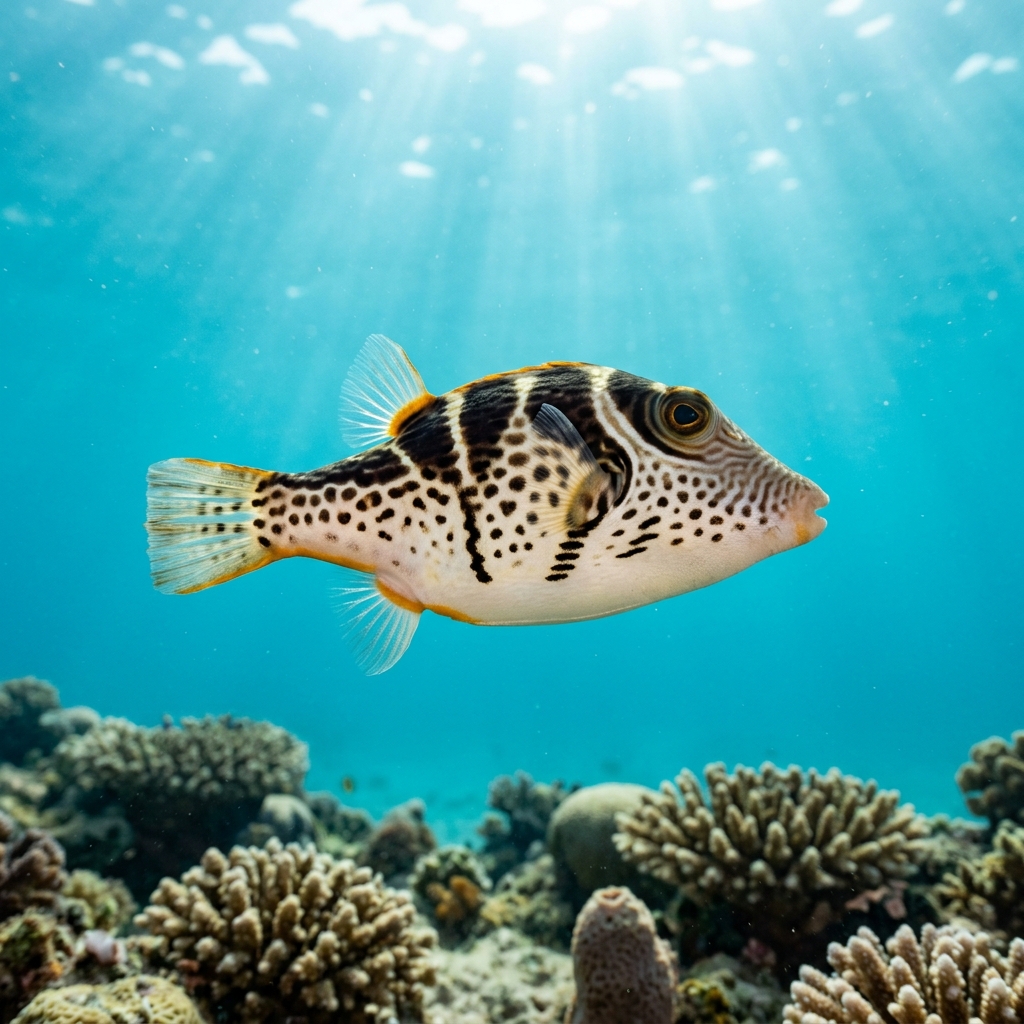
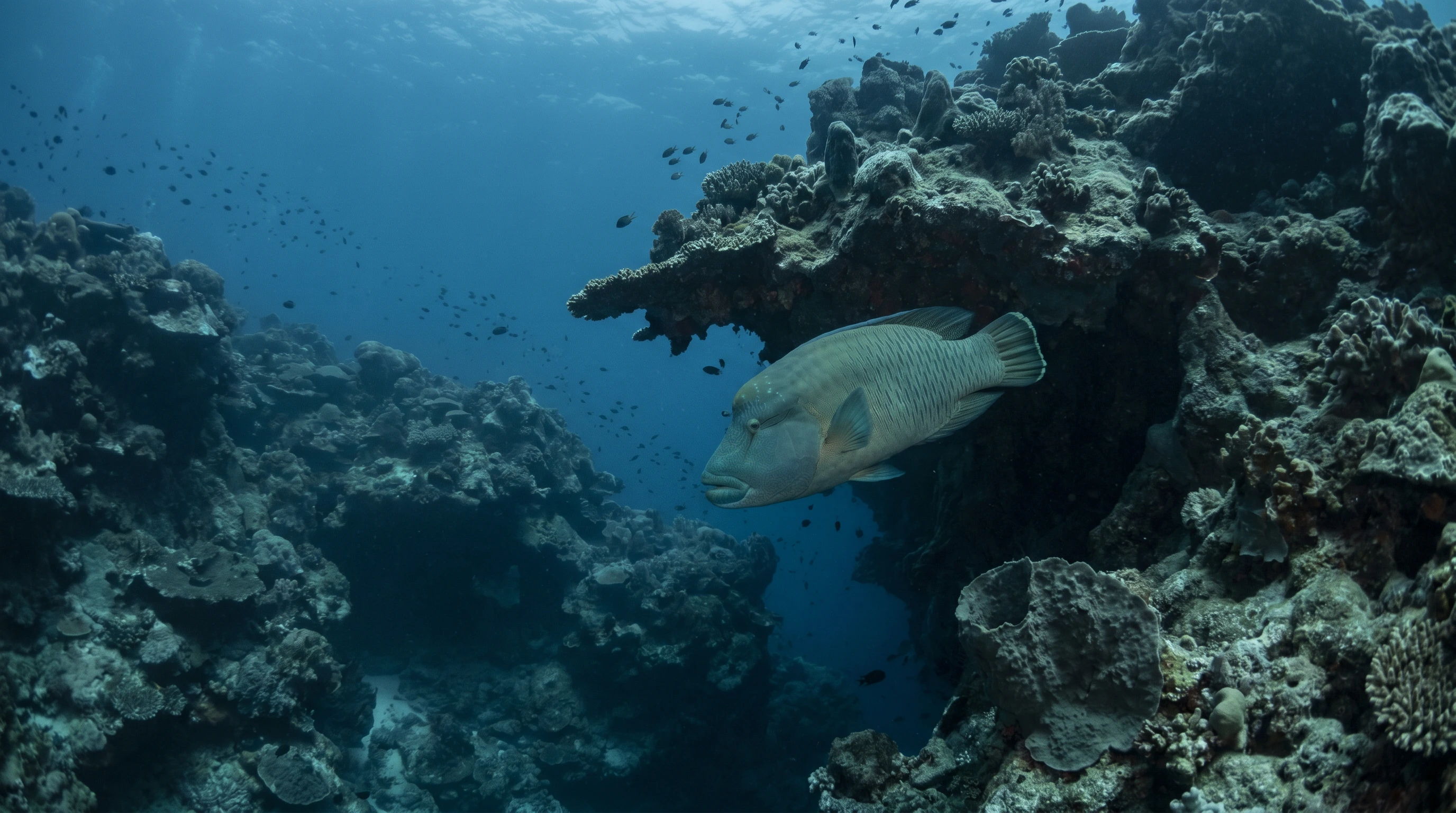
Observed species across North Ari's sites include Whitetip Reef Shark, Grey Reef Shark, Napoleon Wrasse, Spotted Eagle Ray, Giant Moray and Emperor Angelfish. Colourful reef fish such as Maldive Clownfish, Moorish Idol, Powder-blue Surgeonfish and Clown Triggerfish appear at nearly every site. The Spotfin Lionfish and Day Octopus are also reliably encountered, and the Peacock Mantis Shrimp is listed among the region's signature species.
Most of North Ari's sites are rated intermediate or advanced, with strong drift currents at the thila and channel dives requiring solid buoyancy and drift experience. A small number of sites, including Kandolhu House Reef and Velidhu, are rated beginner-friendly and reach shallower depths. Beginners are best placed starting at these sheltered sites before progressing to the more exposed pinnacles.
The great majority of sites in North Ari require boat access, which is the standard arrangement for the thila and channel dives that define the region. A small number of sites, such as Kandolhu House Reef, can be reached directly from shore. Many of the area's dive operators, including those based at Rasdhoo and Thoddoo, offer boat trips to the key sites.
Gangehi and the northwestern reefs form the largest cluster of sites, covering a spread of reef and channel dives along the outer edge. The Bathala and Ellaidhoo area offers a more concentrated selection of intermediate and advanced thilas in closer proximity to the resorts there. Maaya Thila, which has its own dedicated sub-area, centres on a single renowned pinnacle that is a designated Marine Reserve and draws strong currents and diverse pelagic life.