Best for intermediate divers, 6-30m, boat entry, moderate current.
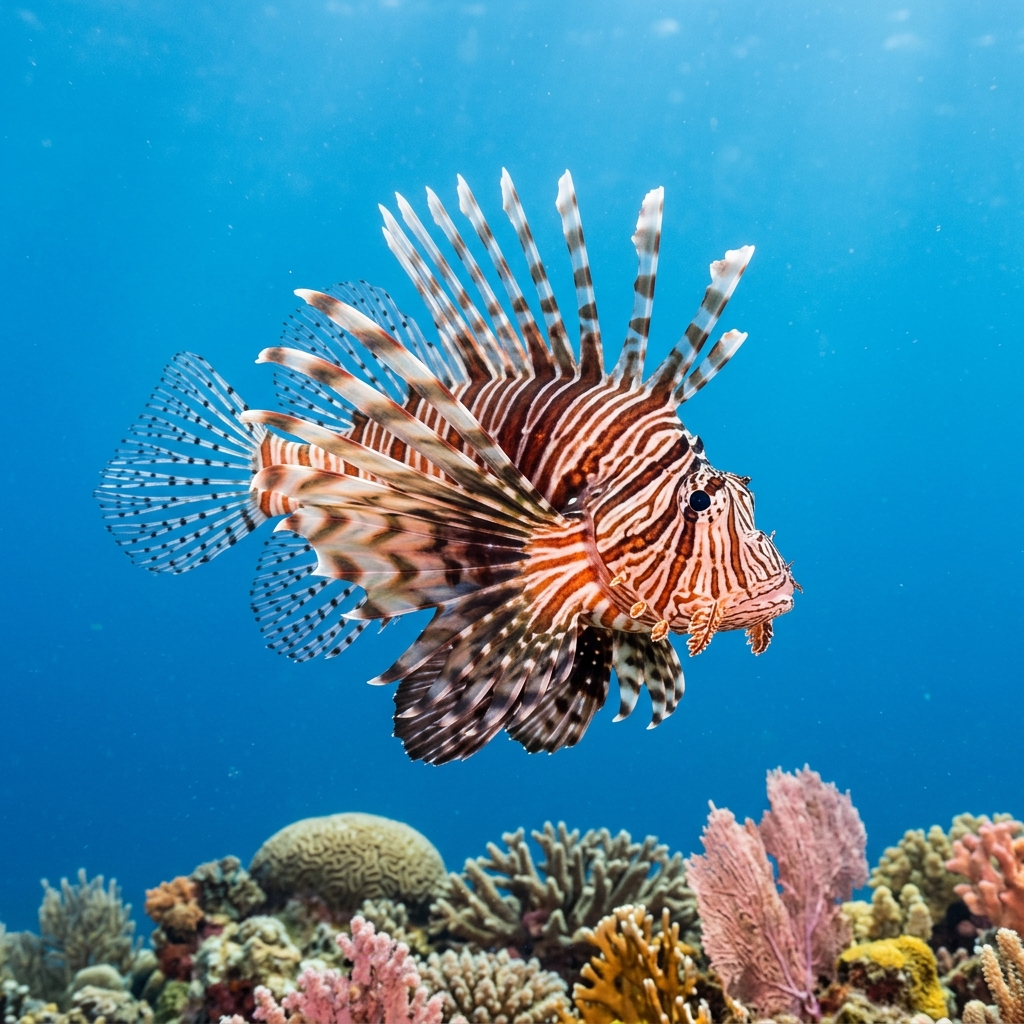
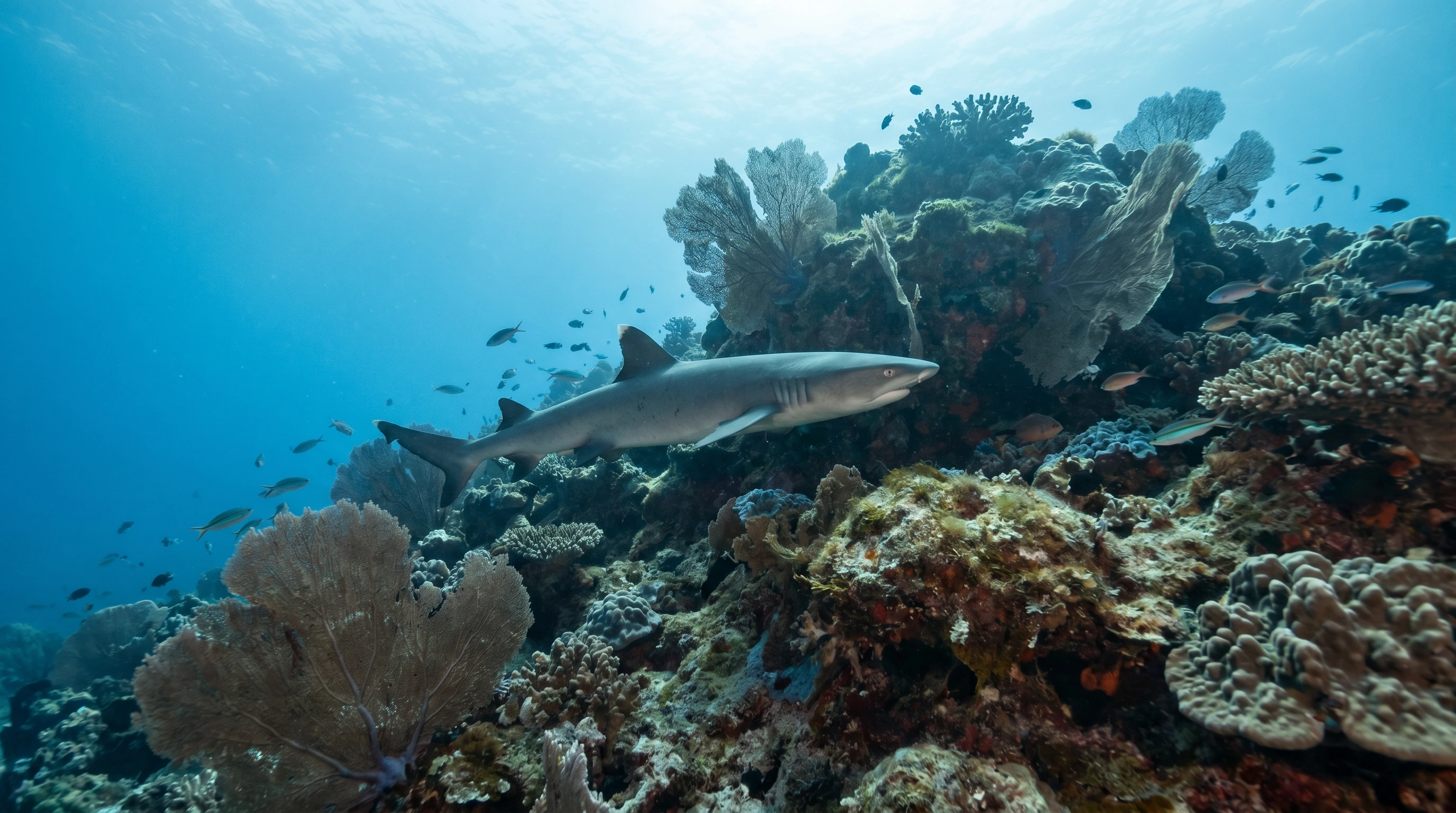
Maaya Thila is a pinnacle reef located in the Ari Atoll, Maldives, offering a drift diving experience for intermediate divers. The site ranges from 6 to 30 metres in depth, with an average of 24 metres. Access is by boat, which is required to reach the pinnacle. Divers should expect moderate currents and variable visibility between 10 and 30 metres. Water temperatures remain consistent between 28 and 30C. The site is also suitable for night diving, with typical dives lasting 50 minutes. Hazards include sharks, stonefish, and strong currents.
4.07870, 72.86030
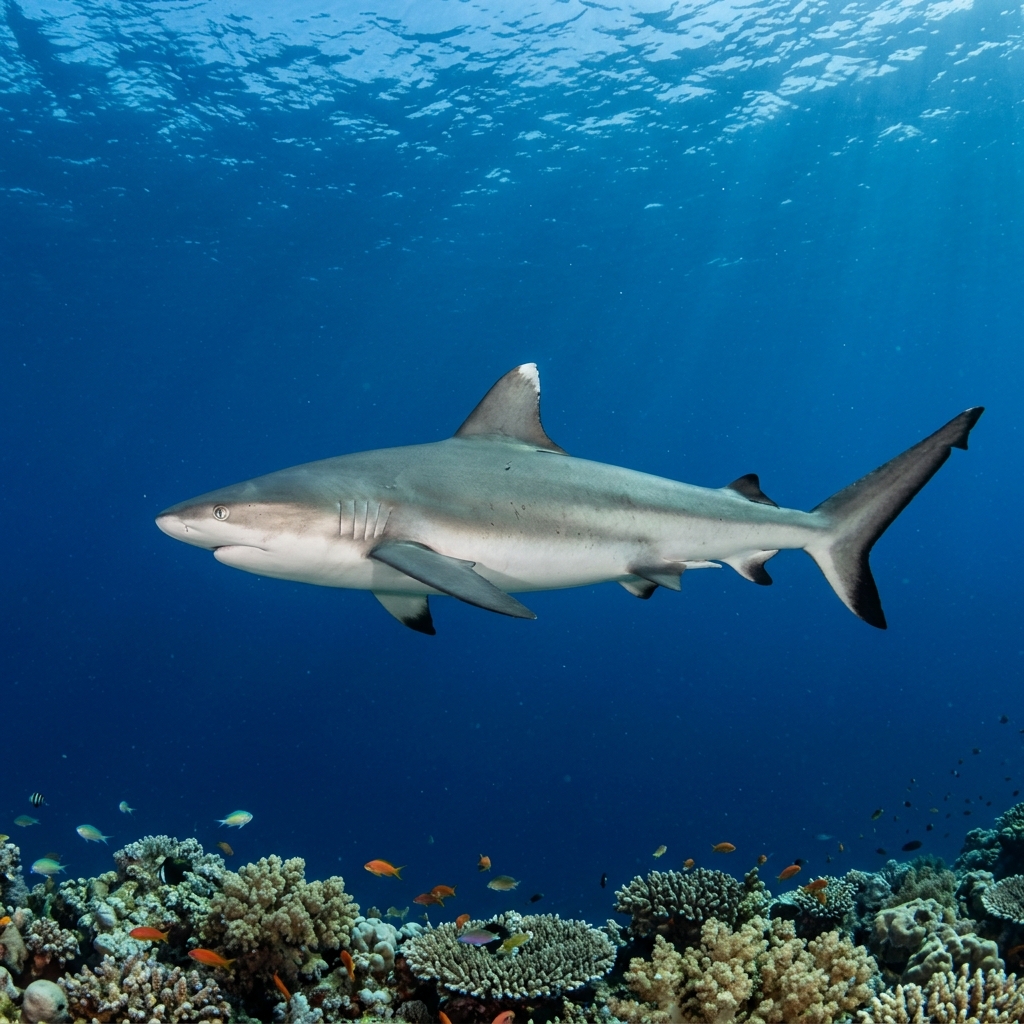
For the most exhilarating shark action, try to dive Maaya Thila when the current is running.
Access is typically via resort-based dive centre or liveaboard safari, with transfers by speedboat.
Recorded at this site
Depth
6-30m
Visibility
10-30m
Skill Level
Intermediate
Entry
Boat
Boat required
Water Temp
28-30°C
Current
Moderate
Typical Dive
50 min
Best Time
Jan, Feb, Mar, Apr, Nov, Dec
No, this site is intended for intermediate divers due to the drift conditions and potential for strong currents.
The site ranges from 6 to 30 metres, with an average depth of 24 metres.
Boat access is required to reach this pinnacle reef.
Yes, Maaya Thila is known for night diving.
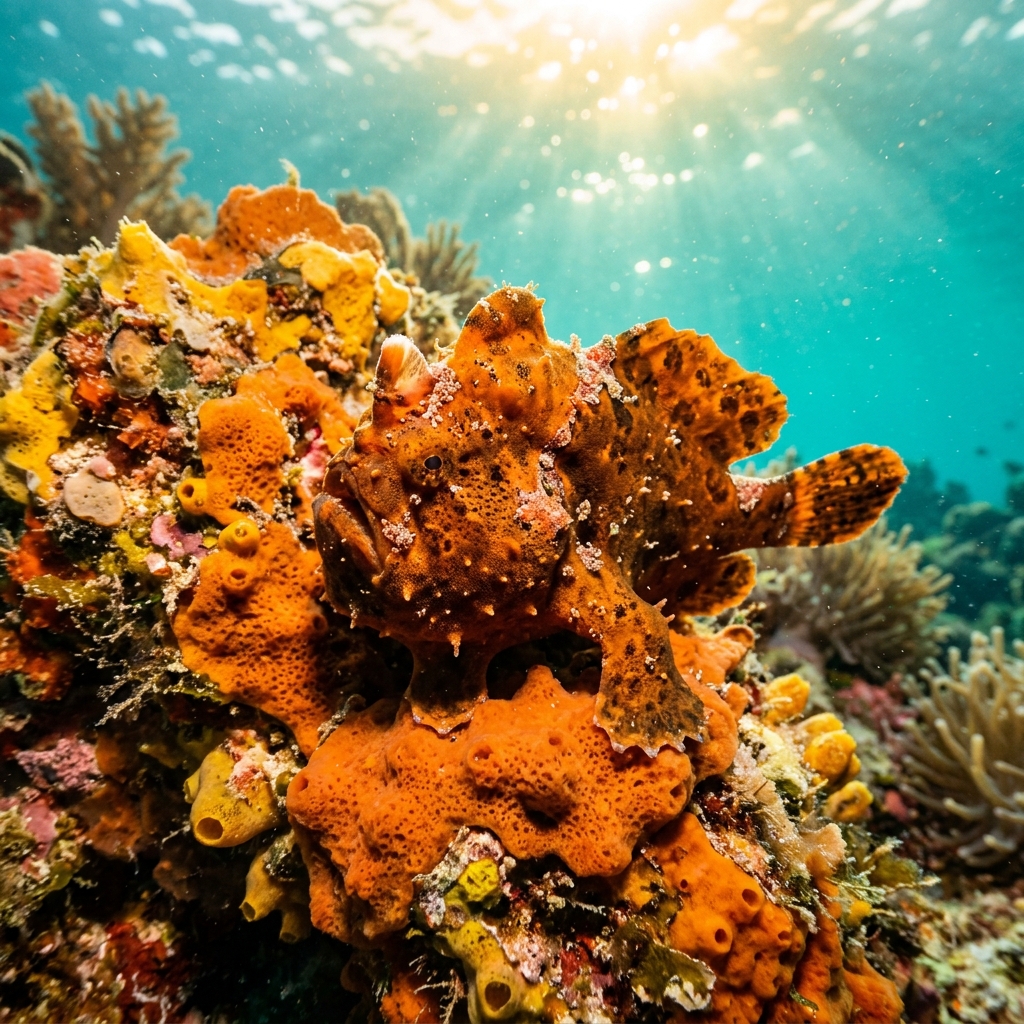
Divers should be aware of sharks, stonefish, and strong currents.
Diving at Maaya Thila in Central Atolls requires the following certifications: Advanced. Always dive within your training limits.
A rashguard or 2mm shorty is recommended for diving at Maaya Thila in Central Atolls. Water temperatures range from 28°C to 30°C.
The best months to visit Maaya Thila in Central Atolls are January, February, March, April, November, and December. Conditions outside these months can still be good but are less predictable.
Expect moderate currents at Maaya Thila in Central Atolls. Good buoyancy control and some drift diving experience is helpful.
Visibility at Maaya Thila in Central Atolls typically ranges from 10 metres to 30 metres. Conditions vary with weather, tides, and seasons.