
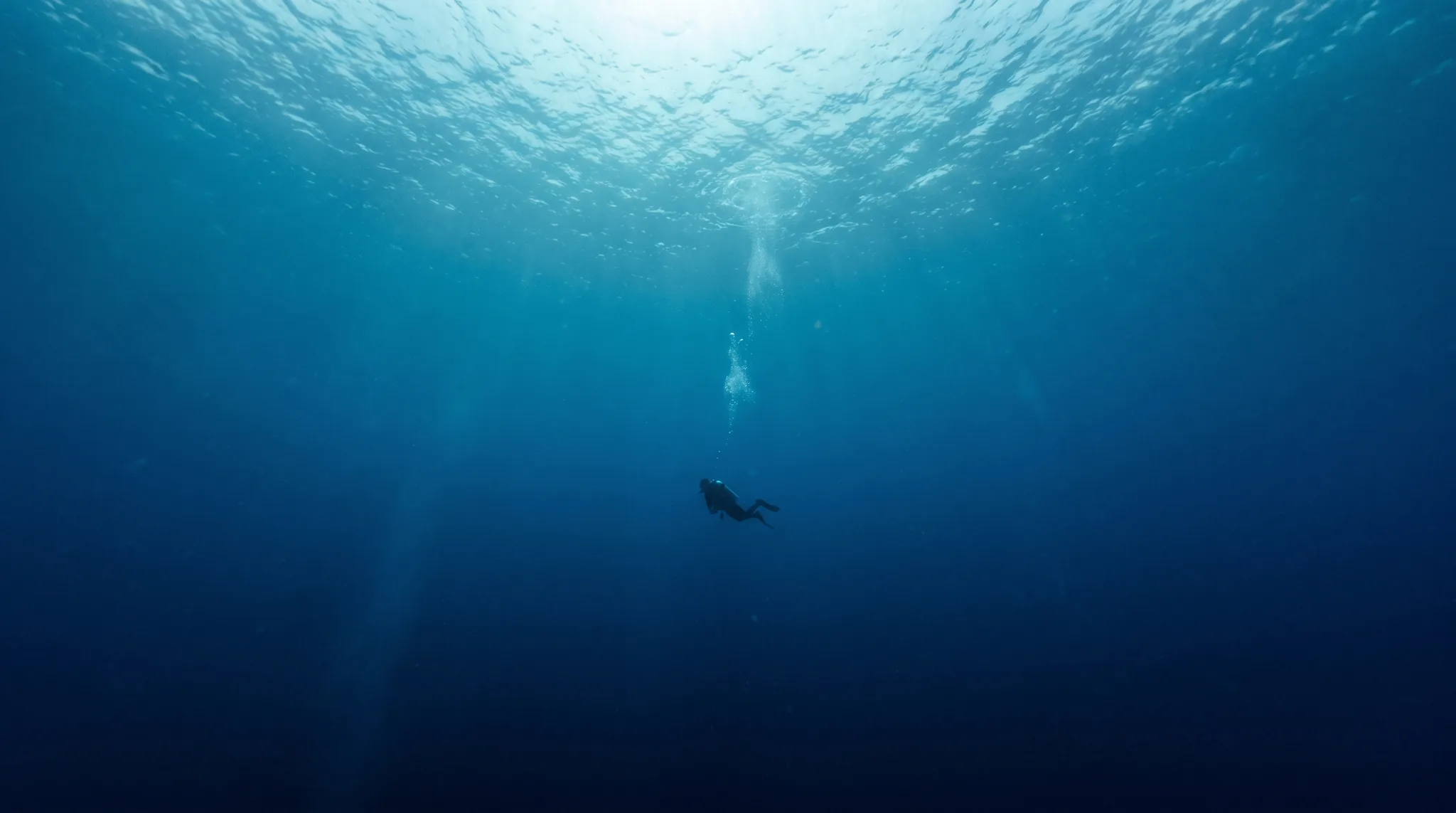
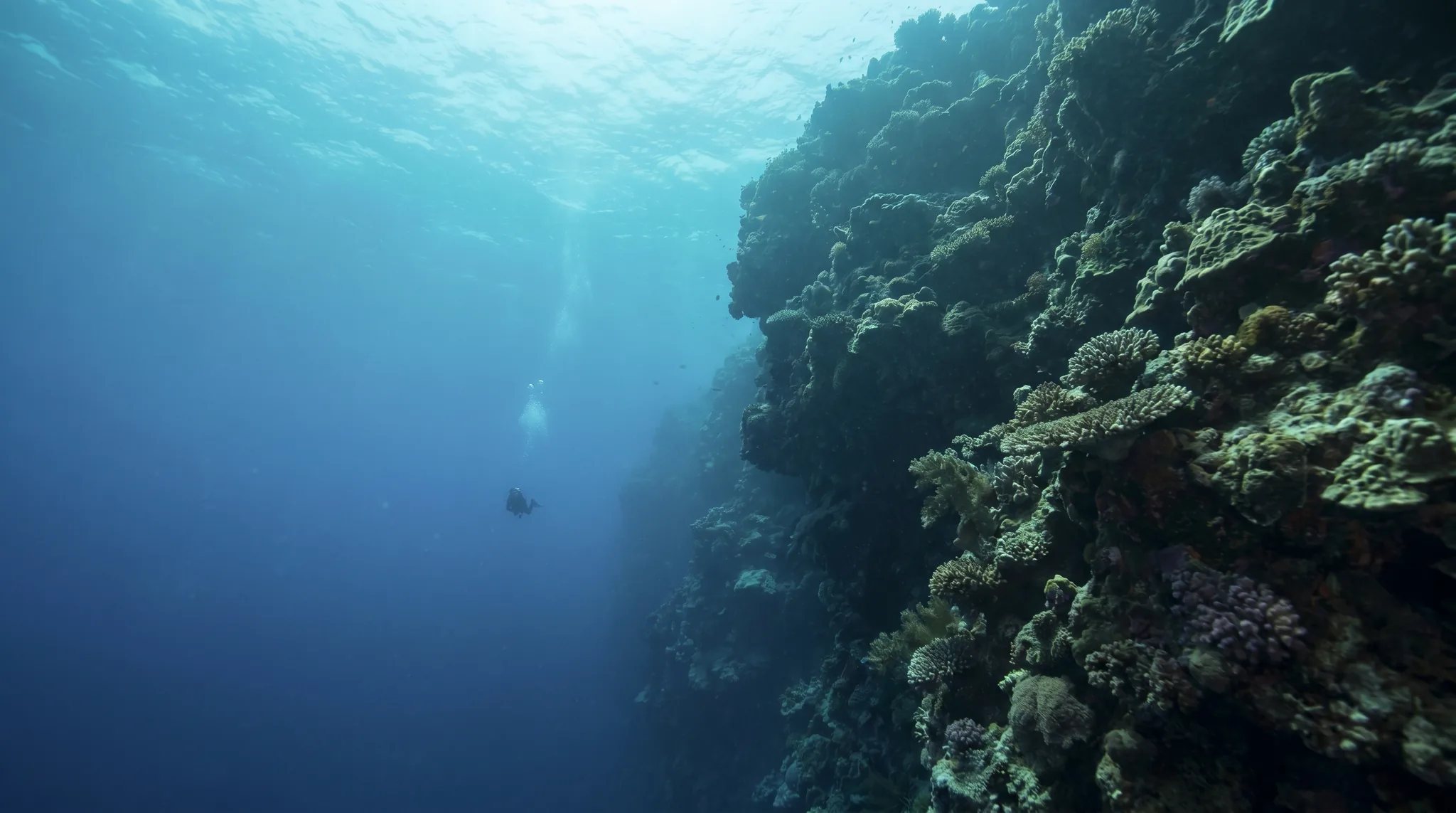
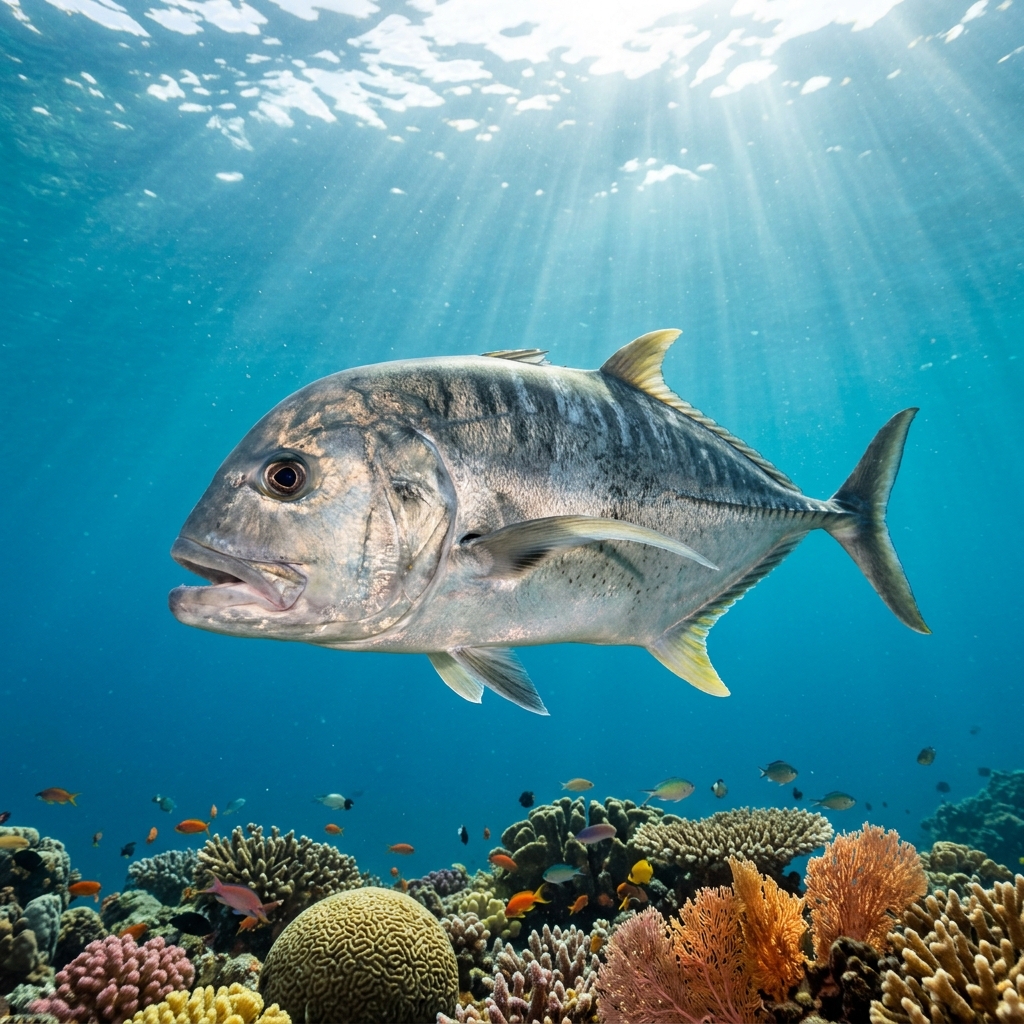
Vaagali and Rannalhi sit within South Male Atoll and offer a compact but varied portfolio of reef, wall, drift, pinnacle, and cave sites. Currents are a defining feature: many sites run strong enough to classify them intermediate or advanced, carrying divers along walls and past coral formations. Hawksbill Sea Turtle, Napoleon Wrasse, and Spotted Eagle Ray are consistently observed, alongside Whitetip Reef Shark and Giant Trevally. Beginner-friendly pinnacles such as Vale Giri provide an accessible entry point.

Monthly water temperature across Vaagali & Rannalhi's sites, from satellite sea-surface data corrected for depth. The band shows the site-to-site spread.
Water temperature holds warm and remarkably steady throughout the year, with only a slight rise in late spring. The best-months data points to the drier months of March and April as prime diving, with conditions generally more settled than the mid-year period. From mid-year into early autumn, currents can become more challenging and visibility may be reduced, suiting experienced drift divers.
2 operators
Maldives
Maldives
2 more sites to explore
Water around Vaagali & Rannalhi stays near 30°C all year, based on satellite sea-temperature data for its dive sites.
With water around 29–30°C, a rash guard or 3mm shorty works in Vaagali & Rannalhi year-round.
Fin maps 13 sites in Vaagali & Rannalhi (13 scuba diving sites and 5 snorkelling spots, with some suited to both).
Across Vaagali & Rannalhi's dive sites, January, February, March, April, May and December are most often reported as the best months to visit.
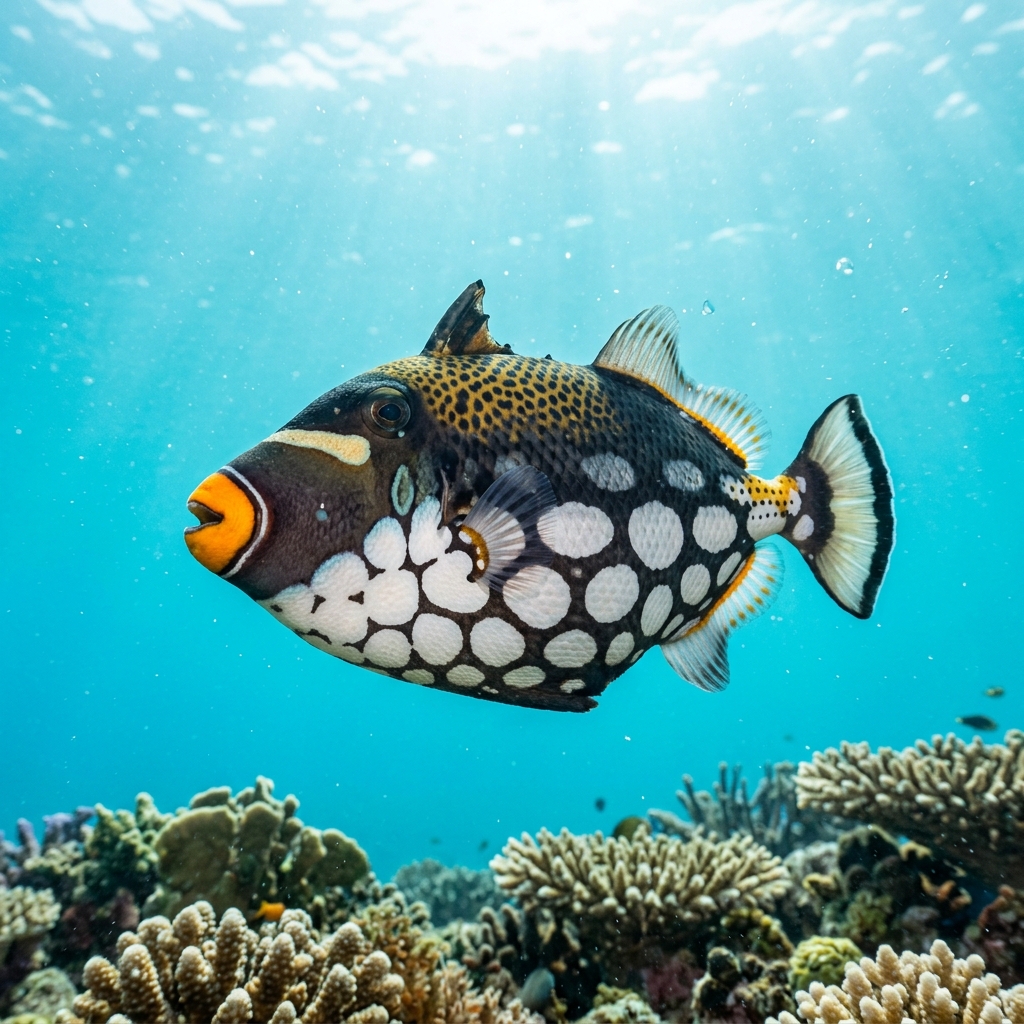
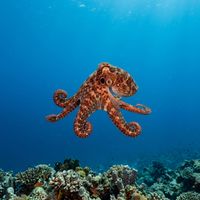
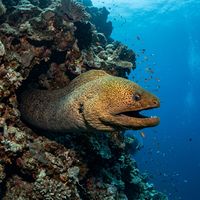
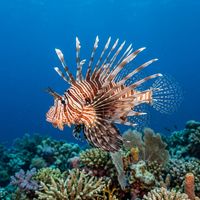
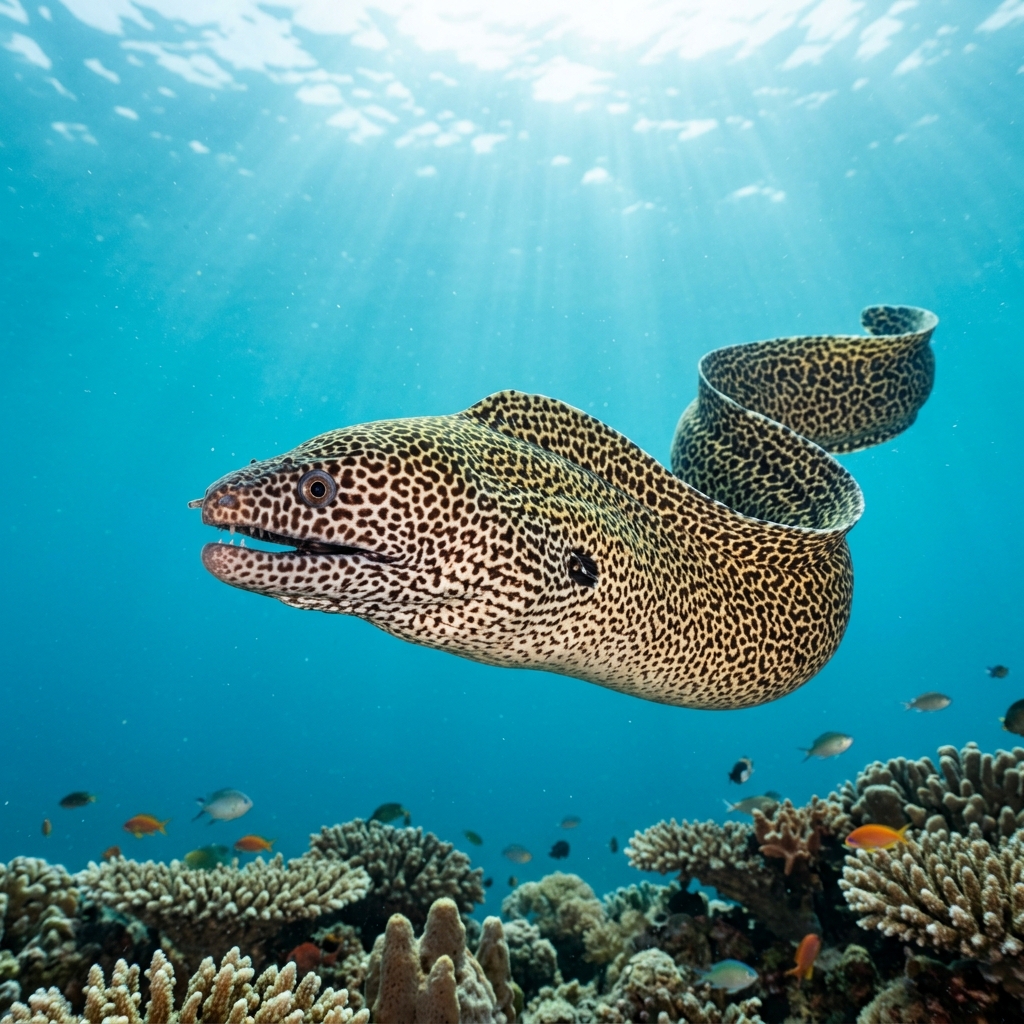
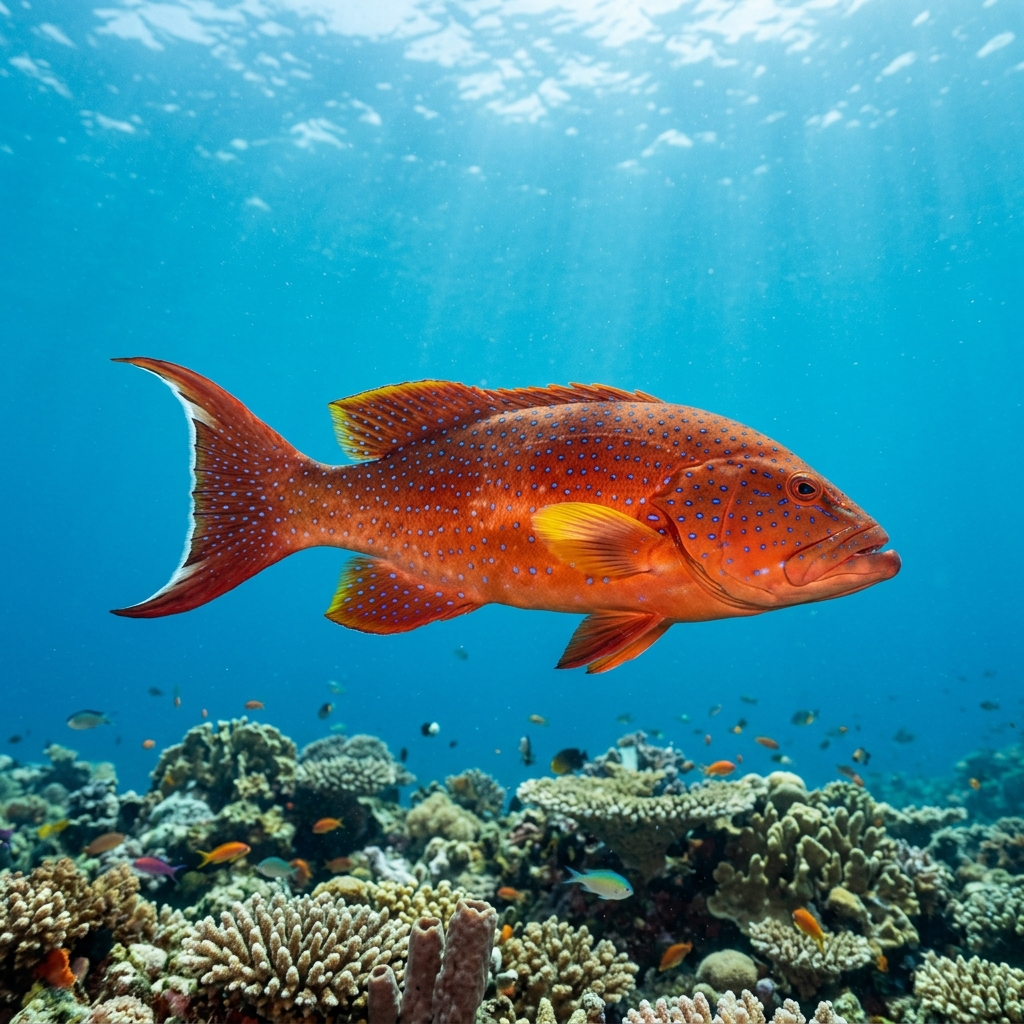
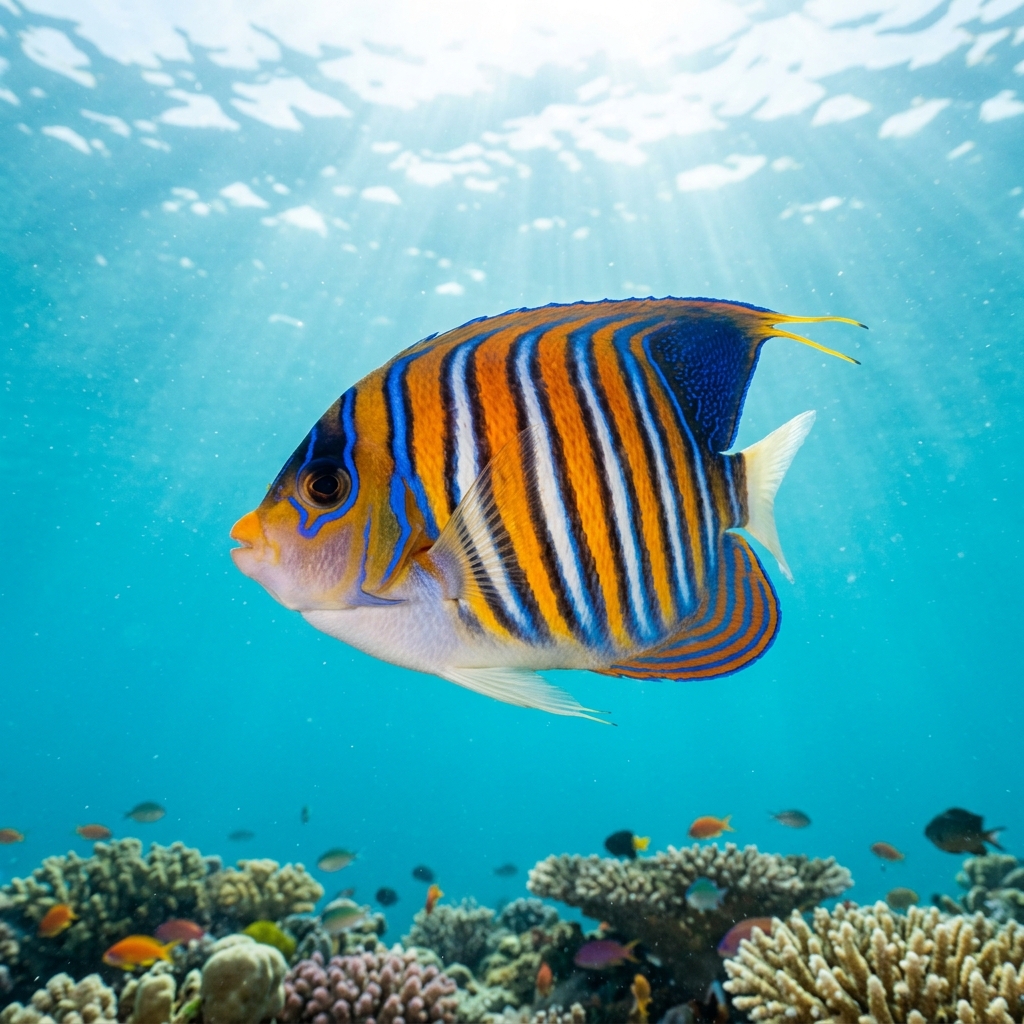
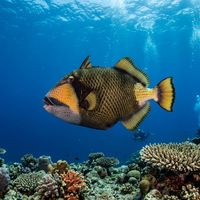
The region has a strong observation record for Hawksbill Sea Turtle, Napoleon Wrasse, Spotted Eagle Ray, and Whitetip Reef Shark. Giant Trevally and Giant Moray are also very commonly encountered, along with Day Octopus, Lunartail Grouper, Clown Triggerfish, and Indian Lionfish. Altogether the area supports a wide variety of reef species.
A handful of sites, including Vale Giri and Appa Thila, are rated beginner level and offer shallower, calmer conditions. The majority of sites, however, are classed intermediate or advanced due to strong and sometimes unpredictable currents. Beginners can certainly enjoy the area but should plan their site selection carefully with their operator.
All sites across the region require boat access; there are no shore-entry dives in the site list. Operators including Dream Catcher 2 and Best Dives Madoogali run trips to these sites. Boat trips allow access to the full range of reefs, walls, drift sites, and caves on offer.
The region mixes reef walls, drift channels, pinnacles, drop-offs, and caves within a relatively compact area. Sites like Vaagali Kandu and Rannalhi Caves combine several of these features in a single dive, while Kani Corner and Magu 1 are primarily current-driven reef drifts. This variety means different dives suit different experience levels and conditions on the day.