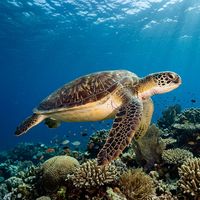
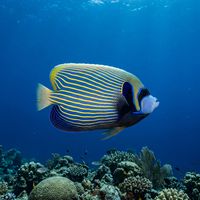
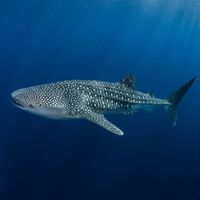
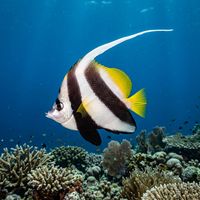
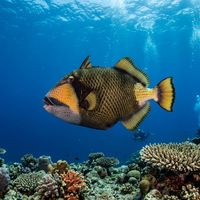
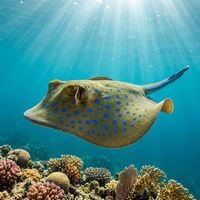
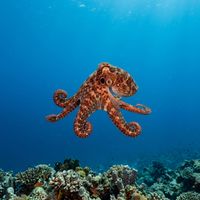
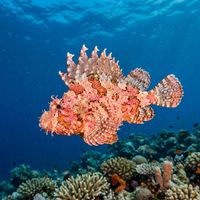
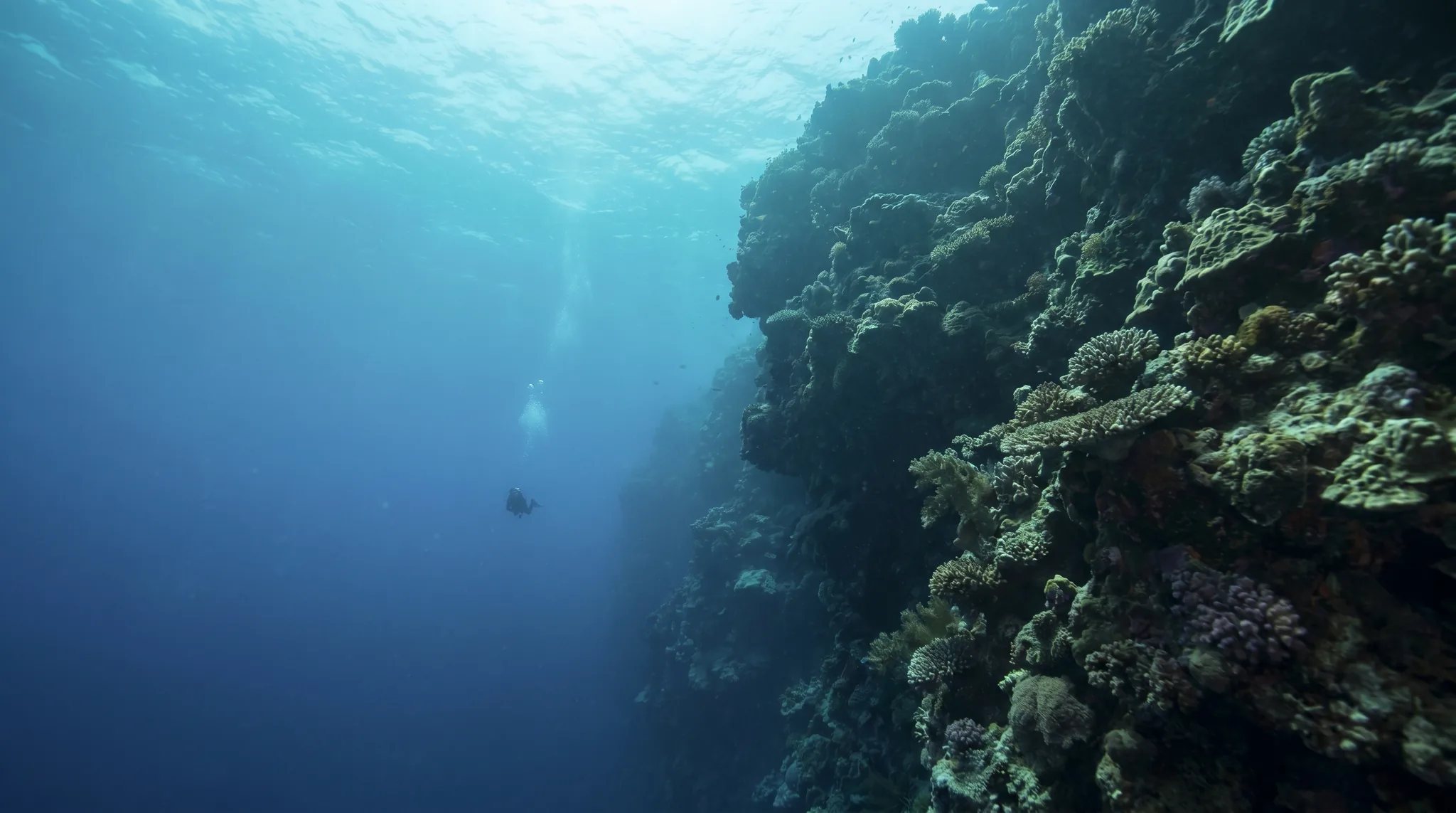
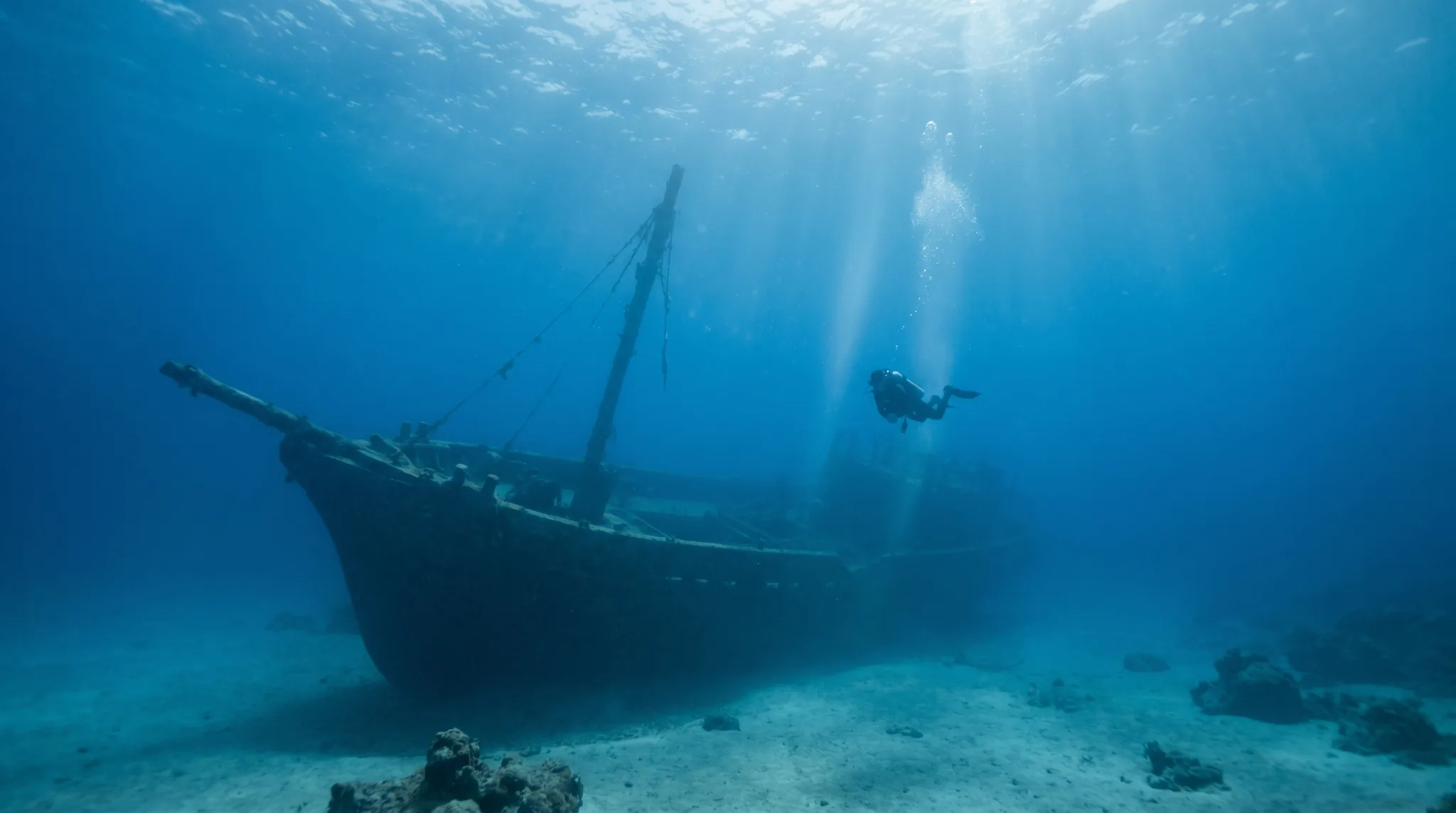
Nosy Be offers a broad spread of dive sites, from shallow beginner reefs around Nosy Tanikely to deep walls, pinnacles and canyons in the Radama Archipelago and at offshore banks like Grand Banc. The topography is truly varied: wrecks, arch formations, drift reefs and multi-level drop-offs give divers of every certification level something substantial to explore. Green Sea Turtle is encountered across the majority of sites, while Whale Shark and Reef Manta Ray make occasional appearances. Conditions are warm throughout the year, with the calmest and clearest diving concentrated from April through November.

3 areas
6Protected marine park in the Nosy Be Archipelago with reef, wall, and wreck diving for beginners and intermediates.
2Shallow reef diving and snorkelling among the volcanic islands north of Nosy Be, with whale sharks and warm water year-round.
2Remote Mozambique Channel archipelago with a UNESCO biosphere designation, ranging from deep walls and caves to beginner-friendly reefs.
Monthly water temperature across Nosy Be's sites, from satellite sea-surface data corrected for depth. The band shows the site-to-site spread.
Water temperature stays warm all year, dipping only slightly cooler from July through October before rising again towards the warmer months of December through May. The best-months data points strongly to April through November as the prime window, when conditions are most settled and visibility at its peak. Divers visiting outside this window will still find warm water but should expect more variable surface conditions at exposed offshore sites.
43 operators
15 more sites to explore
Water temperature around Nosy Be ranges from about 27°C in July to 29°C in January, based on satellite sea-temperature data for its dive sites.
With water around 27–29°C, a rash guard or 3mm shorty works in Nosy Be year-round.
Fin maps 33 sites in Nosy Be (32 scuba diving sites and 3 snorkelling spots, with some suited to both), organised into 3 areas.
Across Nosy Be's dive sites, May, July, August, September, October and November are most often reported as the best months to visit.
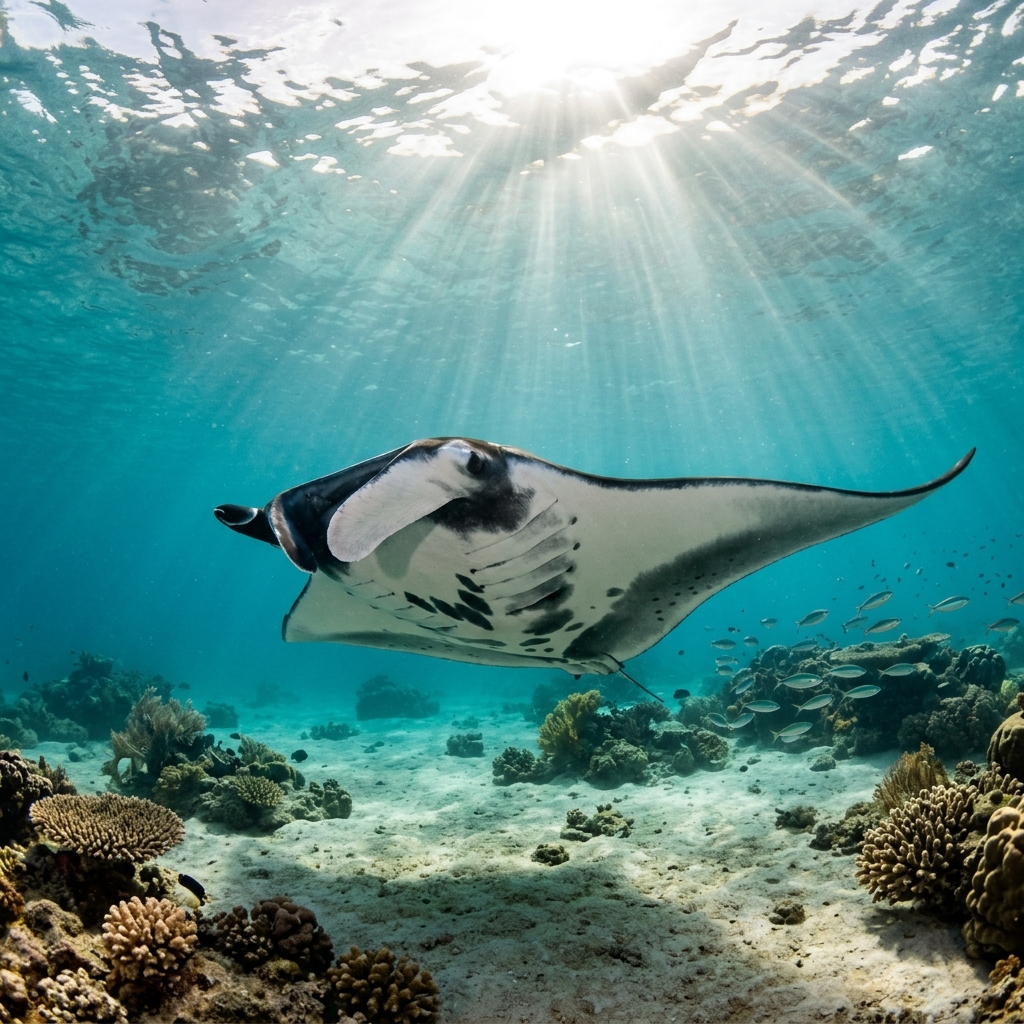
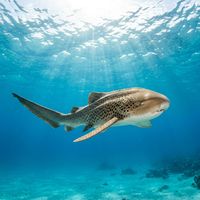
Green Sea Turtle is observed across the vast majority of sites and is the most reliably encountered large animal in the region. Whale Shark and Reef Manta Ray are occasional visitors, while Zebra Shark has also been observed. Napoleon Wrasse and Bluespotted Fantail Ray round out the larger species recorded here.
Yes, several sites are specifically rated for beginners. Charlies Point offers calm conditions and mild currents, Plage des Amoureux is a sheltered shallow reef off Nosy Tanikely, and Nosy Kisimamy provides consistent visibility at gentle depths. More advanced divers can head to Greg's Wall or Atnam in the Radama Archipelago for significantly more demanding terrain.
Nosy Tanikely concentrates the most sites and is well suited to beginners and intermediates, with sheltered reefs and manageable depths. Mitsio and Tsarabanjina offer a wreck and more remote conditions. The Radama Archipelago, represented by sites like Atnam and Banco Rosario, delivers the most complex topography, with canyons, walls and drift diving that suits experienced divers.
All sites in Nosy Be require boat access; there are no shore-entry dive sites in the region. A wide range of operators are based here, including Aquadiving, Manta Diving, Diving Cattitude and Oceane's Dream, among others, so finding a boat departure from the main hub is straightforward regardless of your skill level or target site.