Melichthys vidua
Spot the pinktail triggerfish by its white-tipped pink tail on Indo-Pacific reefs. Most commonly logged in Hawaii, Bali, and the Visayas between 24-29 °C.
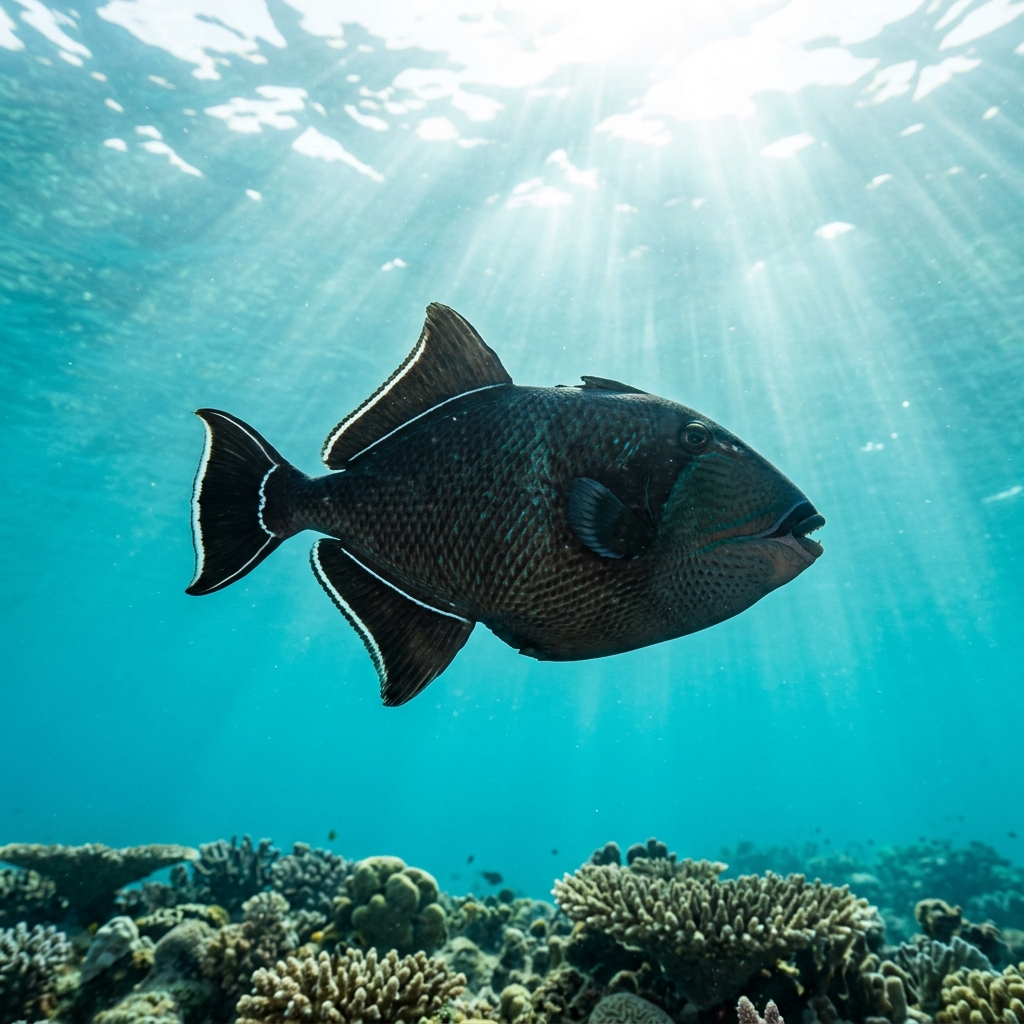
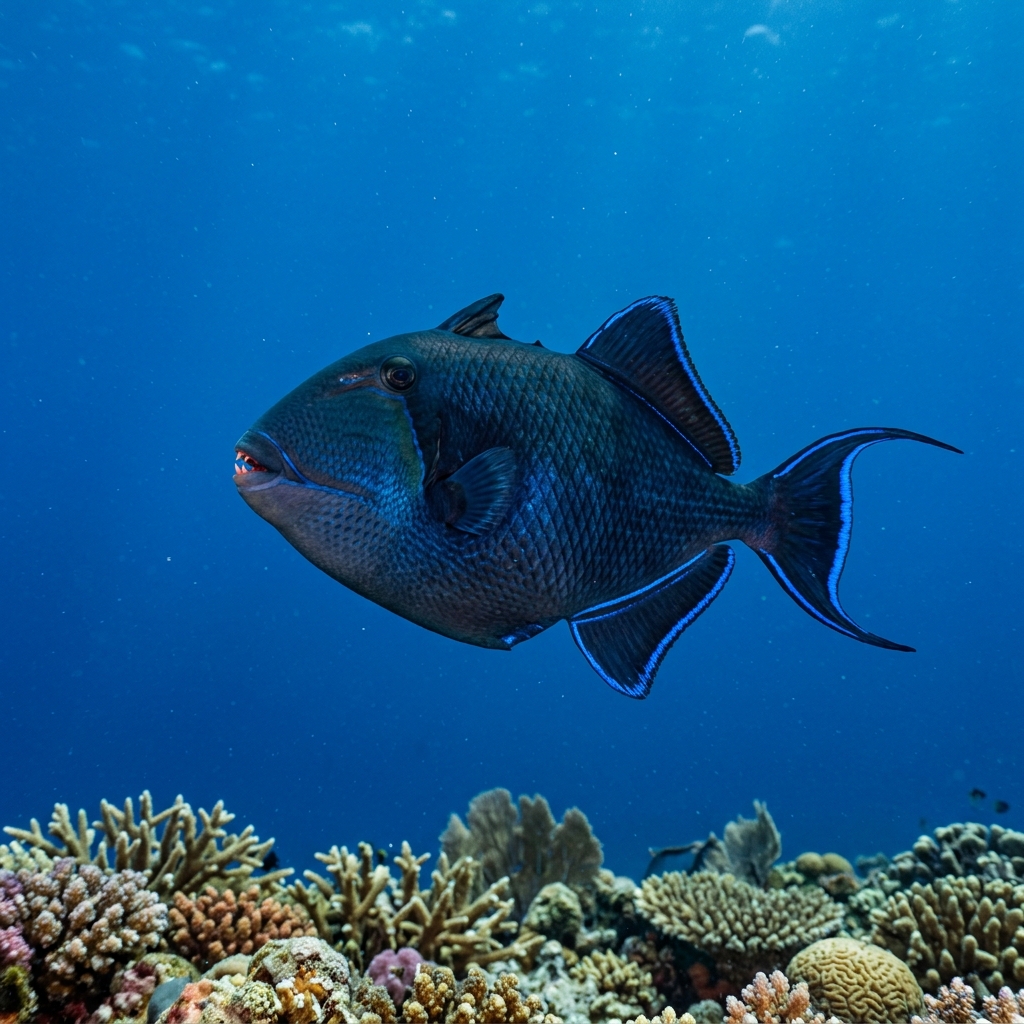
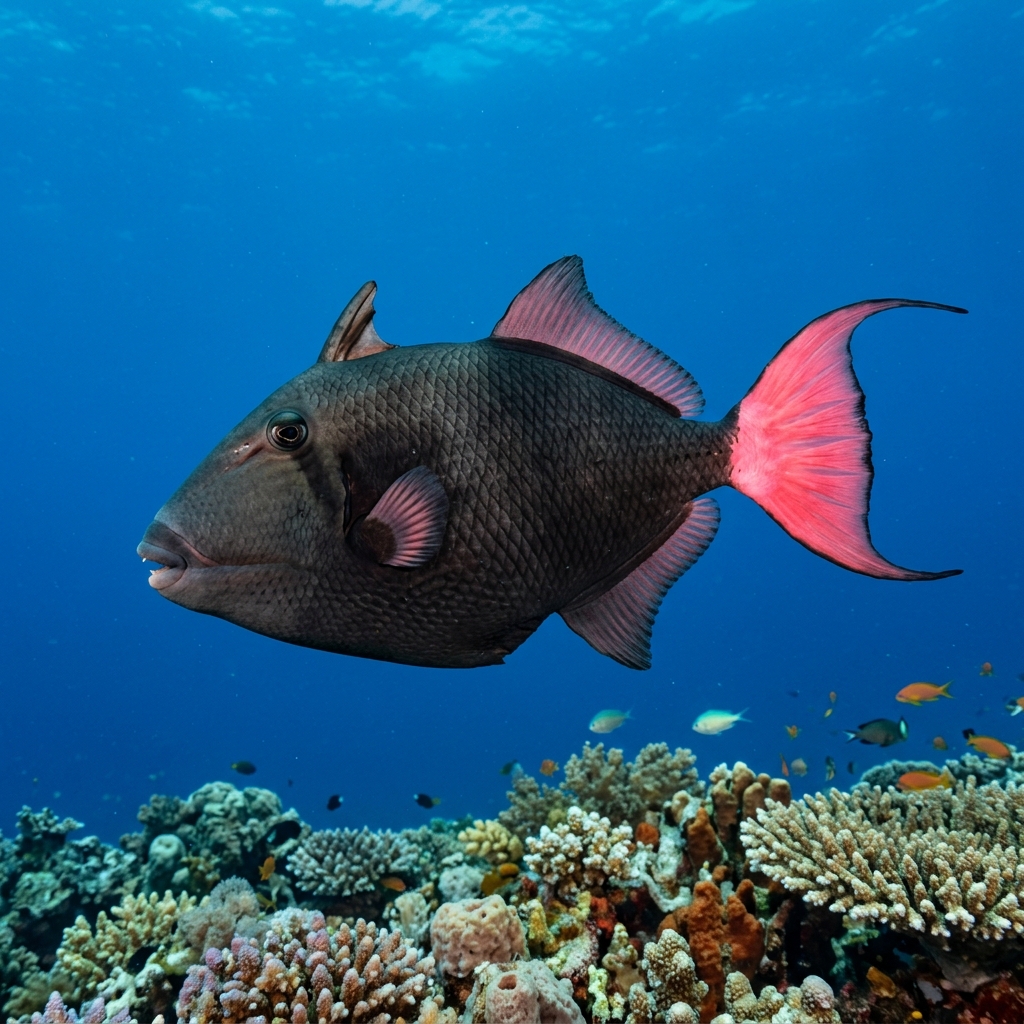
At around 28 cm, this is a medium-sized triggerfish with a dark brownish-black body that makes its two standout features pop: translucent pinkish-white tail fins with white trailing edges, and similarly pale dorsal and anal fins that contrast sharply against the dark body. Underwater, that pale tail is the detail to key on, no other common reef triggerfish combines an almost entirely dark body with that washed-out, pinkish-white caudal fin. Body shape is the typical compressed oval of the family, with a steep forehead and the characteristic locking spine (the retractable first dorsal spine that locks upright as a defence).
Most often seen cruising solitarily or in loose small groups along the outer reef slope or reef flat during the day, picking at algae-covered rock and crushing small invertebrates with its strong jaws. It tends to be more inquisitive than skittish, sometimes swimming up for a closer look before veering away, a behaviour that makes it relatively approachable for photographers. Aggression towards divers is rare; it is not regarded as a nesting-territory species in the way some larger triggerfish are.
Despite being classified as a carnivore, pinktail triggerfish regularly graze algae alongside invertebrate prey, making them one of the more omnivorous-acting members of a family better known for crunching hard-shelled animals.
In Northern Hemisphere destinations such as Hawaii, sightings concentrate from February through September. In Southern Hemisphere locations including Queensland and Bali, the species is most reliably encountered from March through December.
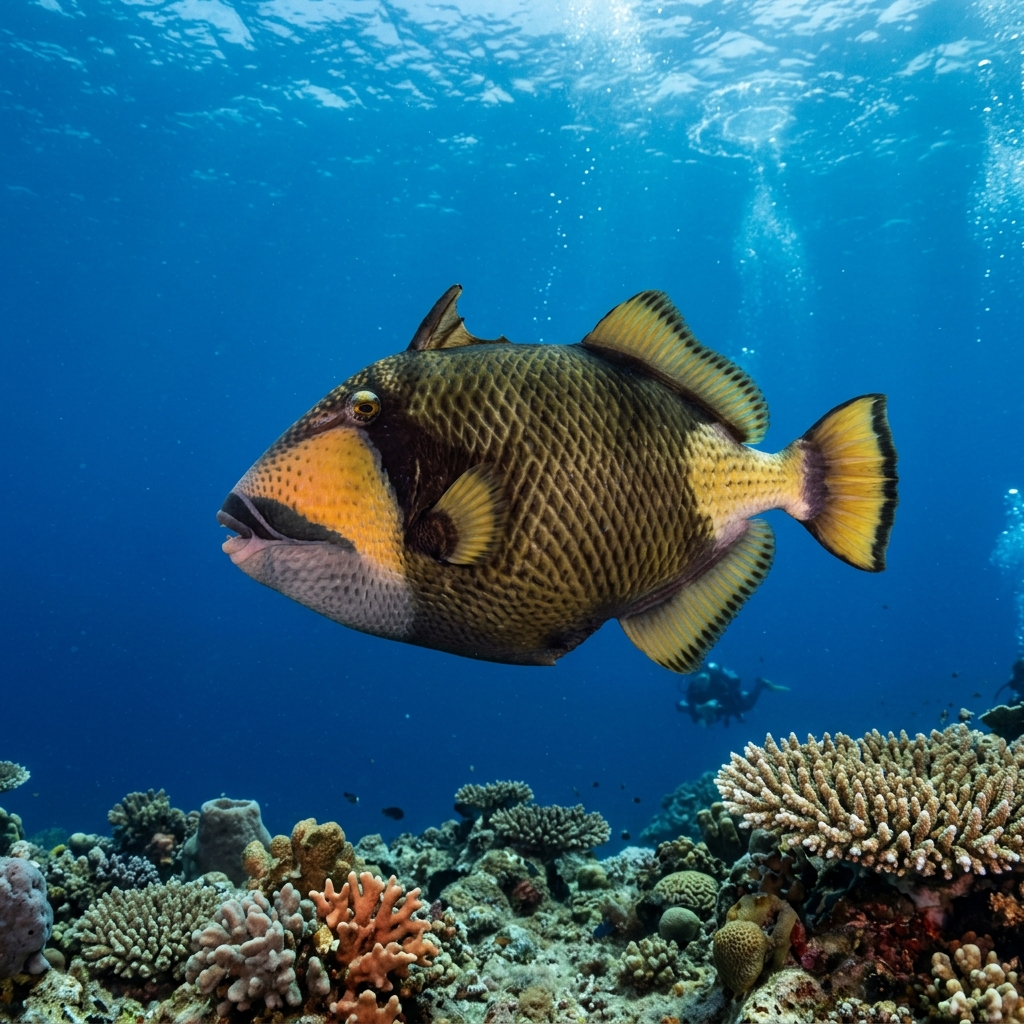
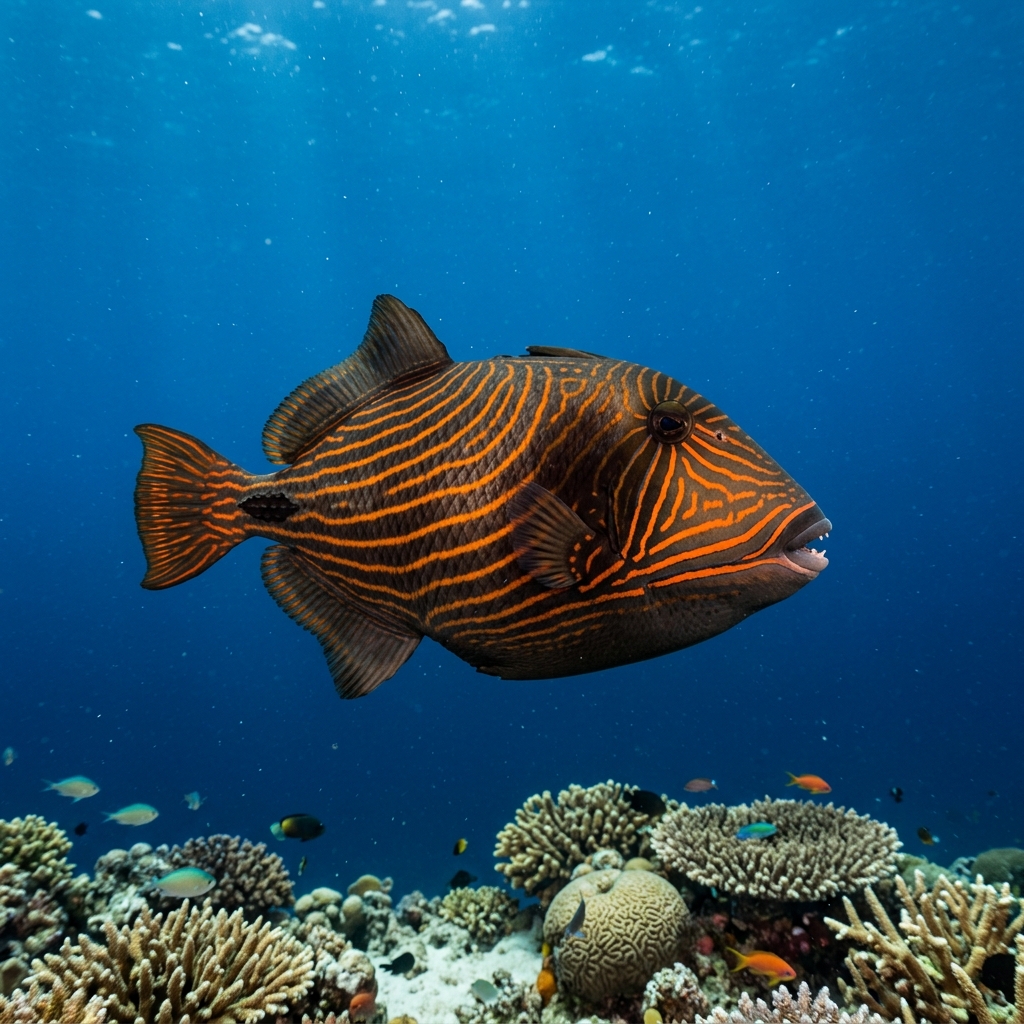
Reef neighbours a diver could mistake it for. Use the identification notes above to tell them apart.
Most consistently logged across Indonesia and the Philippines, with particularly strong records from Bali, Sulawesi, and the Central Visayas. Hawaii is a reliable destination for this species, and French Polynesia, especially around Tahiti, also shows solid sighting records. Australia's Queensland coast and Malaysia round out the core range.
Mapping where Pinktail Triggerfish is logged…
They are most commonly logged in Indonesia and the Philippines, with strong sighting records from Bali, Sulawesi, and the Central Visayas. Hawaii is one of the most reliable spots, and Tahiti in French Polynesia and Queensland in Australia also feature regularly in diver reports.
In Hawaii and other Northern Hemisphere sites, February through September is the peak window. In the Southern Hemisphere, Bali, Queensland, and similar destinations, sightings are most frequent from March through December. The species favours water between roughly 24 and 29 °C, which covers most tropical reef seasons.
Look for a dark, almost black body paired with distinctly pale, pinkish-white tail fins edged in white. The matching pale dorsal and anal fins reinforce the contrast. At around 28 cm it is a mid-sized oval-bodied fish; that pale tail against the dark body is the clearest field mark at a distance.
They typically reach around 28 cm in length, solidly mid-sized for a triggerfish. That makes them noticeably smaller than a titan triggerfish but comparable to a redtooth triggerfish.
No. Unlike titan triggerfish, which are notorious for defending nesting territories, pinktail triggerfish are not considered dangerous. They are more likely to approach out of curiosity than to behave aggressively, and nesting-territory aggression is not a noted behaviour for this species.
Site and sighting data is aggregated from diver logs, iNaturalist and GBIF. For taxonomy and conservation status:
Lagoon Triggerfish
2,435 sites