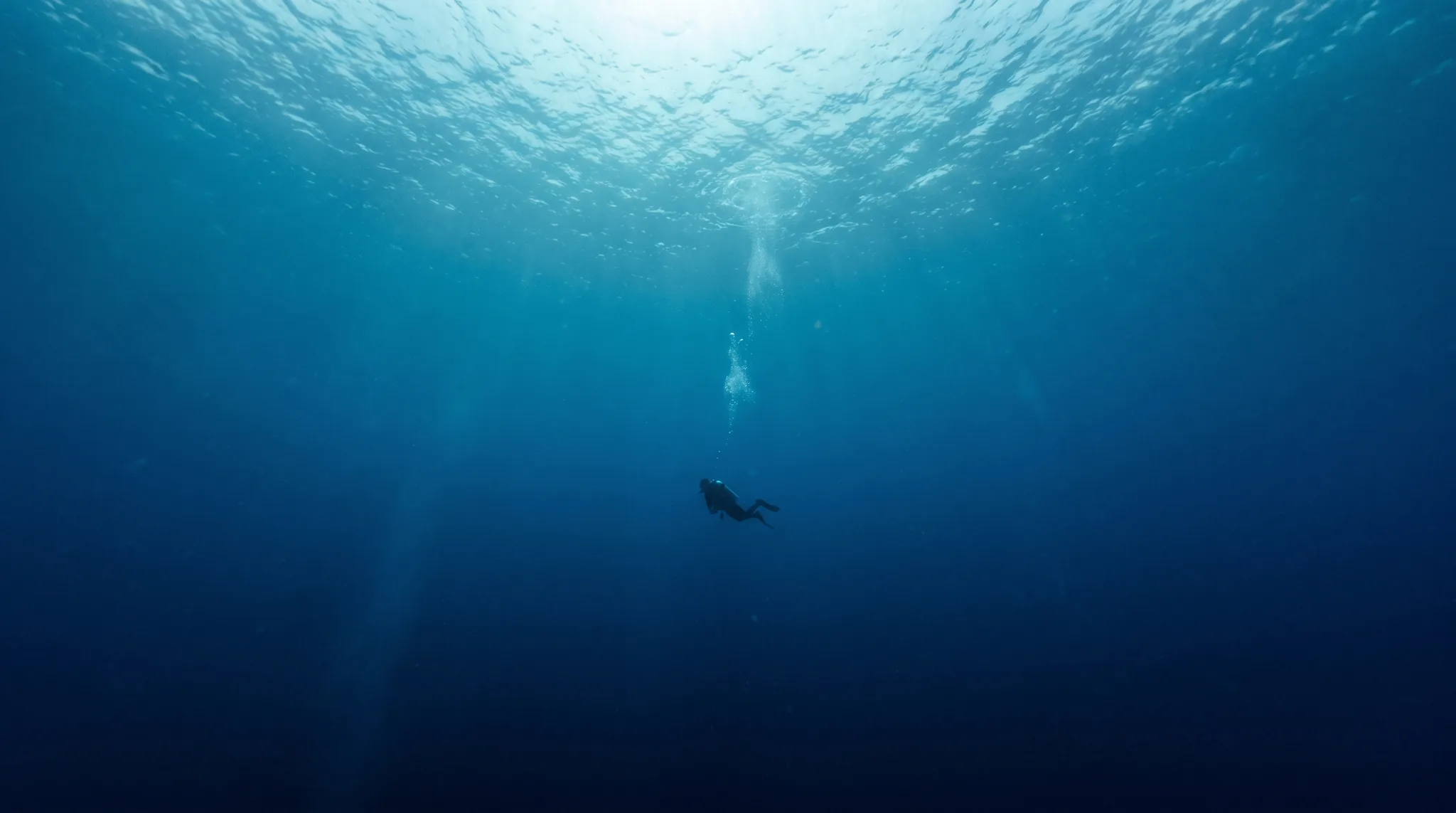
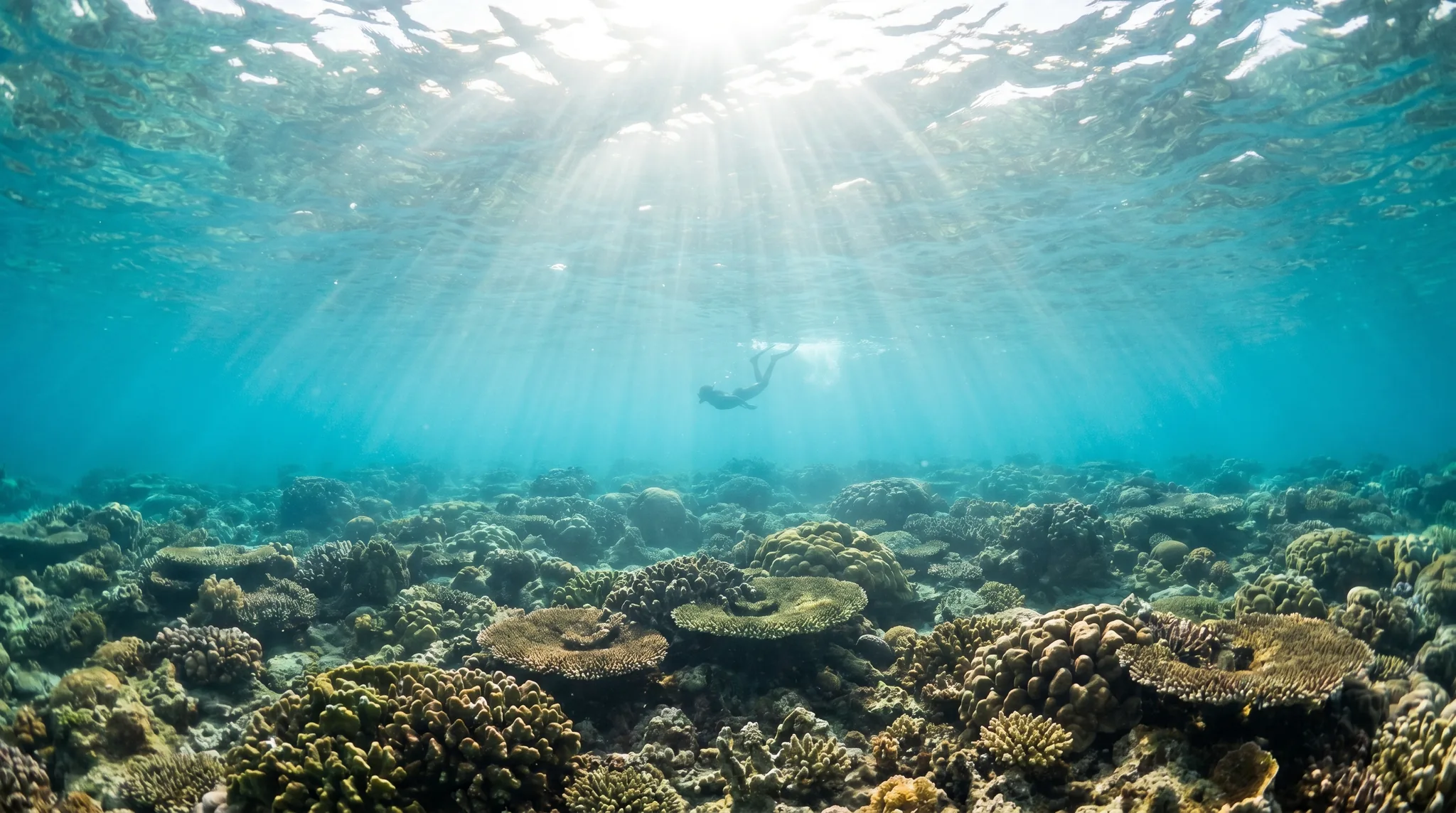
Yonehara sits within the Kabira Area of Ishigaki and centres on coral reef diving and snorkelling across a compact spread of sites. The reef structure ranges from shallow table and branch corals through to walls and drop-offs at depth, with seagrass habitat adding variety. Triggerfish are abundant across sites, the Lined Bristletooth is present at virtually every turn, and the Green Sea Turtle makes occasional appearances. Shore and boat entry options give the area flexibility for different ability levels.
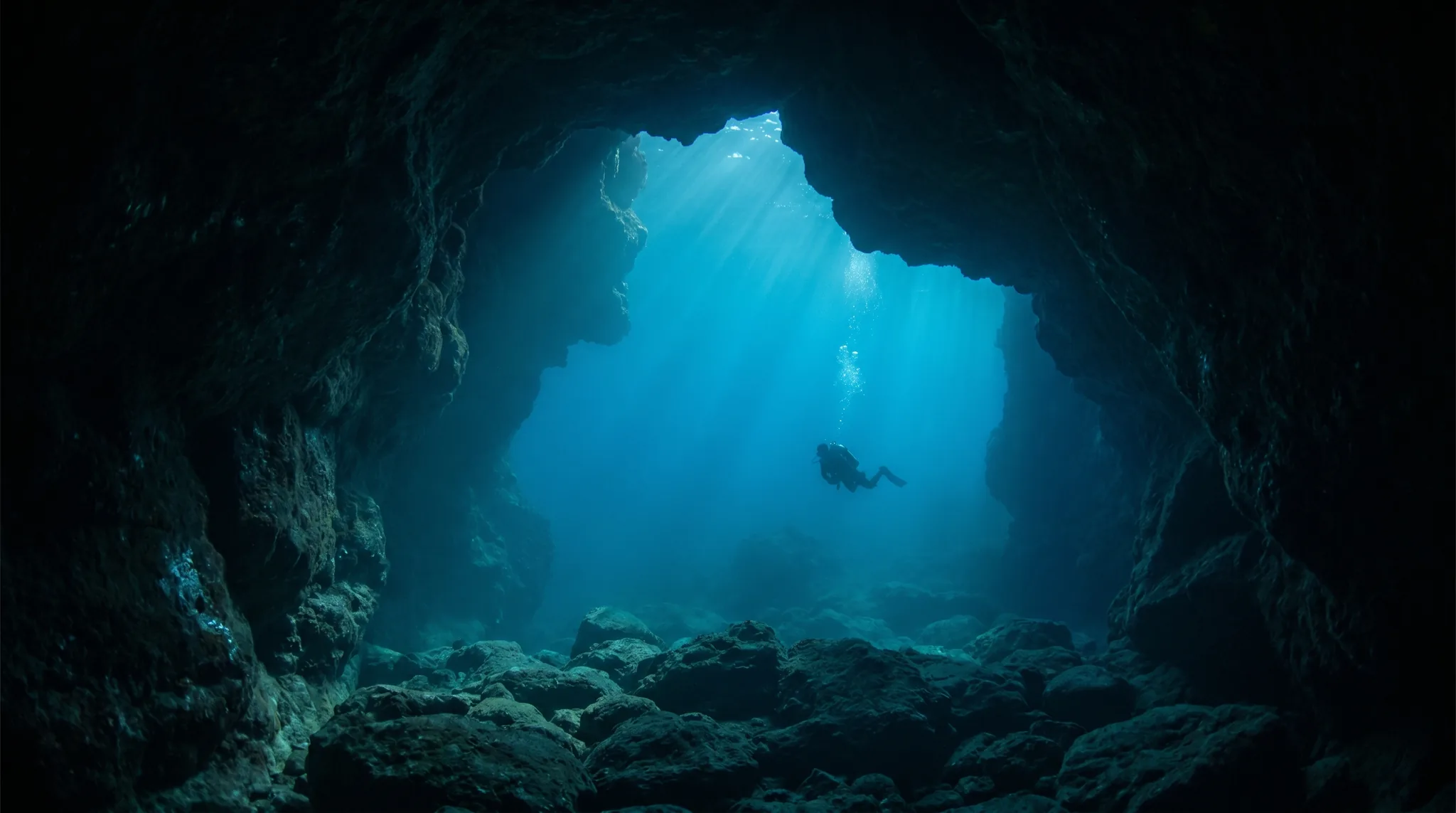
Monthly water temperature across Yonehara's sites, from satellite sea-surface data corrected for depth. The band shows the site-to-site spread.
Water stays warm throughout the year, peaking in summer and dropping only marginally in the cooler months. The warmest and most popular diving runs from late spring through autumn, when conditions across the reef and wall sites are at their most settled. Visibility is generally good, making the drop-off and wall topography at sites like Hanazawa Drop well suited to year-round exploration.
Water temperature around Yonehara ranges from about 23°C in February to 30°C in July, based on satellite sea-temperature data for its dive sites.
In the warm season (about 30°C) a rash guard or 3mm shorty is comfortable in Yonehara; in the coldest months (about 23°C) step up to a 3mm full suit.
Fin maps 10 sites in Yonehara (6 scuba diving sites and 4 snorkelling spots).
Across Yonehara's dive sites, April are most often reported as the best months to visit.
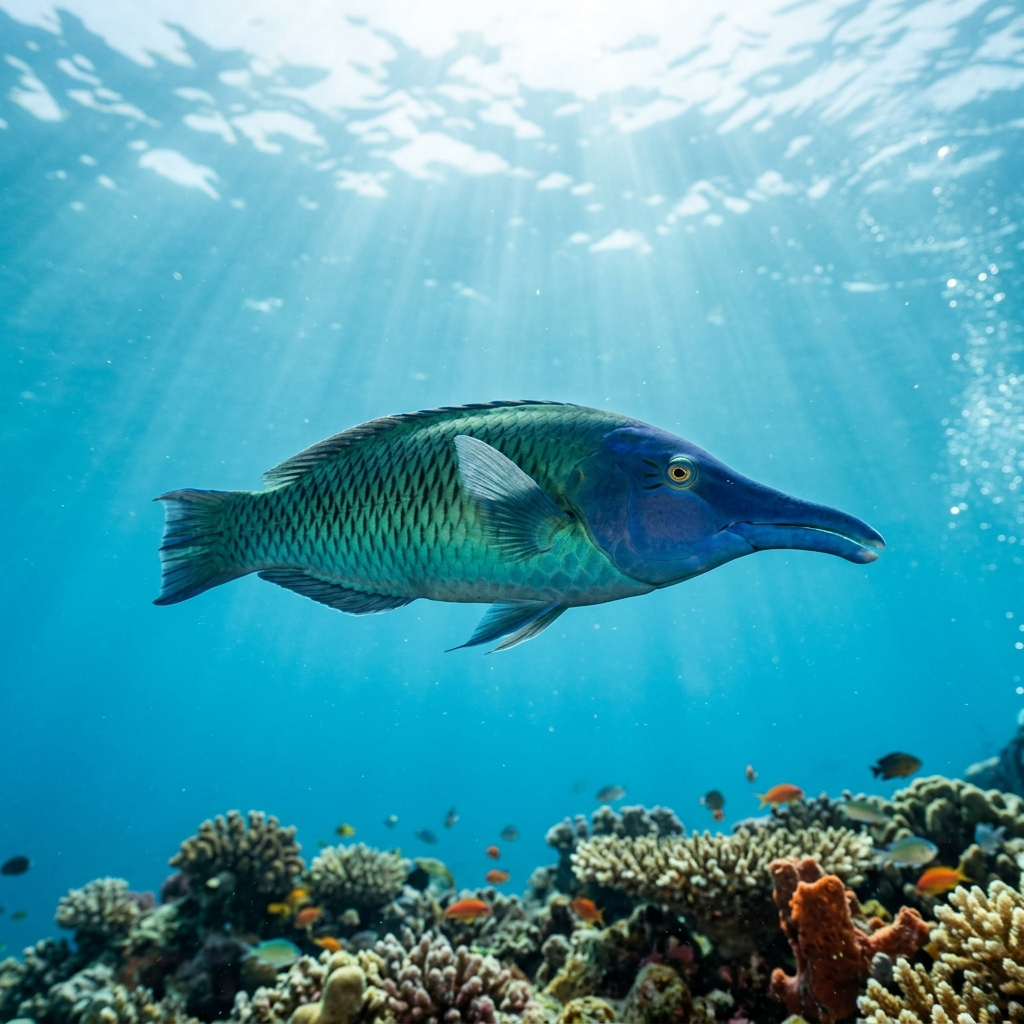
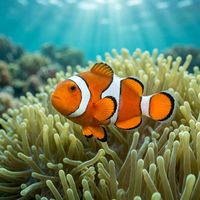
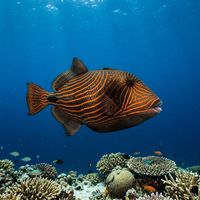
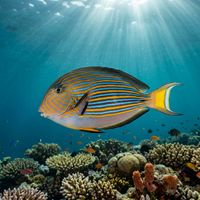
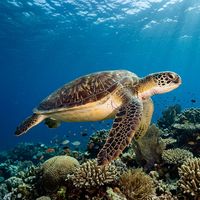
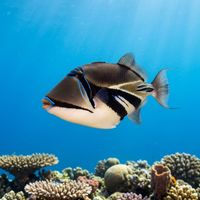
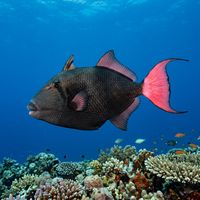
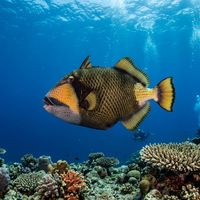
Triggerfish are a constant presence, with Orangestripe Triggerfish, Lagoon Triggerfish, Pinktail Triggerfish, and Titan Triggerfish all regularly observed. The Common Clownfish is very common across reef sites, and the Lined Bristletooth appears at virtually every site. The Green Sea Turtle is an occasional but well-documented sighting.
Yes. The top dive sites, including Yonehara Reef, Hanazawa Drop, and Sand Pool, are all rated for beginner skill levels. Shore entry is available at Yonehara Reef, while boat-access sites like Hanazawa Drop offer wall and drop-off topography that remains manageable for less experienced divers. Local operators Natural Blue and Ishigaki Island Snorkeling Tours are available to support guided access.
Yonehara Reef is a shore-entry site built around table, branch, and eddy corals across a wide depth range. Hanazawa Drop combines reef, wall, and drop-off topography in a more compact area, accessed by boat. Sand Pool adds seagrass habitat to the mix and suits divers interested in a different bottom environment. Together they cover most of the main reef habitats found in the Kabira Area.
Shore entry is available at Yonehara Reef, making it straightforward for independent divers. The other top dive sites, Hanazawa Drop and Sand Pool, require boat access. For snorkellers, the shallow reef sections are reachable without a boat, keeping things simple for those who prefer to stay close to shore.
7 more sites to explore