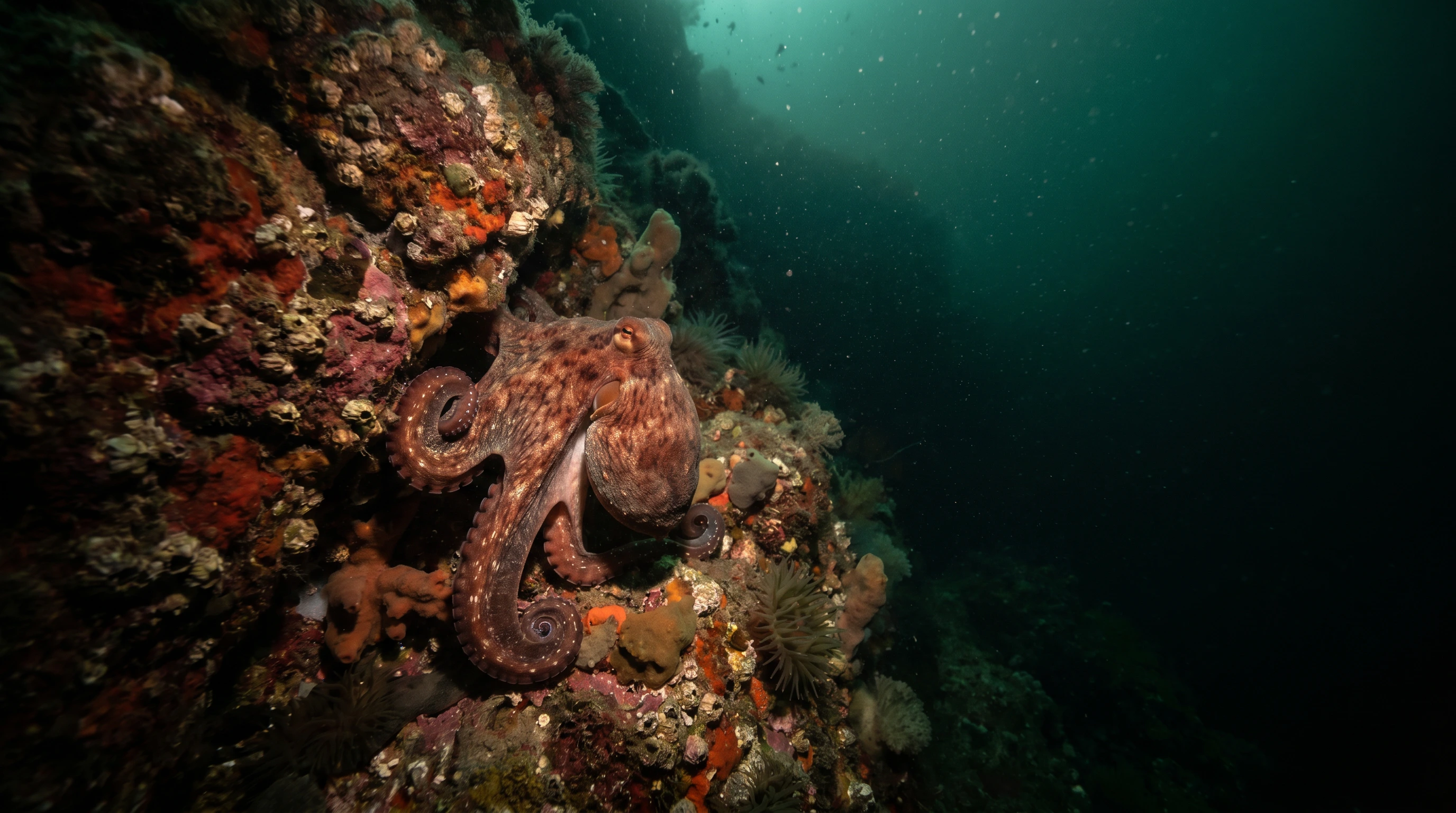
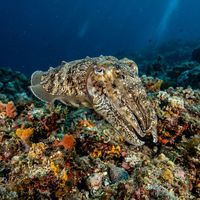
Capo Enfola offers a compact but varied dive portfolio built around walls, reefs, caves, and a shallow wreck that suits every skill level. The headland's granite topography produces sites ranging from deep pinnacles and drift dives to accessible reef slopes. Signature sightings include Mediterranean Moray, Common Octopus, and European Common Cuttlefish, while wrasse species and bream dominate the fish life across nearly every site.
Monthly water temperature across Capo Enfola's sites, from satellite sea-surface data corrected for depth. The band shows the site-to-site spread.
Water temperature climbs steadily from spring into early autumn, peaking in September and October, which also rank among the most popular months alongside May, June, and August. Winter months bring cooler water and thinner crowds, suiting those who prefer quieter conditions. Exposure varies by site: the deep walls at Punta del Nasuto and Formiche della Zanca can carry current, while sheltered reefs like Santa Lucia Bank remain accessible in most conditions.

13 operators
Campo nell'Elba, Italy
9 more sites to explore
Water temperature around Capo Enfola ranges from about 14°C in February to 19°C in September, based on satellite sea-temperature data for its dive sites.
In the warm season (about 19°C) a 5mm suit is comfortable in Capo Enfola; in the coldest months (about 14°C) step up to a 7mm or semi-dry suit.
Fin maps 21 sites in Capo Enfola (19 scuba diving sites and 5 snorkelling spots, with some suited to both).
Across Capo Enfola's dive sites, May, June, August, September and October are most often reported as the best months to visit.
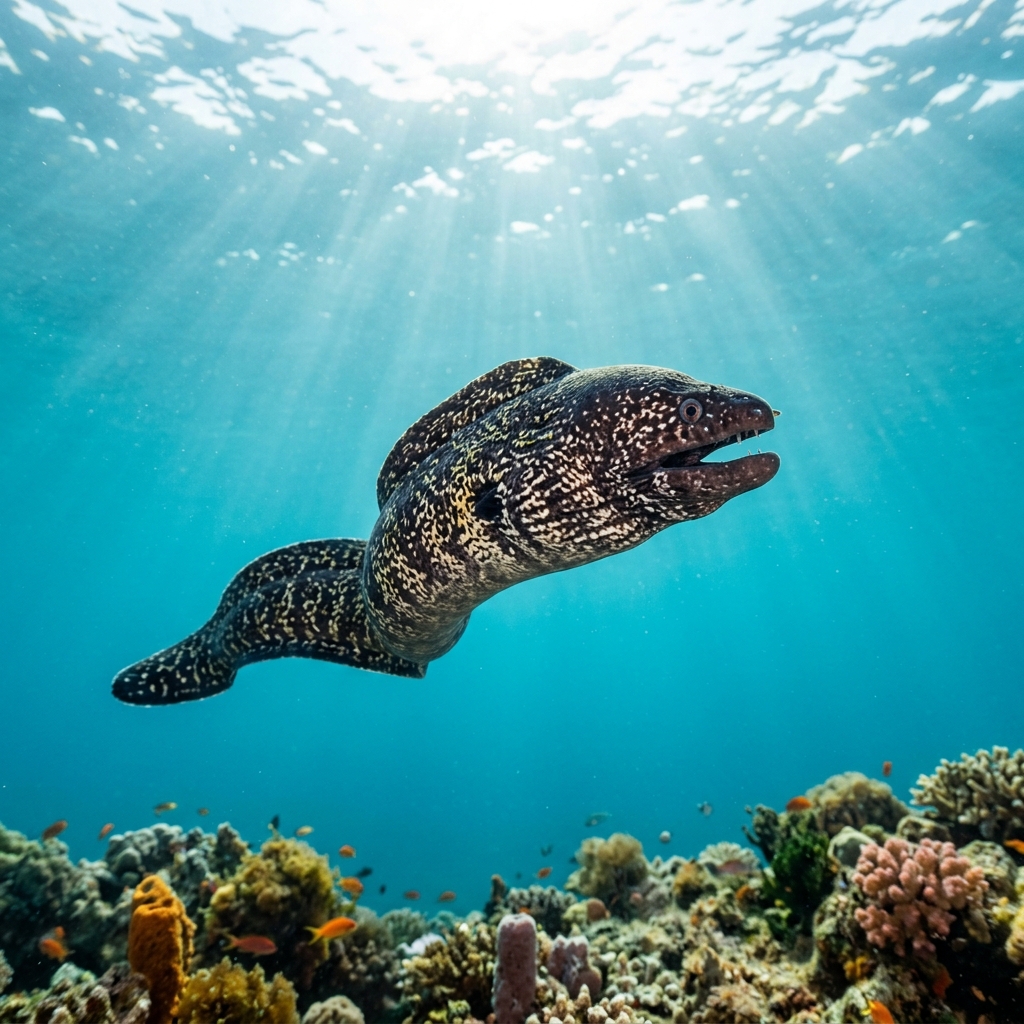
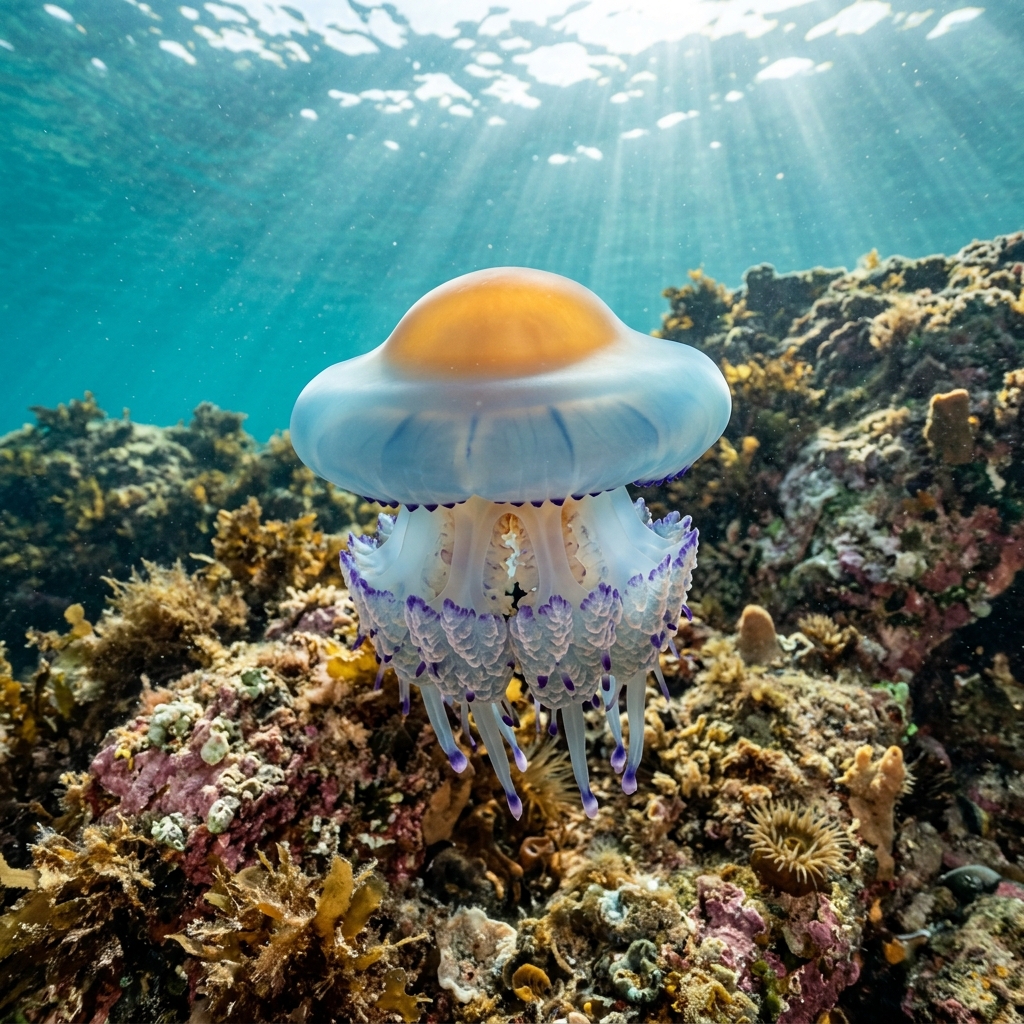
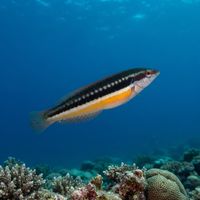
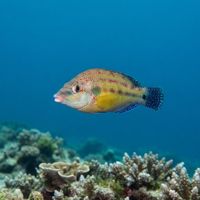
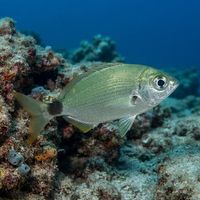
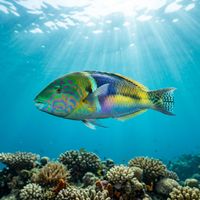
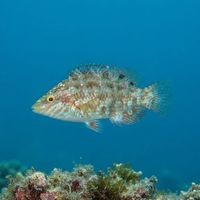
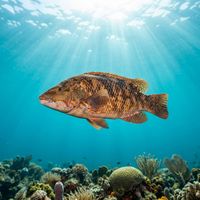
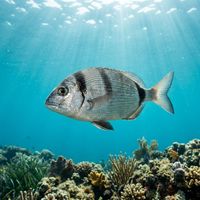
Mediterranean Moray is sighted on virtually every dive, making it the area's most reliable encounter. Common Octopus and European Common Cuttlefish are also signature species here. Across the reefs you will regularly find Mediterranean Rainbow Wrasse, Peacock Wrasse, Turkish Wrasse, Five-spotted Wrasse, Saddled Bream, Two-banded Seabream, White Seabream, Painted Comber, Castagnole, Tompot Blenny, and Giant Green Anemone. Fried Egg Jellyfish and Mauve Stinger appear throughout the water column depending on the season.
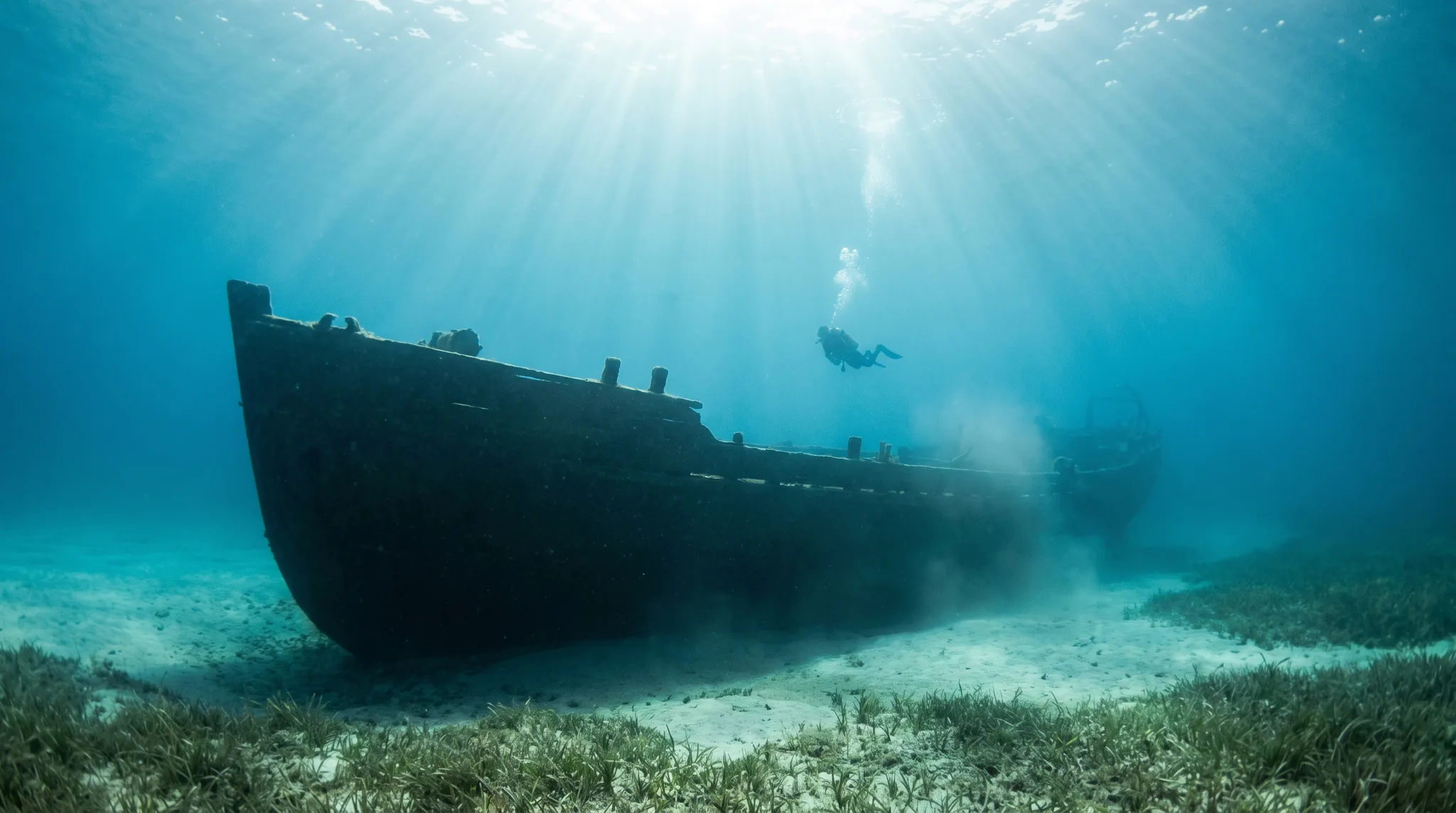
A good portion of the sites are rated beginner-friendly, including the shallow wreck known as Relitto Di Pomonte and Wreck of Pomonte, the reef slopes of Franata delle Cernie and Santa Lucia Bank, and the rockfall formations of Scoglietto - Franata Nord. Intermediate and advanced sites such as Punta del Nasuto, Formiche della Zanca, and Sant Andrea are best left to those with more experience, particularly given their depth and potential for current.
Most sites require boat access, and several local operators including Enfola Diving Center, Il Careno Diving Center, Elba Diving Center Srl, and Diving in Elba run guided trips to the area. The main exception is the Wreck of Pomonte, also called Elviscot, which can be reached from the shore and sits at a shallow depth suitable for beginners. Shore access is rare elsewhere given the headland's topography.
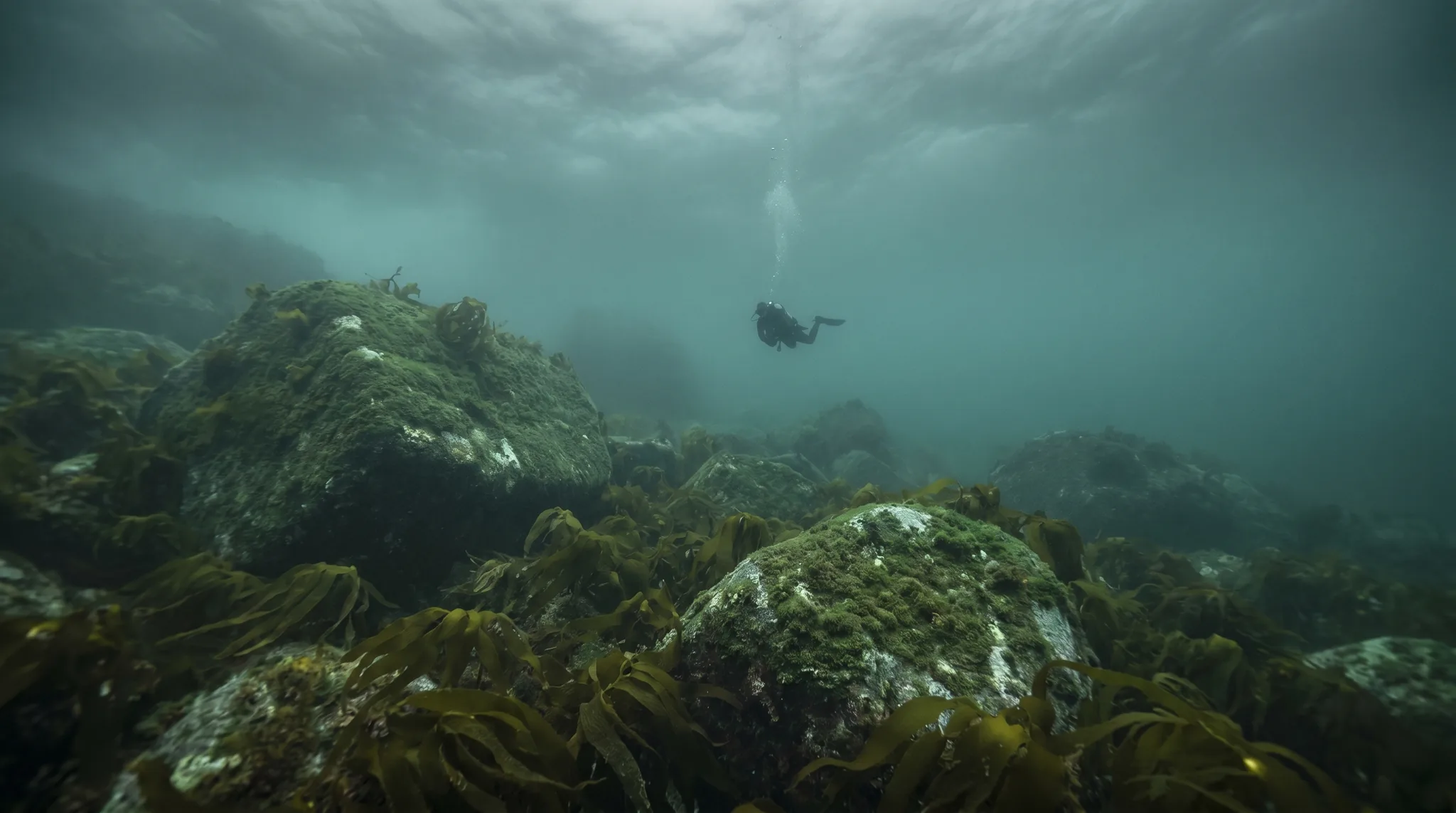
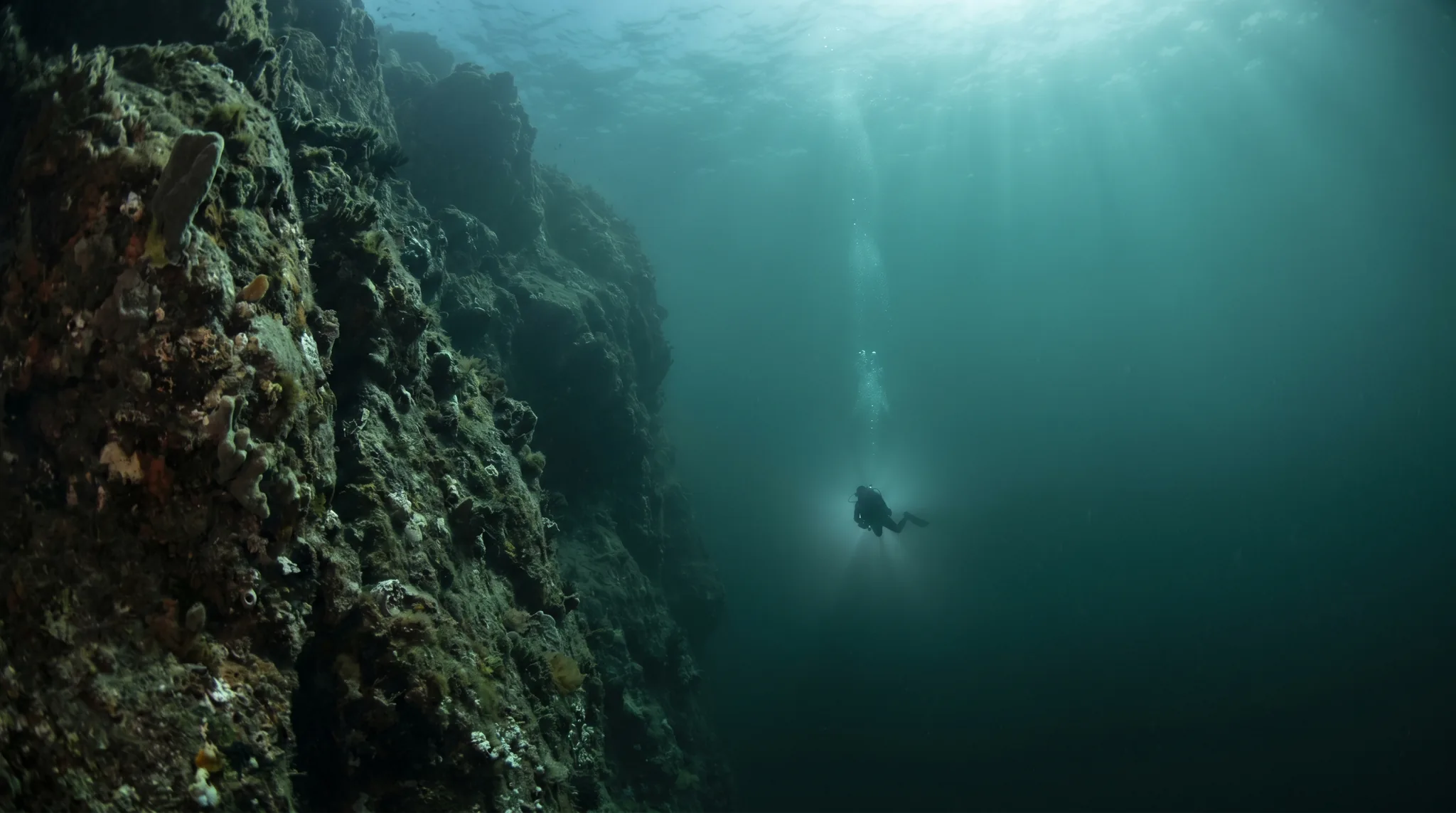
The area mixes several distinct site types within a small geographic footprint. Sant Andrea delivers a multi-habitat experience with reef, wall, cave, and wreck features entered across smooth granite rock formations. Punta del Nasuto and Formiche della Zanca offer deep vertical walls with drift potential for advanced divers. Sites like Fetovaia feature gorgonian gardens in ravines, while shallower reefs such as Franata delle Cernie provide gentle drop-offs well suited to those building experience.