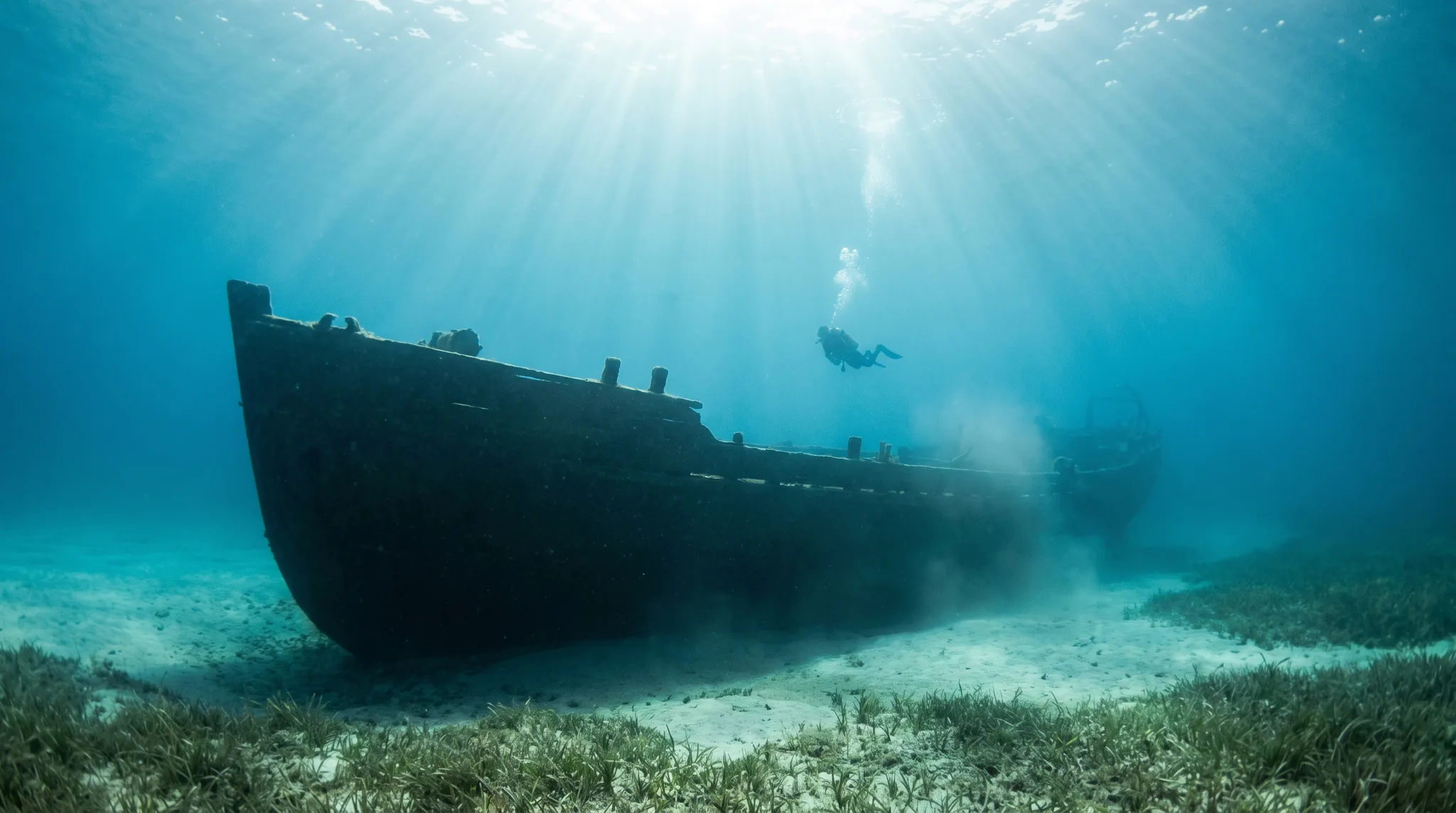
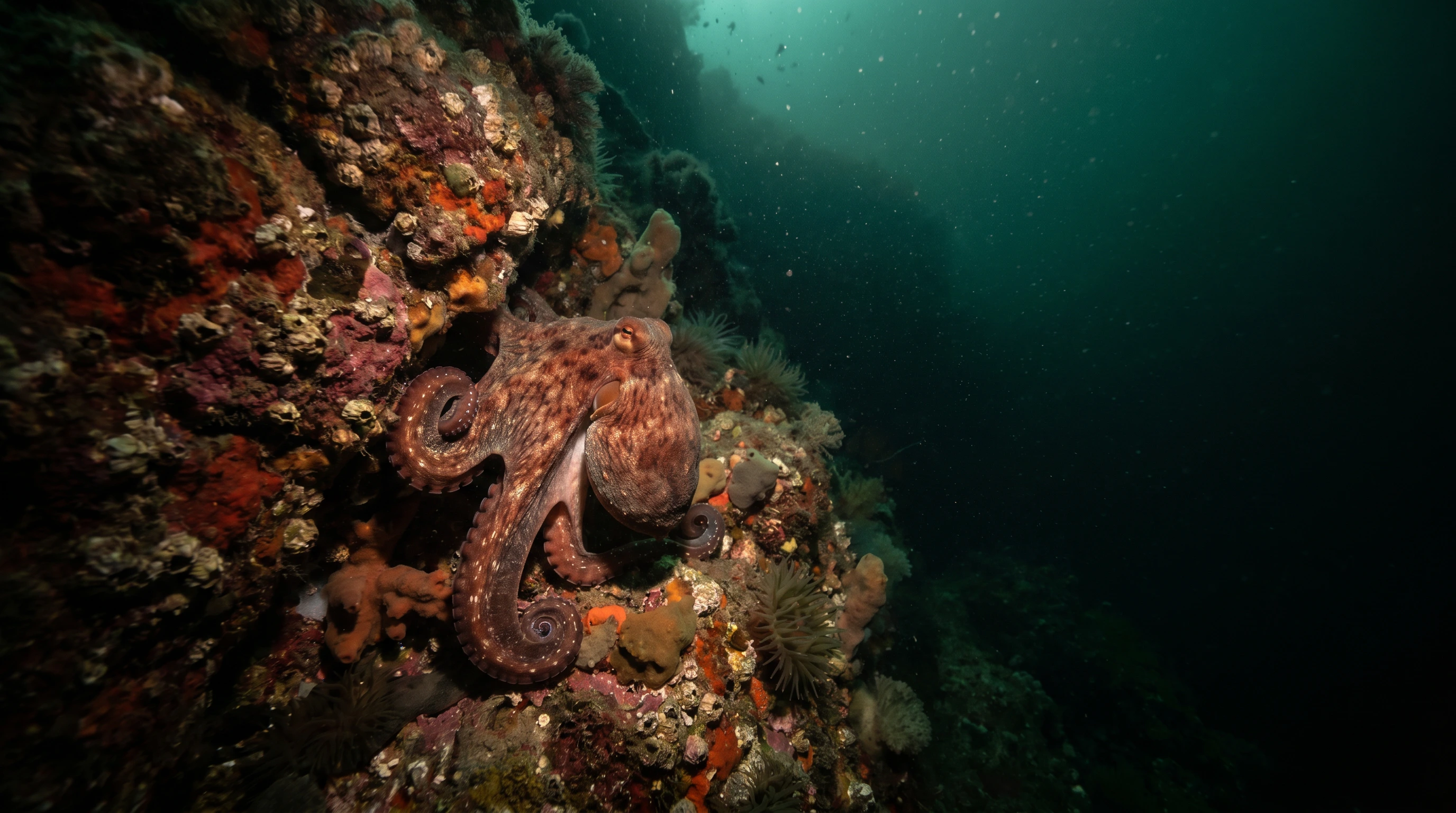
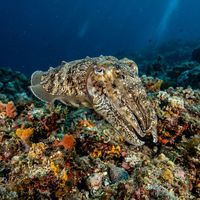
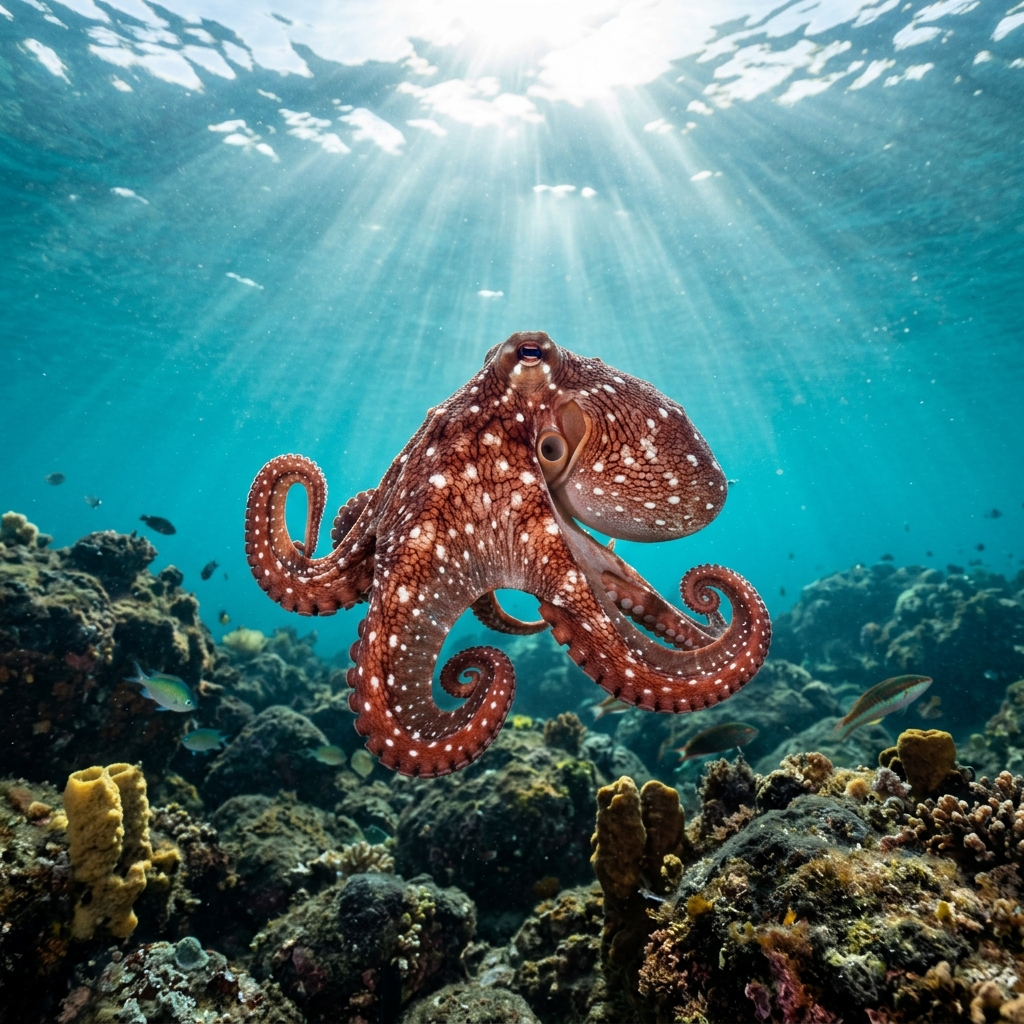
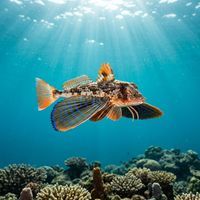
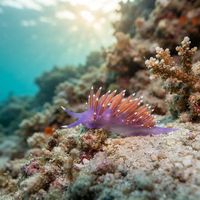
Porto Ercole's diving centres on boat-access reef and wall sites, with seamounts and drop-offs that suit intermediate divers. Cephalopods define the character here: Common Octopus, White-spotted Octopus and European Common Cuttlefish appear across nearly every site. Flying Gurnard, Mediterranean Moray and Violet Sea Slug round out the signature encounters. Le Scole adds an artificial structure and drift element, while Allume offers cave topography.
Monthly water temperature across Porto Ercole's sites, from satellite sea-surface data corrected for depth. The band shows the site-to-site spread.
Water temperature climbs from cool spring conditions into a warm late-summer peak in September, which also draws the highest concentration of diver activity. The shoulder months of May, June and October offer good conditions with lighter traffic. Most sites are exposed and boat-access only, so some swell can affect comfort, particularly at deeper wall sites like Scoglio del Corvo.
8 operators
Italy
Italy
14 more sites to explore
Water temperature around Porto Ercole ranges from about 14°C in March to 22°C in September, based on satellite sea-temperature data for its dive sites.
In the warm season (about 22°C) a 3mm full suit is comfortable in Porto Ercole; in the coldest months (about 14°C) step up to a 7mm or semi-dry suit.
Fin maps 20 sites in Porto Ercole (16 scuba diving sites and 8 snorkelling spots, with some suited to both).
Across Porto Ercole's dive sites, May, June, July, August, September and October are most often reported as the best months to visit.
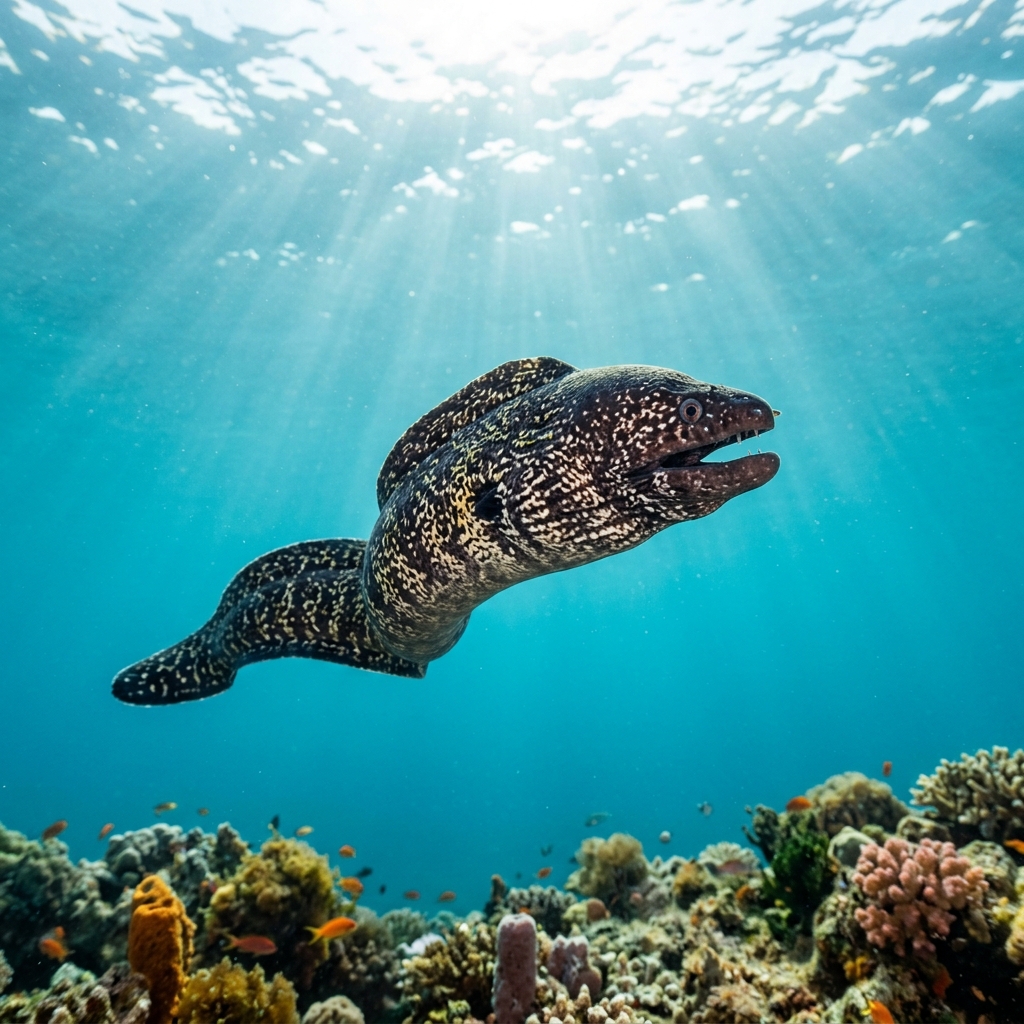
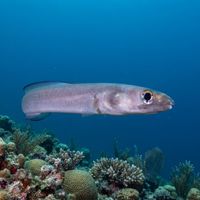
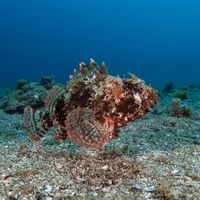
Cephalopods are the standout: Common Octopus, White-spotted Octopus and European Common Cuttlefish are observed across virtually all sites. Mediterranean Moray and Bandtooth Conger occupy the reef crevices, while Flying Gurnard, Black Scorpionfish and Small Red Scorpionfish are reliably spotted on sandy and rocky ground. Violet Sea Slug and Mediterranean Cleaner Shrimp add colour for those who look closely.
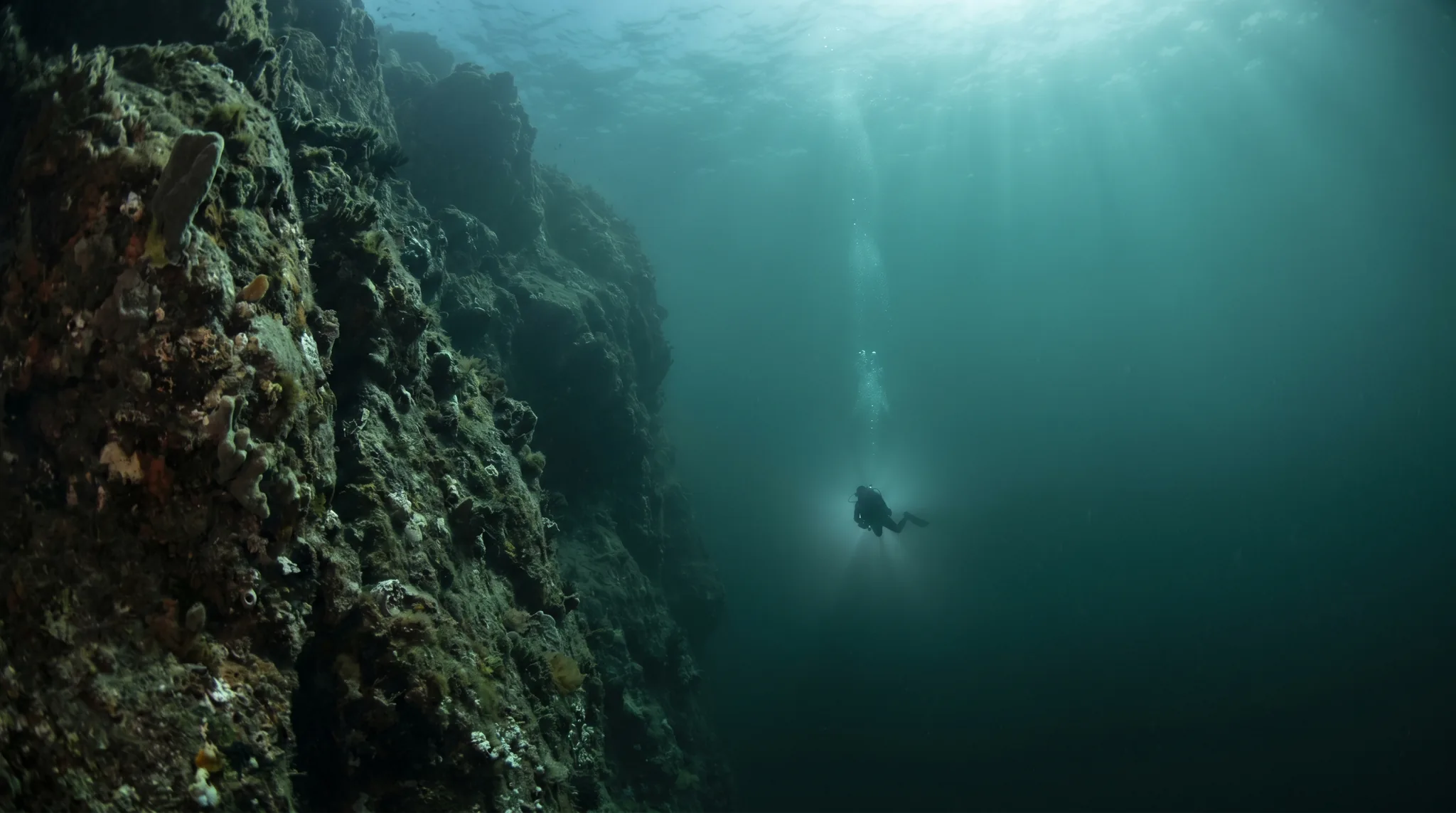
All of the top sites are rated intermediate, so complete beginners will find limited options among the flagship locations. Sites like Secca della Croce and Scoglio del Corvo reach considerable depths with wall and drop-off topography that benefits from solid buoyancy control. Divers who have completed their open-water training and logged some experience will get the most from the area.
All top sites require boat access, with no shore-entry options among the featured locations. Several operators are based locally, including International Diving, Lily Sub and Calacupa Diving Isola del Giglio, among others. Booking through a centre is the practical route for reaching sites like Cala Cupa and Secca dei Subielli.
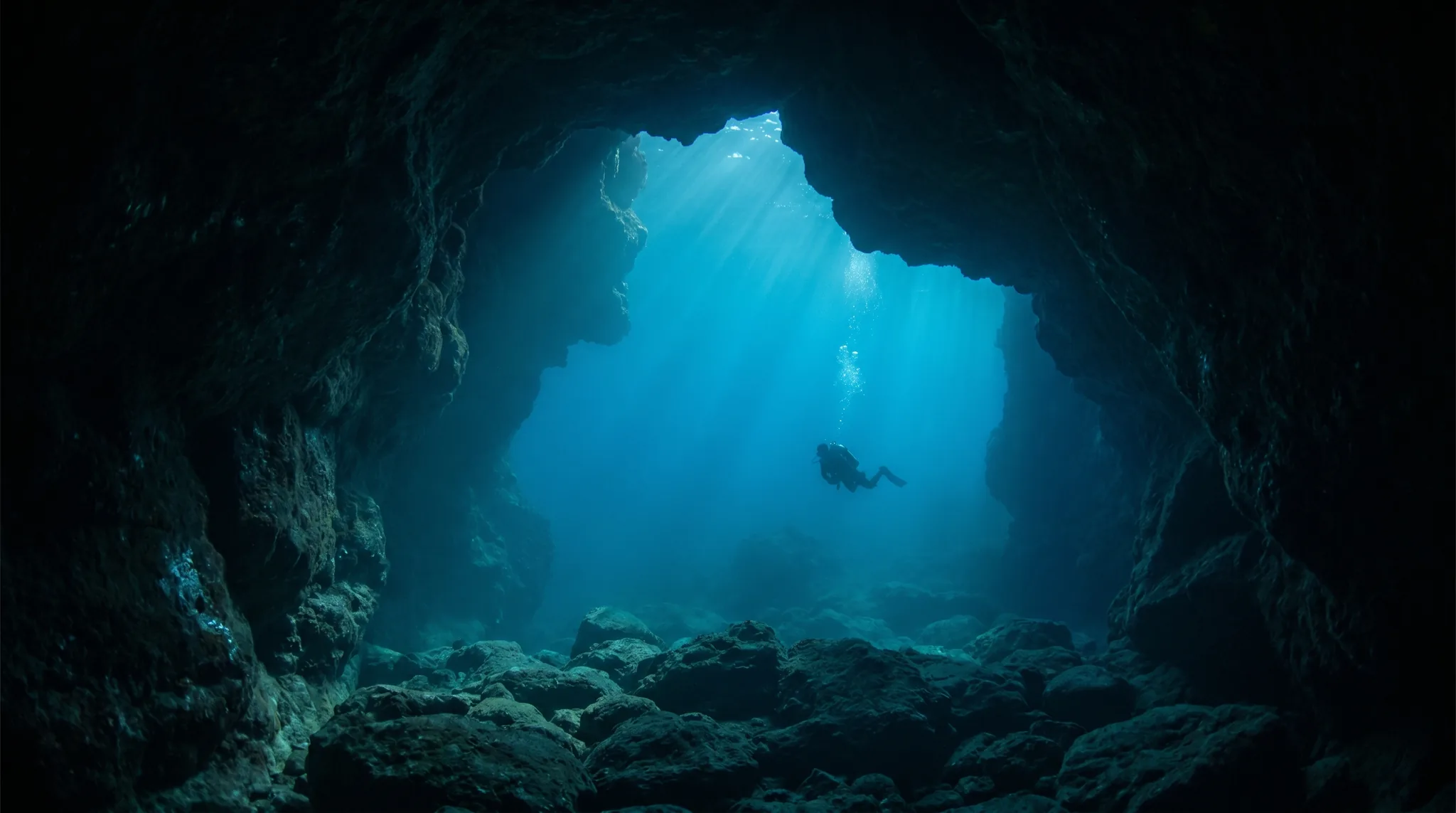
The area combines seamounts, steep walls, reef structures and at least one cave site at Allume. Le Scole stands out for its mix of natural reef, artificial structures and drift potential around a cluster of granite islets. This variety means consecutive dives can feel quite different in character, from shallow reef exploration to deeper wall descents.