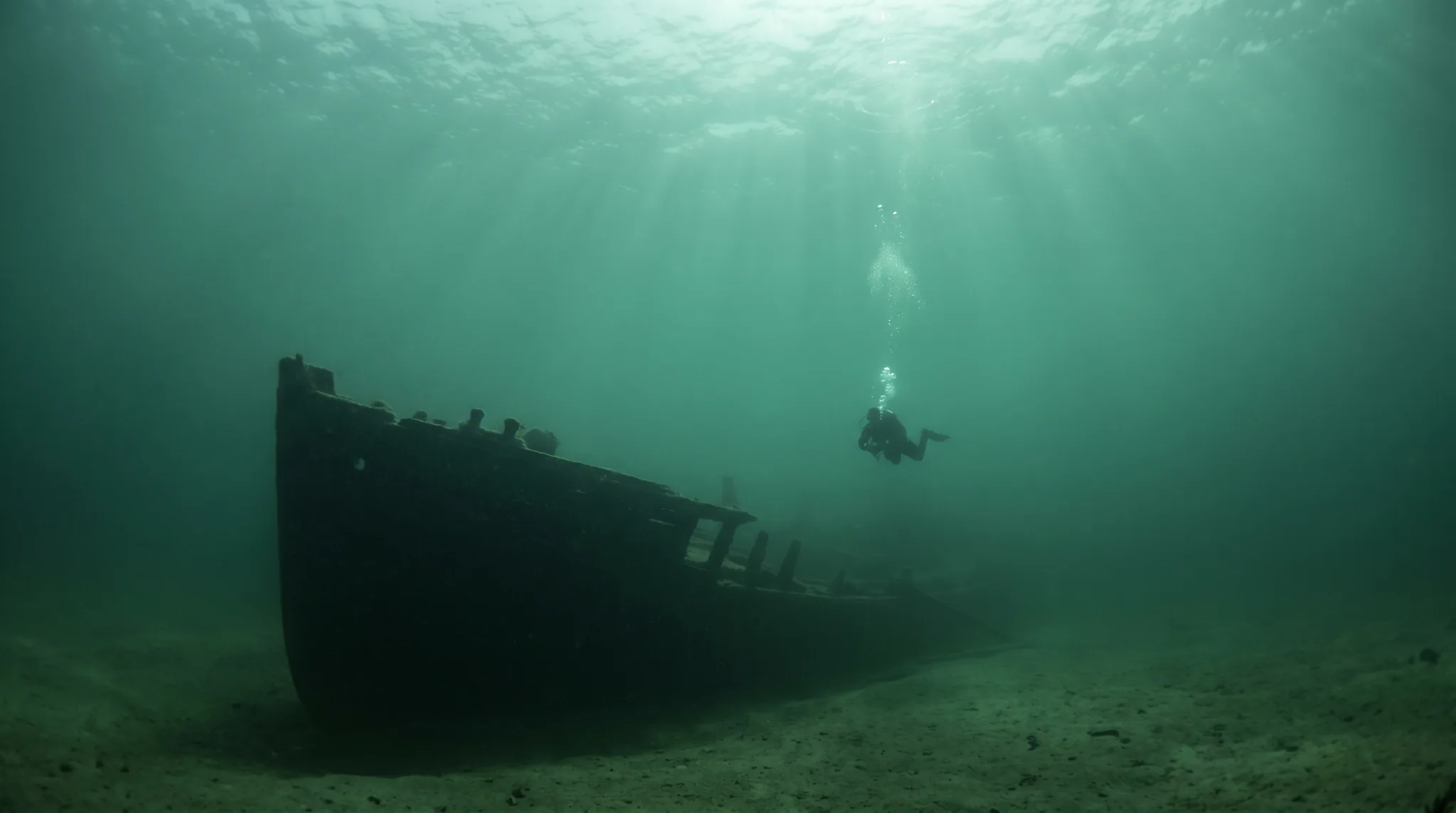
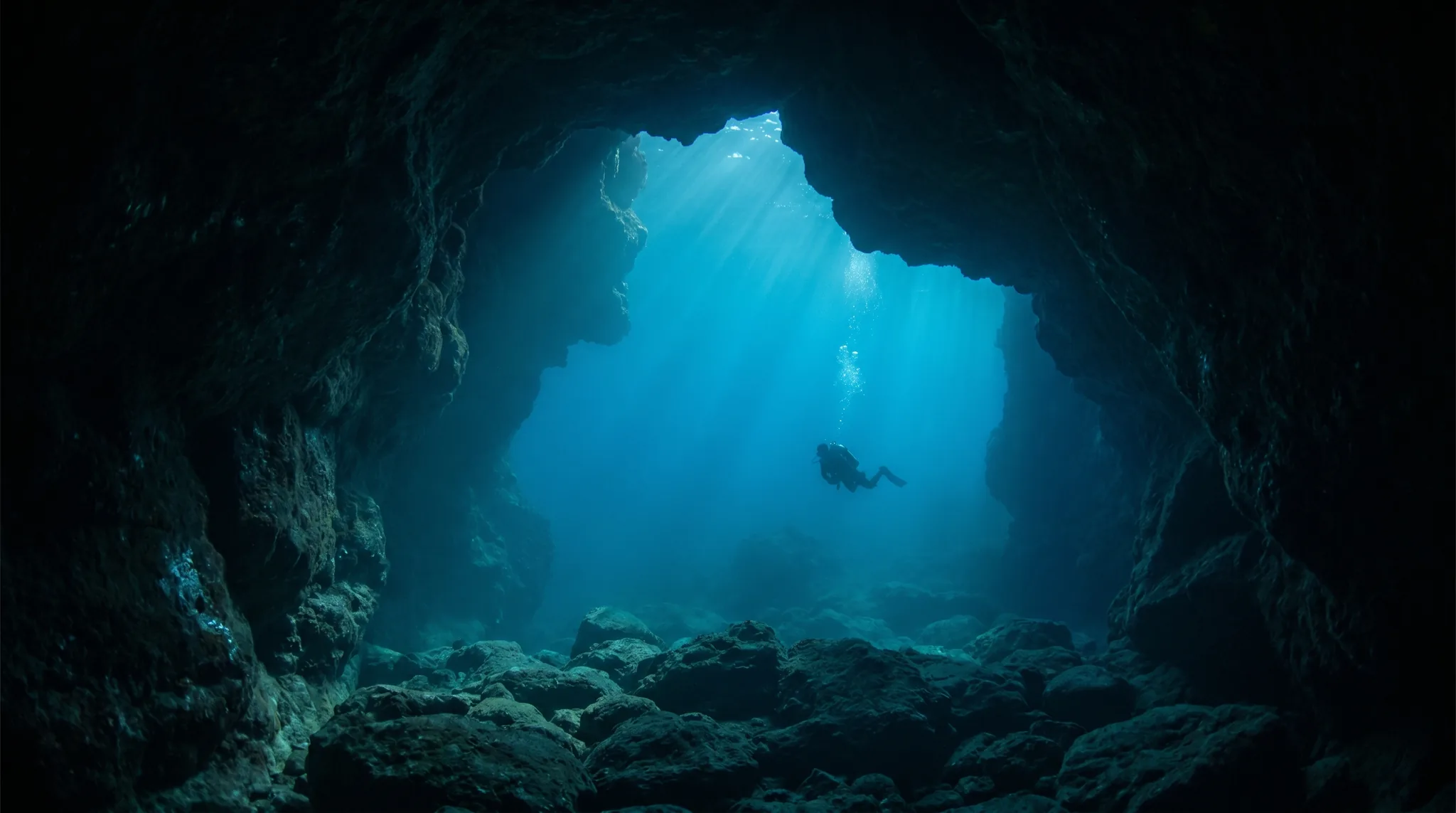
Elba Island presents a varied underwater landscape built around reefs, walls, caves, pinnacles and wrecks, spread across two main sub-areas: Pomonte and Capo Enfola. Pomonte holds a small plane wreck alongside deep expert-level walls, while Capo Enfola offers rockfall formations, drift passages and accessible beginner sites. Across both areas, the Mediterranean Moray, Common Octopus and European Common Cuttlefish are consistently sighted. The warmer months from late spring through autumn see the highest diver activity, with conditions suiting everyone from beginners to experts.
2 areas
Monthly water temperature across Elba Island's sites, from satellite sea-surface data corrected for depth. The band shows the site-to-site spread.
Water temperatures sit at their coolest in late winter and early spring, then climb steadily through summer into early autumn, when conditions are warmest. The best-months data points clearly to late spring as the peak of the season, with strong activity continuing through October. Exposed sites around both Pomonte and Capo Enfola can carry currents, so conditions vary meaningfully between sheltered beginner sites and the more demanding deep walls.

42 operators
43 more sites to explore
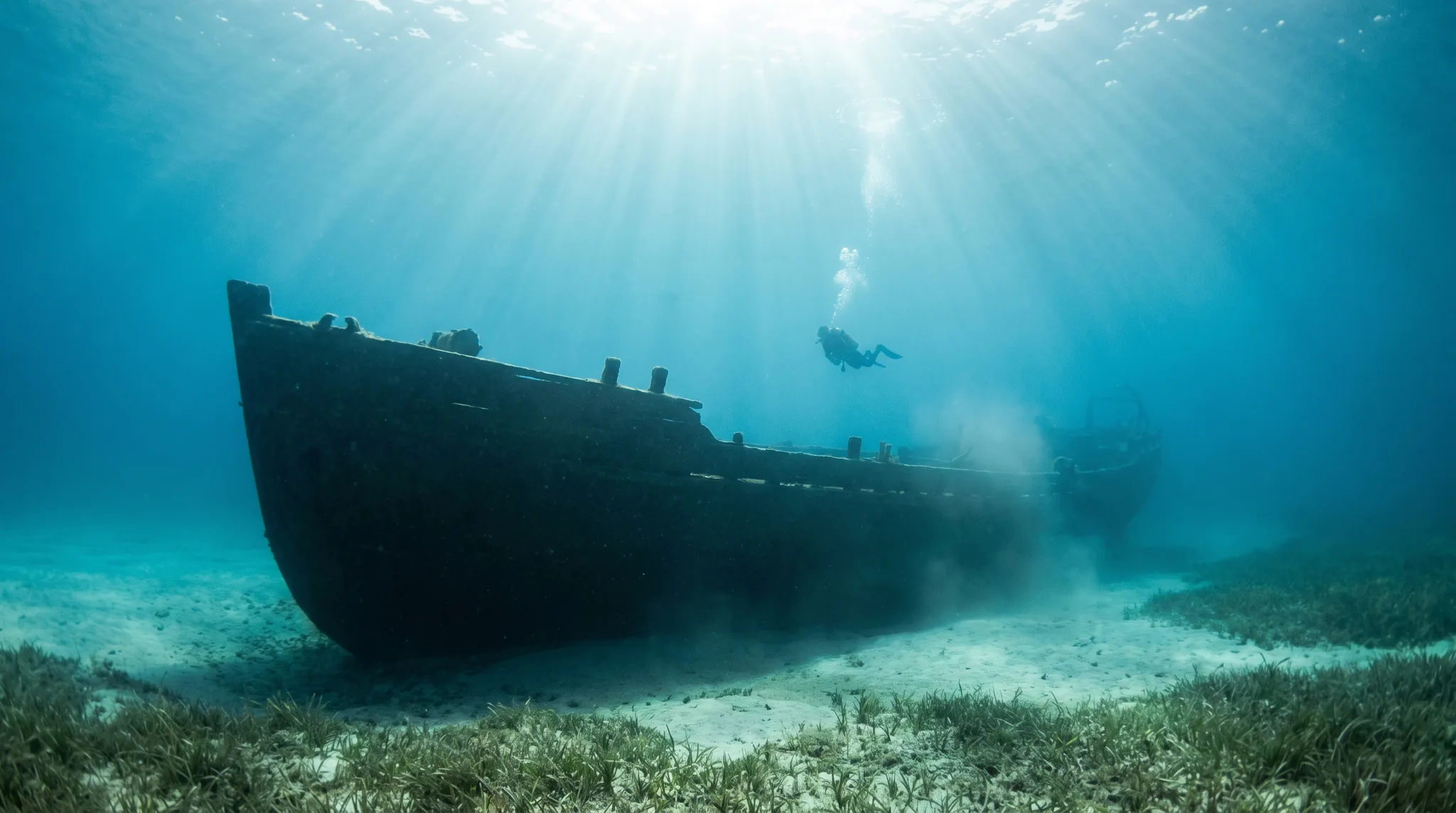
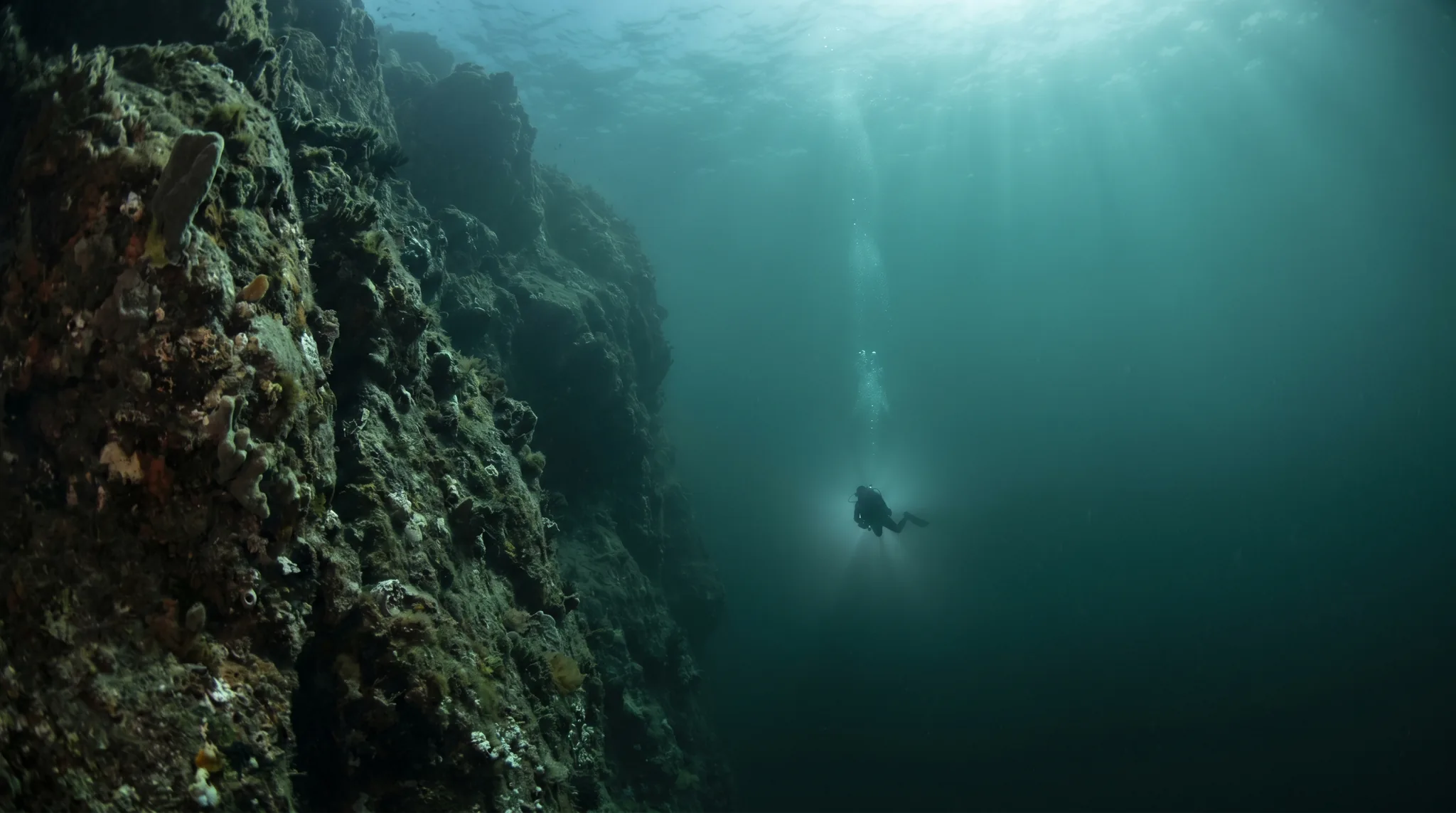
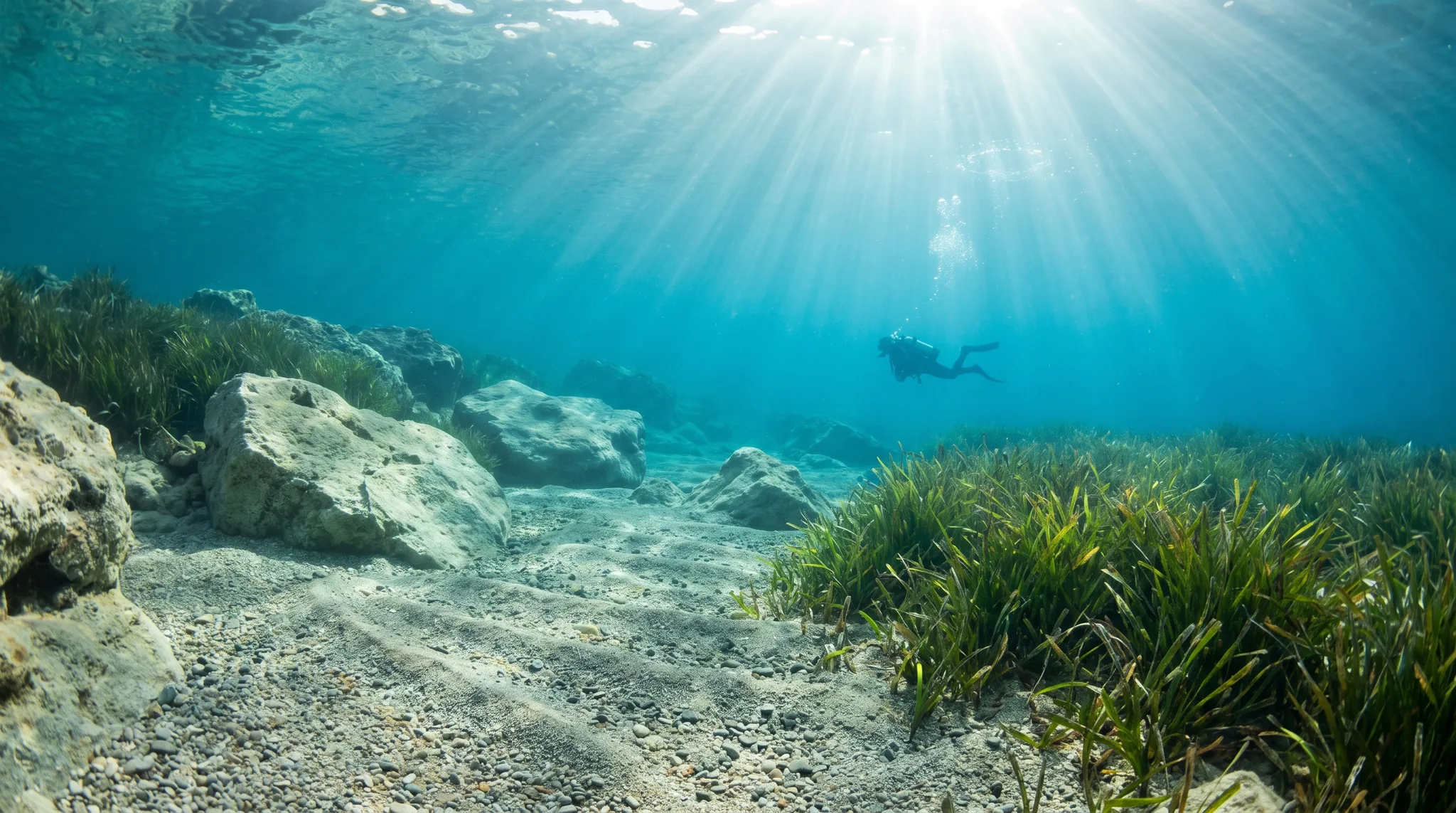
Boat-access diving off Elba with walls, wrecks, caves and reliable cephalopod and moray sightings across all skill levels.
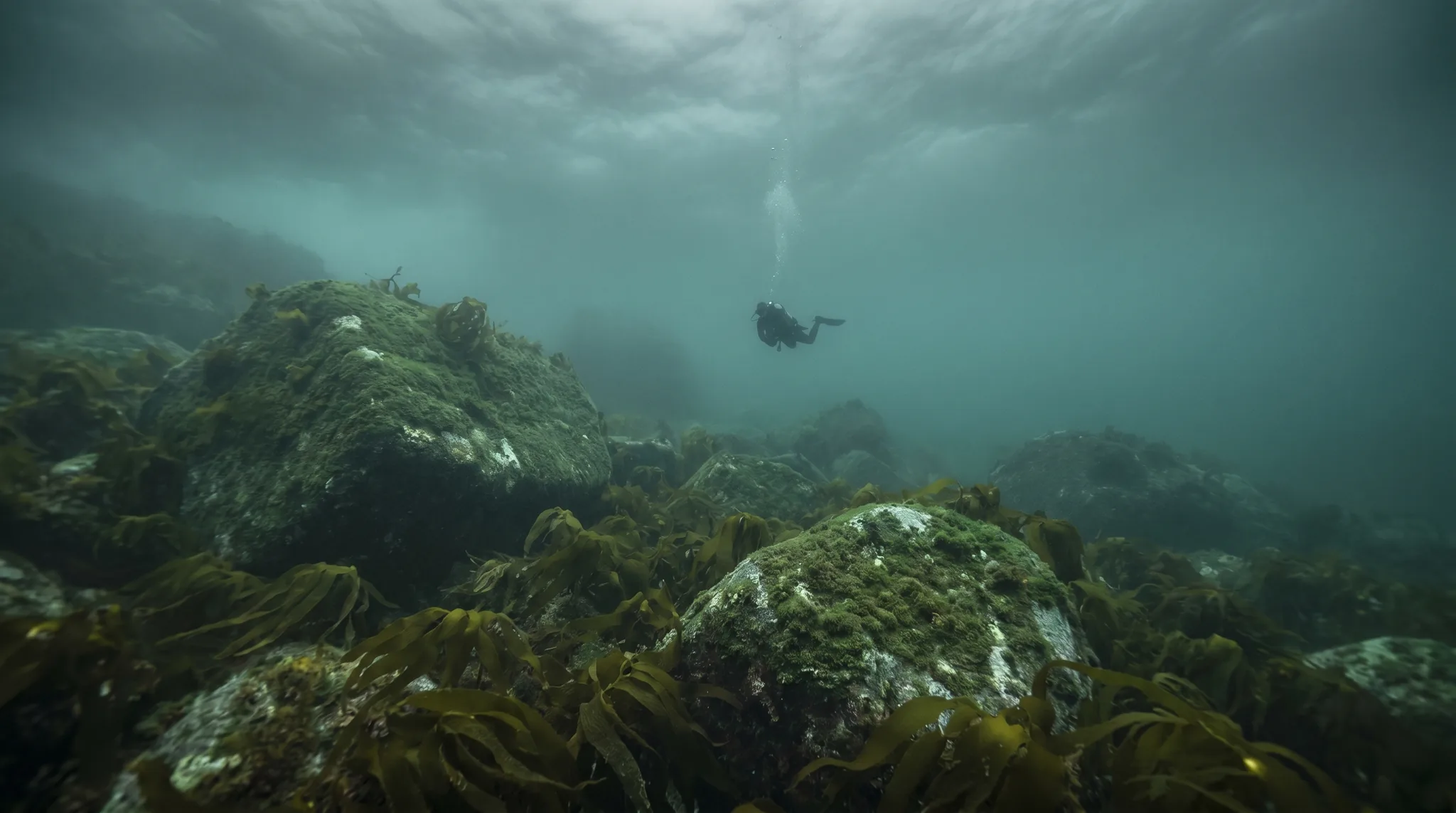
Water temperature around Elba Island ranges from about 14°C in February to 19°C in September, based on satellite sea-temperature data for its dive sites.
In the warm season (about 19°C) a 5mm suit is comfortable in Elba Island; in the coldest months (about 14°C) step up to a 7mm or semi-dry suit.
Fin maps 55 sites in Elba Island (51 scuba diving sites and 11 snorkelling spots, with some suited to both), organised into 2 areas.
Across Elba Island's dive sites, May, June, September and October are most often reported as the best months to visit.
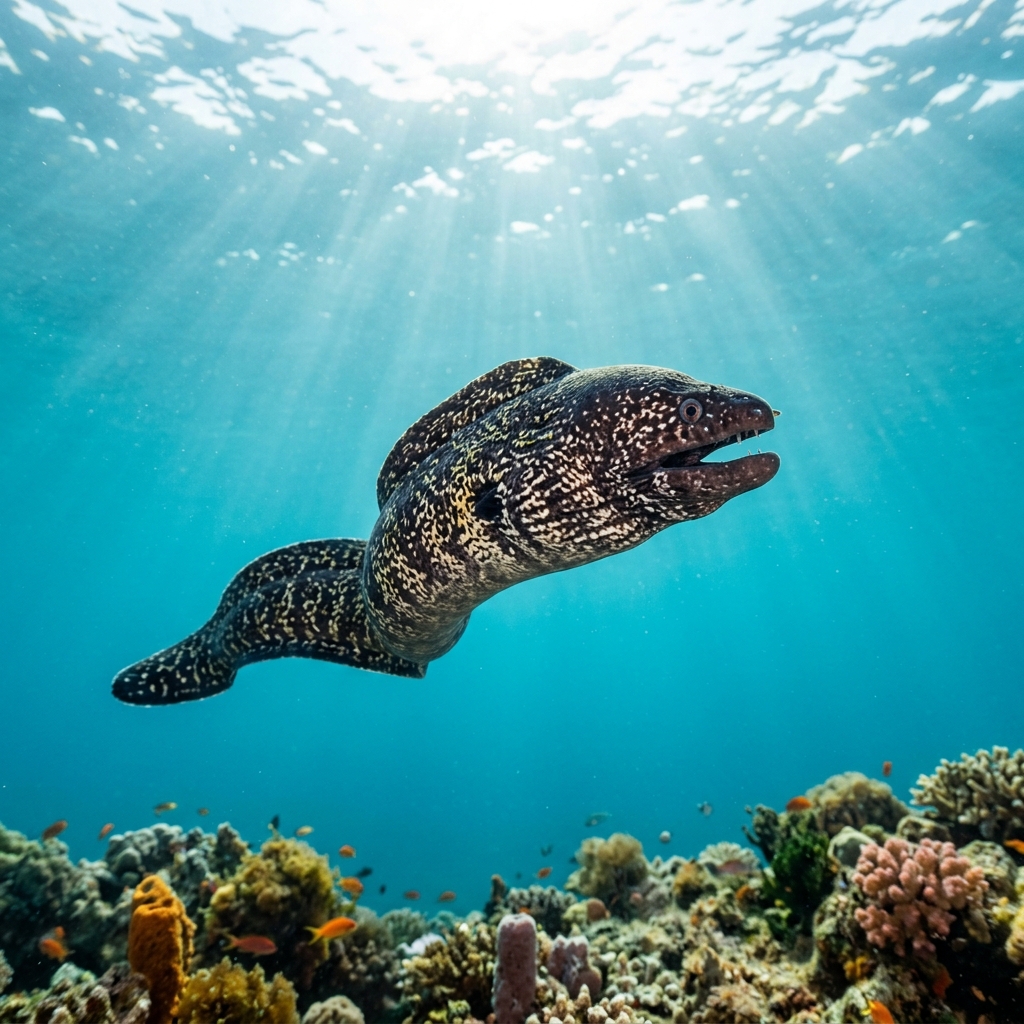
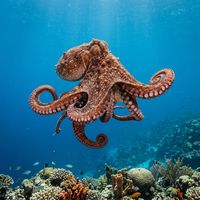
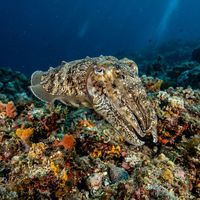
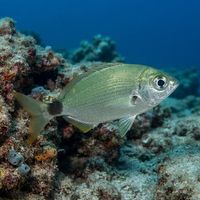
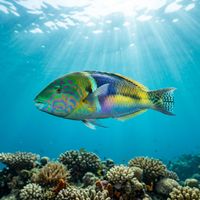
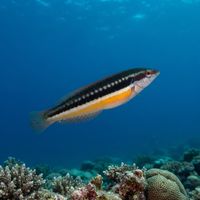
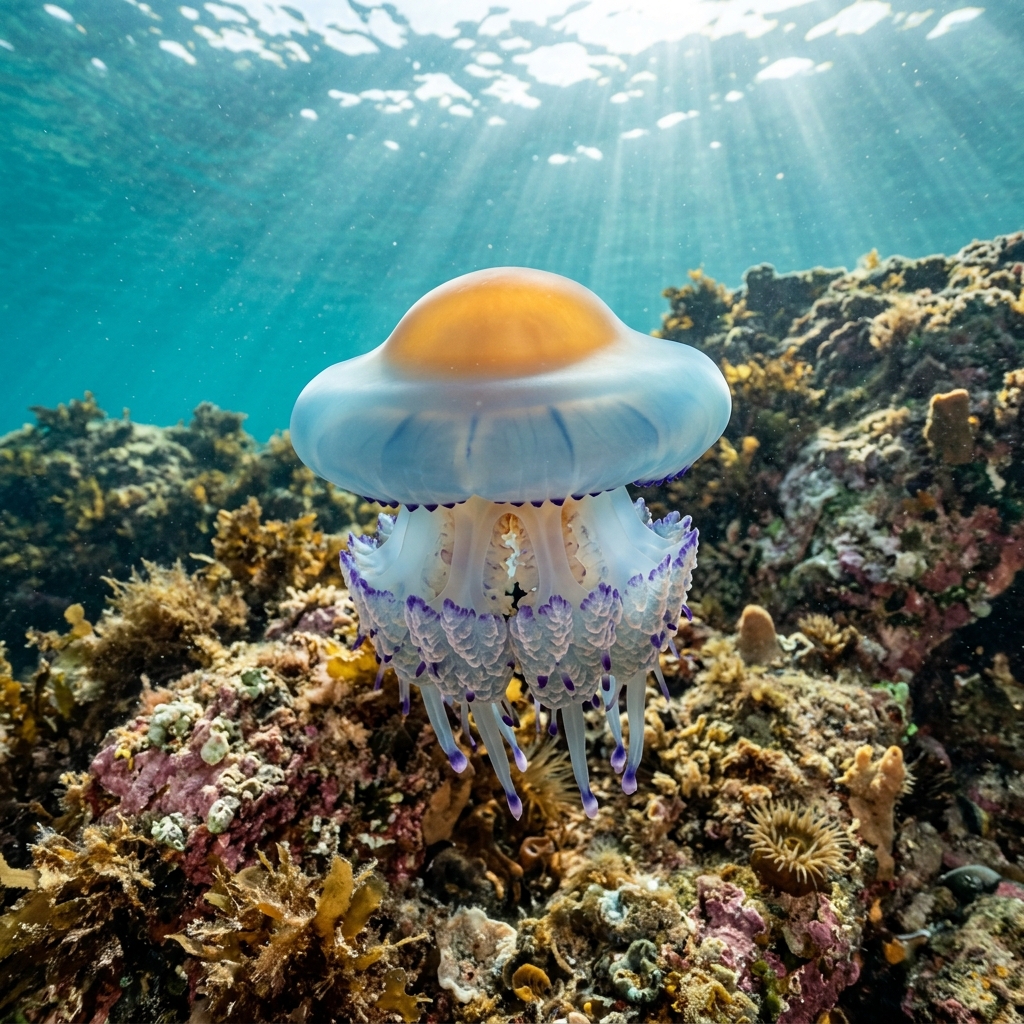
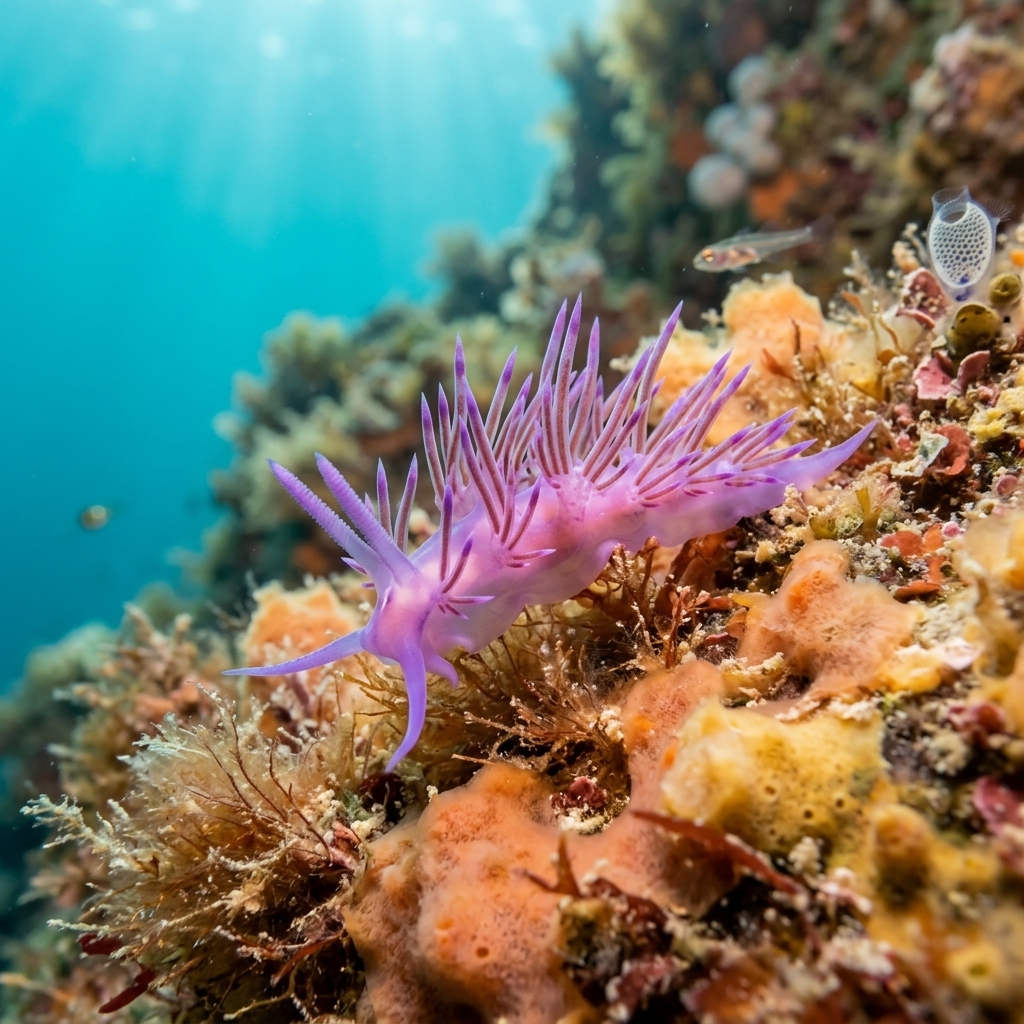
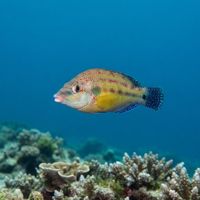
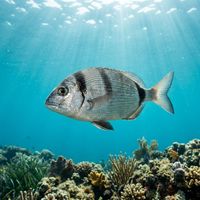
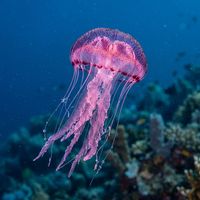
The most consistently observed species on Elba Island include the Mediterranean Moray, Common Octopus and European Common Cuttlefish, which appear across the majority of sites. Wrasse species are abundant, with the Turkish Wrasse, Mediterranean Rainbow Wrasse and Peacock Wrasse all recorded as common sightings. The Painted Comber, Two-banded Seabream and White Seabream round out the fish life, while nudibranch hunters will find the Mediterranean Violet Aeolid and Cratena Slug at many sites.
Elba Island caters well to a range of experience levels. Beginner-rated sites include the shallow Relitto Di Pomonte cargo wreck, accessible directly from shore, and Franata delle Cernie at Capo Enfola. Intermediate and advanced divers can progress to deeper walls and cave systems, while expert-only sites like Capo Poro demand precise buoyancy and gas management. Most boat operators offer a full range of guided options.
Pomonte is home to the island's most distinctive wreck sites, including a small submerged aircraft and a deep wall at Capo Poro, making it popular with wreck enthusiasts and experienced divers. Capo Enfola concentrates on reef, rockfall and cave formations, with a broader spread of beginner-friendly options such as Franata delle Cernie and the accessible Relitto Di Pomonte cargo wreck. Both sub-areas are primarily boat-access territories, with a few shore-entry exceptions.
The majority of sites on Elba Island are reached by boat, and there are many dive operators across the island to arrange this. The Relitto Di Pomonte is a notable exception, accessible directly from shore. Punta Fetovaia also offers both shore and boat entry for snorkellers and divers. With many local operators listed, including Bolle d'Azoto Elba, Dive Tuscany and Marina di Campo Diving Center, arranging boat dives is straightforward throughout the season.