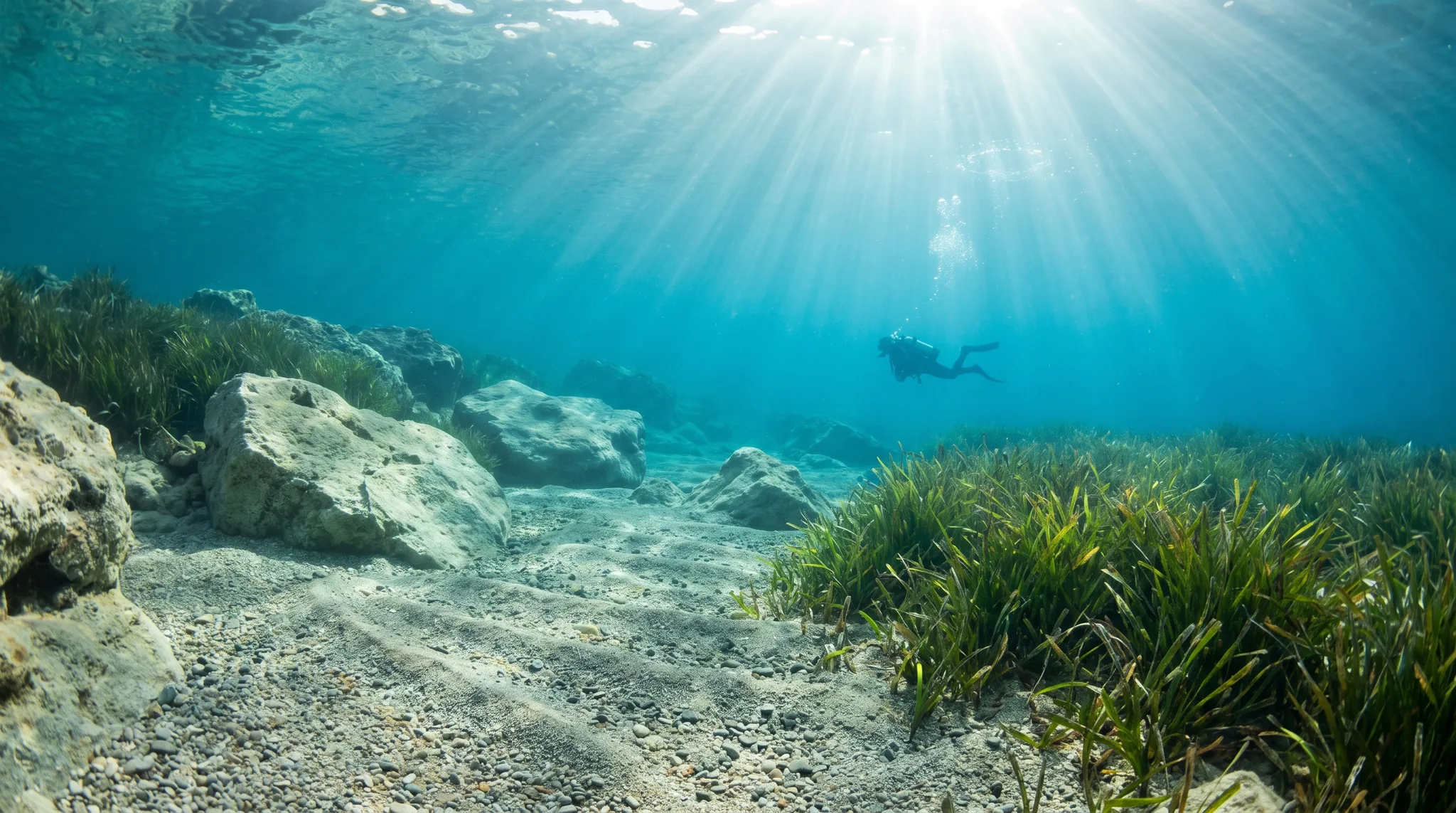
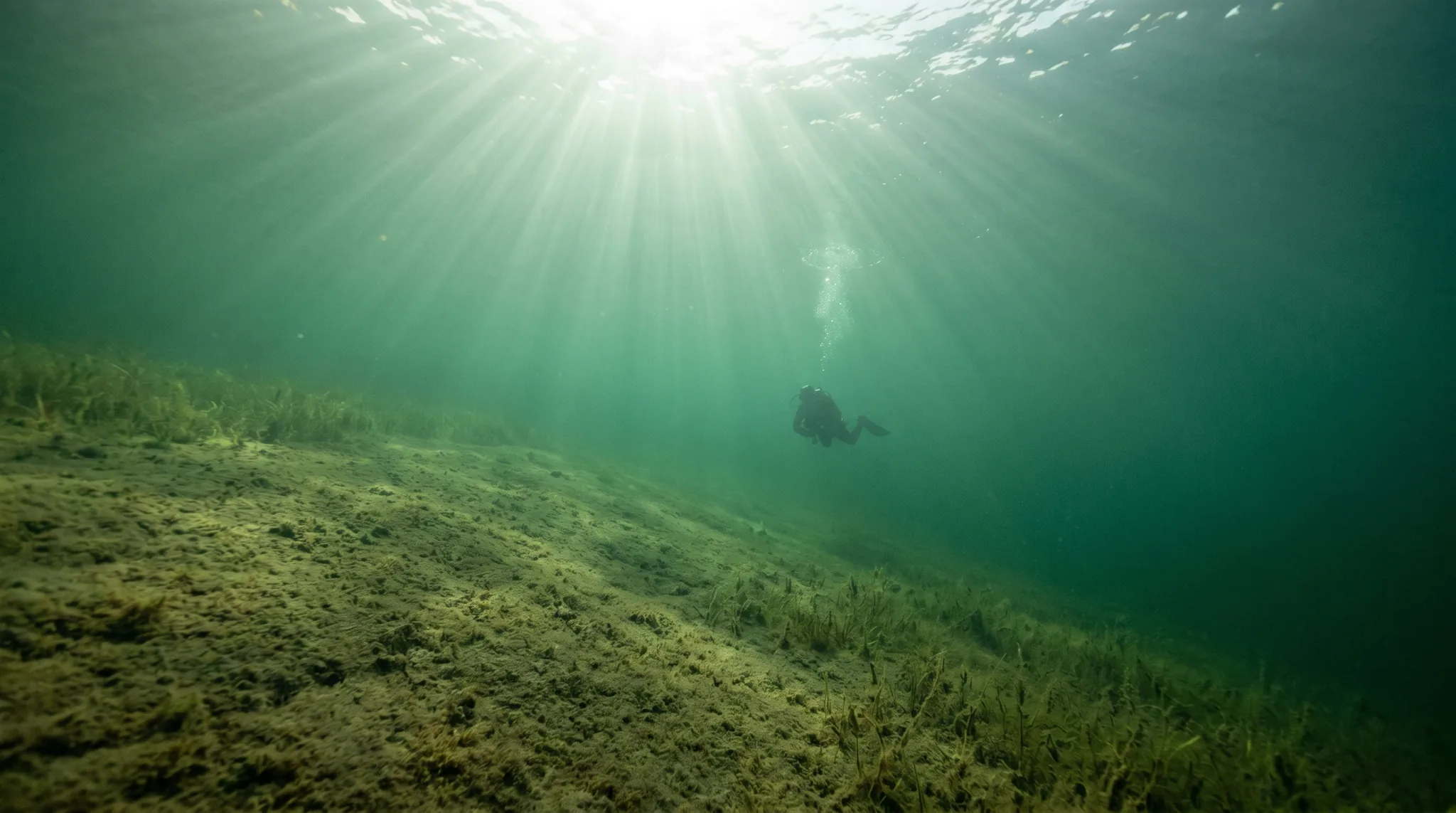
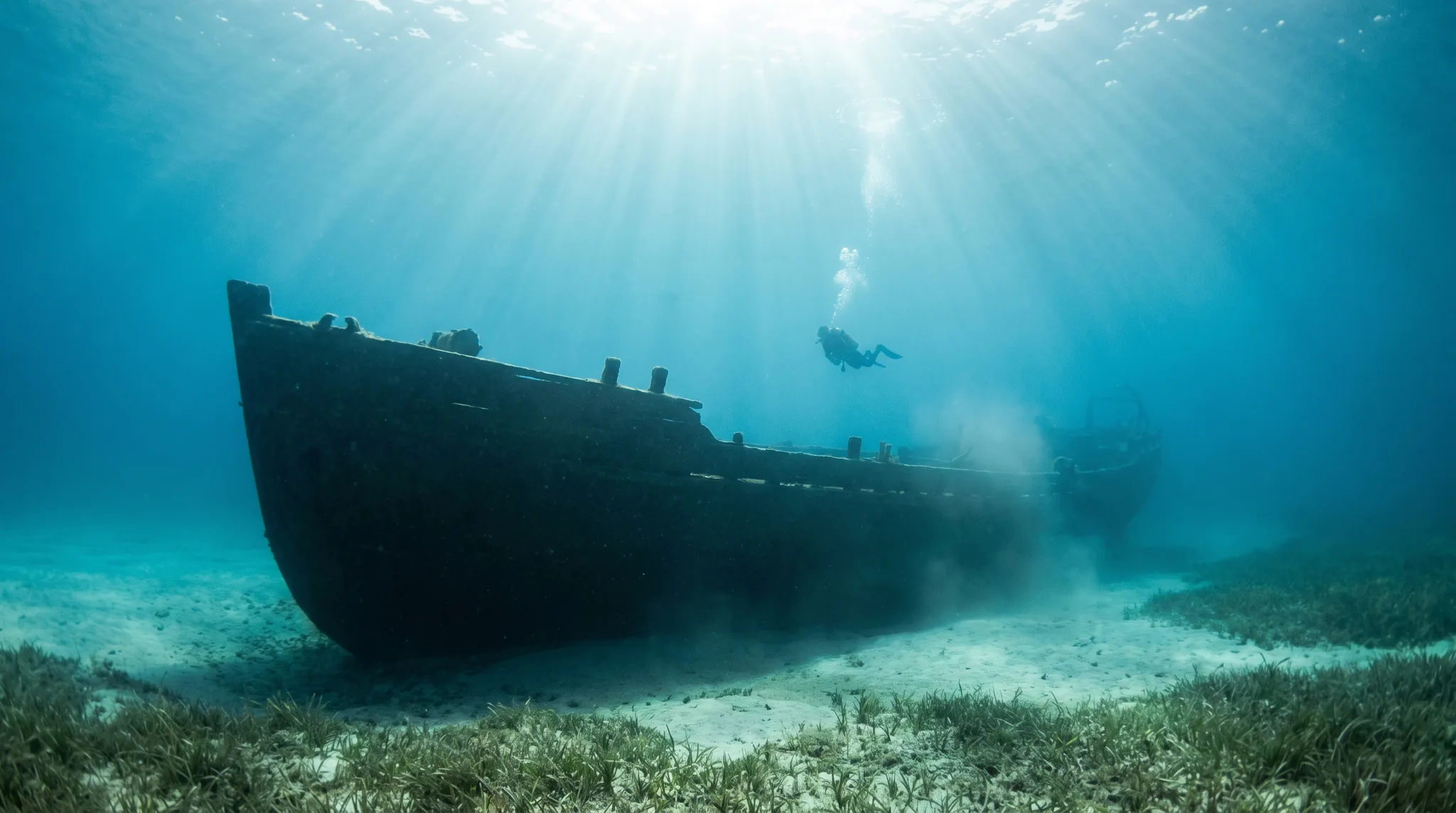
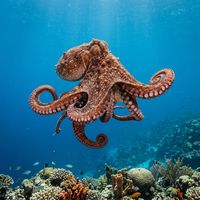
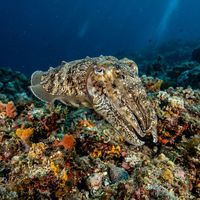
The Tuscan Archipelago spans three distinct sub-areas: Elba Island, Argentario, and Capraia. Together they offer an unusually varied underwater landscape, from shallow beginner wrecks and rocky reefs to deep walls, drop-offs, and technical cave systems. The signature species here are the Common Octopus, Mediterranean Moray, and European Common Cuttlefish, all observation-backed and encountered across the region. Visibility is generally good, and the warmest, calmest conditions run from late spring through early autumn.
3 areas
Monthly water temperature across Tuscan Archipelago's sites, from satellite sea-surface data corrected for depth. The band shows the site-to-site spread.
Water temperature climbs through spring, peaks in September, then gradually cools through winter to its lowest in February and March. The most popular diving months run from May through October, when conditions are warmest and calmer weather reduces exposure on boat-access sites. Winter diving is possible but suits those comfortable with cooler water and potentially more swell.
64 operators


112 more sites to explore
Reefs, wrecks and caves across two distinct sub-areas, with reliable sightings of moray, octopus and cuttlefish throughout the season.
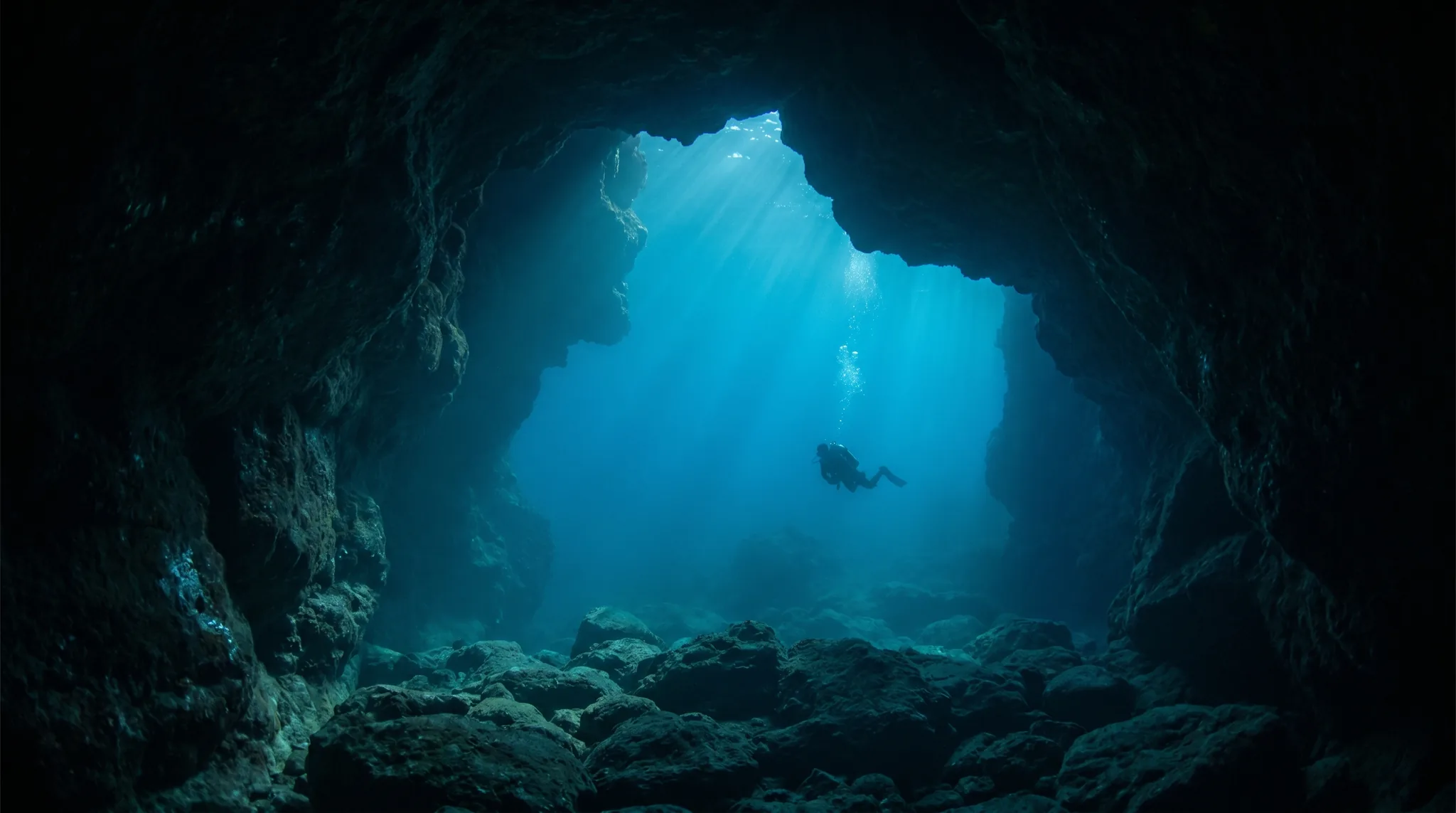
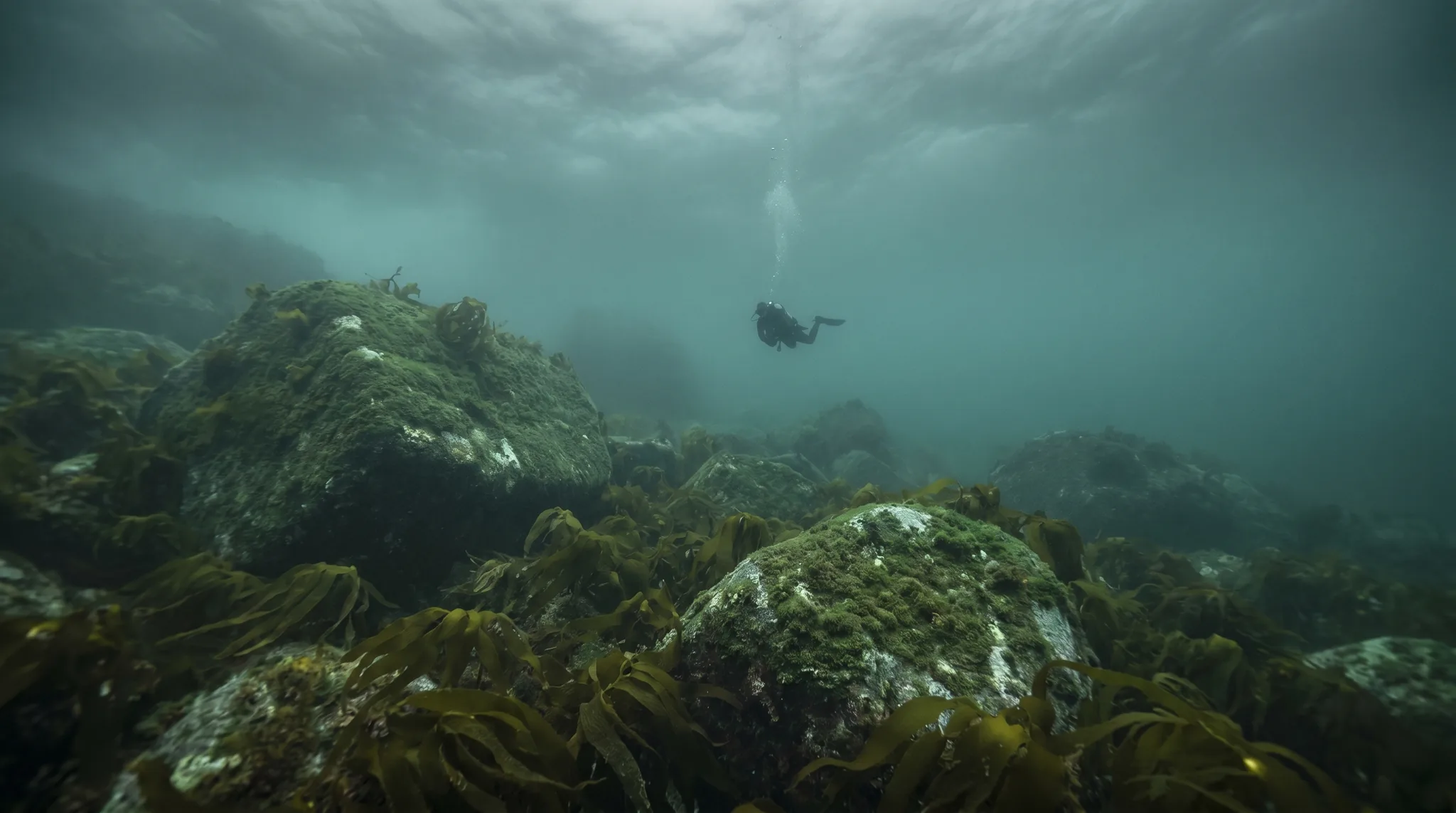
Water temperature around Tuscan Archipelago ranges from about 14°C in February to 20°C in September, based on satellite sea-temperature data for its dive sites.
In the warm season (about 20°C) a 5mm suit is comfortable in Tuscan Archipelago; in the coldest months (about 14°C) step up to a 7mm or semi-dry suit.
Fin maps 124 sites in Tuscan Archipelago (107 scuba diving sites and 35 snorkelling spots, with some suited to both), organised into 3 areas.
Across Tuscan Archipelago's dive sites, May, June, July, August, September and October are most often reported as the best months to visit.
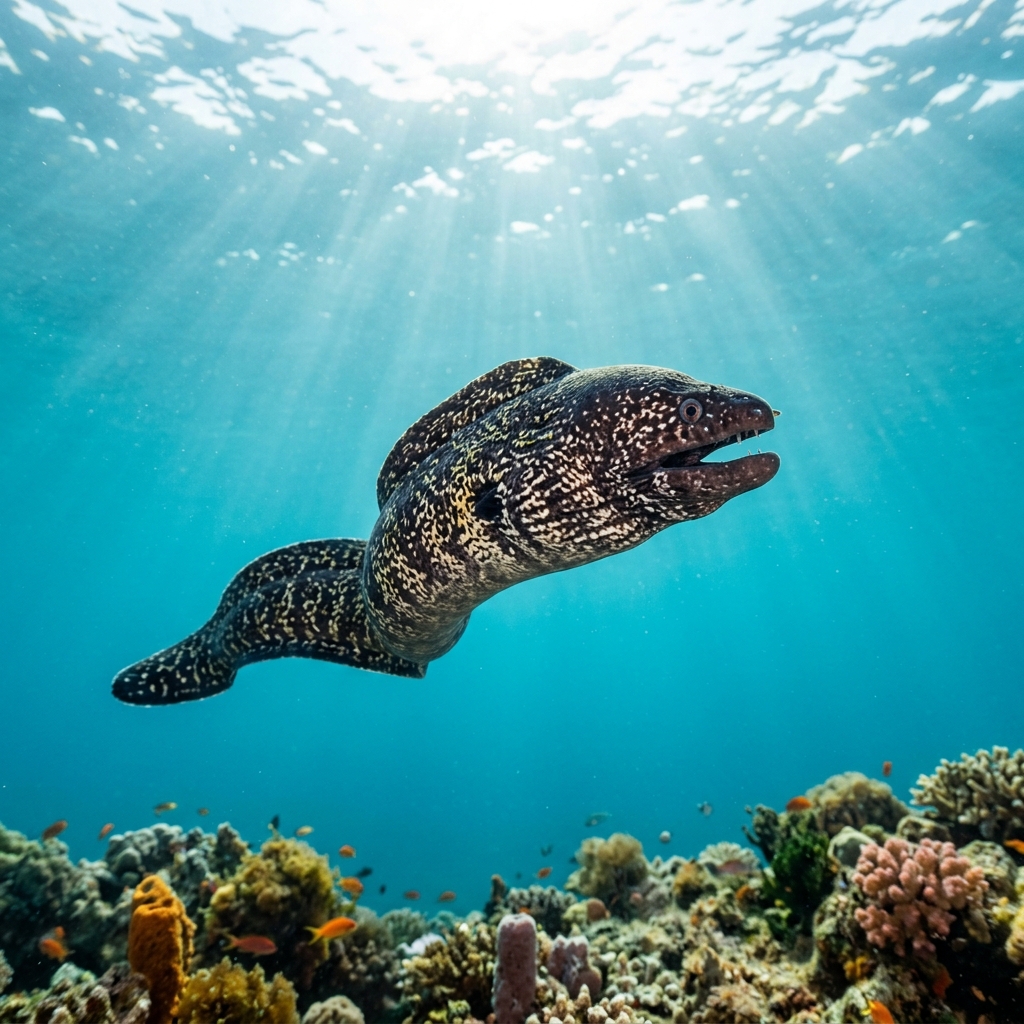
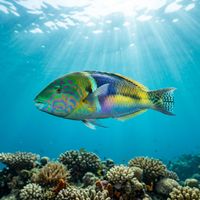
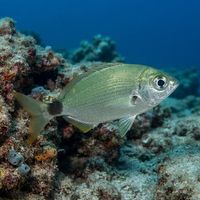
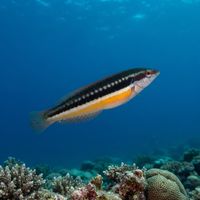
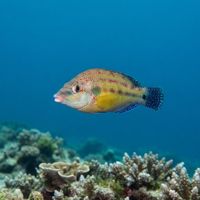
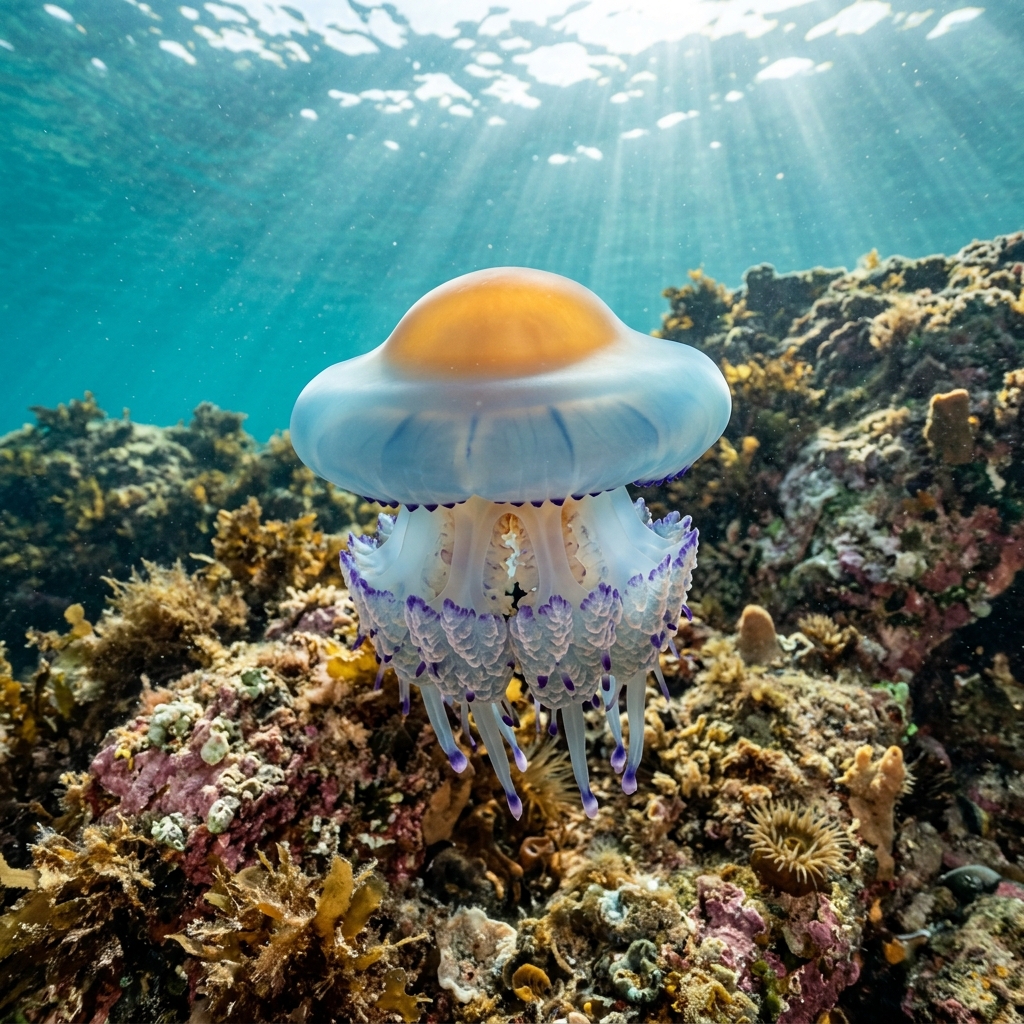
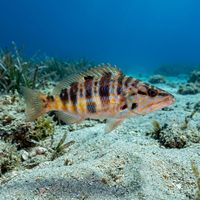
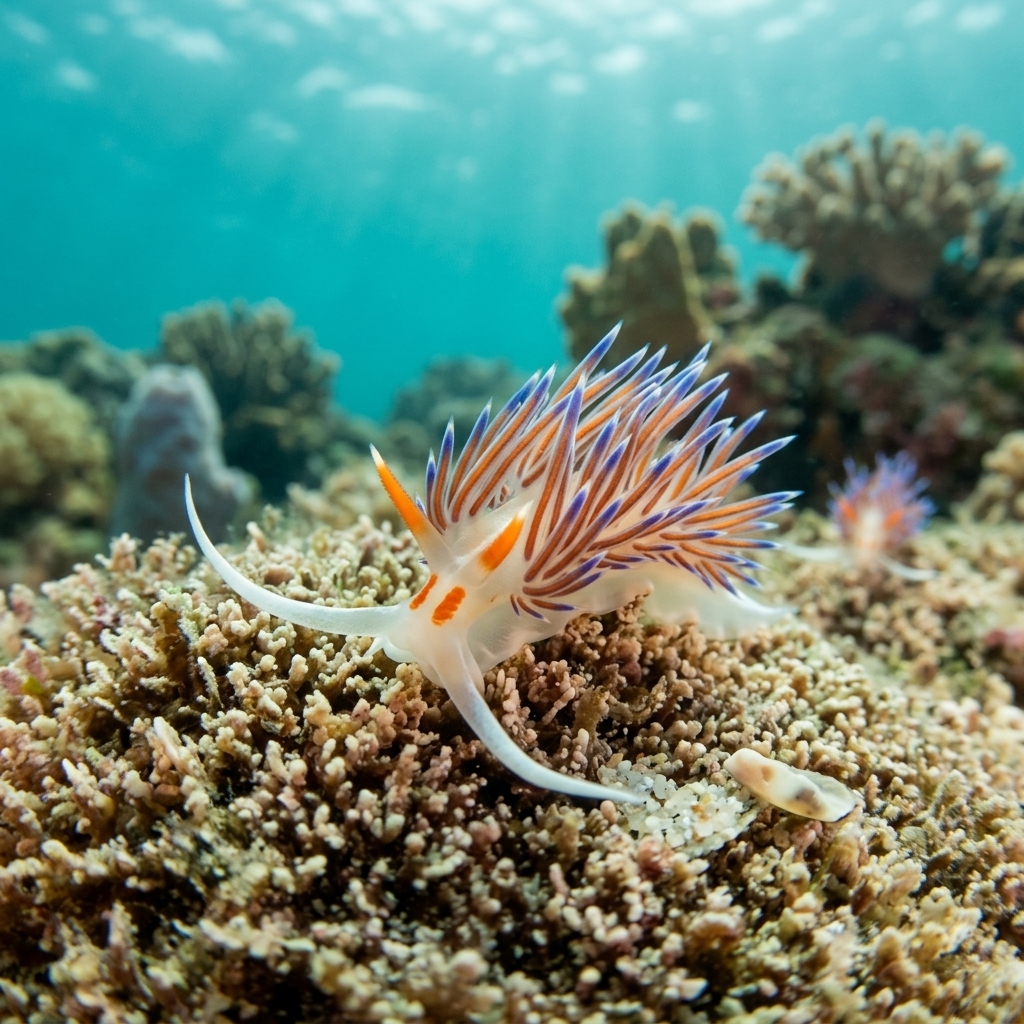
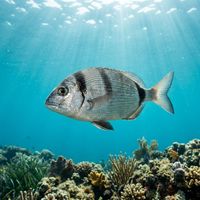
The region has a strong observation record for Common Octopus, Mediterranean Moray, and European Common Cuttlefish, which appear across the majority of sites. Painted Comber and Two-banded Seabream are among the most consistently sighted fish. Cratena Slug and Mediterranean Violet Aeolid add colour for macro enthusiasts, while Fried Egg Jellyfish and Mauve Stinger are common seasonal presences.
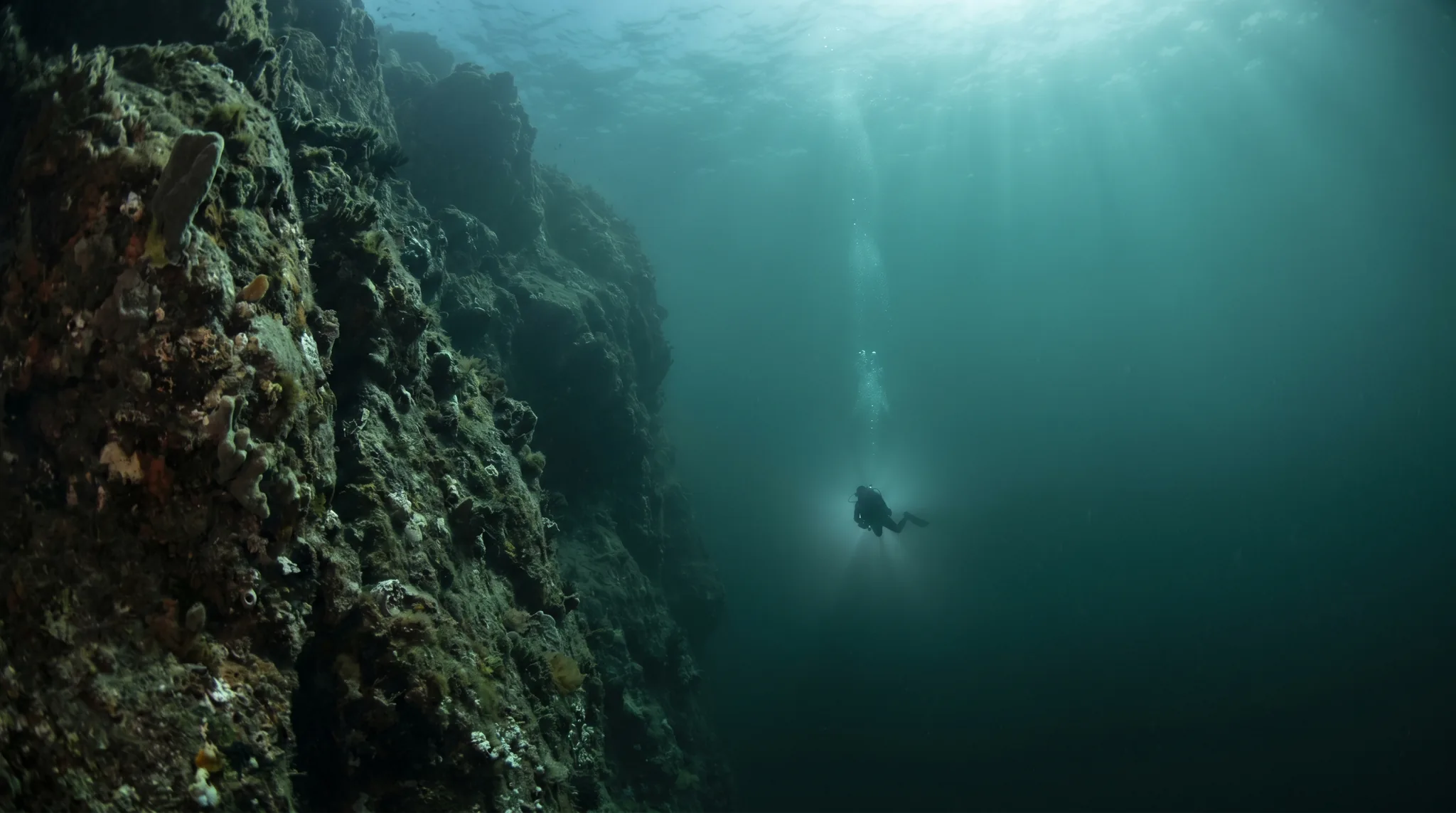
Yes, there are sites pitched at beginner level across the archipelago. Relitto Di Pomonte is a shallow cargo wreck accessible from shore, and Franata delle Cernie offers a gentle reef and drop-off starting at a very shallow depth. Intermediate and expert sites, including deep walls at Capo Poro and the technical cave at Grotta Maurizio Sarra, are also available for more experienced divers.
Elba Island has the largest number of sites and includes a mix of wrecks, caves, reefs, and walls spread across areas such as Capo Enfola and Pomonte. Argentario offers a similarly broad range, with wall and reef dives such as Cala Cupa close to Porto Ercole. Capraia is the smallest sub-area by site count and tends to suit divers seeking a quieter, more remote experience.
The great majority of sites require boat access, which is reflected in the operator network of over forty dive centres across the region. Shore access does exist at select sites, notably Relitto Di Pomonte near Capo Enfola. Operators such as Argentario Divers, Dive Tuscany, and Maremma Diving, among others, run regular boat departures throughout the main season.