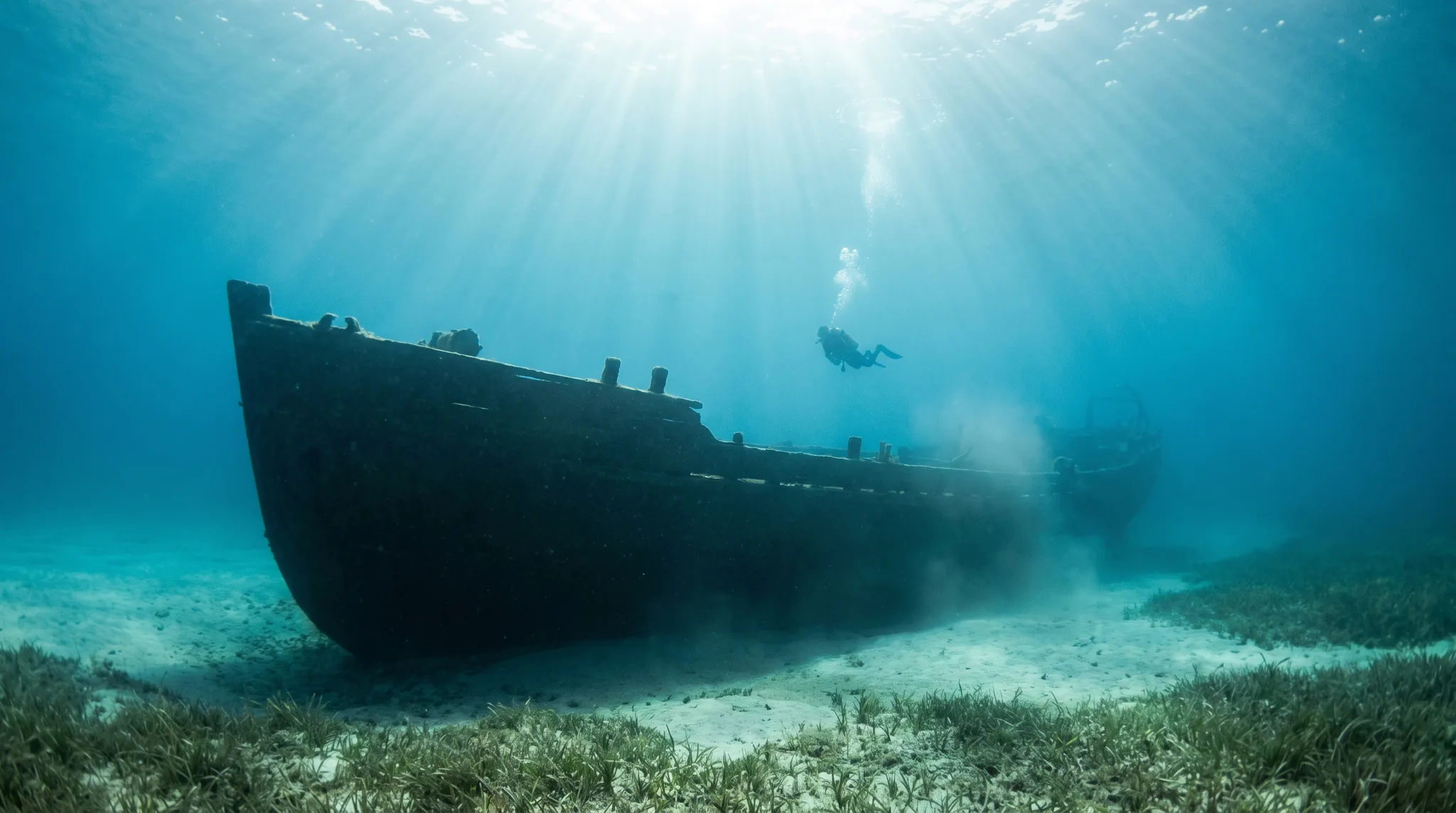
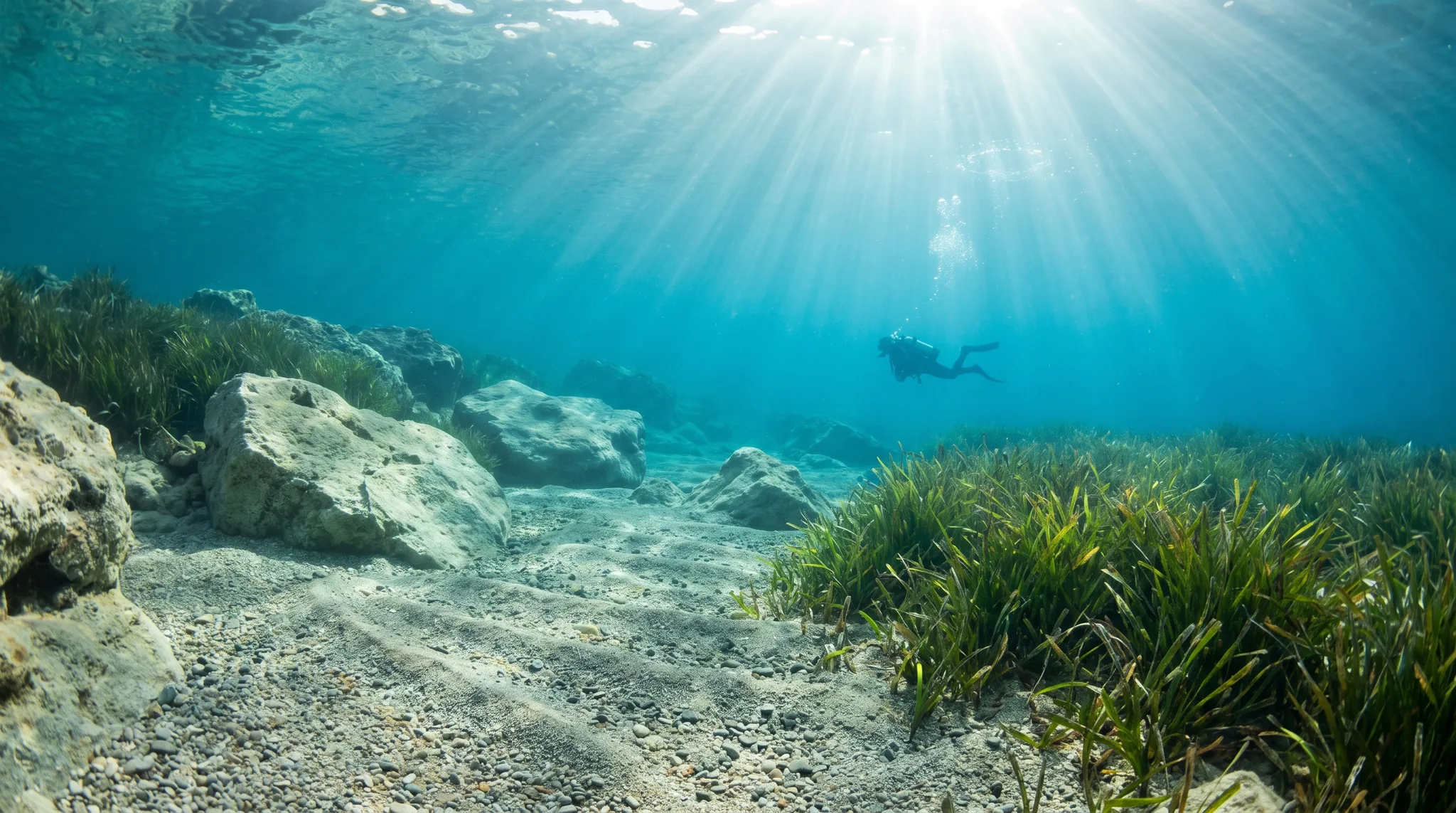
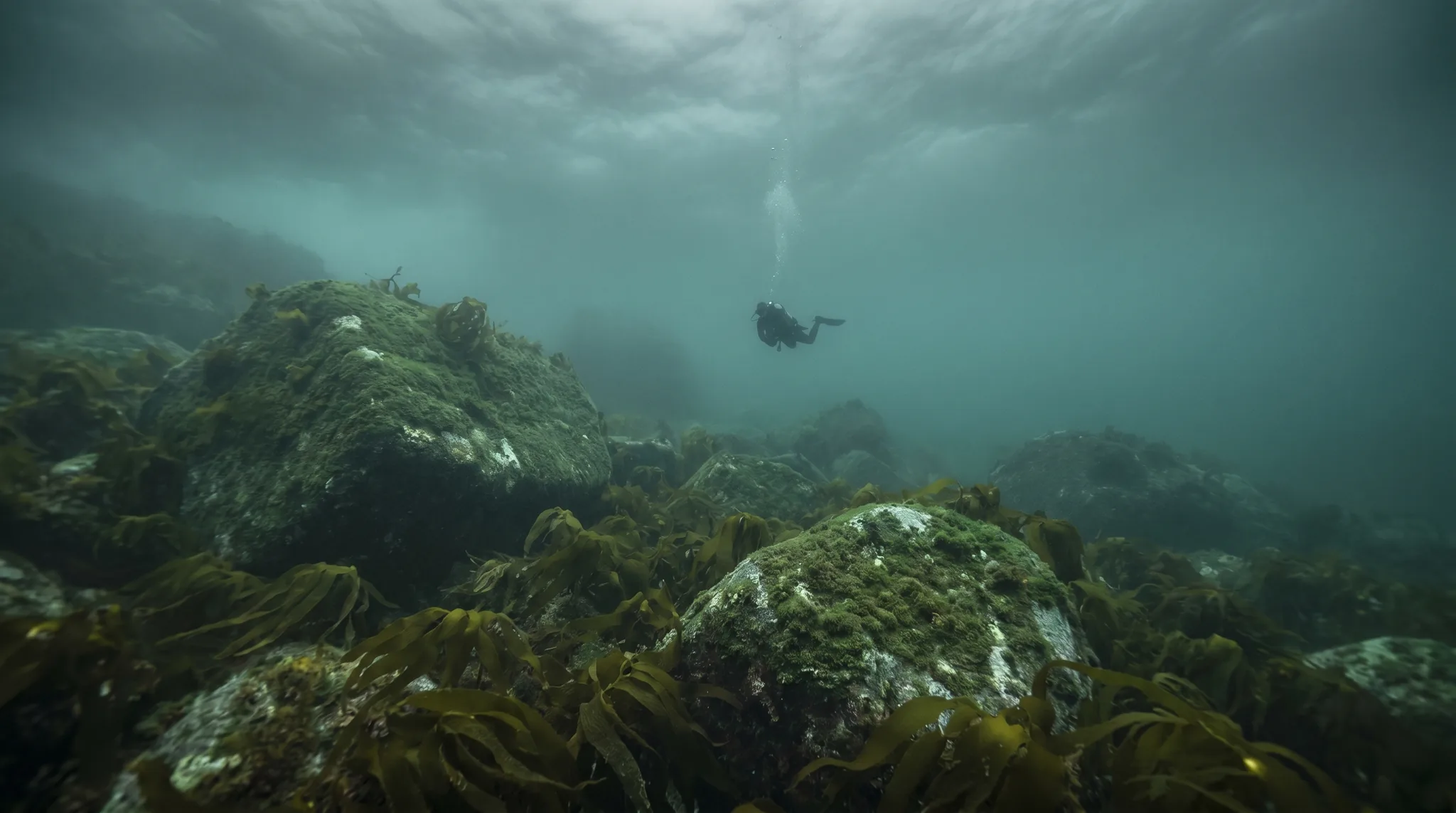
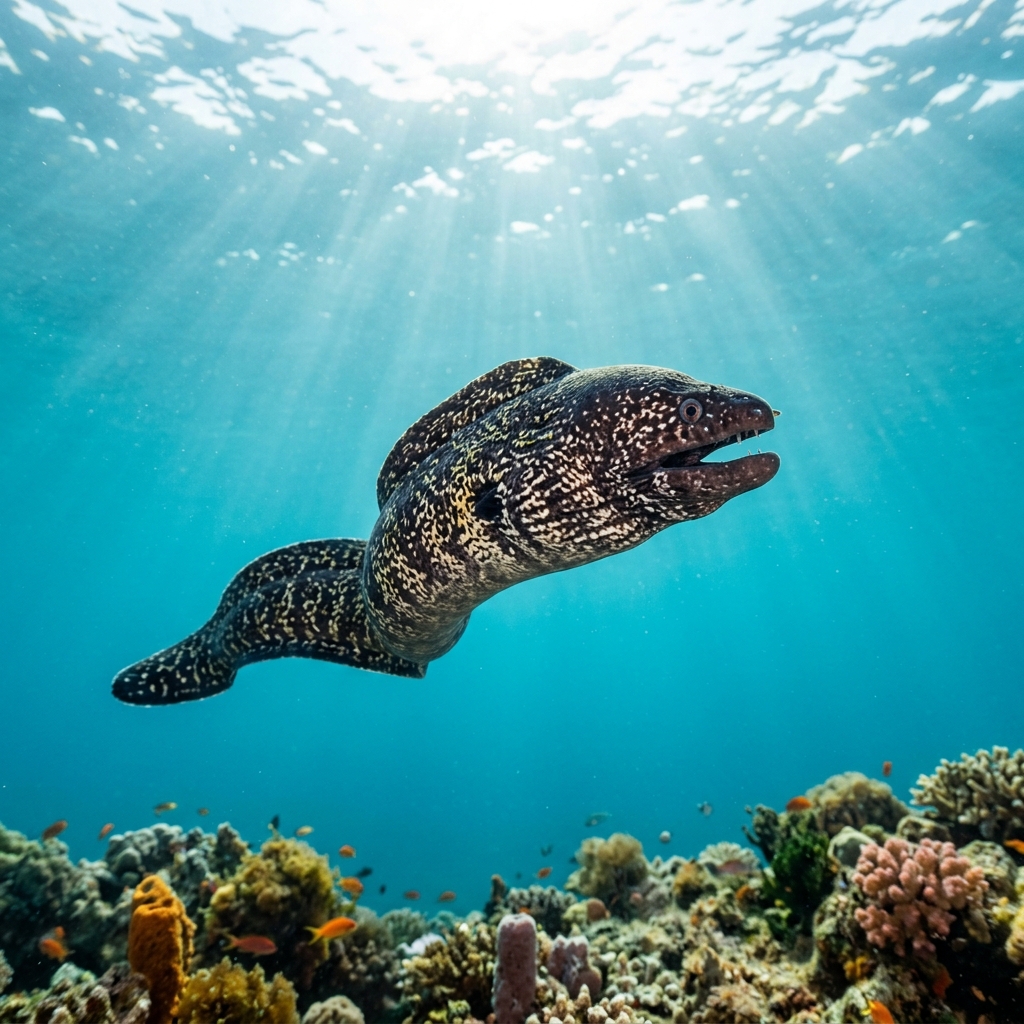
Argentario divides between two distinct sub-areas: Giannutri, with its deeper walls, cave systems, and the Anna Bianca wreck, and Porto Ercole, whose granite islets and accessible reefs suit a wider range of abilities. Boat access dominates across both. The marine life leans strongly towards cephalopods and wrasse, with Common Octopus, Mediterranean Moray, and Painted Comber observed consistently. Conditions are at their best from late spring through autumn, when visibility is clearest and the water warmest.
2 areas
Monthly water temperature across Argentario's sites, from satellite sea-surface data corrected for depth. The band shows the site-to-site spread.
Water temperature climbs steadily from spring into summer, peaking in September and October before easing back through winter. The warmest months also coincide with the strongest diver ratings in the histogram, making late summer and early autumn the most rewarding window. Winter diving remains possible but cooler, and exposed seamounts such as Secca di Mezzo Canale can carry stronger currents year-round.
17 operators

Italy
34 more sites to explore
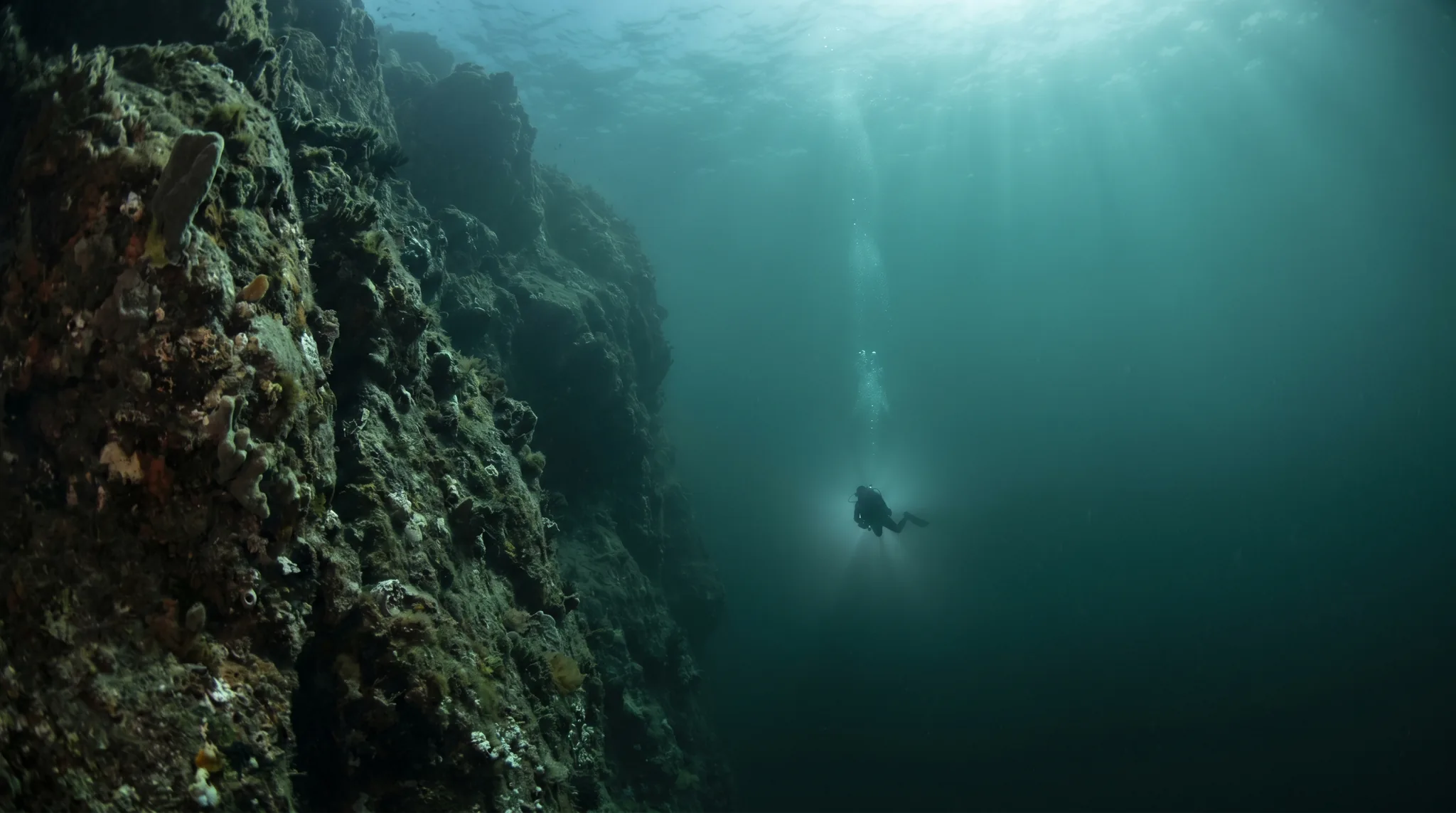
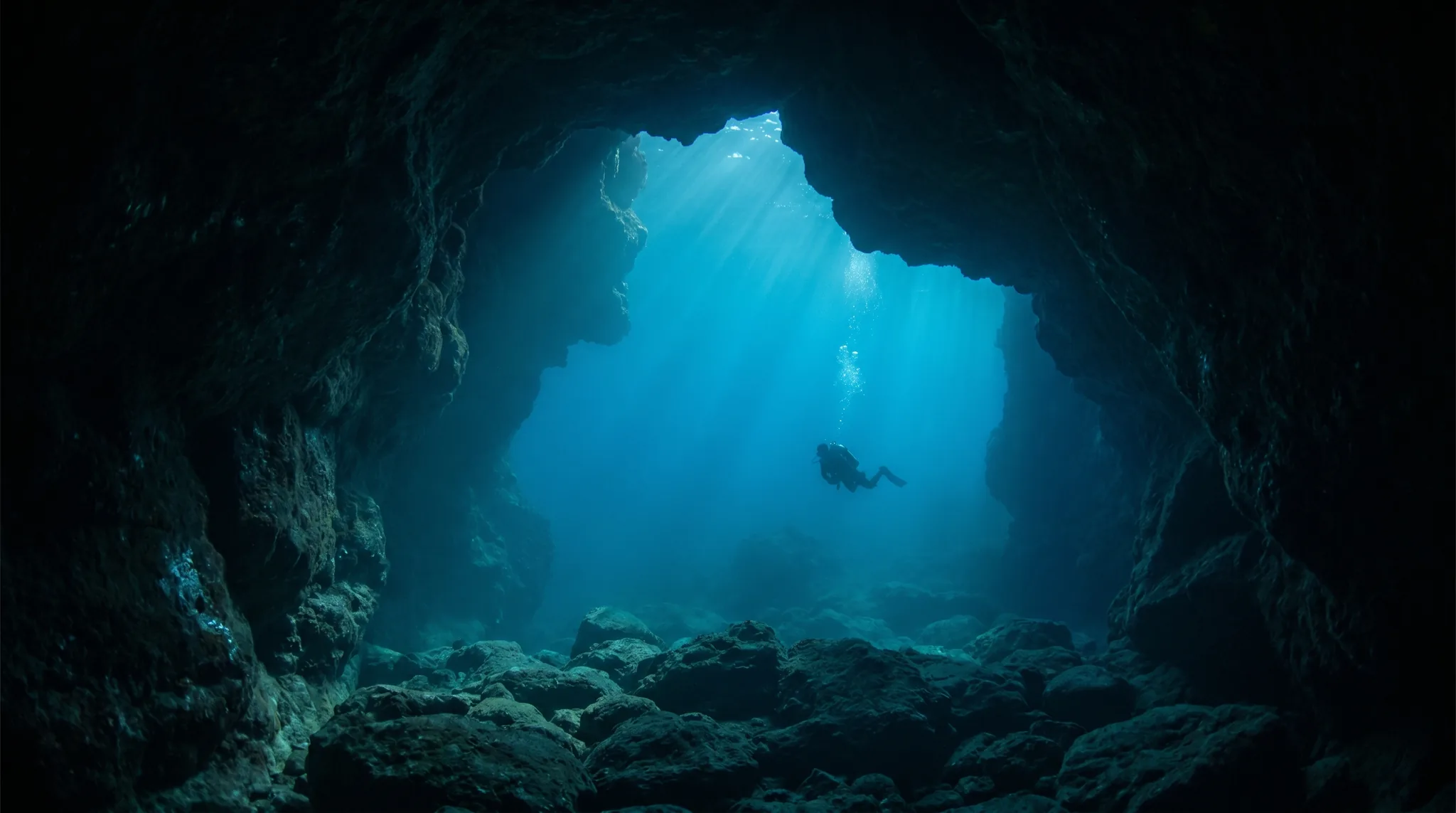
A small island with big vertical diving: deep walls, technical caves, a wreck and dense invertebrate life across sites for all levels.
Water temperature around Argentario ranges from about 14°C in March to 20°C in September, based on satellite sea-temperature data for its dive sites.
In the warm season (about 20°C) a 5mm suit is comfortable in Argentario; in the coldest months (about 14°C) step up to a 7mm or semi-dry suit.
Fin maps 46 sites in Argentario (38 scuba diving sites and 15 snorkelling spots, with some suited to both), organised into 2 areas.
Across Argentario's dive sites, May, June, July, August, September and October are most often reported as the best months to visit.
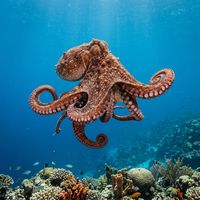
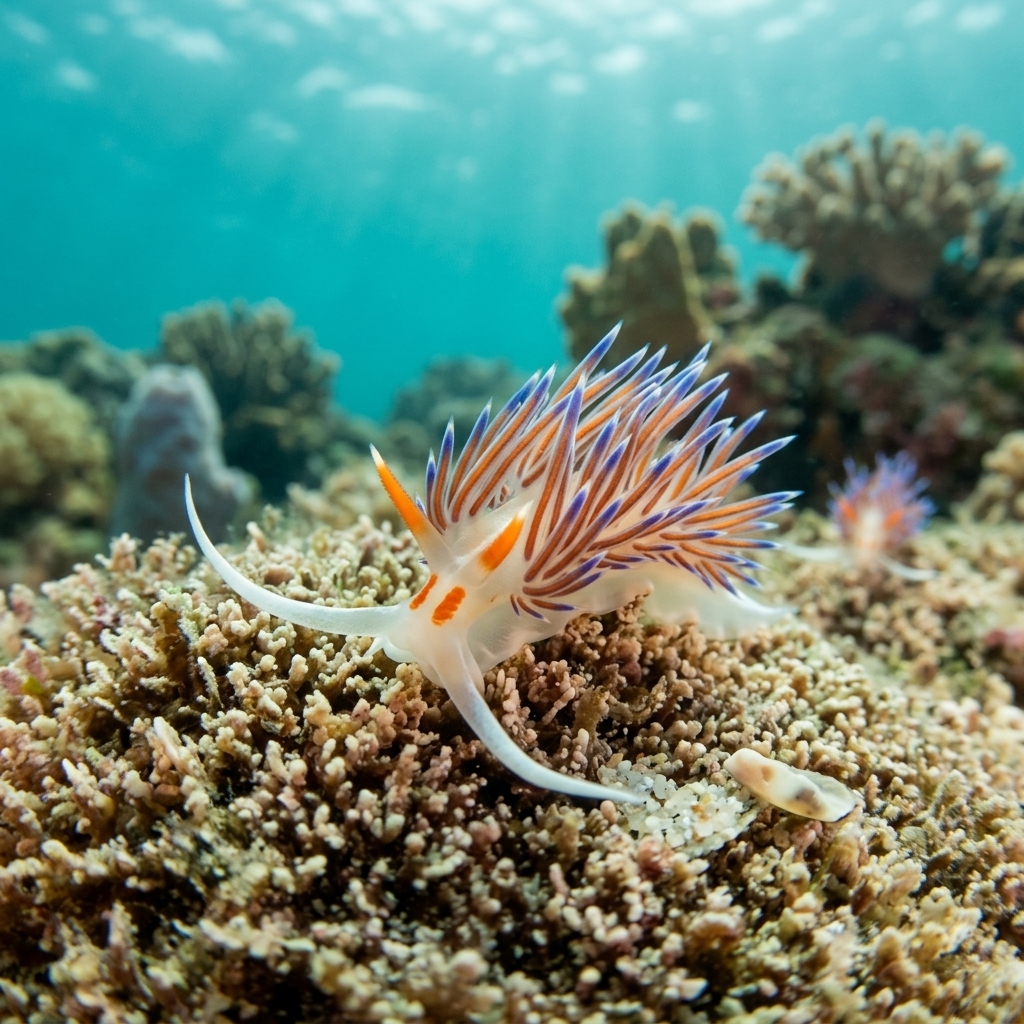
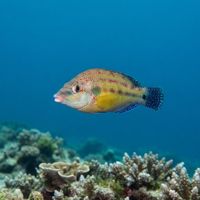
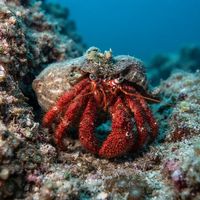
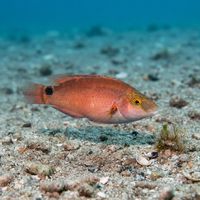
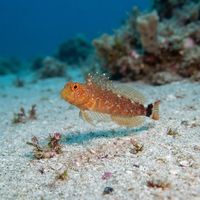
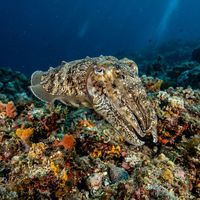
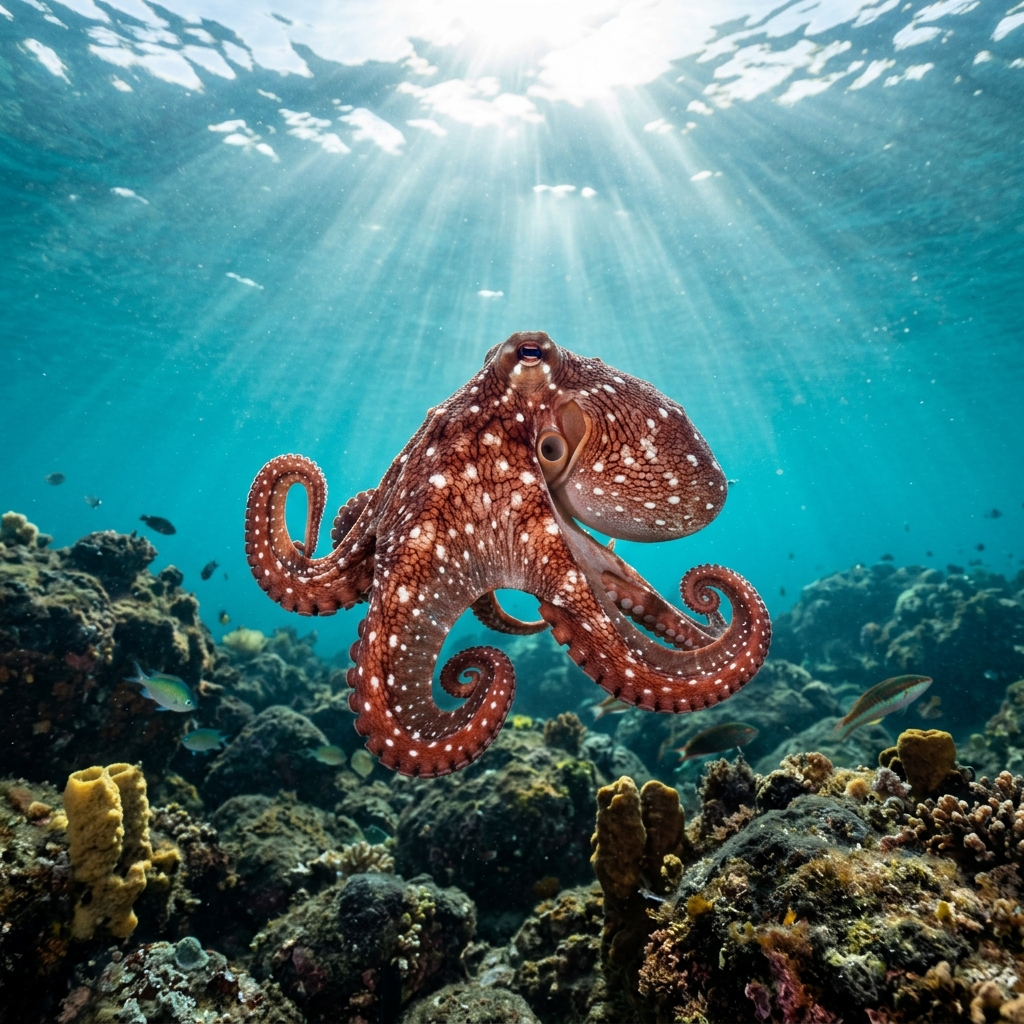
The region has a strong showing of cephalopods, with Common Octopus and White-spotted Octopus both observed regularly, alongside European Common Cuttlefish. Mediterranean Moray is very common across sites, and wrasse species including Turkish Wrasse, Peacock Wrasse, and Axillary Wrasse are seen on almost every dive. On the reef, Red Scorpionfish, Painted Comber, and the occasional Flying Gurnard round out a varied and characterful fish life.
Argentario caters to a wide range of abilities, though the majority of sites are pitched at intermediate level. Beginner-rated sites such as Gli Archetti and Cala dei Santi provide sheltered, shallower reef diving with good species variety. Expert-level sites like Grotta Maurizio Sarra and Secca di Mezzo Canale involve deep overhead environments or significant drops and require appropriate technical qualifications.
Giannutri is the more site-rich of the two, offering a broader range of topographies including cave systems, deep walls, drop-offs, and the Anna Bianca wreck. Porto Ercole, based around granite islets and nearshore reefs, tends towards more accessible intermediate diving and includes sites like Cala Cupa and Le Scole that suit a broader audience. Both sub-areas are boat-access only for most sites.
Almost all sites in Argentario require a boat, and there is a wide choice of operators running trips from both Porto Ercole and Giannutri. Operators listed in the region include Argentario Divers, Maremma Diving, Diana Diving PADI Resort, and Calacupa Diving Isola del Giglio, among others. A handful of sites offer the option of both boat and shore entry, but boat diving is the norm throughout the region.