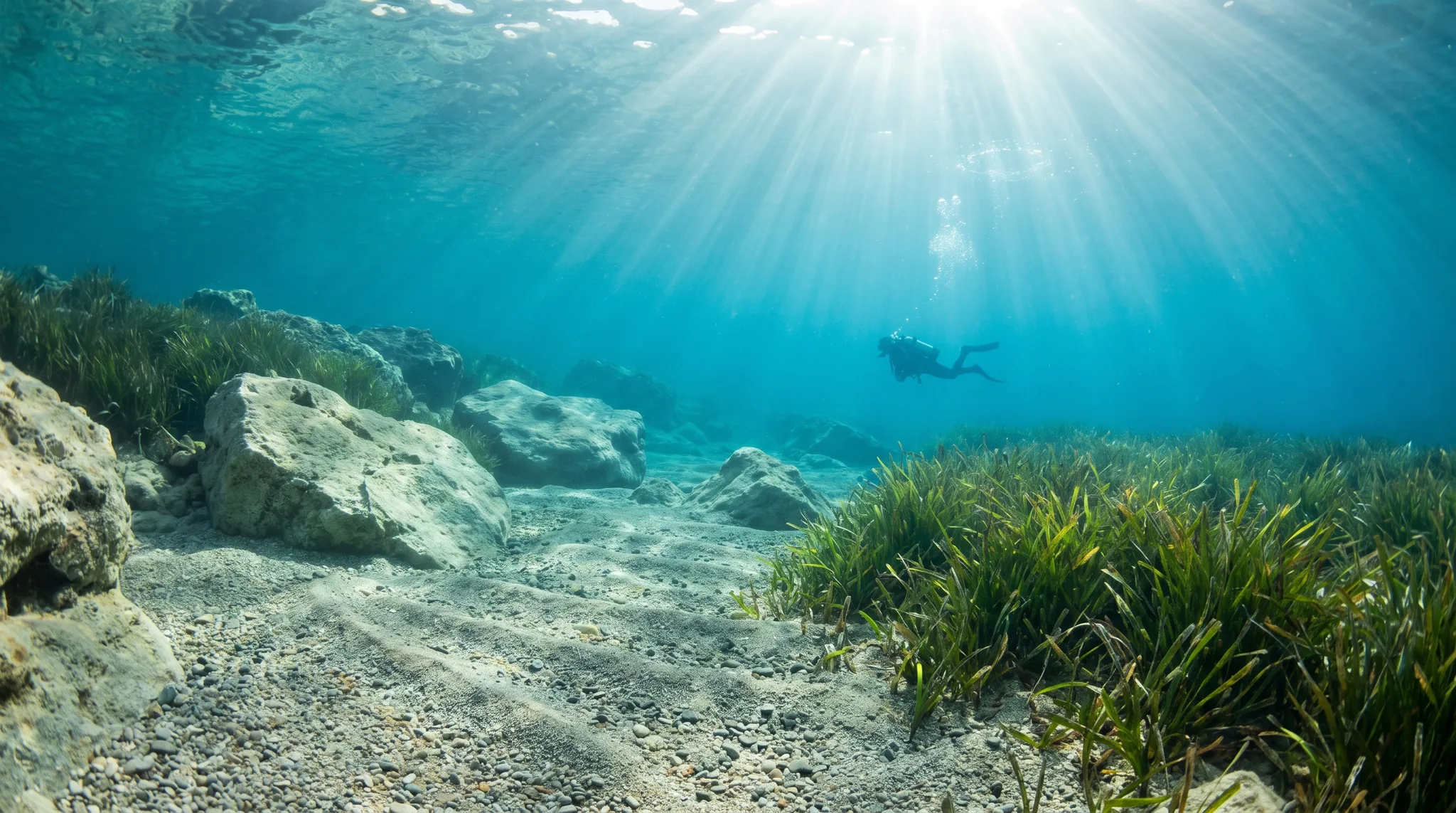
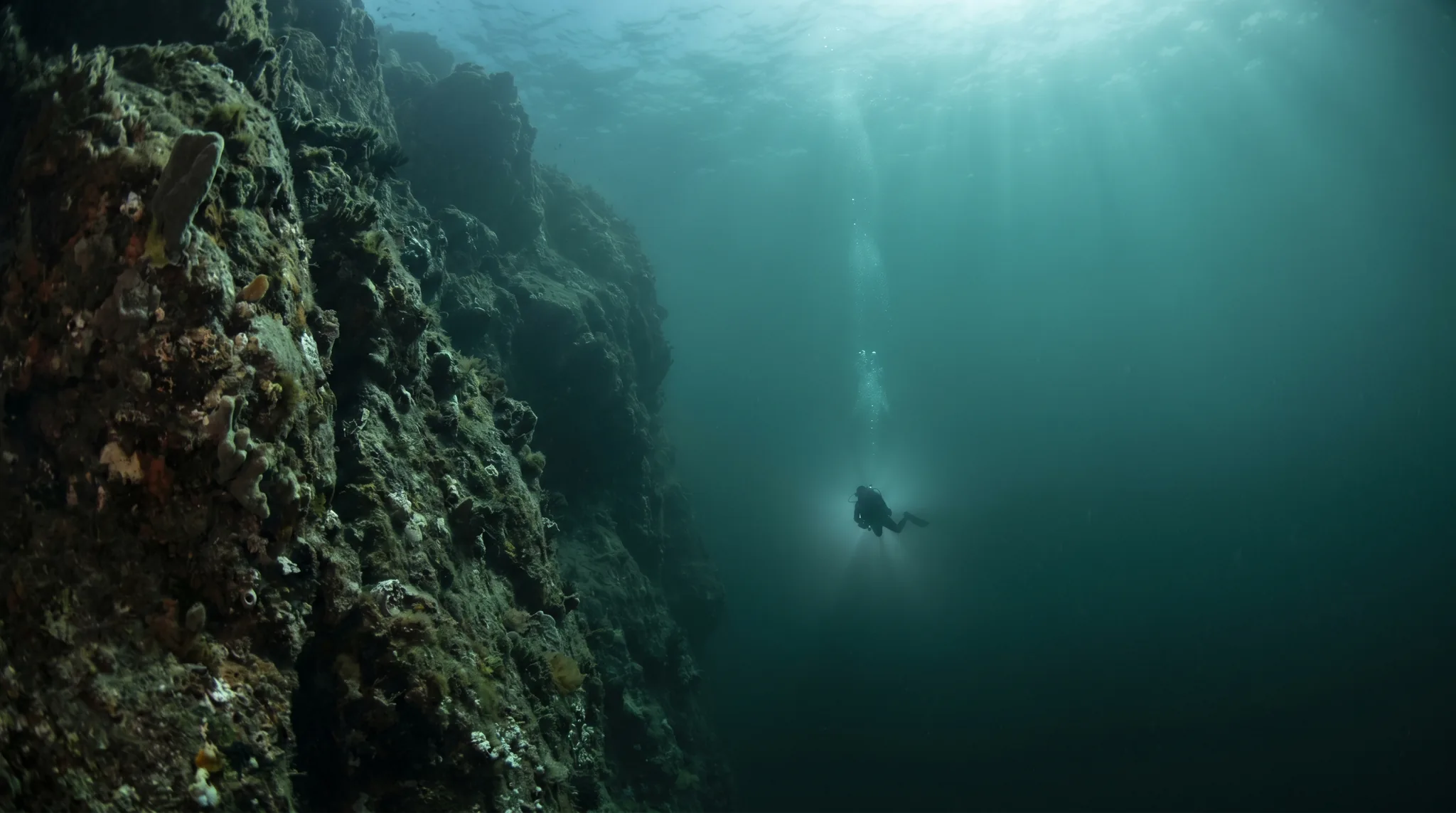
Livorno's dive sites run along a rocky Tuscan coastline characterised by reef walls, caves, and Posidonia oceanica seagrass meadows, with a shallow wreck rounding out the variety. Most sites suit beginners, though boat-access walls and deeper caves reward intermediate divers too. The Common Octopus and European Common Cuttlefish are signature residents, alongside Yellow Gorgonian, Violescent Sea-whip, and a notable density of nudibranchs including Giant Doris and Tricolor Doris. Autumn brings the most-recommended conditions, with warm, settled water persisting from late spring through October.

Monthly water temperature across Livorno's sites, from satellite sea-surface data corrected for depth. The band shows the site-to-site spread.
Water temperatures rise steadily from spring into summer, peaking in July and August before a gradual autumn cooling that still leaves conditions comfortable through October. The best-months data points strongly to autumn as the prime window, with October drawing the highest recommendations. Winter diving is possible but cooler water and reduced popularity make spring through autumn the practical season.
15 operators

8 more sites to explore
Water temperature around Livorno ranges from about 14°C in February to 25°C in July, based on satellite sea-temperature data for its dive sites.
In the warm season (about 25°C) a 3mm full suit is comfortable in Livorno; in the coldest months (about 14°C) step up to a 7mm or semi-dry suit.
Fin maps 17 sites in Livorno (16 scuba diving sites and 5 snorkelling spots, with some suited to both).
Across Livorno's dive sites, May, June, July, August, September and October are most often reported as the best months to visit.
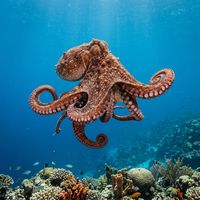
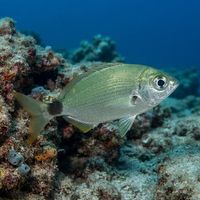
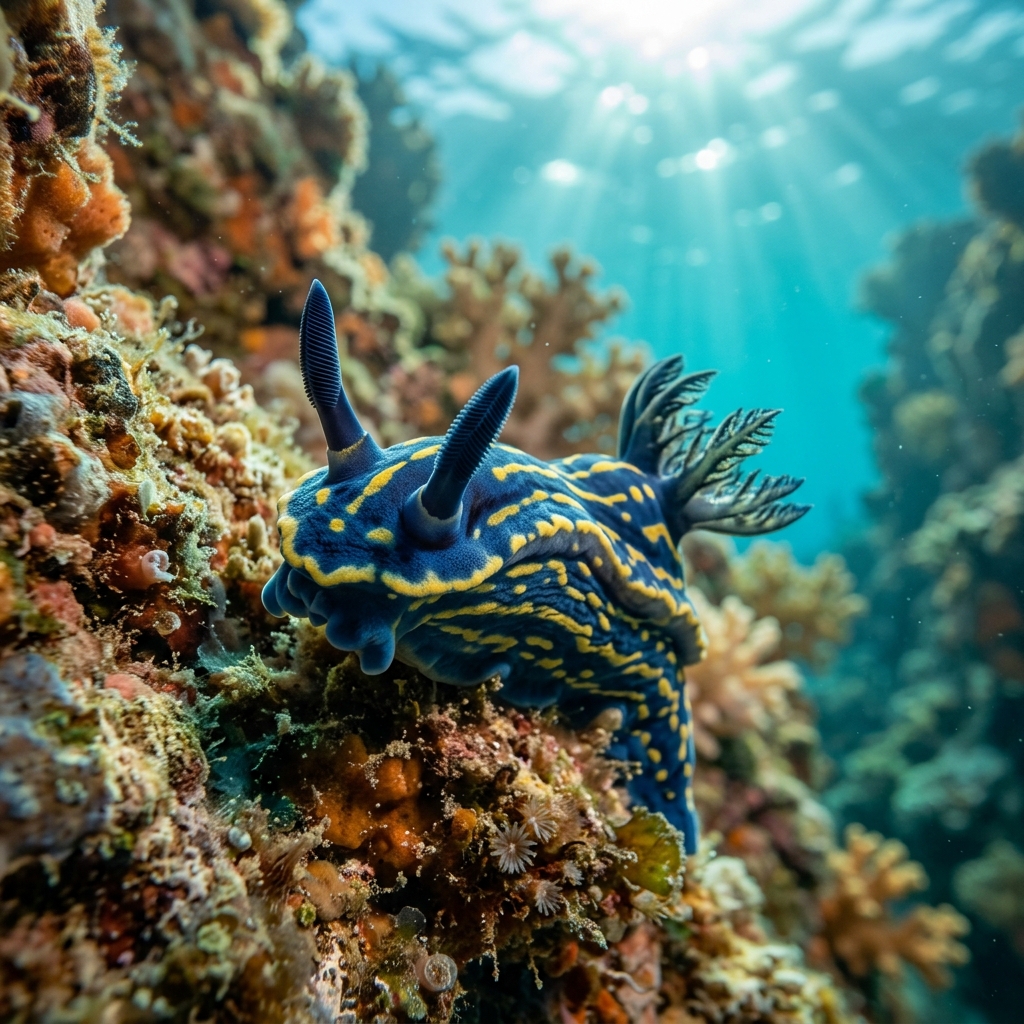
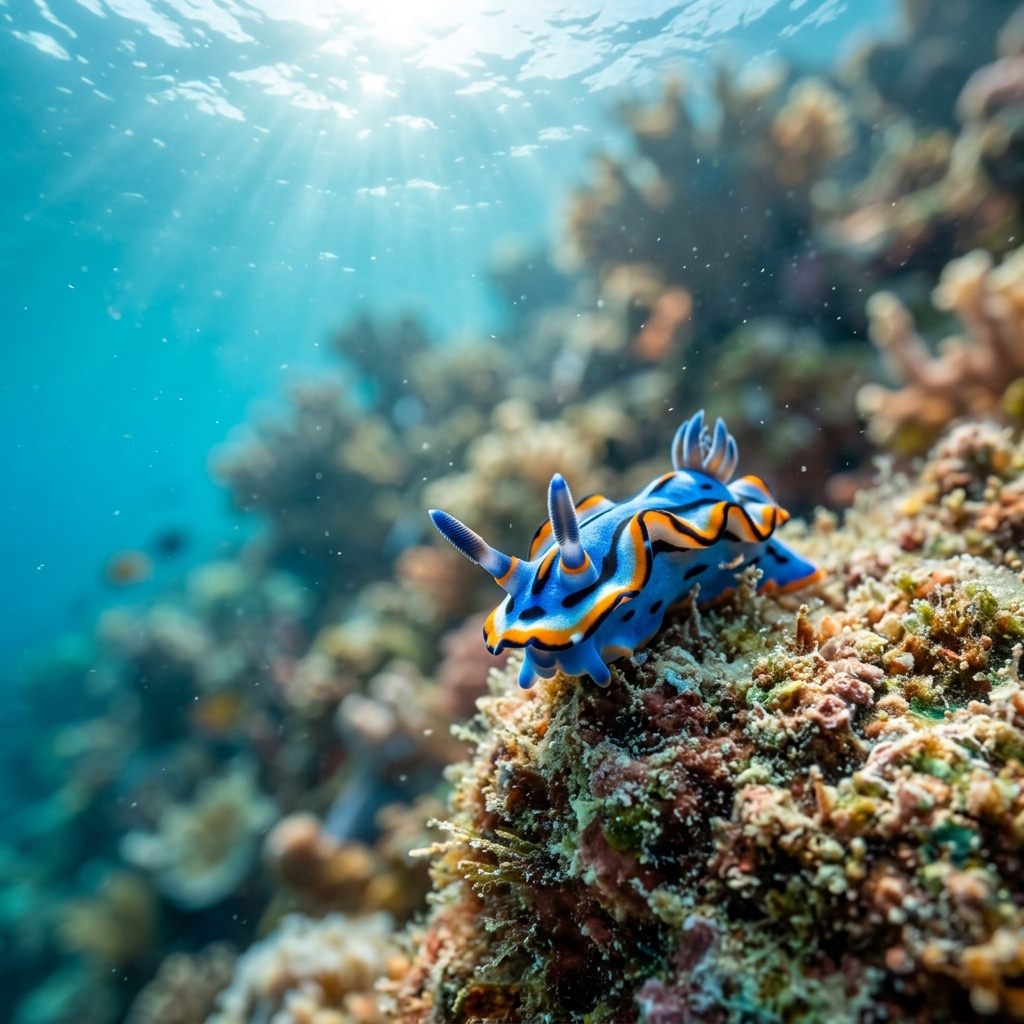
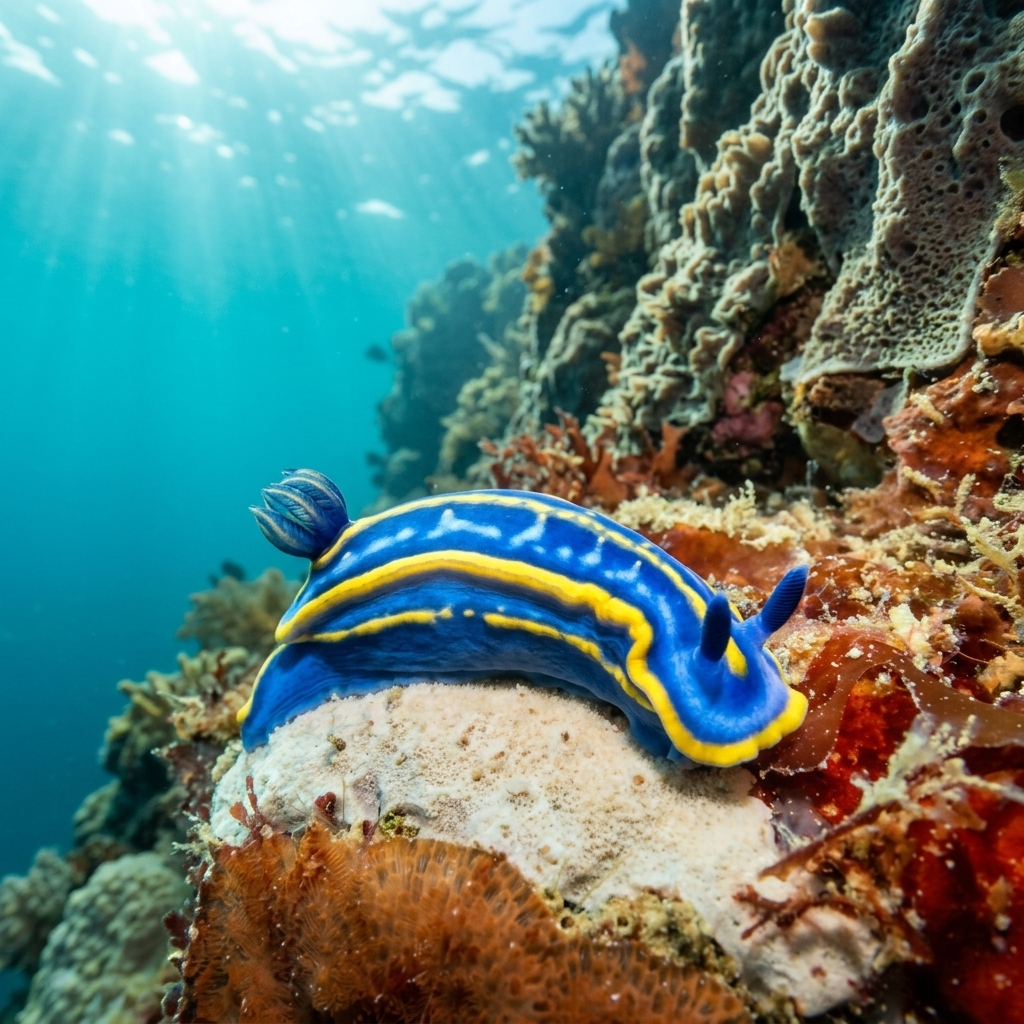
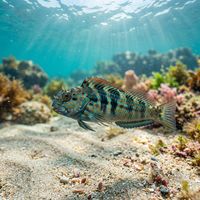
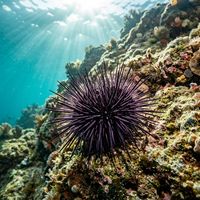
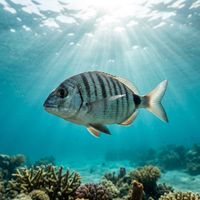
The Common Octopus and European Common Cuttlefish are the signature species of the area. Divers also regularly observe Yellow Gorgonian, Violescent Sea-whip, Conger Eel, Peacock Blenny, Tompot Blenny, and White Seabream. Nudibranch enthusiasts will find Giant Doris, Tricolor Doris, and Splendid Elysia at many sites, and Scorpionfish and Gorgon's Head appear occasionally on the walls.
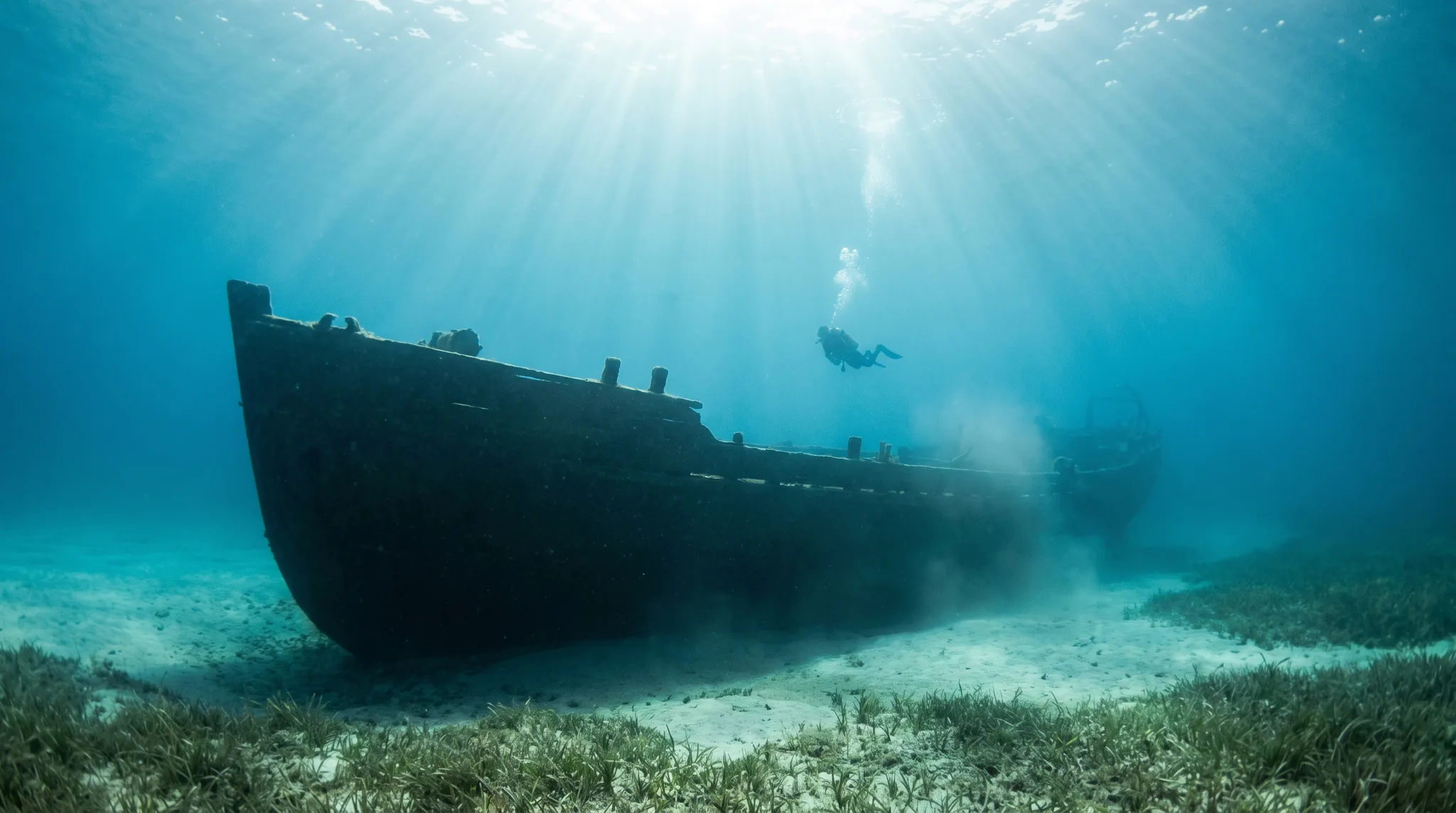
The majority of sites in Livorno are rated for beginners, including shore-entry reefs such as Baia di Castiglioncello and Baia del Rogiolo, as well as the shallow wreck Relitto del Melania. Intermediate divers have their own options too, with boat-access wall and cave dives like Grotta del grongo and Ponte di Calafuria offering greater depth and complexity.
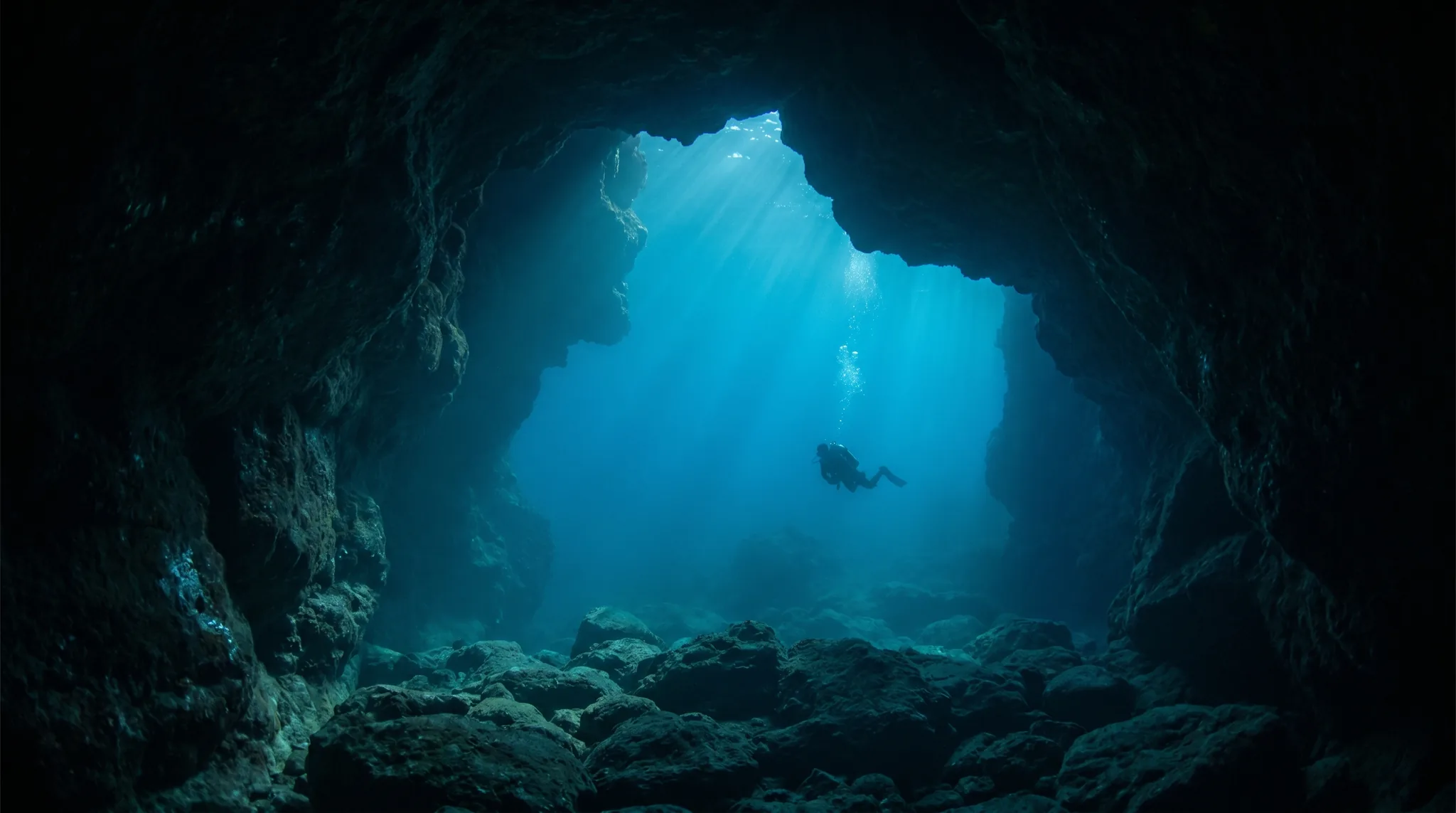
Livorno offers a mix of reef walls, caves, caverns, seagrass meadows, and a wreck. Several of the more notable wall and cave dives, including Grotta del grongo, Le Aragoste, and Fortullino, are accessible only by boat. Shore entry is available at reef sites such as Calafuria, Ponte di Calafuria, and Baia del Rogiolo, making independent diving straightforward for those with their own equipment.
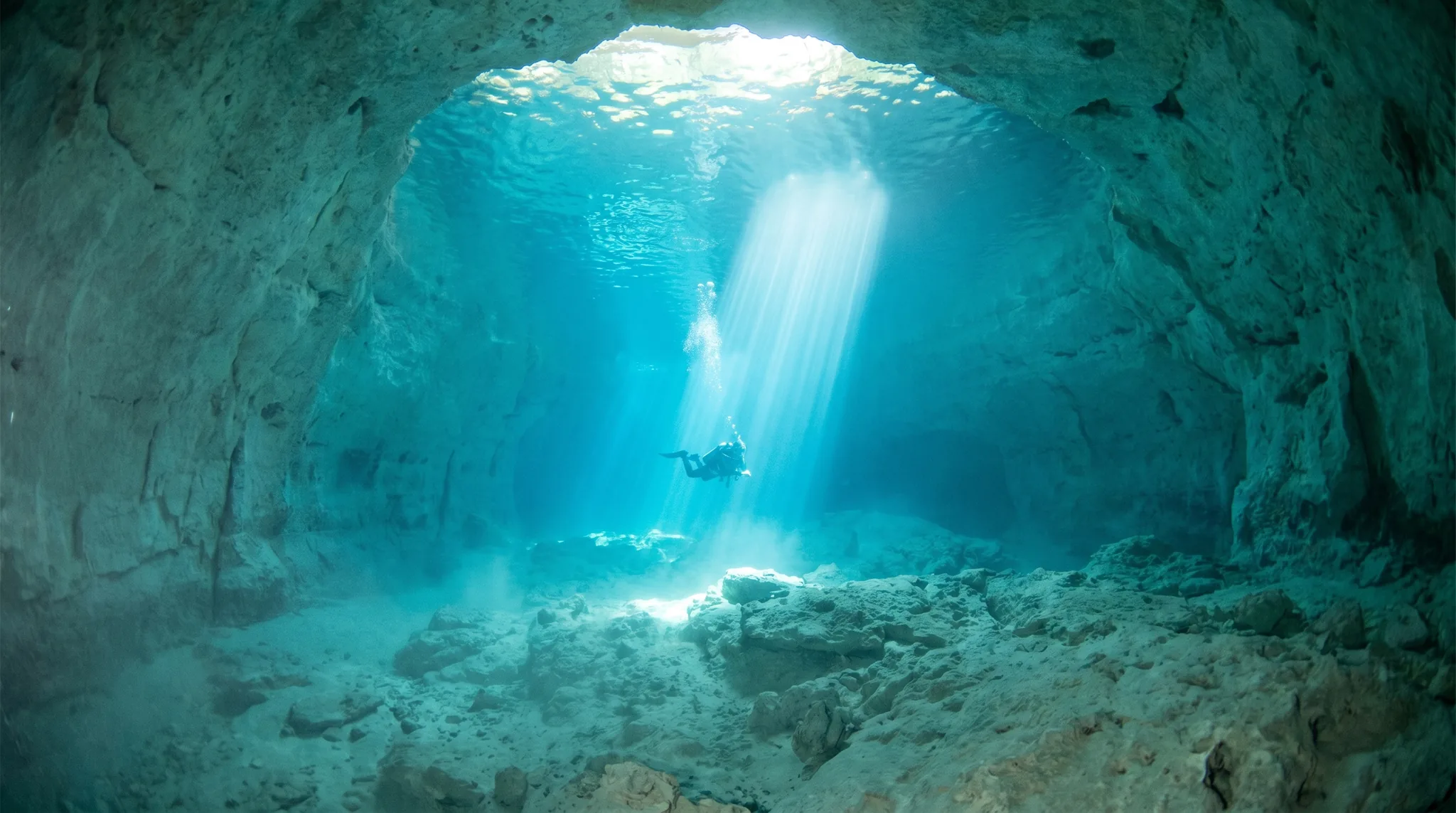
Grotta Giusti stands apart from the other sites because it is a thermal freshwater cave and cavern system rather than a typical marine reef. It offers a shore entry and is rated for beginners, with depths ranging from shallow to moderate. The consistent conditions inside the cave system make it an accessible and unusual experience within an area otherwise dominated by coastal reef and wall diving.