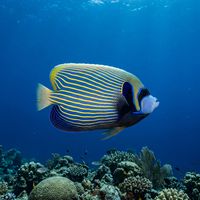
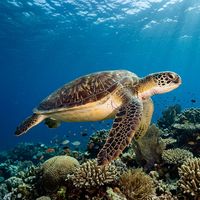
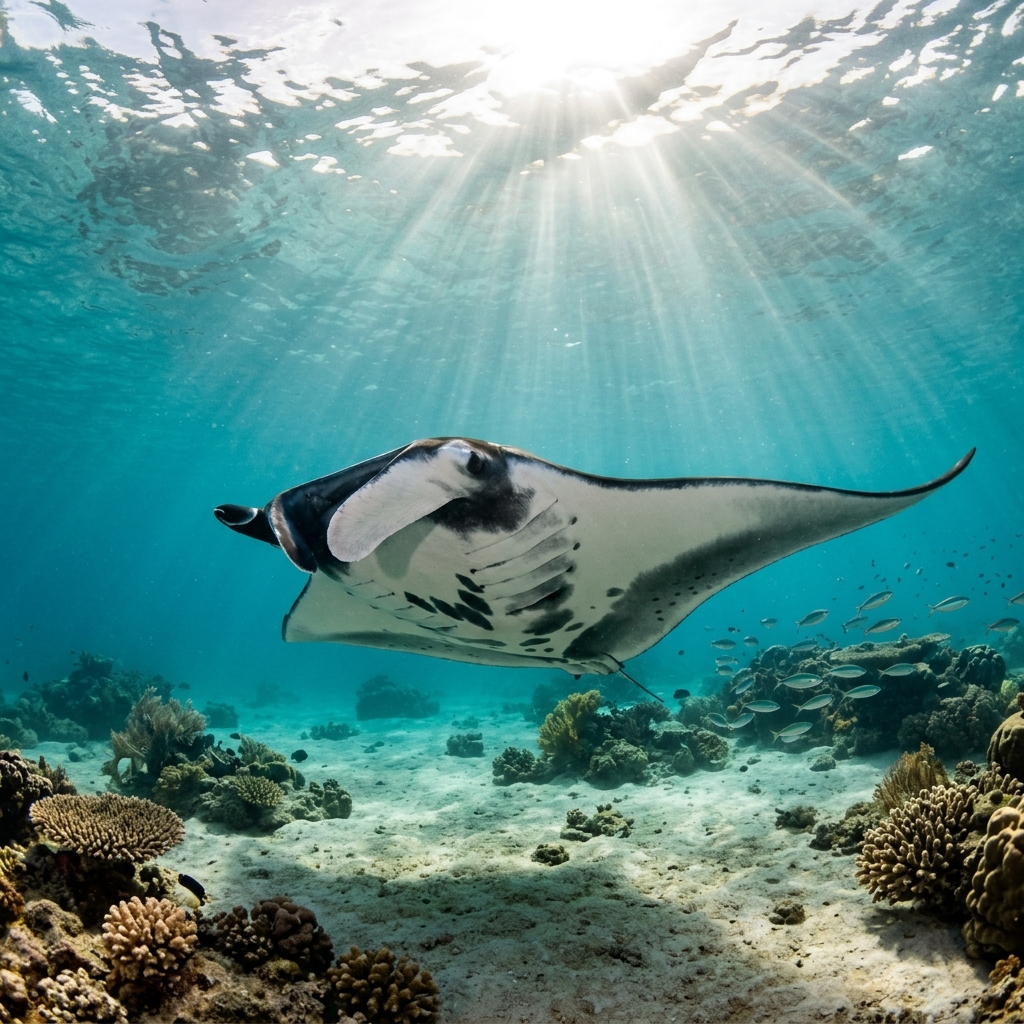
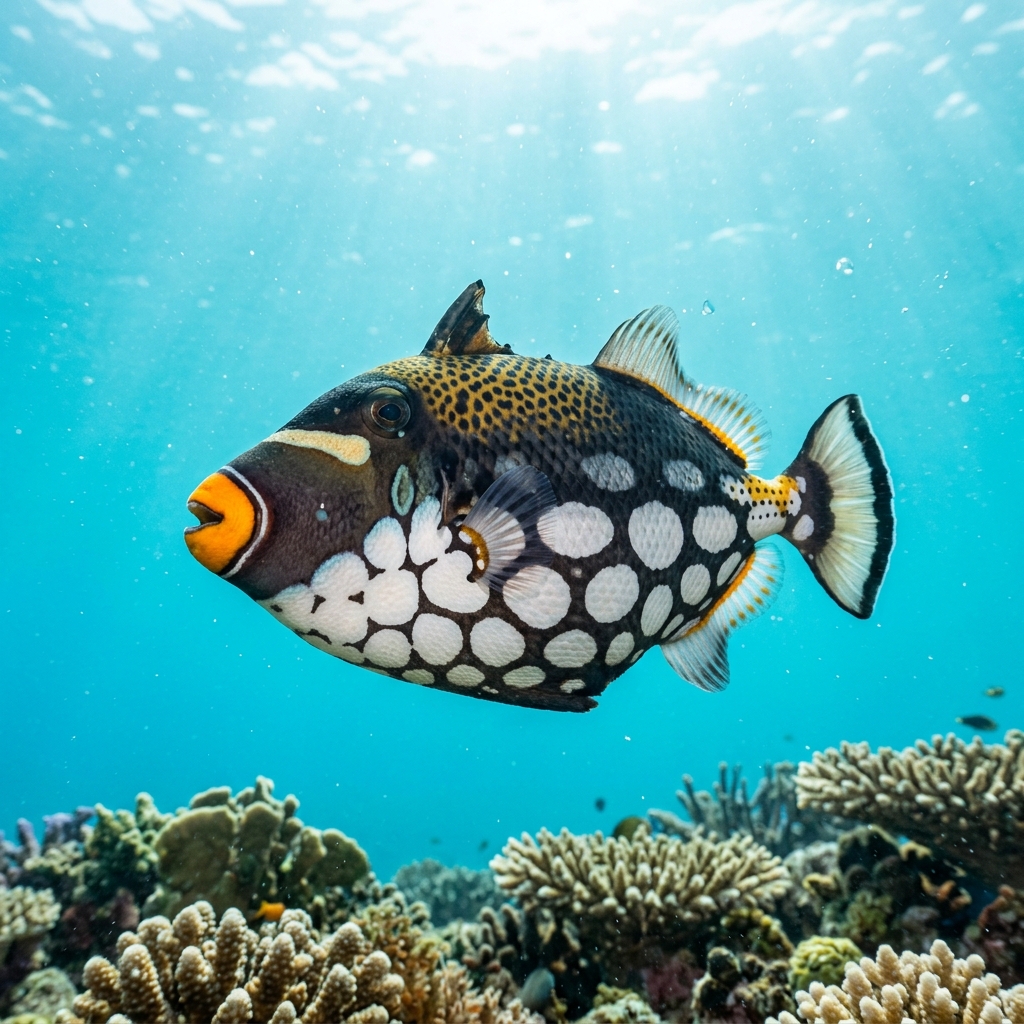
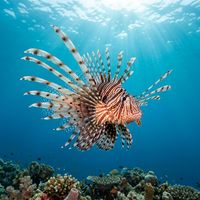
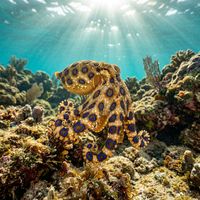
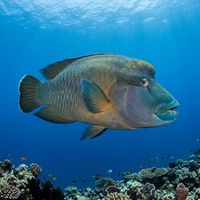
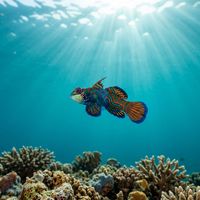
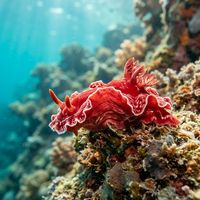
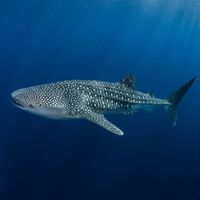
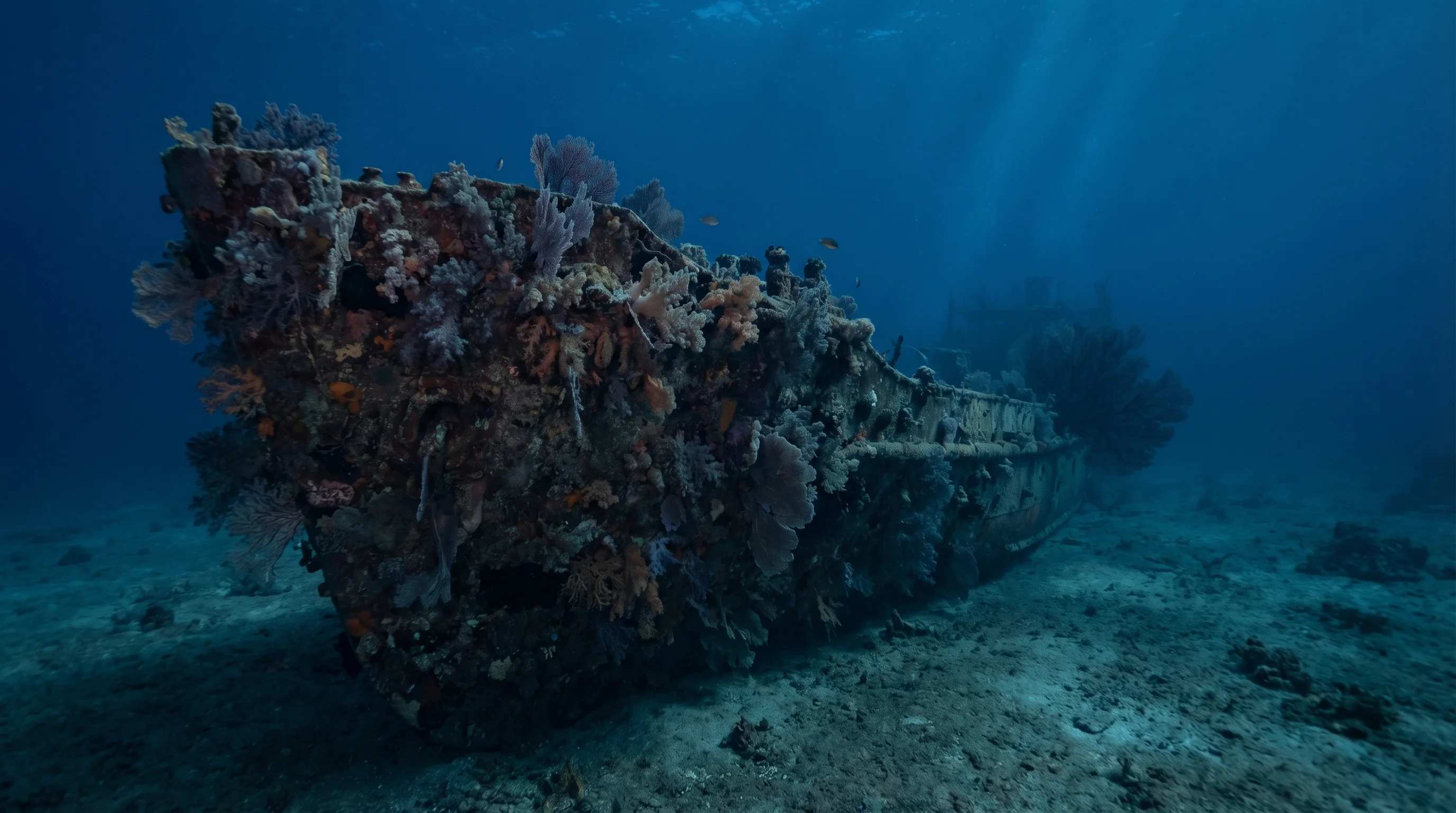
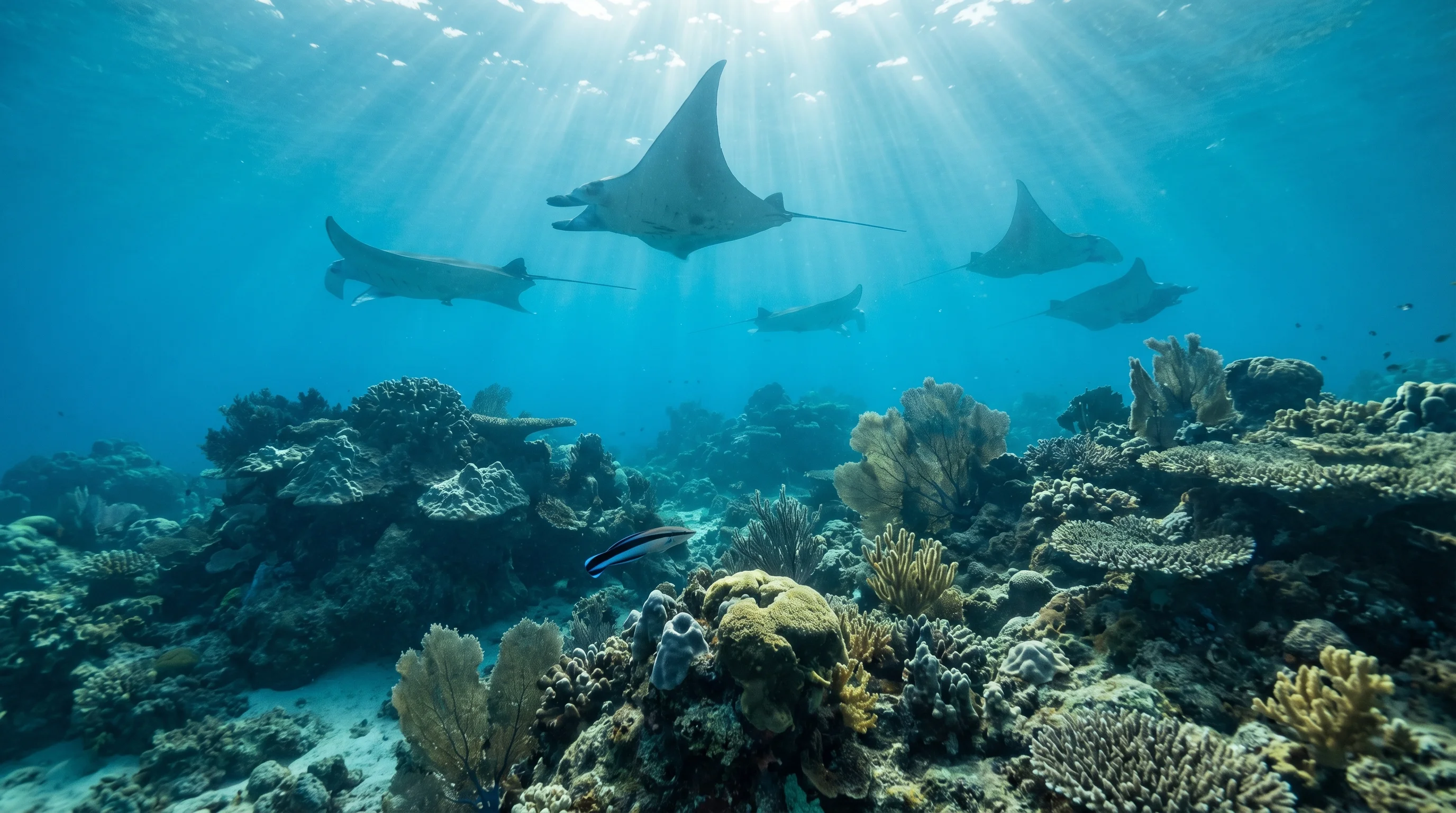
The Derawan Islands span four distinct sub-areas: Sangalaki Island, Maratua Atoll, Kakaban Island, and Samama. Sangalaki is the centre of manta ray activity, with dedicated drift sites including Manta Run, Manta Parade, and Manta Avenue. Kakaban's Barracuda Point draws advanced divers into strong currents along walls and reef. Maratua Atoll offers variety from shallow artificial reef to deep drop-offs. The Green Sea Turtle and Reef Manta Ray are frequently observed across the region, alongside Whale Shark, Napoleon Wrasse, and the striking Mandarinfish.
4 areas
Monthly water temperature across Derawan Islands's sites, from satellite sea-surface data corrected for depth. The band shows the site-to-site spread.
Water temperature stays consistently warm throughout the year, with no marked cool season. The best-months data points to a clear peak running from late spring through early autumn, when conditions across the exposed drift sites tend to be most reliable. Outside this window, sites remain diveable but conditions at current-driven sites such as Barracuda Point and Manta Avenue may be less predictable.
21 operators
Indonesia
Tanjung Palas, Indonesia
39 more sites to explore
Drift dives with Reef Manta Ray and Oceanic Manta Ray as near-guaranteed sightings, alongside Green Sea Turtle and Whale Shark.
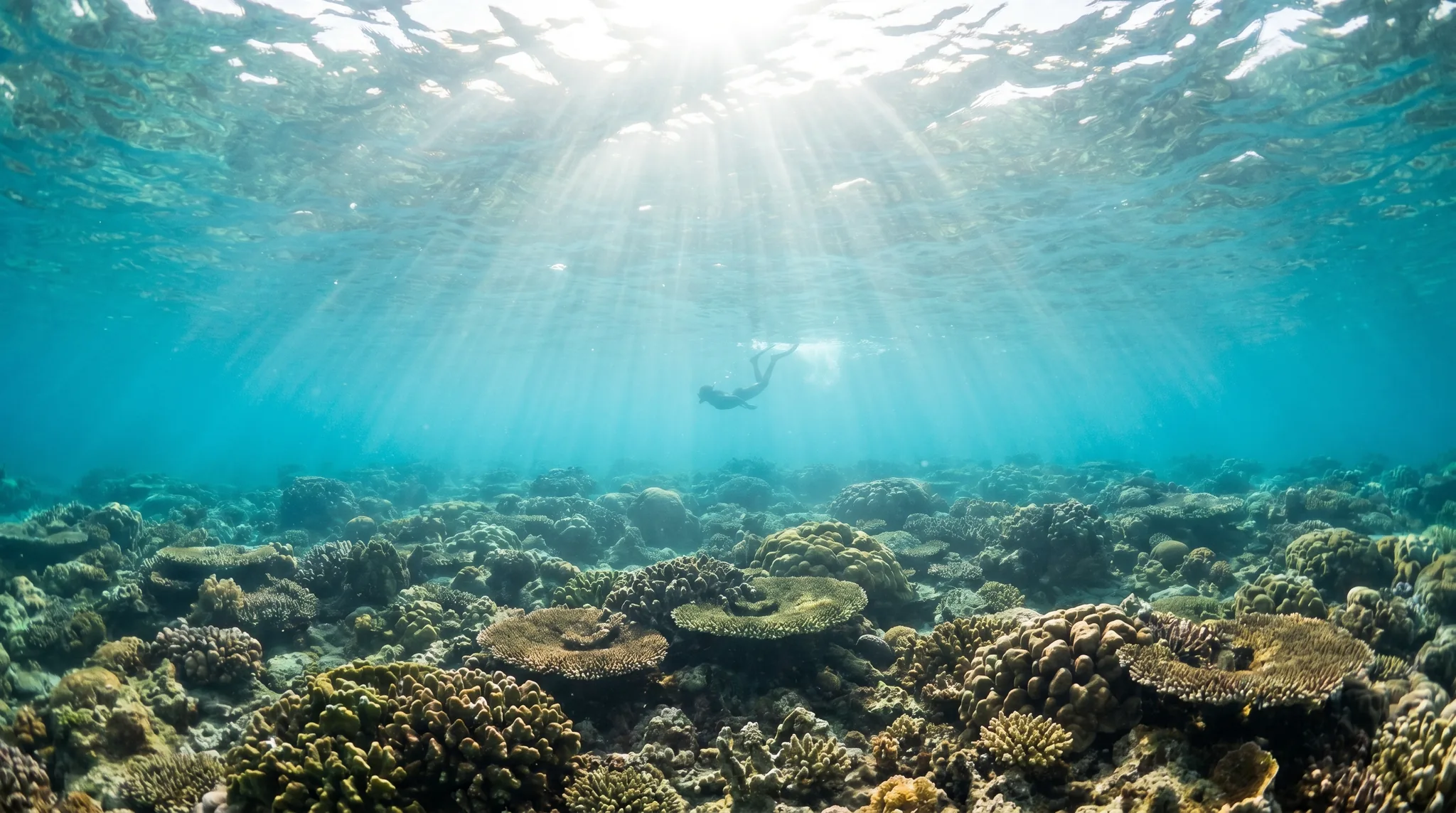
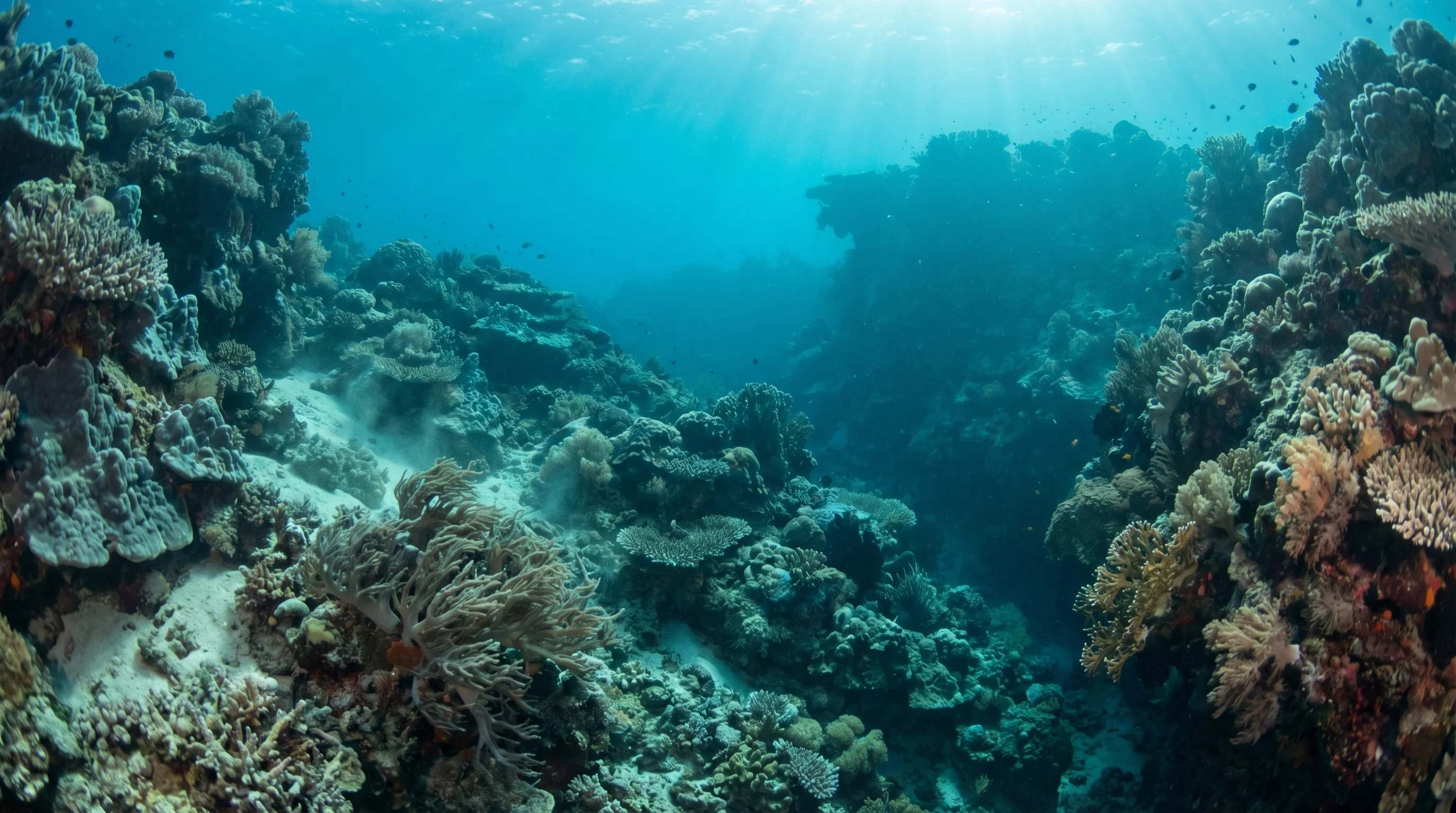
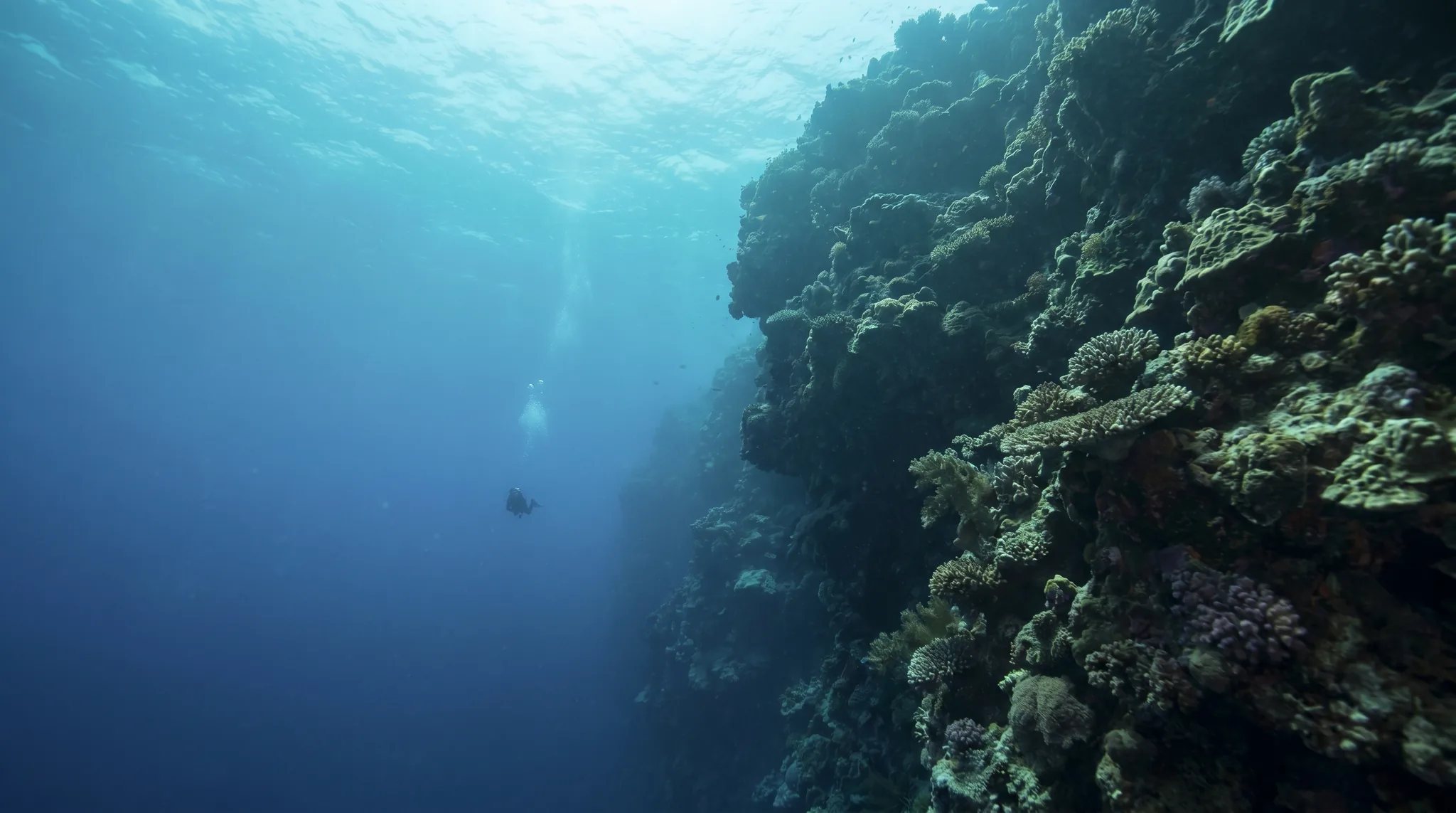
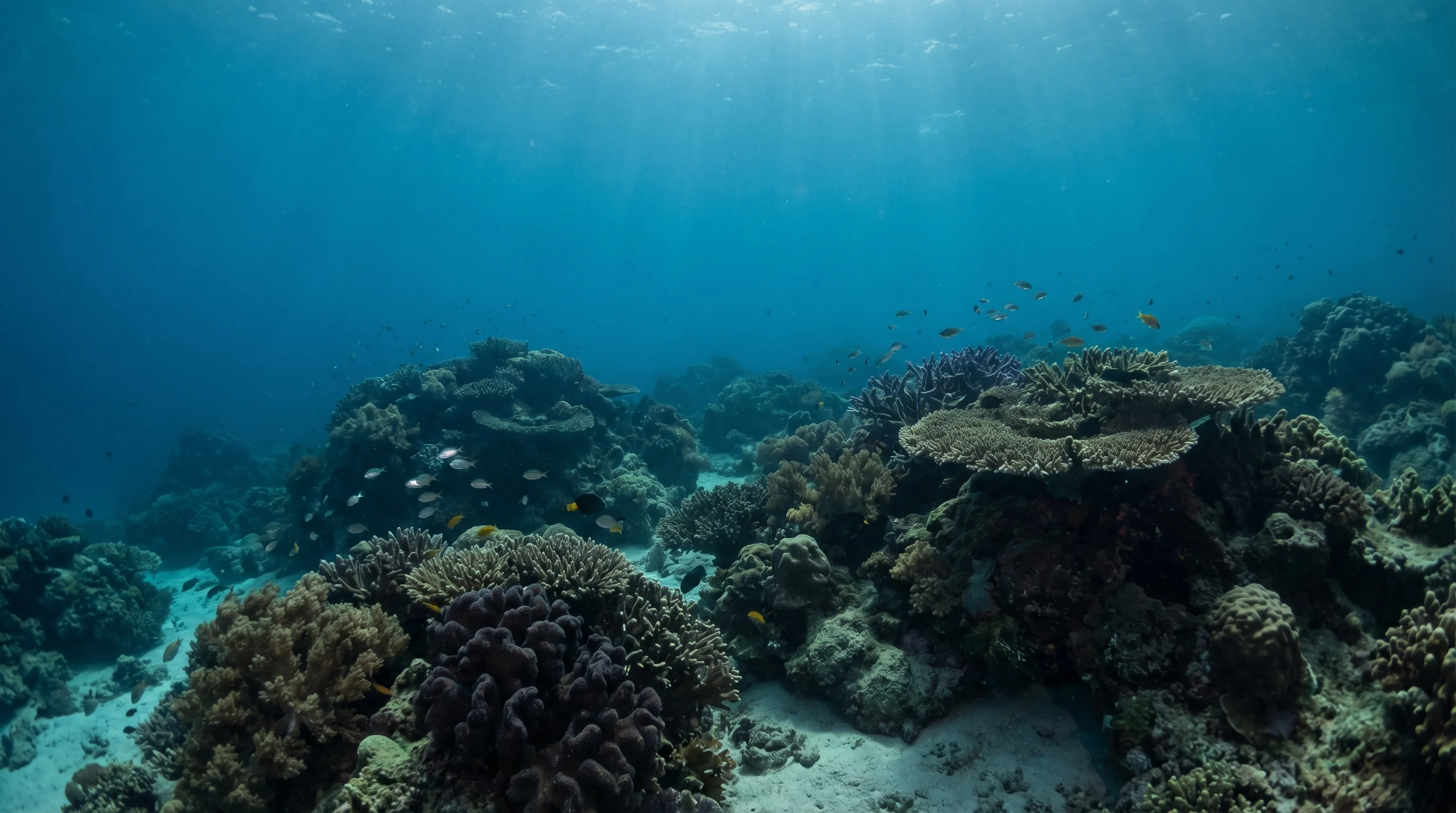
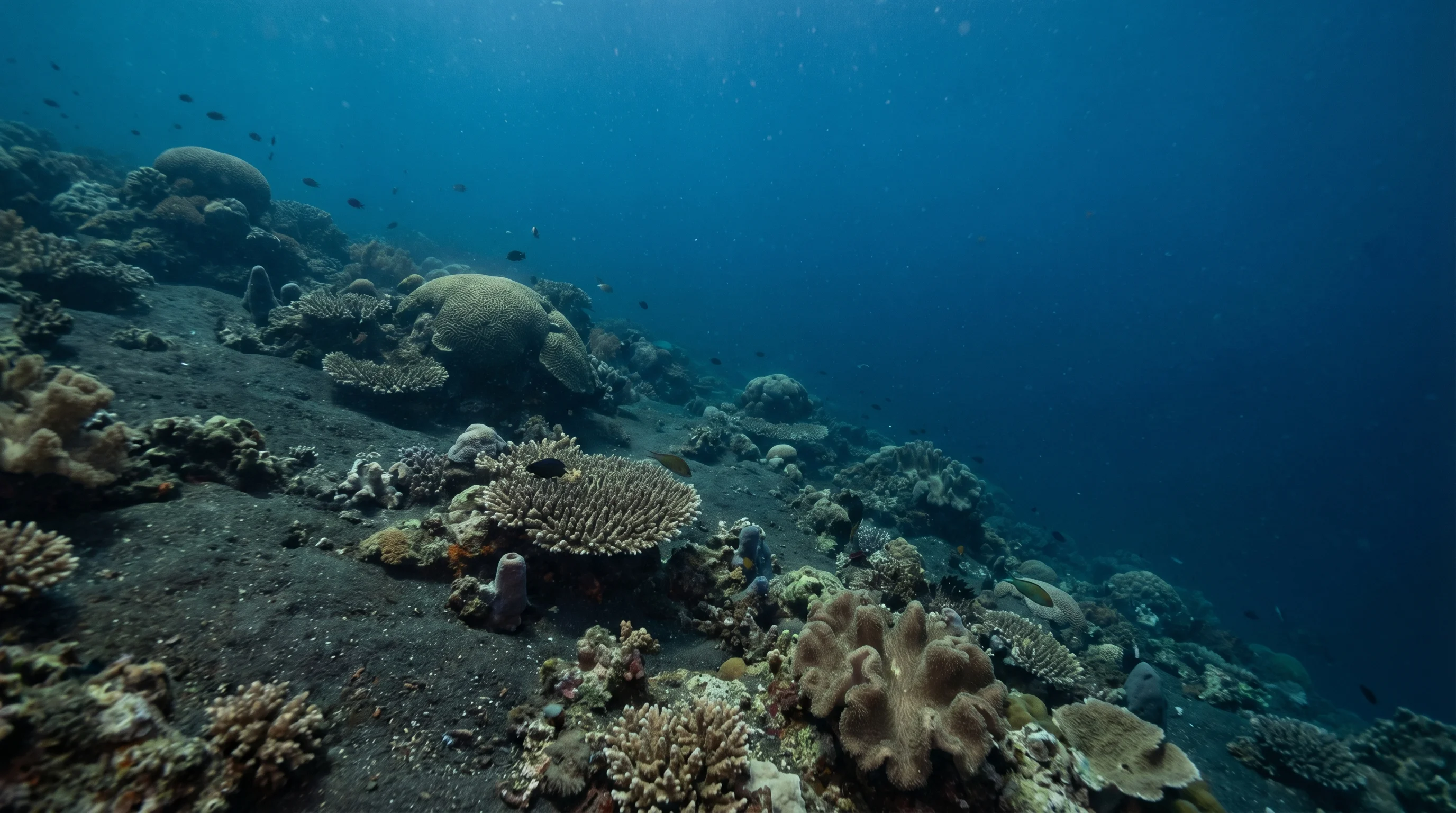
Water around Derawan Islands stays near 30°C all year, based on satellite sea-temperature data for its dive sites.
With water around 29–30°C, a rash guard or 3mm shorty works in Derawan Islands year-round.
Fin maps 51 sites in Derawan Islands (48 scuba diving sites and 9 snorkelling spots, with some suited to both), organised into 4 areas.
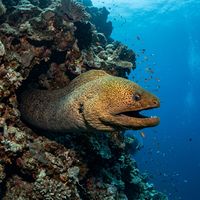
The Derawan Islands have strong observation records for Reef Manta Ray and Green Sea Turtle across multiple sites. Whale Shark is also observed, though less frequently. Larger reef fish including Napoleon Wrasse and Giant Moray are commonly encountered, and Whitetip Reef Shark is regularly seen on reef sites.
A good portion of the sites are rated beginner level, including Sandy Ridge and Turtle Traffic off Sangalaki and Maratua respectively, as well as the shore-entry Jetty Dive at Maratua Atoll. Advanced sites such as Barracuda Point and Manta Avenue involve strong currents and are not appropriate for those early in their diving experience. Intermediate divers will find options at Manta Run and Light House.
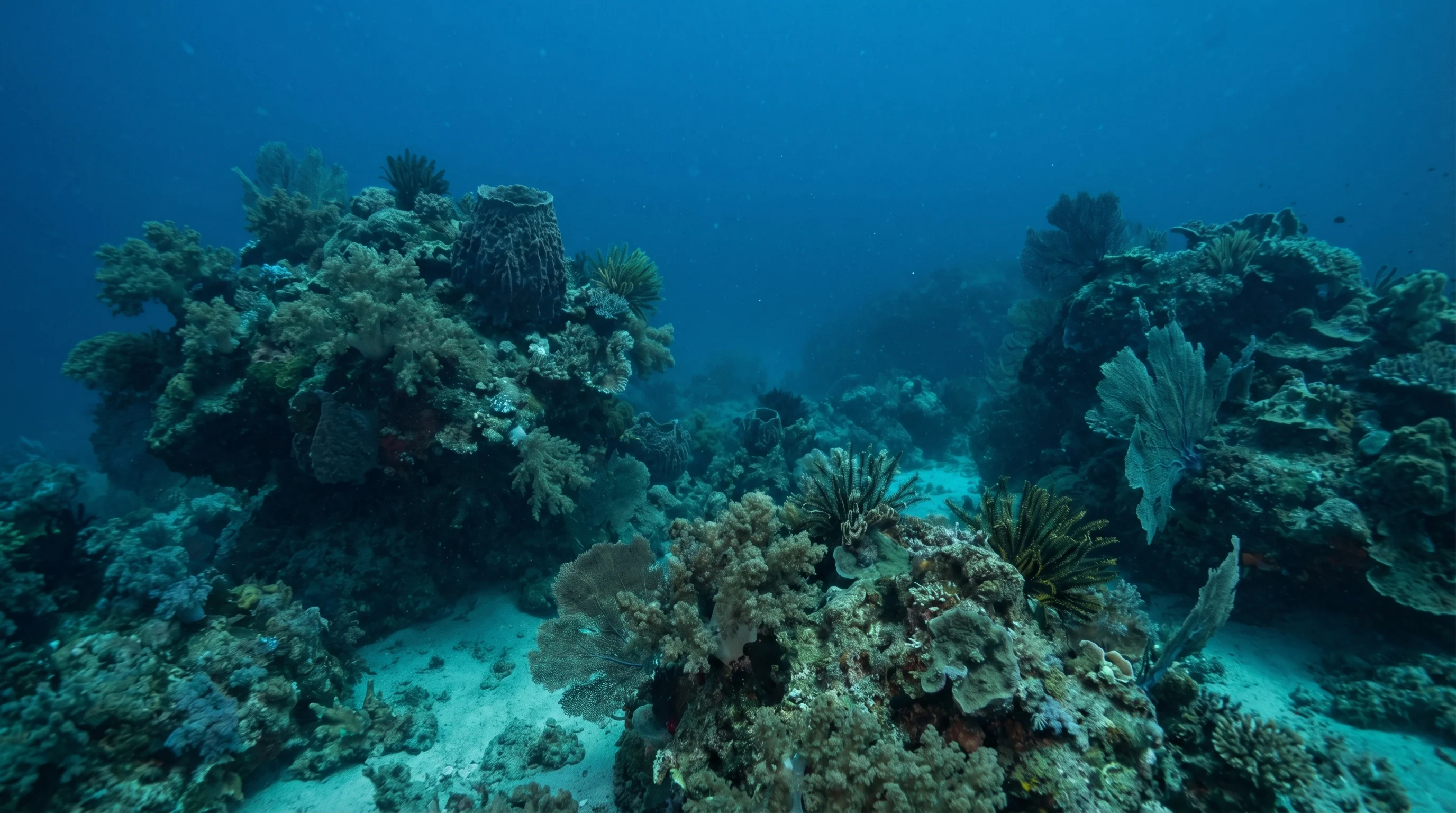
Sangalaki Island is defined by its manta ray drift dives, with several sites specifically named for this encounter. Kakaban Island is home to Barracuda Point, a demanding wall and drift site for advanced divers. Maratua Atoll offers the widest variety, from shallow artificial reef to deep drop-offs like Light House. Samama rounds out the region with additional sites, giving the area as a whole considerable range in site type and skill level.
The vast majority of sites across the Derawan Islands are accessed by boat. Shore entry is available at a small number of sites, including Jetty Dive at Maratua Atoll and Maratua Jellyfish Lakes. Operators based across the islands, including Maratua DIVE Centre, Sangalaki Resort, and Scuba Junkie, typically arrange boat transfers to the main dive sites.