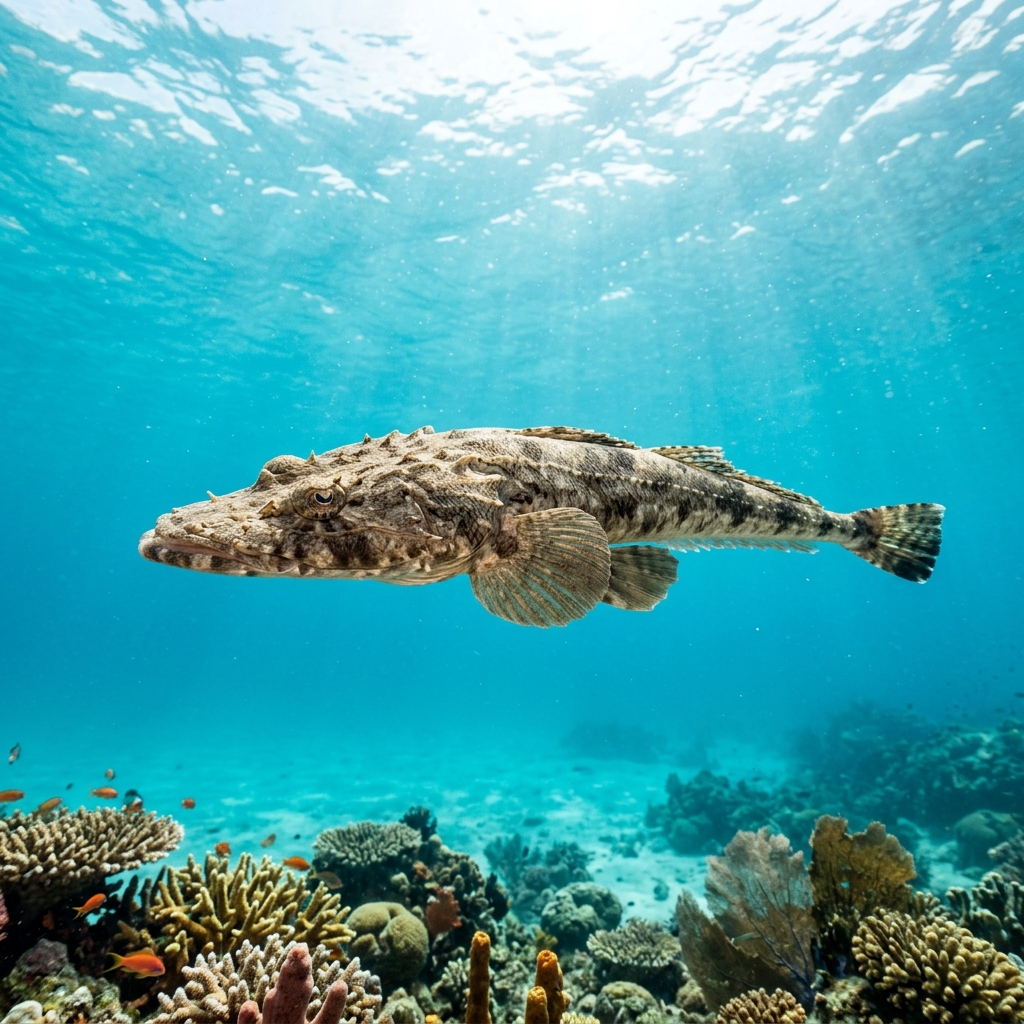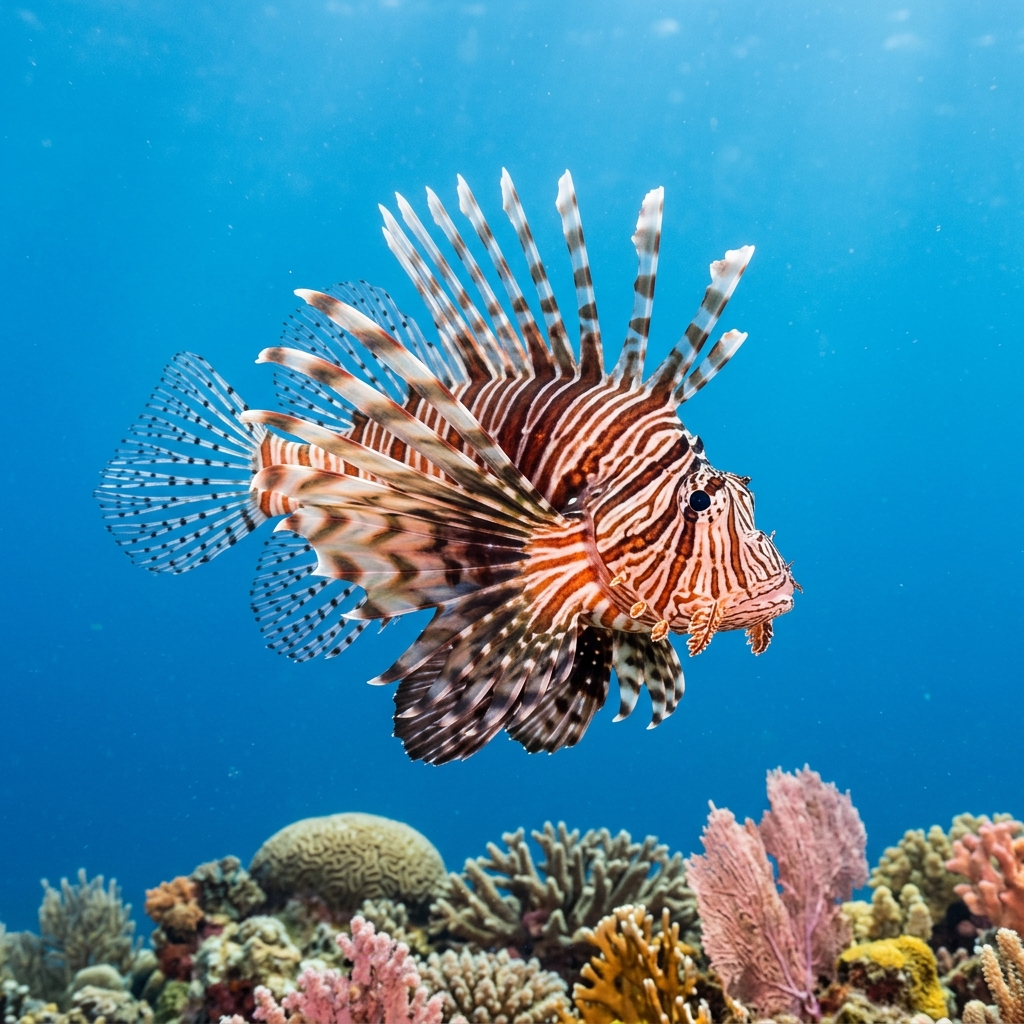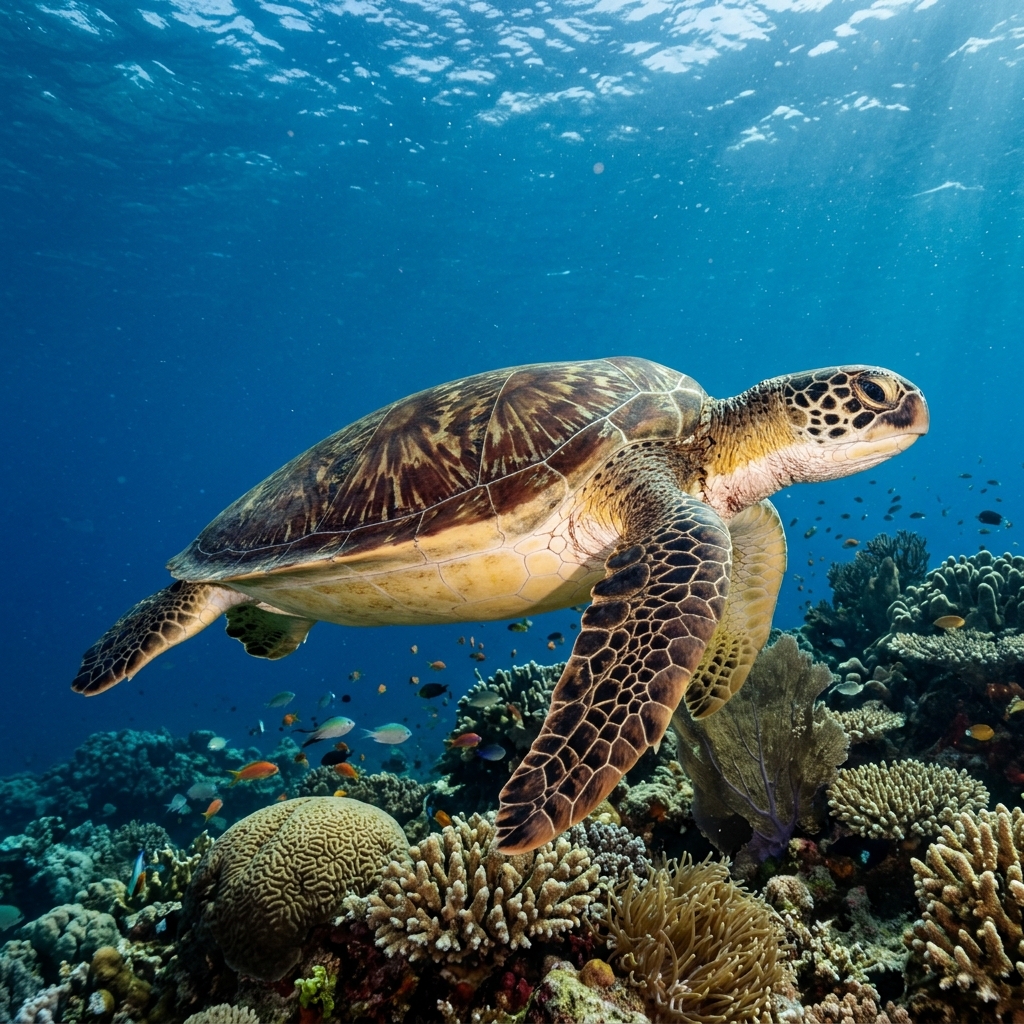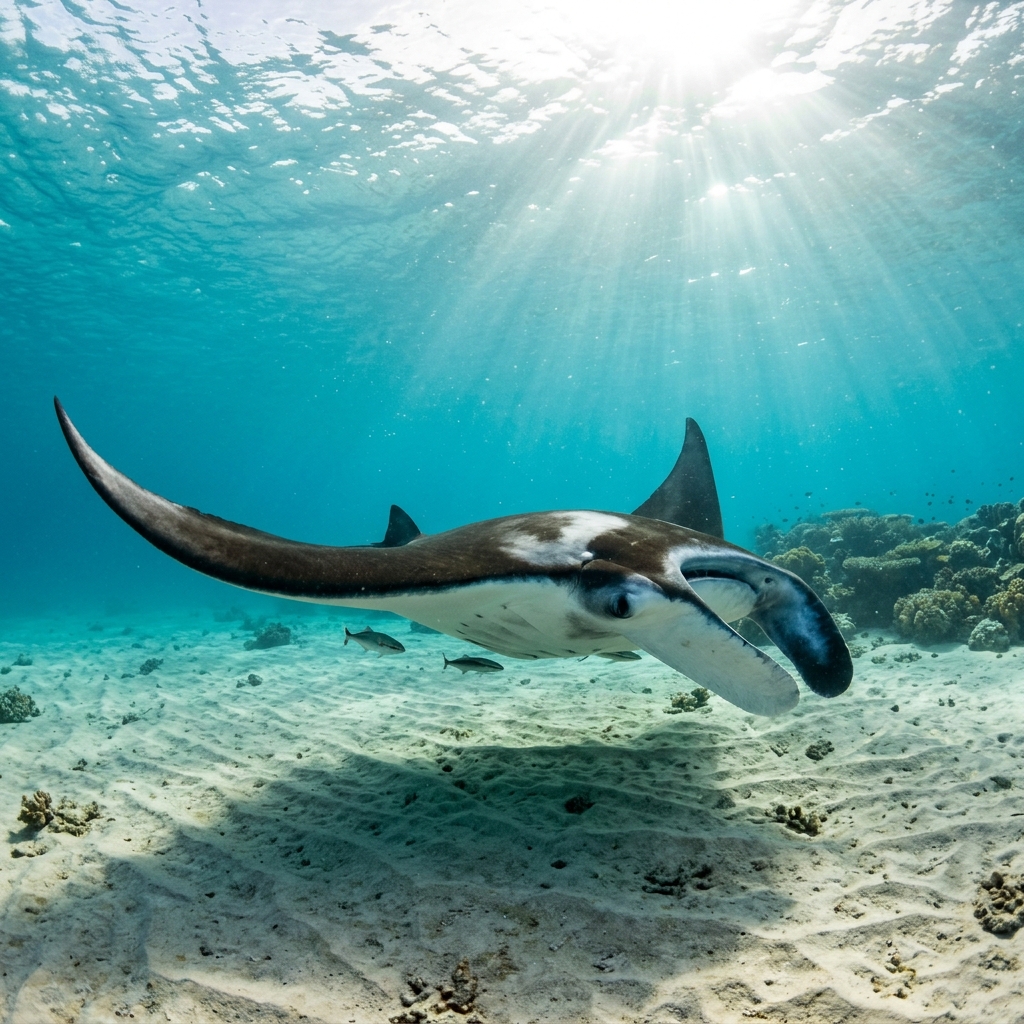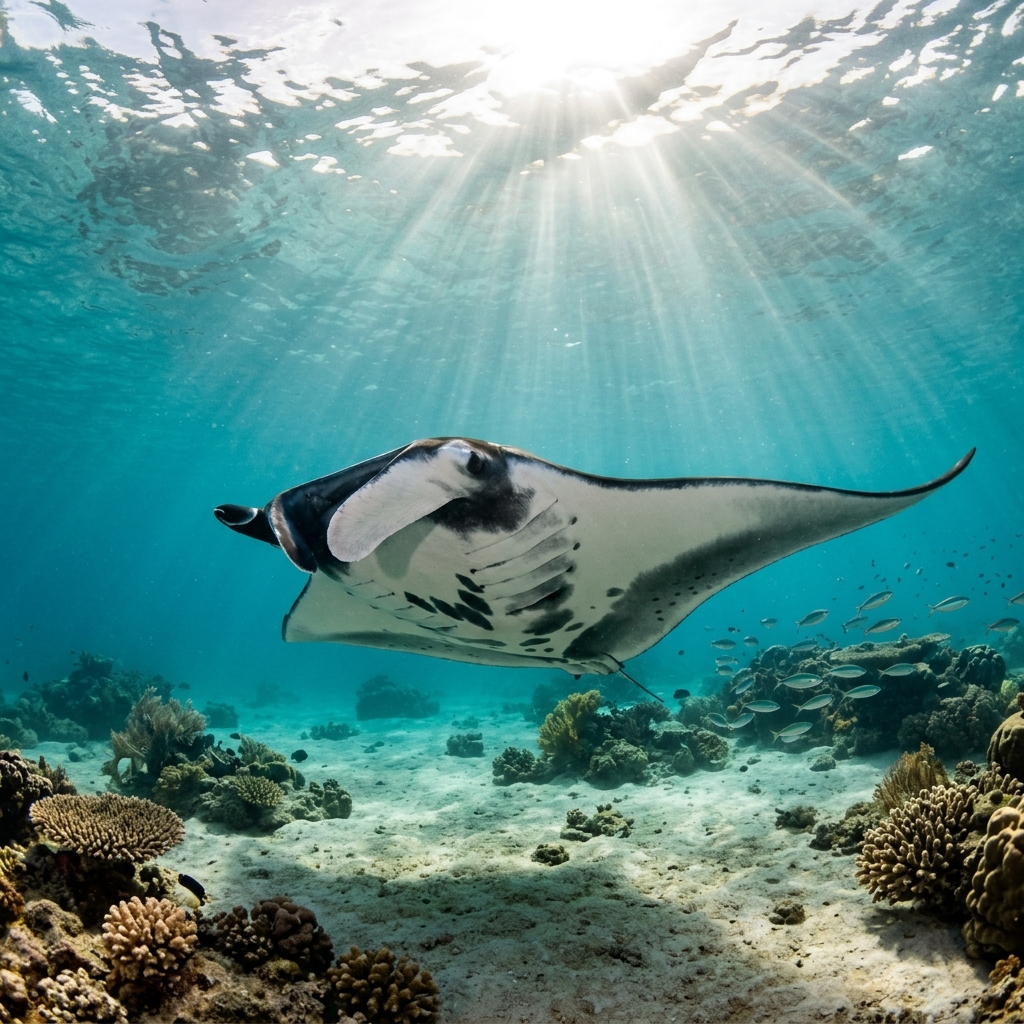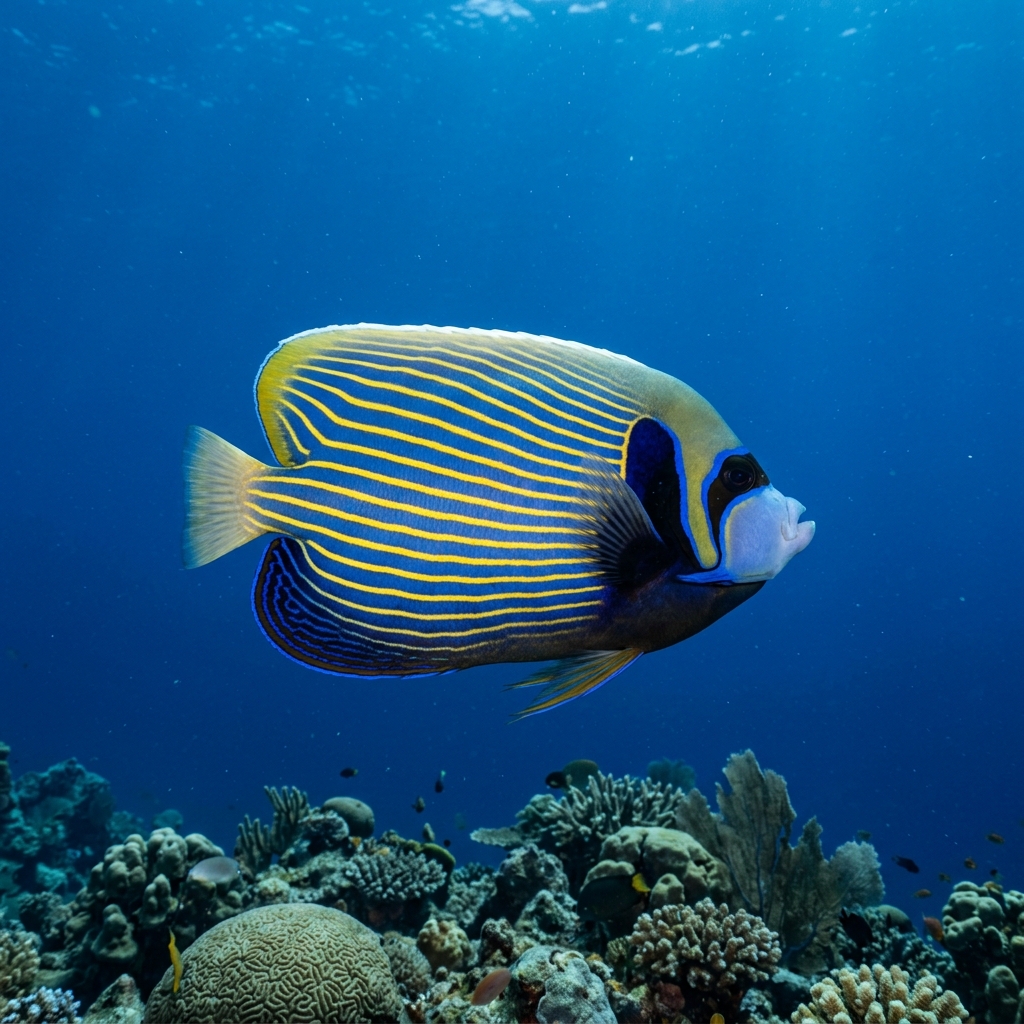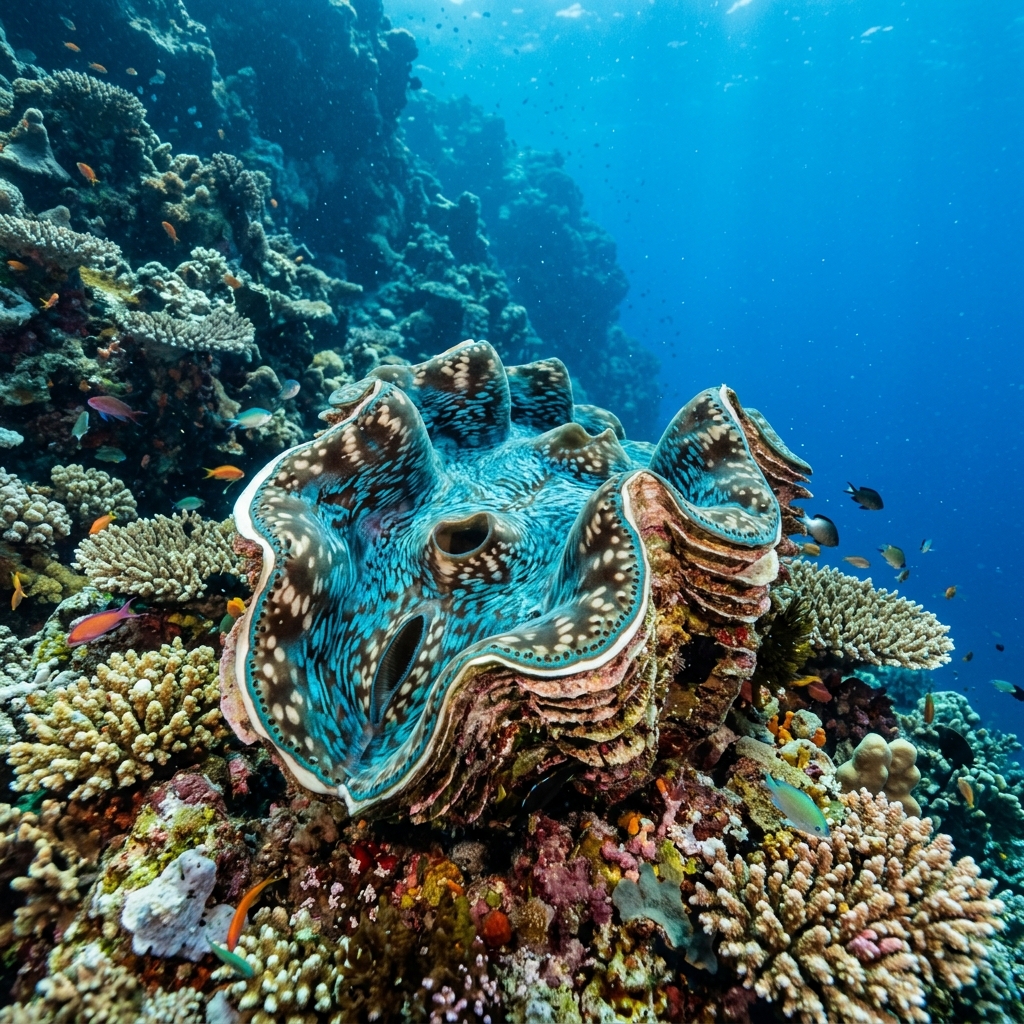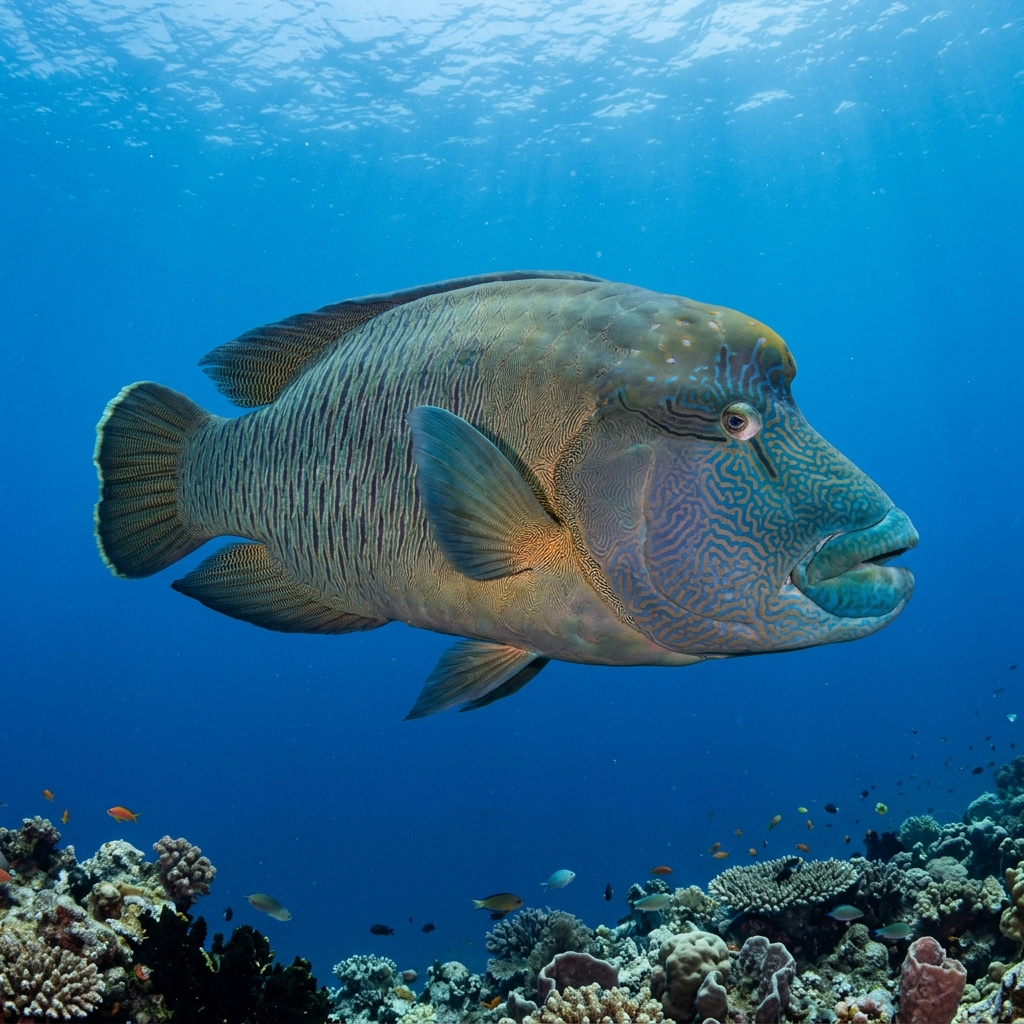
Best for beginner divers, 10-25m, boat entry, mild current.
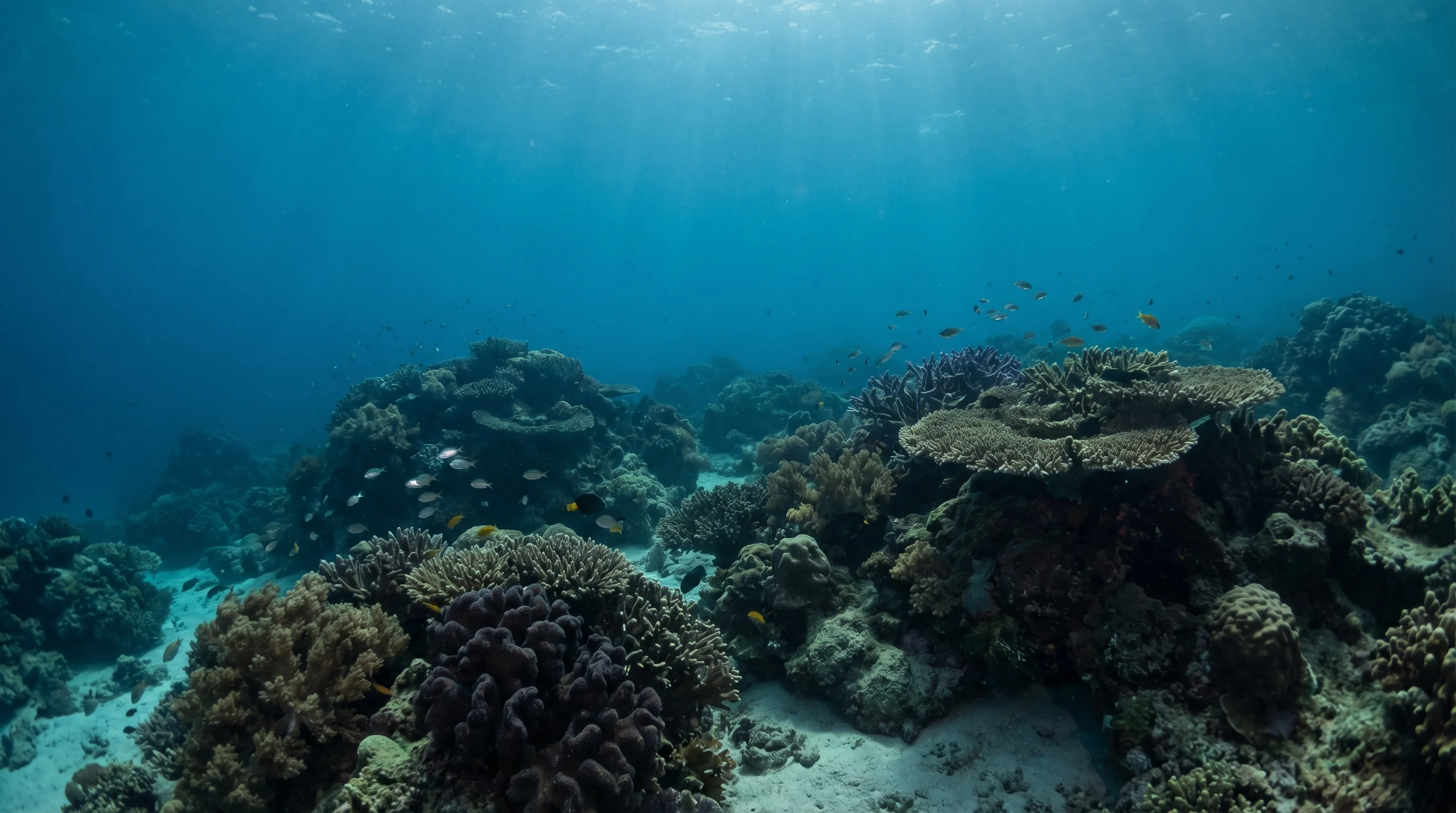
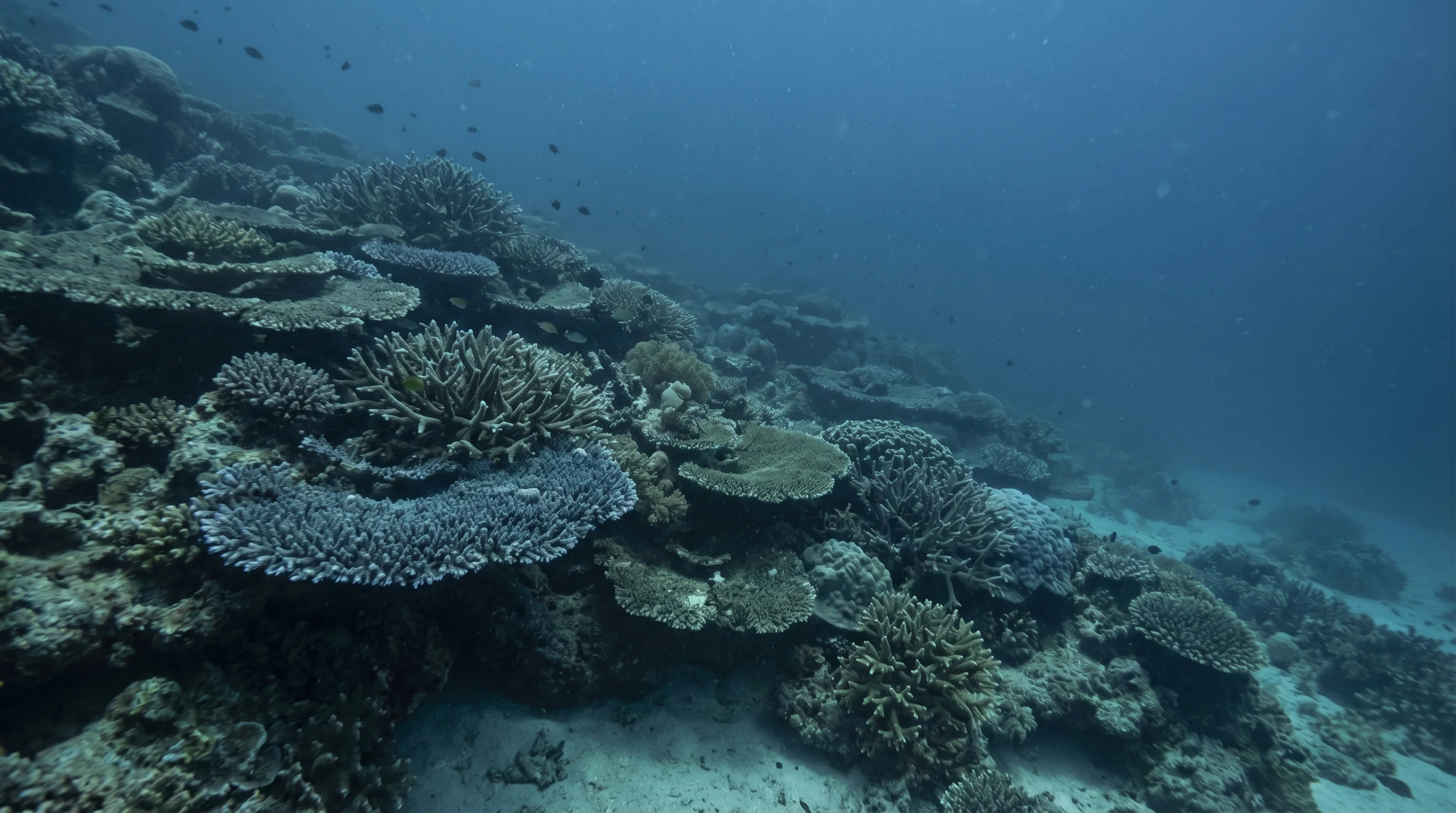
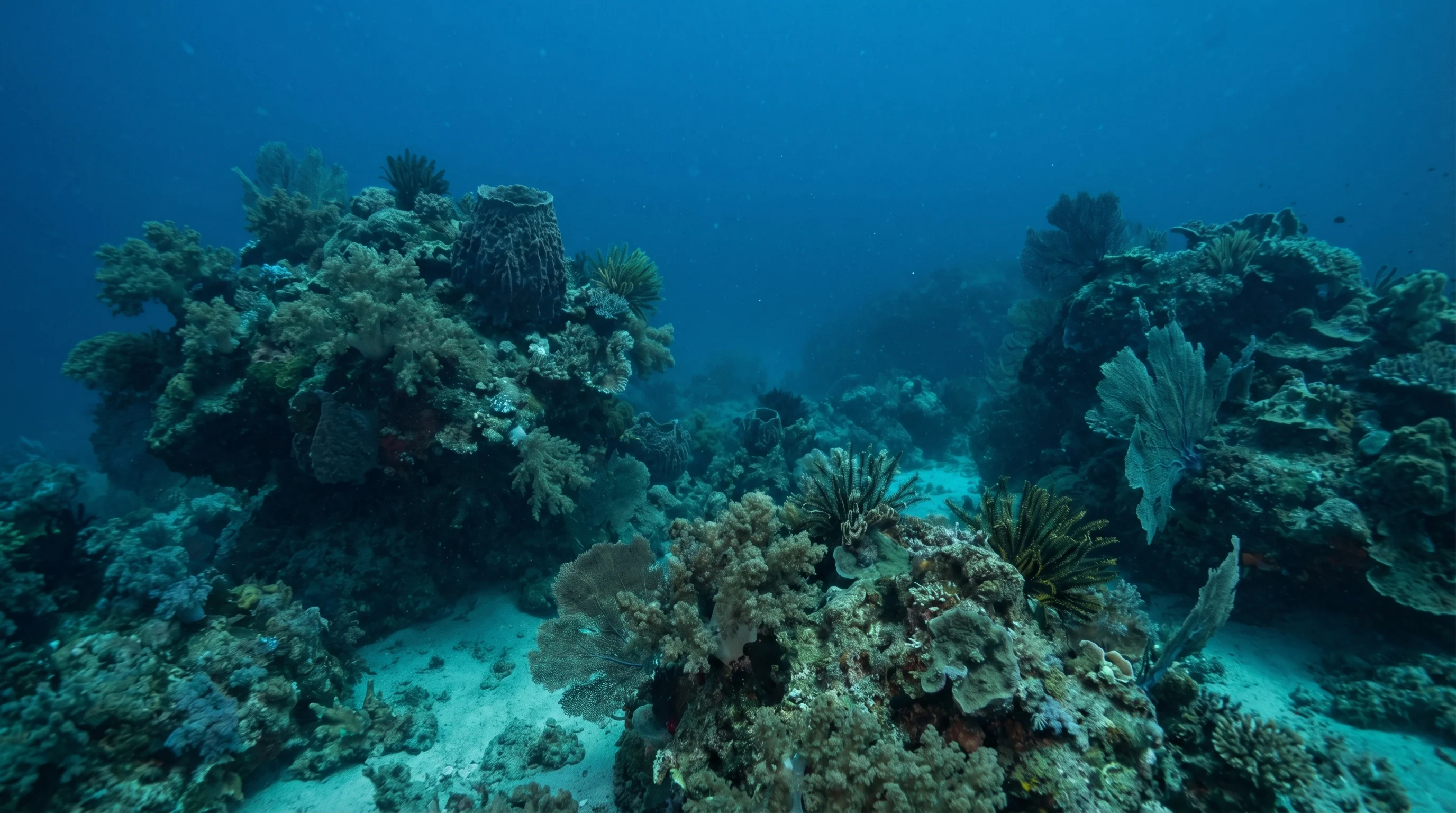
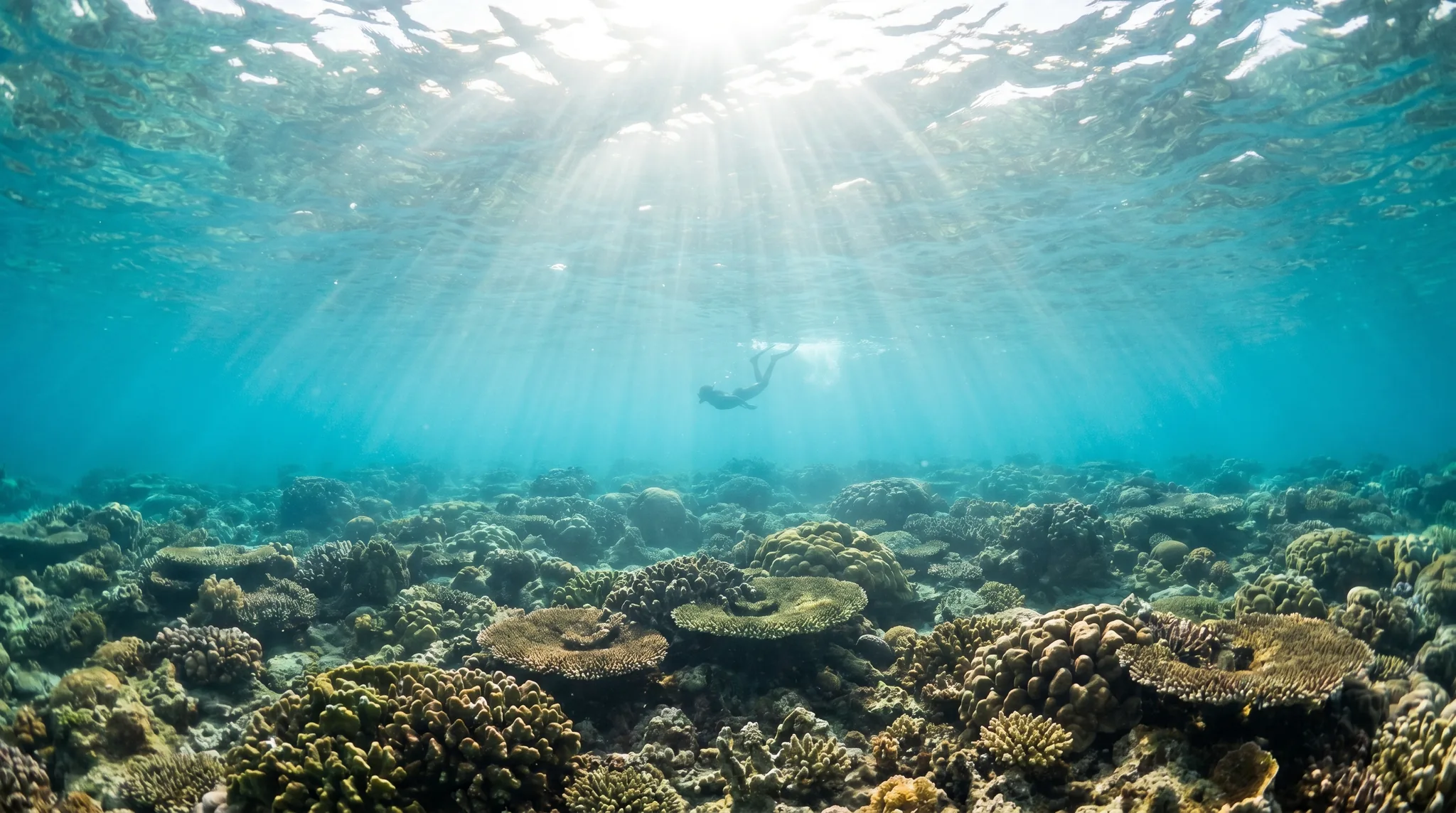
Sandy Ridge is a reef dive located off Sangalaki Island, Indonesia. The site features depths ranging from 10 to 25 metres, with an average depth of 18 metres, making it suitable for beginners. Divers experience mild currents and visibility typically between 15 and 30 metres. Access is by boat only, and divers should be aware of active boat traffic in the area. Always deploy a surface marker buoy before ascending to ensure visibility to passing vessels. Exercise caution to avoid contact with sharp coral and rocks to protect the reef structure.
1.88883, 118.43688
Keep a close eye on boat traffic when you surface, as vessels move through the area regularly. Signal your presence clearly with your surface marker buoy before ascending.
Access info coming soon
Recorded at this site
Depth
10-25m
Visibility
15-30m
Skill Level
Beginner
Entry
Boat
Boat required
Water Temp
29-30°C
Current
Mild
Best Time
Apr, May, Jun, Jul, Aug, Sep, Oct, Nov, Dec
Yes, the site is suitable for beginners due to the mild currents and manageable depths.
The site ranges from 10 to 25 metres deep, with an average depth of 18 metres.
Sandy Ridge is a boat dive, and a boat is required to reach the site.
Divers must watch for sharp coral and rocks to avoid contact. Additionally, active boat traffic requires the use of a surface marker buoy before ascending.
Diving at Sandy Ridge in Sangalaki requires the following certifications: Open Water. Always dive within your training limits.
A rashguard or 2mm shorty is recommended for diving at Sandy Ridge in Sangalaki. Water temperatures range from 29°C to 30°C.
The best months to visit Sandy Ridge in Sangalaki are April, May, June, July, August, September, October, November, and December. Conditions outside these months can still be good but are less predictable.
Sandy Ridge in Sangalaki typically has mild currents that most divers can handle comfortably.
Visibility at Sandy Ridge in Sangalaki typically ranges from 15 metres to 30 metres. Conditions vary with weather, tides, and seasons.