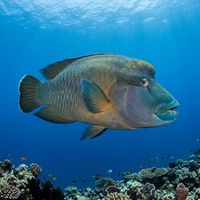
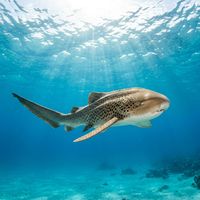
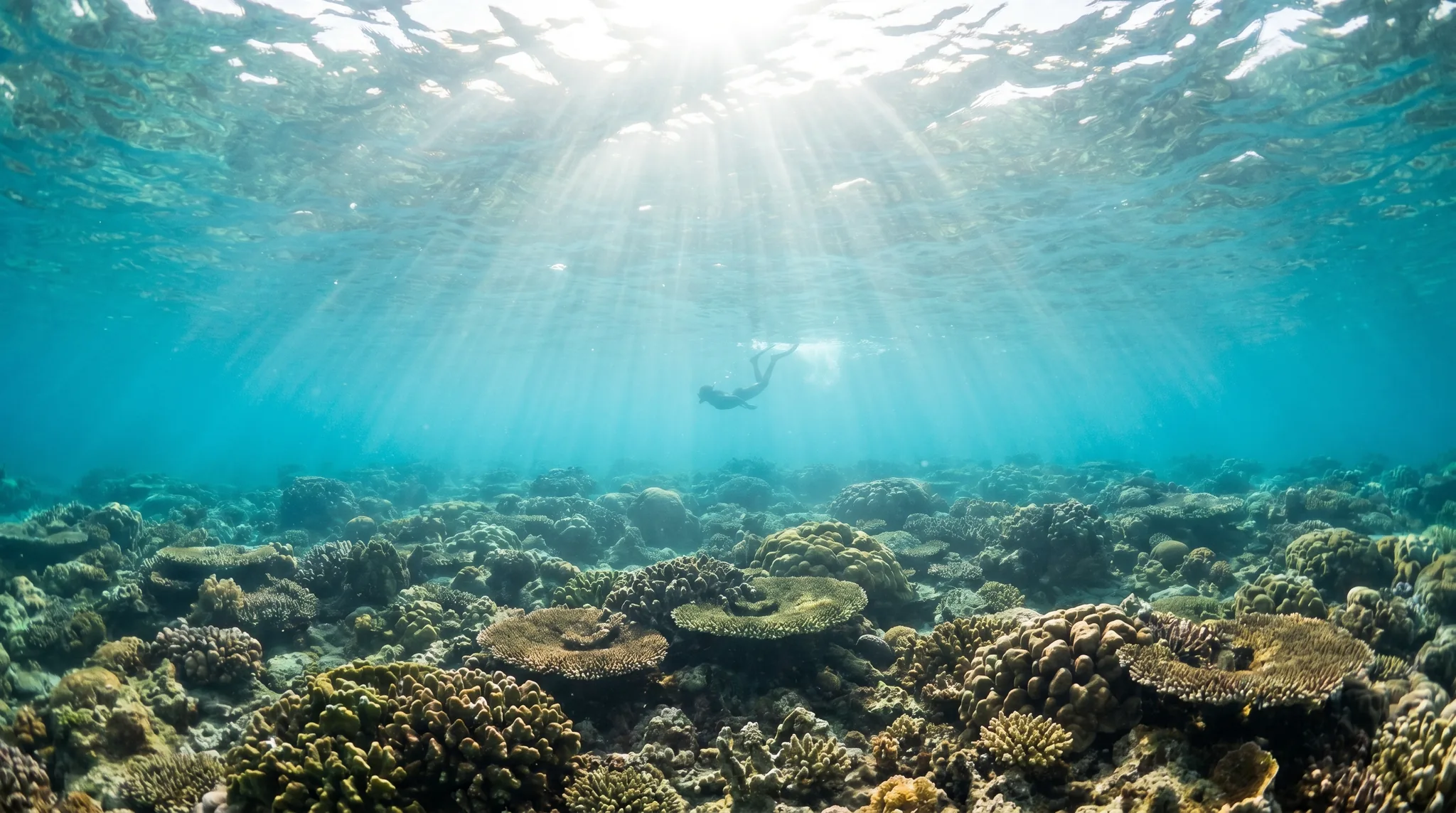
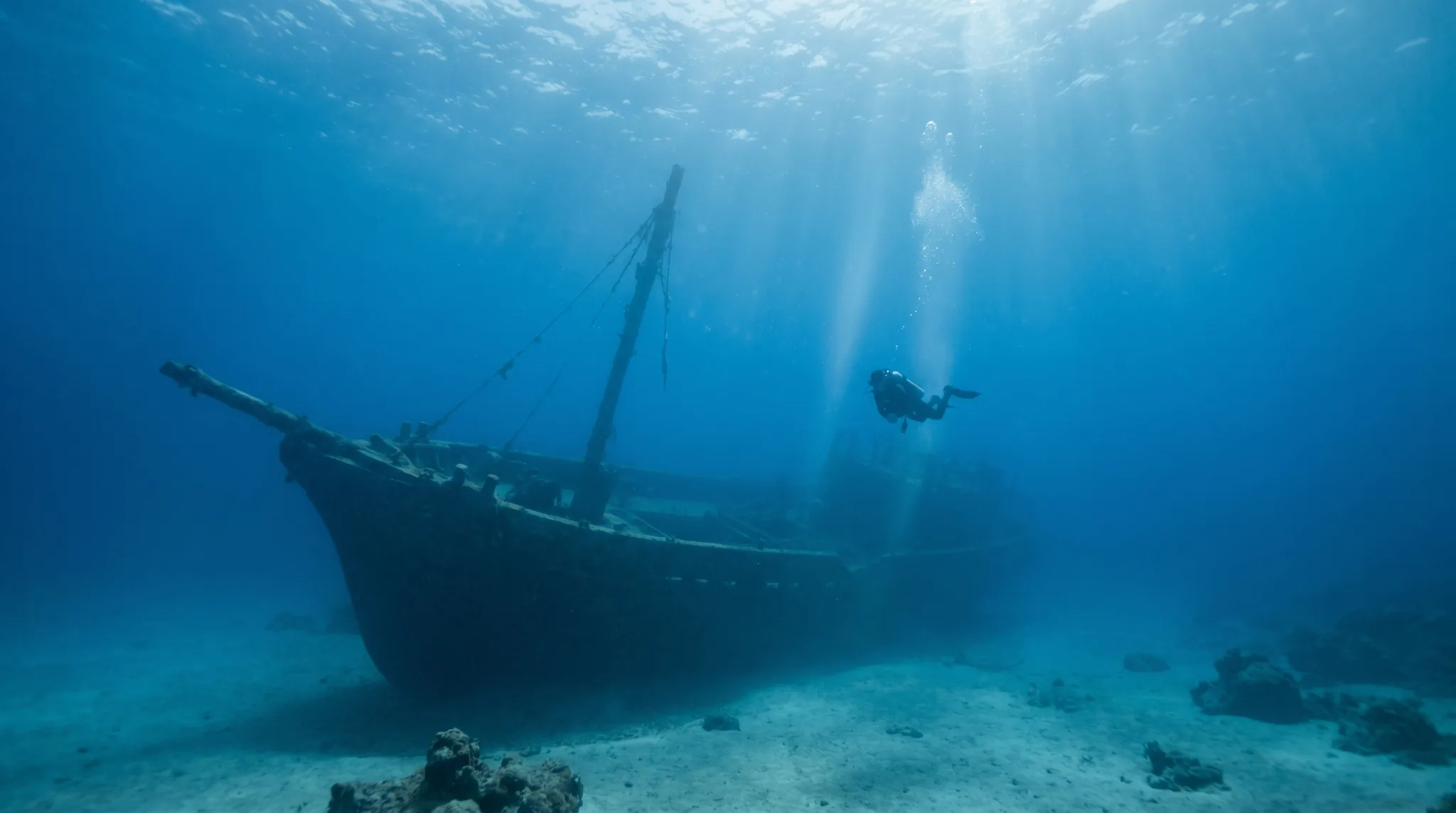
Lankayan Island's diving revolves around a compact collection of reef and wreck sites, all reached by boat. Natural coral gardens sit alongside deliberately sunk structures that have matured into artificial reefs, giving divers variety within a small area. The Zebra Shark and Napoleon Wrasse are consistently observed across sites, while the Chromodoris Nudibranch appears at virtually every dive. Conditions are warmest from June through October, which aligns with the peak season recorded by local divers.
Monthly water temperature across Lankayan Island's sites, from satellite sea-surface data corrected for depth. The band shows the site-to-site spread.
Water temperature stays warm throughout the year, nudging its highest from June through October, which is also when diver activity peaks. Visibility can vary considerably, so conditions are not uniformly settled, and some sites sit in more exposed positions. The shoulder months of April, May and October offer a balance of good conditions and fewer crowds compared to the core summer window.
4 operators
11 more sites to explore
Water temperature around Lankayan Island ranges from about 28°C in January to 30°C in June, based on satellite sea-temperature data for its dive sites.
With water around 28–30°C, a rash guard or 3mm shorty works in Lankayan Island year-round.
Fin maps 16 sites in Lankayan Island (16 scuba diving sites and 2 snorkelling spots, with some suited to both).
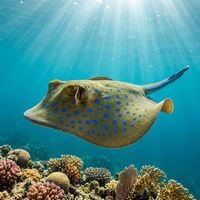
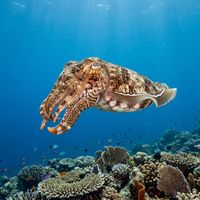
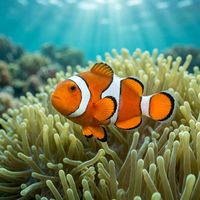
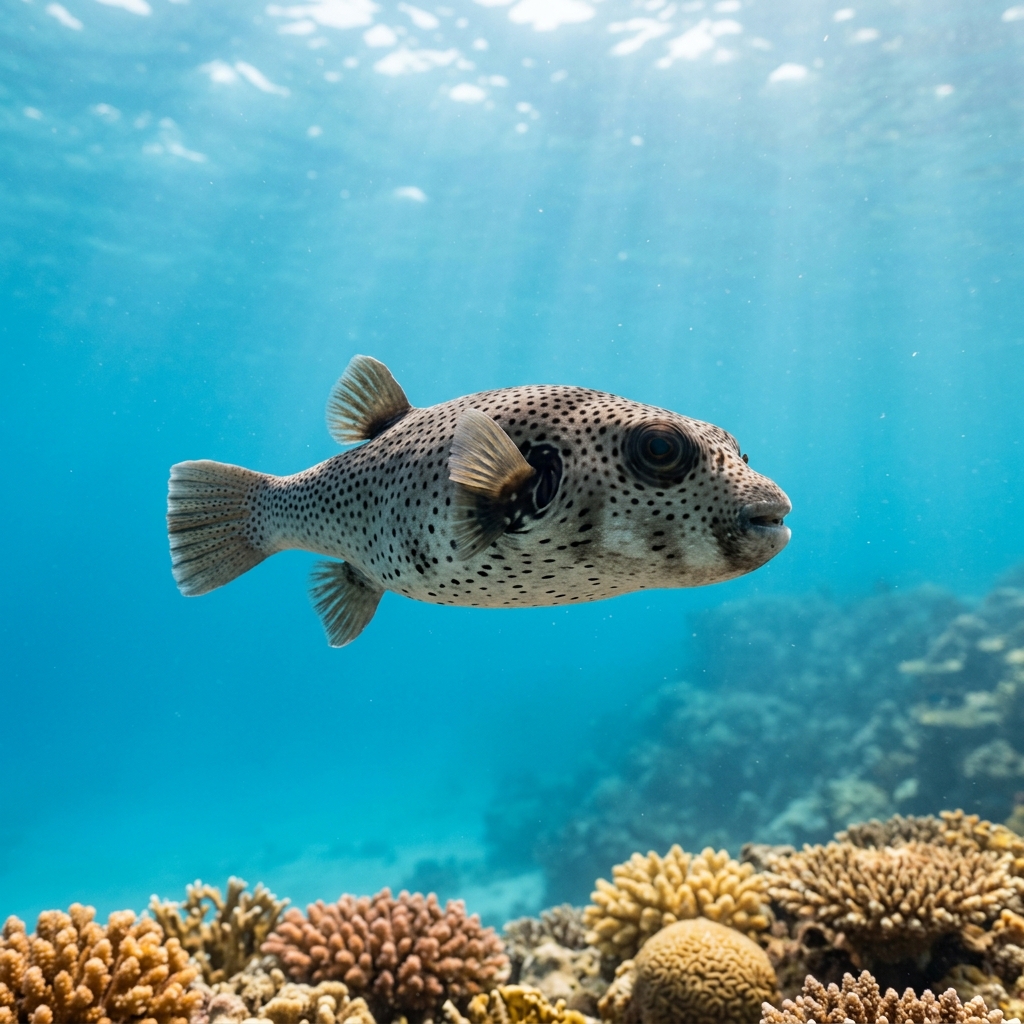
The Zebra Shark and Napoleon Wrasse are among the most frequently observed species across the dive sites. Green Sea Turtle and Hawksbill Sea Turtle are also listed as signature species for the island. The Bluespotted Fantail Ray and Broadclub Cuttlefish round out the headline encounters.
The site mix leans intermediate, with most reef and wreck sites rated at that level. However, Ricky Rock is specifically listed as a beginner-friendly reef dive, offering a shallower and more straightforward introduction to the island's underwater character. Divers new to wrecks should note that the Langkayan Wreck includes a penetrable structure, which carries additional considerations.
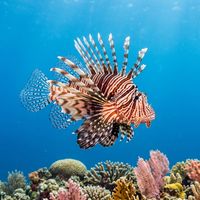
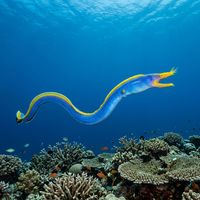
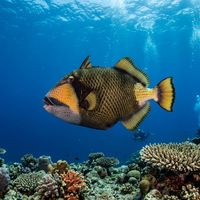
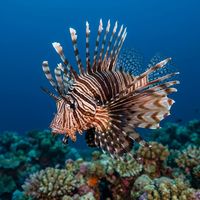
The reef sites, including Coral Garden and Bimbo Rock, offer natural coral formations with a strong showing of reef fish such as the Copperband Butterflyfish, Moorish Idol and Titan Triggerfish. The wrecks, namely the Langkayan Wreck and Mosquito Wreck, are artificial reefs that attract species like the Ribbon Eel and Zebra Lionfish and offer a different structural experience. Both site types are boat-access only, so all diving departs from the island.
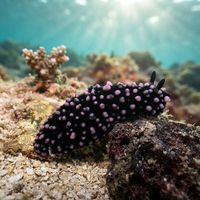
The Chromodoris Nudibranch has been observed at every recorded site on the island, making it the most reliably encountered species here. The Candy Crab, Banded Coral Shrimp and Ribbon Eel are also commonly sighted across the reefs. Divers with an interest in smaller, detailed subjects will find the reef structure supports a rich range of invertebrates.