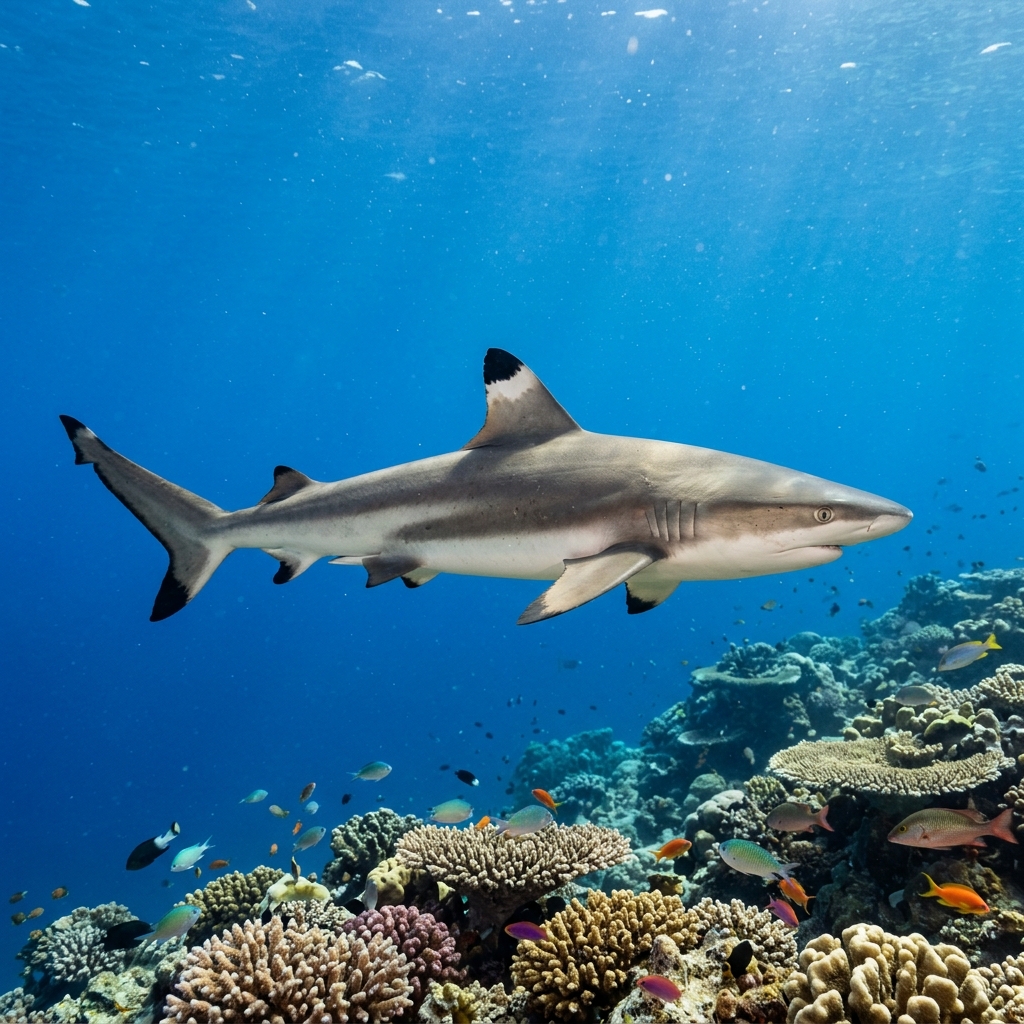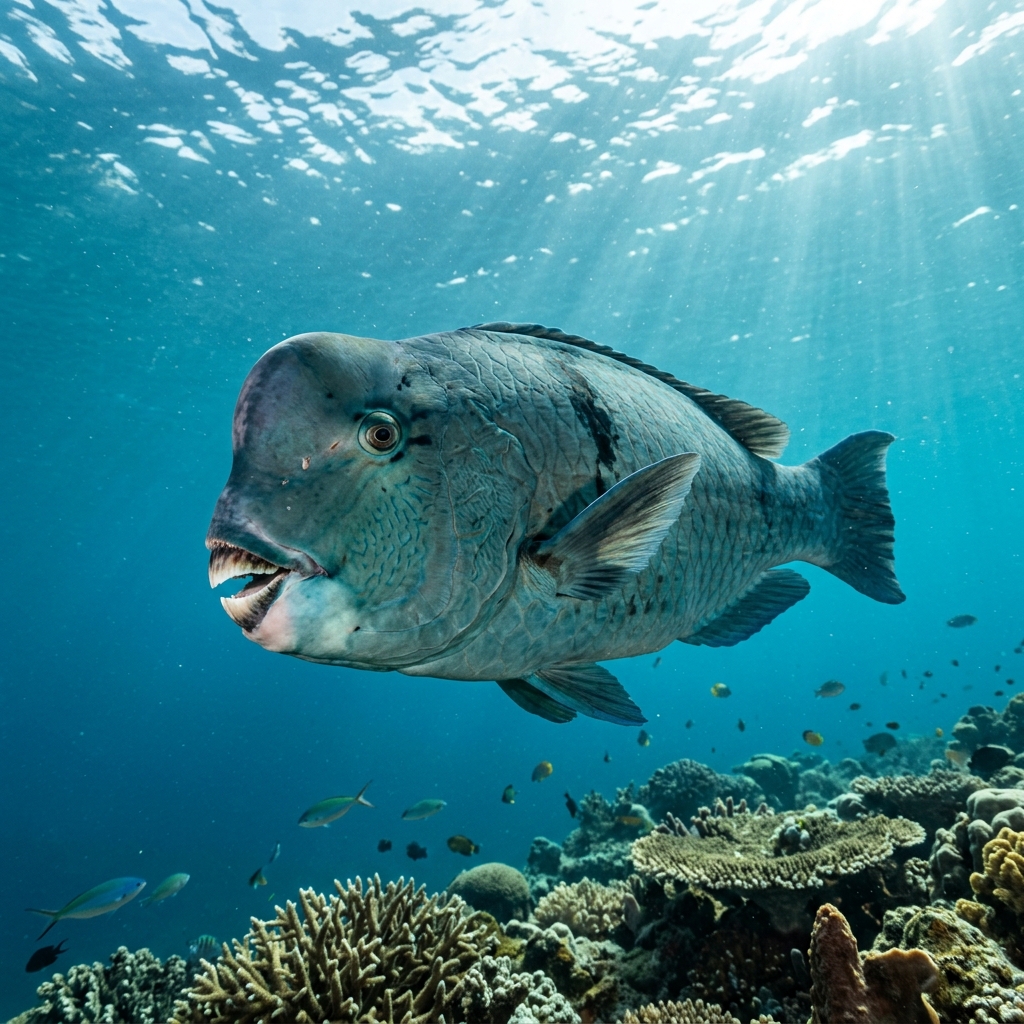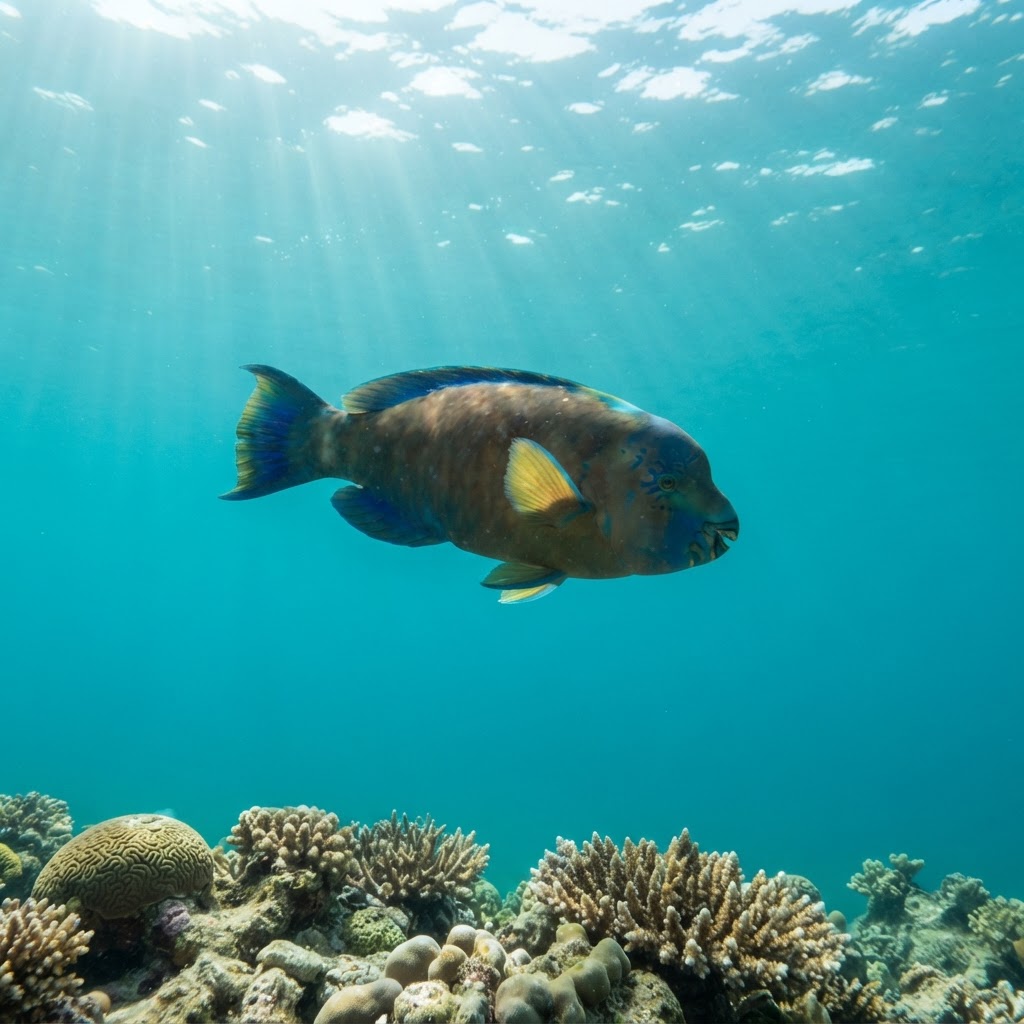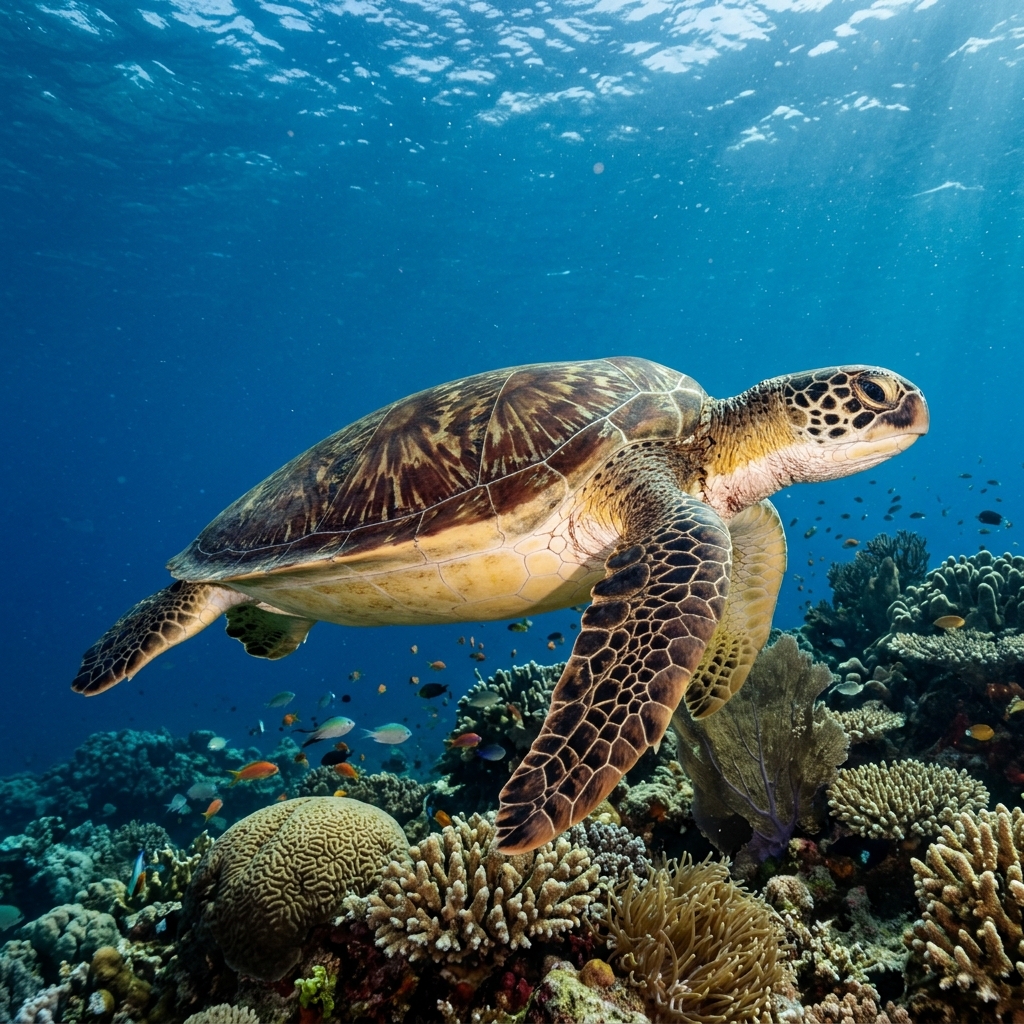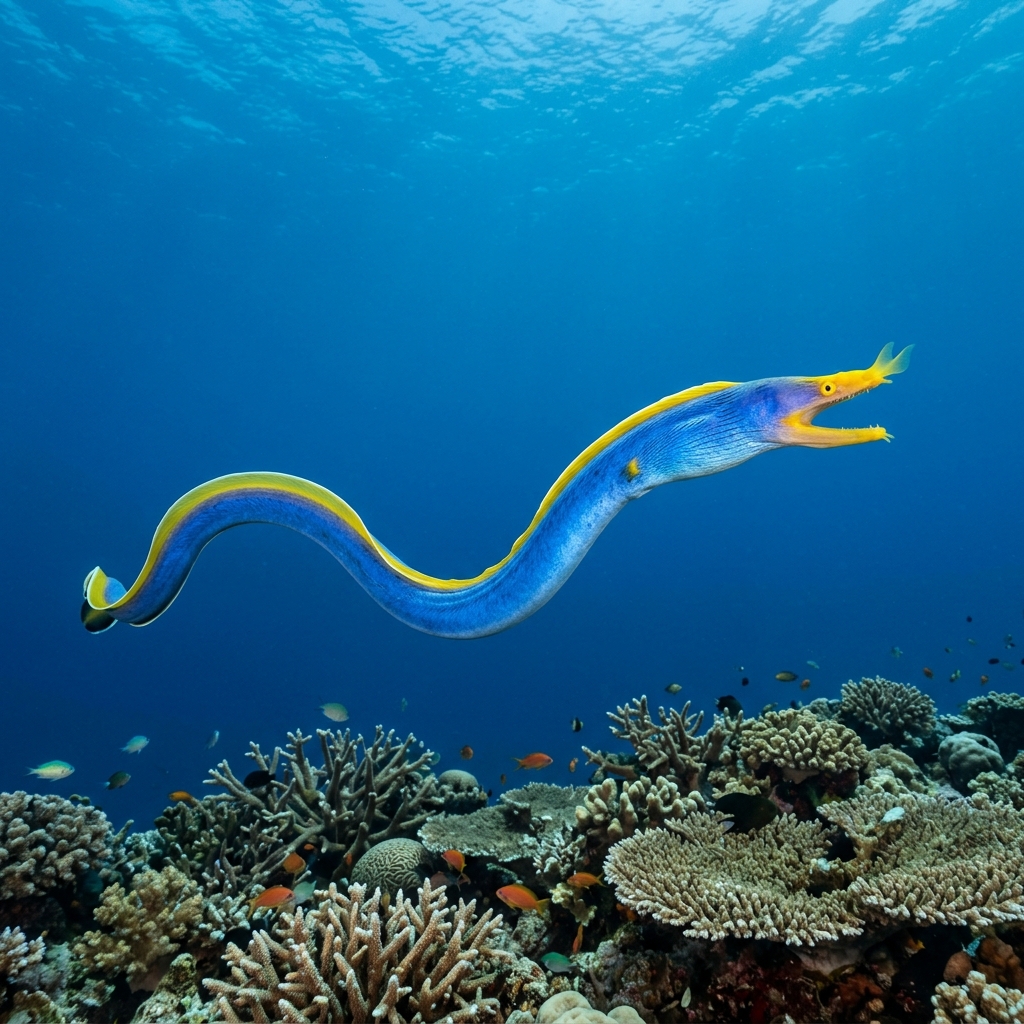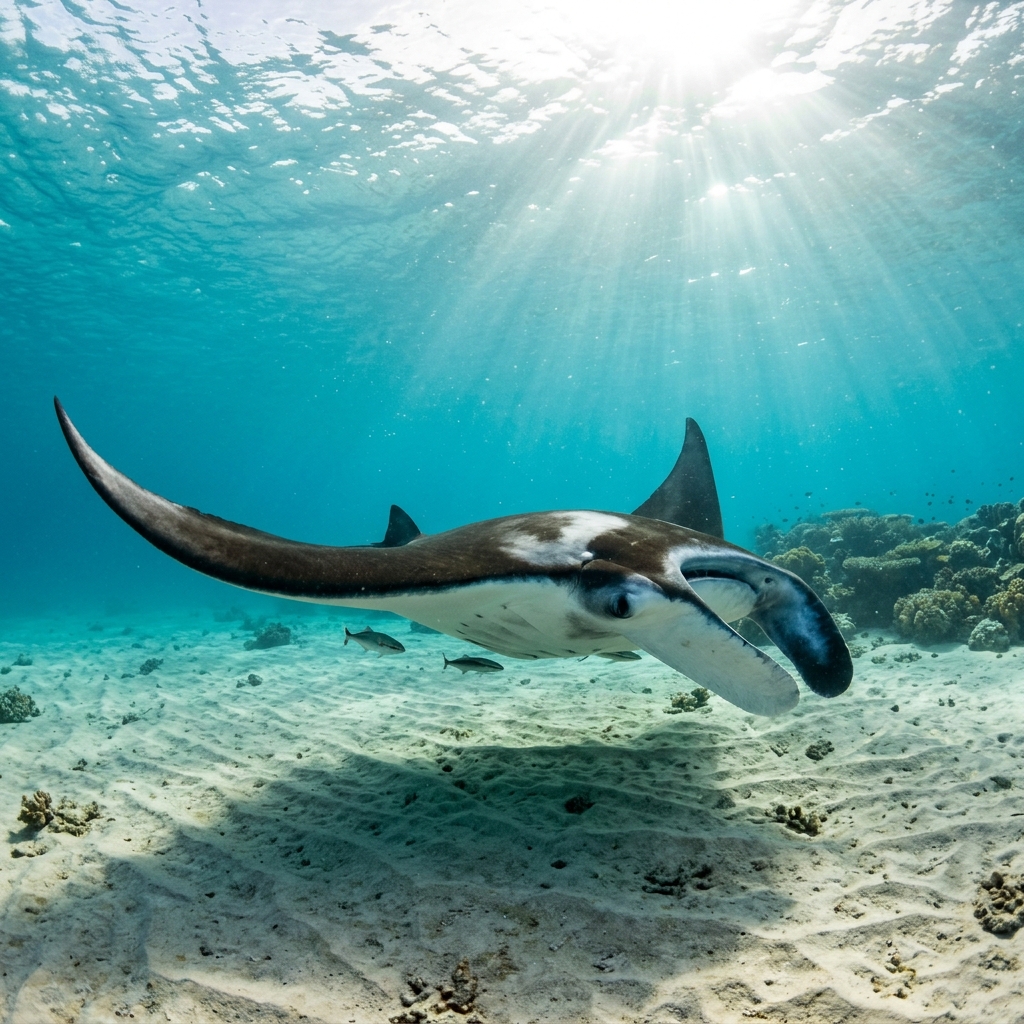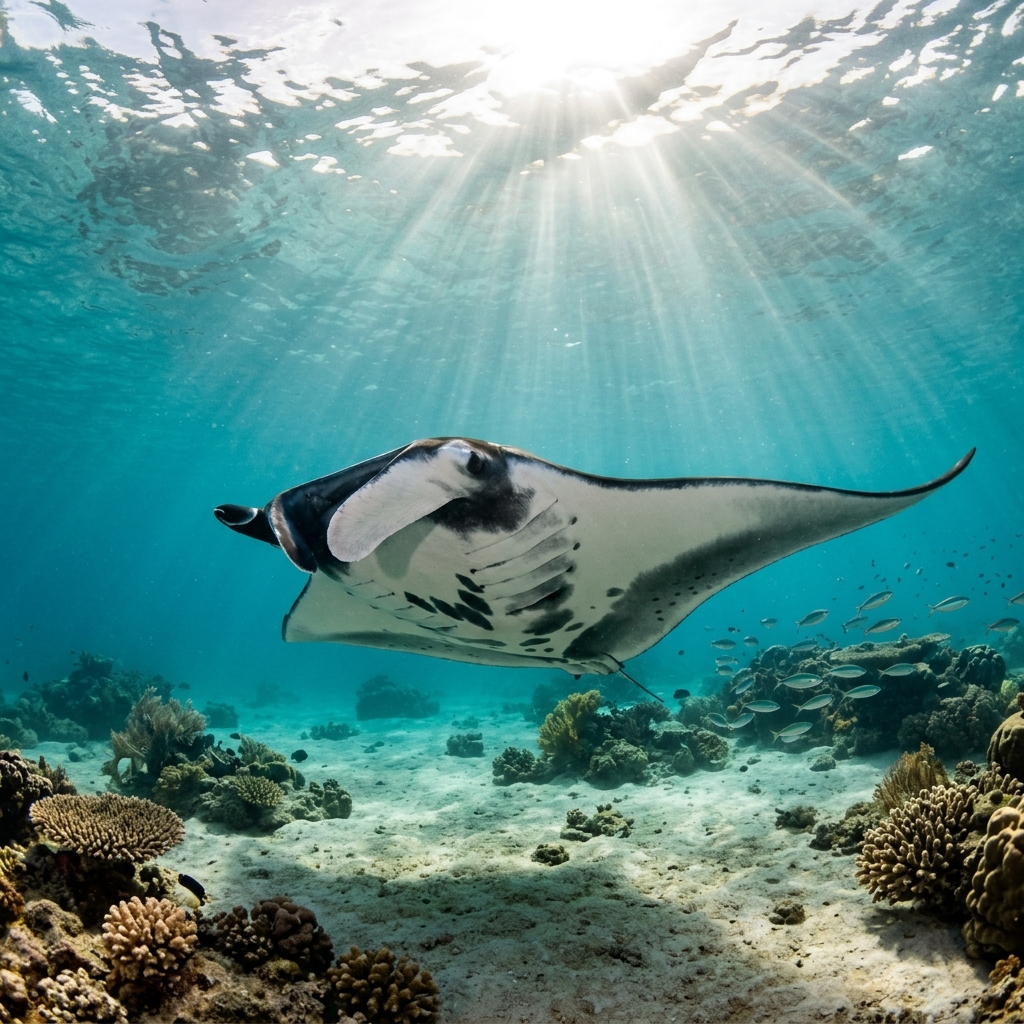
Best for intermediate divers, 10-25m, shore & boat entry, moderate current.
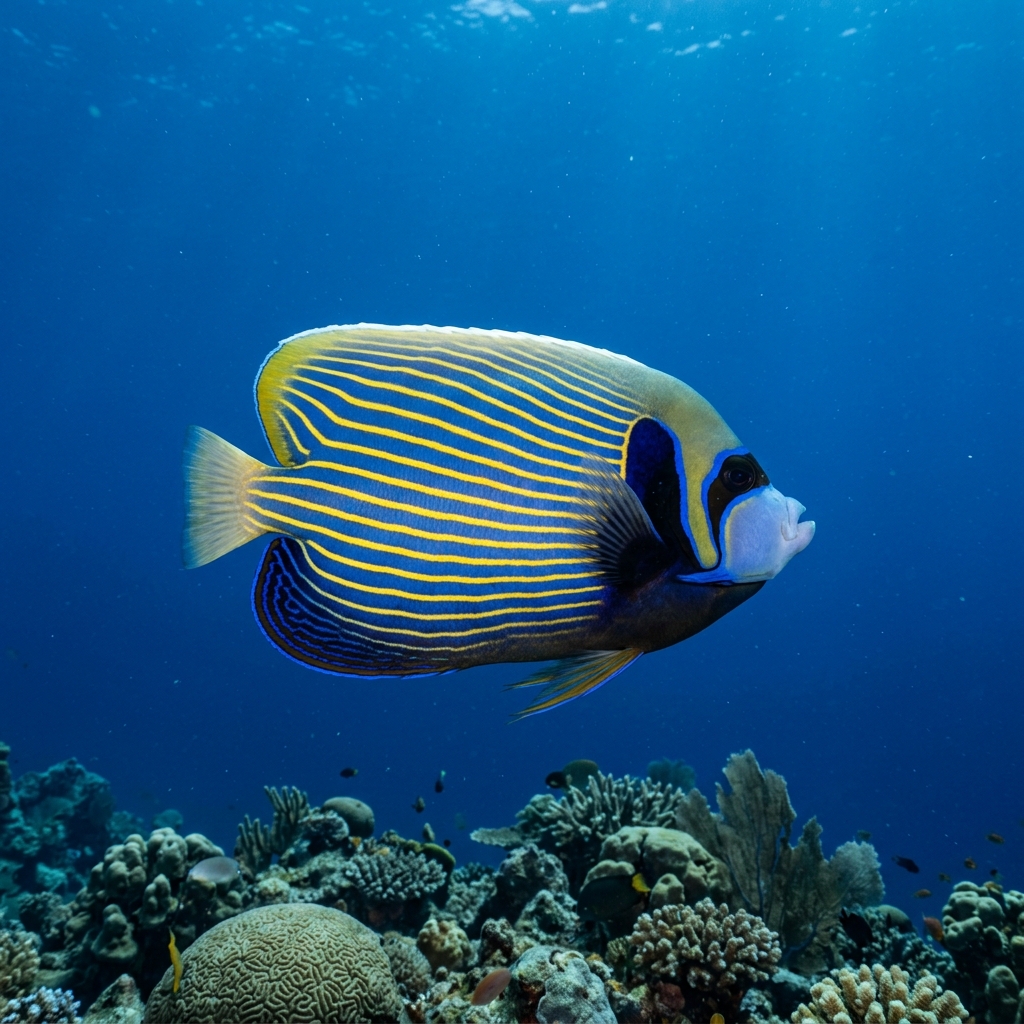
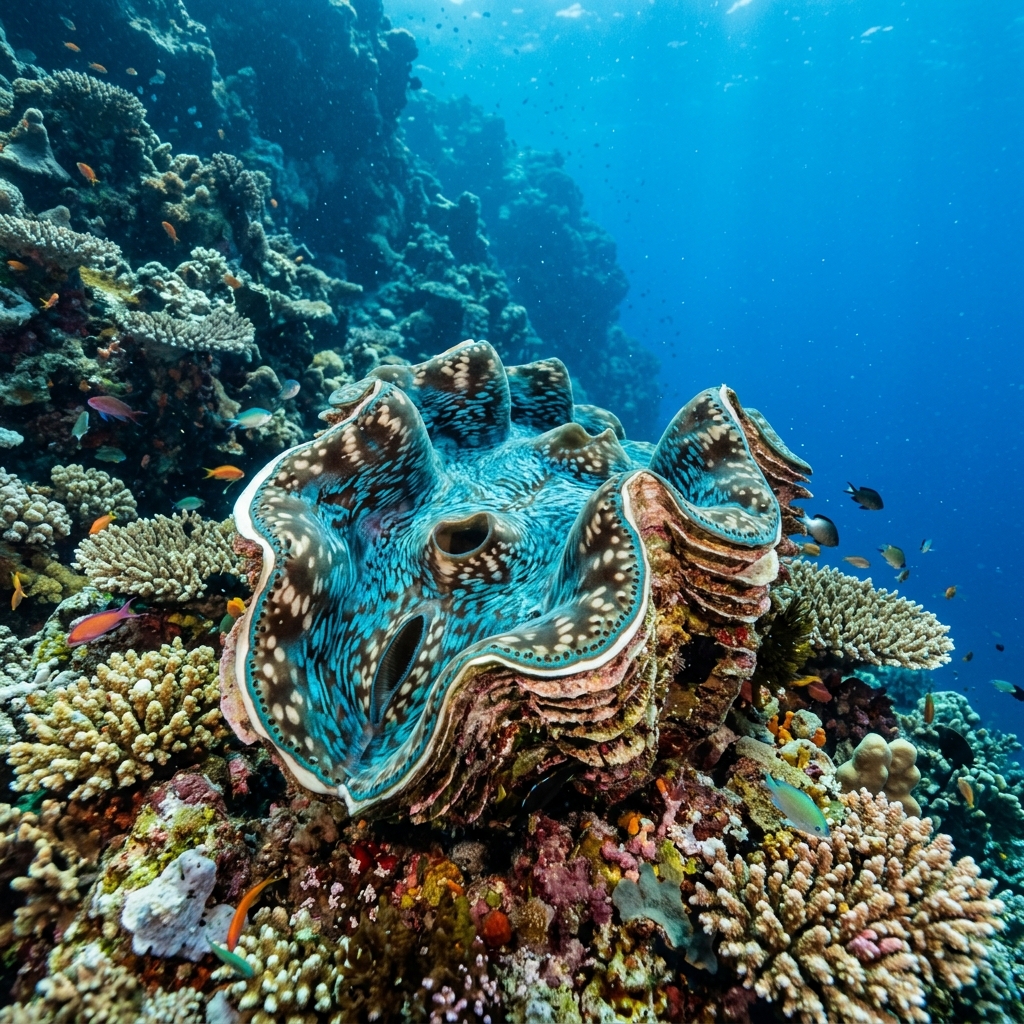
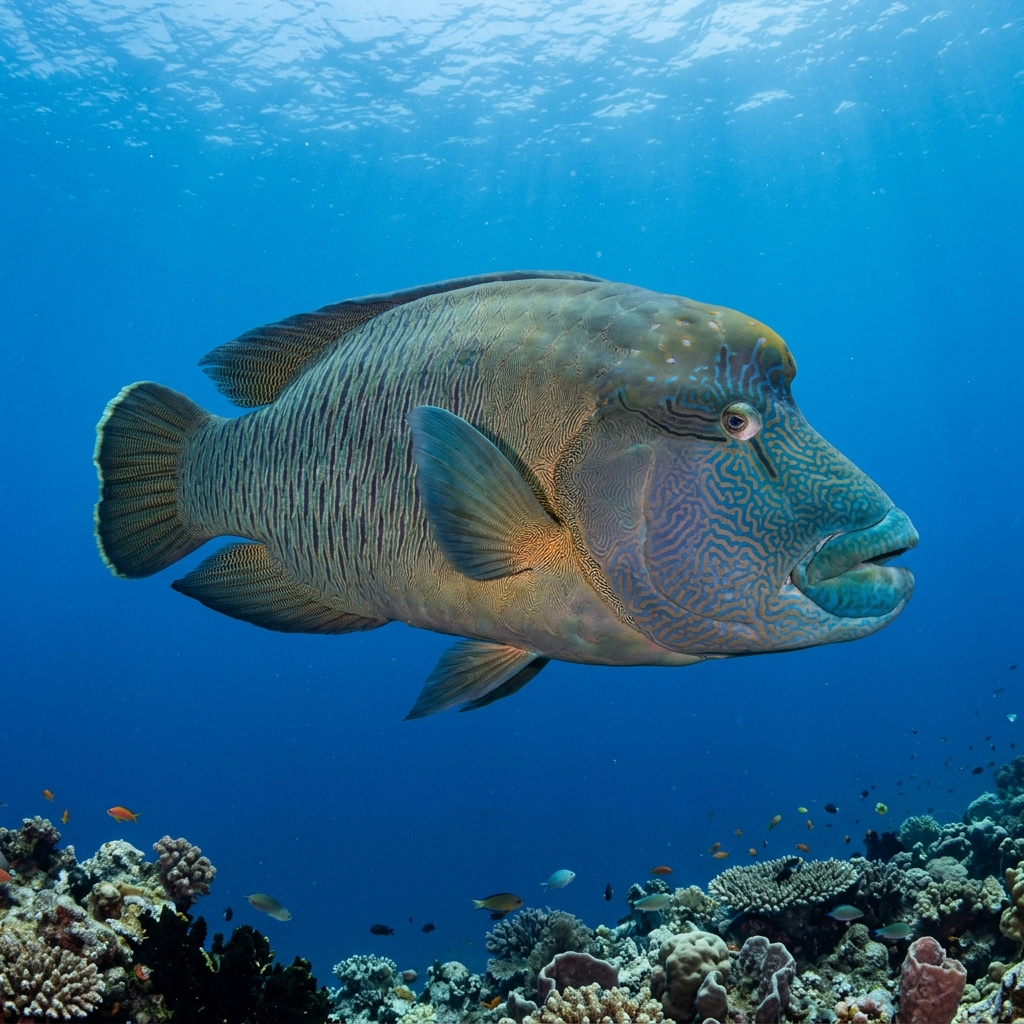
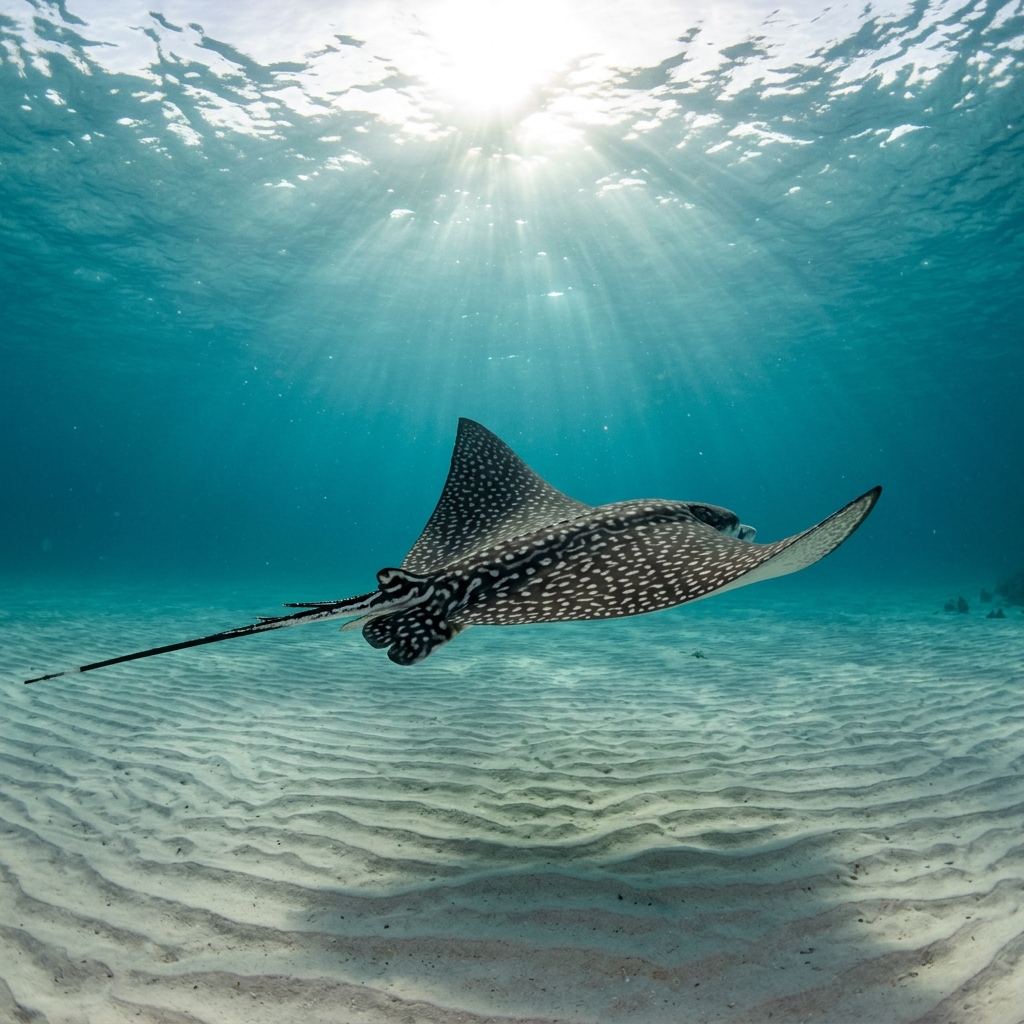
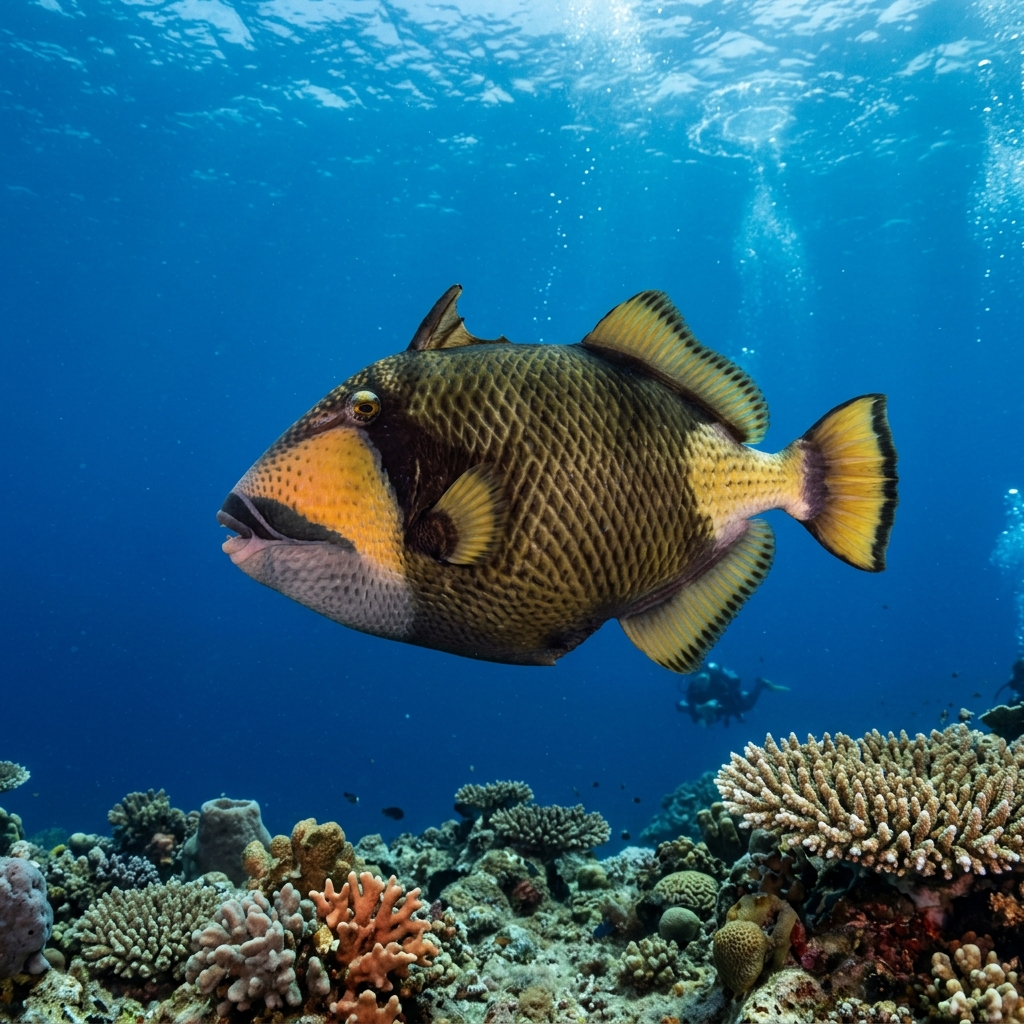
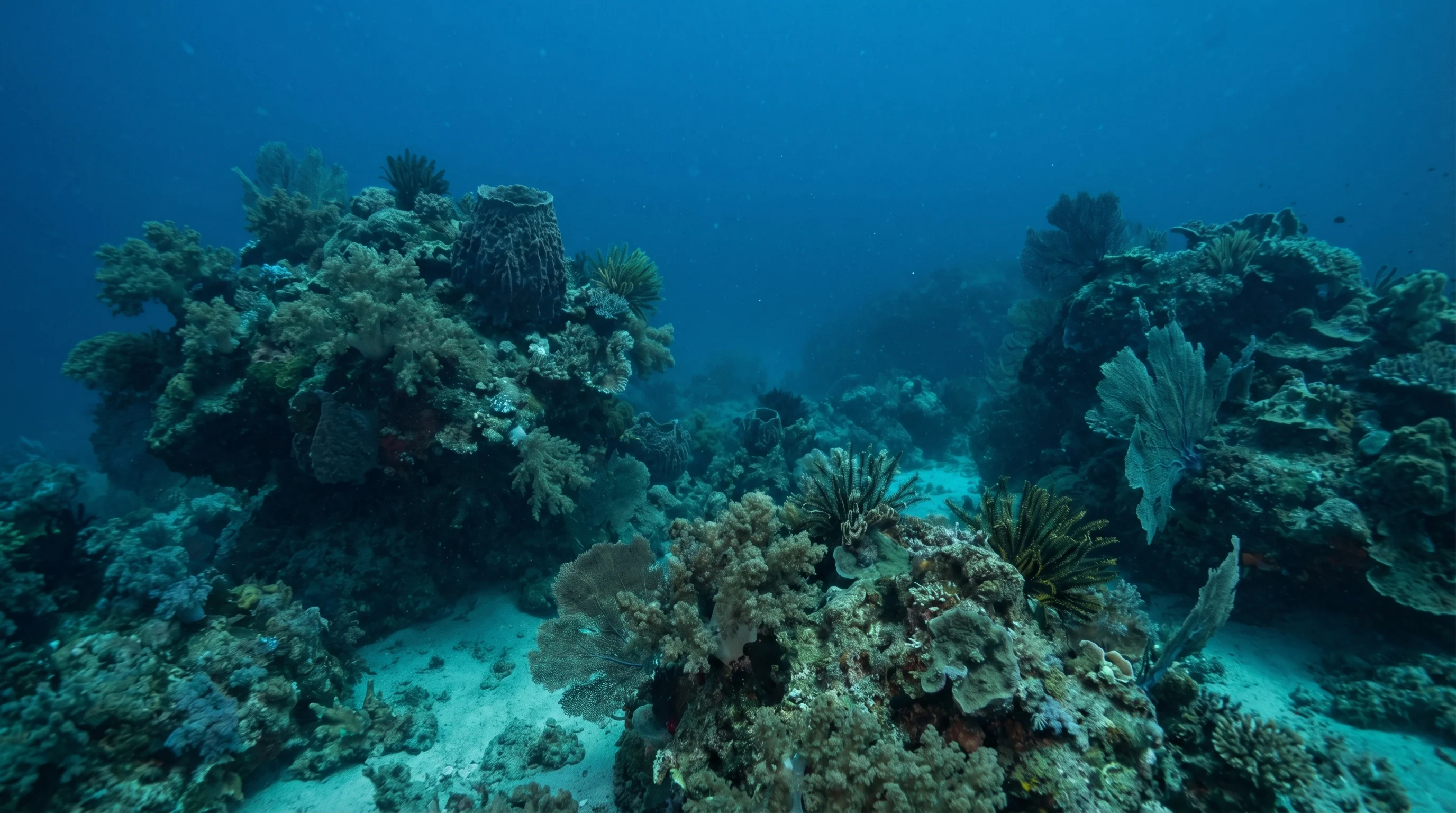
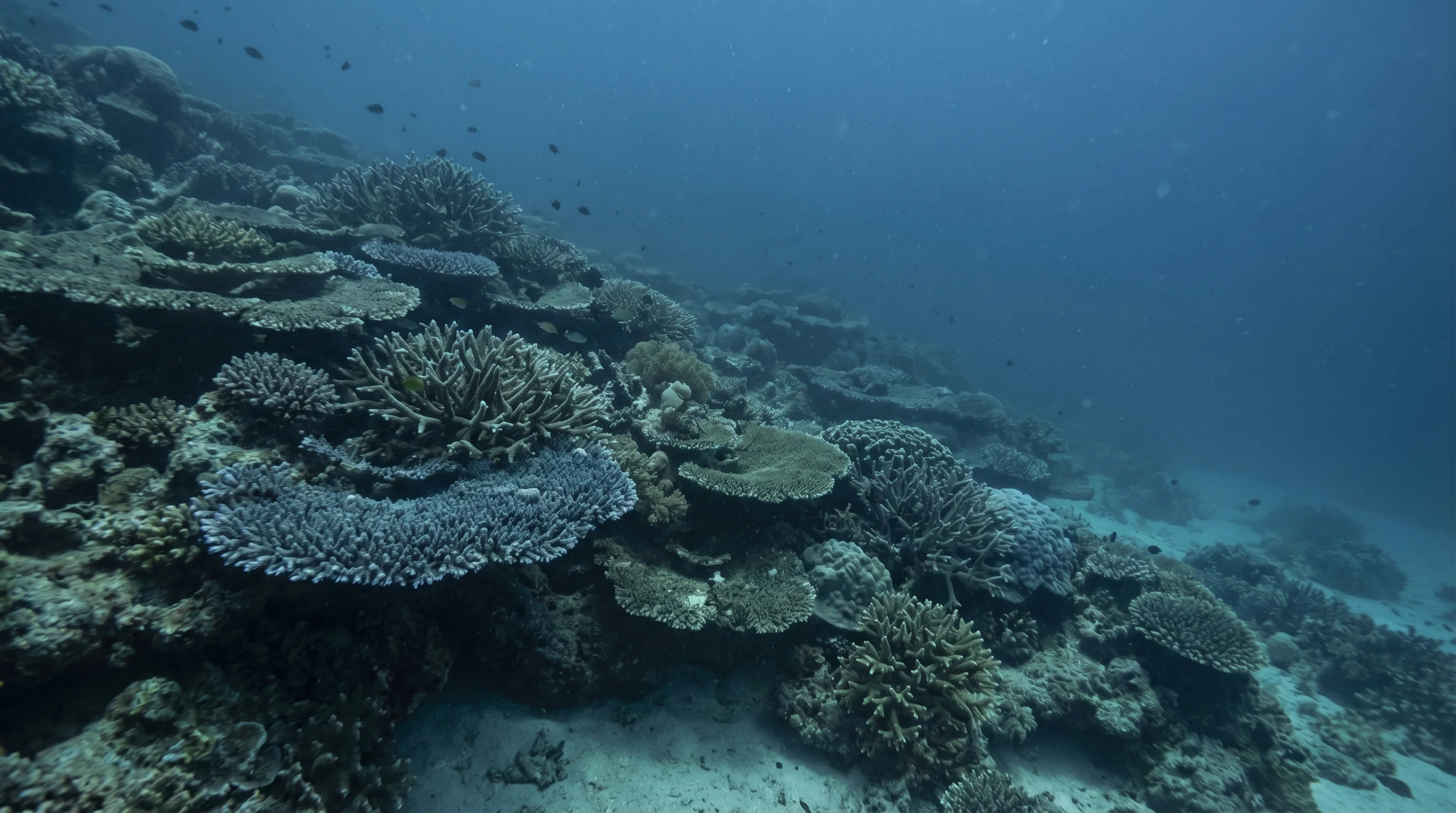
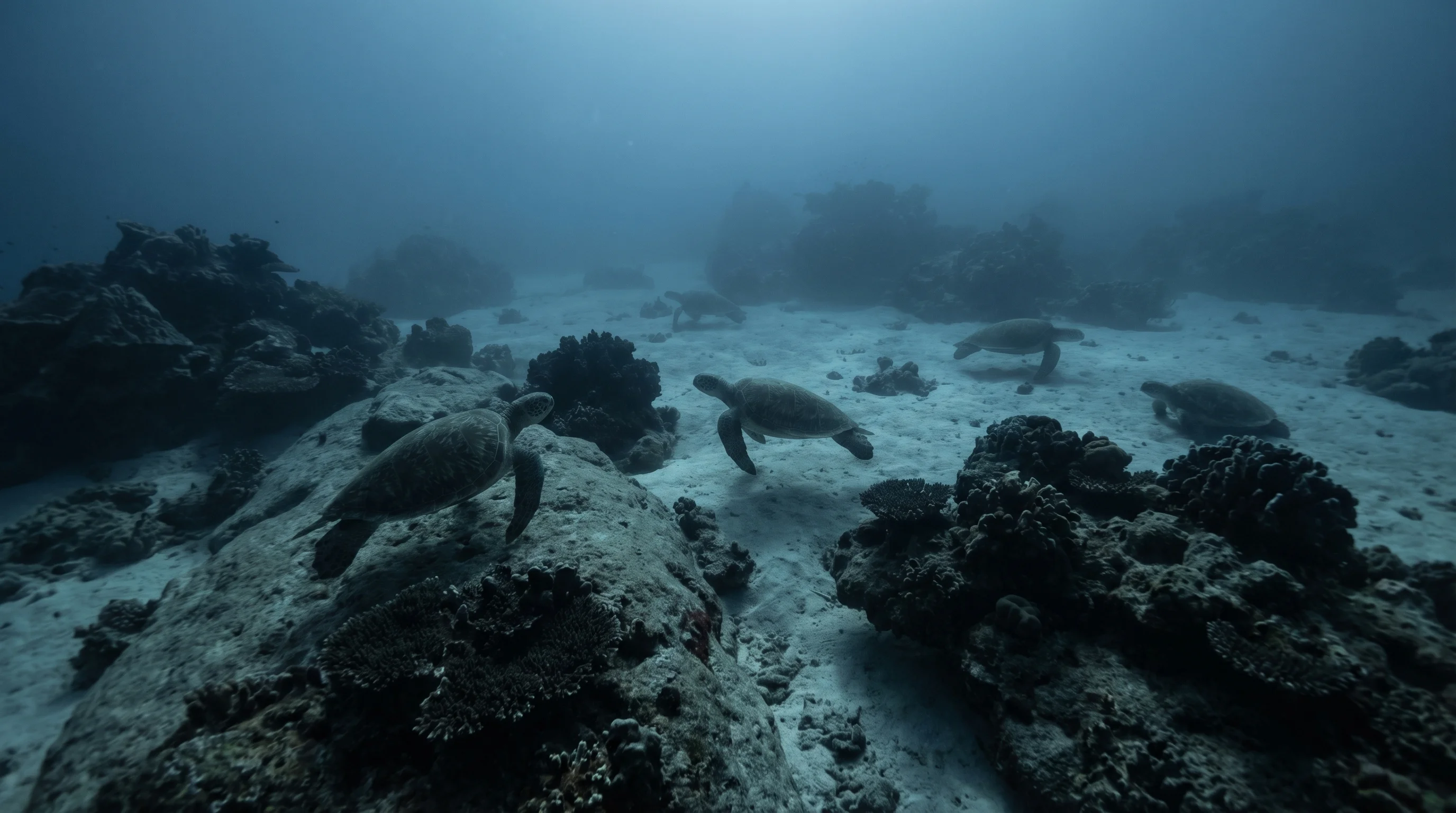
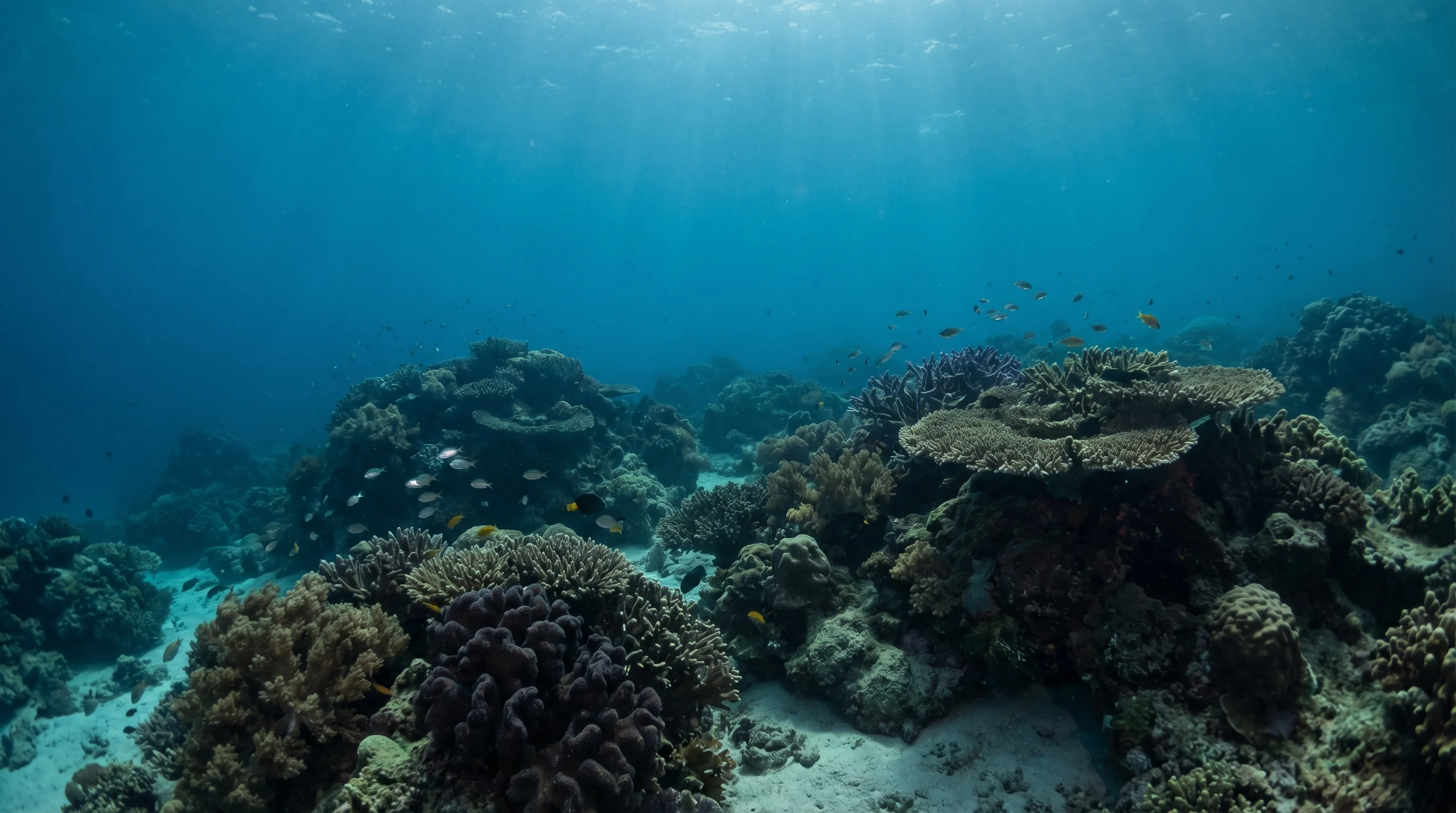
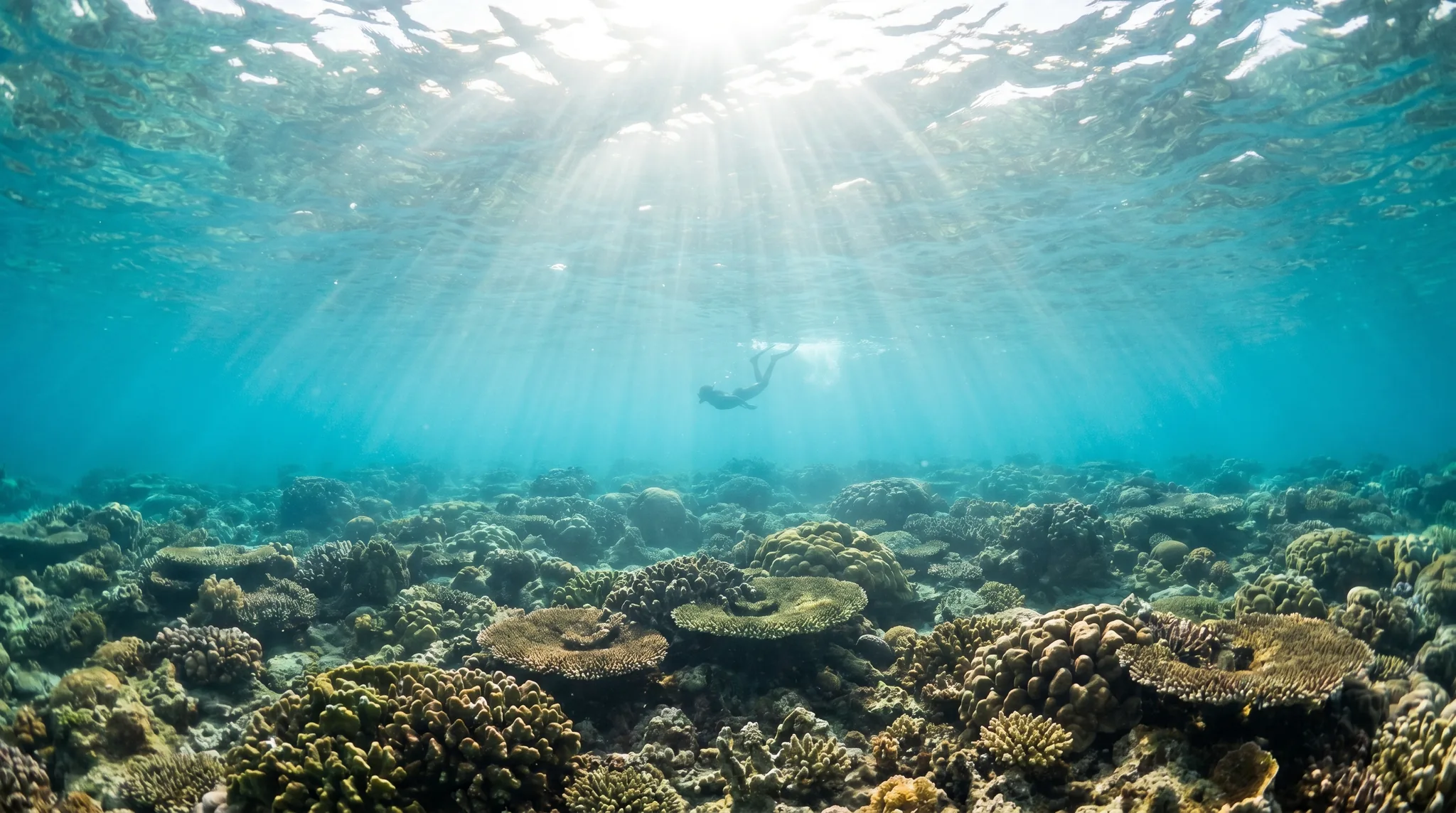
Eel Ridge is a reef and drift dive site located off Sangalaki Island. The topography consists of a reef system ranging from 10 to 25 metres in depth, with an average depth of 22 metres. Divers experience moderate currents, making this an intermediate-level site suited for those comfortable with drift diving. Visibility typically ranges between 15 and 30 metres, though it can drop unpredictably. Access is available via both boat and shore entry, with boat charters provided locally. Divers should maintain close contact with their buddy and agree on a drift plan with their guide before entering the water due to the potential for shifting currents.
1.90407, 118.48512
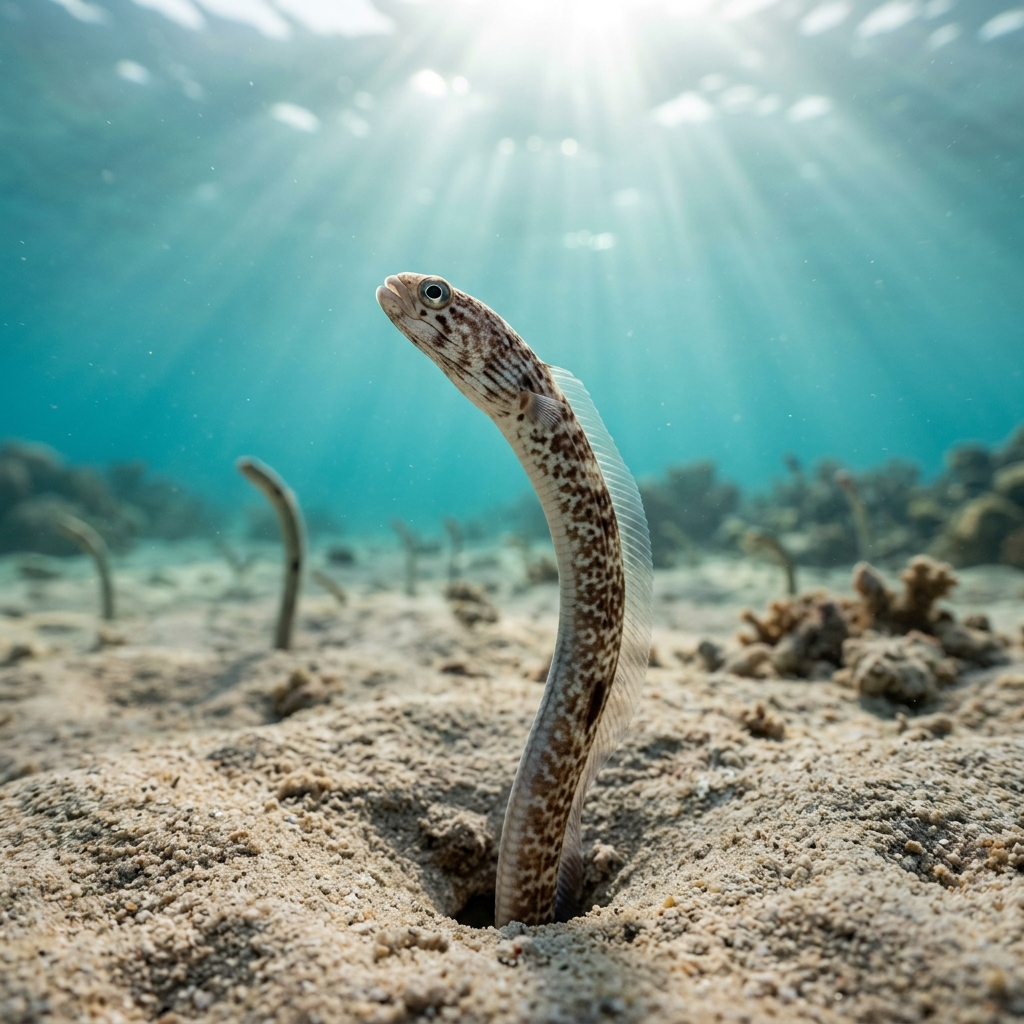
Position yourself downslope from eel burrows and remain motionless for 2-3 minutes to allow garden eels to re-emerge.
Boat access required.
Recorded at this site
Depth
10-25m
Visibility
15-30m
Skill Level
Intermediate
Entry
Shore & Boat
Water Temp
29-30°C
Current
Moderate
Typical Dive
50 min
Best Time
May, Jun, Jul, Aug
No, this site is rated for intermediate divers due to the moderate current and the need to manage drift conditions.
The site ranges from 10 to 25 metres, with an average depth of 22 metres.
Yes, both boat and shore entries are possible at Eel Ridge.
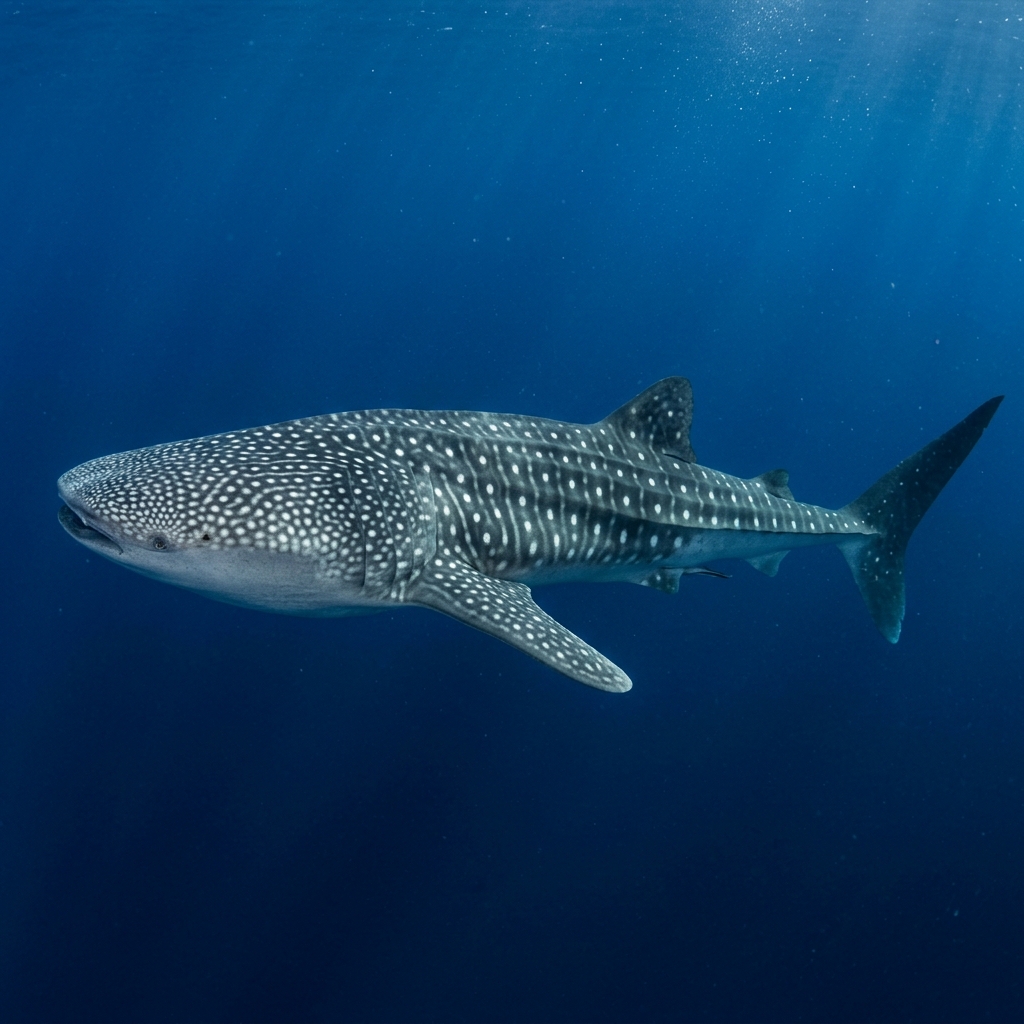
Hazards include sharks, moderate currents that can strengthen without warning, and visibility that may drop unpredictably.
Diving at Eel Ridge in Kalimantan requires the following certifications: Open Water. Always dive within your training limits.
A rashguard or 2mm shorty is recommended for diving at Eel Ridge in Kalimantan. Water temperatures range from 29°C to 30°C.
The best months to visit Eel Ridge in Kalimantan are May, June, July, and August. Conditions outside these months can still be good but are less predictable.
Expect moderate currents at Eel Ridge in Kalimantan. Good buoyancy control and some drift diving experience is helpful.
Visibility at Eel Ridge in Kalimantan typically ranges from 15 metres to 30 metres. Conditions vary with weather, tides, and seasons.