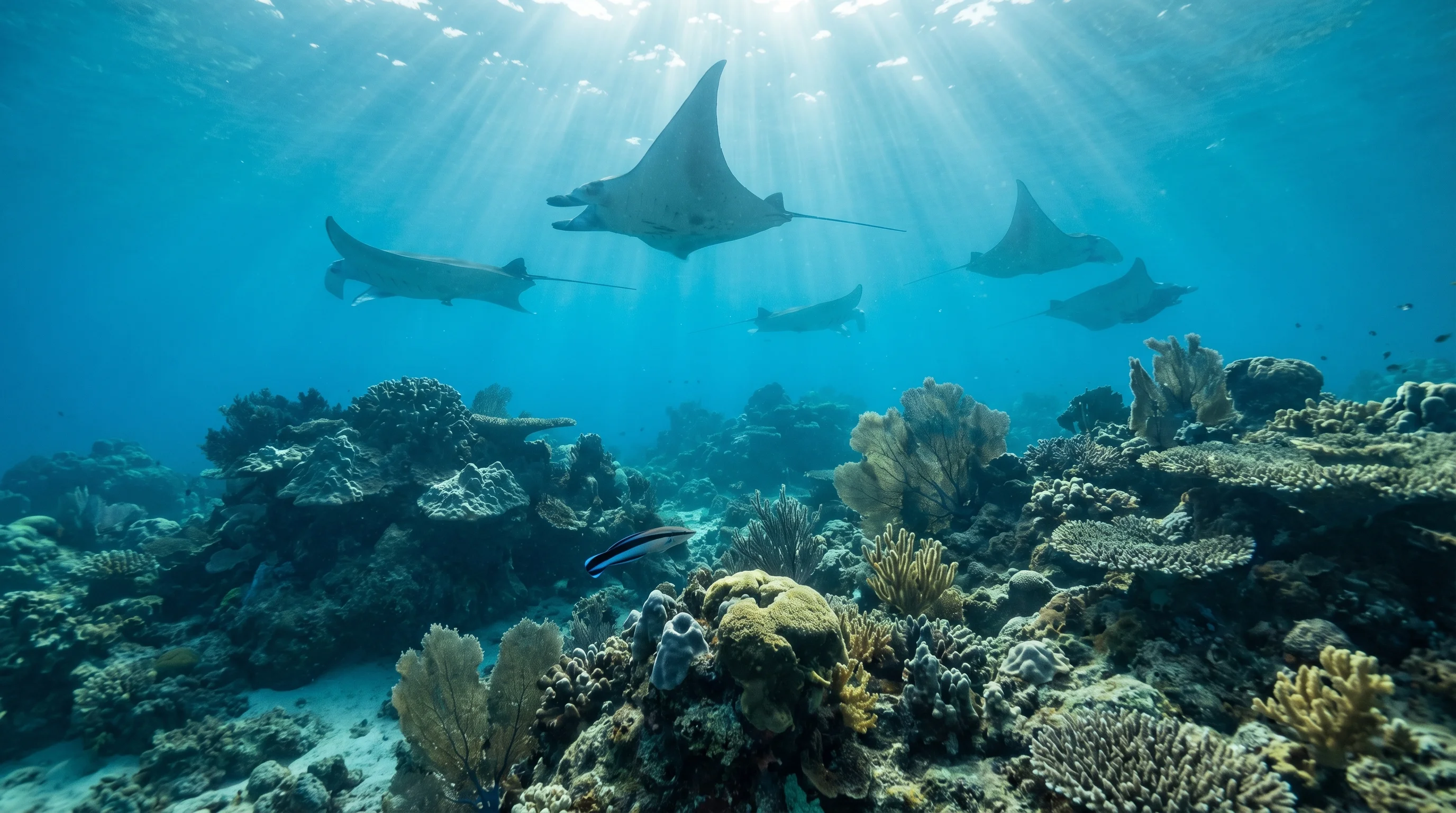
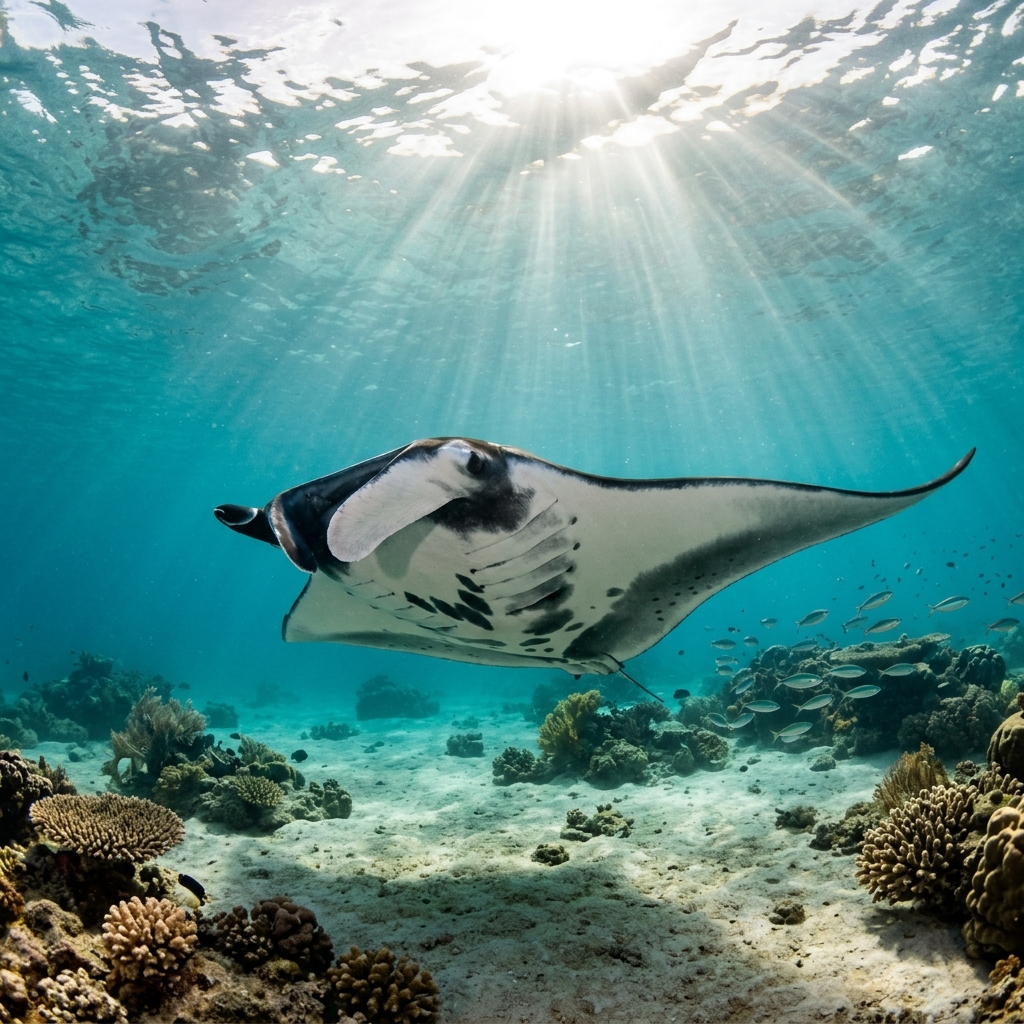
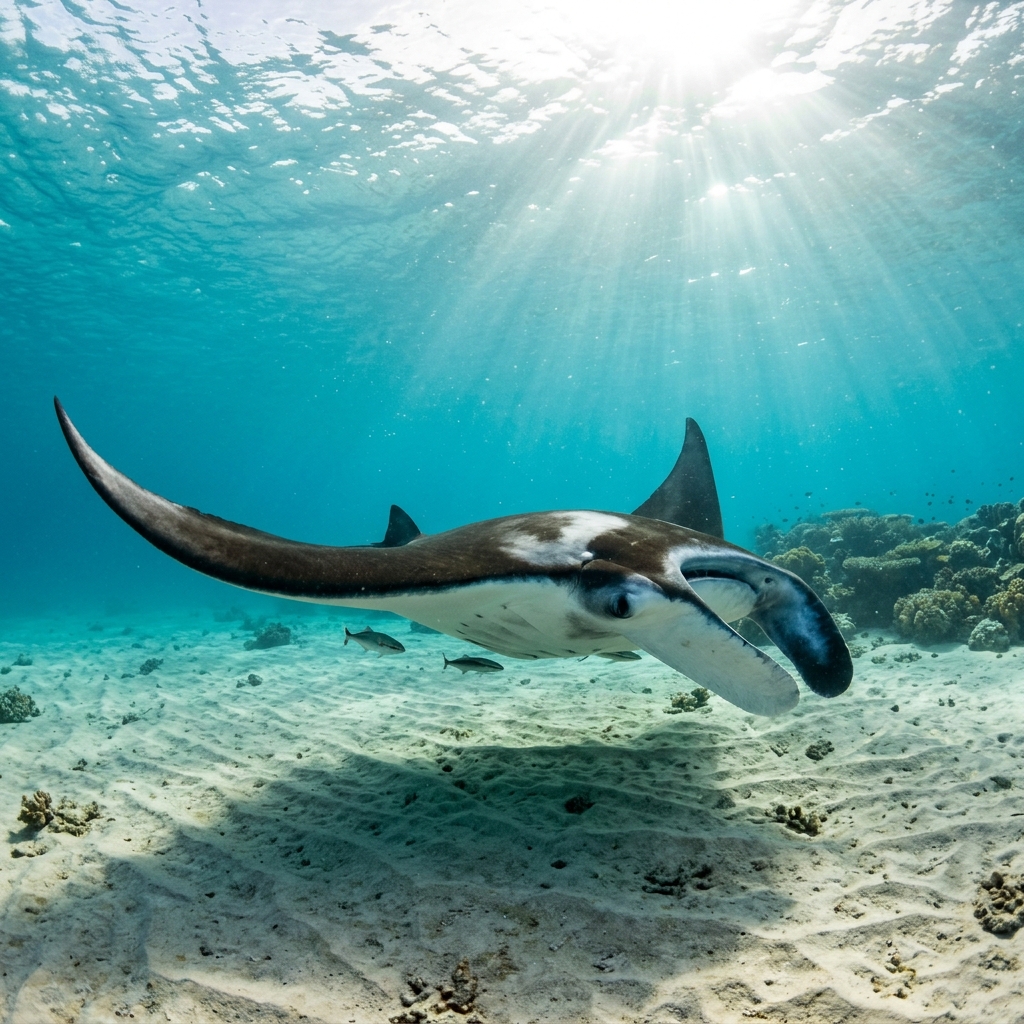
Sangalaki Island is defined by manta rays and drift diving. The Reef Manta Ray and Oceanic Manta Ray are observed across virtually every site, and dedicated manta sites such as Manta Run, Manta Avenue and Manta Parade make this the island's clearest draw. The Green Sea Turtle is equally ubiquitous. Currents shape most dives here, with the majority of sites running as reef drifts; skill levels range from beginner-friendly spots like Sandy Ridge through to the demanding currents of Manta Avenue.
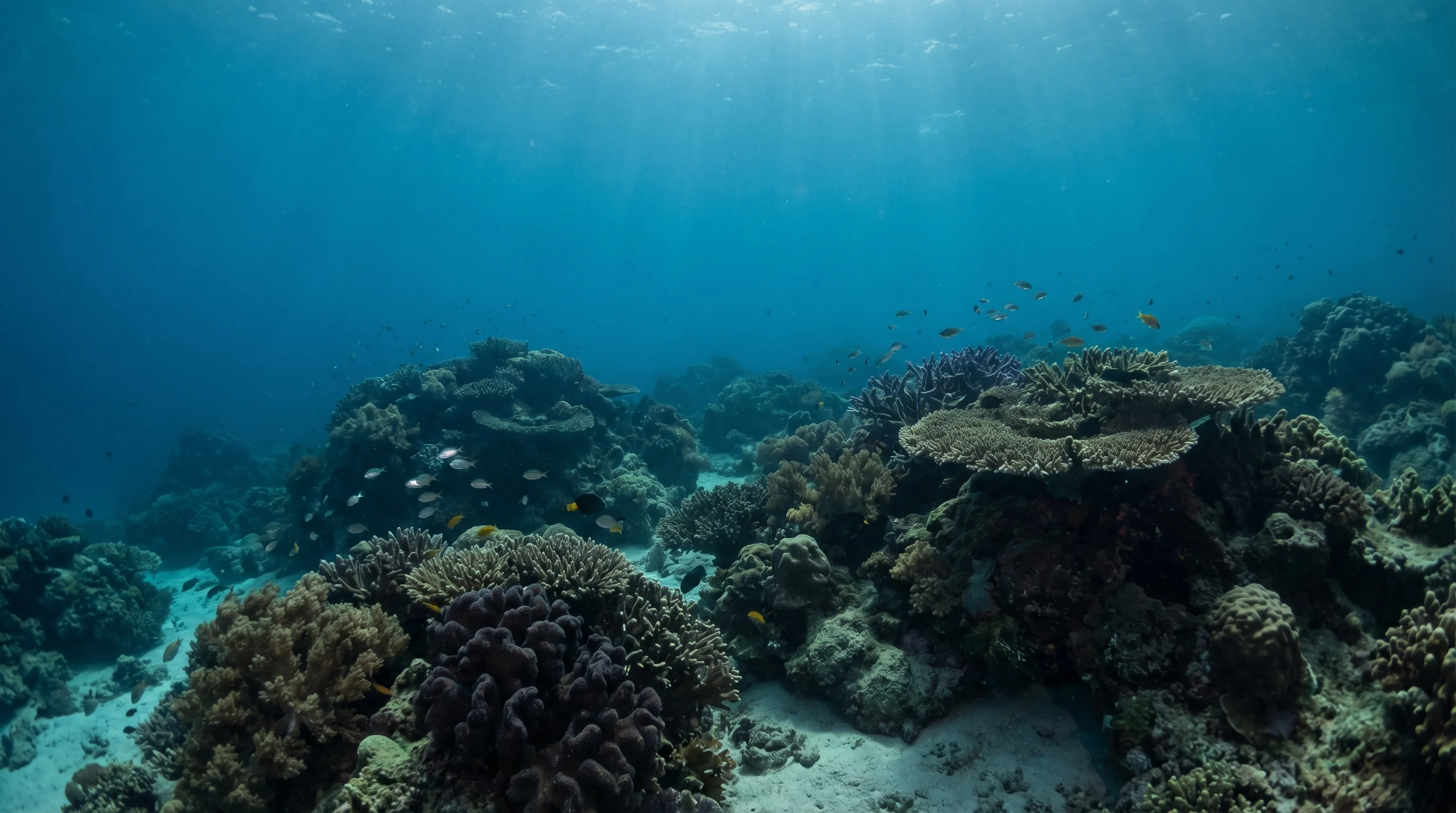
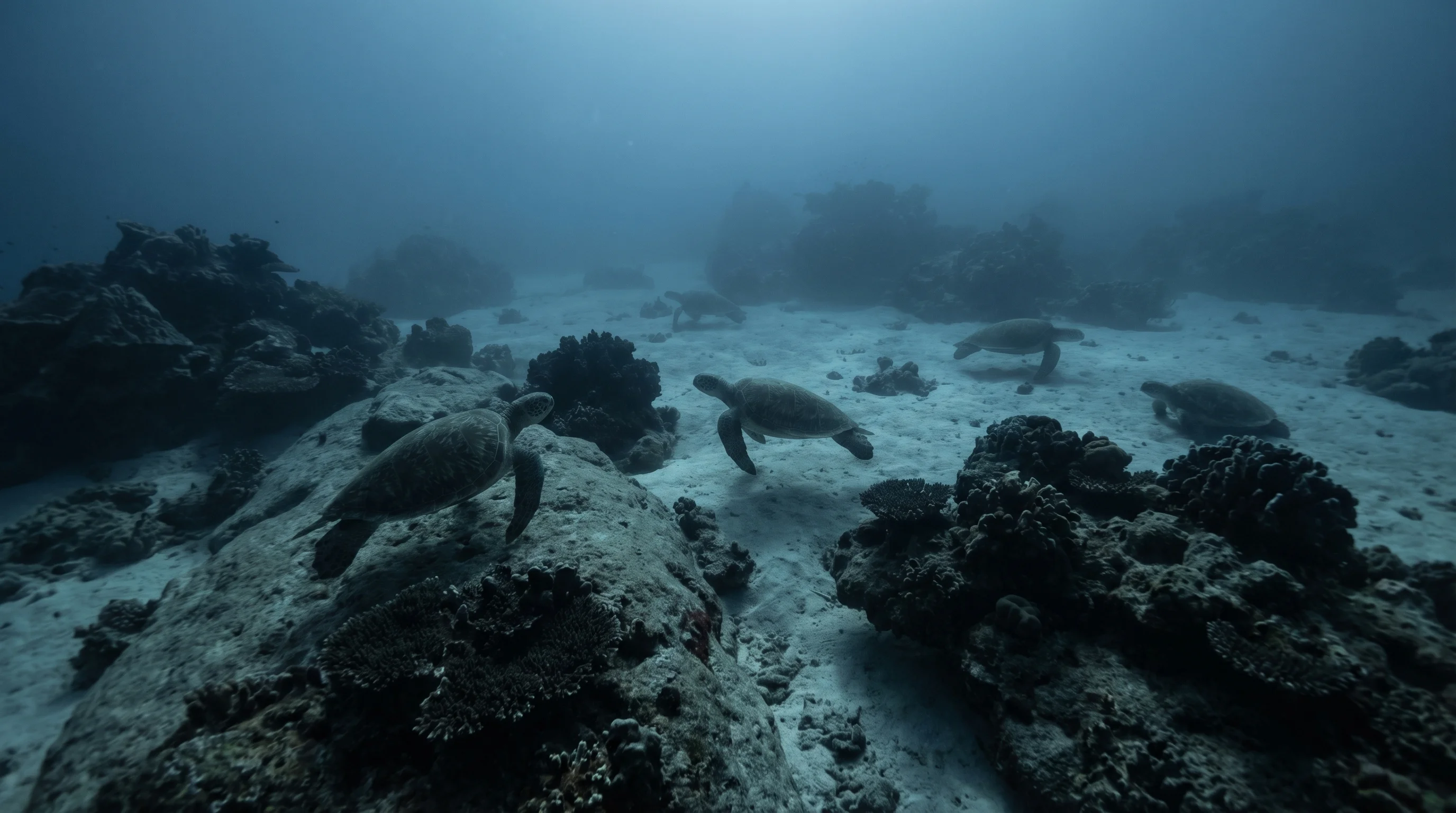
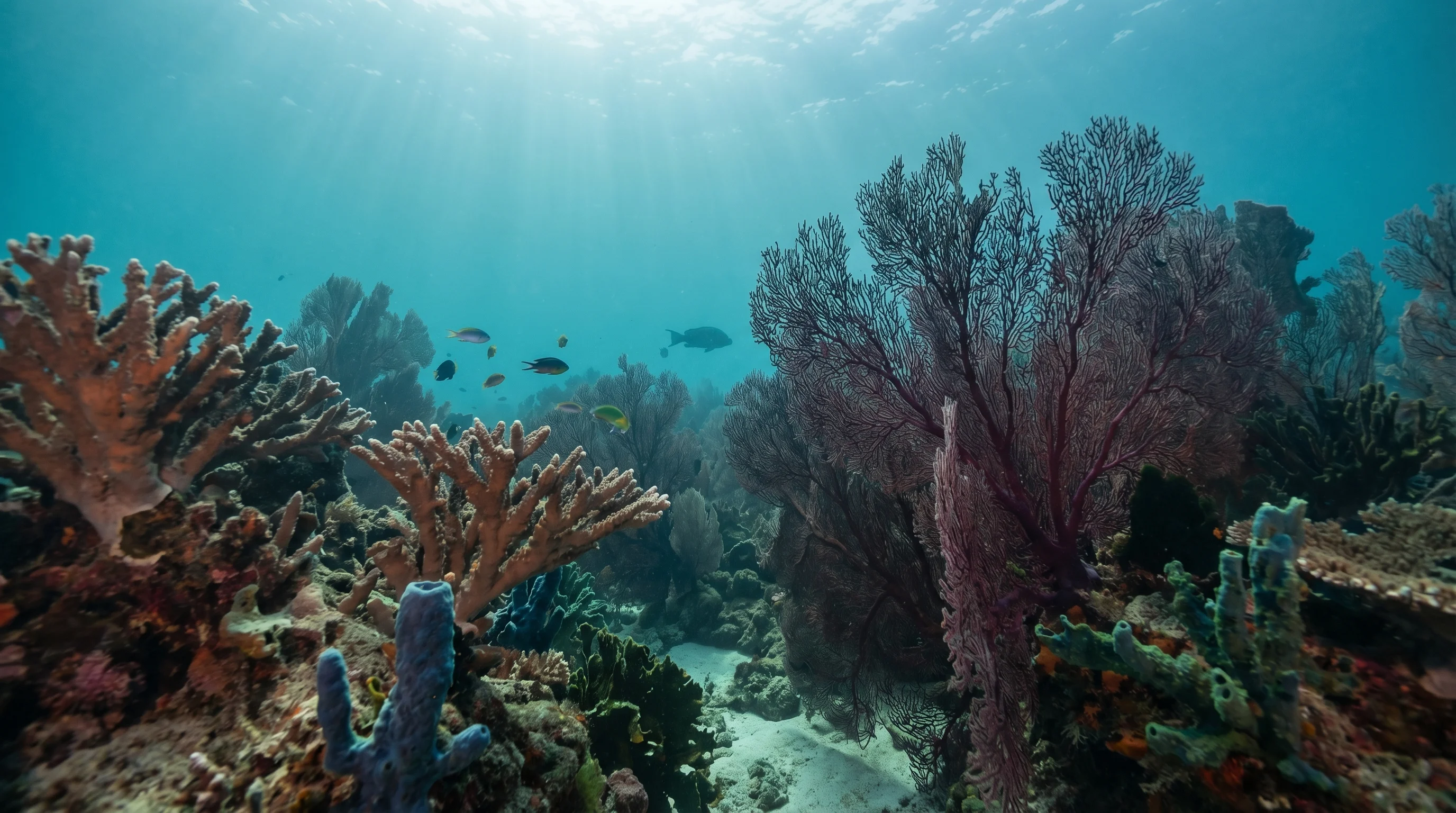
Monthly water temperature across Sangalaki Island's sites, from satellite sea-surface data corrected for depth. The band shows the site-to-site spread.
Water temperature stays warm and remarkably stable throughout the year, with no meaningful cold season to plan around. Dive conditions peak from late spring through mid-summer, with a secondary window carrying into autumn. Currents are a constant factor across most sites, so divers should be comfortable with drift techniques regardless of the season they choose.
11 more sites to explore
Water around Sangalaki Island stays near 30°C all year, based on satellite sea-temperature data for its dive sites.
With water around 29–30°C, a rash guard or 3mm shorty works in Sangalaki Island year-round.
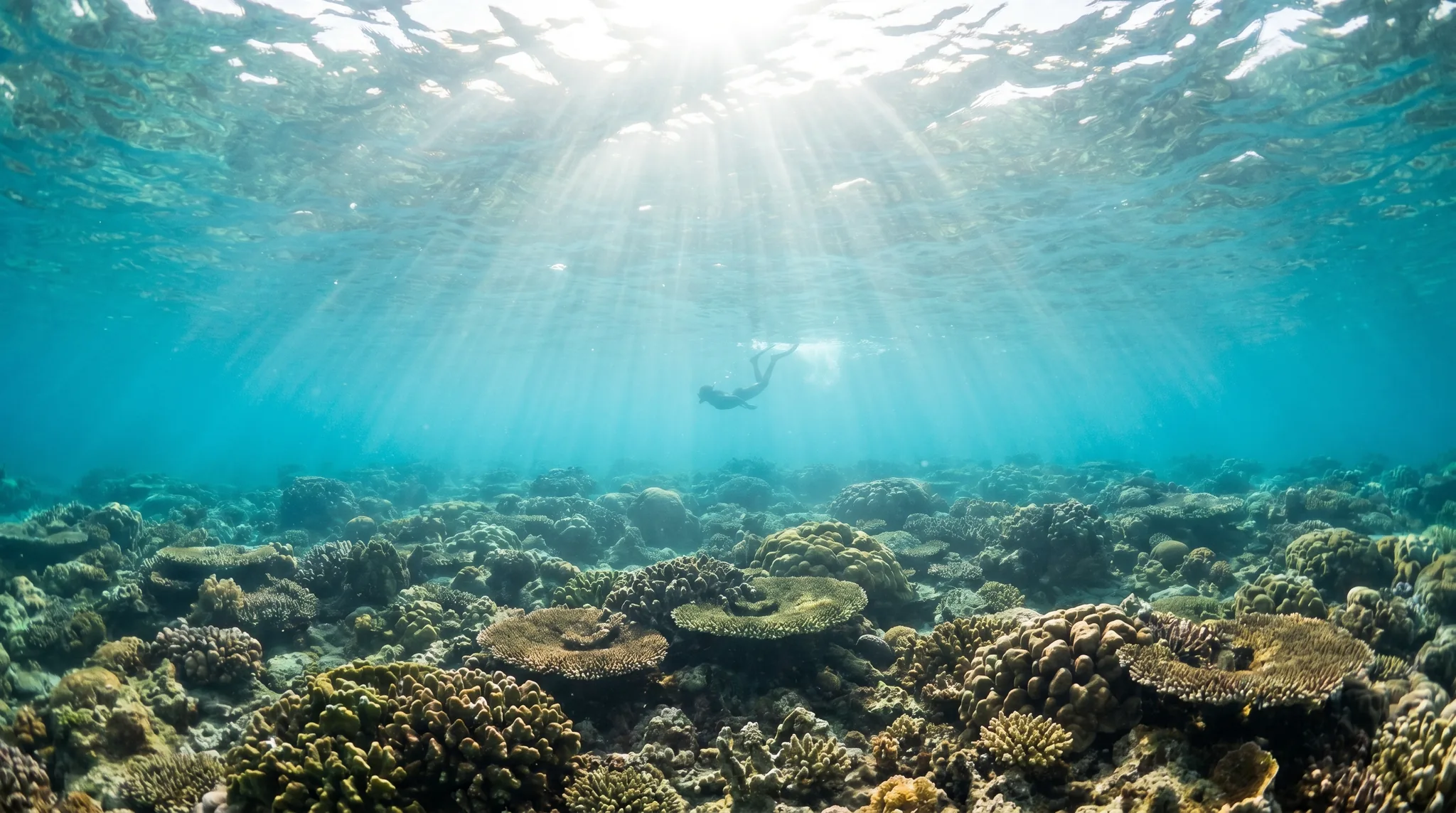
Fin maps 19 sites in Sangalaki Island (19 scuba diving sites and 2 snorkelling spots, with some suited to both).
Across Sangalaki Island's dive sites, May and June are most often reported as the best months to visit.
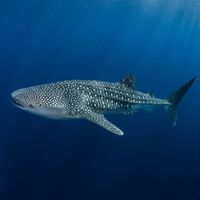
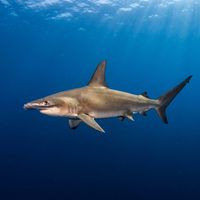
Sangalaki Island is one of the few places where both Reef Manta Ray and Oceanic Manta Ray are observed as very common sightings across nearly all dive sites. The Green Sea Turtle is equally consistent. Whale Shark and Scalloped Hammerhead are also regularly observed, alongside Whitetip Reef Shark and Grey Reef Shark.
A portion of the sites, including Sandy Ridge and Manta Parade, are rated for beginners and offer access to the island's signature species at manageable depths. However, the majority of sites are drift dives rated intermediate or advanced, so beginners should be comfortable in mild current before joining those trips. All sites are accessed by boat.
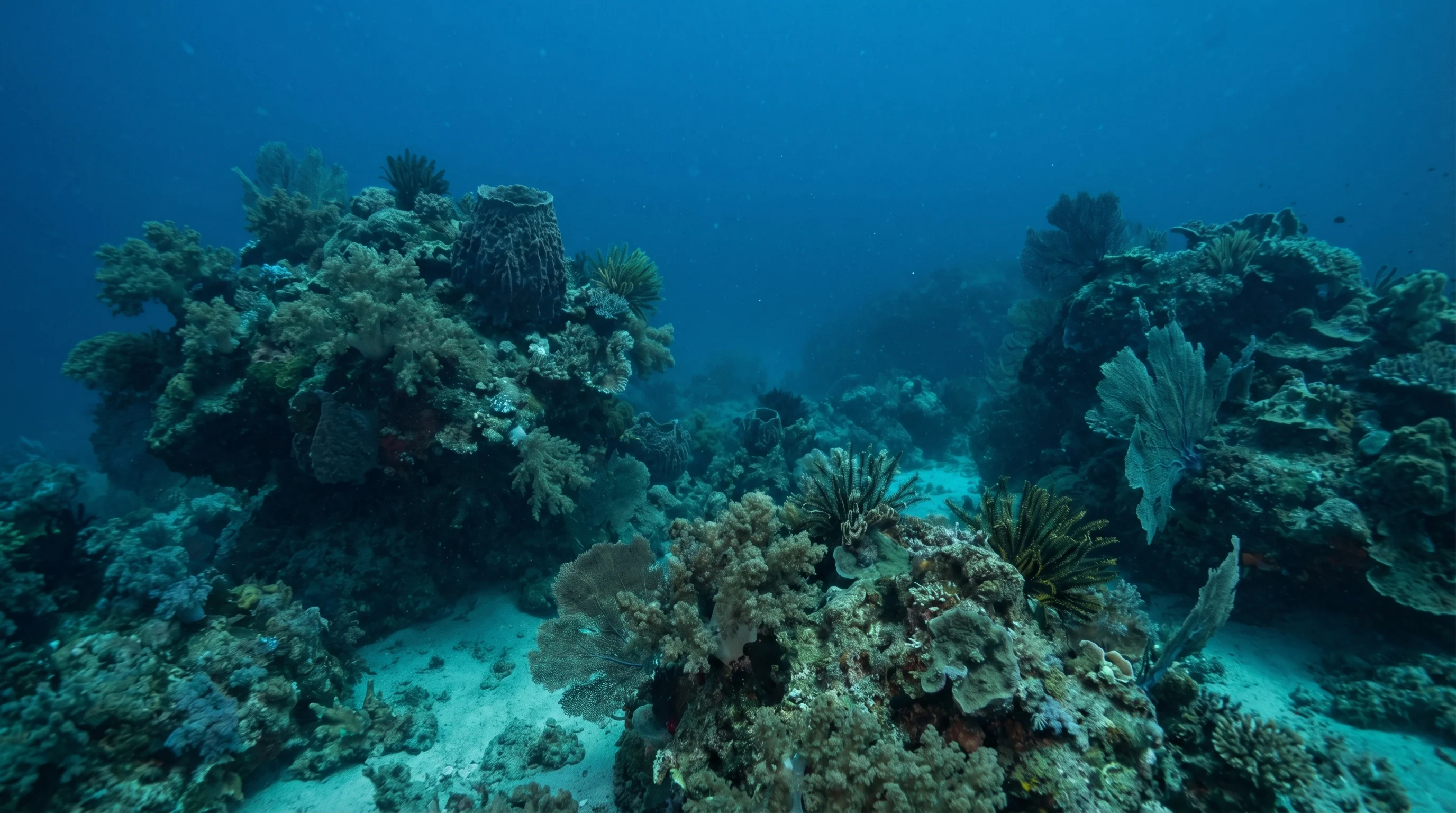
Reef drift diving dominates the site mix at Sangalaki Island, with most sites combining a reef structure with current-driven drift. Lighthouse Reef adds artificial reef structures to the mix, while Sherwood Forest is noted for a particularly dense reef topography. Shore entry is available at Eel Ridge; all other sites require a boat.
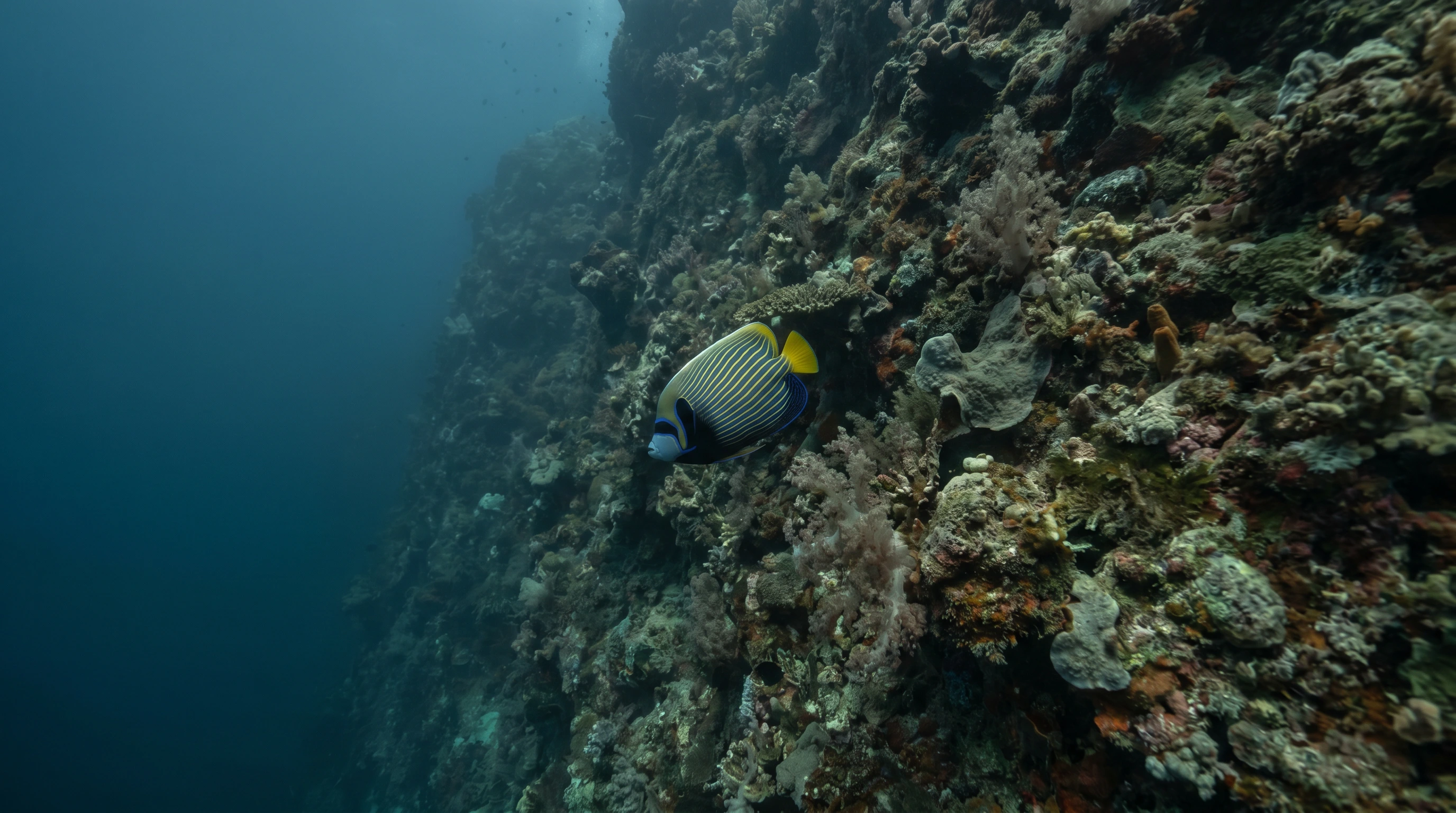
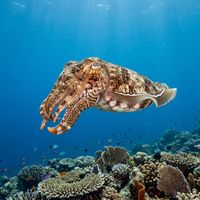
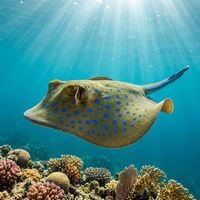
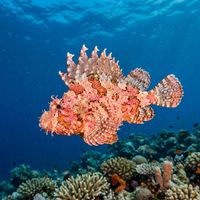
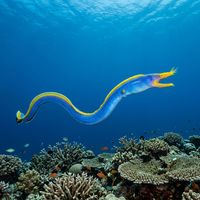
Beyond the headline megafauna, the reefs support a strong cast of smaller species observed across the sites. Mandarinfish, Spanish Dancer, Leaf Scorpionfish and Broadclub Cuttlefish are all very commonly recorded. Ribbon Eel, Bluespotted Fantail Ray and Bluestreak Cleaner Wrasse round out the reef community for divers who like to slow down and look closely.