Esox spp.
Long, olive ambush predators hovering in weed beds around Zurich and Ontario, most active on dives from June to September.
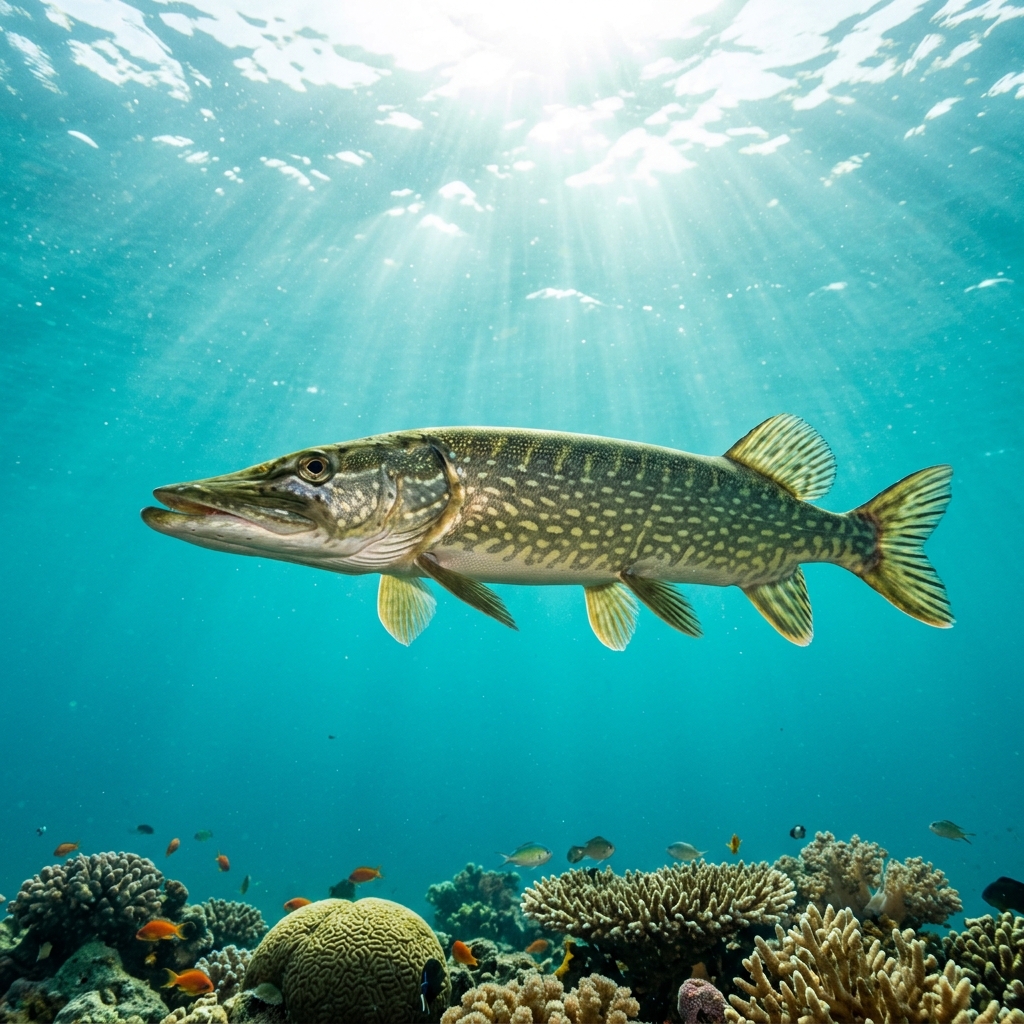
Long, torpedo-shaped body up to around 95 cm, with an olive-to-green flank broken up by pale, bean-shaped markings that work as camouflage against weed. The head is flattened and duck-billed, with the dorsal fin set well back near the tail, giving it a built-for-ambush profile. Pre-spawn females in late winter look noticeably deeper and bulkier through the body than males of the same length.
Expect to find pike holding dead still just above the bottom or tucked into the shadow of a weed bed, waiting for prey to drift past rather than actively hunting. They tolerate a slow, deliberate diver at close range surprisingly well, but a fast fin kick or sudden movement will send one off in an instant. Most encounters happen in shallow bays and weedy margins rather than out over open water.
Pike hunt almost entirely by sight and ambush, holding position for long stretches before an explosive short-range strike, which is why a diver who freezes rather than swims often gets the longer look.
Sightings concentrate from June to September in the Northern Hemisphere, when clearer summer water and thicker weed growth give divers both the visibility and the ambush cover pike rely on.
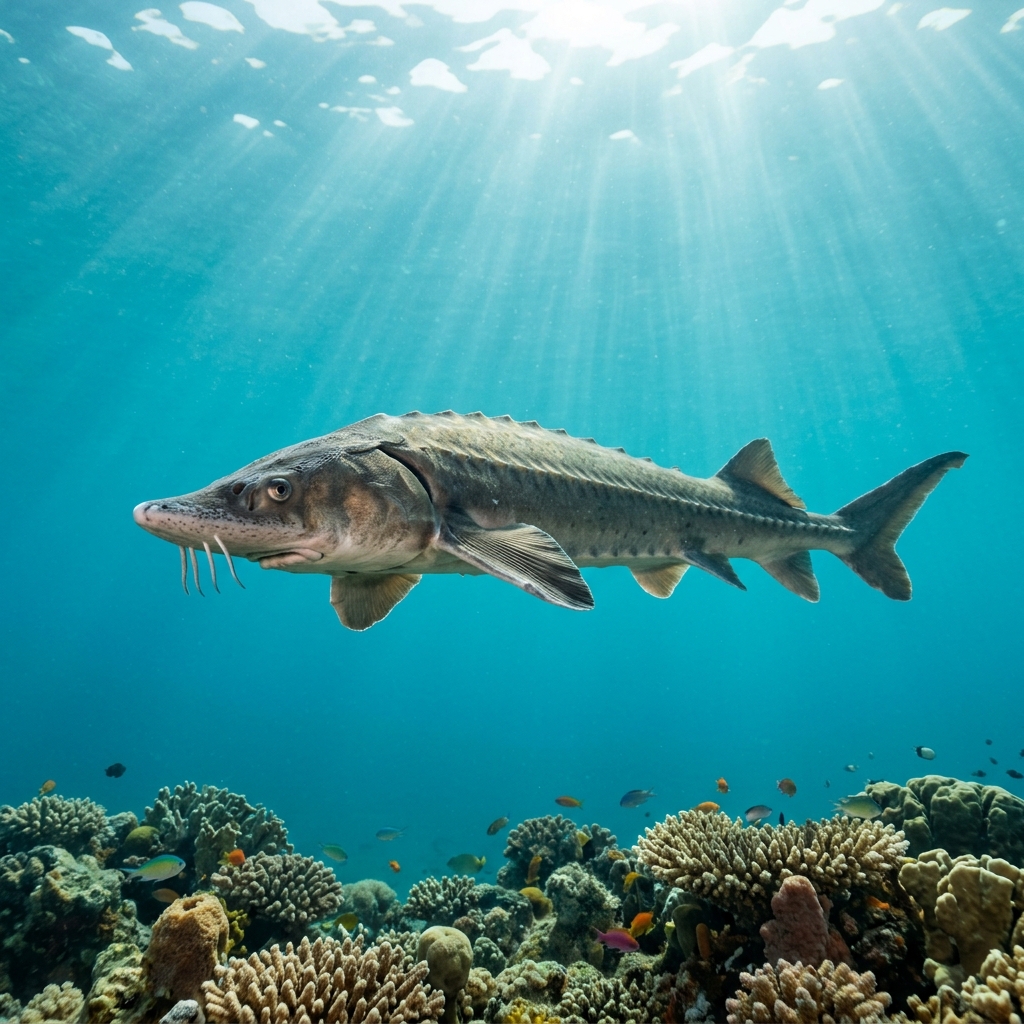
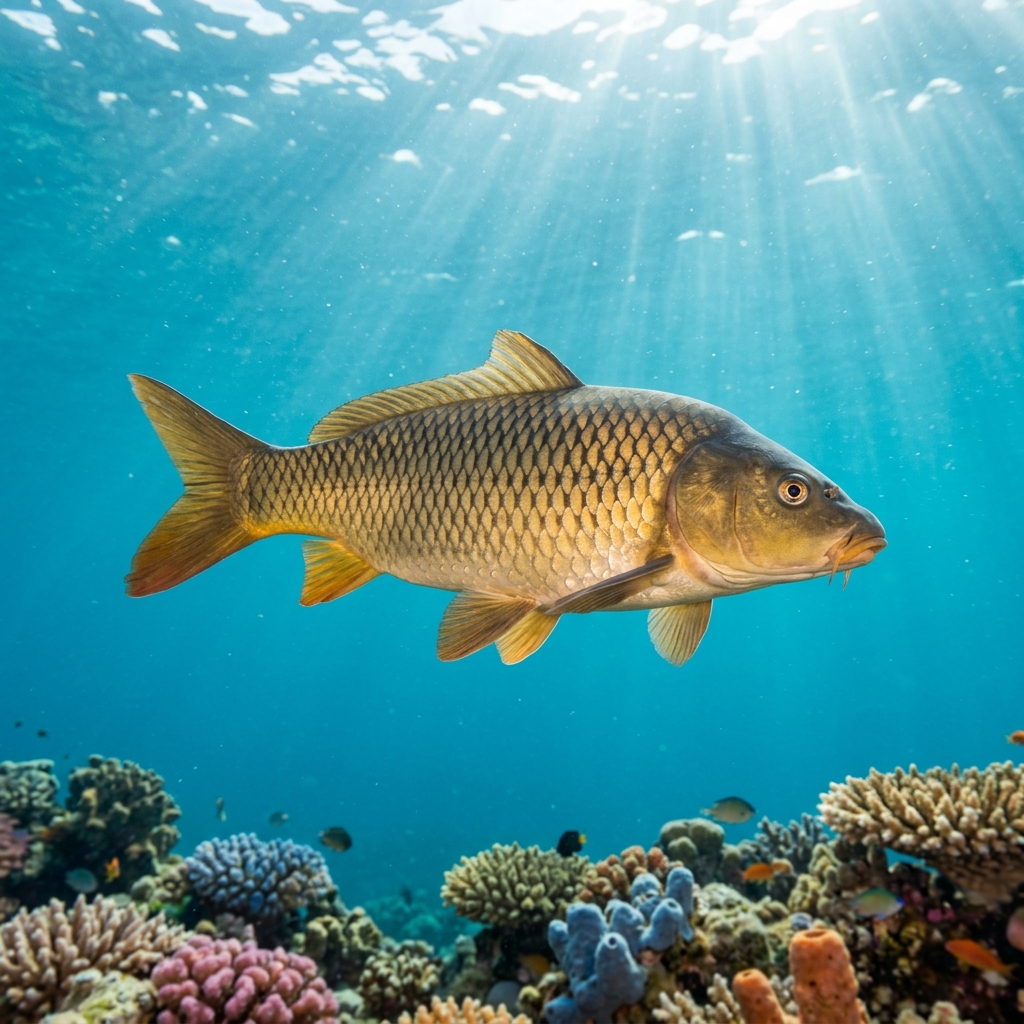
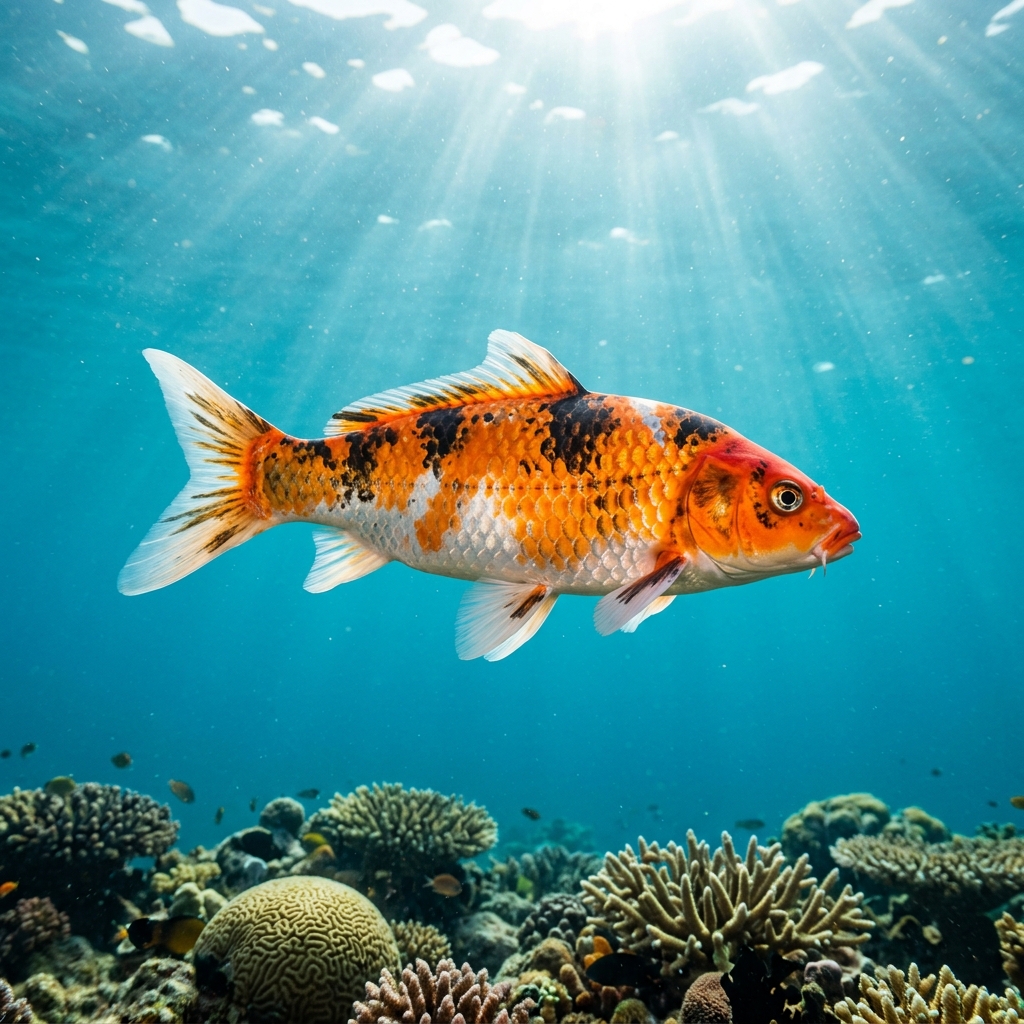
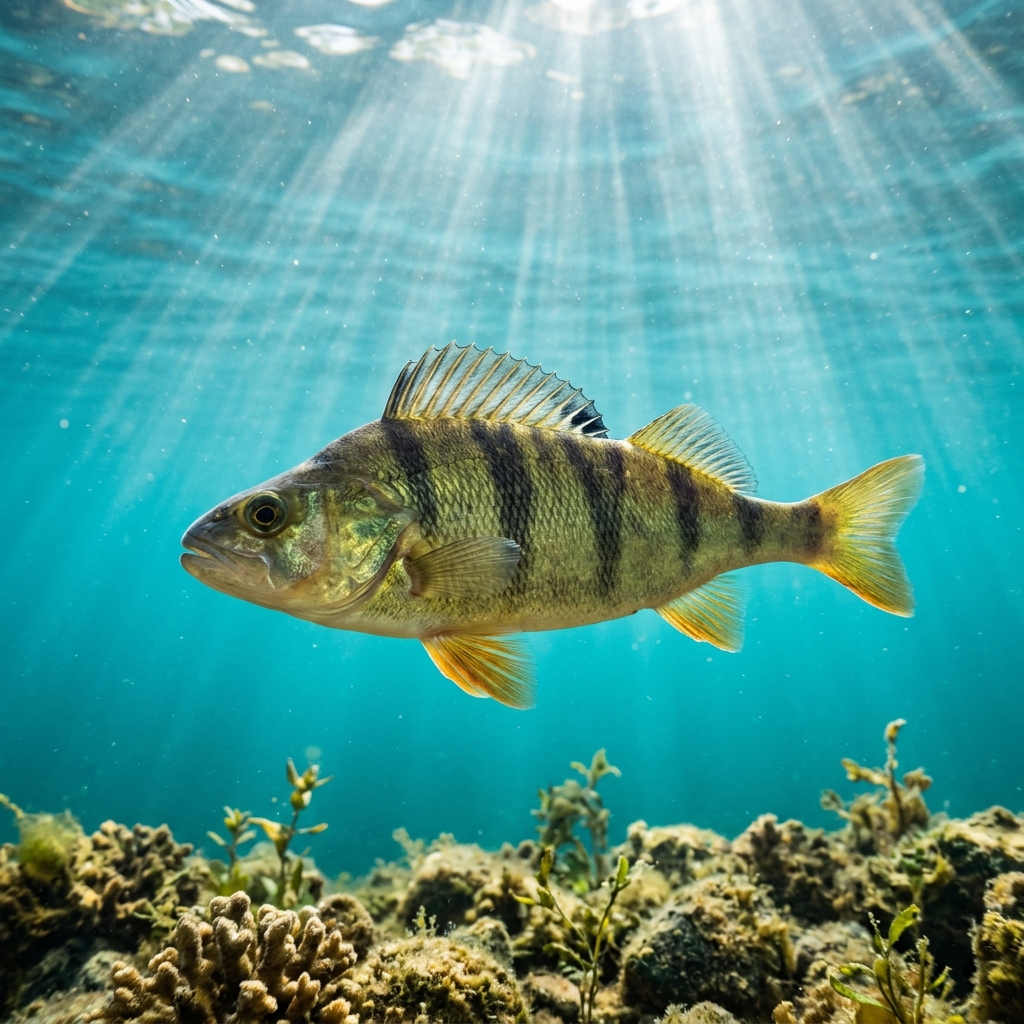
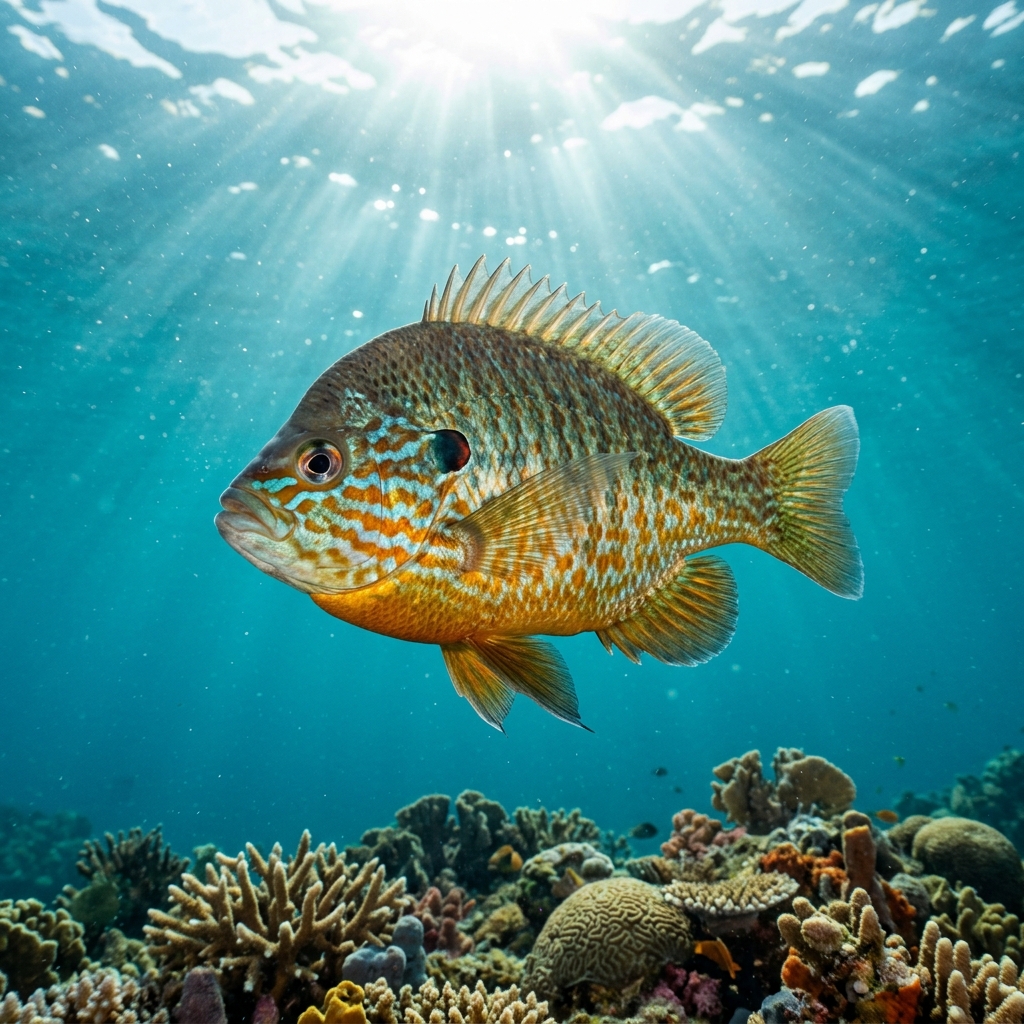
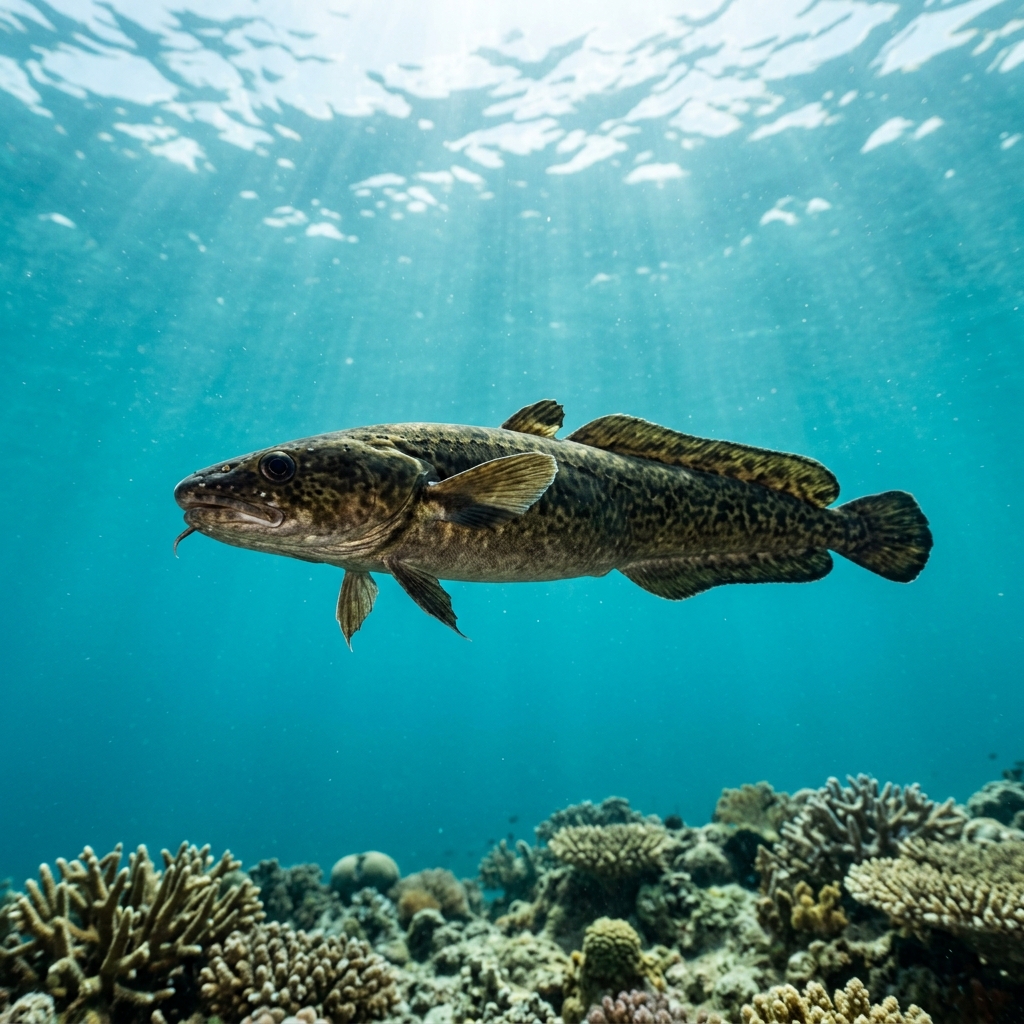
Reef neighbours a diver could mistake it for. Use the identification notes above to tell them apart.
Strongest logged populations are in Germany, Switzerland and the United States, with Zurich, Bavaria and Baden-Württemberg standing out as reliable regions, alongside Ontario in Canada and lake and river sites across the Netherlands, Austria and Poland. Ontario alone accounts for a large share of North American sightings, making it one of the most consistent places to plan a pike dive.
Mapping where Pike is logged…
Germany and Switzerland have the densest network of logged pike sites, especially around Zurich and Bavaria, with strong showings too in Ontario, Canada and across lakes in the Netherlands and Austria.
June through September is when sightings concentrate in the Northern Hemisphere, as clearer summer water and dense weed growth give pike the cover they use to ambush prey.
Look for a long olive-green body with pale mottled markings, a flat duck-billed head, and a dorsal fin set far back near the tail. It usually sits motionless near weed rather than swimming in the open.
They typically reach around 95 cm, with females growing noticeably larger and bulkier than males, especially visible in the run-up to spawning in late winter.
No, pike pose no threat to divers. They are easily spooked by fast movement and will bolt from weed cover rather than approach, so a slow approach is what actually gets you a good look.
They are ambush predators that rely on staying motionless in weed cover to surprise prey, and that same stillness often lets a calm diver get remarkably close before it decides to move.
Site and sighting data is aggregated from diver logs, iNaturalist and GBIF. For taxonomy and conservation status:
Sun Perch
2,182 sites