Silurus glanis
Spot wels catfish in Central Germany and the Lake Geneva Region. Sightings peak in July in warm, murky freshwater from 16 to 29 °C.
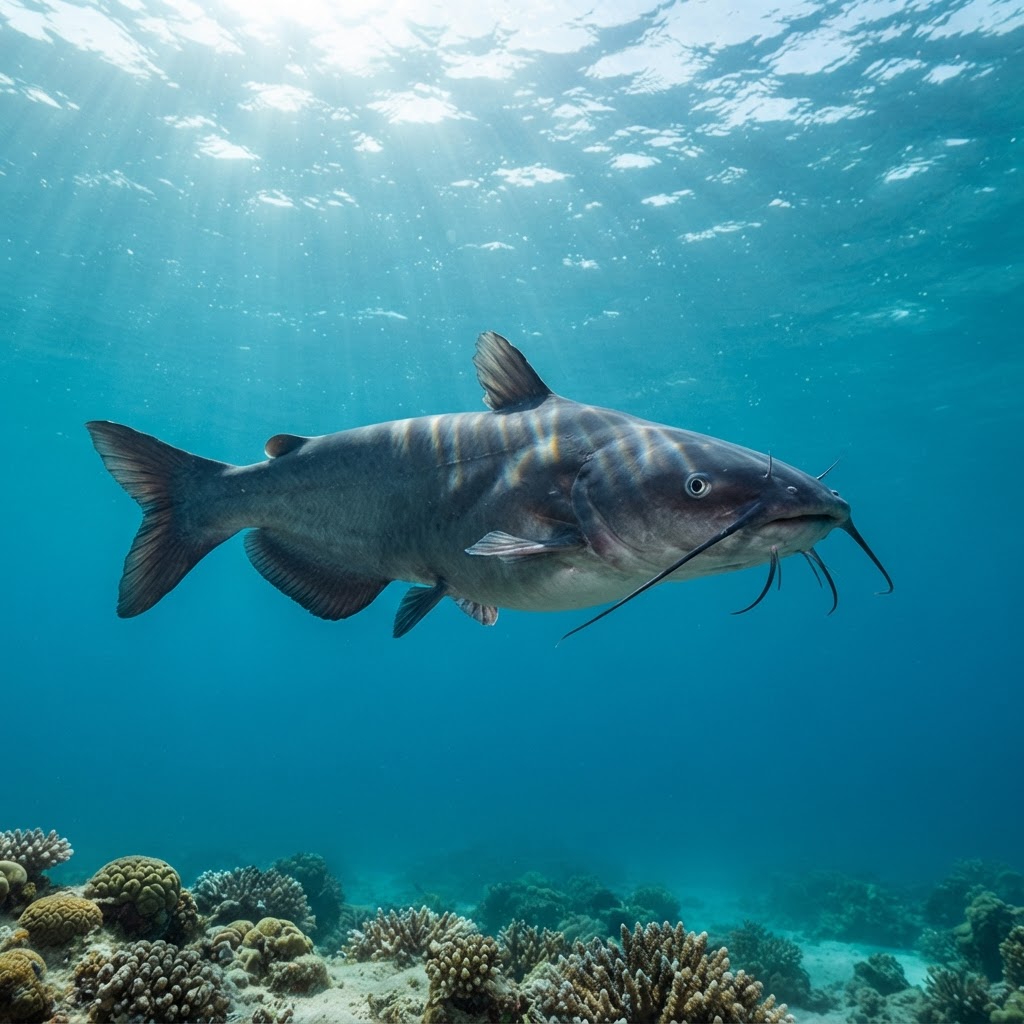
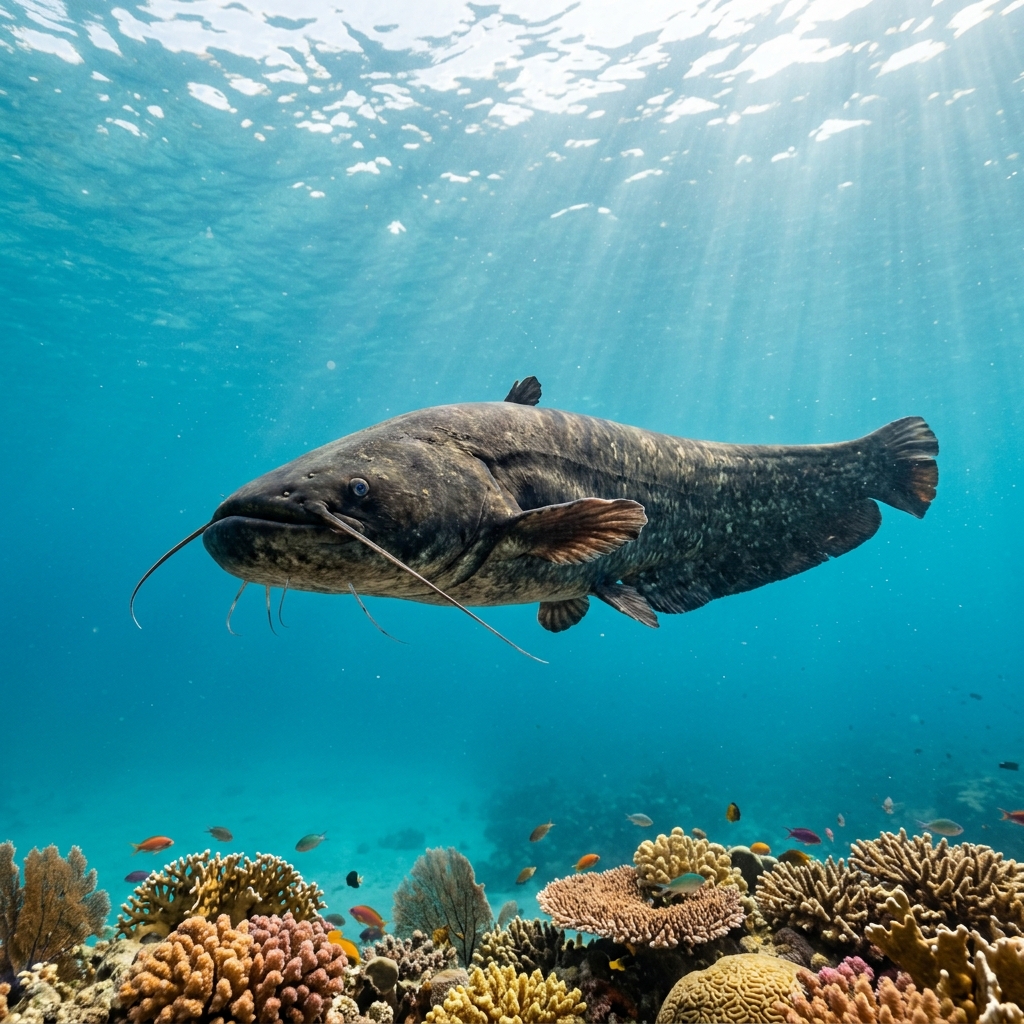
Europe's largest freshwater predator is hard to miss: a vast, elongated body covered in smooth, scale-less skin that ranges from olive-grey to mottled brown or near-black on the back, fading to a pale, yellowish underside. The most reliable underwater cue is the three pairs of sensory barbels (whisker-like organs) around the mouth, with two very long ones projecting from the upper jaw. The head is broad and flat, the mouth enormous, and the body tapers to a long, paddle-like tail. Even partially hidden under a bank or submerged log, that flat anvil-shaped head and the trailing barbels give it away instantly.
Wels catfish spend much of the day lying motionless under ledges, submerged wood, or in deep pockets of silt, becoming more active as light fades toward dusk. Divers who scan the bottom carefully in slow-moving rivers and warm lakes often find one simply parked in a shallow depression, apparently unbothered by a close approach. They are not shy animals; a calm diver can often get within arm's reach before the fish slowly fans its tail and drifts away.
Wels catfish can live for several decades and reach weights exceeding 100 kg, making the largest individuals among the heaviest freshwater fish anywhere in Europe. Older fish often bear distinctive scars and markings from territorial encounters, which can help recognise individual animals at familiar dive sites.
In the Northern Hemisphere, sightings concentrate in July, coinciding with peak water temperatures when wels catfish are most active in the shallows. The observed temperature window of roughly 16 to 29 °C suggests late spring through early autumn offers the best chances.
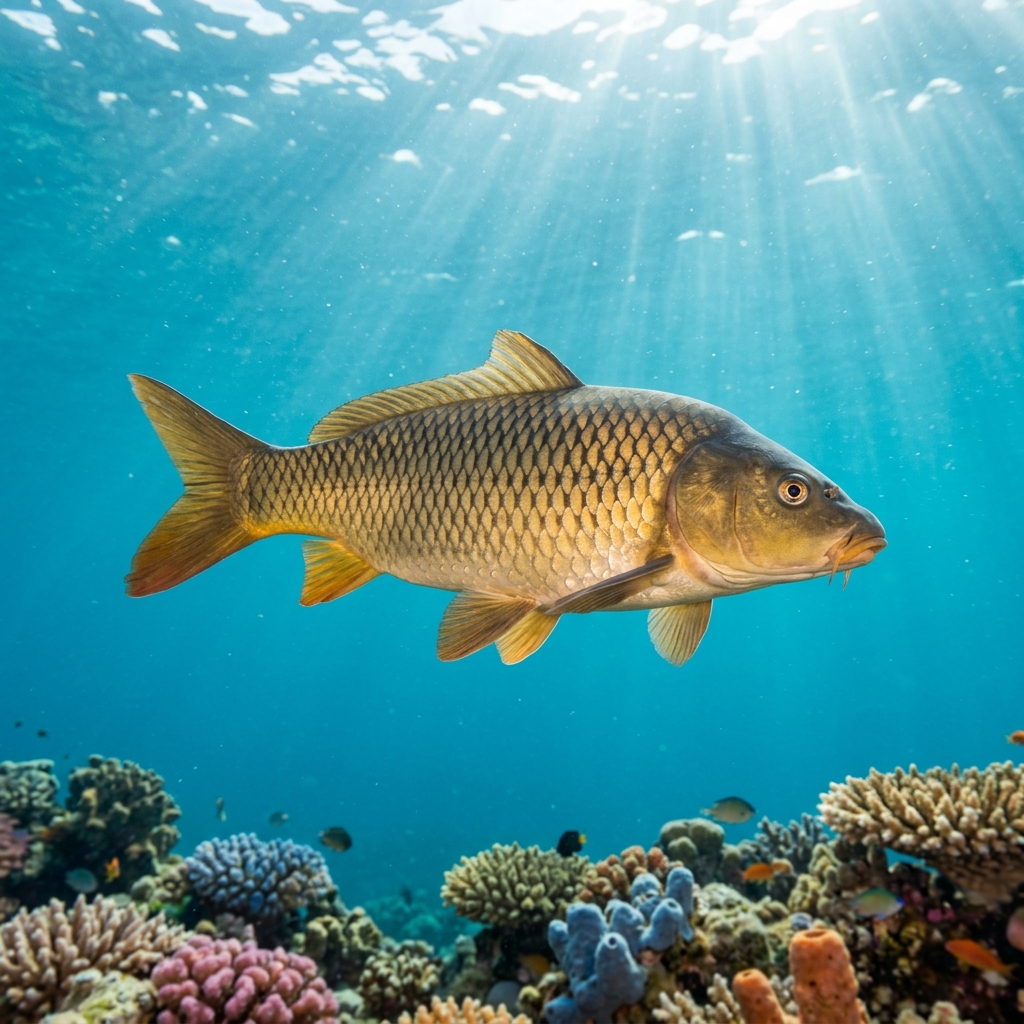
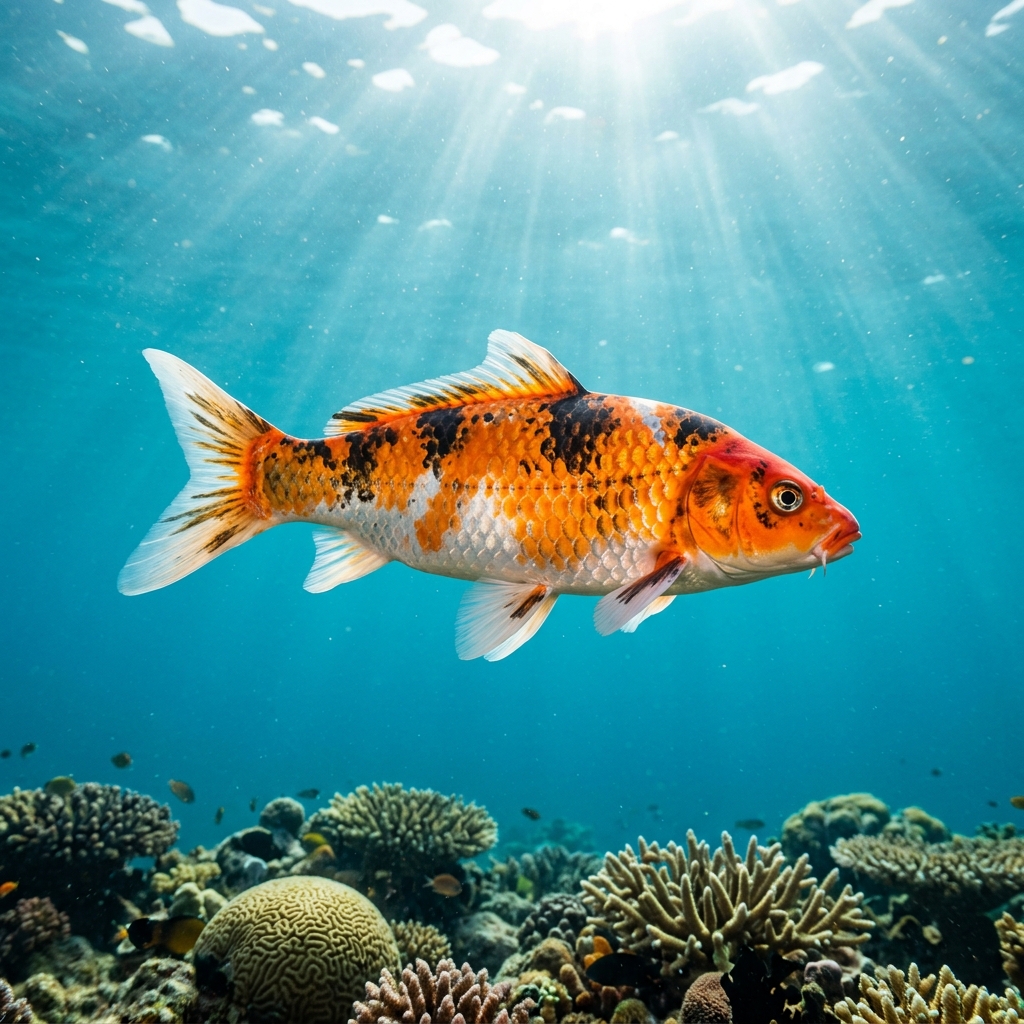
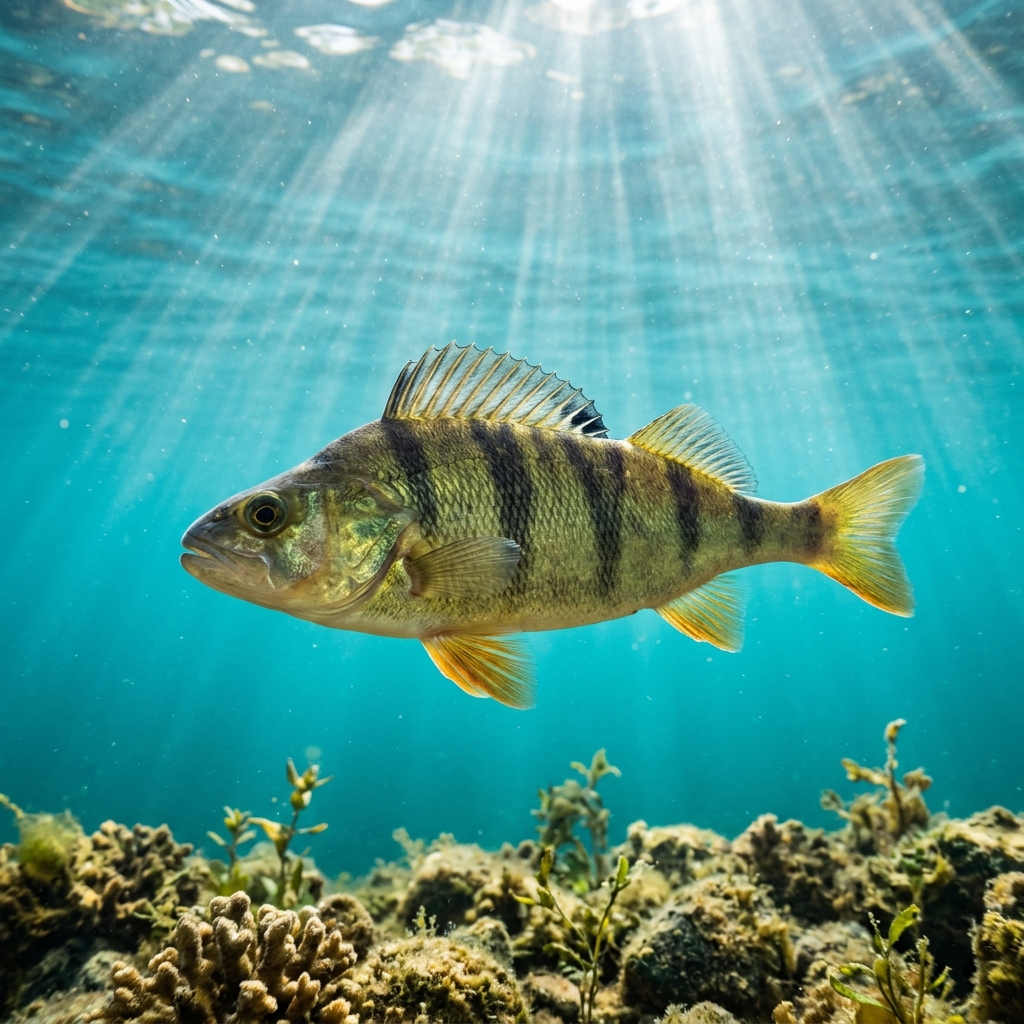
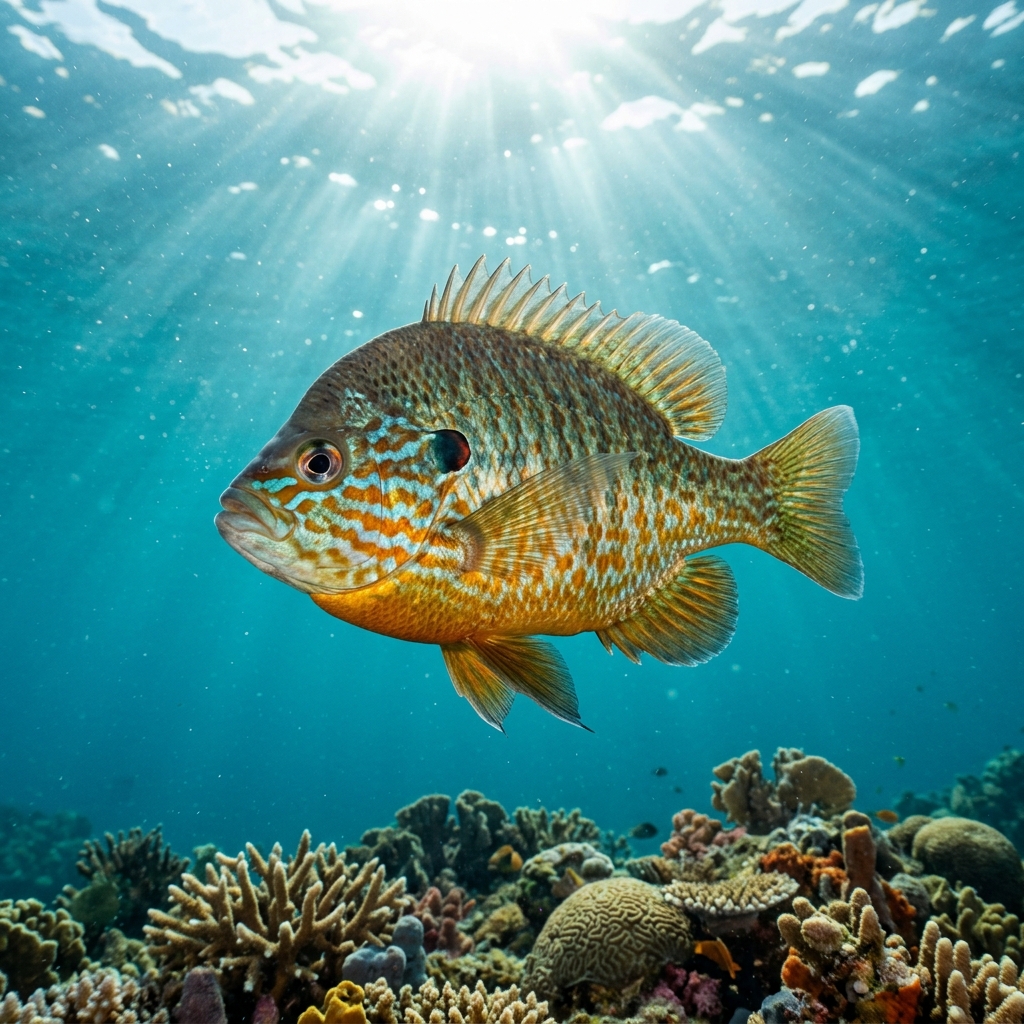
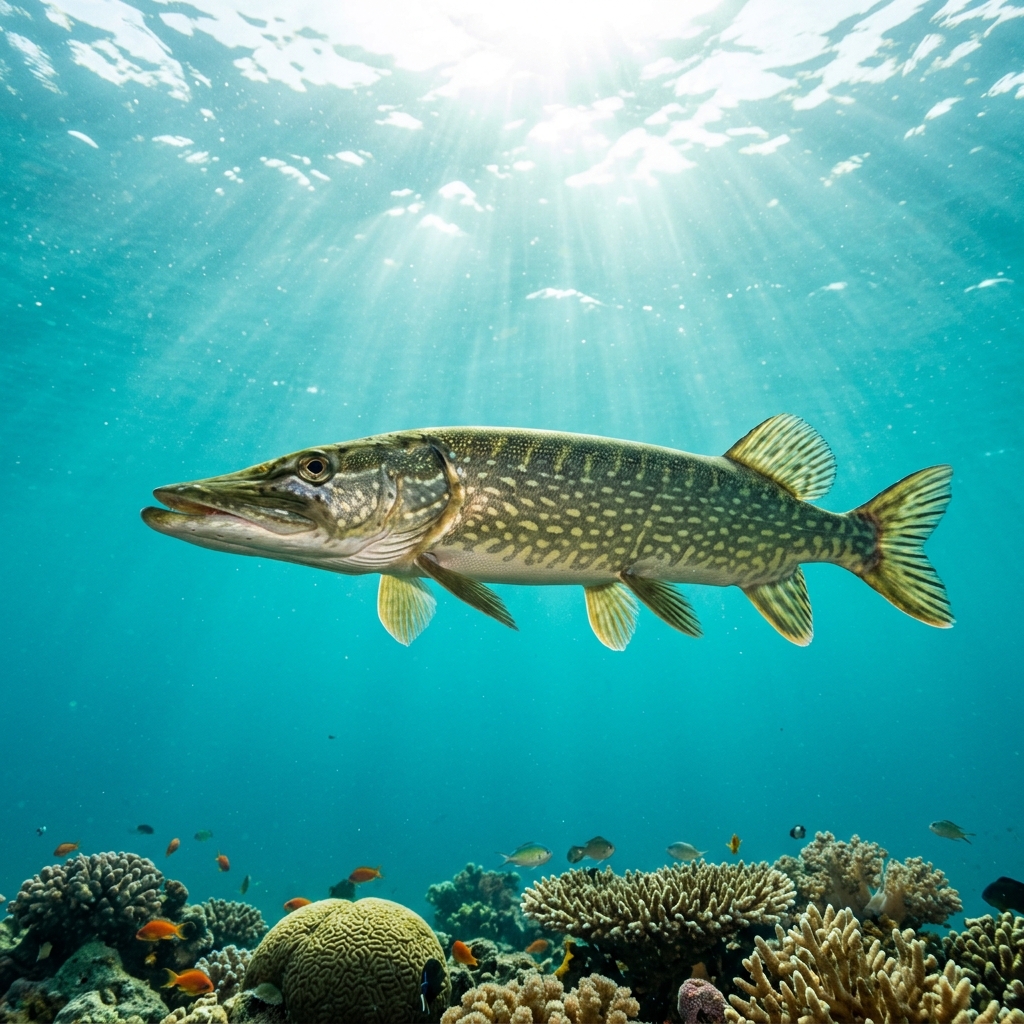
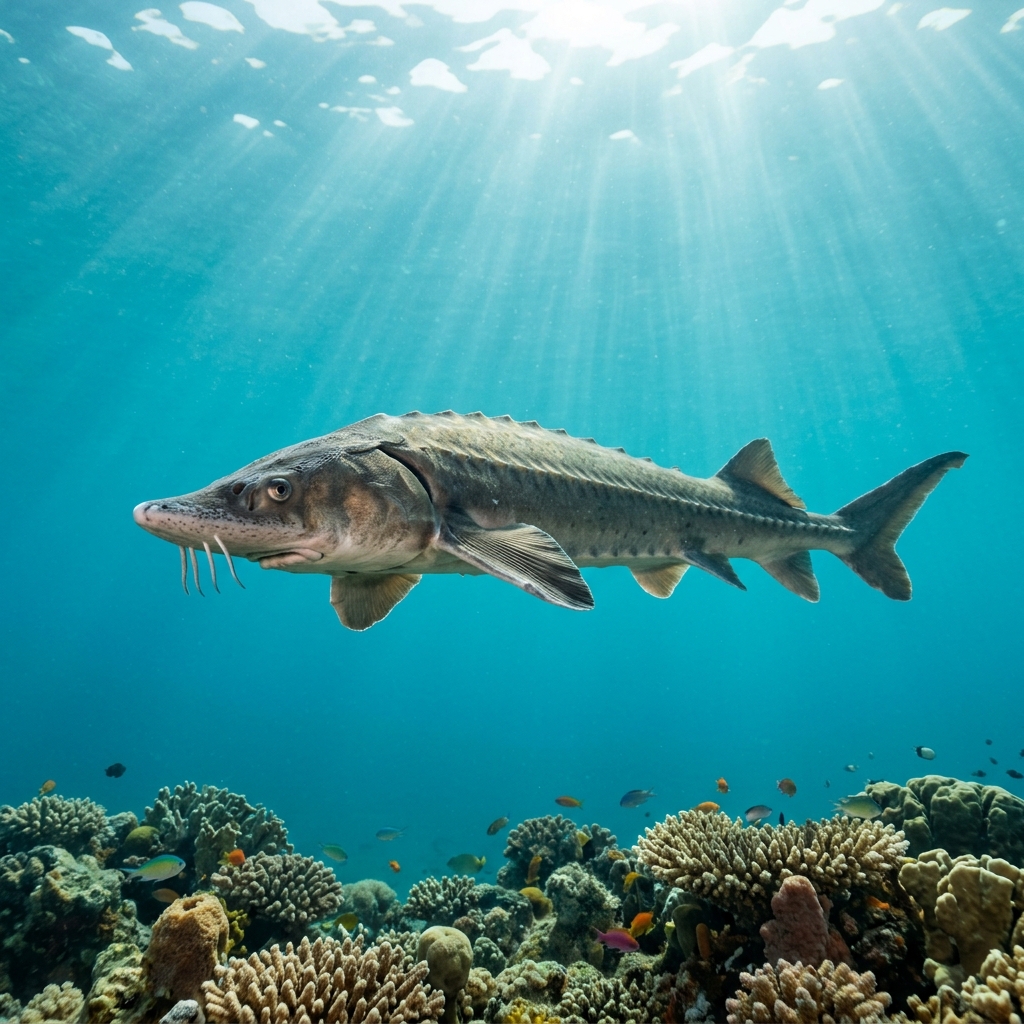
Reef neighbours a diver could mistake it for. Use the identification notes above to tell them apart.
Wels catfish are most commonly logged in Switzerland and Germany, with particularly strong populations across Central Germany, Central Switzerland, and the Lake Geneva Region. Austria's Carinthia Lakes and Bohemia in the Czech Republic also produce regular sightings. France, Belgium, Luxembourg, and Poland round out the European hotspots.
Mapping where Wels Catfish is logged…
Wels catfish are most reliably encountered in Central Germany, the Lake Geneva Region of Switzerland, and the Carinthia Lakes of Austria. Strong populations are also logged across Central Switzerland and Bohemia in the Czech Republic. All of these sites are freshwater: slow rivers, deep lakes, and reservoirs.
July stands out as the peak month based on diver sightings in the Northern Hemisphere. Water temperatures in the 16-29 °C range, typical of mid-summer in Central European lakes and rivers, trigger increased activity and push fish into shallower, more accessible water.
Look for a huge, smooth, scale-less body in olive-grey or mottled brown, a very wide flat head, and two long barbels projecting from the upper jaw plus four shorter ones on the chin. No other European freshwater fish shares that combination of sheer bulk, smooth skin, and prominent whiskers.
Wels catfish are the largest freshwater fish native to Europe. Verified specimens can exceed 2.5 metres in length and weigh over 100 kg, though most individuals divers encounter are considerably smaller. Even a modest adult of 1 to 1.5 metres is a striking sight underwater.
No. Wels catfish are not considered dangerous to divers. Despite their size, they are ambush predators focused on fish, frogs, and invertebrates. They typically ignore or slowly move away from divers. Their mouths contain many small teeth designed to grip prey, not inflict serious wounds on large animals.
Site and sighting data is aggregated from diver logs, iNaturalist and GBIF. For taxonomy and conservation status:
Sun Perch
2,182 sites