Sander lucioperca
Spot pike perch in Central Switzerland, Bavaria, and Brandenburg. A cold-water predator logged year-round in temps as low as 2°C. Here's where to find one.
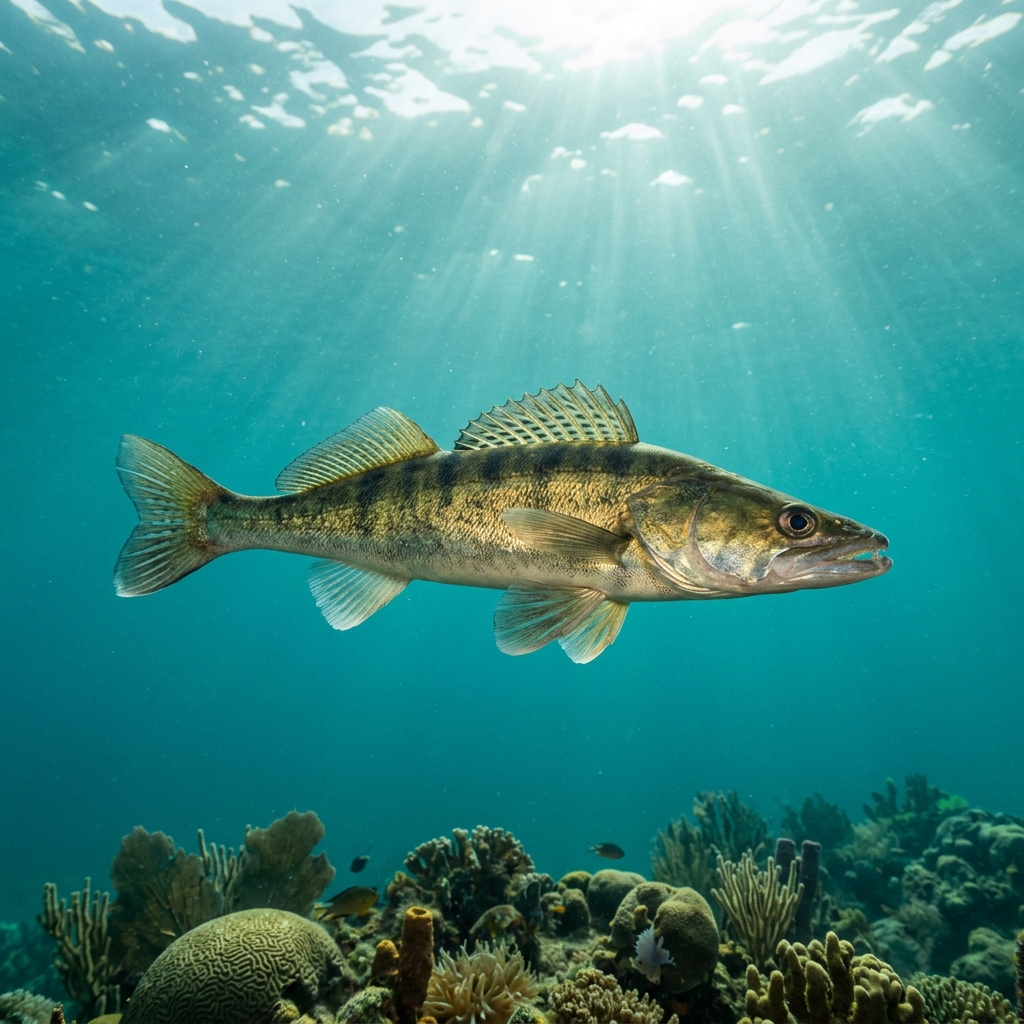
A long, torpedo-shaped fish with a distinctly pointed snout, large glassy eyes, and two separate dorsal fins, the first spiny, the second soft-rayed. Colouration is generally olive-green to grey-brown on the back, fading to pale yellow or cream on the belly, with irregular dark blotches along the flanks. At around 70 cm, it is noticeably larger and more slender than most other perch-family fish you will encounter. Those large, reflective eyes are the detail divers key on first, they give the fish a glowing appearance in low light.
Pike perch tend to hold in open or mid-water column positions rather than tight to the bottom, often hovering near structure like submerged timber, bridge pilings, or drop-offs. They are ambush predators and can appear motionless before surging at prey, so you may find one holding steady and seemingly unbothered by your approach. Sightings are typically brief, they tolerate a calm diver at a respectful distance but move off if approached too directly.
Those oversized, light-gathering eyes are an adaptation for hunting in low-visibility, turbid water, pike perch actively feed in near-darkness, which is why dusk and night dives in murky European lakes can turn up sightings when midday dives produce nothing.
Sighting data does not point to a concentrated season, so pike perch can be encountered year-round. The species tolerates very cold water, divers have logged it at temperatures as low as 2°C, so do not rule out winter dives in Central European lakes.
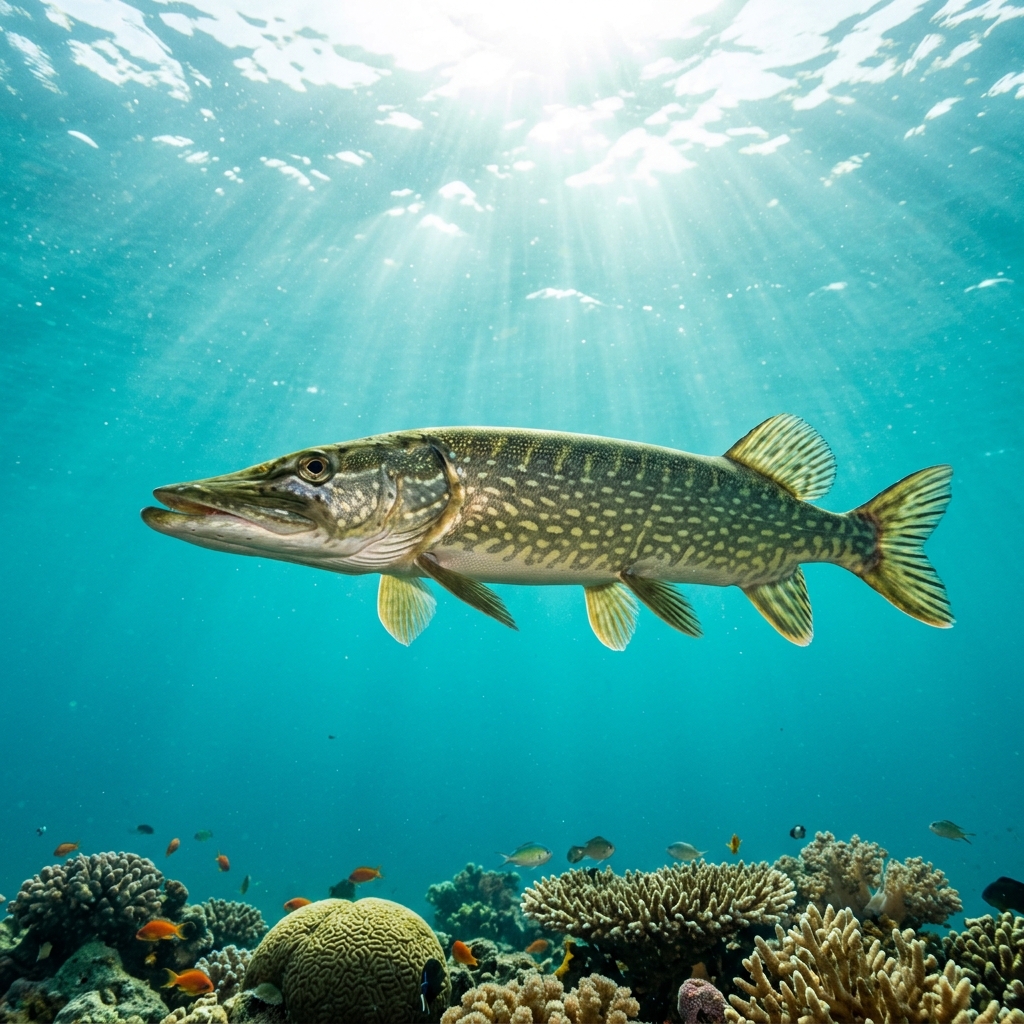
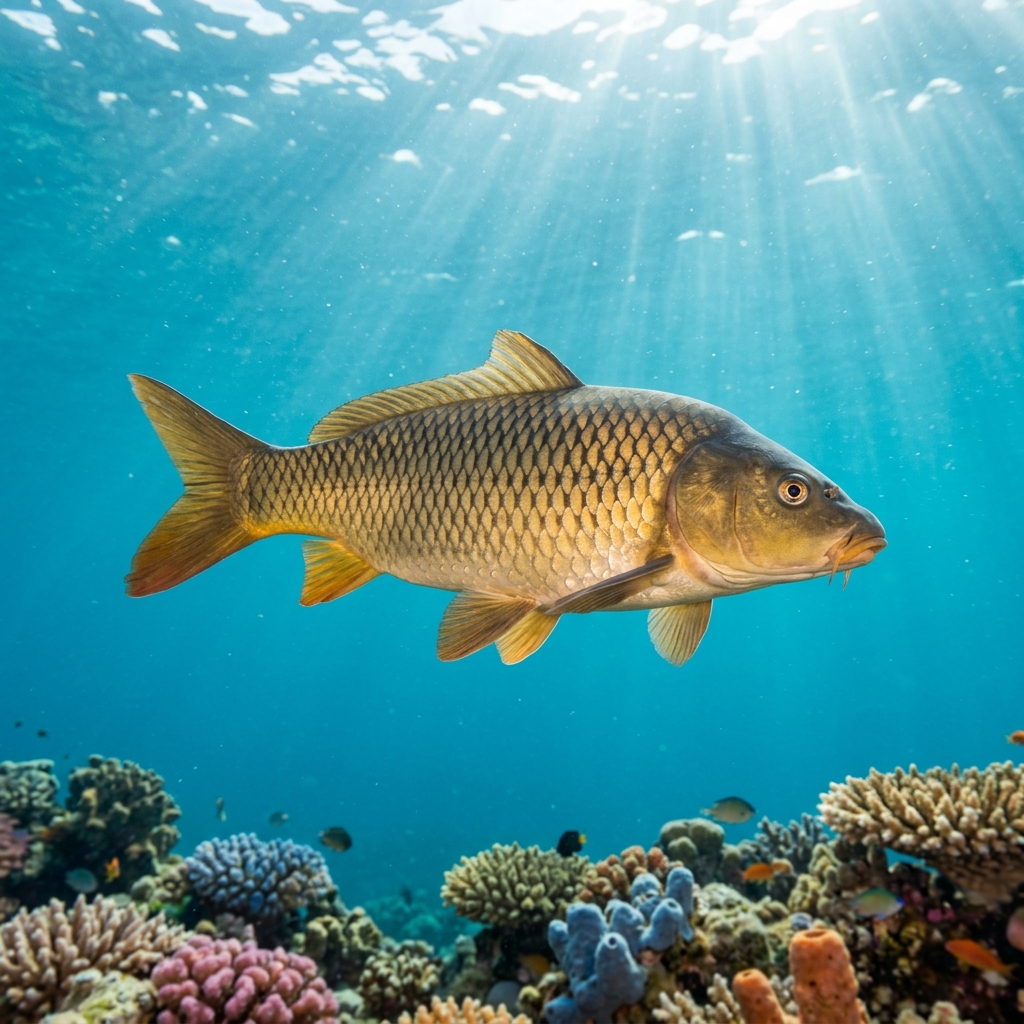
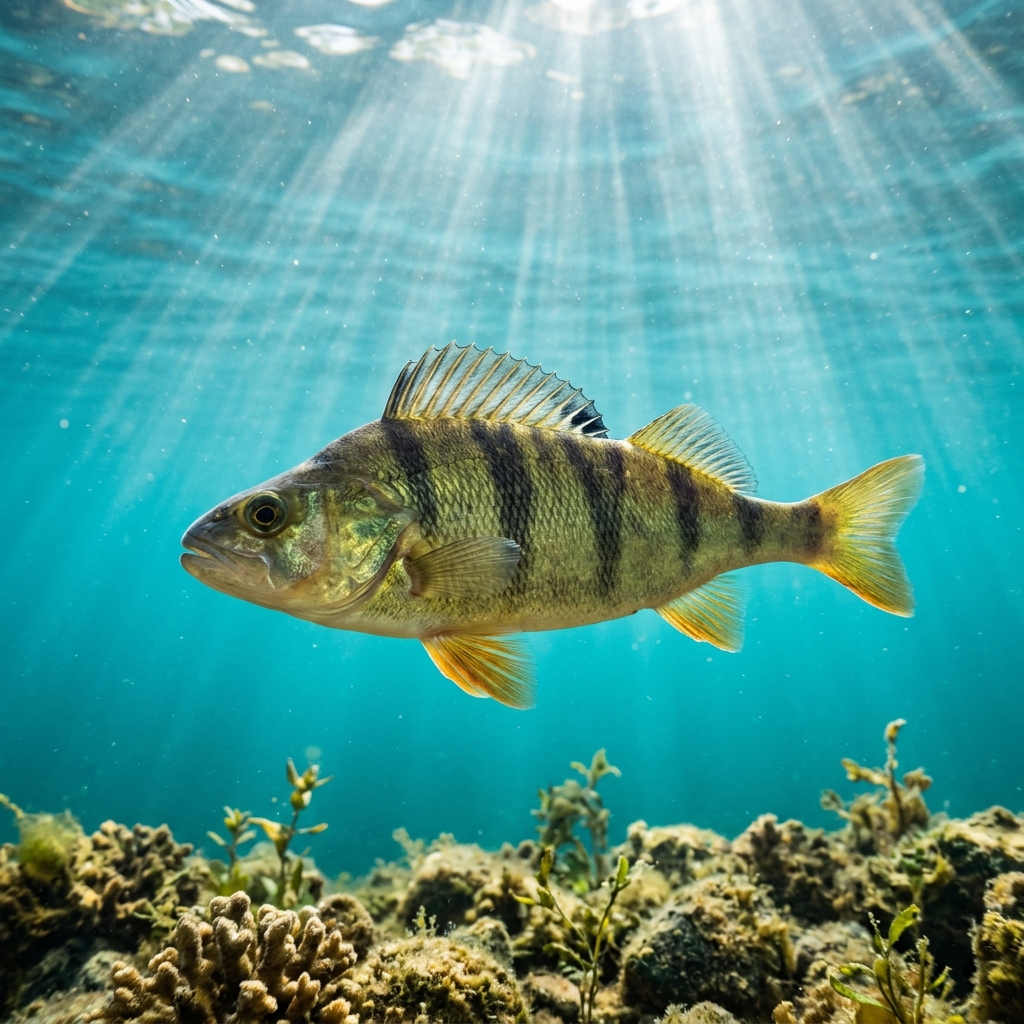
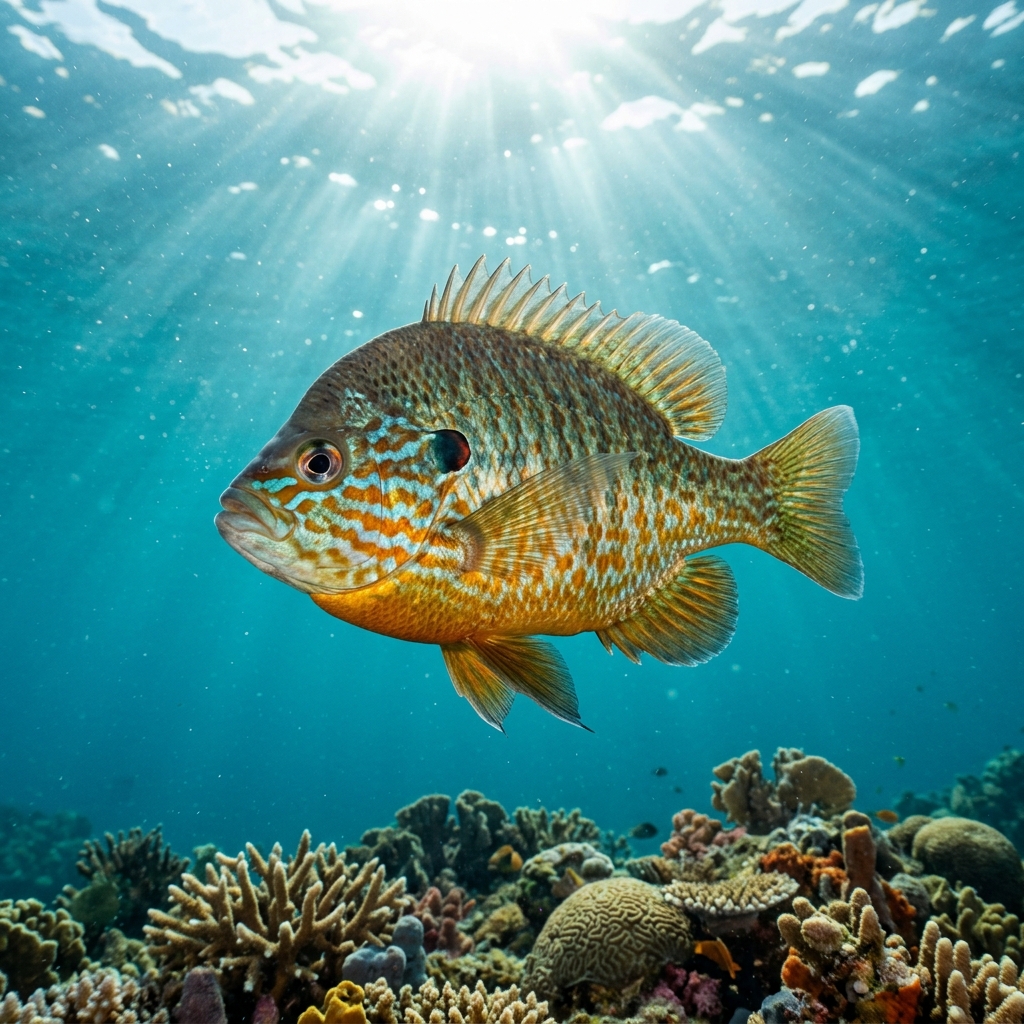
Reef neighbours a diver could mistake it for. Use the identification notes above to tell them apart.
Pike perch are most commonly logged across Germany and Switzerland, with particularly strong records from Central Switzerland, Central Germany, the Bavarian Alps, and the Berlin & Brandenburg lakes region. The Netherlands, Austria, and Poland also have solid sighting spread, with smaller but consistent records from France, Belgium, and Italy. If you want the best odds, target the large clear lakes of Switzerland or the well-dived freshwater sites around Bavaria and Brandenburg.
Mapping where Pike Perch is logged…
Pike perch are most reliably encountered in Central Switzerland, Bavaria, and the Berlin & Brandenburg lake district in Germany. The Netherlands and Austria also have strong sighting records. Look for them around submerged structure in large, cool freshwater lakes and reservoirs.
There is no clear peak season in the data, pike perch appear to be encountered year-round wherever they live. They handle extremely cold water, so winter diving in Central European lakes is a viable option. Dusk or low-light dives may improve your odds, as they are active hunters in dark conditions.
Look for a long, slim body with a pointed snout, two distinct dorsal fins, and noticeably large glassy eyes that can appear to glow in your torch beam. Colouration is olive-green to grey-brown with irregular dark mottling. At around 70 cm, it is bigger and more slender than any other perch-family fish in the same waters.
The typical dive encounter is around 70 cm, though large individuals can exceed 1 metre in length. They are the largest members of the perch family in European fresh water, and their slim build makes them look even longer than they are.
Their oversized eyes are packed with light-sensitive cells that allow them to hunt effectively in murky, low-visibility water and at night. This gives them a strong feeding advantage over prey fish that struggle to see in the dark, and it is why a torch-lit night dive in a turbid lake is one of the better ways to encounter one.
Site and sighting data is aggregated from diver logs, iNaturalist and GBIF. For taxonomy and conservation status:
Sun Perch
2,182 sites