Rutilus rutilus
Spot roach in the lakes of Carinthia and Salzkammergut, Austria. Most sightings concentrate in August in water as cool as 4°C.
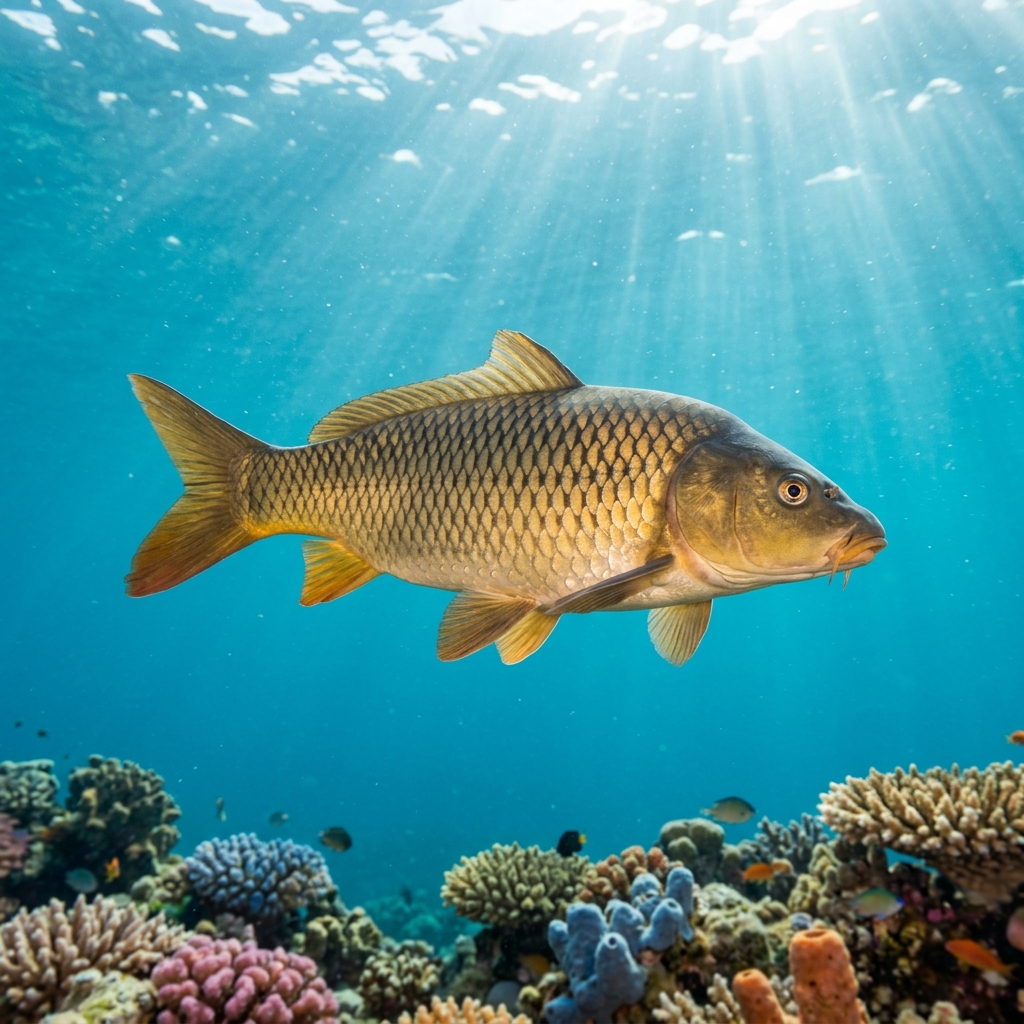
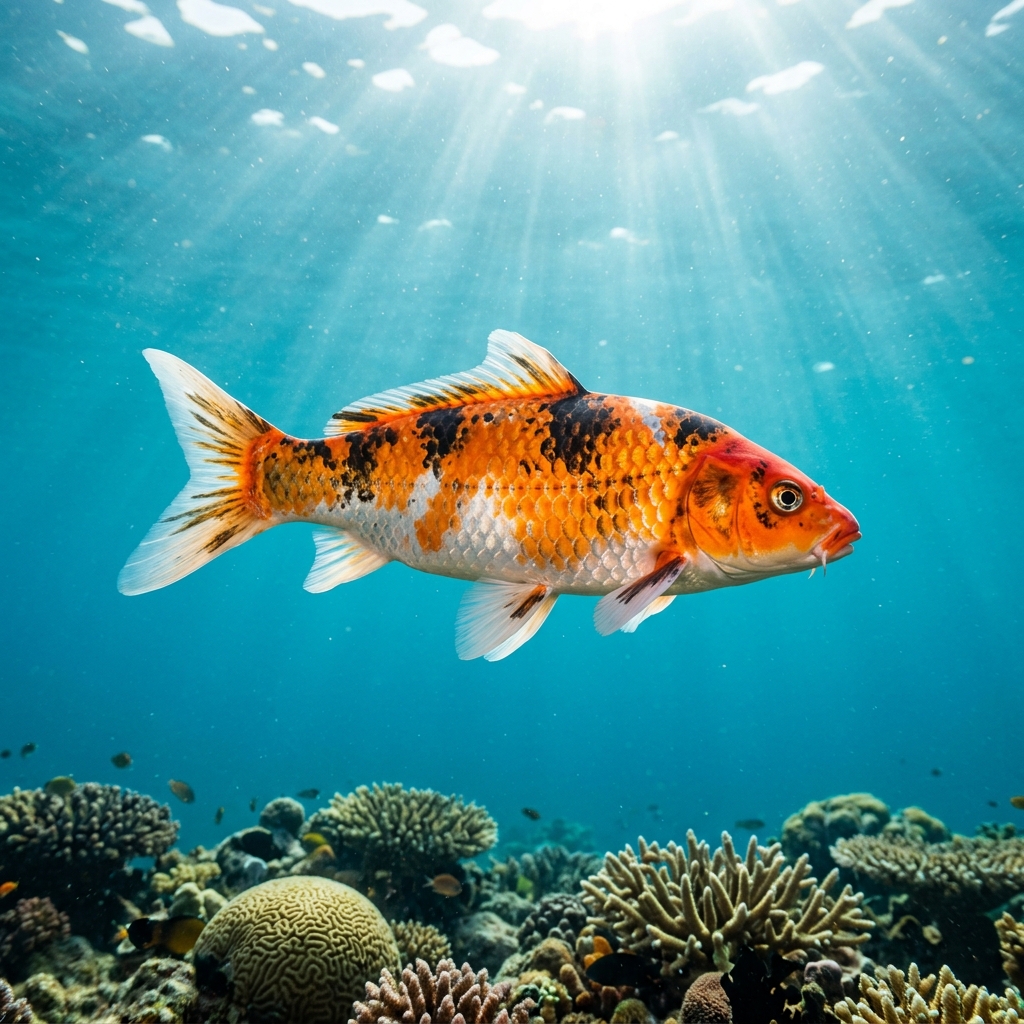
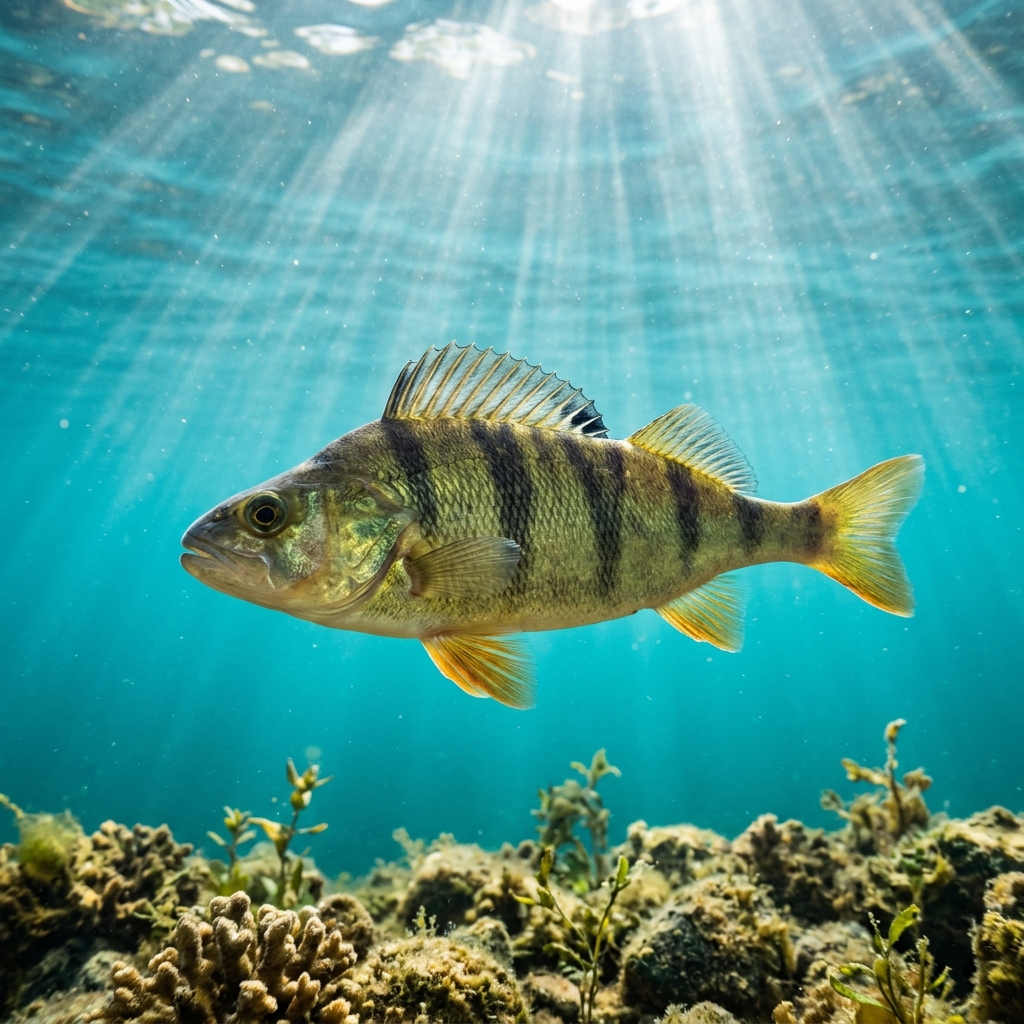
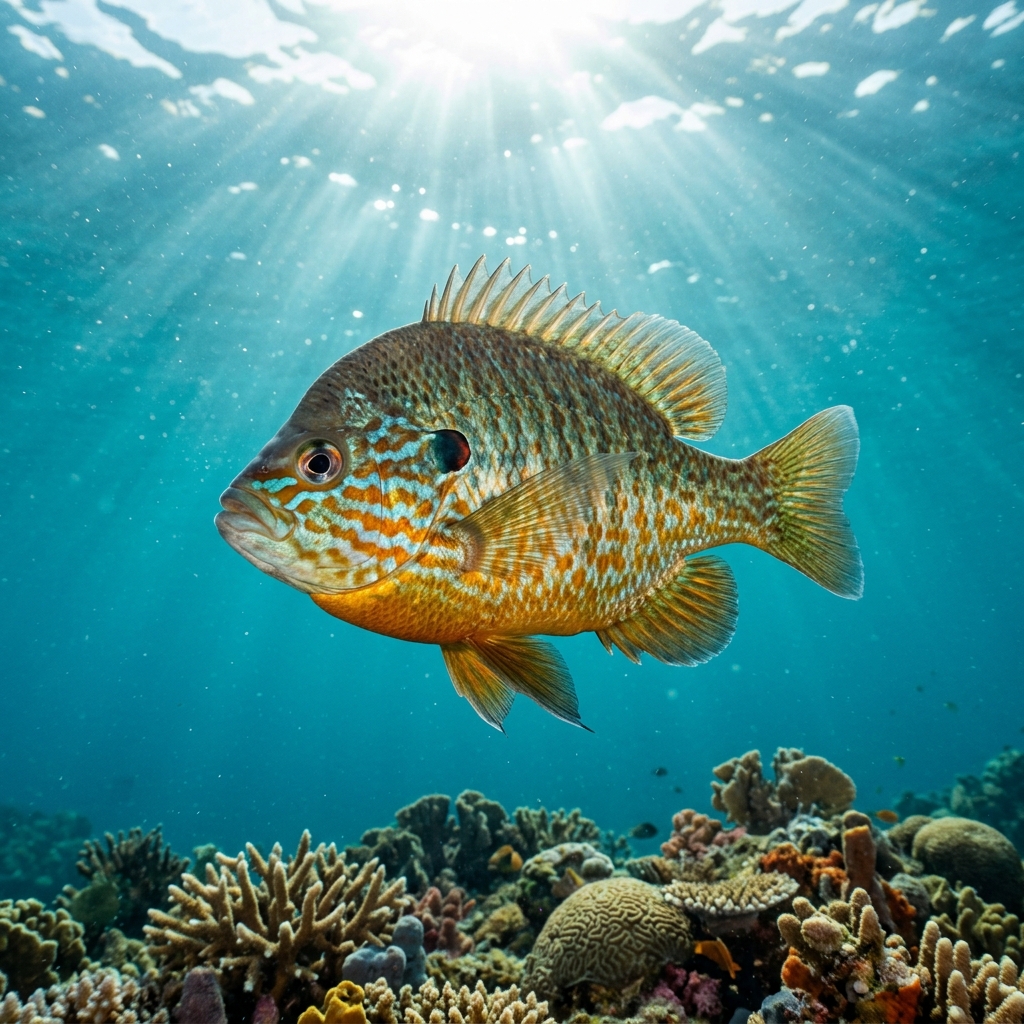
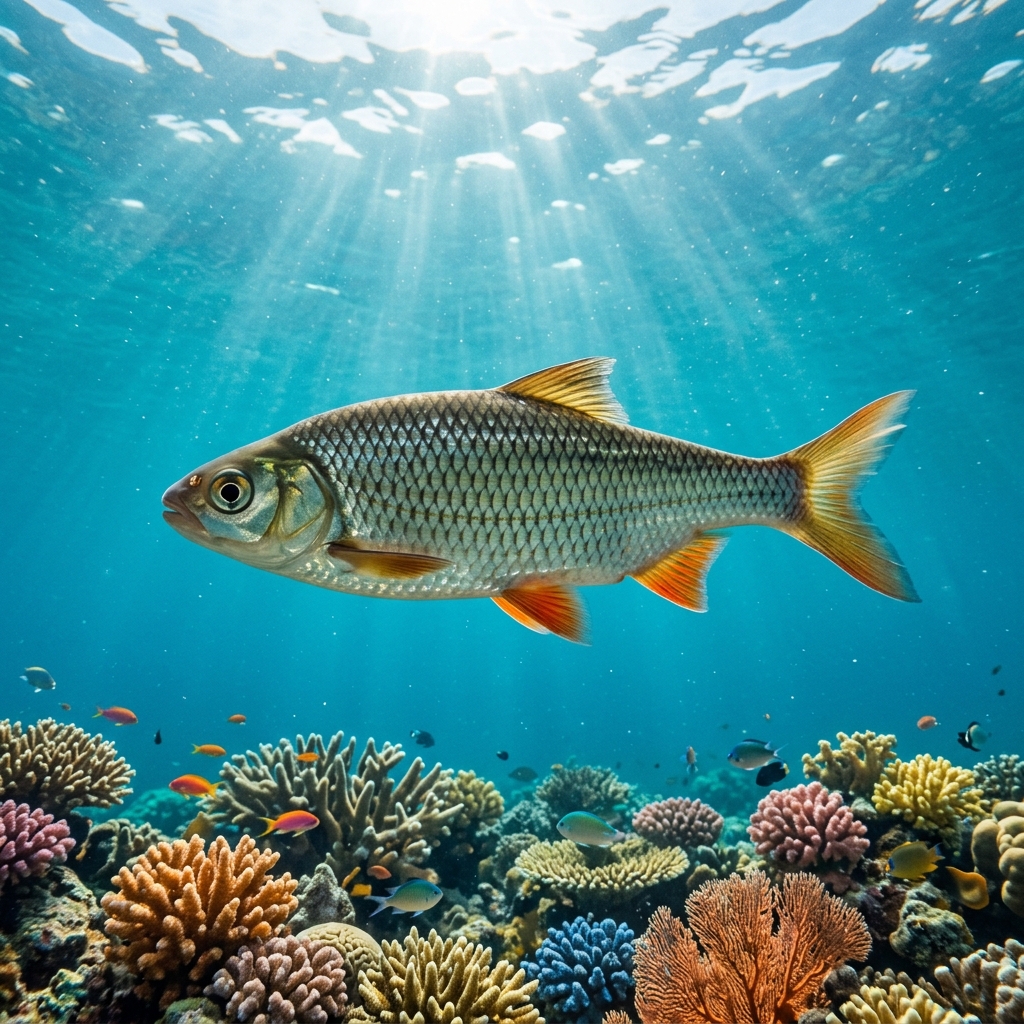
Silvery flanks with a faint bluish or greenish sheen on the back make roach one of the neater-looking cyprinids (carp-family fish) in Central European lakes. Look for the distinctly reddish-orange pelvic and anal fins paired with a red iris, that eye colour is the quickest field mark underwater. Body shape is moderately deep and laterally compressed, giving it a classic slab-sided freshwater profile. No visible lateral-line spots or bold markings complicate the ID.
Roach tend to move in loose shoals through open water or along the margins of submerged vegetation, often in the mid-water column rather than hugging the bottom. They are not especially wary of divers but will drift away unhurriedly if approached too quickly. Most encounters happen in the upper water layers during daylight, where ambient light catches their silver flanks.
Roach are remarkably cold-tolerant for an active freshwater fish, observed in water recorded as low as 4.2°C, meaning alpine lake divers in early season may still find them moving around when most other species have become sluggish.
Sighting data from Northern Hemisphere sites concentrates in August, which aligns with peak summer warmth in alpine and Central European lakes. Outside that window, encounters become less predictable, so plan a midsummer freshwater dive for the best odds.
Roach are most commonly logged in the lakes of Carinthia, Austria, which accounts for the clear majority of recorded dive sites, with the Salzkammergut region of Austria also producing reliable sightings. Central Germany and the Lake Geneva region of Switzerland round out the main areas where divers encounter them.
Mapping where Roach is logged…
Roach are most reliably encountered in the freshwater lakes of Carinthia and Salzkammergut in Austria, with further sightings logged across Central Germany and the Lake Geneva region of Switzerland. A small number of observations also come from Western Poland.
Logged sightings from Northern Hemisphere sites peak in August. This coincides with the warmest surface temperatures in alpine and Central European lakes, when roach are most active in accessible, well-lit shallows.
The fastest field mark is the red iris combined with distinctly reddish-orange pelvic and anal fins on an otherwise silvery, slab-sided body. No other common Central European lake fish combines that eye colour with those fin hues.
Roach are a small to medium freshwater fish. In most lakes they run around 15 to 30 cm, though larger individuals exceeding 35 cm do occur in productive water bodies.
Yes, diver observations record roach in water as cold as 4.2°C, which is close to the temperature of freshwater just before it freezes. This cold tolerance lets them remain active in deep alpine lakes year-round, even when surface ice forms in winter.
Site and sighting data is aggregated from diver logs, iNaturalist and GBIF. For taxonomy and conservation status:
Sun Perch
2,182 sites