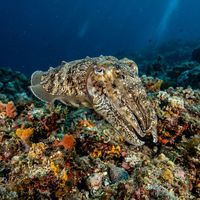
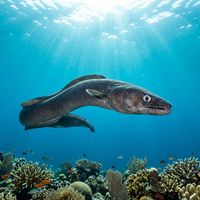
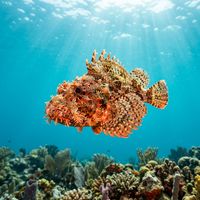
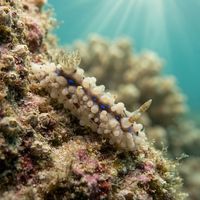
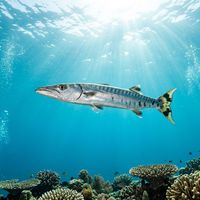
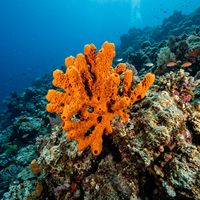
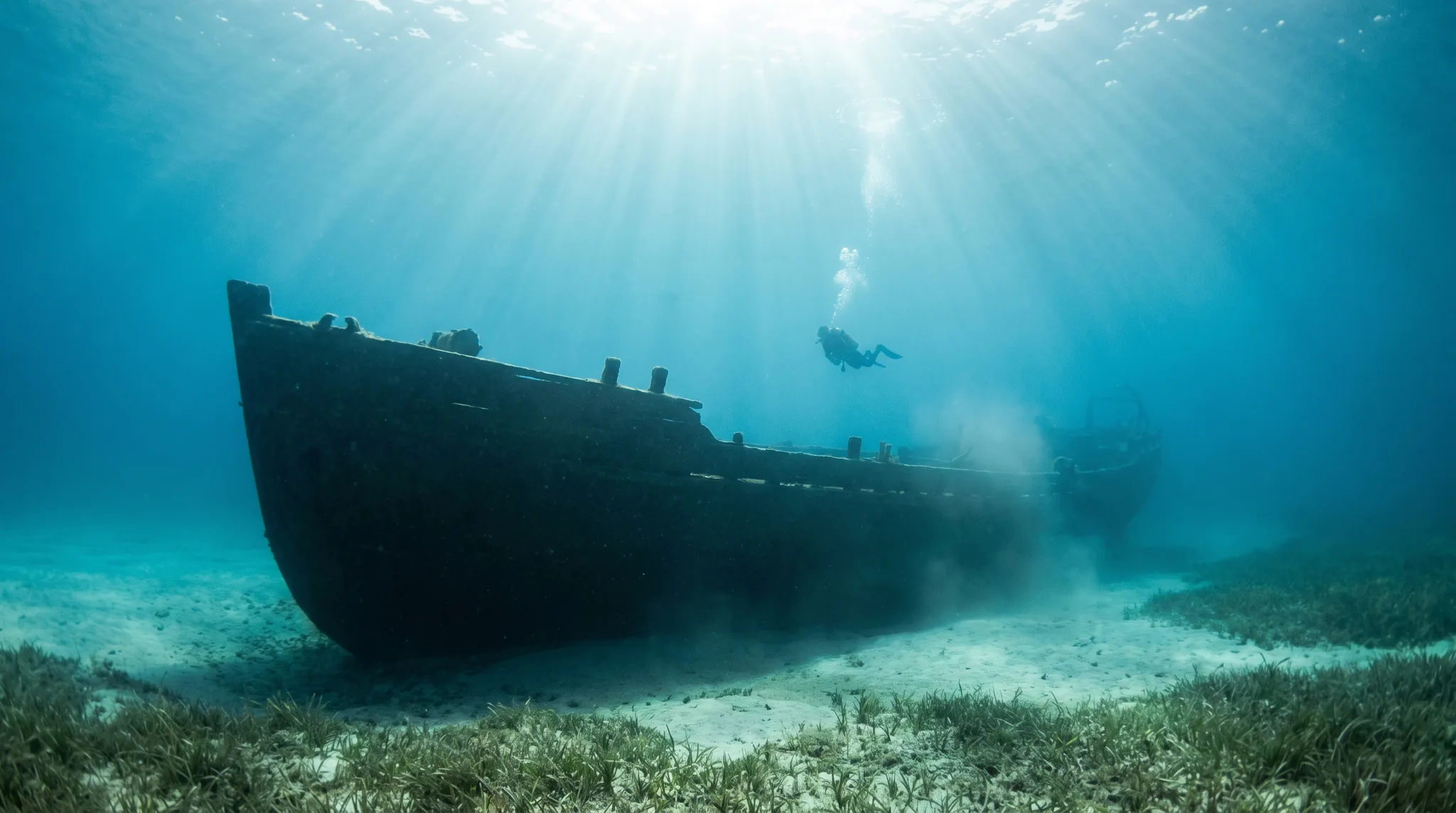
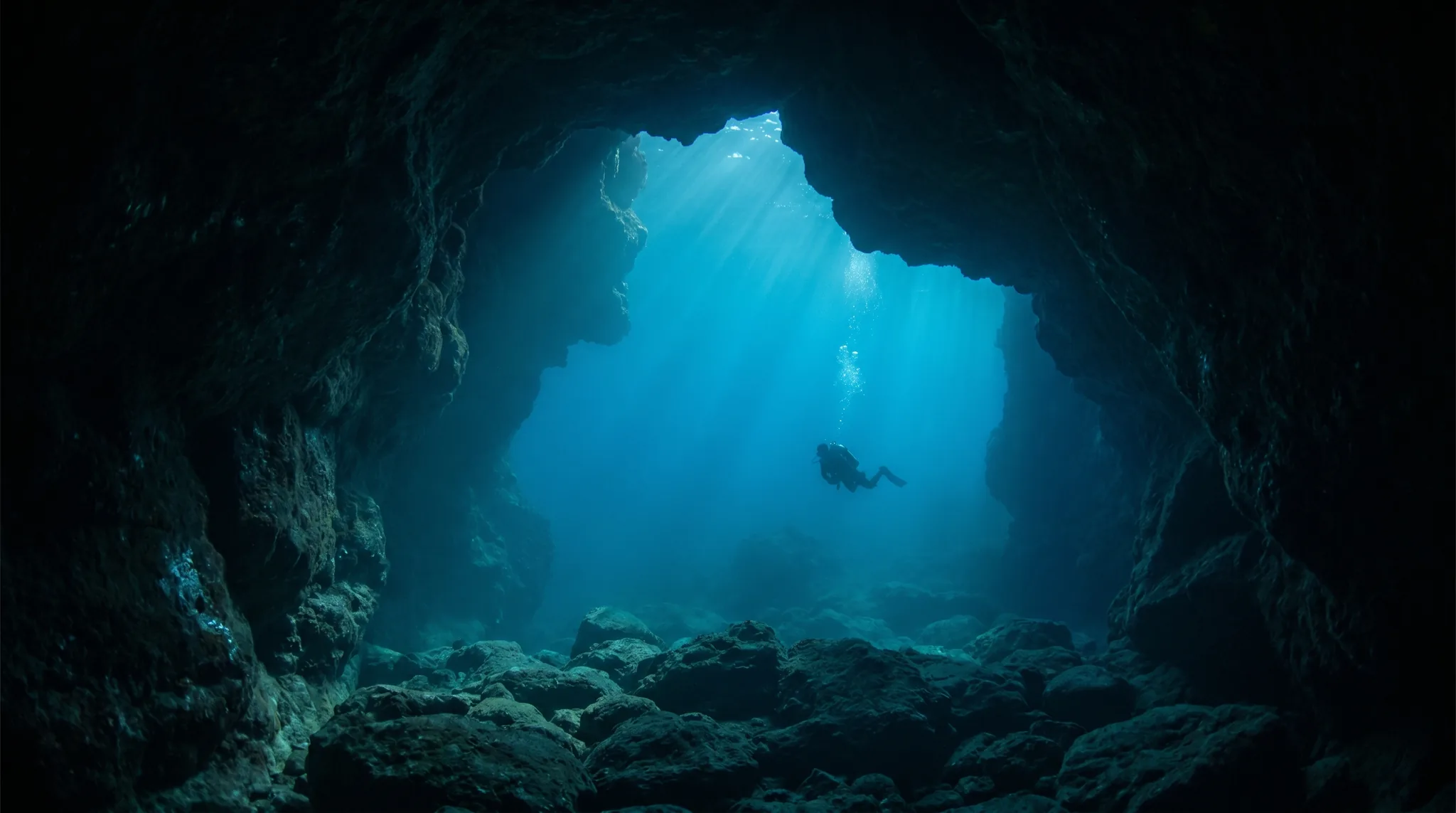
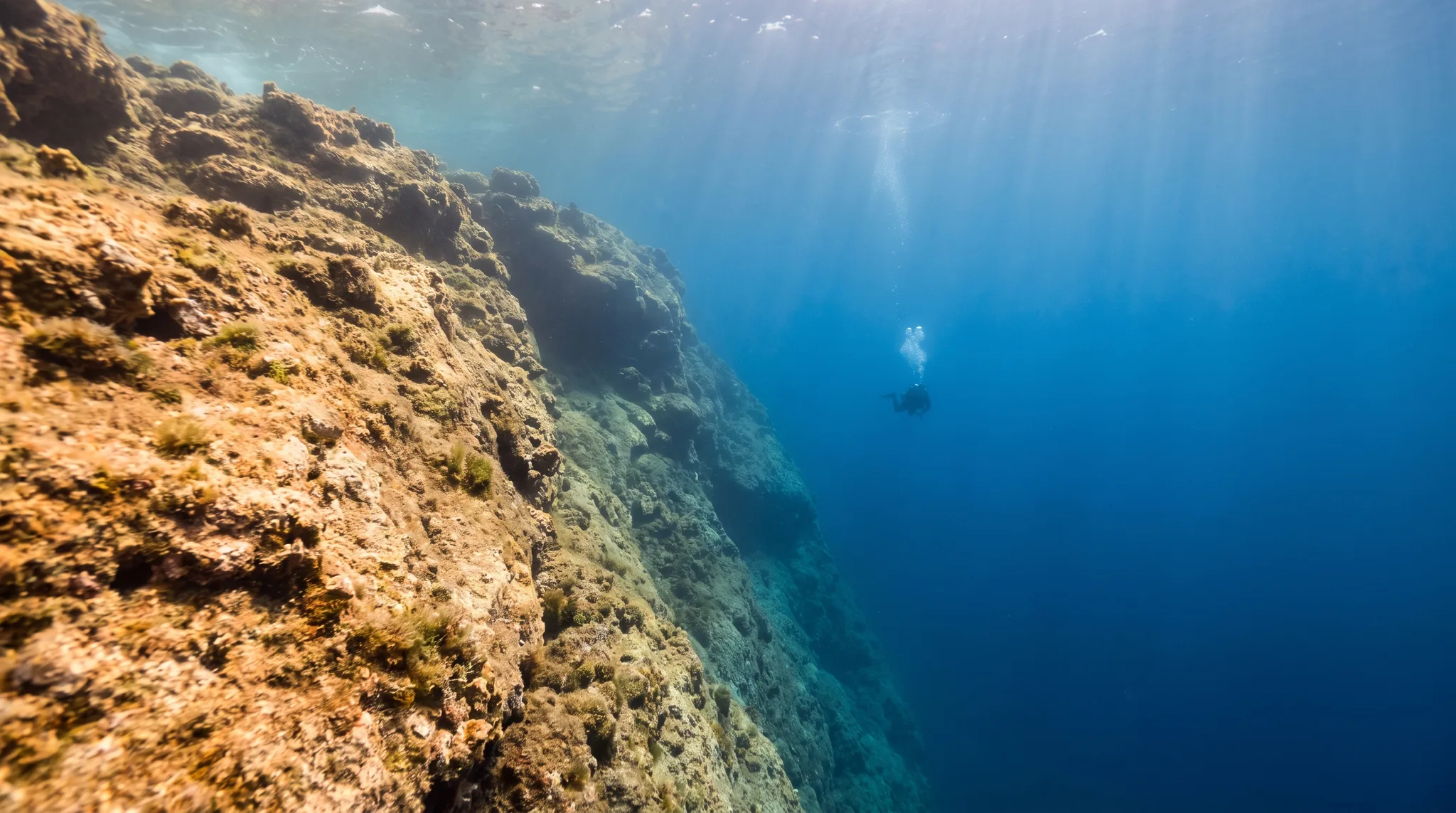
The Saronic Gulf offers a varied diving landscape built around reefs, walls, drop-offs, caves and wrecks. Beginner-friendly reef dives sit alongside demanding walls that push into serious depths. The Avantis III, a deliberately sunk vessel, draws those seeking artificial reef structure, while cave sites such as Morena Cave and Vrachonisis Disaki add an overhead dimension. European Common Cuttlefish and Conger Eel are encountered across virtually every site, with Cardinalfish, Scorpionfish and Sponge forming a reliable supporting cast.
Monthly water temperature across Saronic Gulf's sites, from satellite sea-surface data corrected for depth. The band shows the site-to-site spread.
Water temperature climbs steadily from spring into late summer, peaking in August and September before easing through autumn. The warmest and most settled months draw the highest diver activity, though conditions remain accessible from late spring through October. Shore and boat entry options give flexibility throughout the season.
19 operators
Greece
8 more sites to explore
Water temperature around Saronic Gulf ranges from about 16°C in February to 25°C in August, based on satellite sea-temperature data for its dive sites.
In the warm season (about 25°C) a 3mm full suit is comfortable in Saronic Gulf; in the coldest months (about 16°C) step up to a 7mm or semi-dry suit.
Fin maps 20 sites in Saronic Gulf (20 scuba diving sites and 2 snorkelling spots, with some suited to both).
Across Saronic Gulf's dive sites, May, June, July, August, September and October are most often reported as the best months to visit.
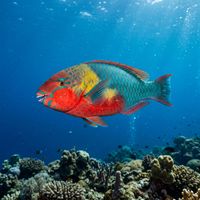
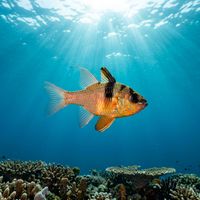
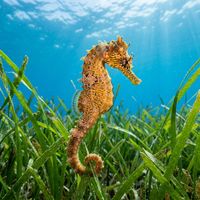
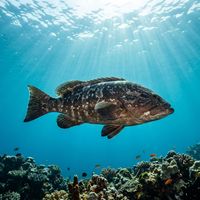
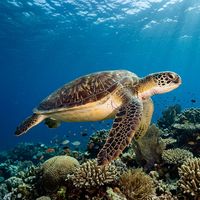
European Common Cuttlefish and Conger Eel are observed across nearly all sites in the region. Cardinalfish, Sponge and European Parrotfish are also very commonly encountered. Less frequent but observation-backed sightings include Seahorse, Barracuda, Groupers and, on lucky dives, Green Sea Turtle or Eagle Ray.
A solid proportion of the sites are rated for beginners, including Saint Georges, Kapari Island and Sampatiki Wall, which offer shallower sections and straightforward reef layouts. The majority of sites are pitched at intermediate level, and Avantis III reaches advanced depths, so the region accommodates a range of experience. New divers have meaningful options without being limited to a single site.
Several sites are accessible directly from the shore, including Lighthouse Ireo, Morena Cave, Sterna and Deep Blue. Boat entry is required for the majority of sites, and a small number offer both options. This mix means shore diving is a real part of the experience rather than an afterthought.
Reefs are the most common site type, often combined with walls, drop-offs or caves. The region also features two wreck sites: the Avantis III, a deliberately sunk vessel functioning as an artificial reef, and the Shipwreck Africa, which rests close to shore. This variety means most divers can find something different each time they go in.