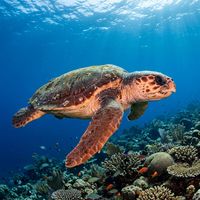
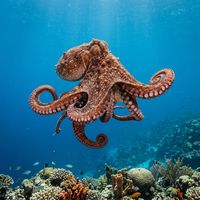
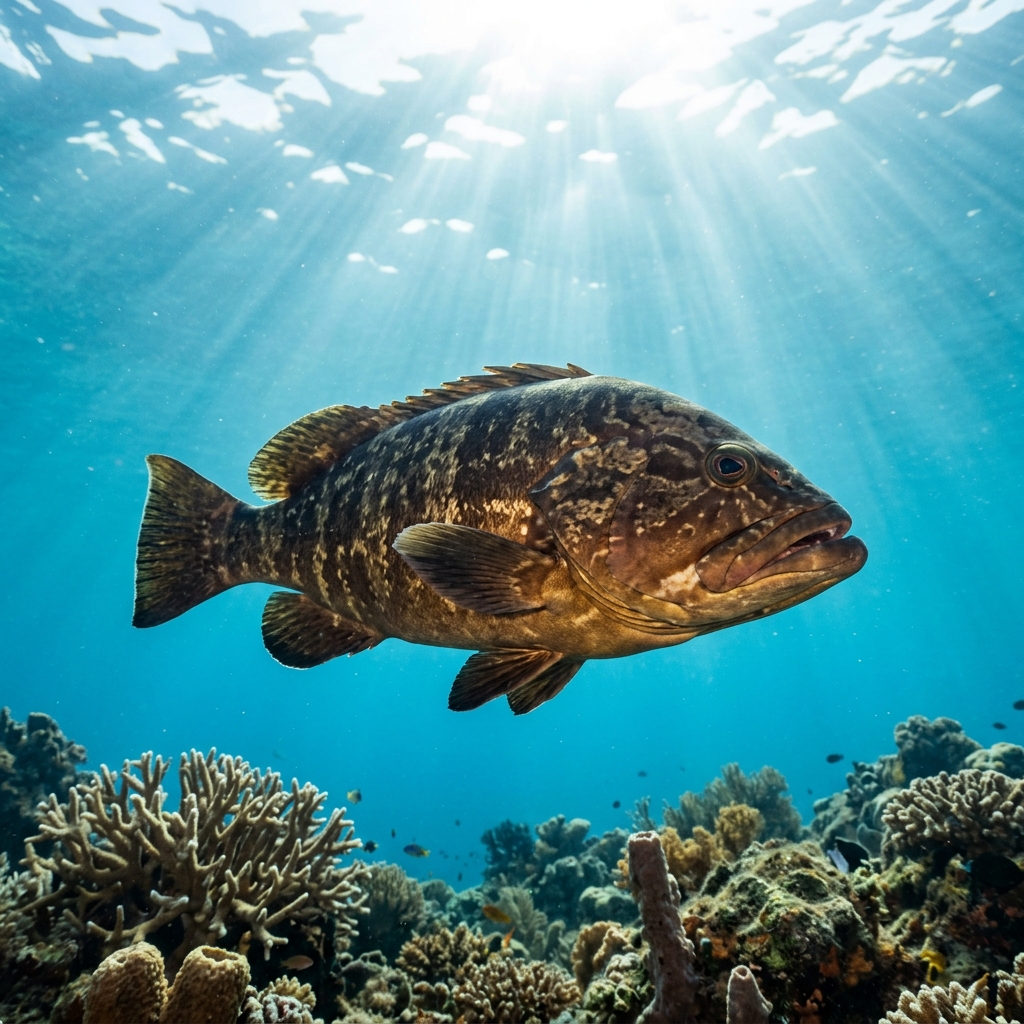
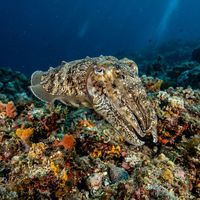
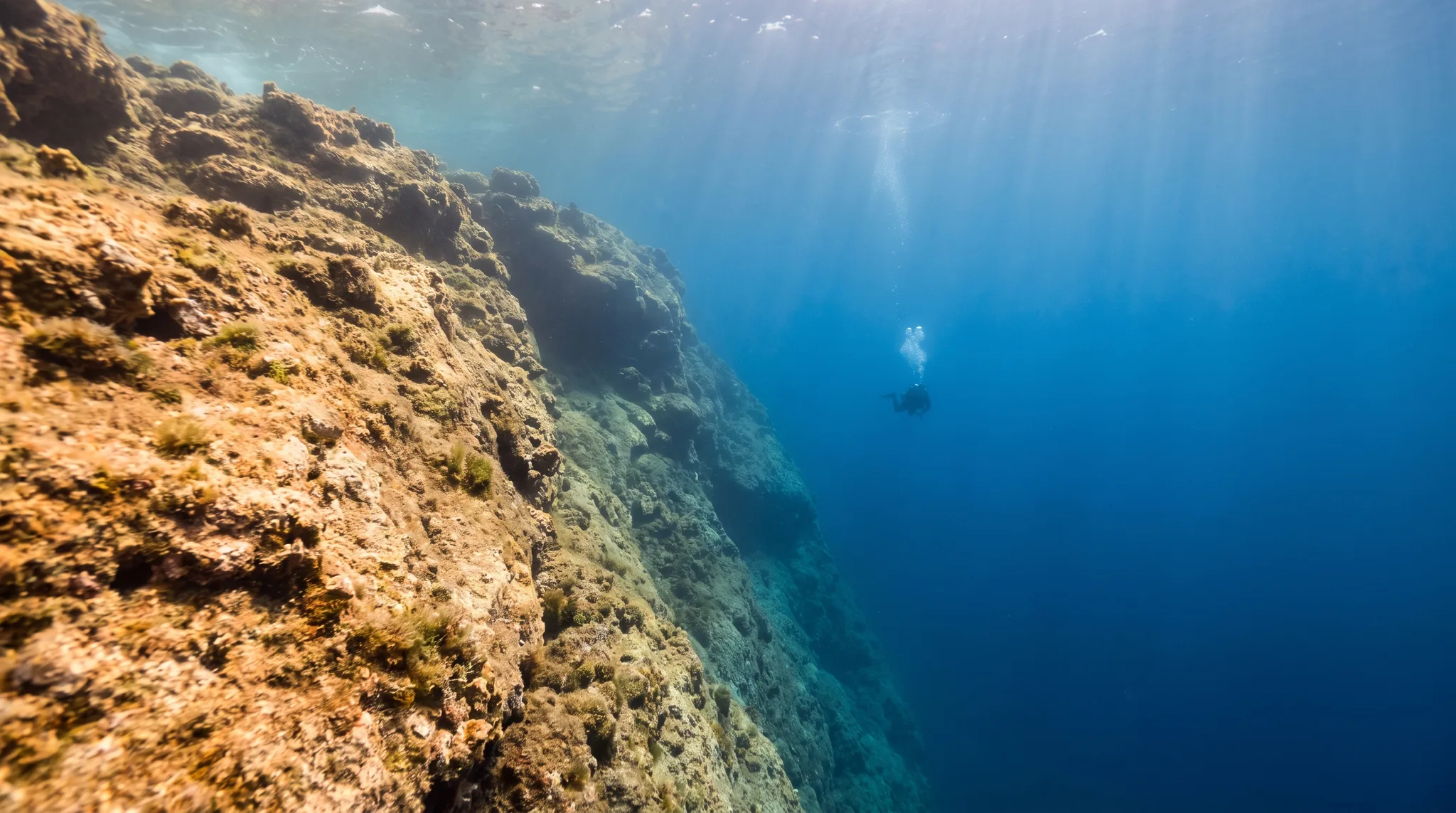
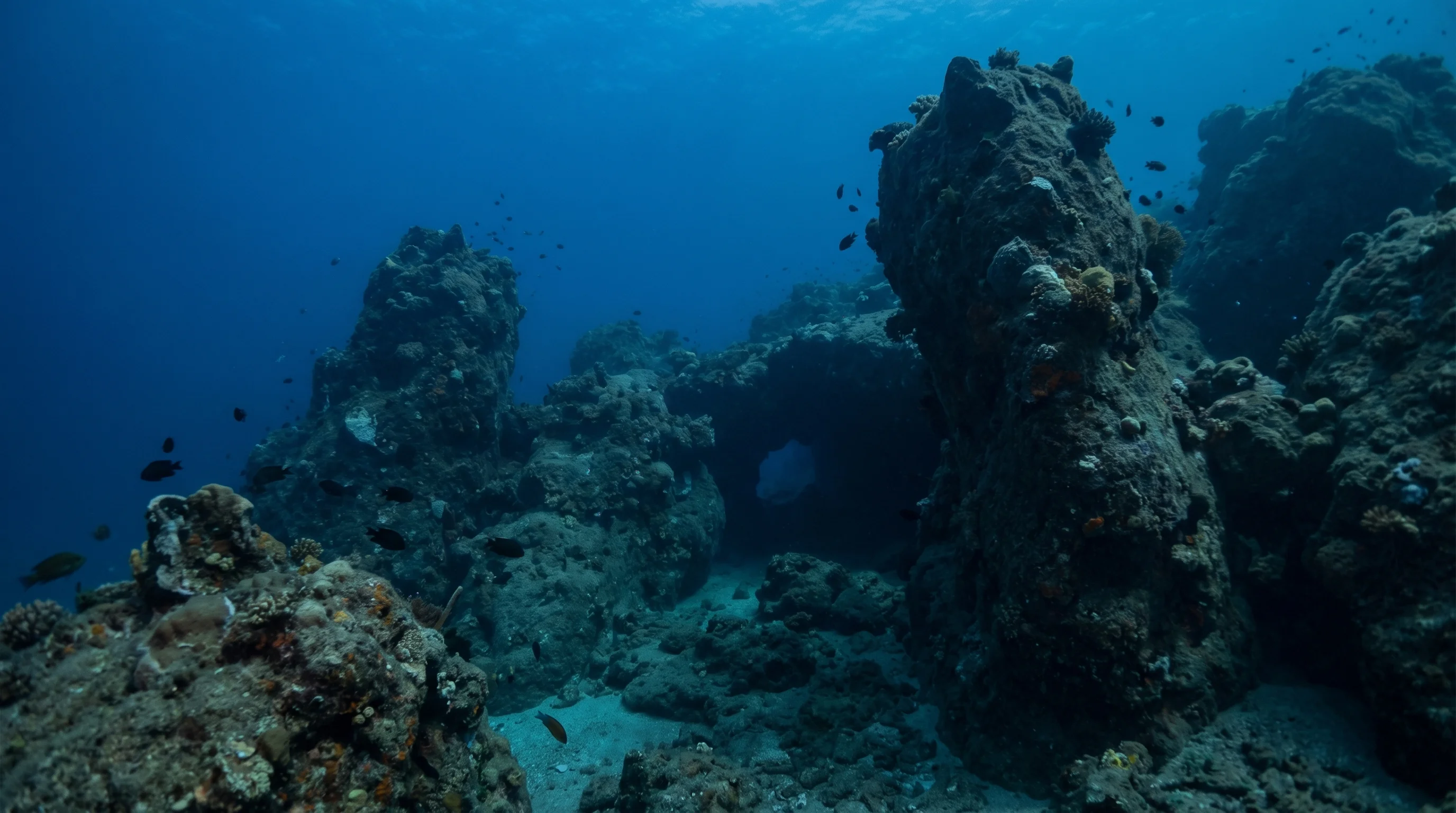
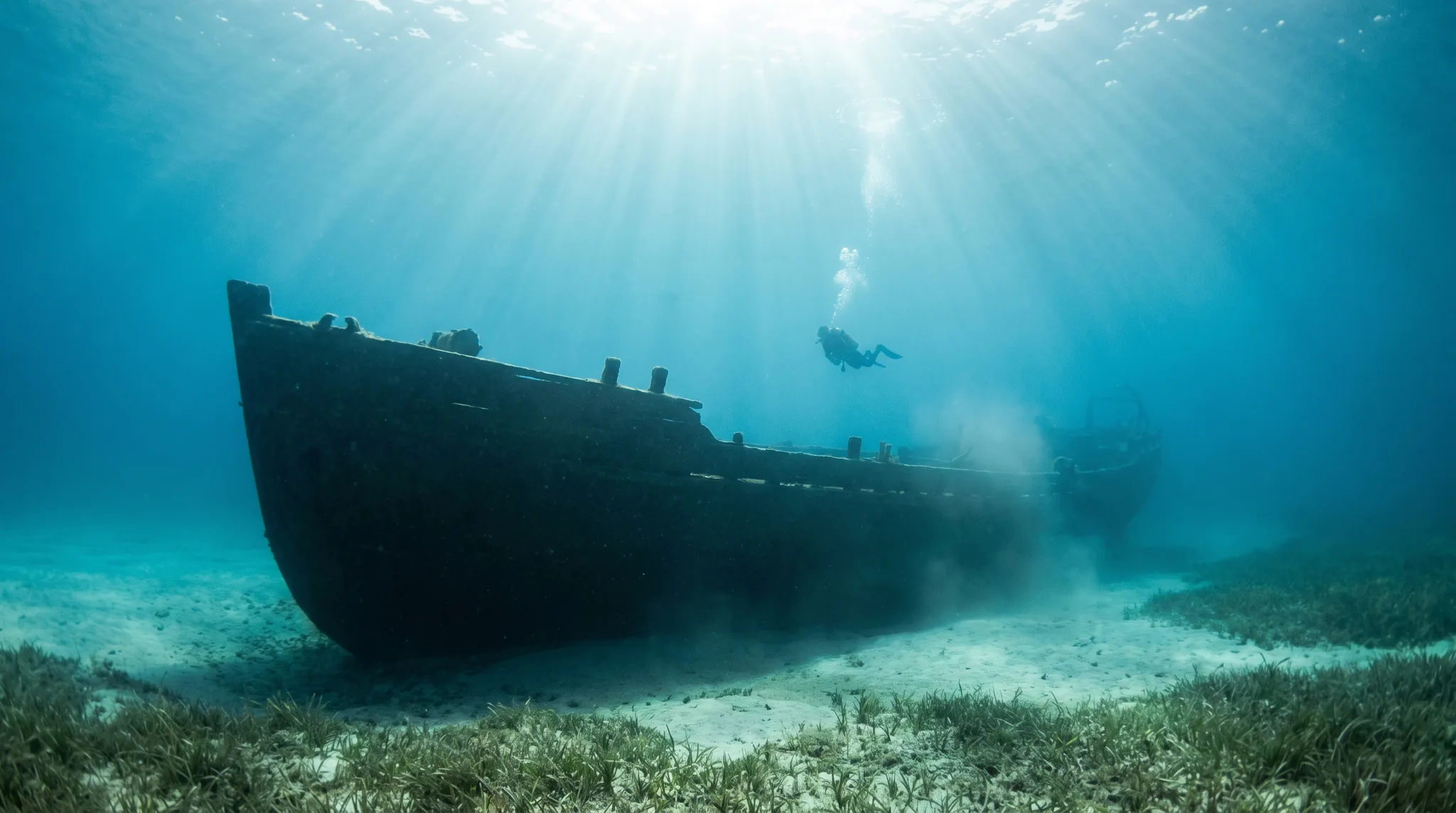
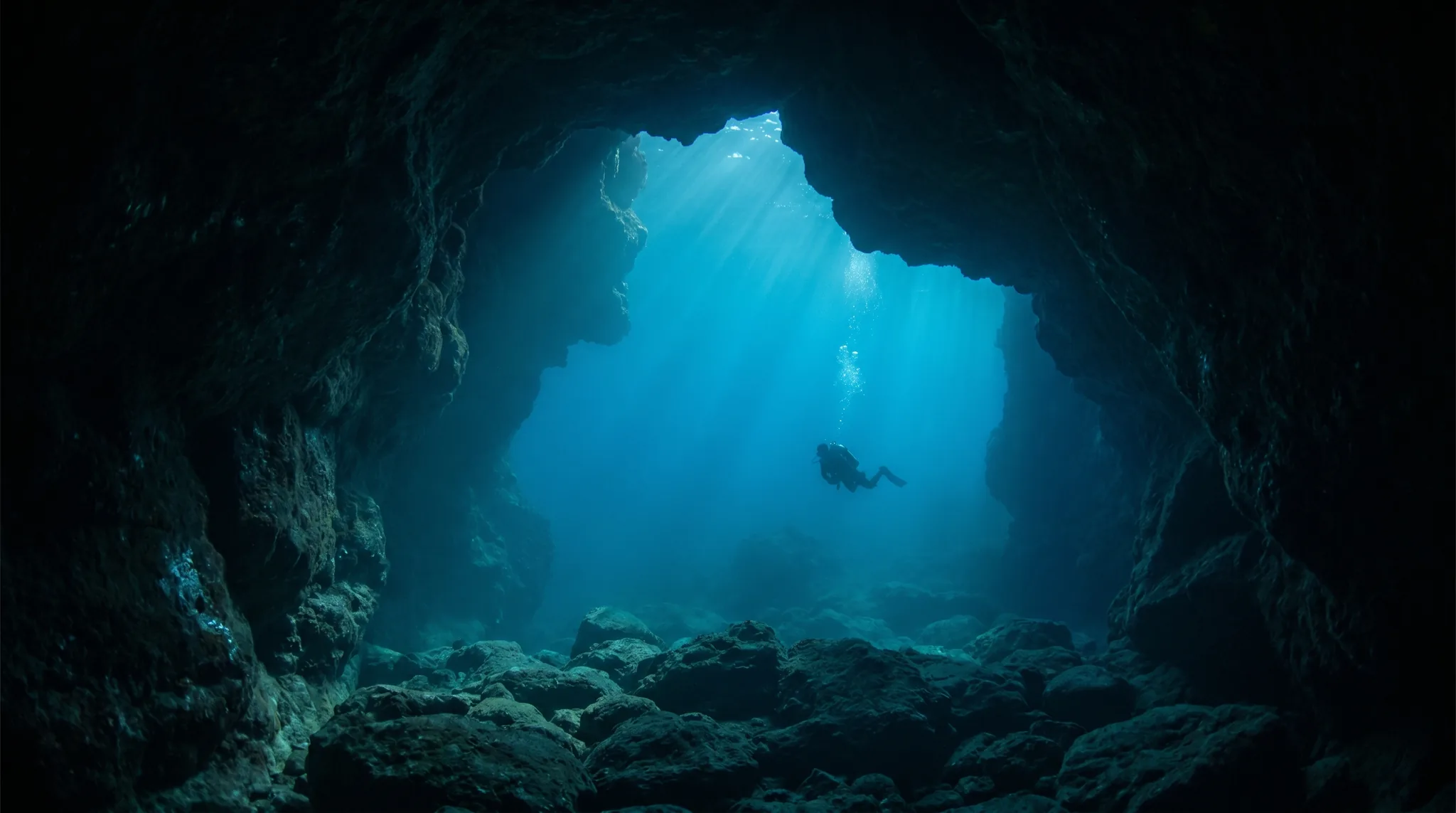
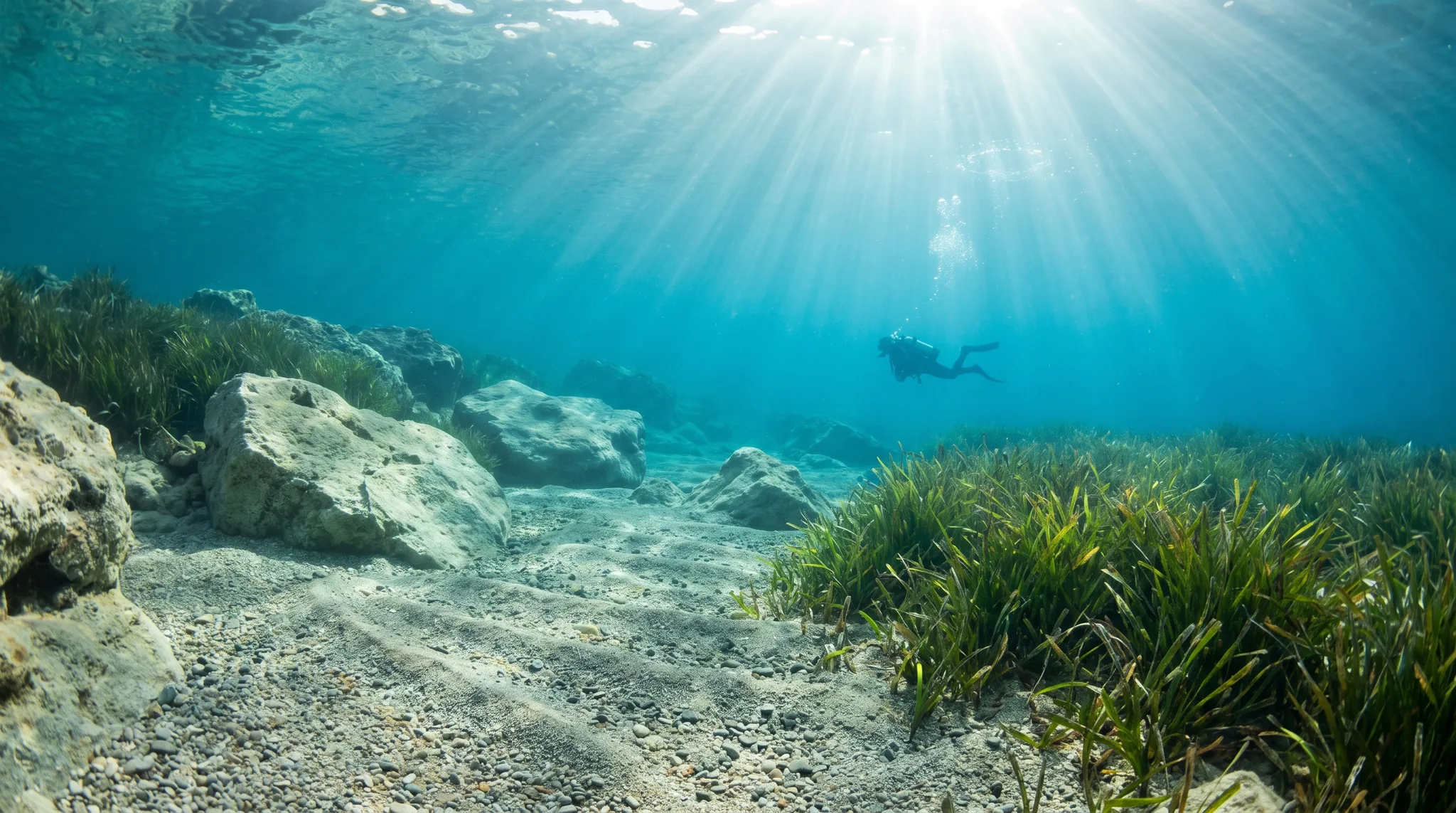
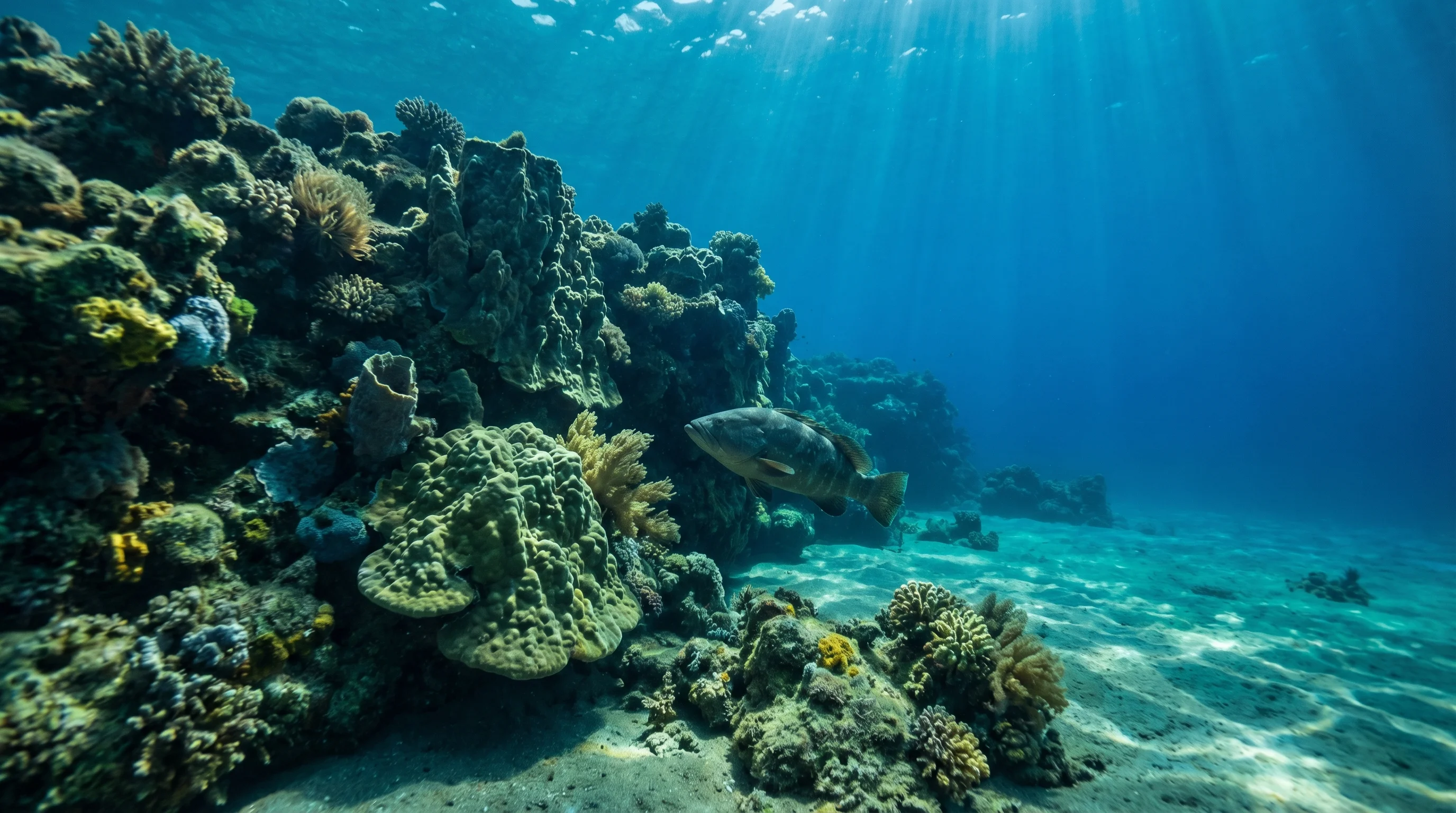
Evia's dive sites span a wide range of types, from shallow wrecks and cave systems to deep reef walls, giving divers of all levels plenty to explore. The Common Octopus, Dusky Grouper, European Common Cuttlefish, and Conger Eel are reliably encountered, while the Loggerhead Sea Turtle and Blue Shark add larger encounters. Shore and boat access are both well represented. September and October see the strongest diver activity, when the water is at its warmest and conditions are settled.
Monthly water temperature across Evia's sites, from satellite sea-surface data corrected for depth. The band shows the site-to-site spread.
Water temperature climbs steadily from spring into late summer, peaking in August and September before easing back through autumn. The most popular months run from April through October, with September particularly favoured for warm, settled conditions. Winter diving is possible but cooler, suiting those comfortable in a thicker wetsuit.
15 more sites to explore
Water temperature around Evia ranges from about 15°C in February to 24°C in August, based on satellite sea-temperature data for its dive sites.
In the warm season (about 24°C) a 3mm full suit is comfortable in Evia; in the coldest months (about 15°C) step up to a 7mm or semi-dry suit.
Fin maps 27 sites in Evia (25 scuba diving sites and 2 snorkelling spots).
Across Evia's dive sites, April, May, July, August, September and October are most often reported as the best months to visit.
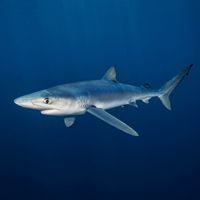
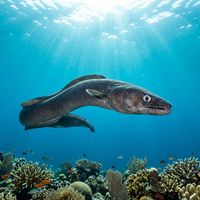
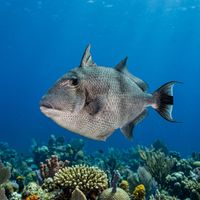
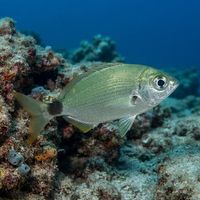
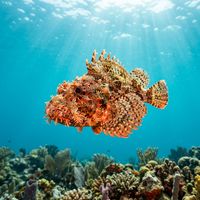
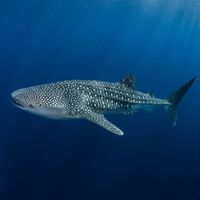
Evia has a strong showing of cephalopods and fish, with the Common Octopus, European Common Cuttlefish, Dusky Grouper, Grey Triggerfish, and Salema Porgy all very commonly observed. The Loggerhead Sea Turtle is a frequent highlight, and Blue Shark sightings are recorded at a notable proportion of sites. Less predictable but observed encounters include Eagle Ray, Seahorse, and Whale Shark.
A good portion of Evia's sites are rated for beginners, including the Lihadonisia Wreck, Sarakiniko, Kimasi Evia, and Rovies. These offer shallow to moderate depths with mild conditions and both shore and boat entries. Intermediate and advanced divers are also well served by deeper reef walls such as Hronia's Reef and Taxiarxis Reef, so mixed-ability groups can dive the region together.
Both entry types are available across Evia. Sites such as Sarakiniko, Hronia's Reef, Rovies, and St Nikolas are shore-entry dives, making them easy to visit independently. Other sites, including the Lihadonisia Wreck, Psilos Kavos, and Purple Wall, require a boat. Some sites such as Small Cave offer both options, giving divers flexibility depending on how they are travelling.
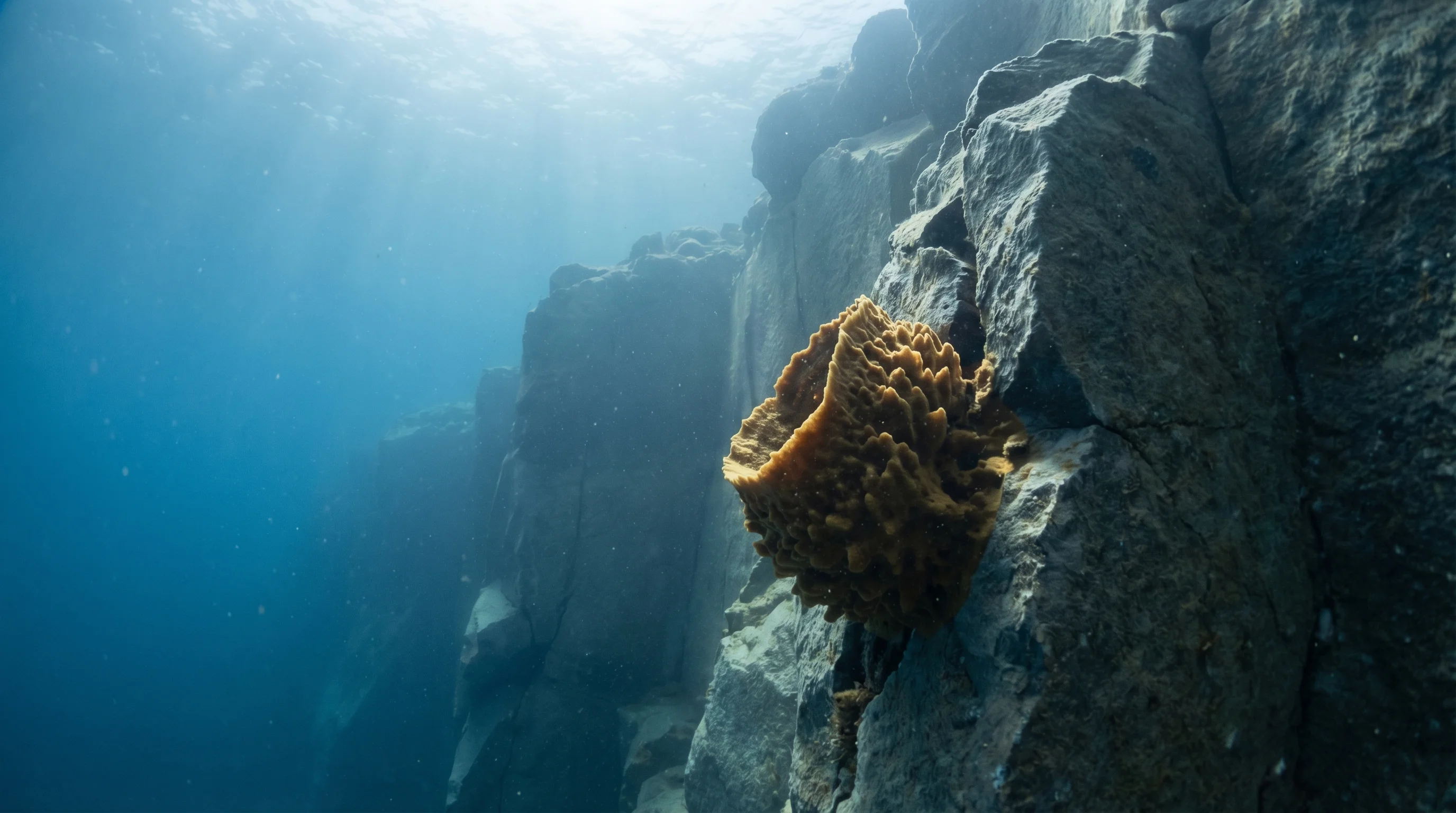
Evia offers a varied mix of reef, wall, wreck, and cave diving. Wrecks include the shallow Lihadonisia Wreck and the deeper Cleio shipwreck, which has been colonised by sponges and moray eels. Wall dives such as Purple Wall descend to considerable depth, while cave systems appear at several sites including Seals Cave and Sarakiniko. Artificial reef structures at Rovies add further variety.