

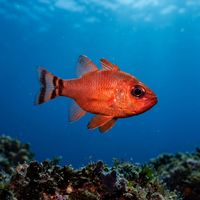
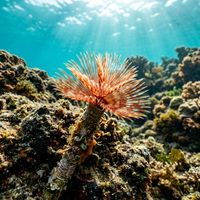
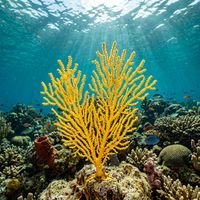
The Peloponnese offers a varied diving landscape built around rocky reefs, walls, caves and at least one purpose-sunk wreck. Most sites suit beginners, with shallow entries from shore and calm, sheltered bays such as Vromoneri Reef and Skalakia. More demanding sites like the Nestos Wreck and Foneas caves call for advanced certification and boat access. Across the site mix, Common Octopus and European Common Cuttlefish are the signature encounters, while Yellow Gorgonian, Tube Worm and Mediterranean Cardinalfish colour the reef structure. Gremos stands out for its combination of wall, canyon and cave topography in a single offshore dive.
Monthly water temperature across Peloponnese's sites, from satellite sea-surface data corrected for depth. The band shows the site-to-site spread.
Water temperature rises steadily from spring into the warmest months of July, August and September, making mid-summer the most comfortable time to dive without a heavy exposure suit. Spring and autumn offer the next best windows, with May and September drawing the strongest concentration of recommended diving months. Winter temperatures drop to their coolest in February and March, which suits only those comfortable with colder water.

4 more sites to explore
Water temperature around Peloponnese ranges from about 16°C in February to 27°C in August, based on satellite sea-temperature data for its dive sites.
In the warm season (about 27°C) a rash guard or 3mm shorty is comfortable in Peloponnese; in the coldest months (about 16°C) step up to a 7mm or semi-dry suit.
Fin maps 15 sites in Peloponnese (15 scuba diving sites and 1 snorkelling spots, with some suited to both).
Across Peloponnese's dive sites, May, June, July, August, September and October are most often reported as the best months to visit.
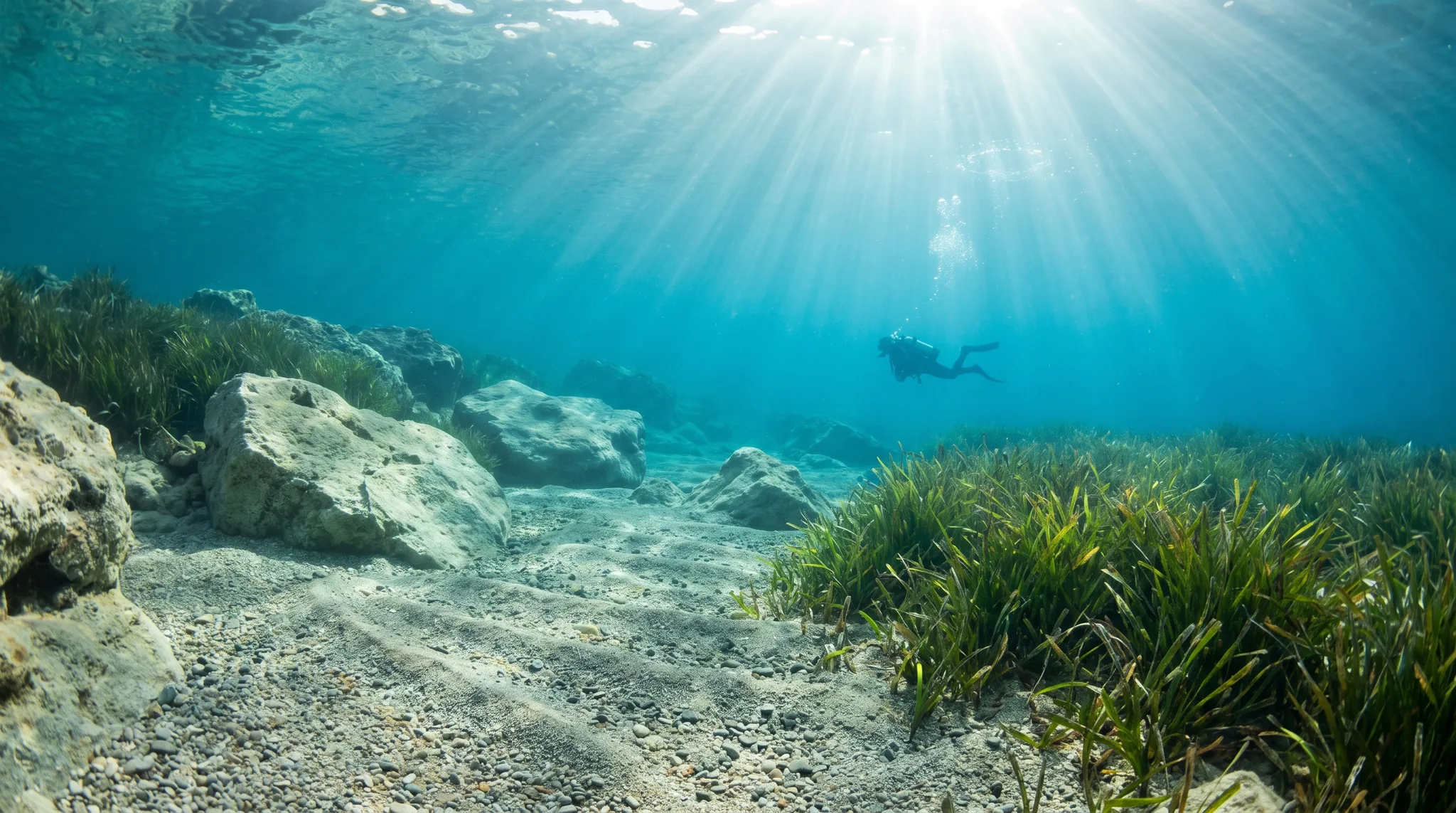
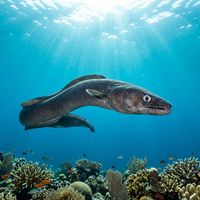
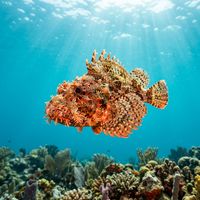
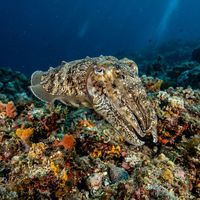
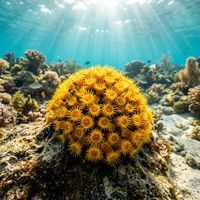
Common Octopus and European Common Cuttlefish are the region's signature species, observed consistently across sites. Yellow Gorgonian, Tube Worm, Sea Squirt and Mediterranean Cardinalfish are very commonly recorded on the reefs. Conger Eel and Scorpionfish are also frequent finds, while patient divers occasionally spot Seahorse, Pipefish and nudibranchs such as the Cratena Slug and White-spotted Yellow Nudibranch.
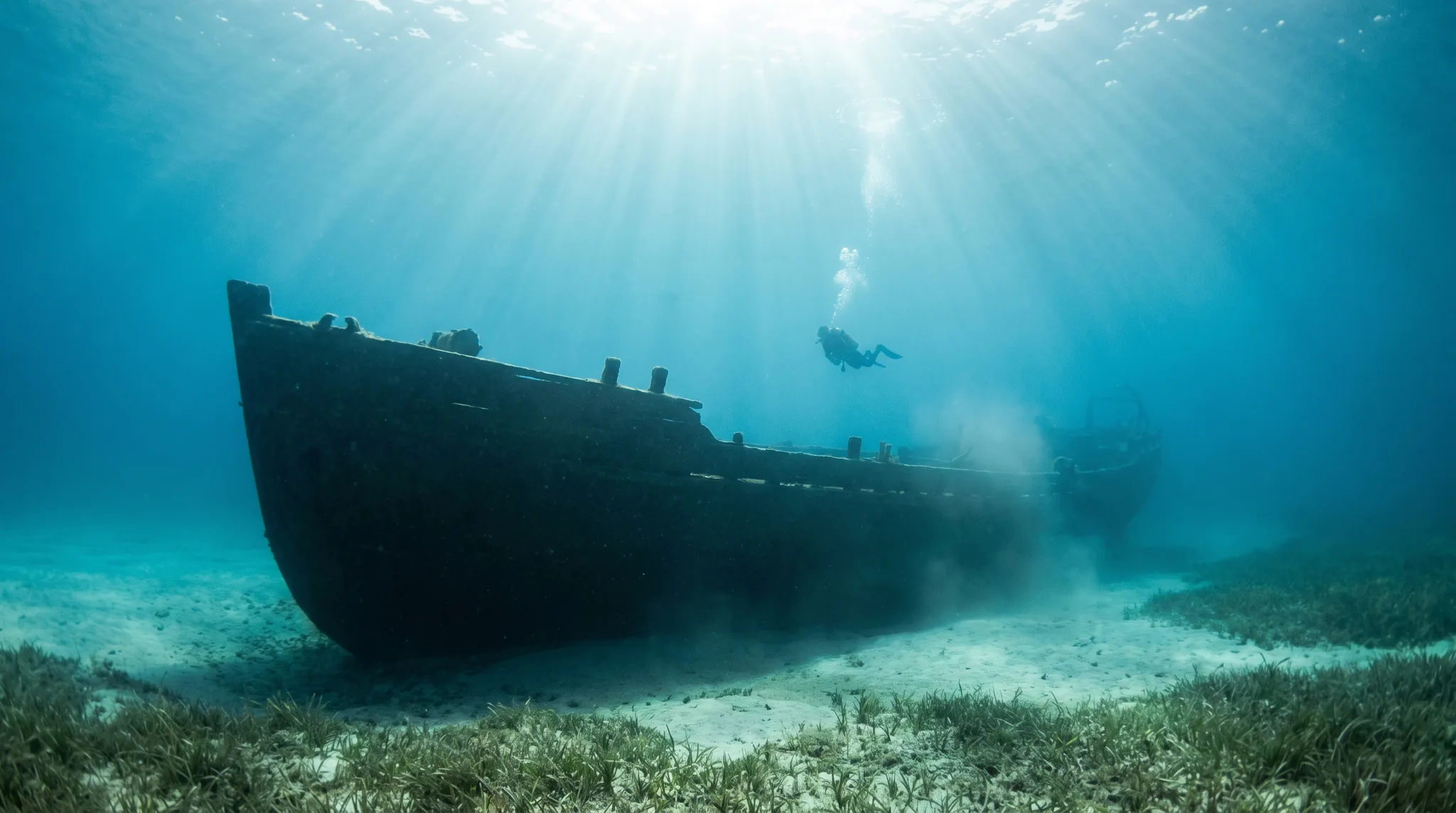
The majority of sites in the Peloponnese are rated for beginners, including several shallow, sheltered shore entries like Vromoneri Reef, Skalakia and Voidokilia. Many of these offer gentle reef topography and calm conditions that are well suited to those building experience. Advanced divers are catered for at sites like the Nestos Wreck and Foneas caves, which require overhead-environment preparation and deeper gas management.
Shore entry is the dominant access style in the Peloponnese, covering the majority of listed sites, which makes independent diving straightforward. A handful of sites, including Gremos and Foneas caves, are accessible only by boat, as they sit offshore or in locations unsuitable for shore entry. Sites such as Panagopoula Achaia and Solines Drepano Achaias offer both options, giving divers flexibility depending on conditions.
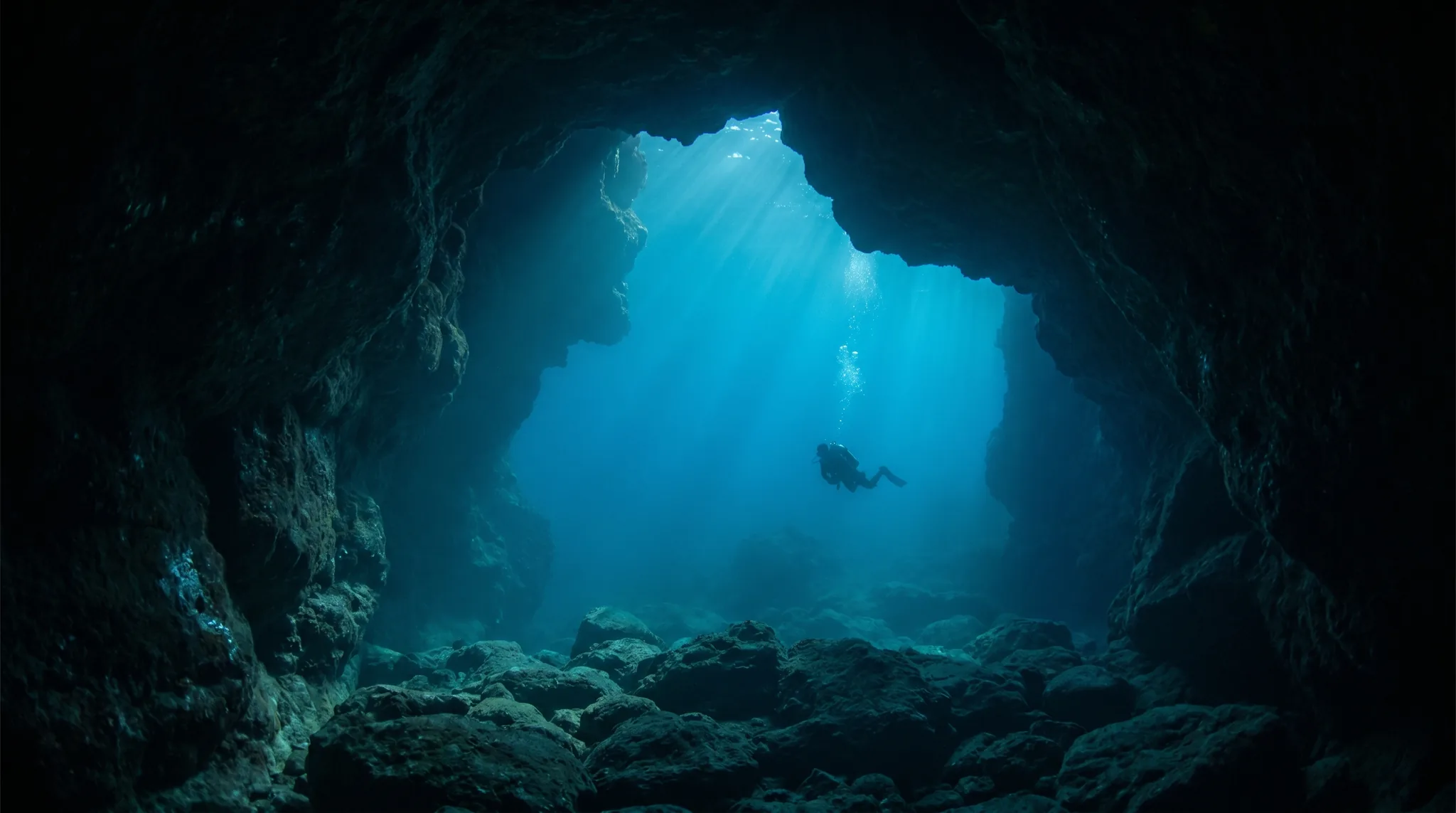
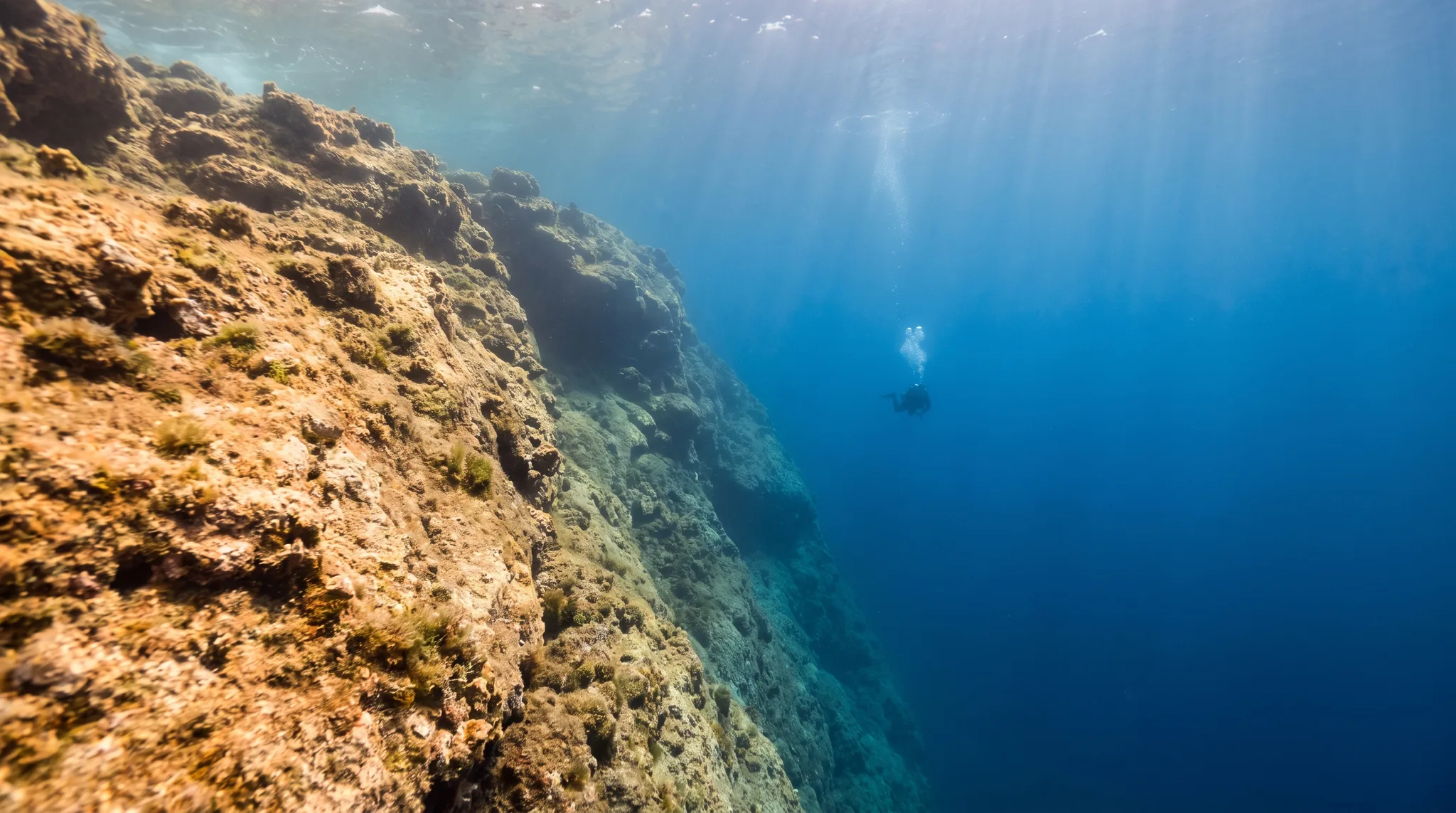
Gremos combines reef, wall, canyon and cave systems in a single dive, making it the most topographically diverse site in the region. It sits offshore and is accessible only by boat, but rewards the effort with a broad range of features across a wide depth range. Katoulia's Canyon and Panagopoula Achaia also offer mixed topography for divers who want variety beyond a straightforward reef dive.


