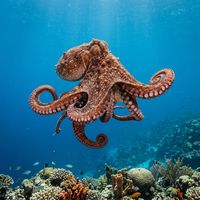
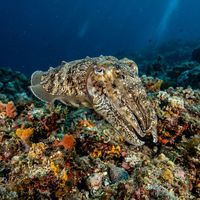
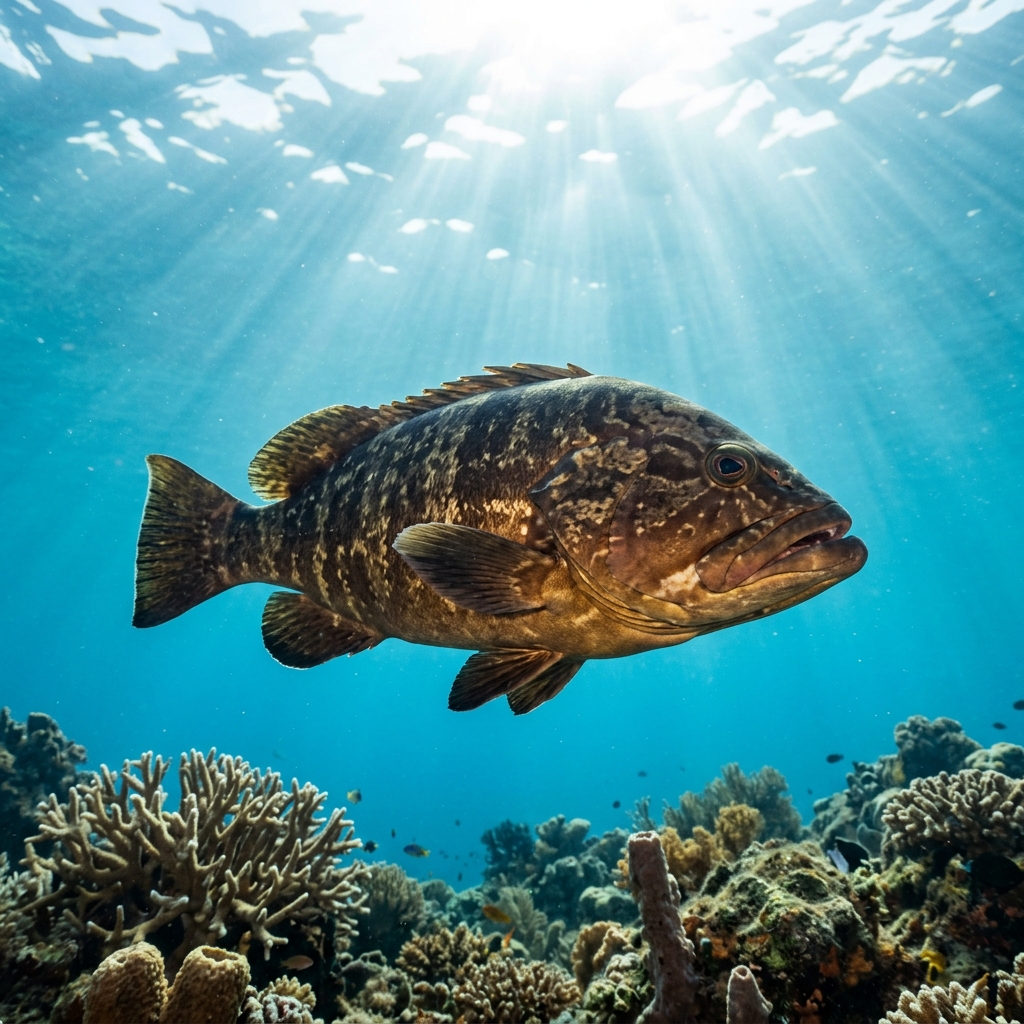
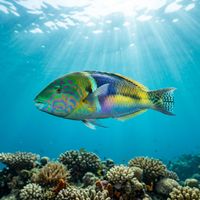
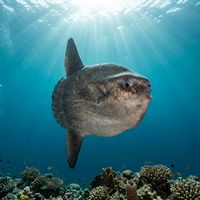
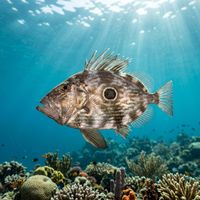
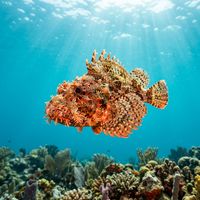
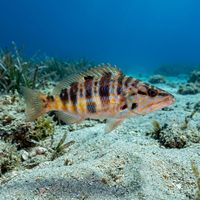
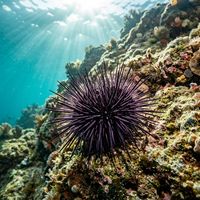
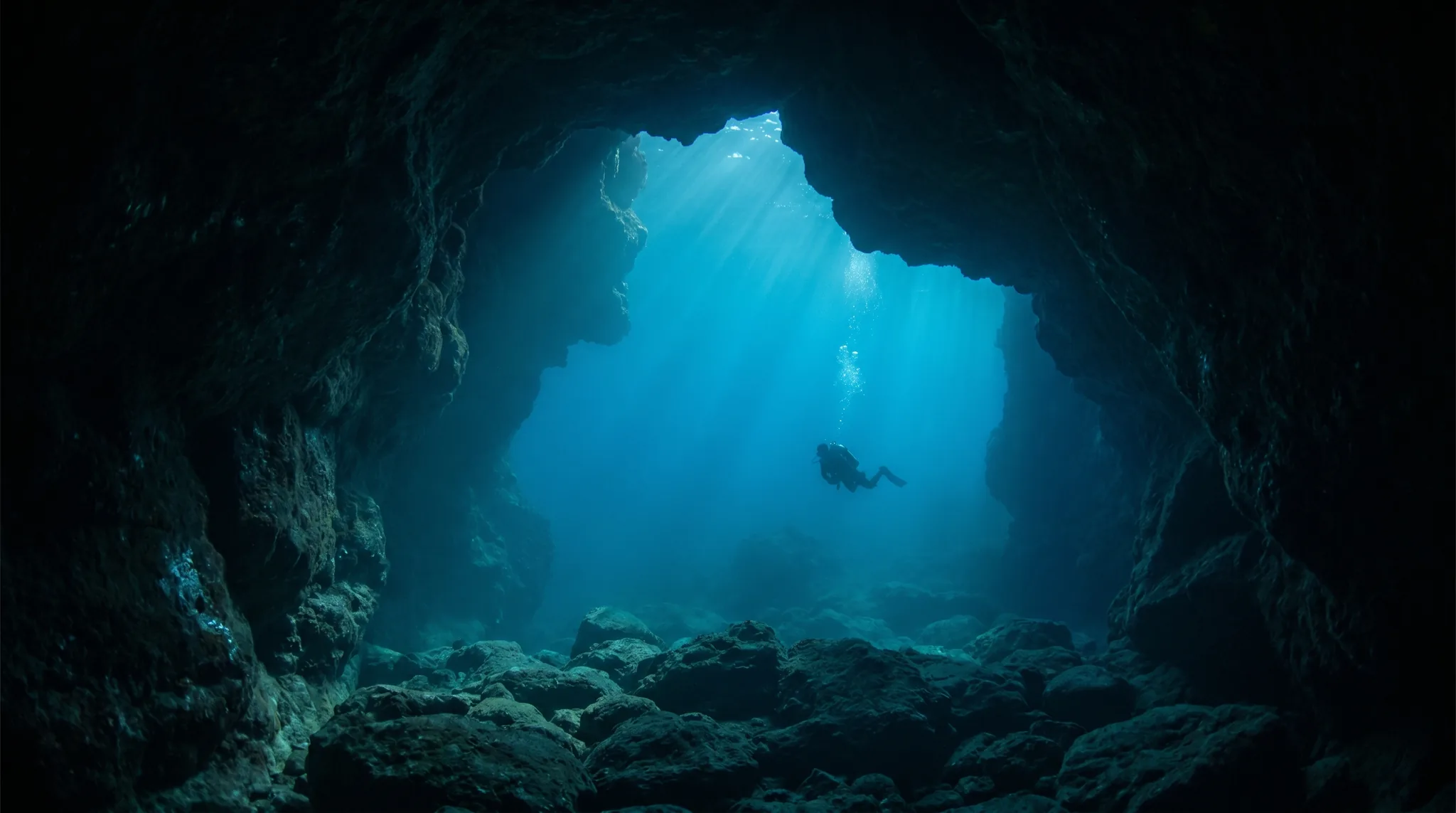
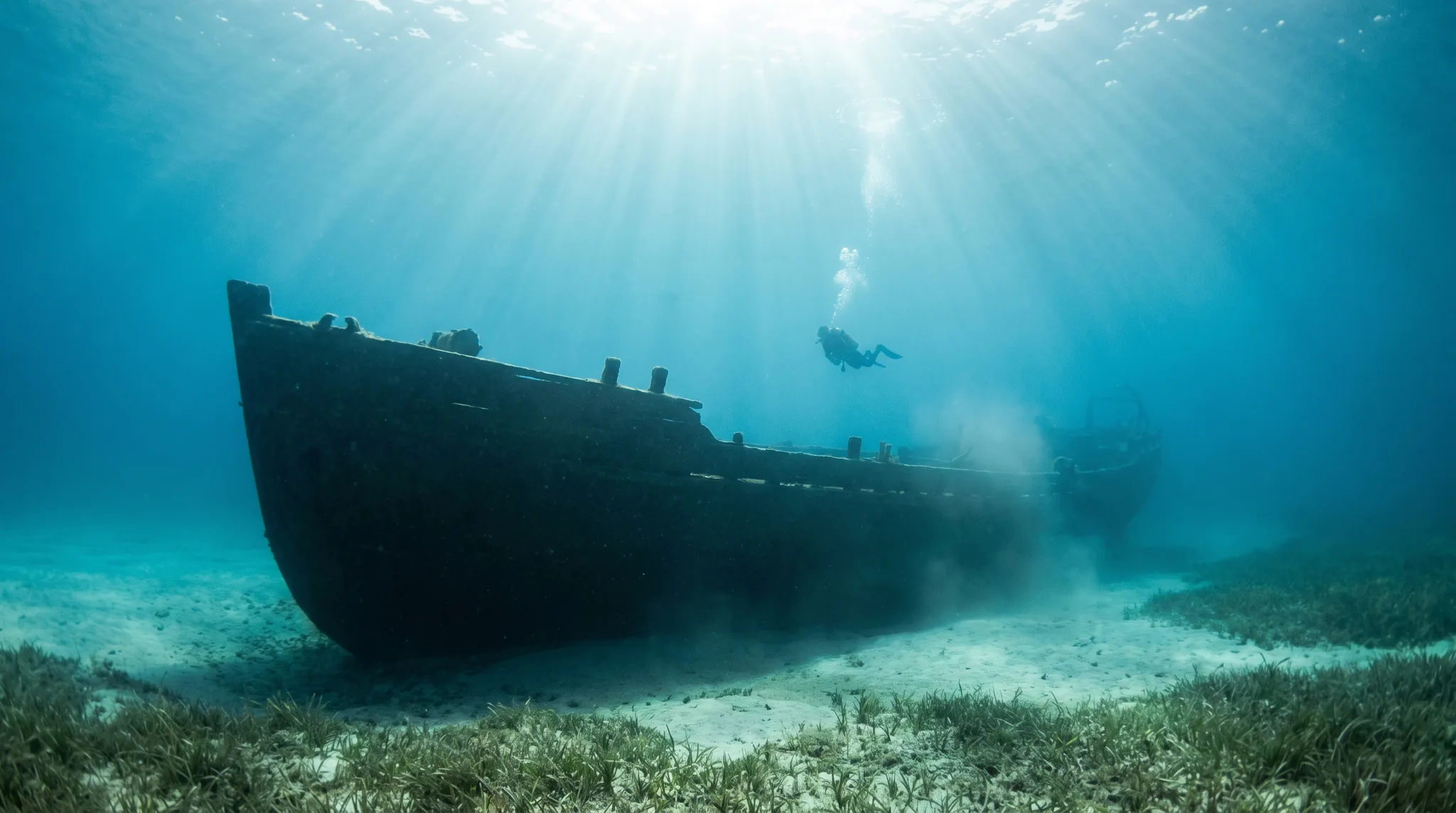
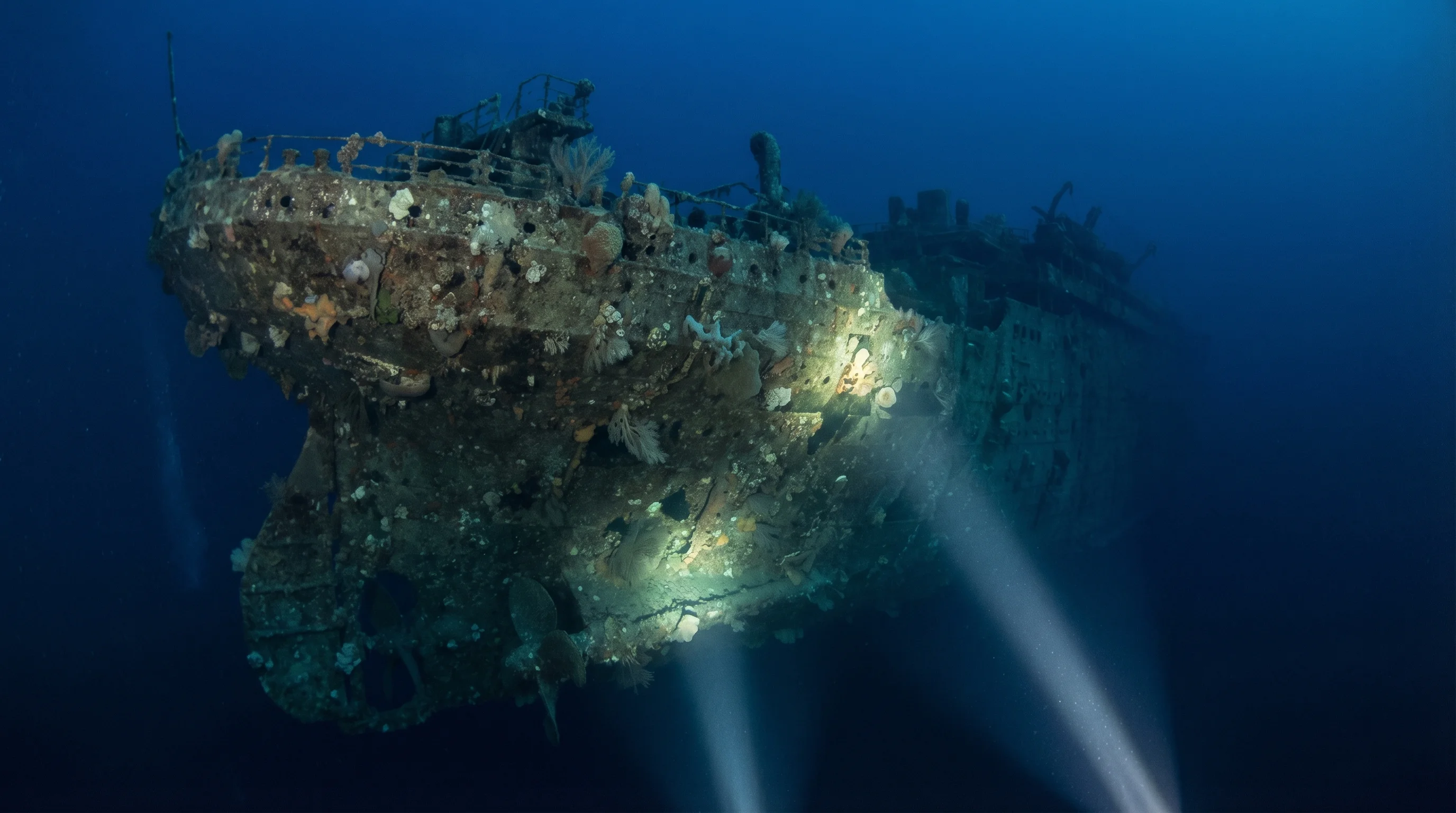
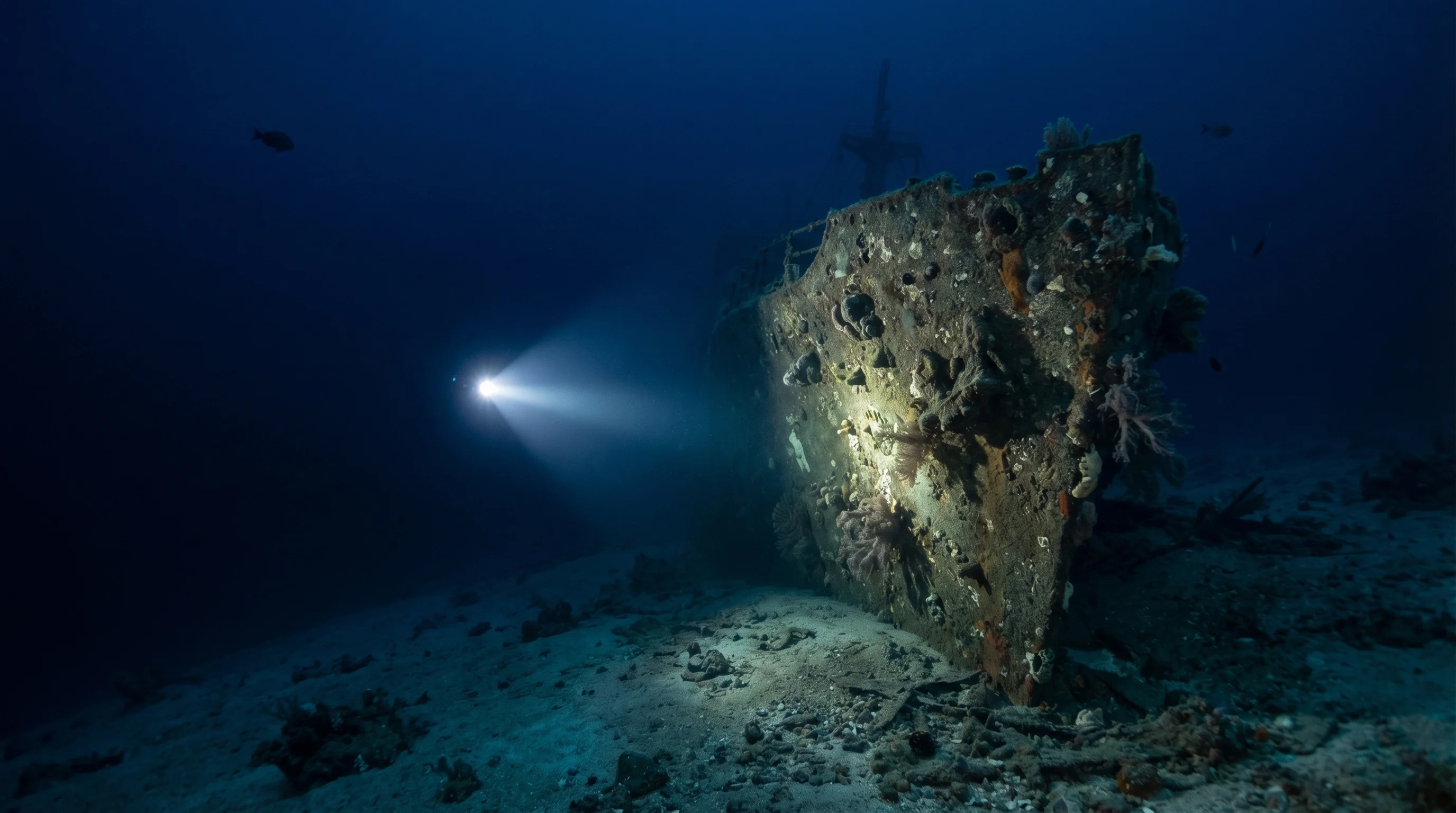
The Athens Riviera offers a striking range of dive sites, from shallow beginner reefs to technical wrecks that demand trimix experience. Wrecks dominate the character of the area: the Kyra Leni bulk carrier, the deep Monrosa Wreck, and the extraordinary Britannic sit alongside reef, wall, and cave sites. Common Octopus, European Common Cuttlefish, and Painted Comber are seen across most sites, while the Dusky Grouper and occasional Ocean Sunfish add larger encounters. Water warms noticeably from late spring through autumn, shaping the most productive diving months.
Monthly water temperature across Athens Riviera's sites, from satellite sea-surface data corrected for depth. The band shows the site-to-site spread.
Water temperatures stay cool through winter and early spring before climbing steadily from May onward, peaking in late summer. The warmest, clearest conditions align with the busiest diving months, which run from late spring through October. Cooler months still offer rewarding dives for those comfortable in thicker exposure suits.
44 operators
44 more sites to explore
Water temperature around Athens Riviera ranges from about 16°C in January to 25°C in August, based on satellite sea-temperature data for its dive sites.
In the warm season (about 25°C) a 3mm full suit is comfortable in Athens Riviera; in the coldest months (about 16°C) step up to a 7mm or semi-dry suit.
Fin maps 56 sites in Athens Riviera (50 scuba diving sites and 10 snorkelling spots, with some suited to both).
Across Athens Riviera's dive sites, May, June, July, August, September and October are most often reported as the best months to visit.
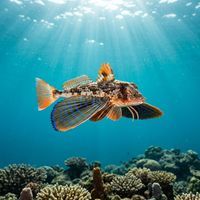
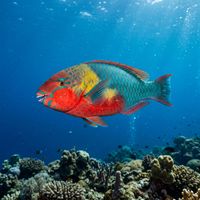
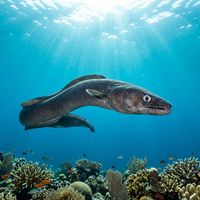
Sightings are dominated by Common Octopus, European Common Cuttlefish, Turkish Wrasse, and Painted Comber, all observed across the majority of sites. Dusky Grouper, Conger Eel, Scorpionfish, and Flying Gurnard are reliably encountered on reefs and wrecks. The Ocean Sunfish appears occasionally, making it a notable highlight when conditions are right.
A good portion of the sites are rated beginner or intermediate, including Kyra Leni, Makris Reef, Tripiti Reef, and Koroni Island. These offer manageable depths and straightforward conditions for those early in their diving experience. Advanced and technical wrecks such as the Monrosa Wreck and the Britannic are reserved for divers with specialist training and gas mixes.
Most sites require a boat, but shore entries do exist. Koroni Island and 2nd Limanaki are both accessible directly from shore, while Koundouros Reef and Agios Marcos Shipwreck offer the option of either entry method. Boat access gives divers reach to the more remote wrecks and offshore reefs.
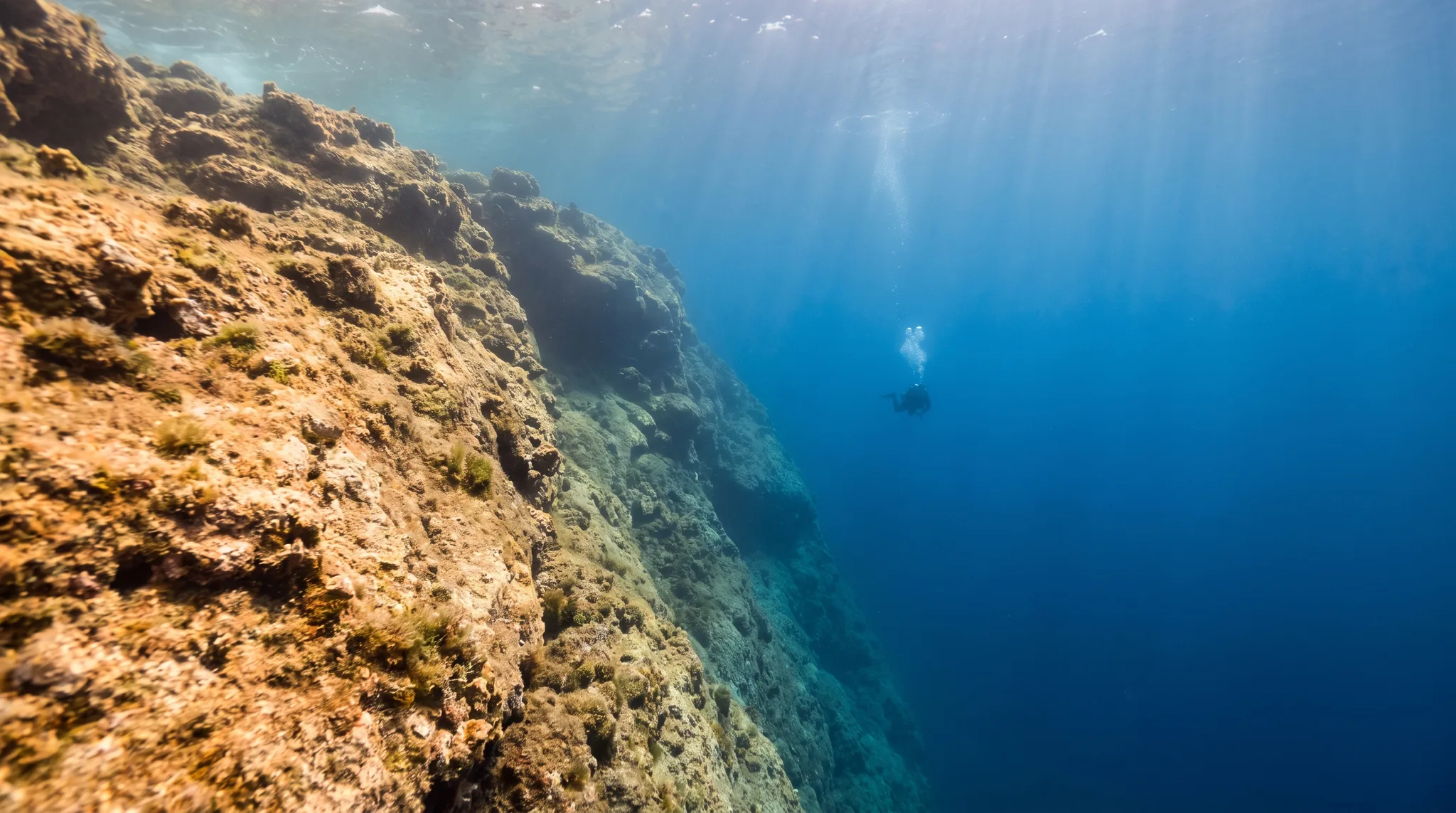
Wrecks are the defining feature, ranging from relatively shallow bulk carriers to deep technical targets including the Britannic. Reef and wall diving is also well represented, with sites like The Groupers Nest, Makronisos South Reef, and Ksyla Bay offering varied topography. Cave sections appear at Koundouros Reef and 2nd Limanaki, adding further variety for more experienced divers.