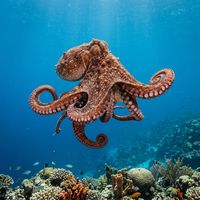
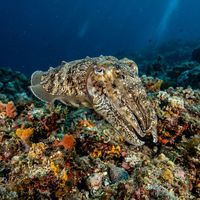
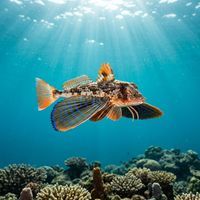
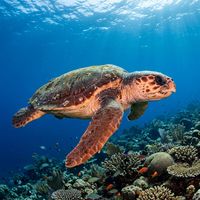
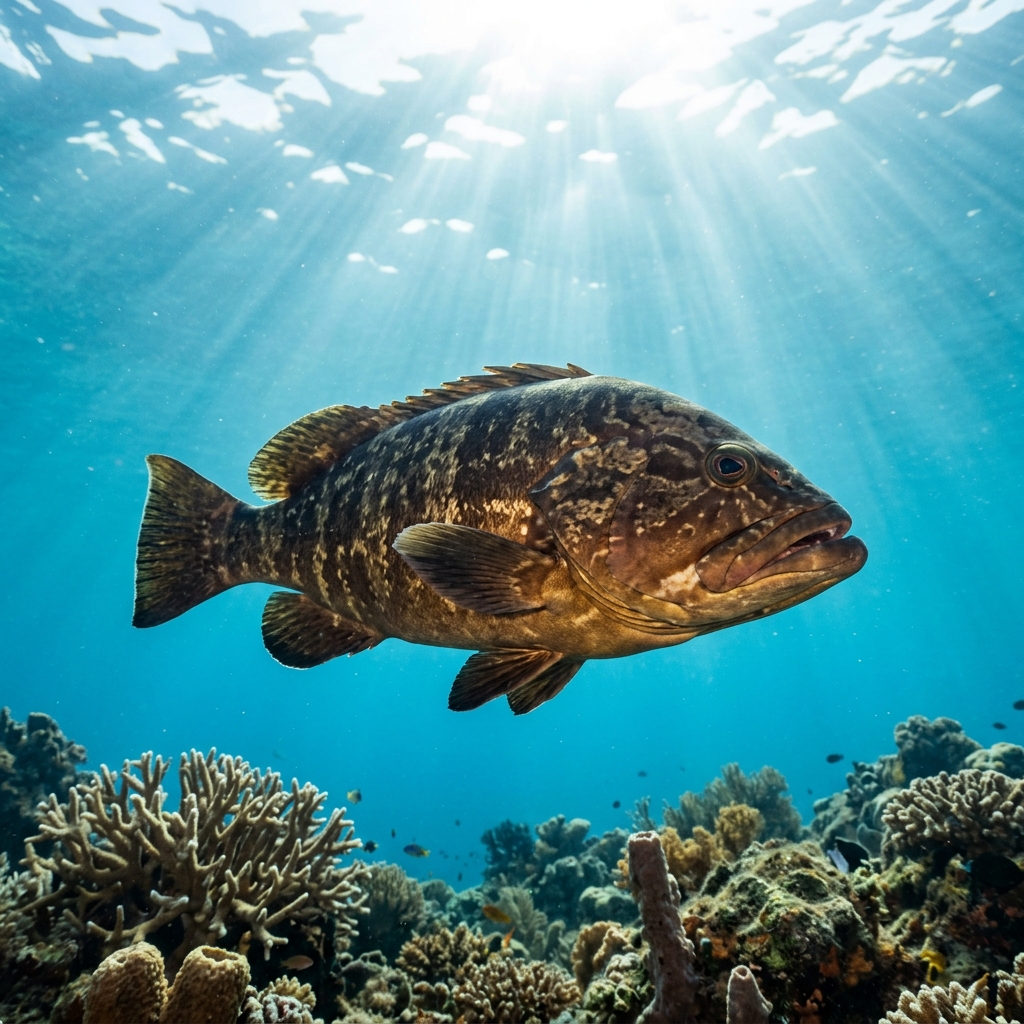
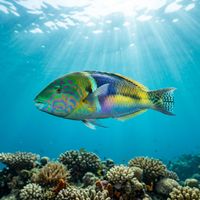
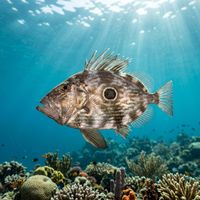
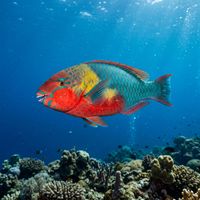
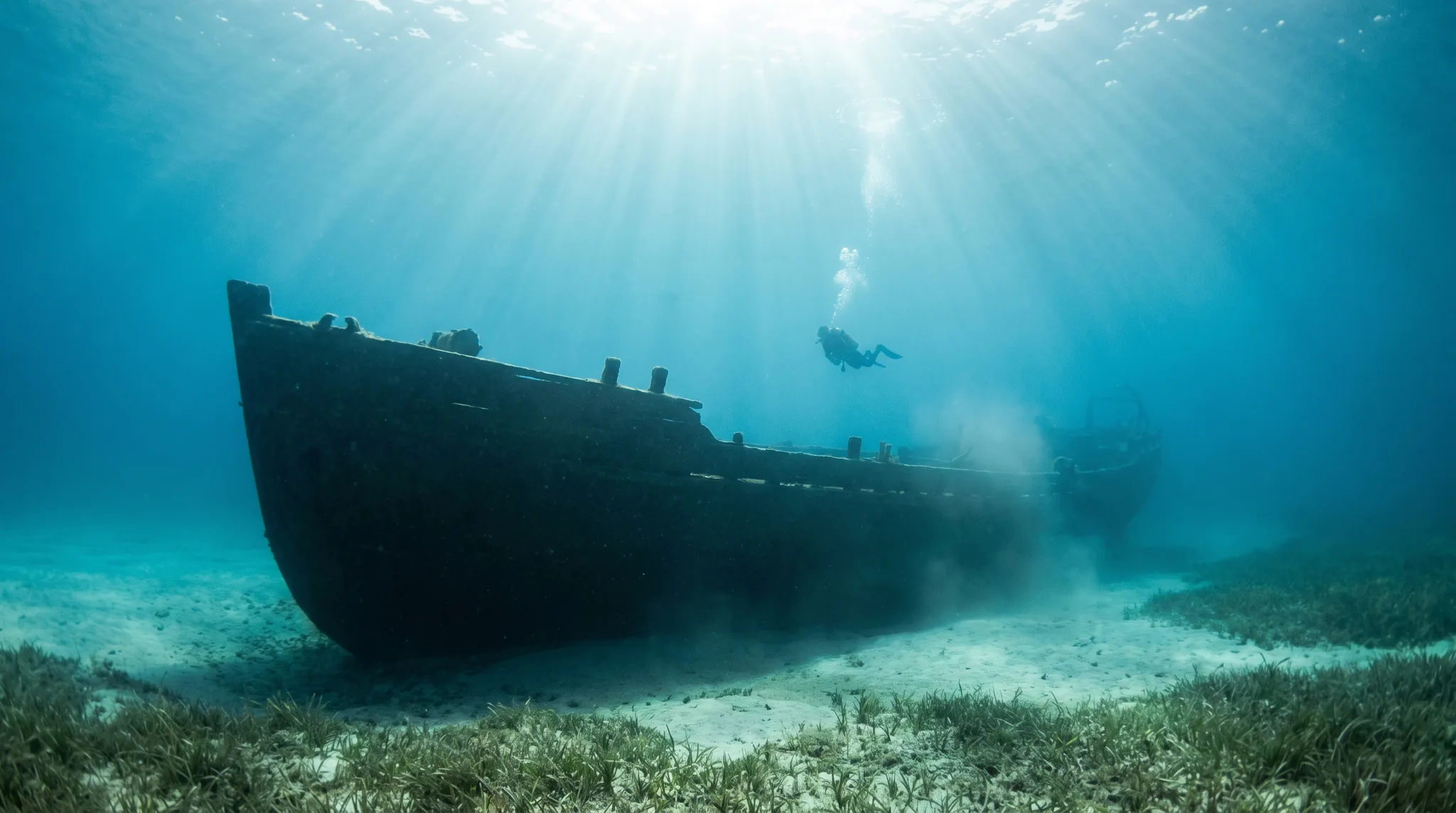
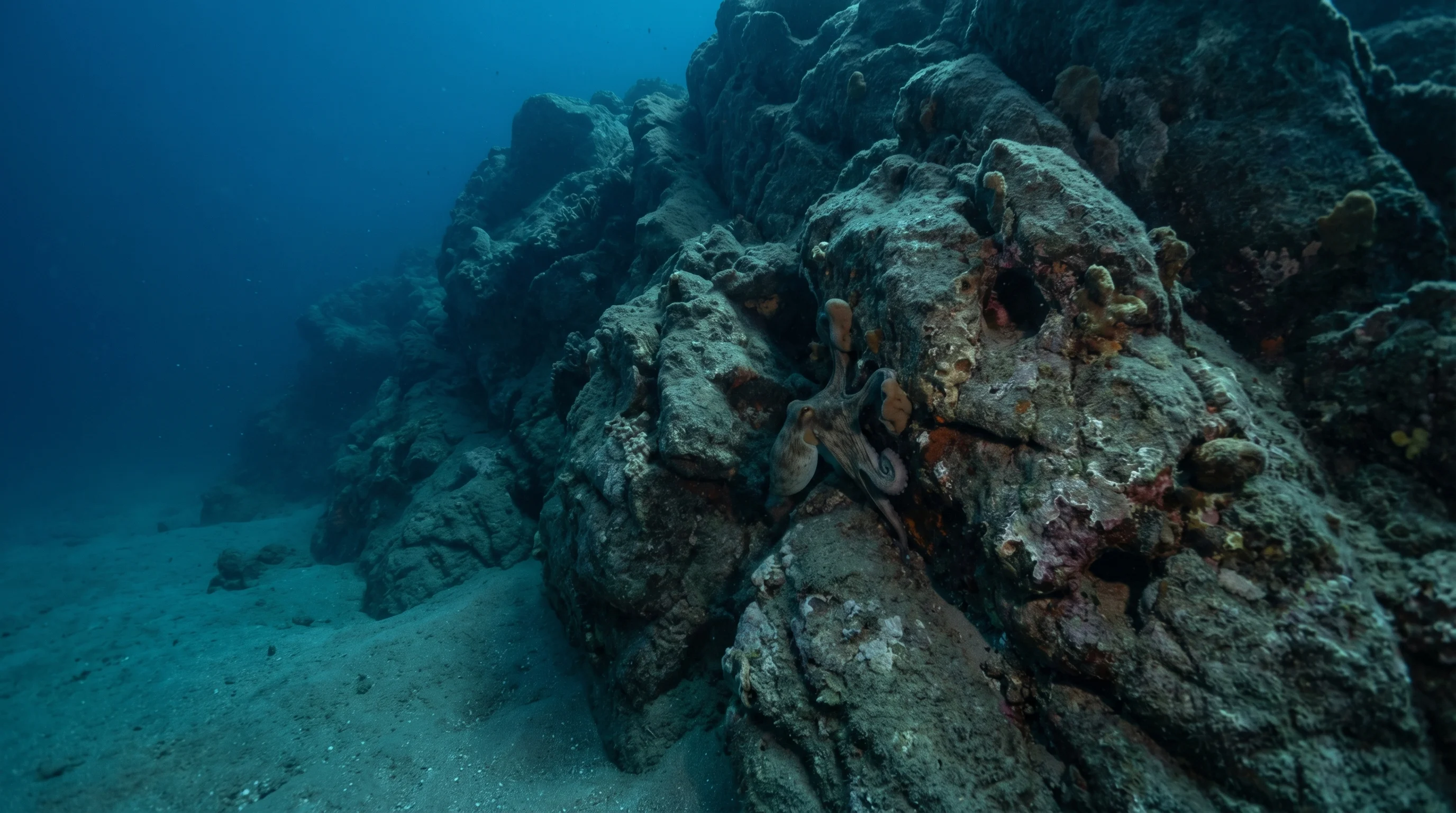
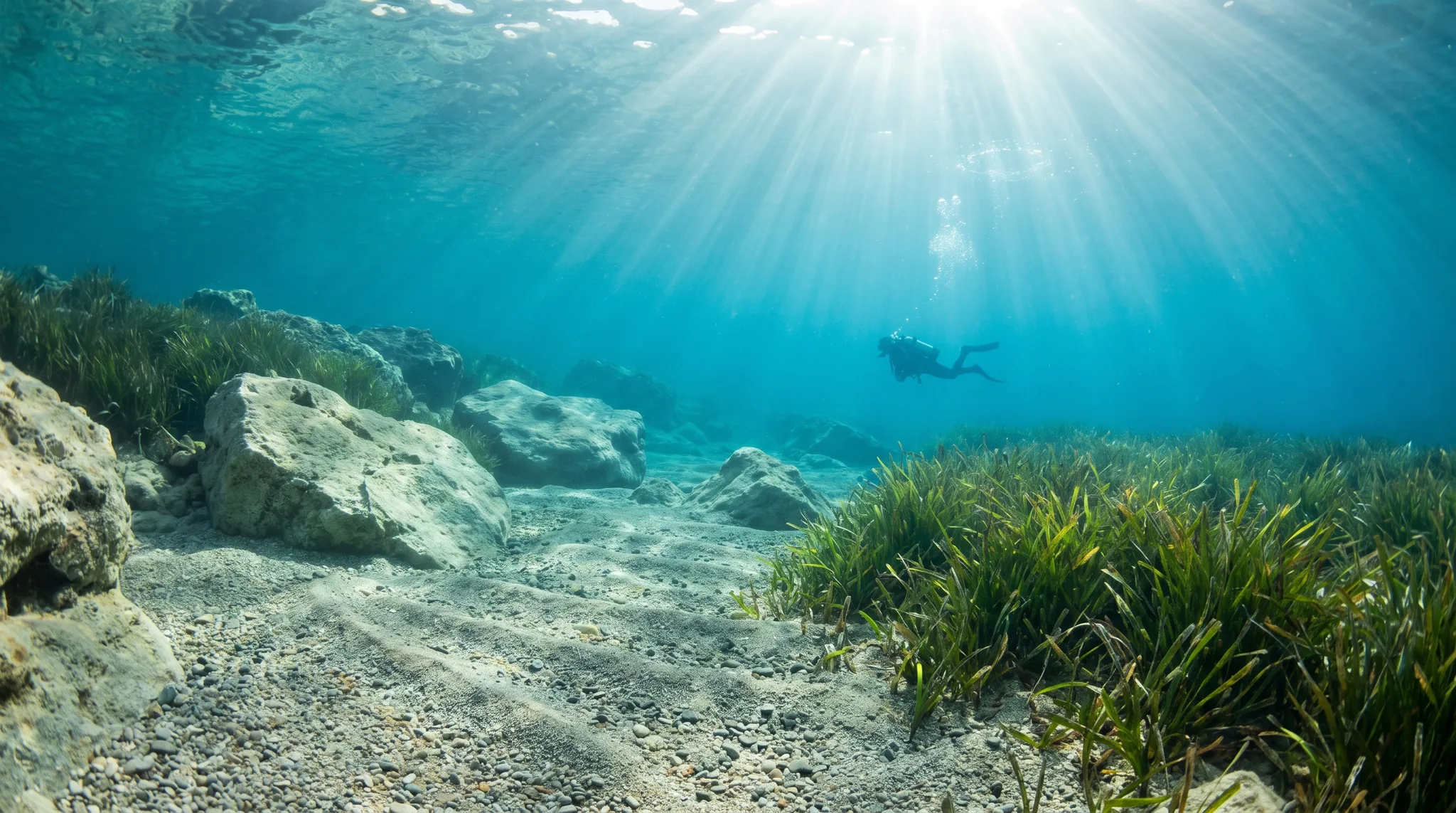
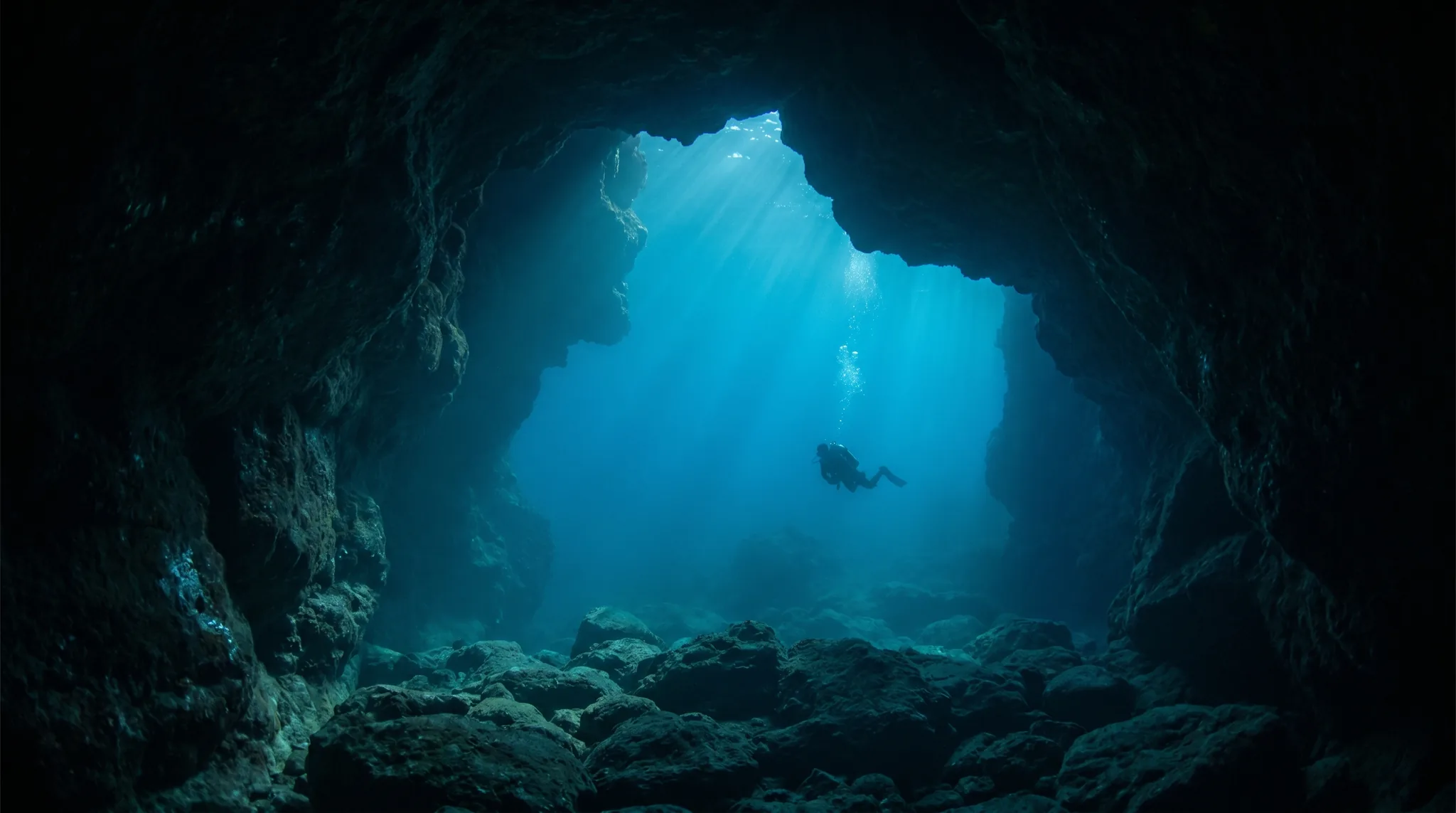
Northern Greece divides into three distinct sub-areas: Halkidiki, the Sporades, and Thasos. Halkidiki dominates the site count and delivers exceptional variety, from the cave-laced walls of Porto Koufo and the geothermal pinnacles of Loutra to beginner-friendly shore dives over Posidonia meadows. The Sporades add open-water walls and reefs, while Thasos rounds out the offer with its own reef and wall systems. Across the region, Common Octopus, European Common Cuttlefish, Painted Comber, and Turkish Wrasse are reliably encountered, with Loggerhead Sea Turtle and Dusky Grouper adding welcome highlights. Conditions are warmest from late summer into early autumn, when visibility and water temperature peak together.
3 areas
 30
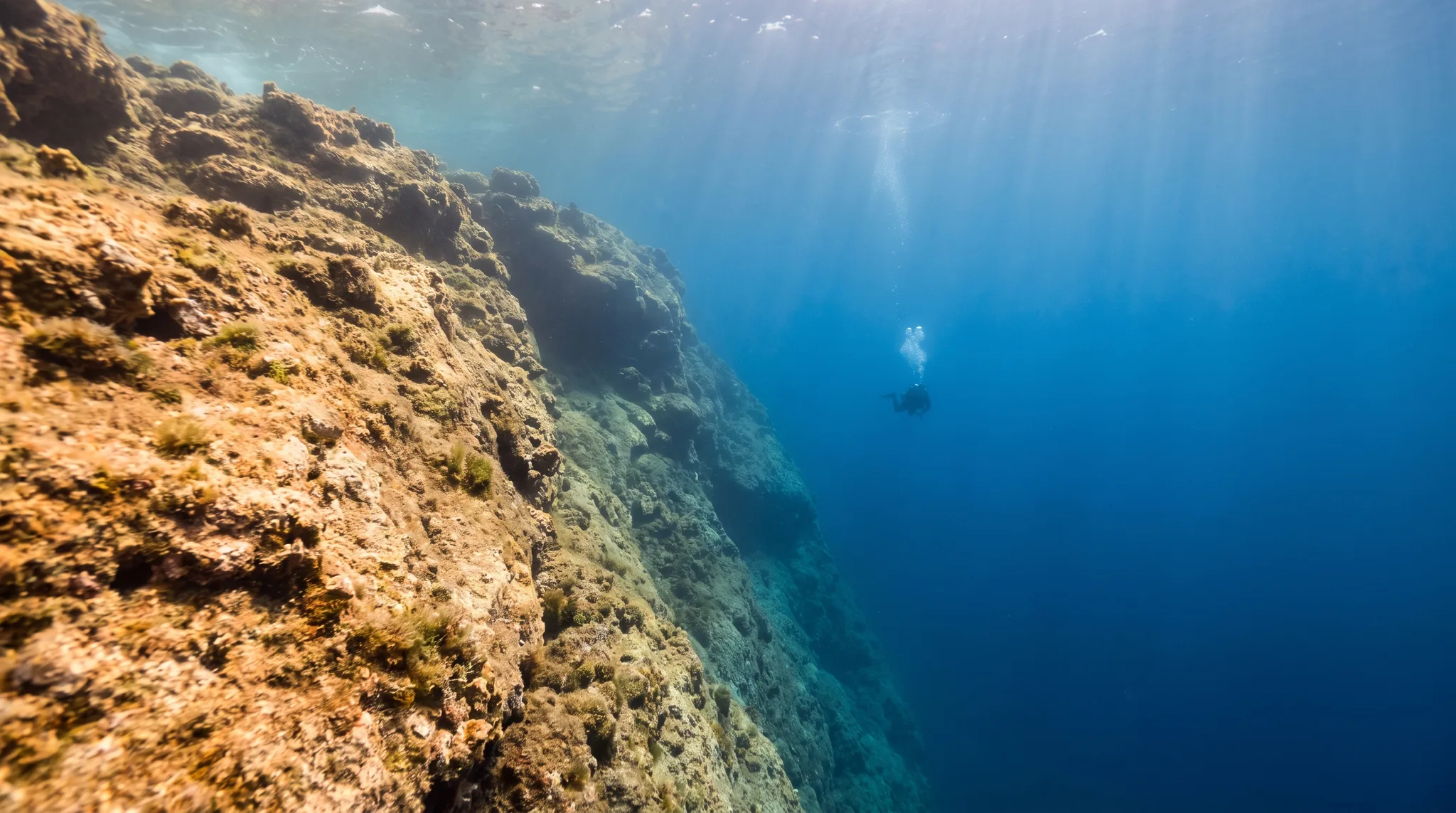
30Three peninsulas of varied wall, reef and cave diving, with signature encounters including Flying Gurnard, Common Octopus and European Common Cuttlefish.
 18
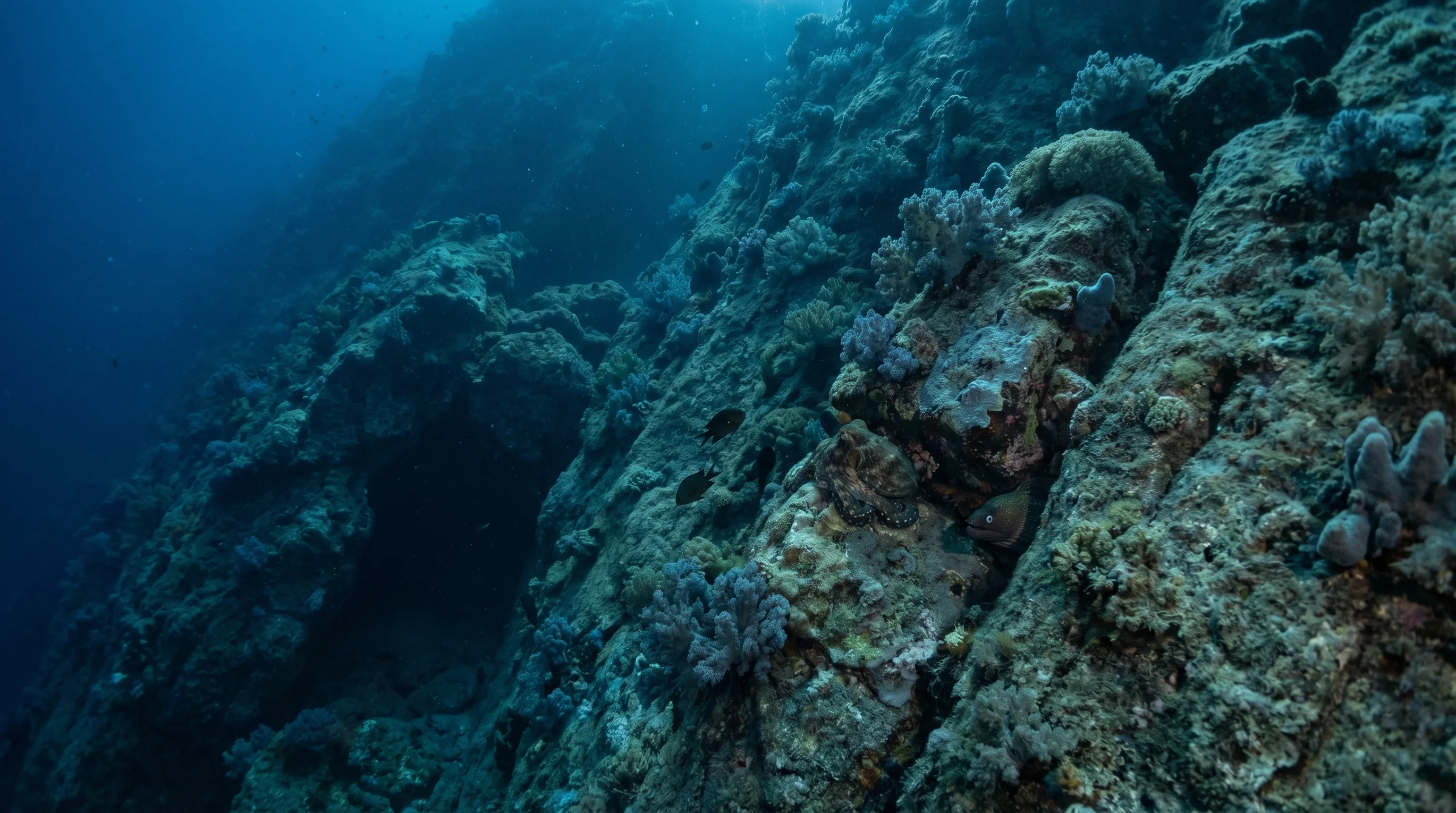
18Wall diving across island reefs, with reliable Dusky Grouper, gorgonians, and a drift wreck for advanced divers.
 18
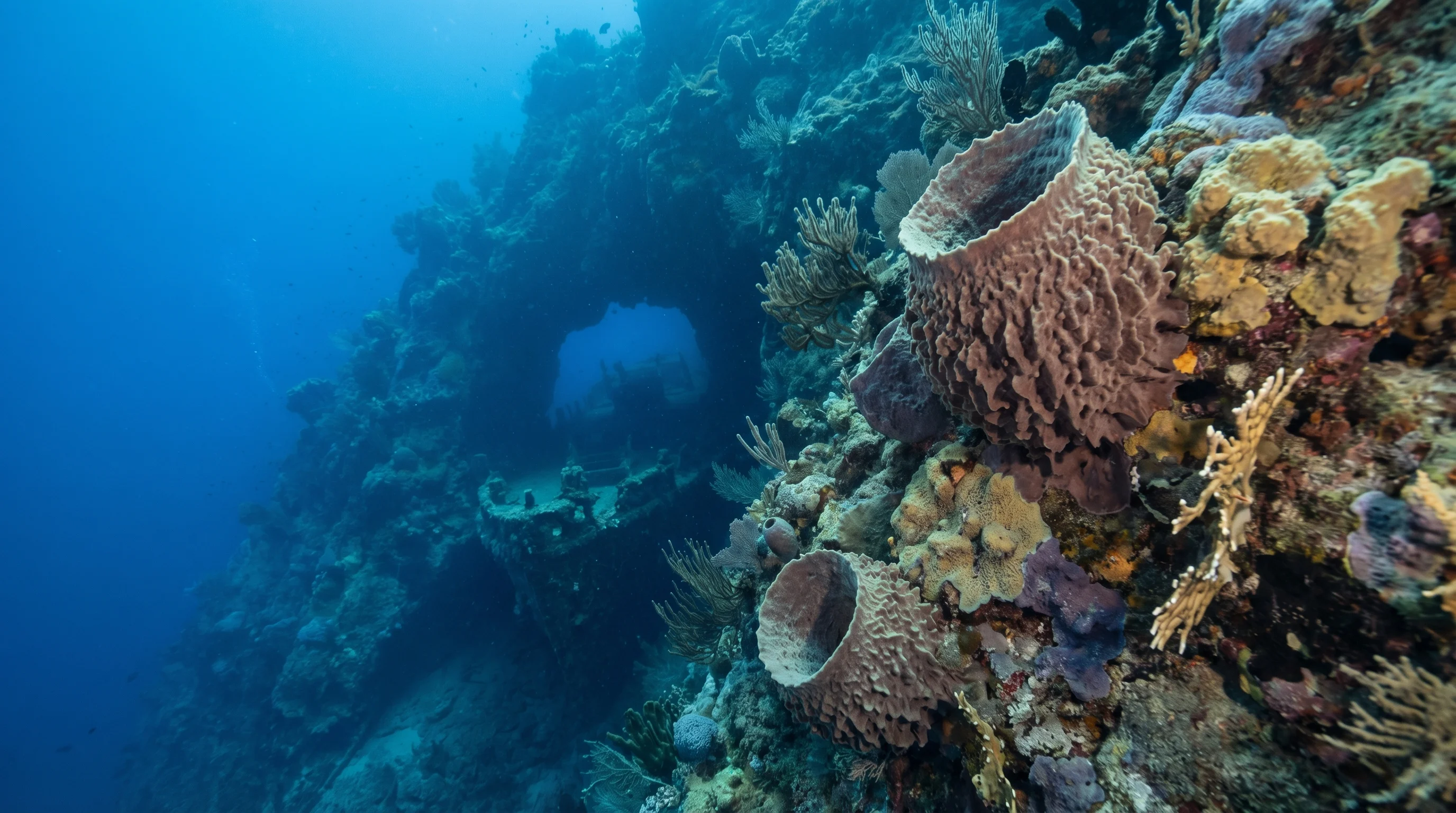
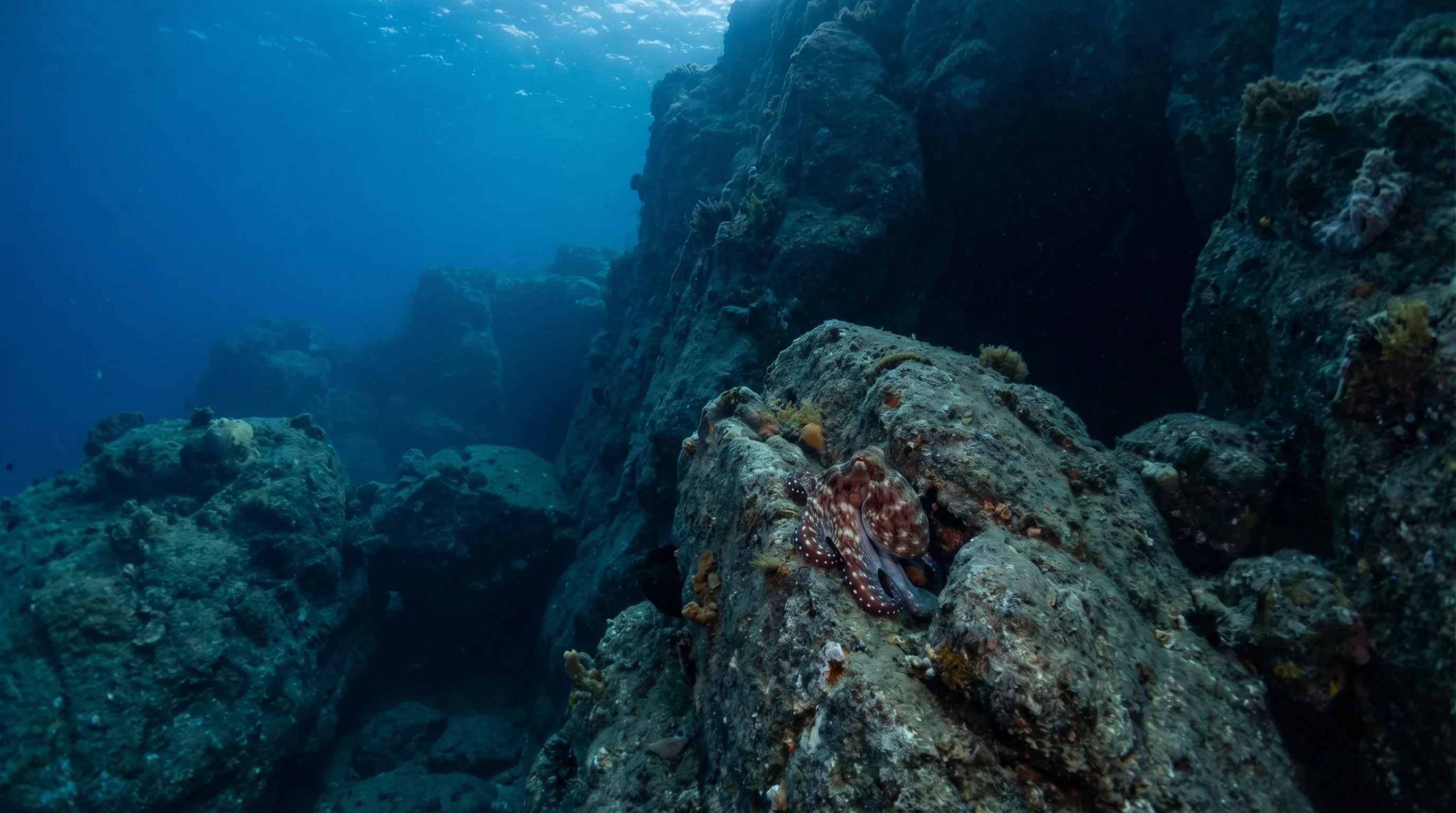
18Walls, wrecks and caves with very common octopus and cuttlefish sightings, mostly beginner-friendly boat diving.
Monthly water temperature across Northern Greece's sites, from satellite sea-surface data corrected for depth. The band shows the site-to-site spread.
Water temperature climbs steadily from spring into a warm late-summer and early-autumn peak, making September the standout month according to the best-months data. Spring from April onward sees conditions improve quickly, drawing divers to the region's walls and deeper sites. Winter months are quieter and cooler, best left to those comfortable with cold water and reduced operator availability.
49 operators

Water temperature around Northern Greece ranges from about 14°C in April to 22°C in September, based on satellite sea-temperature data for its dive sites.
In the warm season (about 22°C) a 3mm full suit is comfortable in Northern Greece; in the coldest months (about 14°C) step up to a 7mm or semi-dry suit.
Fin maps 66 sites in Northern Greece (59 scuba diving sites and 14 snorkelling spots, with some suited to both), organised into 3 areas.
Across Northern Greece's dive sites, May, June, July, August and September are most often reported as the best months to visit.
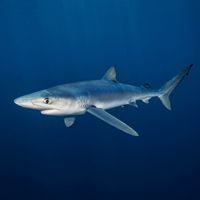
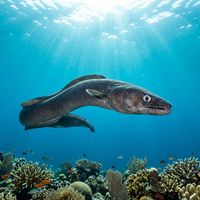
The most reliably sighted species are Common Octopus, European Common Cuttlefish, Painted Comber, and Turkish Wrasse, all observed across the majority of sites. Dusky Grouper, John Dory, Conger Eel, and European Parrotfish are also commonly recorded. Loggerhead Sea Turtle and Blue Shark appear occasionally, making them rewarding but not guaranteed sightings.
A large proportion of sites across Halkidiki and the wider region are rated beginner level, including shore-accessible spots such as Chrousso Bay and Porto Valitsa. These sites offer shallow entry points that build into deeper reef and wall terrain, giving new divers room to progress. Intermediate and advanced sites such as Avlaki and Agios Georgios Wall are also available for those with more experience.
Halkidiki has the largest concentration of sites and the greatest variety of site types, including wrecks, caves, geothermal features, and extensive wall diving. The Sporades offer a similar number of sites to Thasos, with both sub-areas focusing on reef and wall diving. Divers based in one peninsula or island can usually access their local sub-area's sites without needing to travel across the whole region.
Both entry types are well represented. Porto Valitsa, Avlaki, Chrousso Bay, and Loutra are all shore-entry sites, while sites such as Dias, San Antonio, and Agios Georgios Wall require a boat due to their distance from shore. Some sites, including Porto Koufo Wall and Kalamitsi, offer both options. Operators across the region run boat trips to offshore sites throughout the main season.