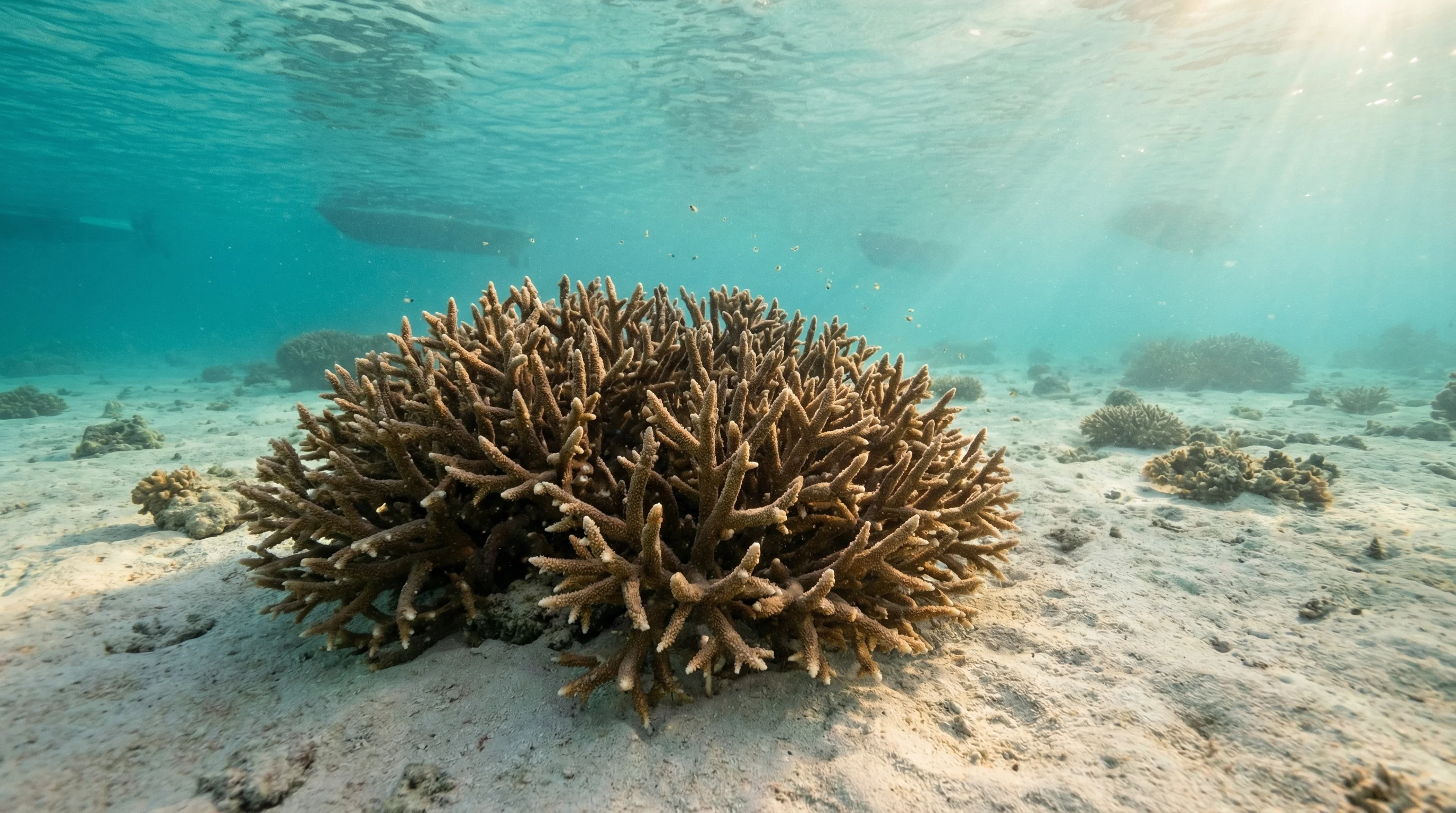
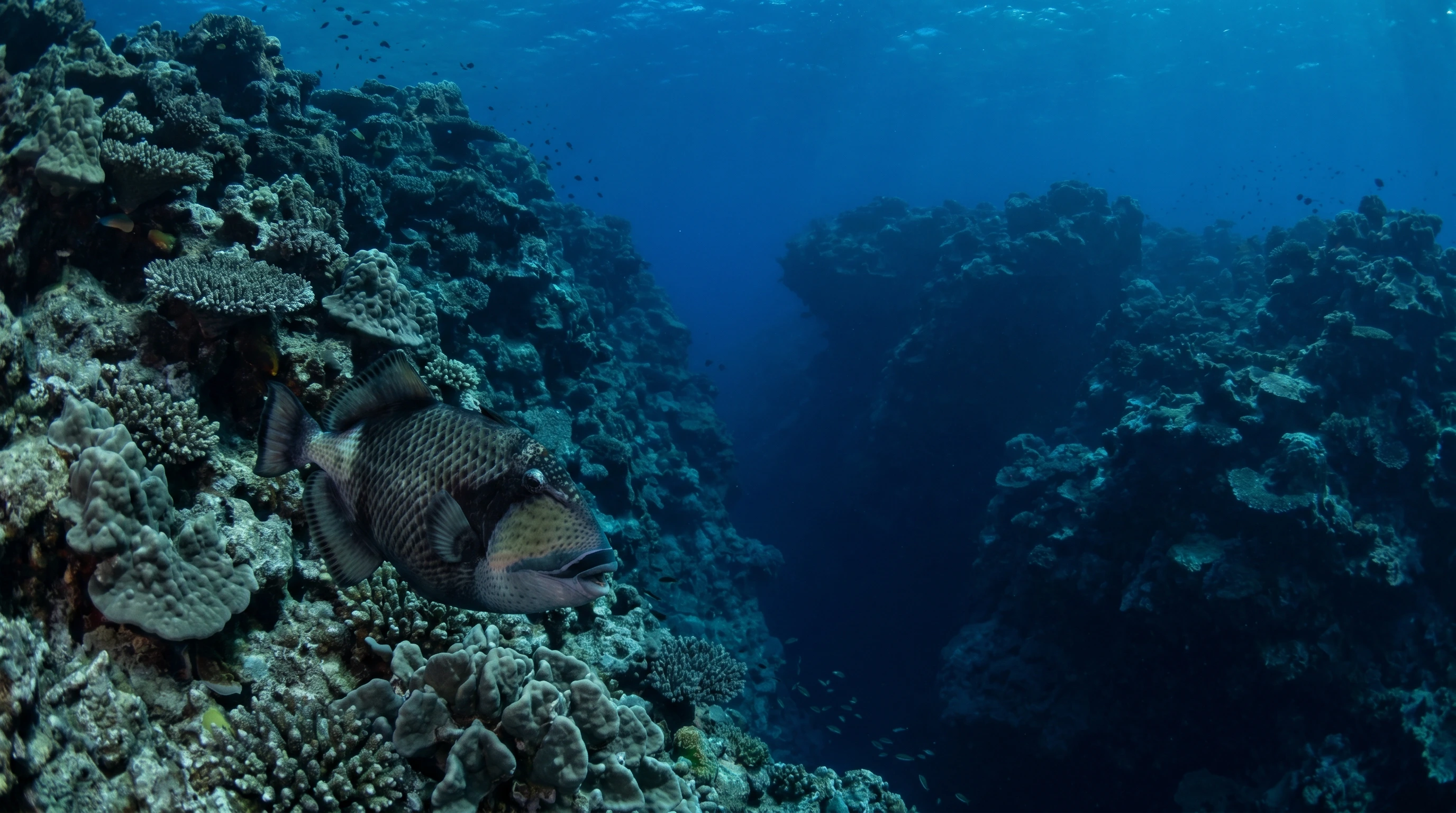
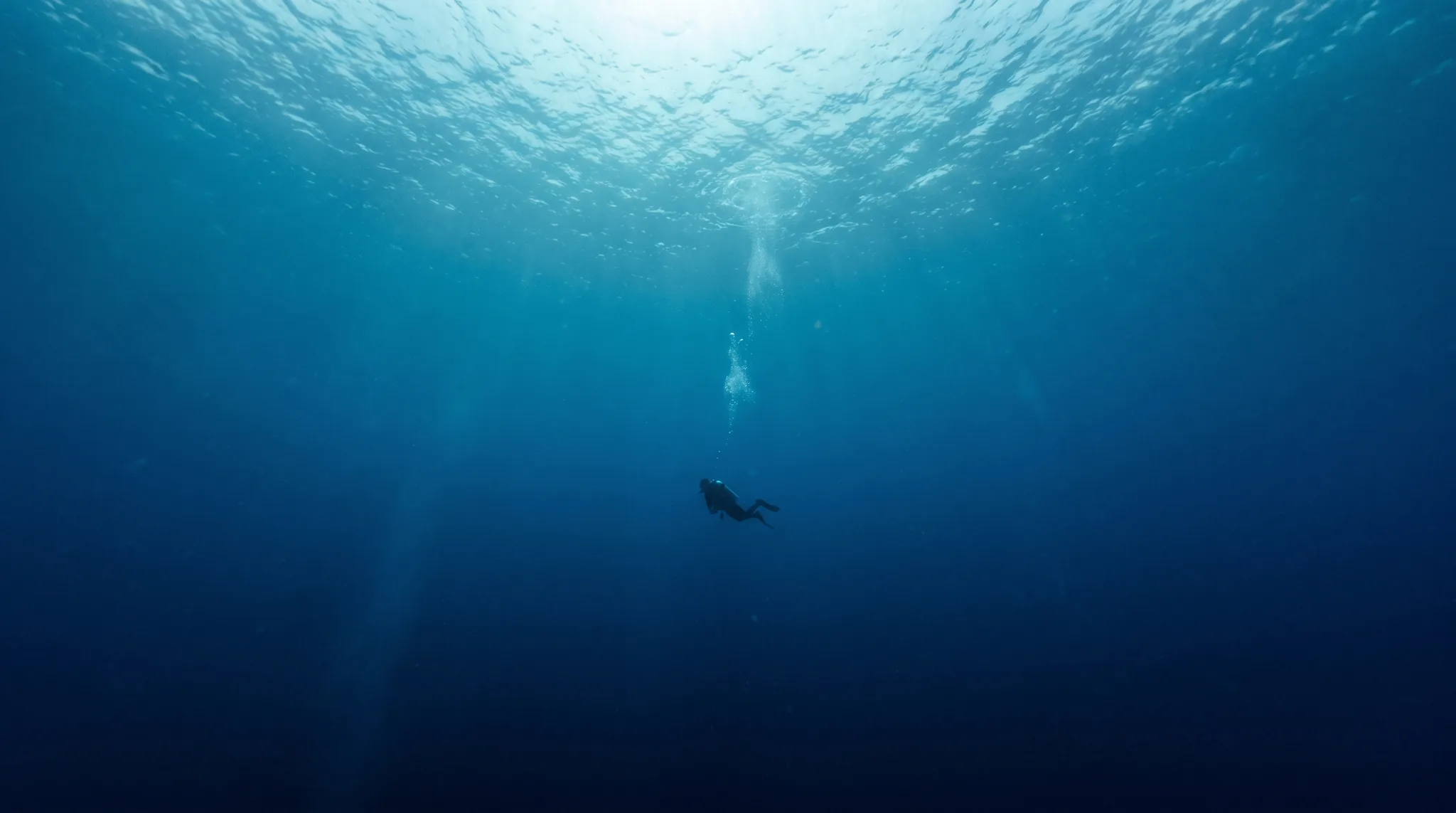
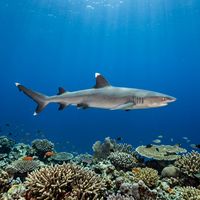
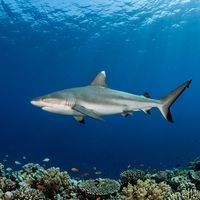
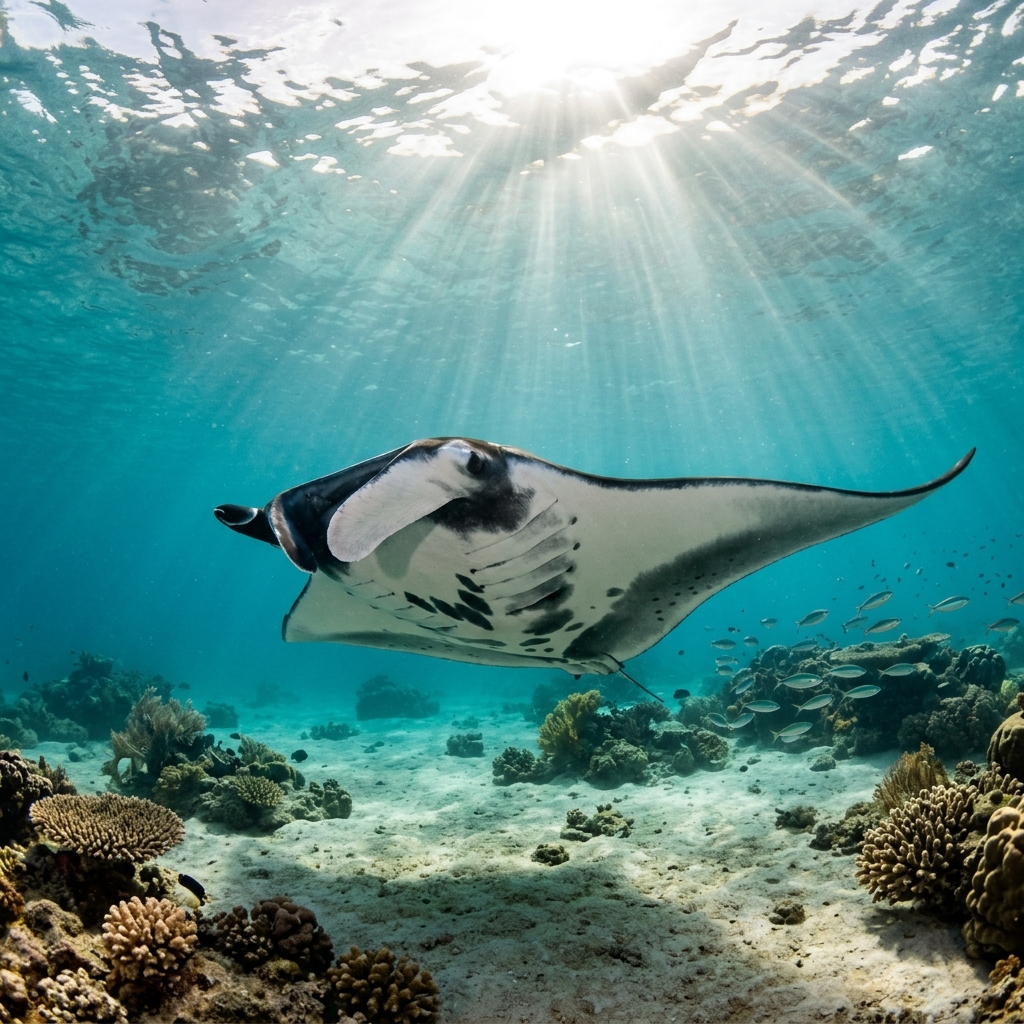
The Tuamotu Islands are defined by their atoll passes: deep channels where tidal currents funnel marine life in extraordinary concentrations. Drift diving through sites like Tiputa Pass, Garuae Pass and Tumakohua Pass puts Napoleon Wrasse, Whitetip Reef Shark, Grey Reef Shark and Reef Manta Ray within close range. Rangiroa and Fakarava offer the greatest variety of sites, while Tikehau and Manihi provide quieter alternatives with wall and reef topography. Most diving is boat-based and current-driven, suiting intermediate to advanced divers, though shallower lagoon sites at Rangiroa and Fakarava welcome beginners and snorkellers alike. Conditions favour the cooler, drier months from May through October.
6 areas
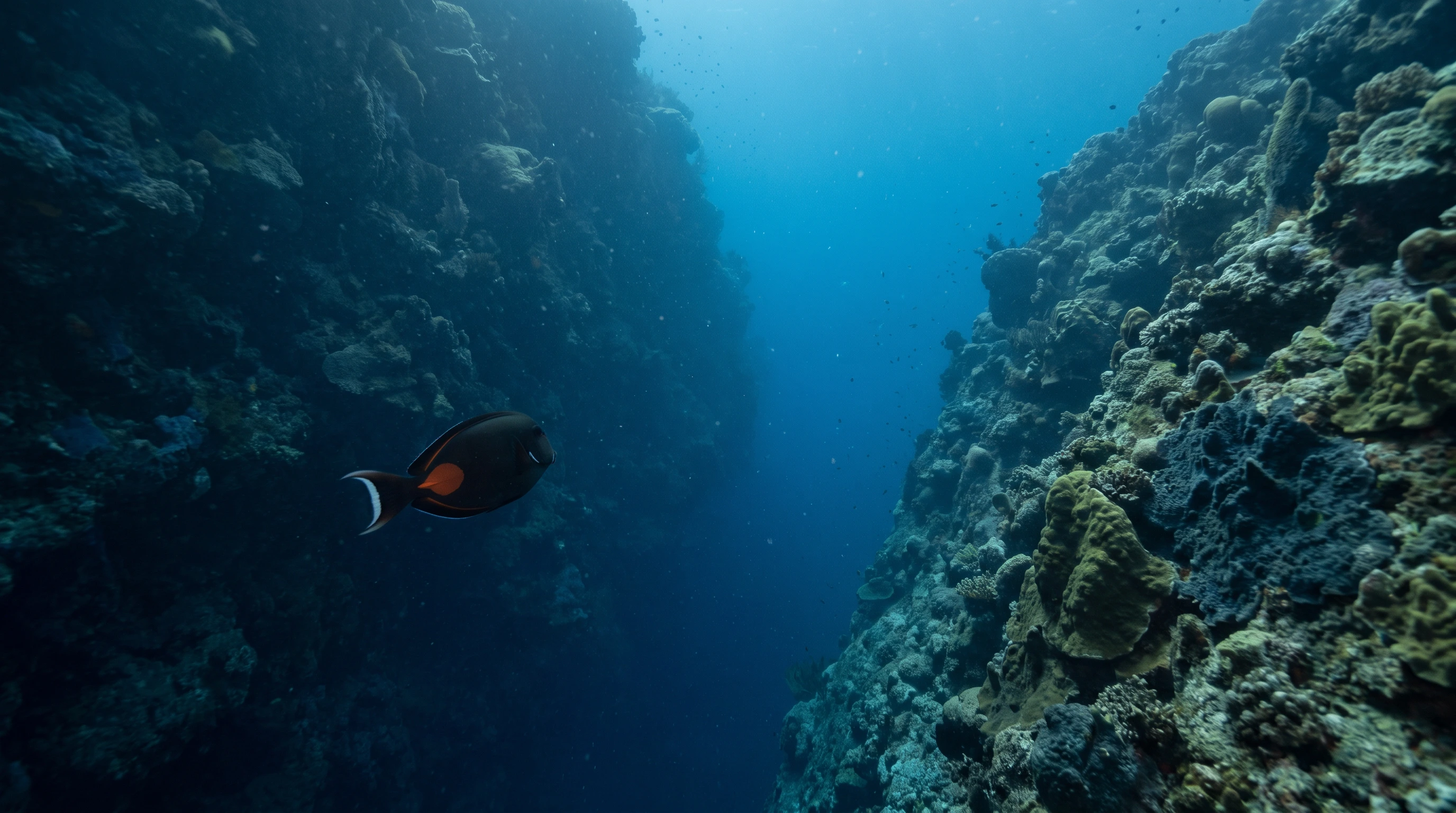 18
18Drift dives through powerful passes, with sharks, eagle rays, and Napoleon Wrasse as regular companions.
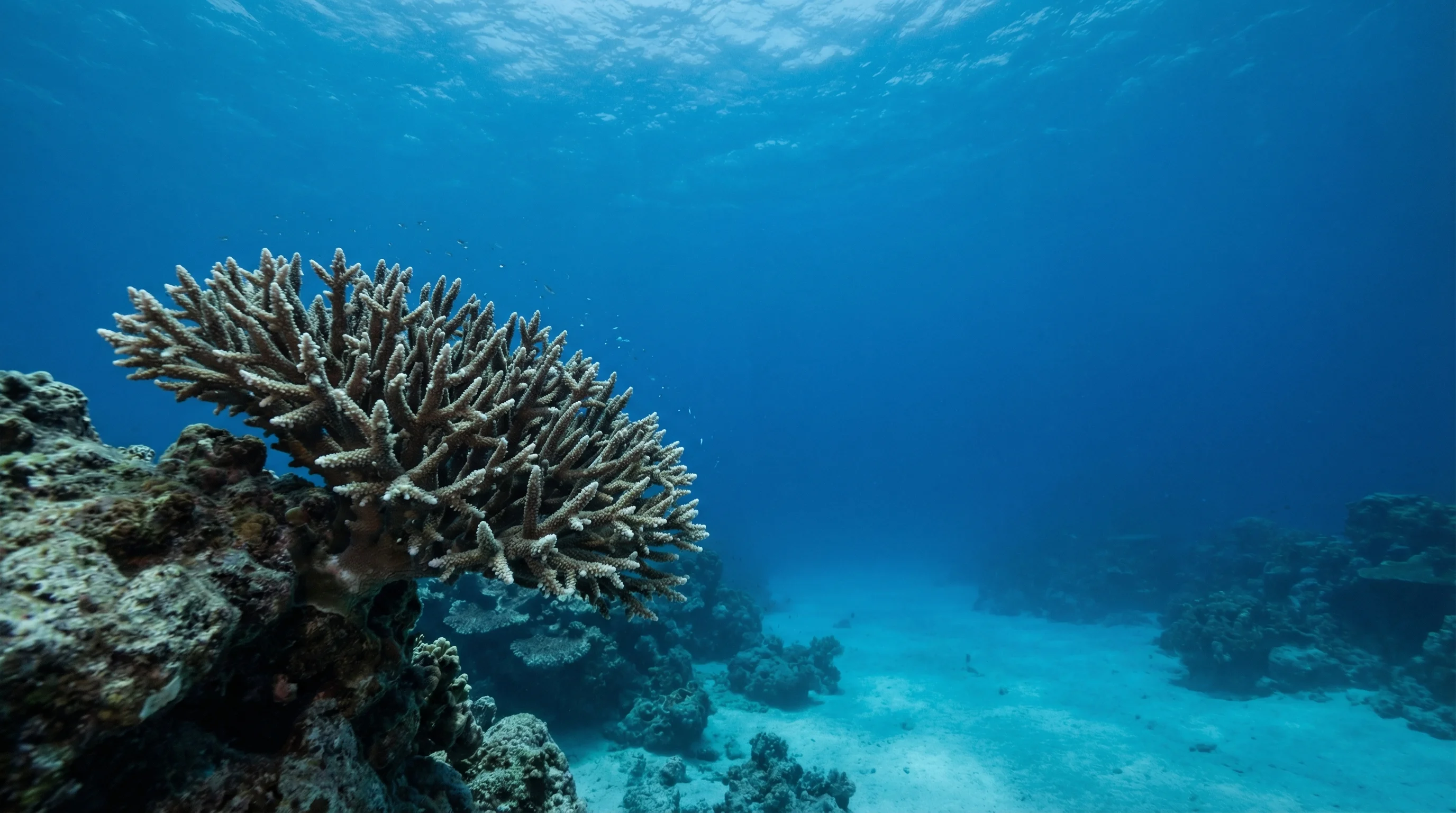 16
16Atoll passes with powerful drift dives, resident sharks, and Napoleon Wrasse observed across nearly every site.
 13
13Reef sharks, Manta Rays, and Napoleon Wrasse on an atoll reef with sites ranging from shallow beginner dives to deep drift diving.
11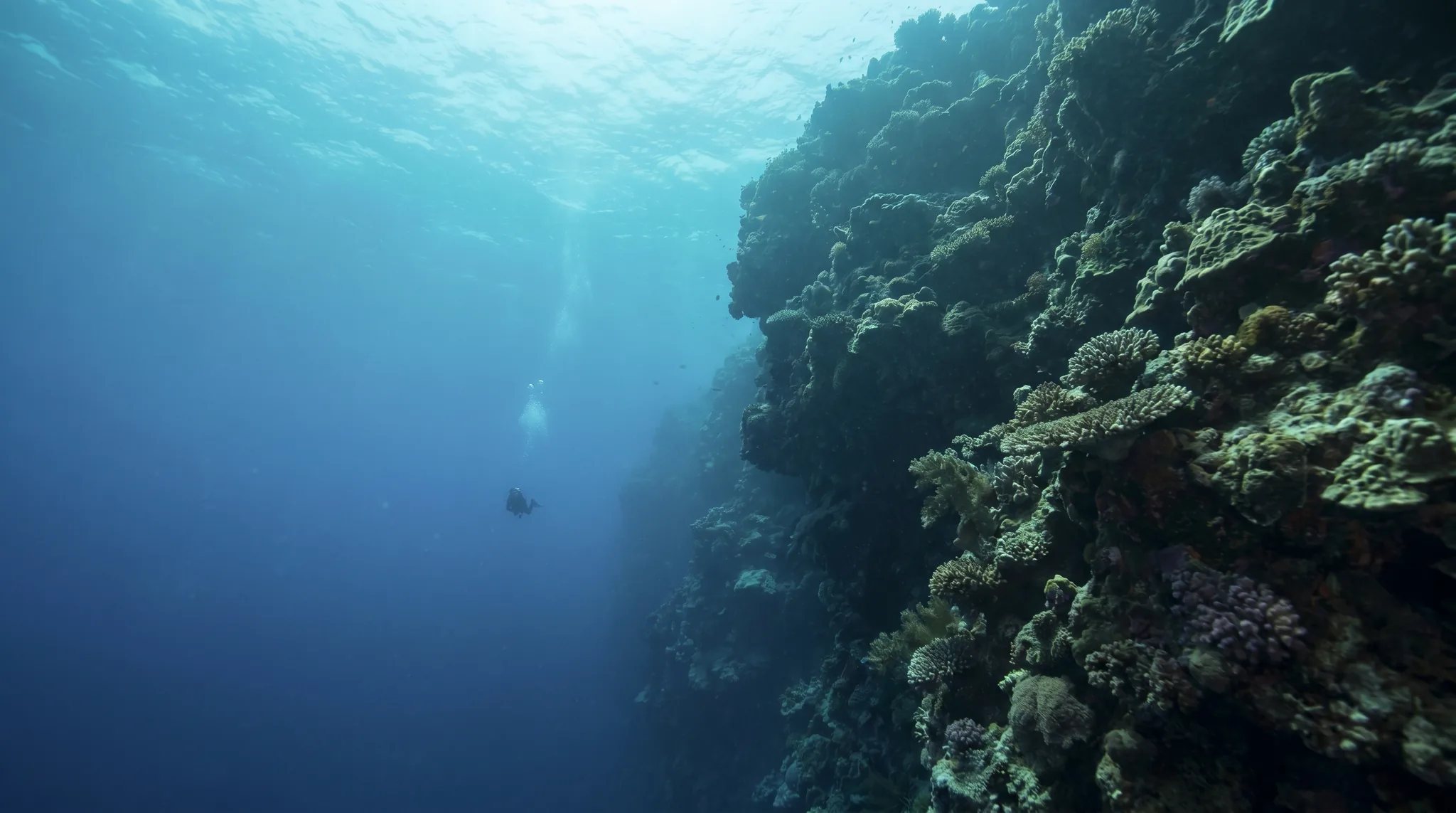
Monthly water temperature across Tuamotu Islands's sites, from satellite sea-surface data corrected for depth. The band shows the site-to-site spread.
Water temperature stays warm throughout the year, dipping slightly cooler from July through September before climbing again by December. The best-months data points clearly to May through October as the prime window, when conditions in the passes tend to be most consistent for drift diving. The warmer months from January to April bring higher humidity and less predictable visibility, making them quieter on the dive calendars of most operators.
48 operators
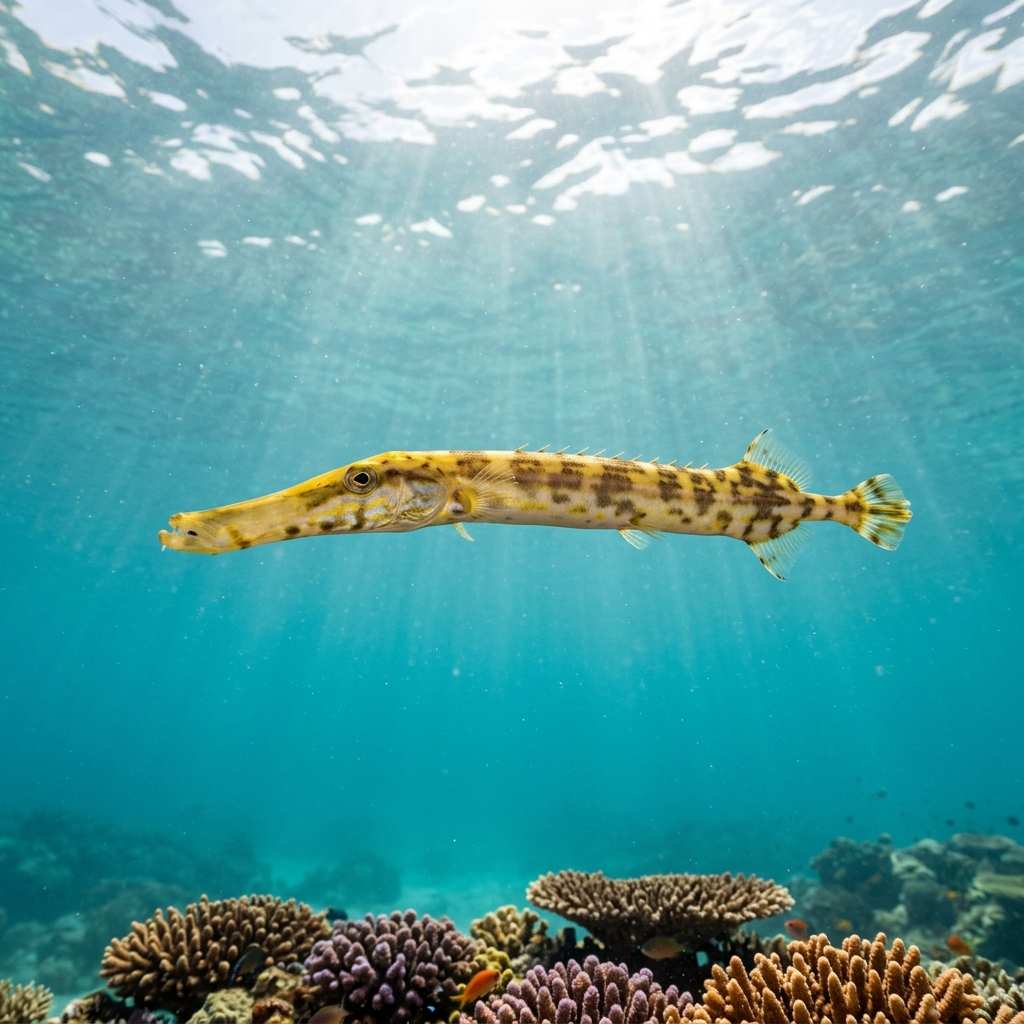
An atoll reef built for drift diving, with Whitetip Reef Shark, Napoleon Wrasse and Giant Moray observed across virtually every site.
Water temperature around Tuamotu Islands ranges from about 27°C in July to 29°C in January, based on satellite sea-temperature data for its dive sites.
With water around 27–29°C, a rash guard or 3mm shorty works in Tuamotu Islands year-round.
Fin maps 62 sites in Tuamotu Islands (52 scuba diving sites and 22 snorkelling spots, with some suited to both), organised into 6 areas.
Across Tuamotu Islands's dive sites, May, June, July, August, September and October are most often reported as the best months to visit.
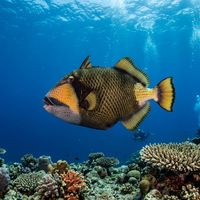
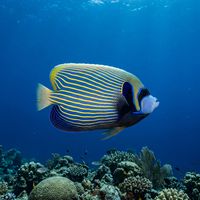
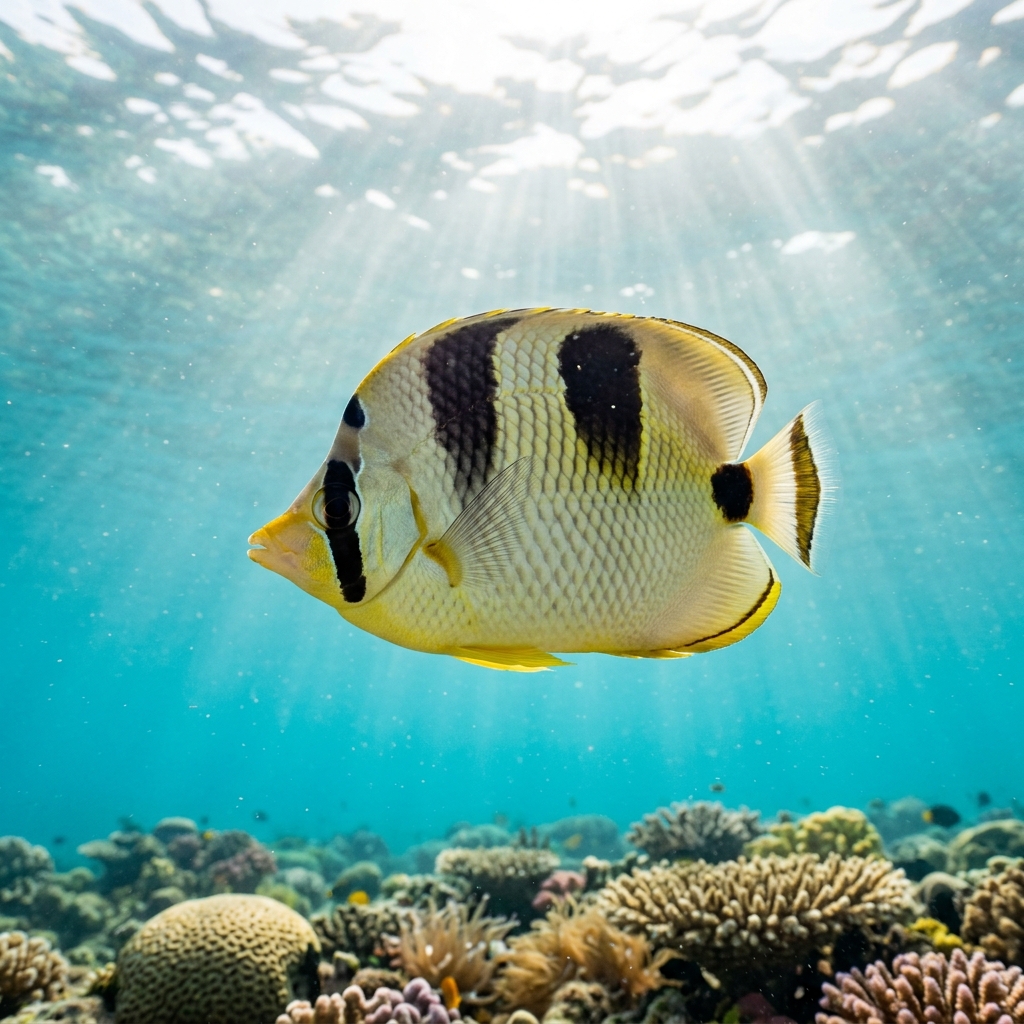
The passes and reefs here have observation-backed records of Napoleon Wrasse, Whitetip Reef Shark, Grey Reef Shark, Giant Moray, Reef Manta Ray and Spotted Eagle Ray. Reef fish such as the Emperor Angelfish, Moorish Idol, Titan Triggerfish and Pacific Sailfin Tang are very commonly reported across sites. The Reef Stonefish and Leaf Scorpionfish are also present, so divers should watch where they place their hands on the reef.
The majority of the most prominent sites, particularly the atoll passes, are rated intermediate or advanced due to strong currents and depth. However, beginner-rated sites do exist: Blue Lagoon and Rangiroa Blue Lagoon in Rangiroa, and Bird Island in Fakarava, all offer shallow, calm conditions with boat or shore entry. Beginners are well catered for at those sites while more experienced divers tackle the passes.
Rangiroa and Fakarava have the largest number of sites and include both demanding pass dives and gentle lagoon spots for mixed-ability groups. Tikehau offers wall and canyon terrain alongside a beginner-friendly artificial reef at Mamaa. Manihi is quieter, with outer-reef drop-offs like West Point and The Drop Off. Hao and Apataki have very few catalogued sites and suit those seeking a more remote experience.
Almost all sites require boat access, which reflects the atoll geography and the distances involved in reaching the passes and outer reefs. The one exception among the top sites is Bird Island in Fakarava, which can be entered from shore. Operators such as TOPDIVE Fakarava, Rangiroa Diving Center, Raie Manta Club Tikehau and The Six Passengers organise boat trips across the different atolls.