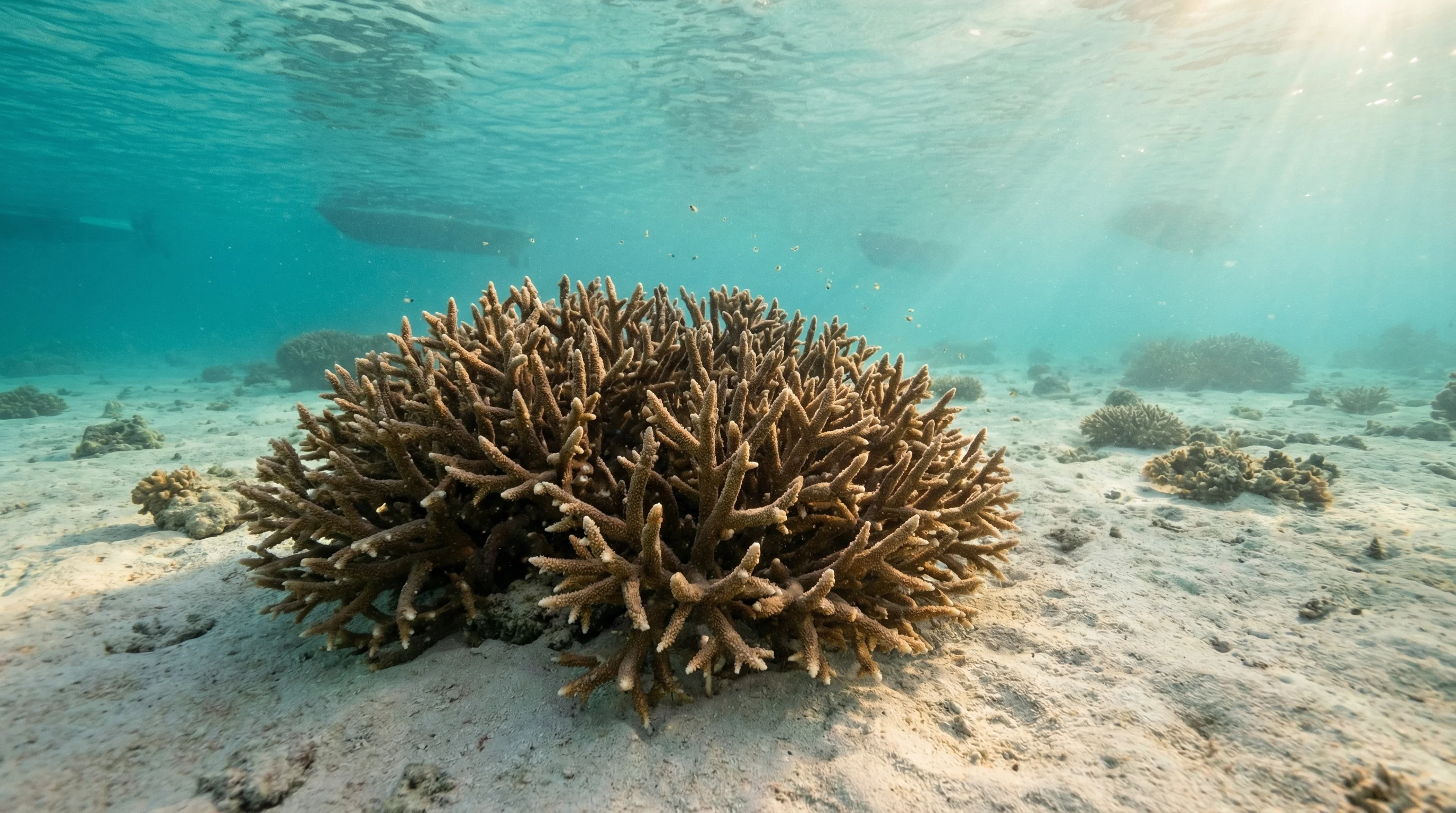
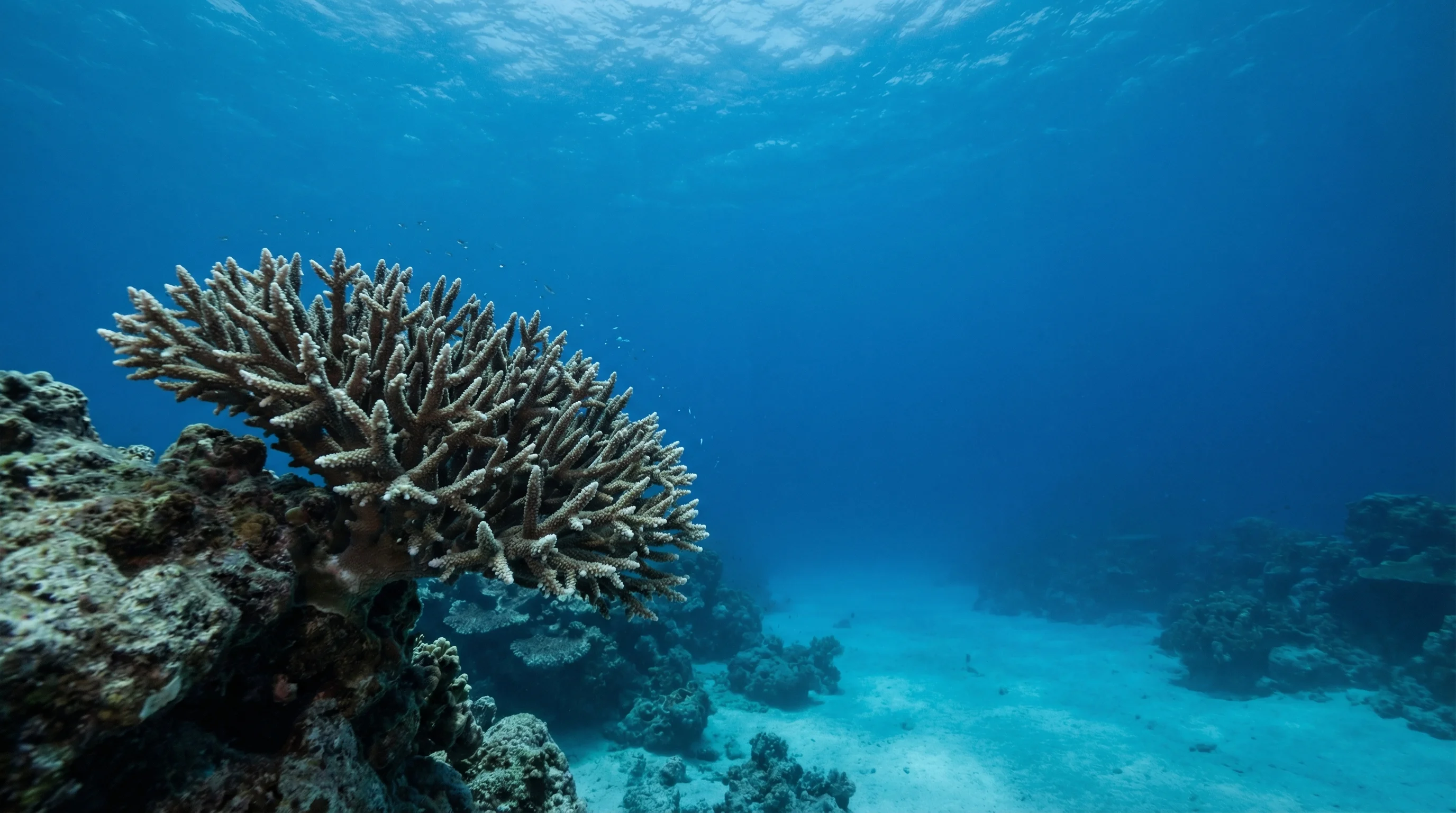
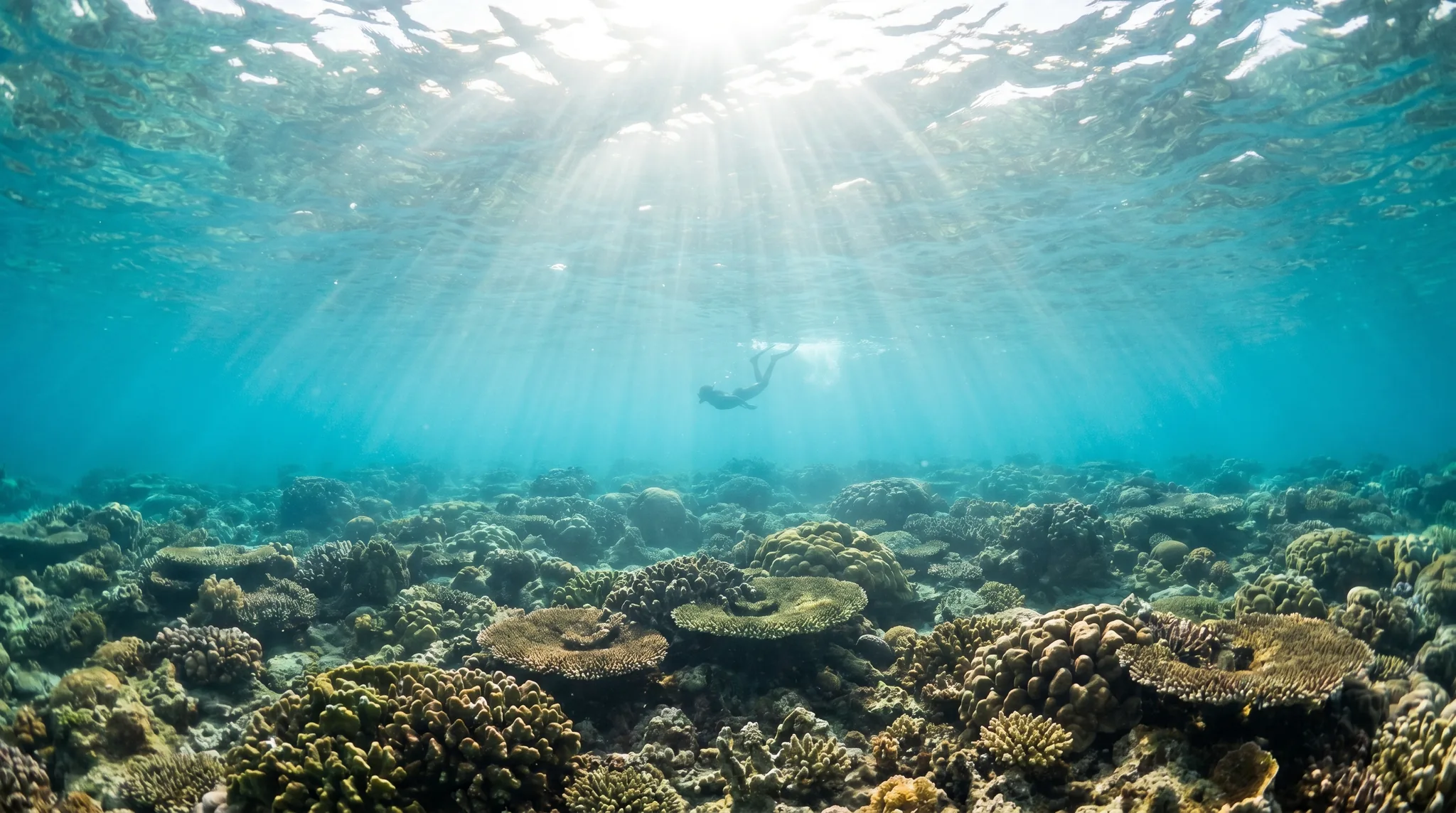
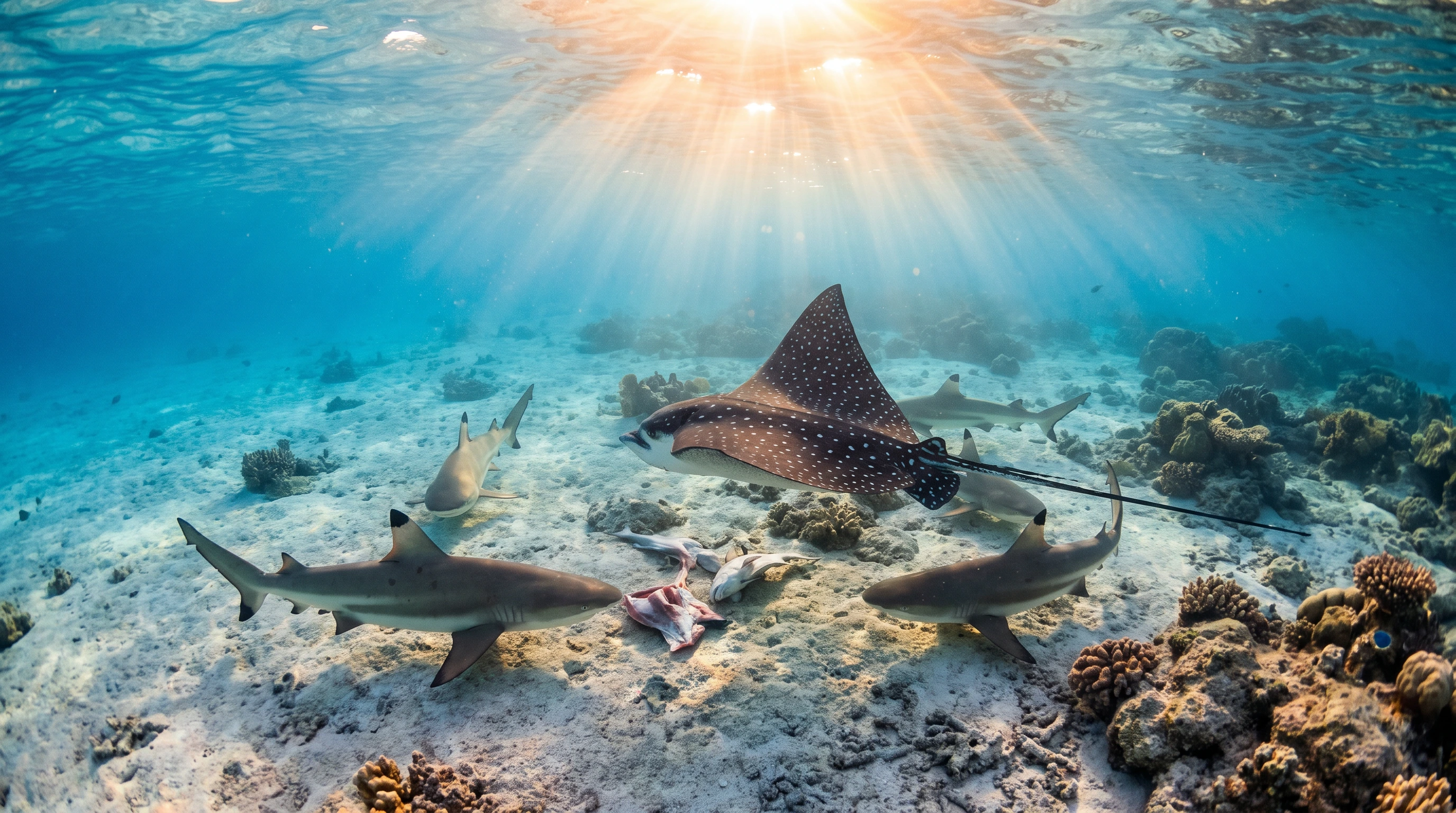
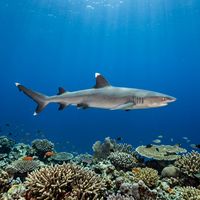
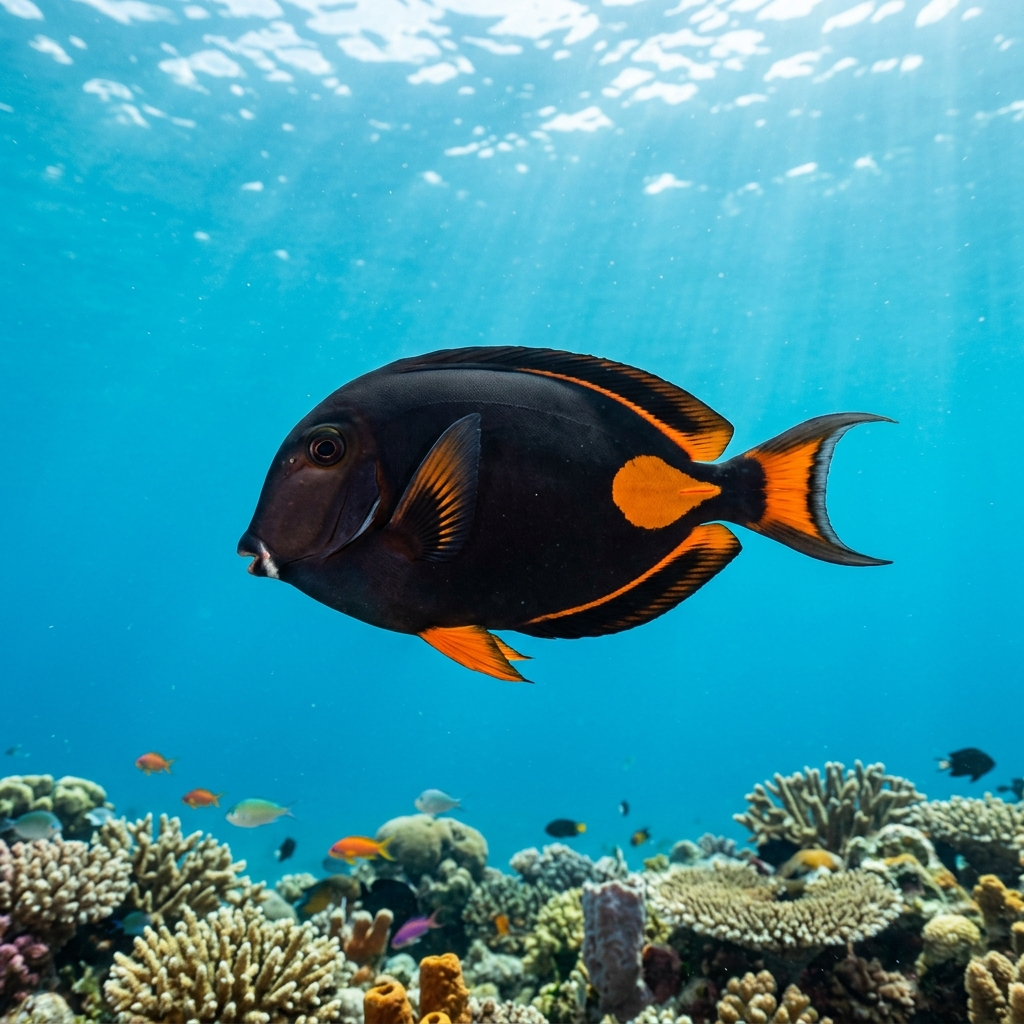
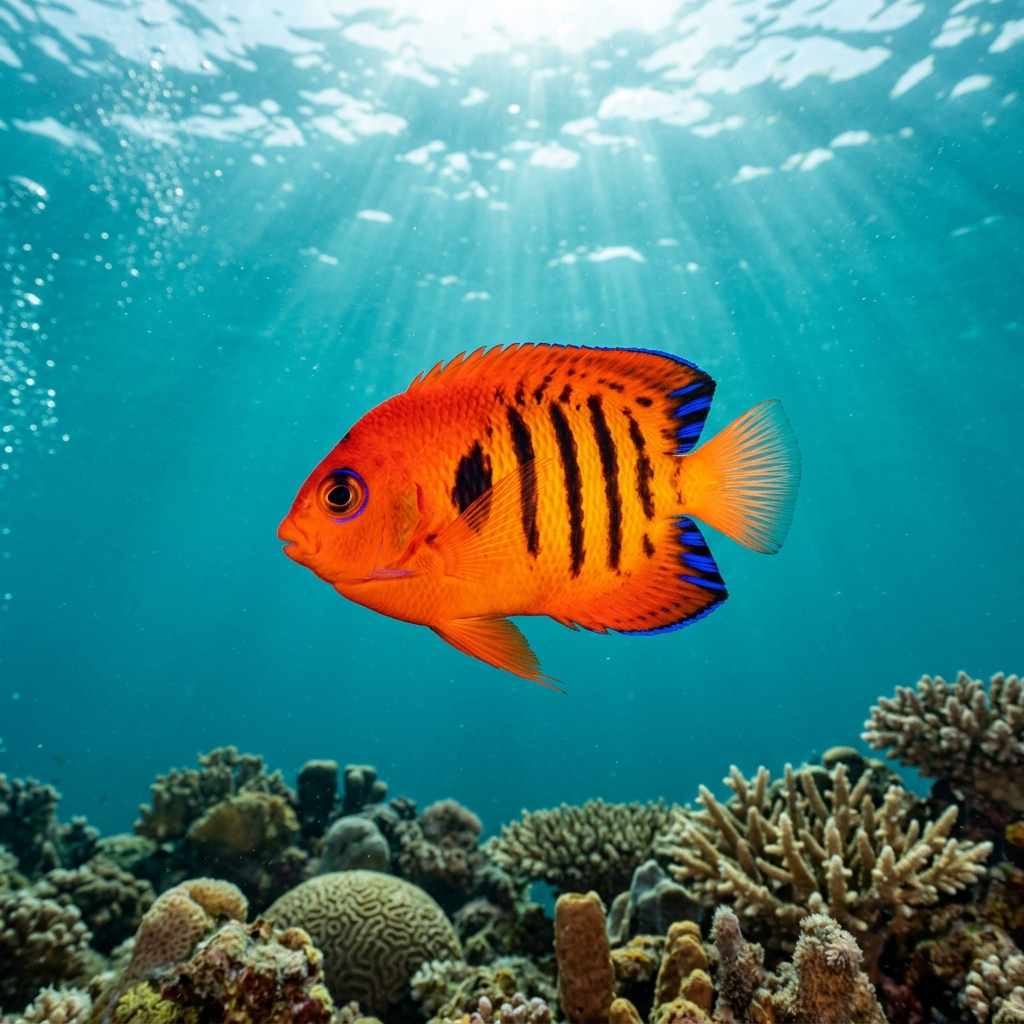
Rangiroa's diving is defined by its passes. Tiputa Pass and Avatoru Pass funnel powerful currents through reef, wall, and canyon topography, carrying divers past Whitetip Reef Shark, Spotted Eagle Ray, and Napoleon Wrasse on exhilarating drift dives. Most sites are boat-access and skew toward intermediate to advanced skill levels, reflecting the strong currents that shape this atoll. Reef fish are abundant across the site list, with Moorish Idol, Guineafowl Puffer, and numerous angelfish species observed consistently throughout.
Monthly water temperature across Rangiroa's sites, from satellite sea-surface data corrected for depth. The band shows the site-to-site spread.
Water stays warm year-round, peaking in the austral summer months of January through March and dipping slightly in the cooler months of July through September. The histogram of favoured diving months points clearly toward January, February, March, and June as the most popular periods, likely reflecting a balance of warm water, visibility, and manageable conditions in the passes. Currents at the passes vary with tidal cycles regardless of season, so timing dives to the incoming flow is essential.
6 operators
French Polynesia
15 more sites to explore
Water temperature around Rangiroa ranges from about 27°C in July to 30°C in March, based on satellite sea-temperature data for its dive sites.
With water around 27–30°C, a rash guard or 3mm shorty works in Rangiroa year-round.
Fin maps 18 sites in Rangiroa (15 scuba diving sites and 3 snorkelling spots).
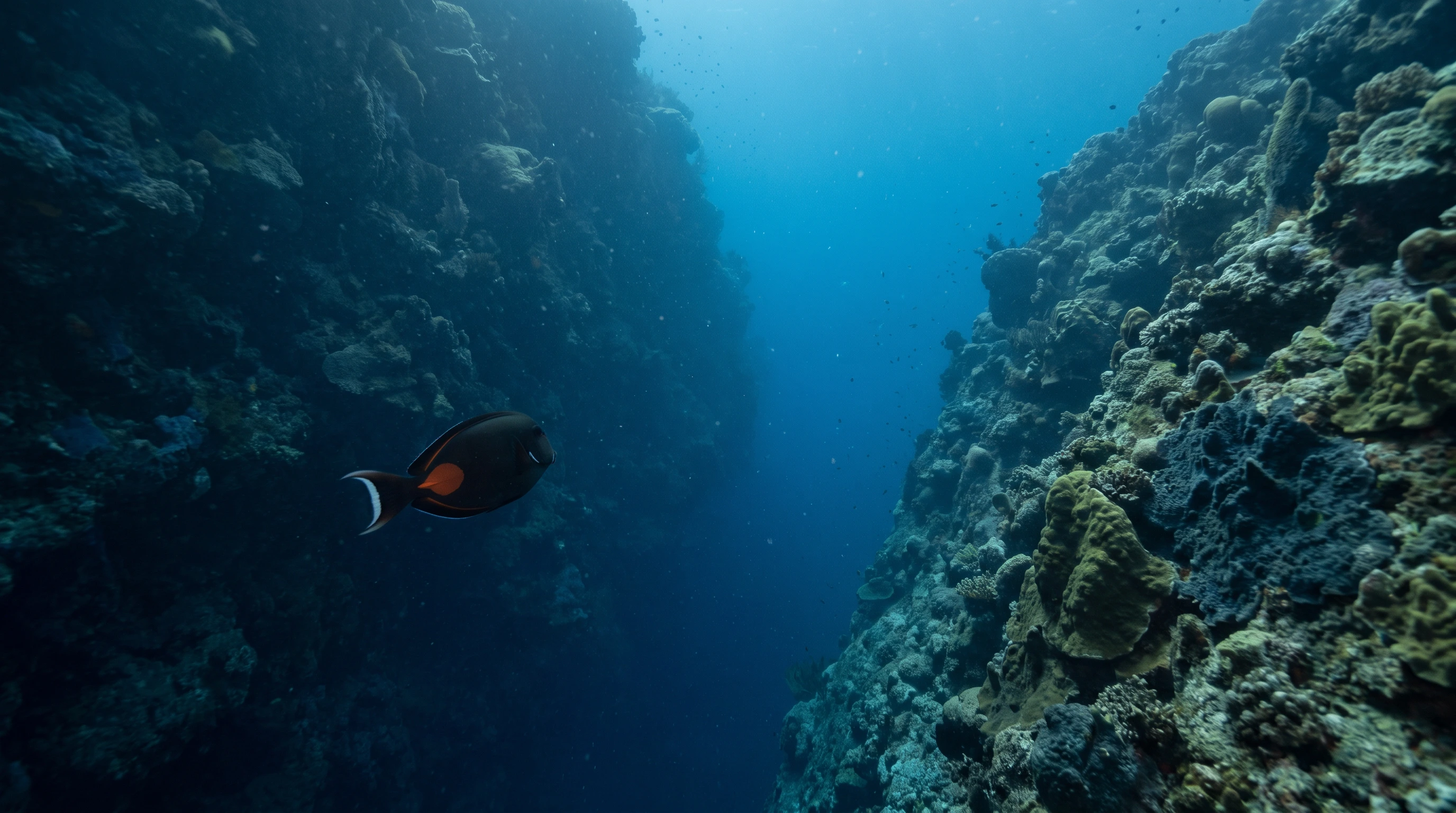
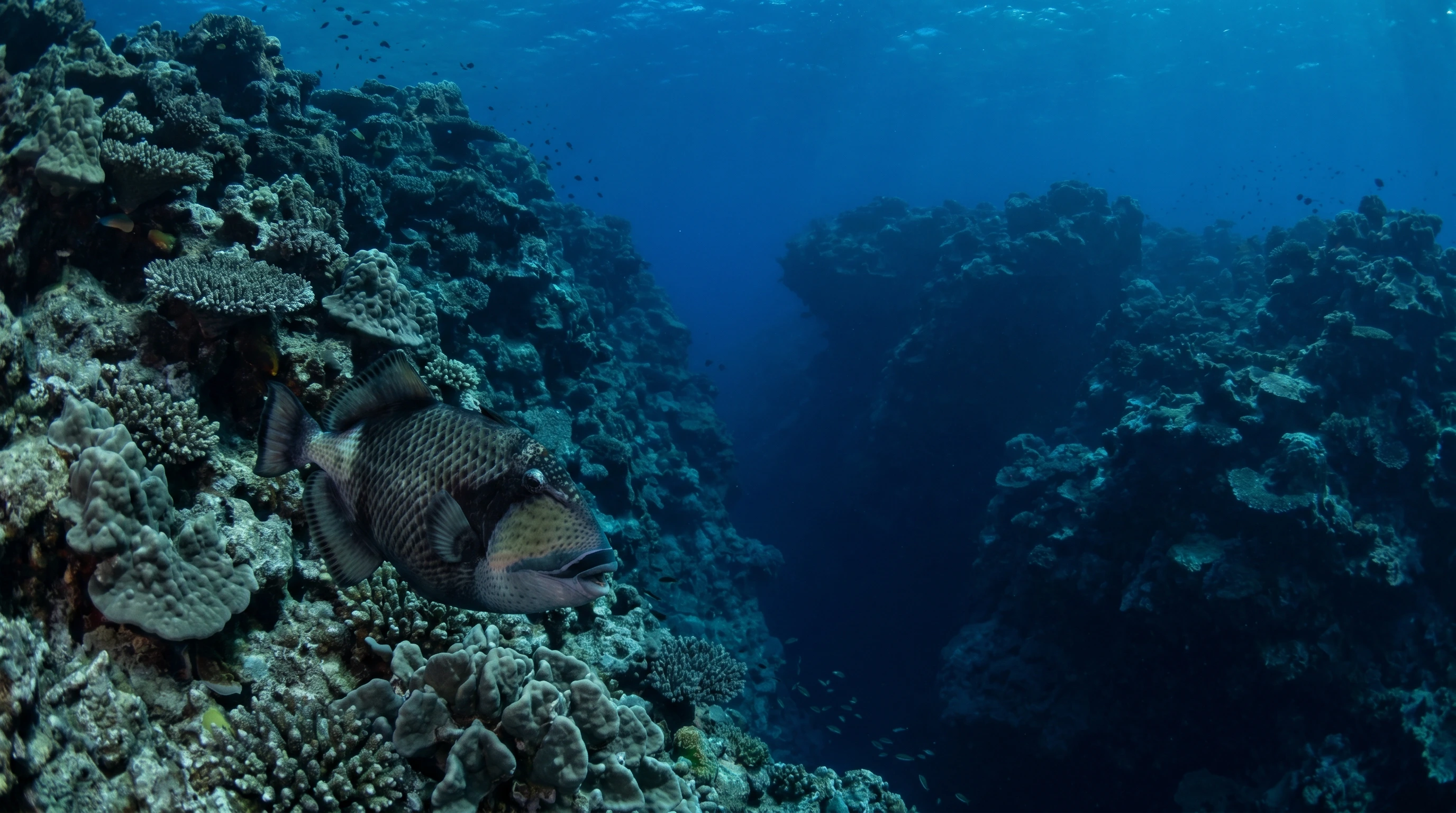
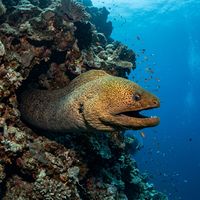
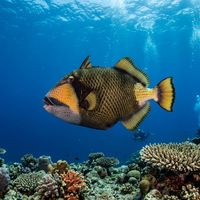
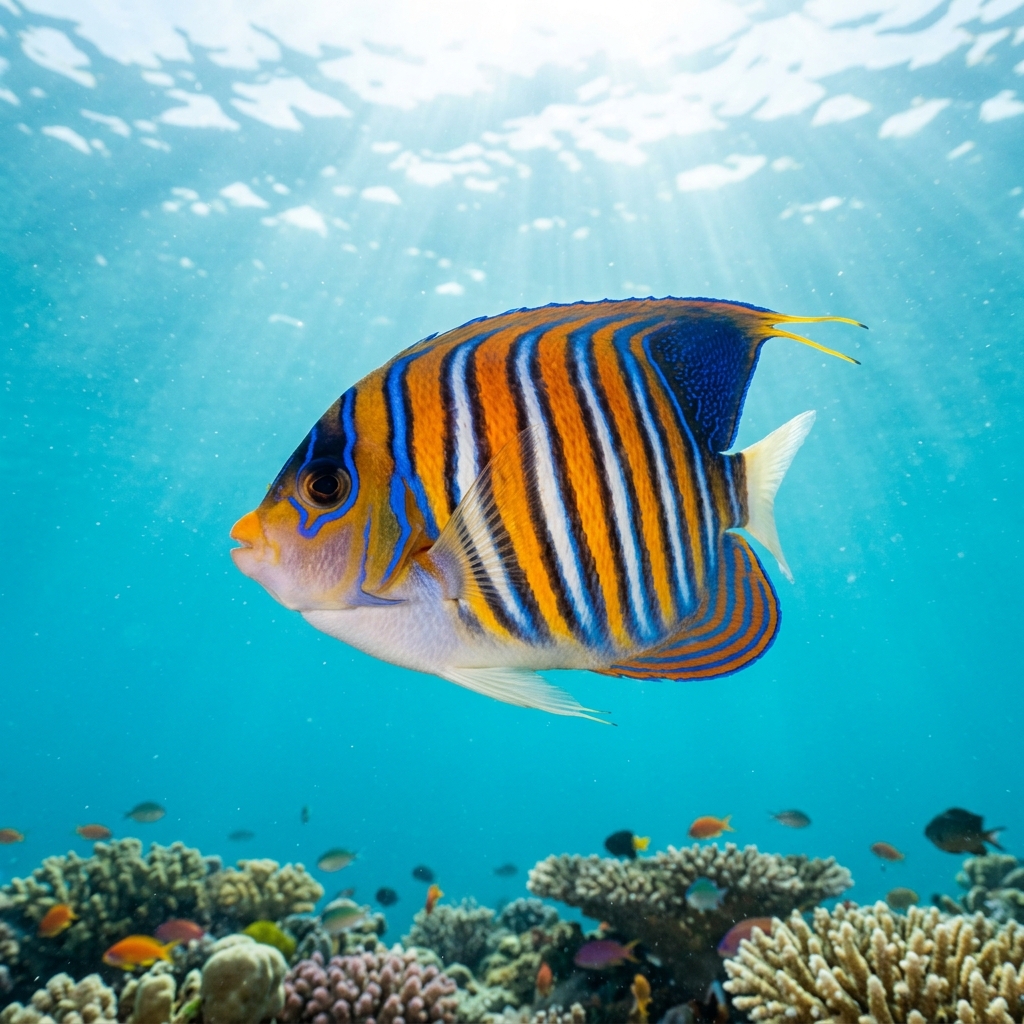
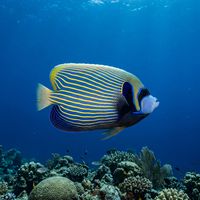
Rangiroa's passes and reefs support a wide range of observed species. Whitetip Reef Shark, Spotted Eagle Ray, and Napoleon Wrasse are among the most reliably encountered, and the signature species list also includes Titan Triggerfish and Emperor Angelfish. Reef fish such as Moorish Idol, Guineafowl Puffer, and Great Barracuda are common across many sites.
The majority of Rangiroa's key sites, particularly Tiputa Pass and The Tiputa Pass, are rated advanced due to strong currents. Avatoru Pass is listed as intermediate, offering a slightly more forgiving entry point for less experienced divers. Beginners would be better served building drift-diving experience before visiting, and local operators such as Rangiroa Diving Center, The Six Passengers, and Topdive can advise on conditions.
All of the top sites in Rangiroa are boat-access only. This is standard for atoll pass diving, where currents and the structure of the reef make shore entry impractical. Operators based in the area run guided drift dives timed to tidal flow through the passes.
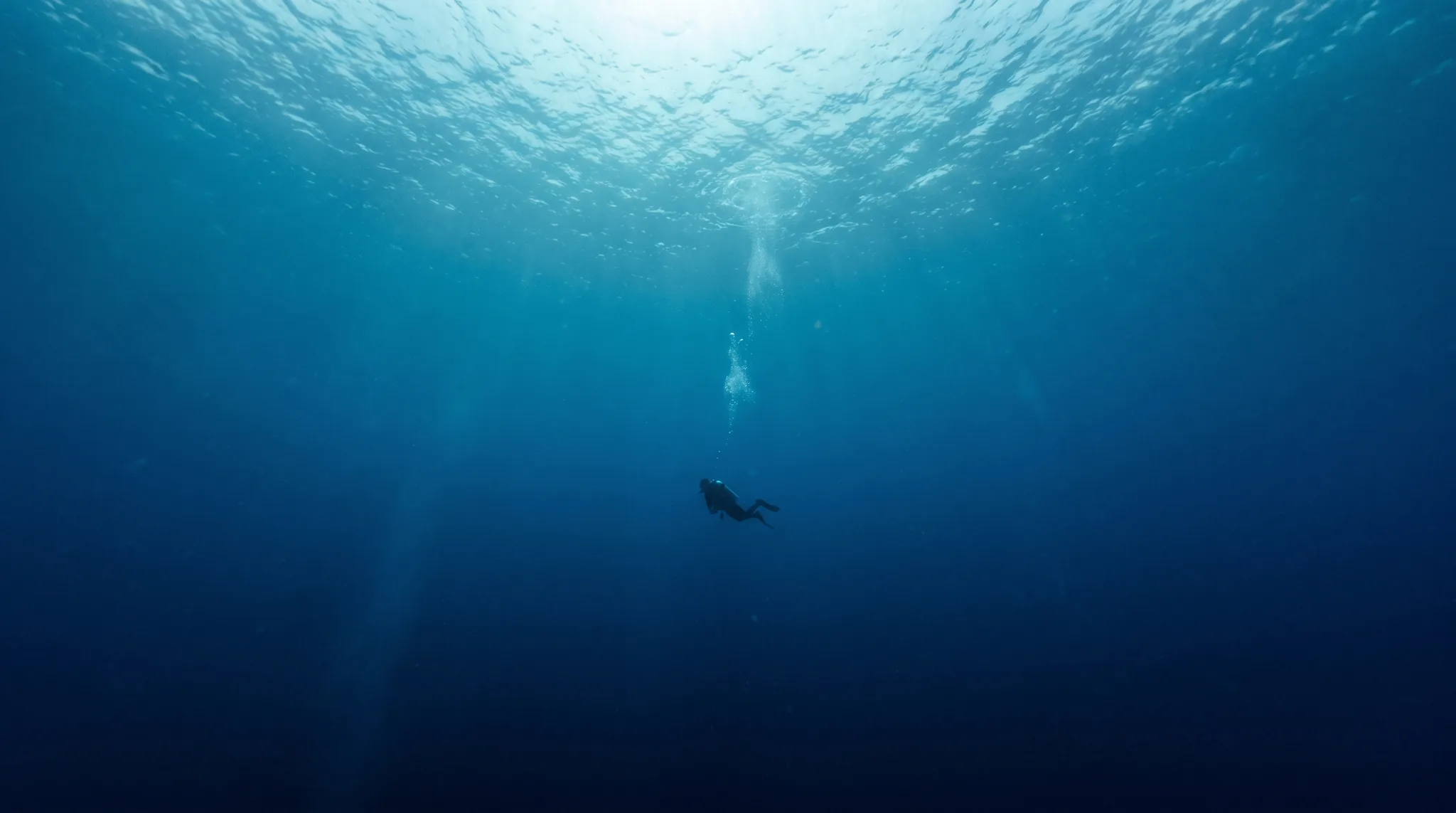
Rangiroa's diving is centred on drift dives through its two main passes, Tiputa Pass and Avatoru Pass, which feature reef, wall, and canyon topography. The strong tidal currents that move through these passages are what attract large pelagic species and make the dives dynamic. Beyond the passes, the broader site list includes reef diving across a range of depths.