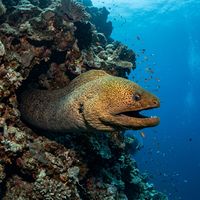
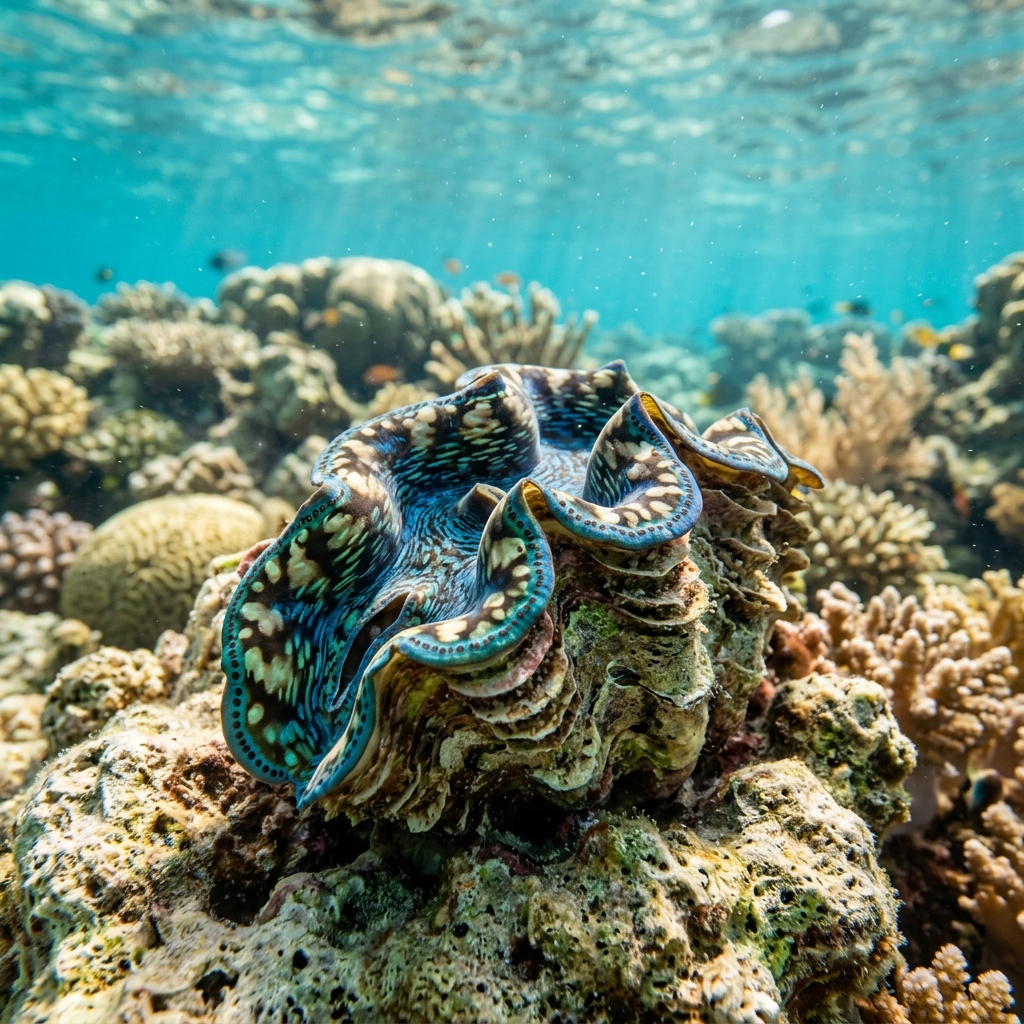
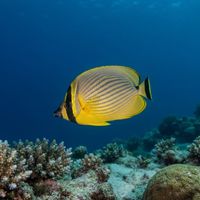
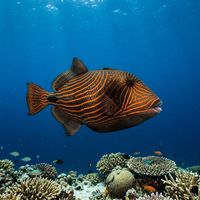
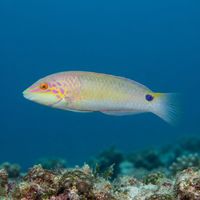
The Society Islands offer a broad spread of underwater experiences across six distinct island groups: Tahiti, Moorea, Bora Bora, Raiatea and Taha'a, Huahine, and Maupiti. Reef diving dominates, ranging from shallow coral gardens accessible to beginners through to deep walls and canyon structures that suit more experienced divers. Drift diving is a recurring feature, particularly through passes and channels. The Spotted Eagle Ray, Giant Moray, and Napoleon Wrasse are among the signature animals divers encounter, while the reef fish community is exceptionally varied. Conditions are warmest from January through May and settle into a cooler, clearer mid-year period that draws the highest concentration of visiting divers.
6 areas
 66
66Reef walls, drop-offs and a wreck alongside Spotted Eagle Ray and Napoleon Wrasse, split across two contrasting peninsulas.
 42
42Rays, sharks and colourful reef fish across lagoon and open-water sites, with beginner-friendly options alongside deeper walls and canyons.
26Reef, wall, and drift sites inside a rich lagoon, with Spotted Eagle Ray and manta encounters among the highlights.
25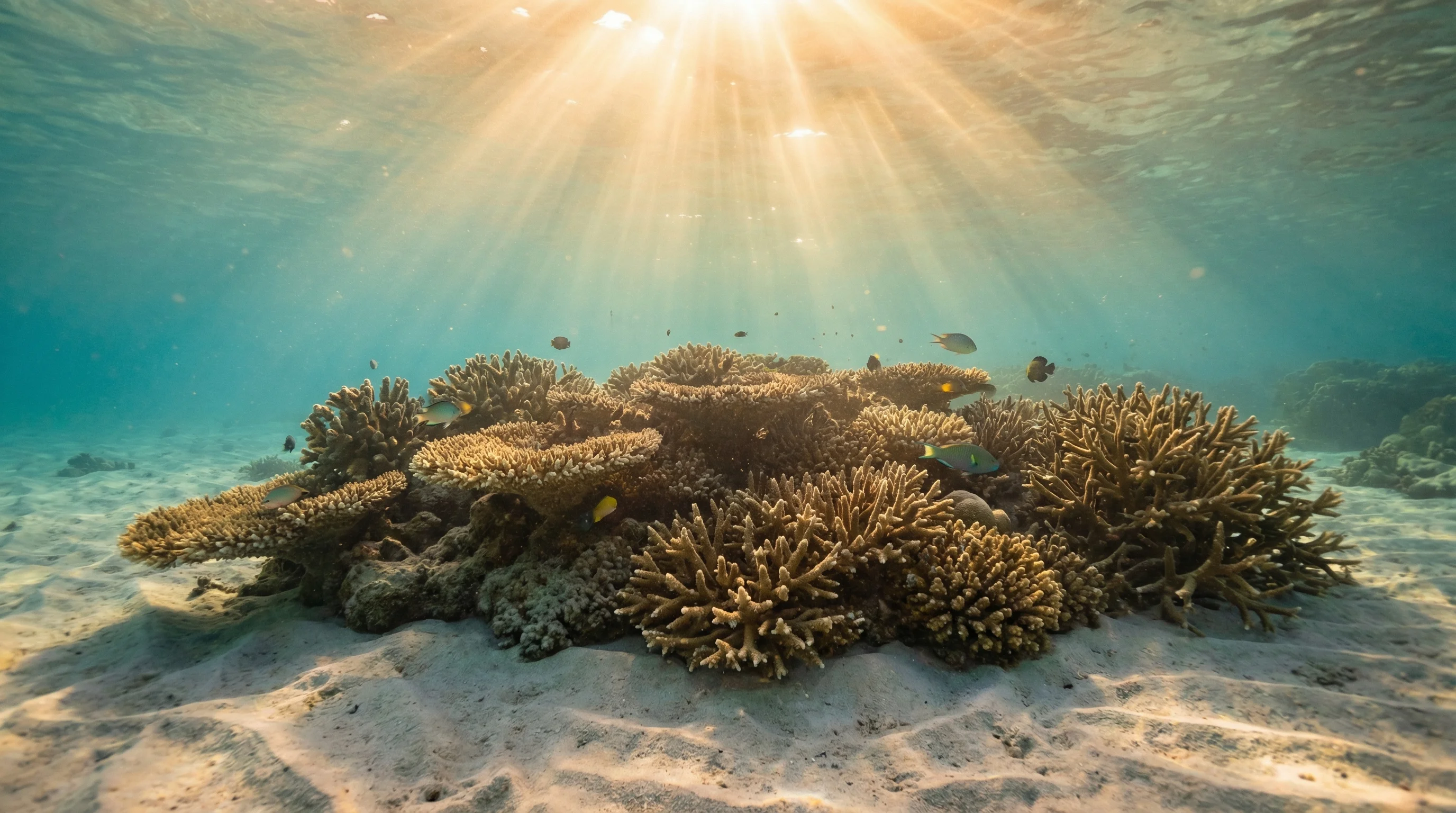
Monthly water temperature across Society Islands's sites, from satellite sea-surface data corrected for depth. The band shows the site-to-site spread.
Water temperatures remain warm year-round, dipping slightly during the mid-year months before climbing again toward the austral summer. The best-months data points clearly to a peak season running from late austral autumn through early spring, when visibility tends to be at its most reliable. Exposed outer reefs can carry stronger currents during this period, making drift-dive experience an asset on certain sites.
59 operators
A shared lagoon with reef diving rich in butterflyfish, moray eels and parrotfish across two distinct islands.
Water temperature around Society Islands ranges from about 27°C in July to 29°C in February, based on satellite sea-temperature data for its dive sites.
With water around 27–29°C, a rash guard or 3mm shorty works in Society Islands year-round.
Fin maps 181 sites in Society Islands (145 scuba diving sites and 64 snorkelling spots, with some suited to both), organised into 6 areas.
Across Society Islands's dive sites, May, June, July, August, September and October are most often reported as the best months to visit.
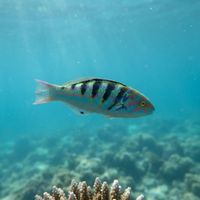
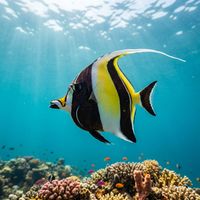
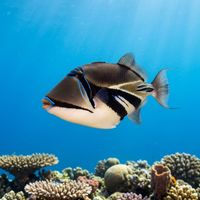
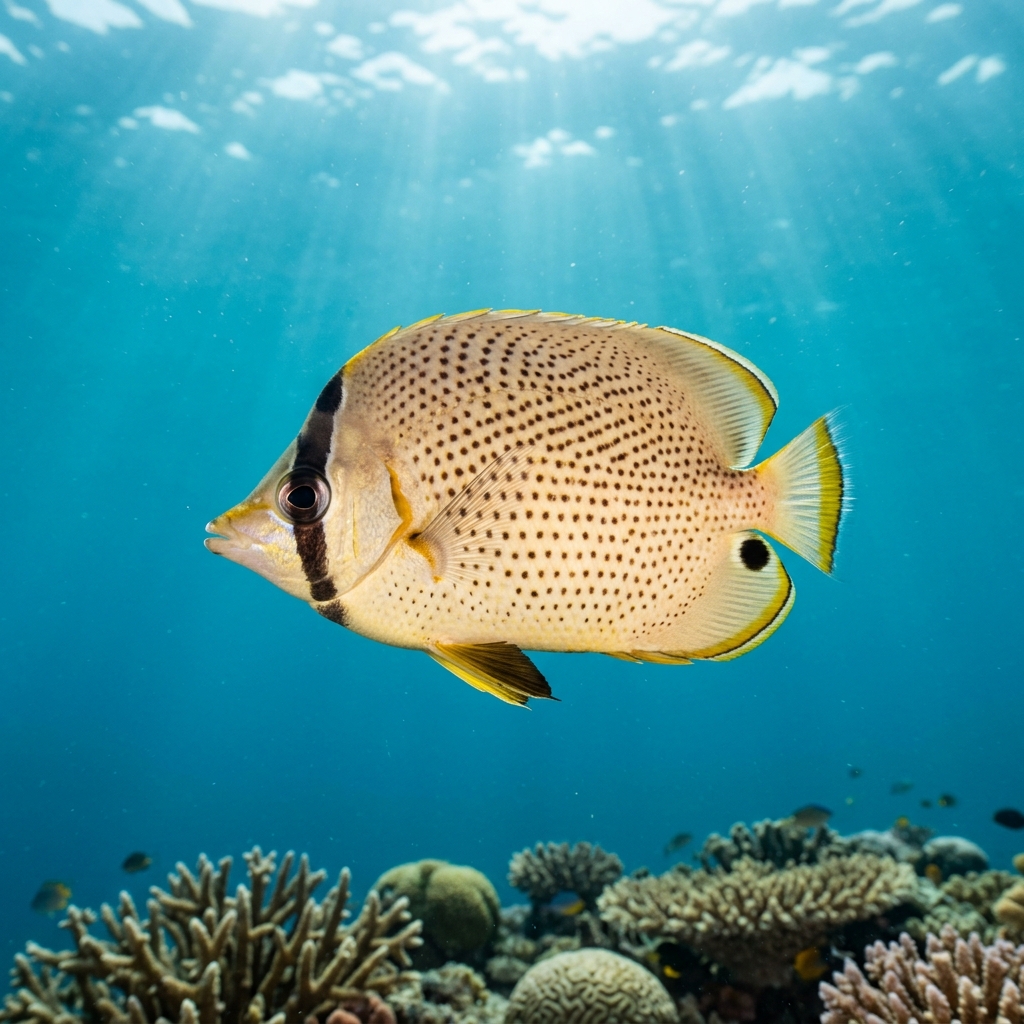
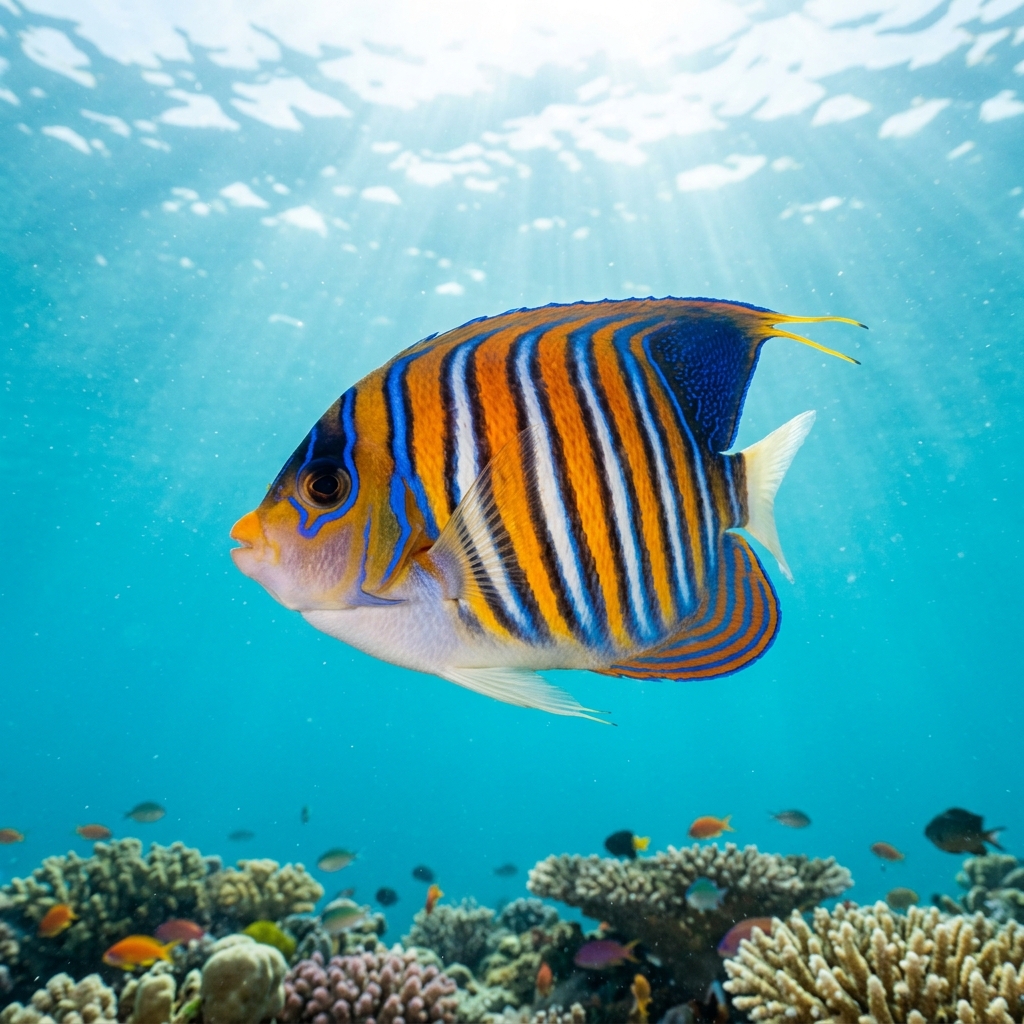
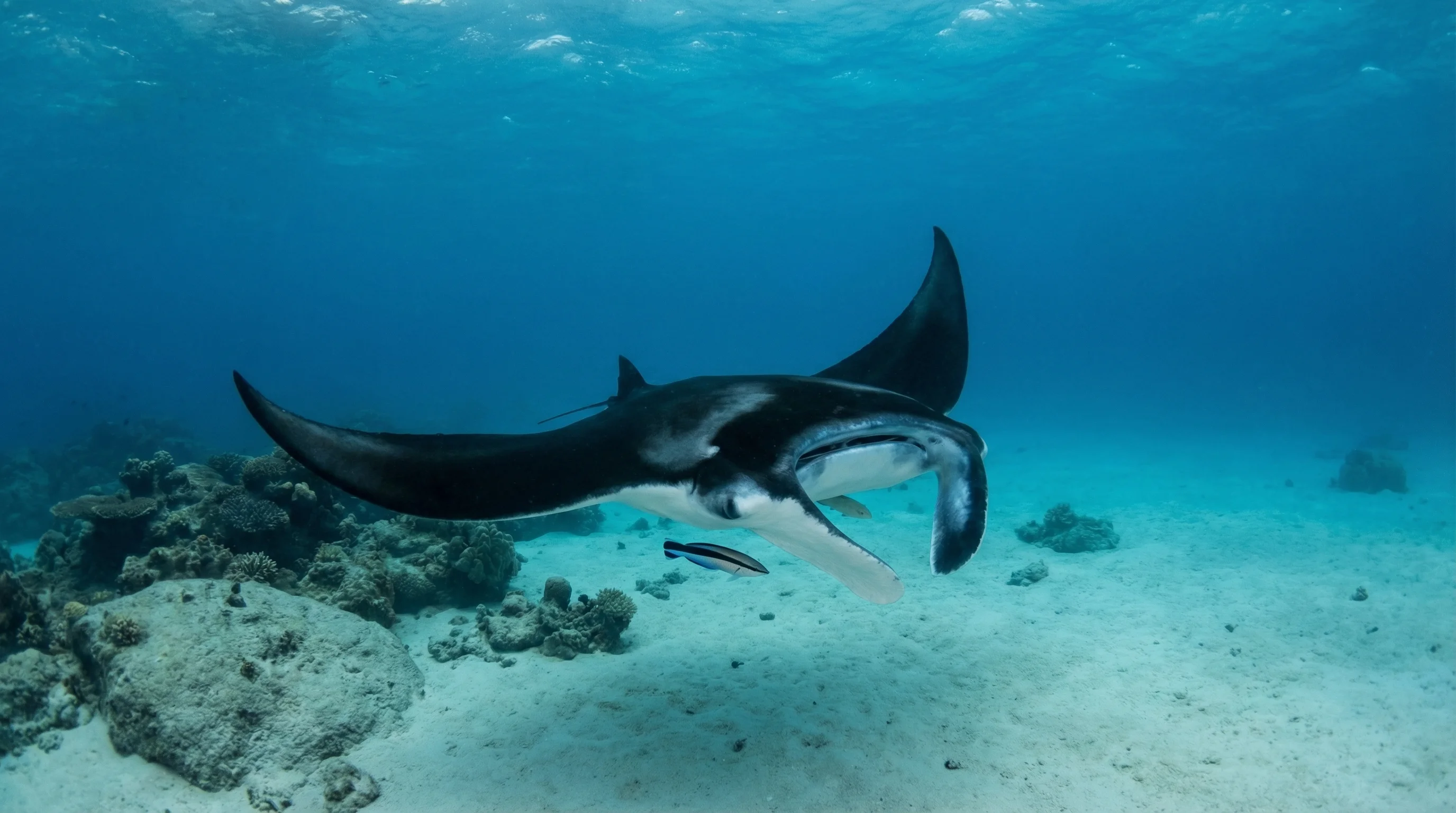
The Society Islands are particularly noted for the Spotted Eagle Ray, observed across a wide range of sites throughout the region. The Napoleon Wrasse and Giant Moray are also signature species, and Manta Ray Station in Maupiti offers dedicated encounters with manta rays. Reef fish diversity is high, with Regal Angelfish, Pennant Bannerfish, and Pacific Bullethead Parrotfish among the consistently recorded species.
A good portion of the sites across the region are rated for beginners, including drift reefs such as The Rays Corridor in Moorea, shallow reef sites in Raiatea, and several Maupiti sites. Intermediate sites, including wall dives off Tahiti and cave dives in Bora Bora, provide progression for those building experience. The mix means divers at most skill levels will find suitable sites within each island group.
Tahiti has the largest number of sites and includes deep walls and reef structures such as Pointe Venus. Moorea concentrates strong drift and bay diving, including canyon topography in Opunohu Bay. Bora Bora is well known for reef, drop-off, and cave sites, while Raiatea and Taha'a offer calm, shallow coral gardens. Maupiti, with the fewest sites, is notable for its manta ray encounters and drift conditions.
Shore entry is available at a number of sites, including Pointe Venus on Tahiti, Coral Garden in Raiatea, and several Moorea snorkel sites. Boat access is required for others, particularly outer-reef and pass sites such as Manta Ray Station in Maupiti and Haapiti in Bora Bora. Some sites, including Plage Hana Iti and Opunohu Bay, offer both shore and boat entry depending on preference and conditions.