
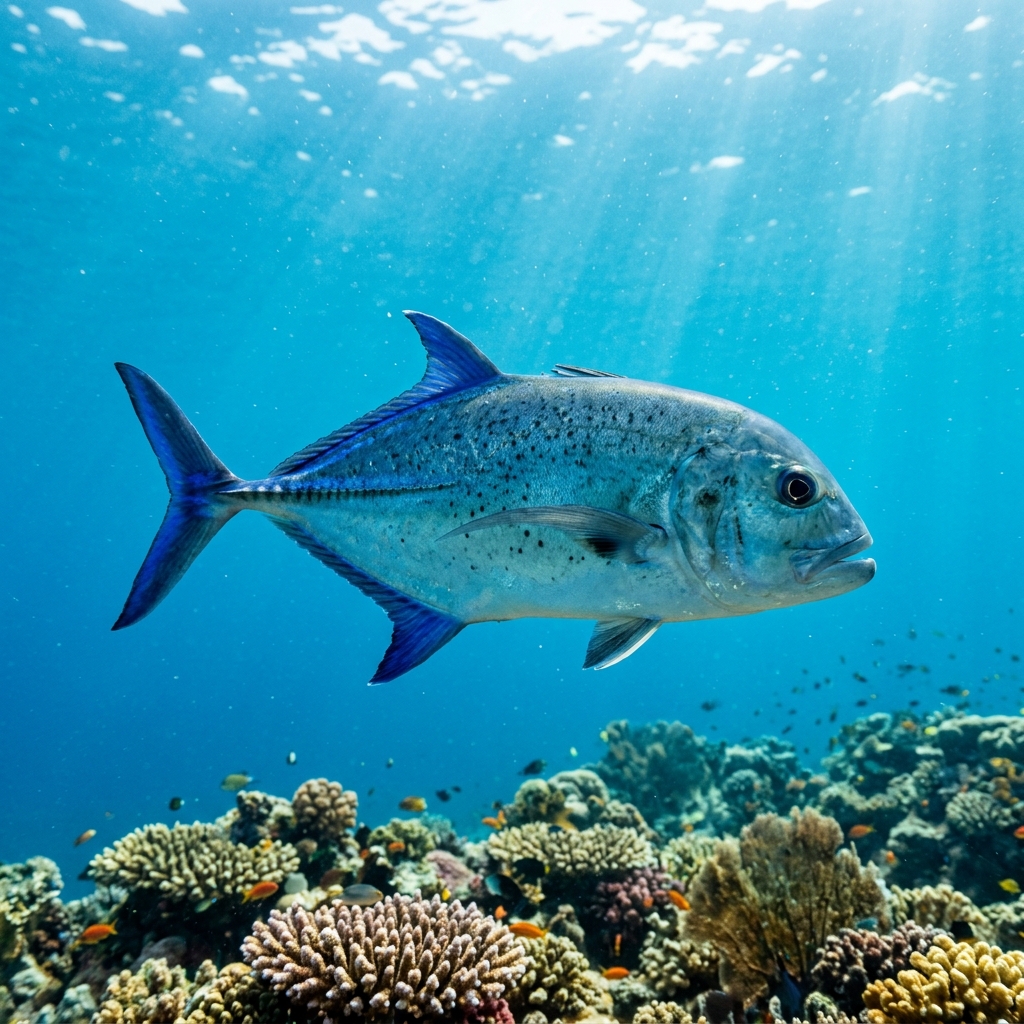
Moorea's underwater character is shaped by the contrast between the sheltered lagoon sites of Opunohu Bay and the exposed reef of the East Coast. Rays are a constant presence: the Spotted Eagle Ray and Pink Whipray are observed across the majority of sites, alongside Lemon Shark and Blacktip Reef Shark in dedicated valleys and sandbanks. Site types range from shallow beginner reefs and drift corridors to deep walls and canyons, giving the island a broad spread of experiences.
2 areas
Monthly water temperature across Moorea's sites, from satellite sea-surface data corrected for depth. The band shows the site-to-site spread.
Water stays warm year-round, dipping slightly cooler between July and October before rising again through the early months of the year. The best-months data points clearly to May through October as the peak window, with September and May drawing the strongest preferences. Opunohu Bay offers sheltered conditions for most sites, while drift dives like The Rays Corridor suit those comfortable with a gentle current.
15 operators
French Polynesia
Papetoai, French Polynesia
30 more sites to explore
A lagoon bay on Moorea where rays, reef fish and sharks are everyday encounters across a wide range of site types and depths.
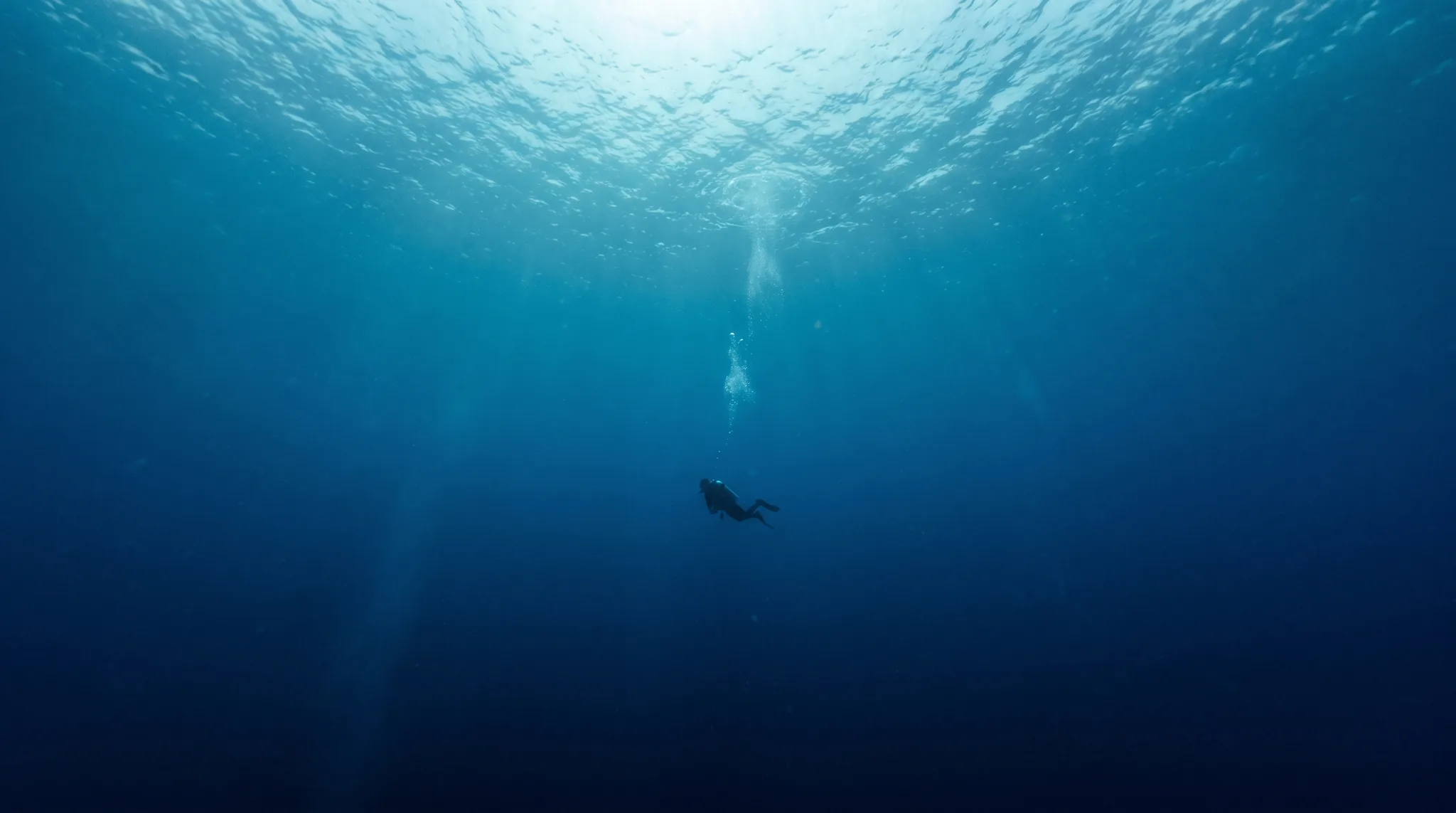
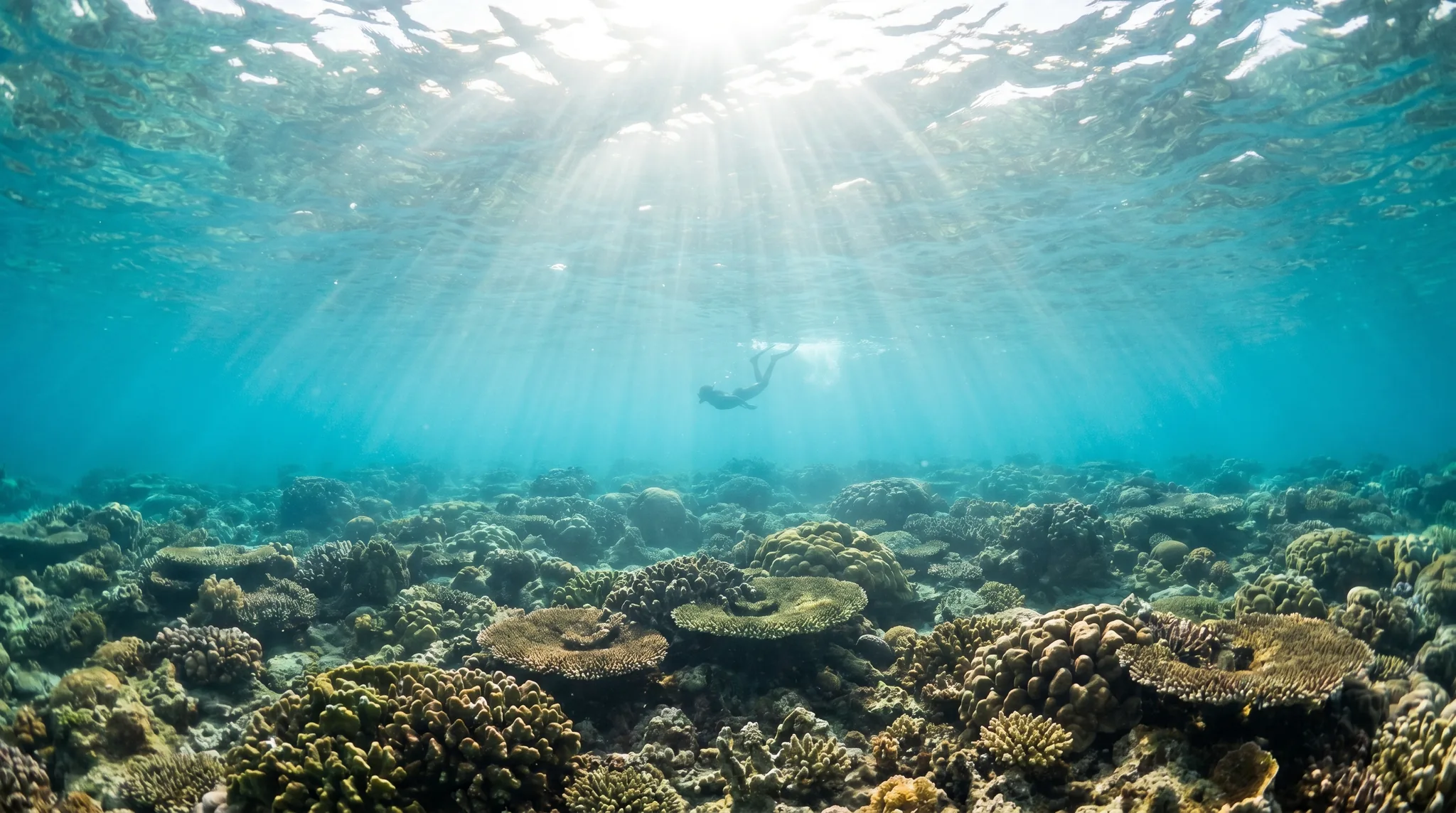
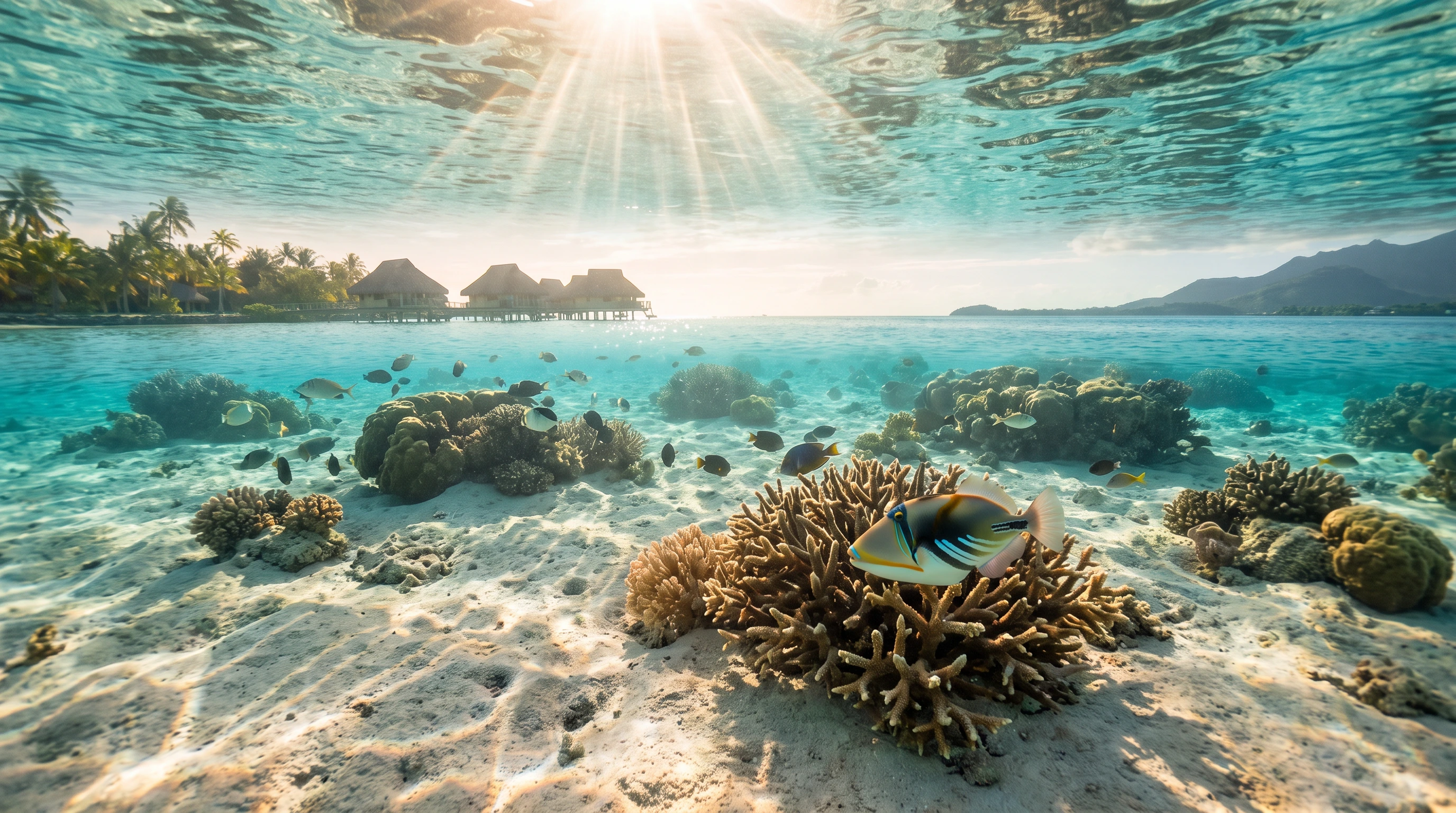
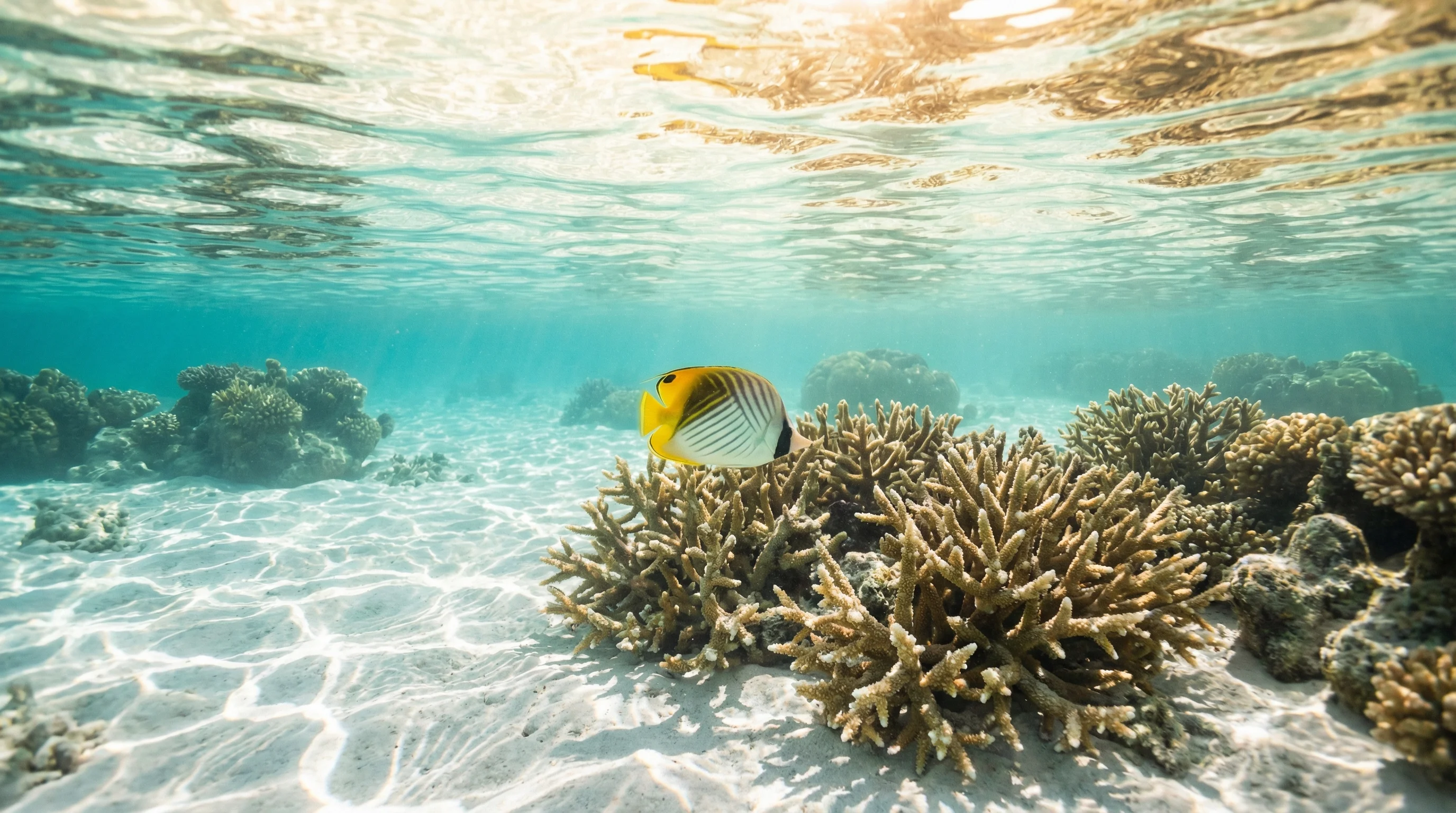
Water temperature around Moorea ranges from about 27°C in July to 29°C in February, based on satellite sea-temperature data for its dive sites.
With water around 27–29°C, a rash guard or 3mm shorty works in Moorea year-round.
Fin maps 42 sites in Moorea (33 scuba diving sites and 14 snorkelling spots, with some suited to both), organised into 2 areas.
Across Moorea's dive sites, May, June, July, August, September and October are most often reported as the best months to visit.
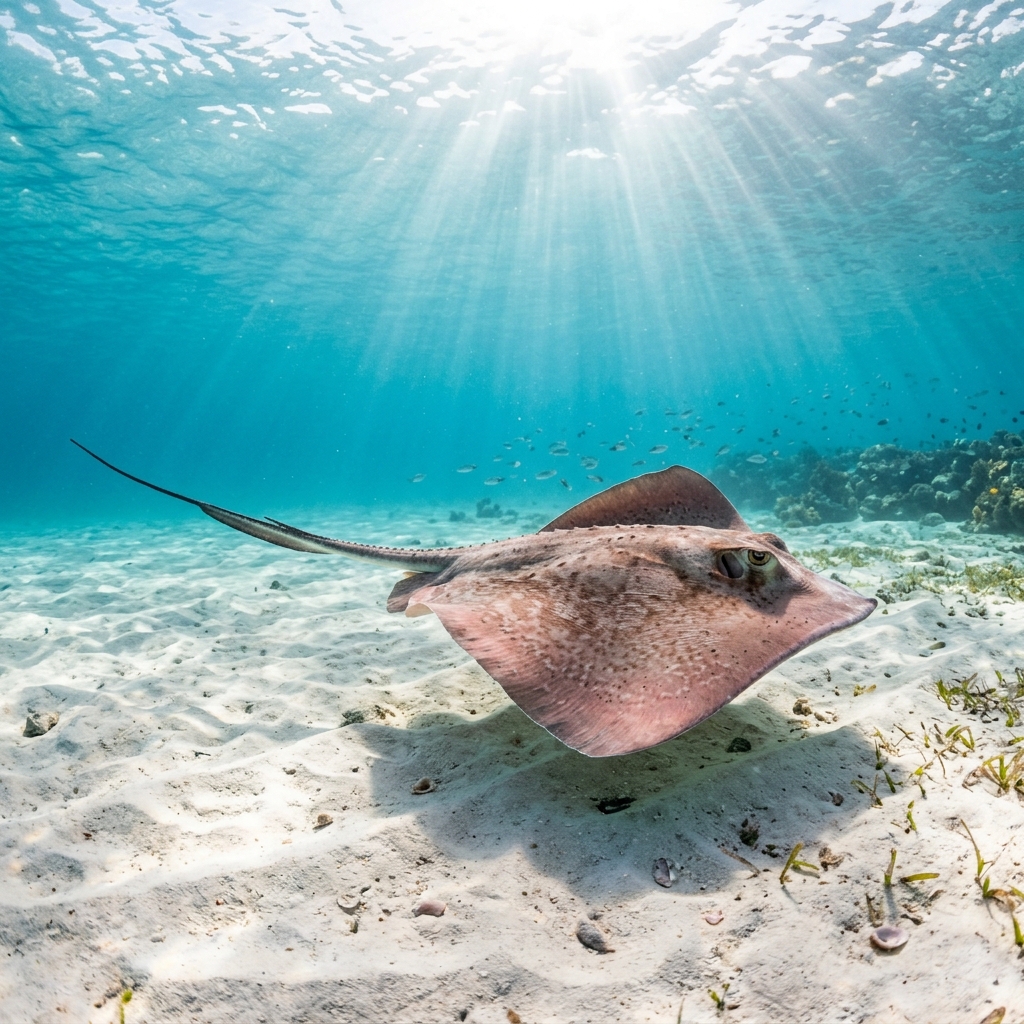
Moorea has dedicated sites for both shark and ray encounters. Lemon Shark Valley in Opunohu Bay is specifically named for its resident Lemon Shark, while the Moorea Sharks Sandbank hosts Blacktip Reef Shark in very shallow water. The Spotted Eagle Ray and Pink Whipray are observed across a large proportion of sites, and The Rays Corridor is a drift reef dive designed around ray encounters.
The majority of dive sites in Moorea are rated for beginners, including popular spots like The Rays Corridor, Taotai, Lemon Shark Valley and Motu Fareone. These sites cover a range of depths from very shallow reef to moderate reef dives, all accessible by boat. Intermediate and advanced divers have options too, particularly at The Rose Garden, which drops to significant depth and requires experience managing that range.
Opunohu Bay holds the vast majority of Moorea's sites and offers the widest variety of underwater terrain, including walls, canyons, artificial reefs and drift dives. The East Coast has fewer sites but includes Temae, a reef and artificial reef combination, and shore-access snorkelling options like The Lagoonarium and The Sofitel Moorea. The East Coast sites tend to suit those wanting a calmer, more self-guided experience.
Several operators are based on the island, including Moorea Blue Diving, Moorea Deep Blue and Tahiti Shark Expeditions. Tahiti Shark Expeditions reflects the island's strong shark-diving profile, particularly around Opunohu Bay sites such as Lemon Shark Valley and the Moorea Sharks Sandbank. Most dive sites are boat-access, so booking with a local operator is the standard way in.