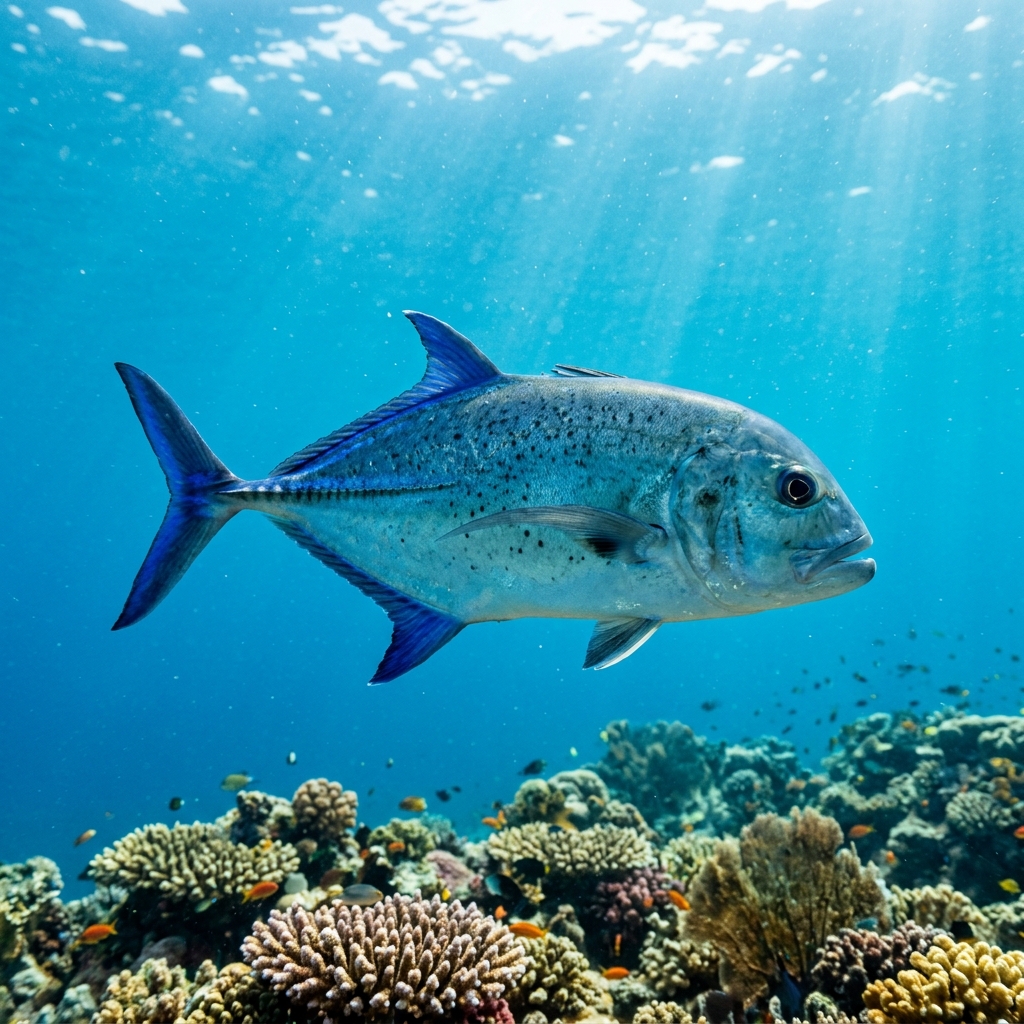
Caranx melampygus
Spot Bluefin Trevally by their electric blue fins on reefs from the Maldives to Hawaii. Year-round sightings in warm water from 24 to 29 °C.
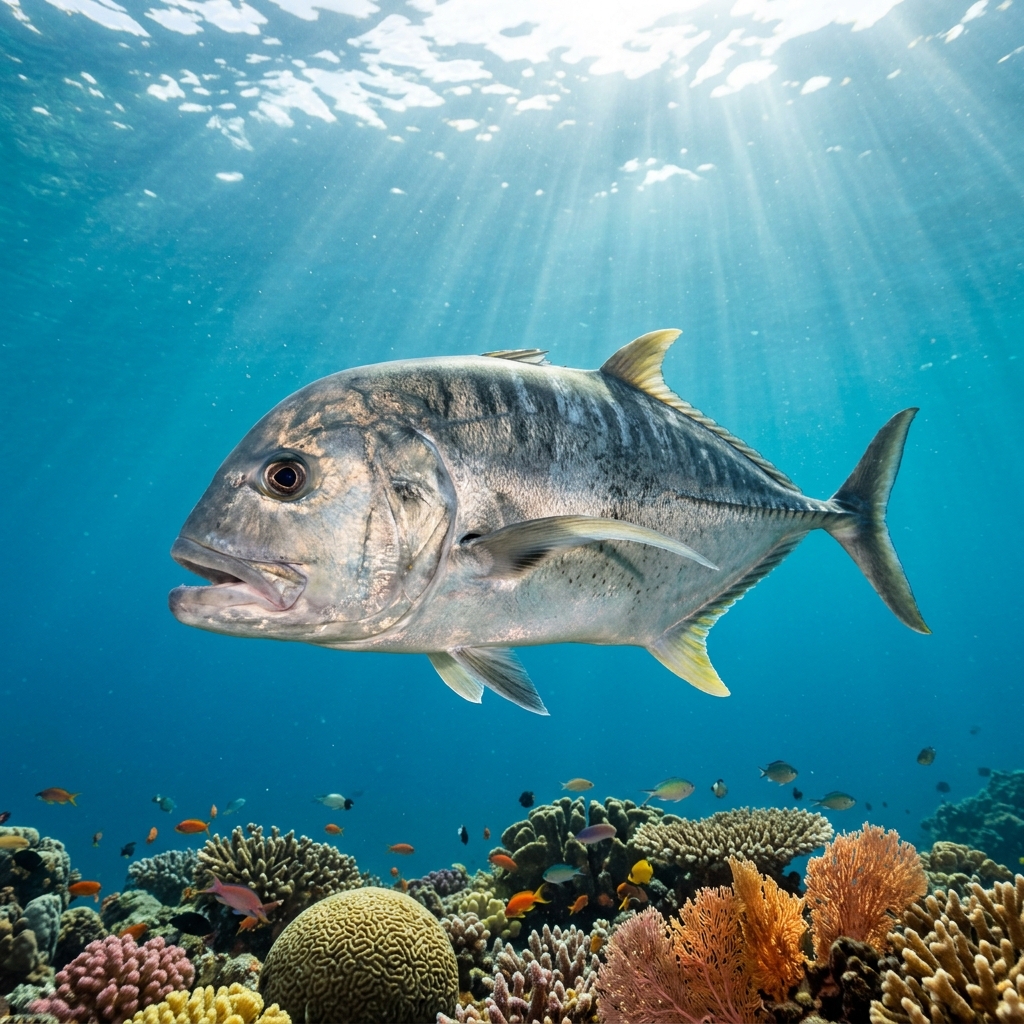
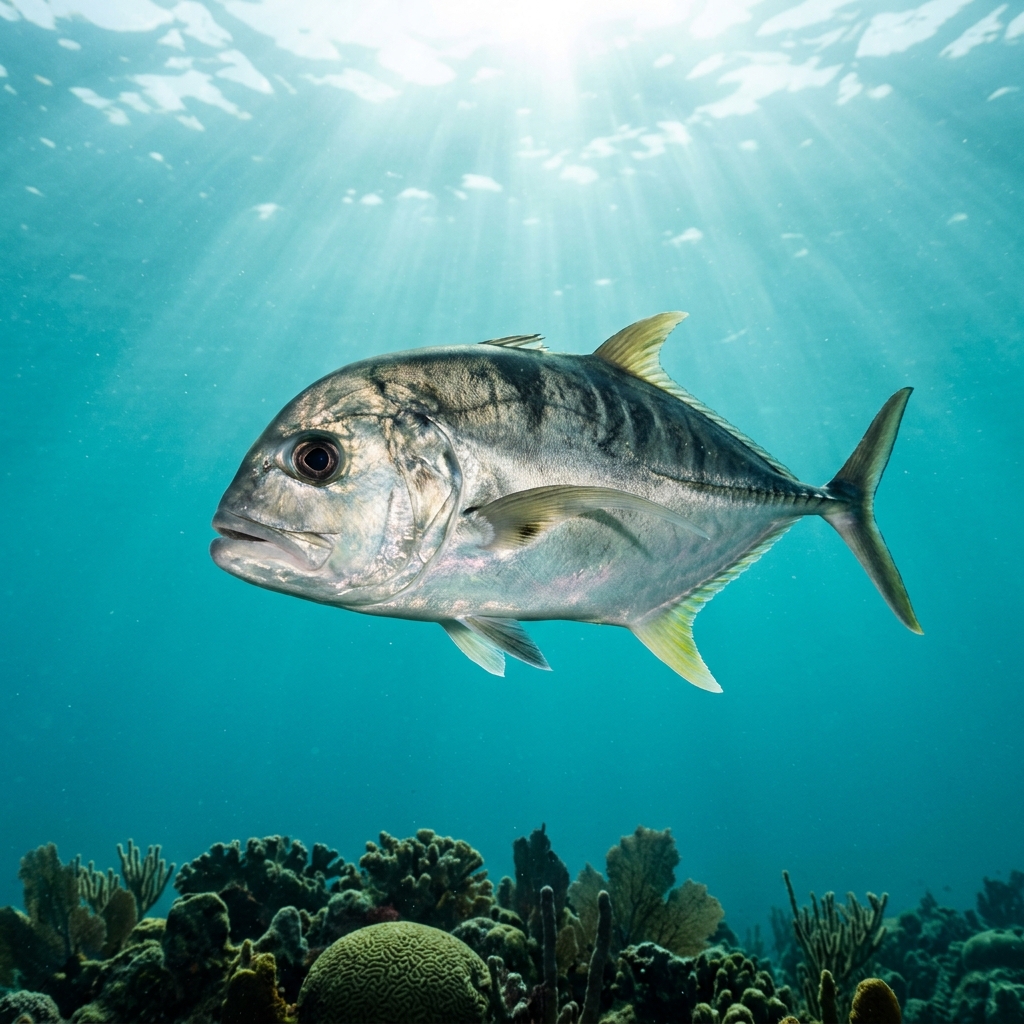
Look for the vivid blue fins and the scattering of electric blue spots across the upper flanks and back, no other trevally in the same habitat carries that combination. The body is a solid, compressed oval shape with a forked tail, typically silver to blue-grey on the sides, darkening dorsally. In the water they appear mid-sized, noticeably smaller than a Giant Trevally but with far more colour. The fins are the clincher: even a brief glimpse of that blue colouration rules out most look-alikes instantly.
Bluefin Trevally are active, fast-moving hunters often seen patrolling reef edges and channel walls, sometimes in loose groups but frequently as solitary individuals. They are bold in the water and will often swing close to investigate a diver before veering off, giving good opportunities for observation. Hunts can be explosive, they regularly ambush smaller reef fish by accelerating from open water into the reef face, so watching one work a baitfish school is well worth pausing your dive for.
Bluefin Trevally are cooperative hunters; they have been documented teaming up with other predators such as goatfish and octopuses to flush prey from coral rubble, a rare hunting strategy among reef fish.
In the Northern Hemisphere, covering most of the top destinations such as the Maldives, Hawaii, Egypt, and Thailand, sightings are spread across the entire year with no concentrated peak season. In Southern Hemisphere locations, encounters tend to cluster between May and January, so plan accordingly if diving sites in that region.
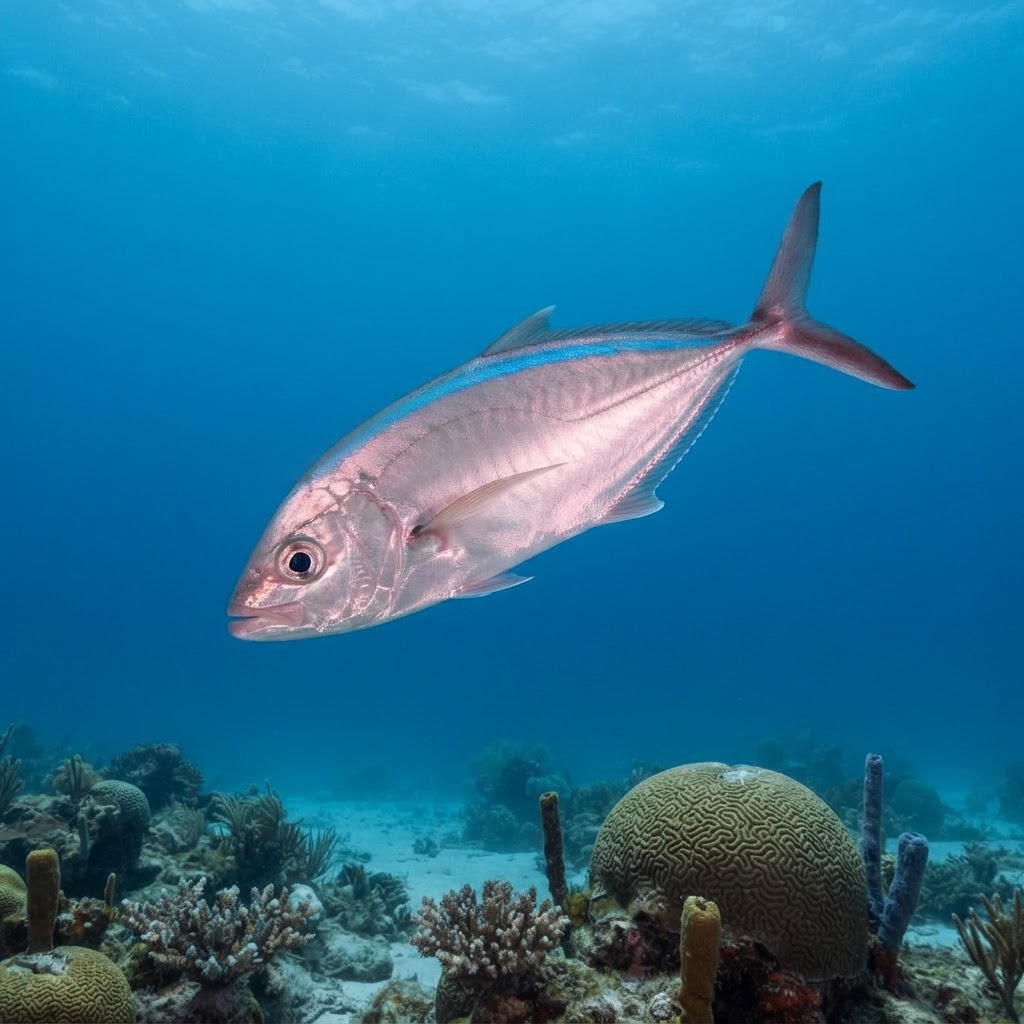
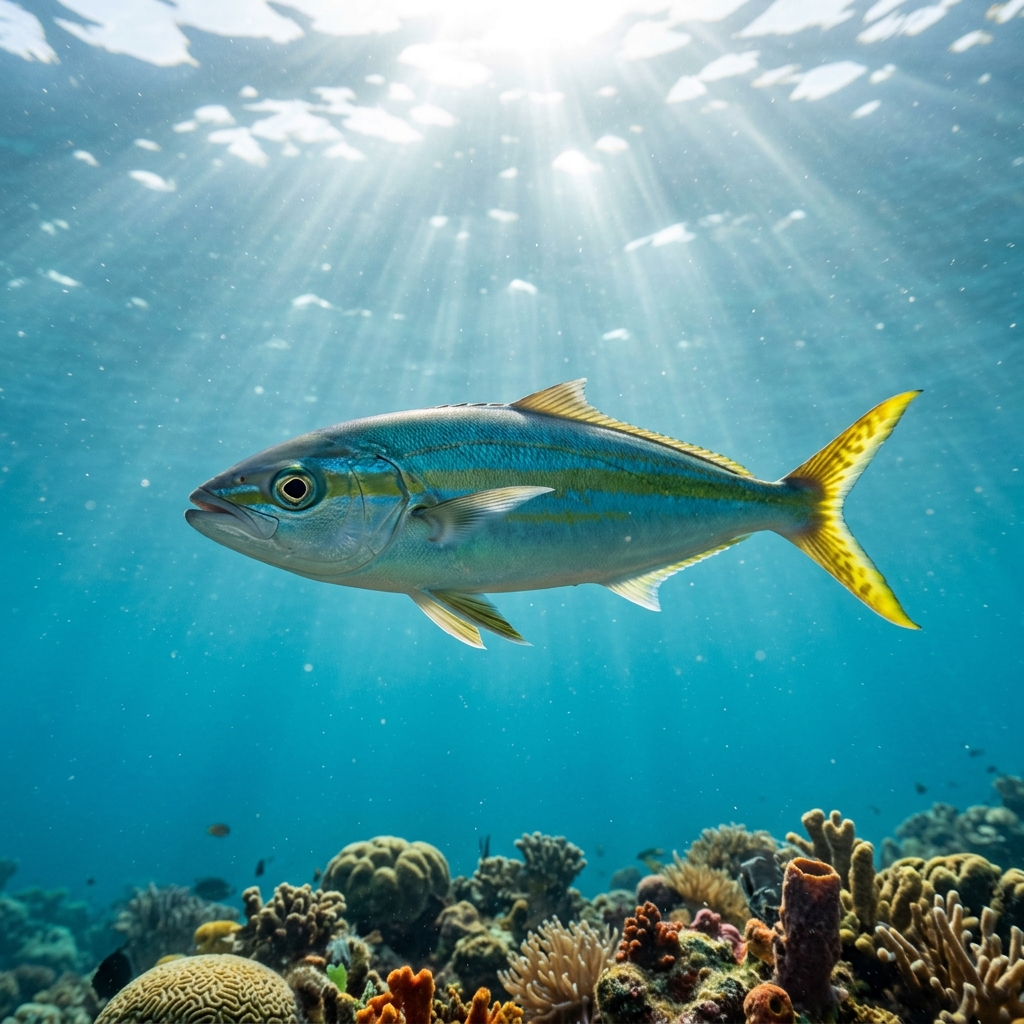
Reef neighbours a diver could mistake it for. Use the identification notes above to tell them apart.
Most commonly logged in the Maldives, particularly around Malé and Ari Atolls, where sightings span an exceptional number of sites. Strong populations also show up across Hawaii, the Egyptian Red Sea around Sharm el Sheikh, Praslin and La Digue in the Seychelles, and Tahiti in French Polynesia. Indonesia's Nusa Tenggara and Banda Sea, the Central Visayas in the Philippines, and North Andaman in Thailand round out the hotspots.
Mapping where Bluefin Trevally is logged…
They are logged across a wide belt of tropical Indo-Pacific reefs. The Maldives leads by a wide margin, with Malé and Ari Atolls the standout area. Hawaii, the Egyptian Red Sea, the Seychelles, French Polynesia, the Philippines, Indonesia, and Thailand all have reliable populations too.
At Northern Hemisphere destinations, including the Maldives, Hawaii, Egypt, and Thailand, they are present year-round, comfortable in water temperatures from 24 to 29 °C. At Southern Hemisphere sites, encounters peak between May and January.
The electric blue fins and blue-black spots scattered across the silvery upper body are the key features. No other common trevally on Indo-Pacific reefs combines that blue colouration with the compressed oval body shape. A quick look at the fins is usually all you need.
Adults typically reach around 60 to 80 cm in length, with large individuals occasionally exceeding 1 metre. In the water they feel like a solid, powerful fish, noticeably smaller and slimmer than a Giant Trevally but bigger than most reef jacks you will encounter.
No. They are fast, confident fish that will often approach divers out of curiosity, but they pose no threat. Keep movements calm and they may linger; sudden gestures will send them off. Simply enjoy the encounter.
Site and sighting data is aggregated from diver logs, iNaturalist and GBIF. For taxonomy and conservation status:
Bigeye Trevally
2,591 sites