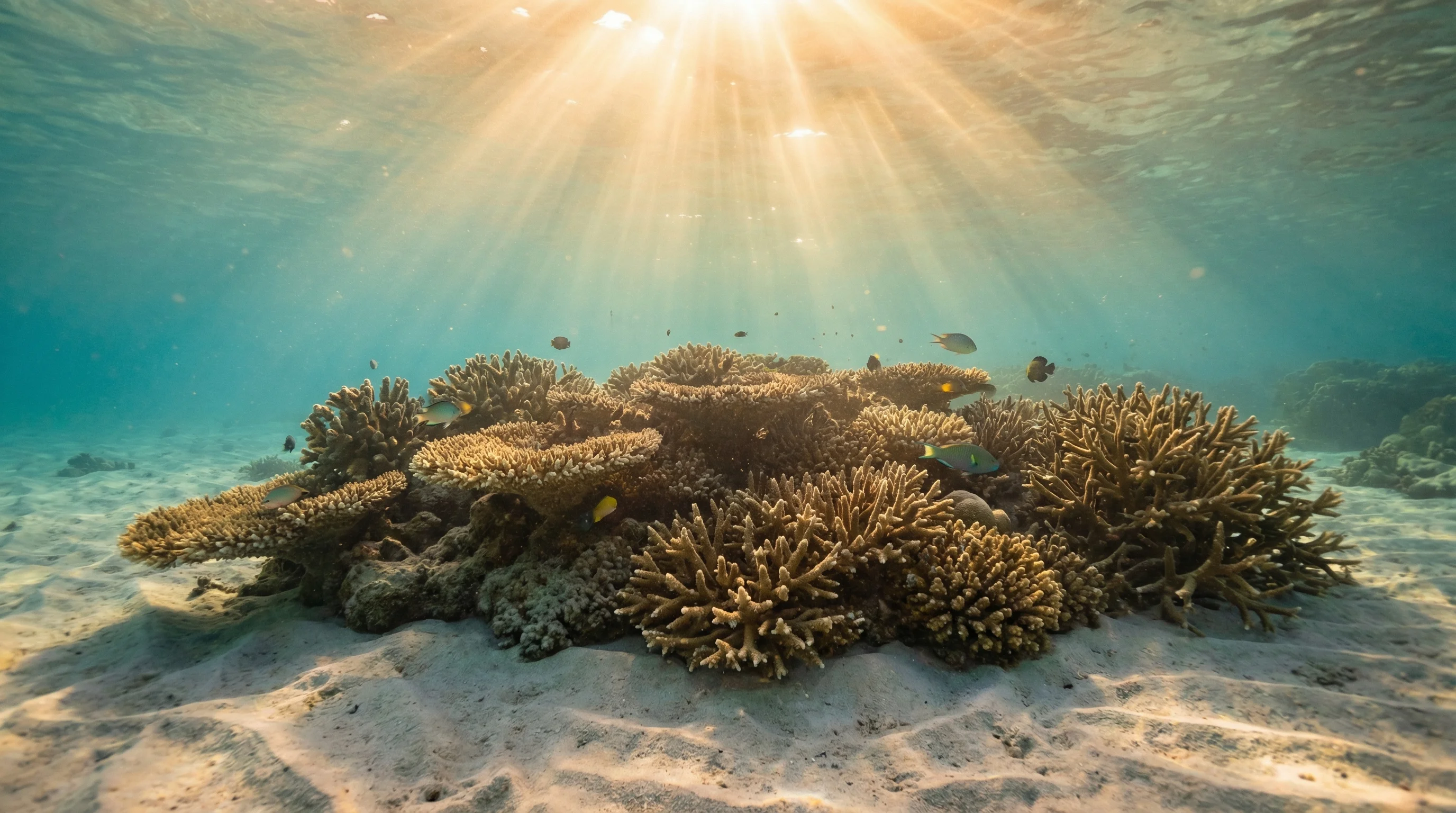
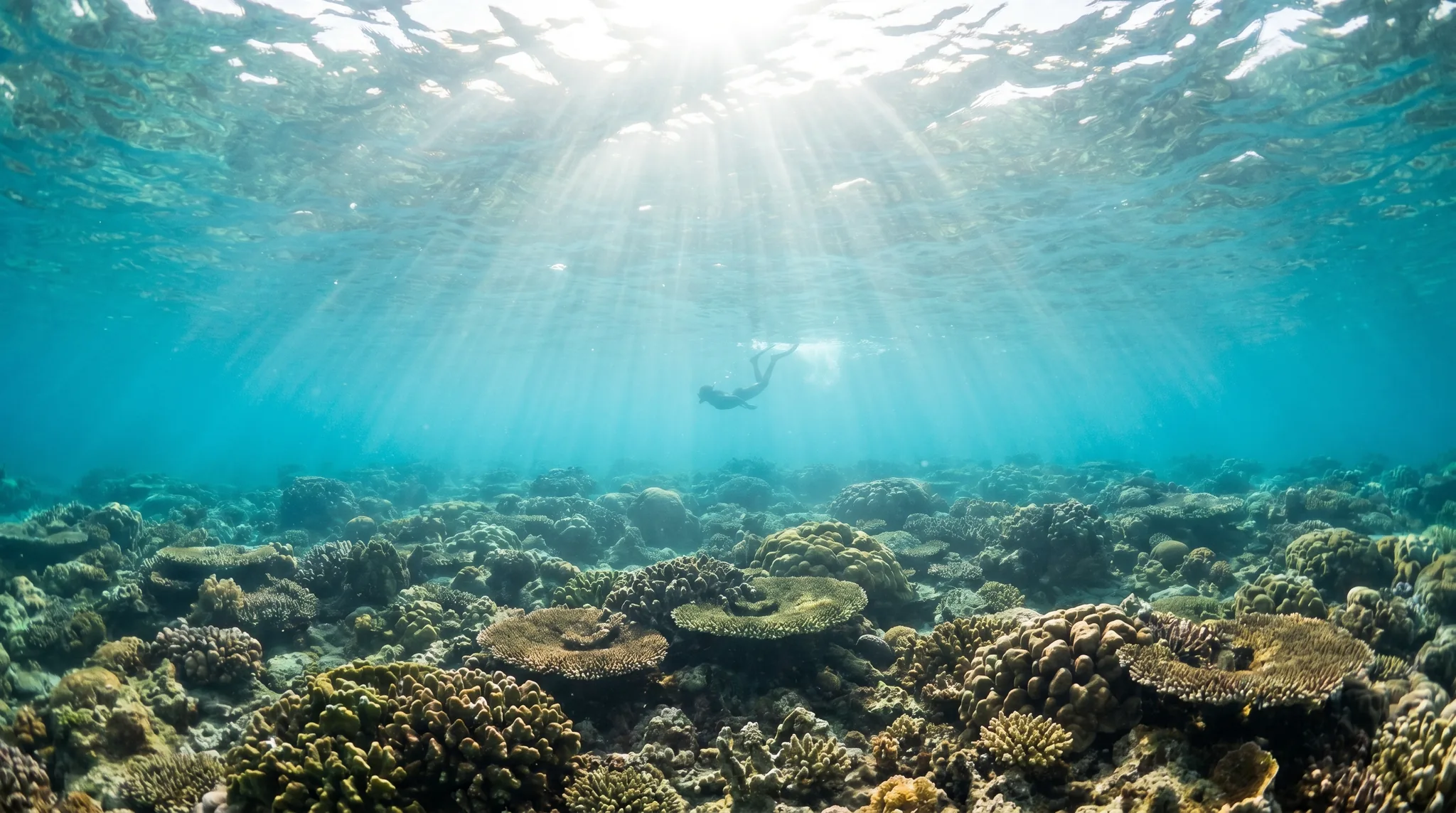
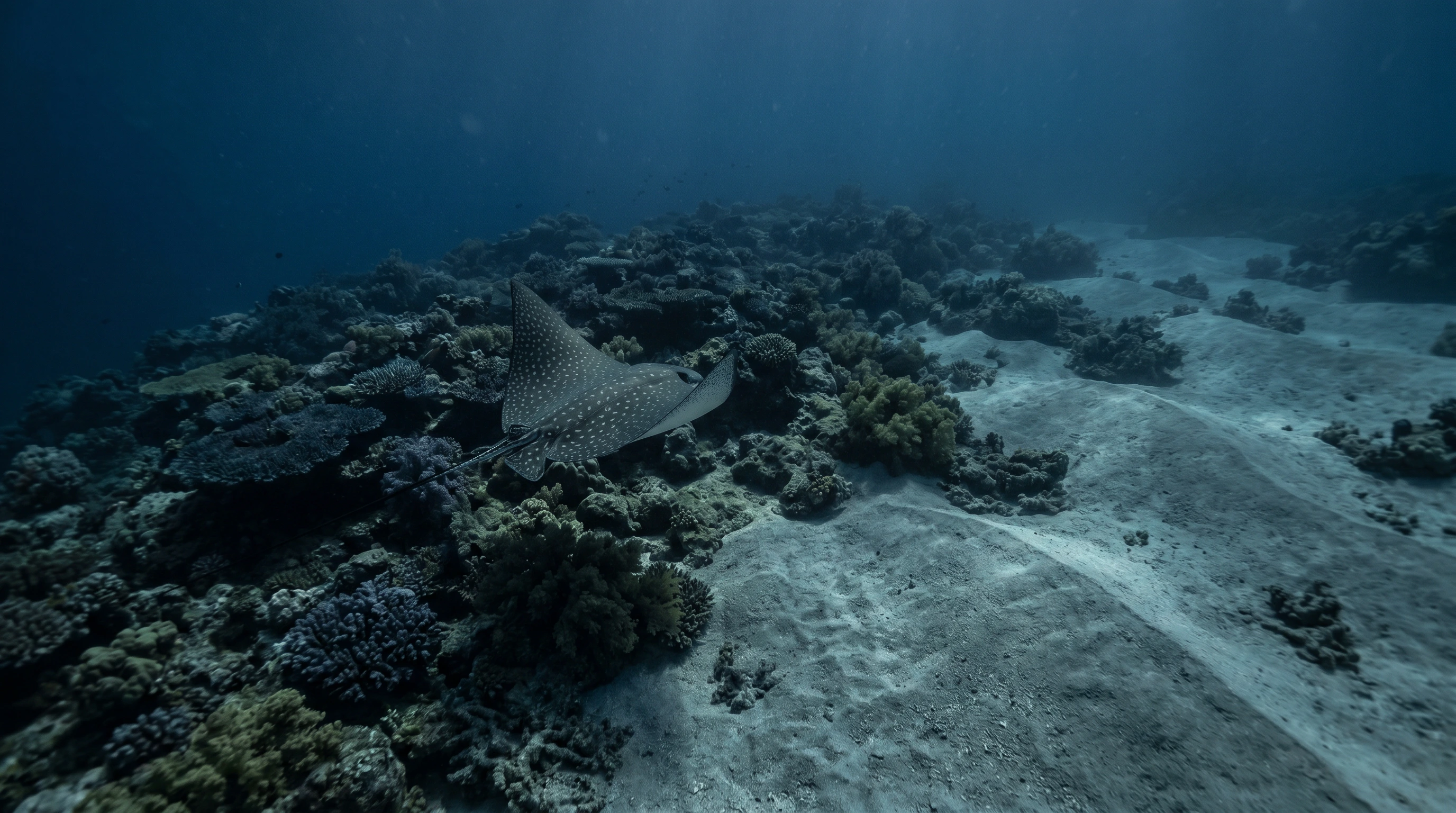
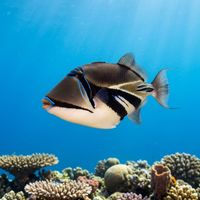
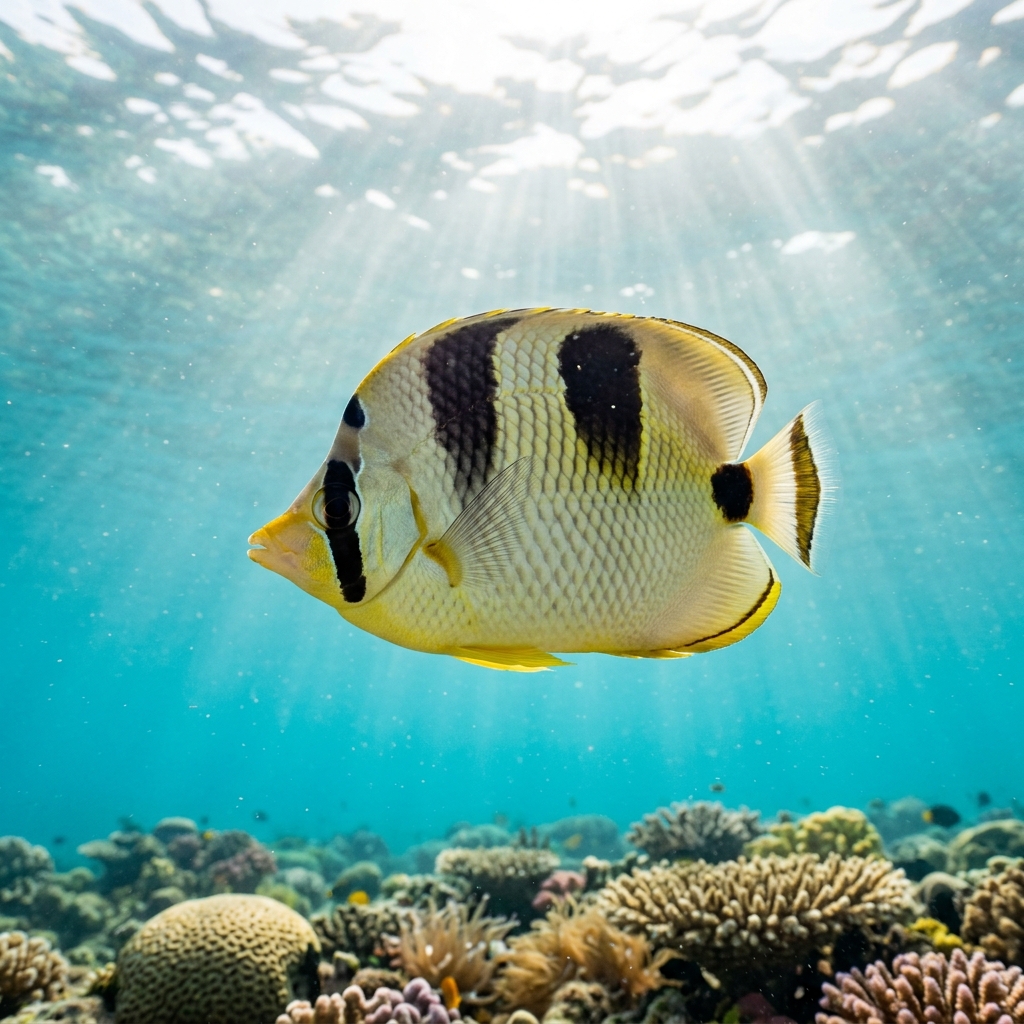
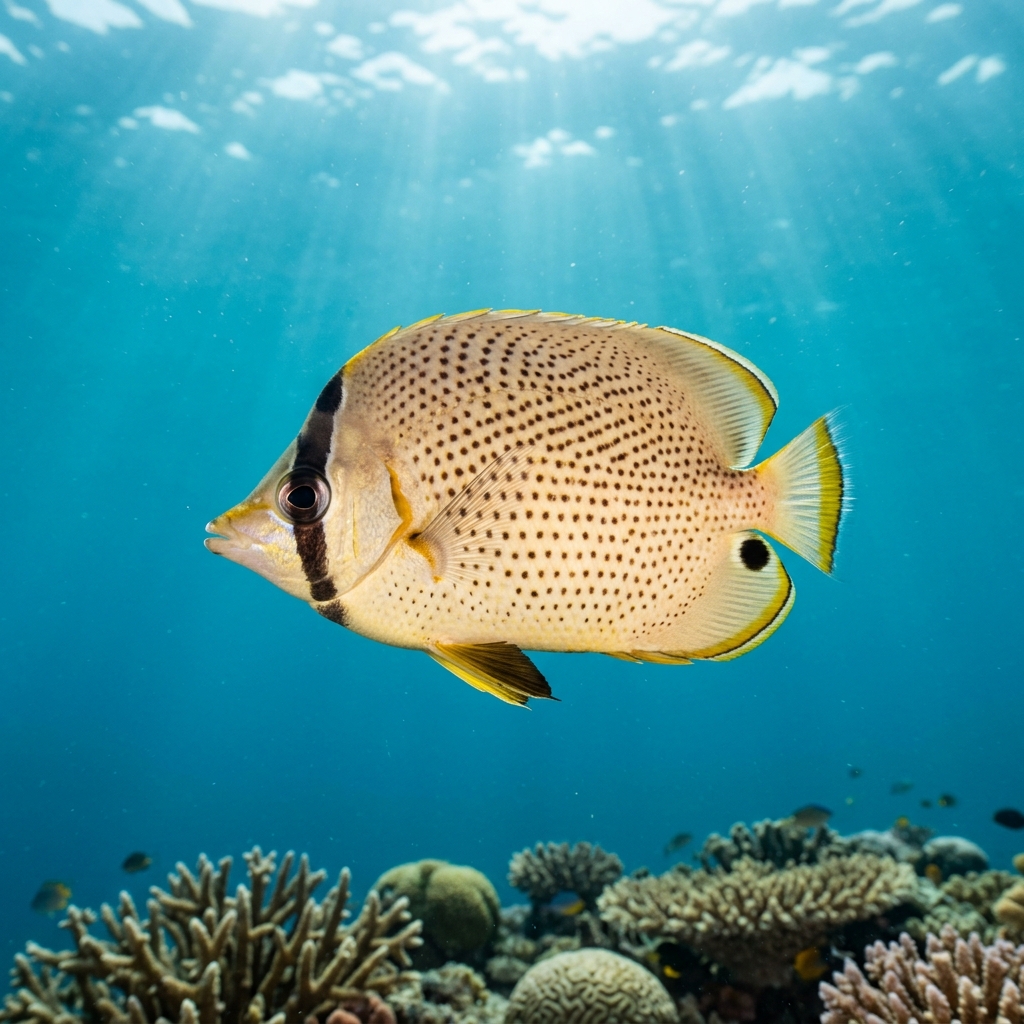
Bora Bora's underwater landscape is built around a sheltered lagoon and an outer reef system that together support a wide range of site types, from shallow coral gardens and seagrass beds to walls, drop-offs, caves, and drift dives. The Spotted Eagle Ray is observed very commonly across sites, alongside Lagoon Triggerfish, Pink Whipray, and a dense variety of butterflyfish. Beginners and experienced divers each find suitable ground, with sites like Anau and Muri Muri spanning very different depths and demands.
Monthly water temperature across Bora Bora's sites, from satellite sea-surface data corrected for depth. The band shows the site-to-site spread.
Water stays warm throughout the year, dipping slightly cooler in the middle months and peaking in the earlier part of the year. The histogram of preferred dive months points clearly toward the second half of the year, with late dry-season months drawing the most activity. Drift dives at sites such as Muri Muri and Haapiti benefit from the cleaner conditions that tend to accompany this period.
16 more sites to explore
Water temperature around Bora Bora ranges from about 27°C in July to 29°C in February, based on satellite sea-temperature data for its dive sites.
With water around 27–29°C, a rash guard or 3mm shorty works in Bora Bora year-round.
Fin maps 26 sites in Bora Bora (21 scuba diving sites and 14 snorkelling spots, with some suited to both).
Across Bora Bora's dive sites, August and September are most often reported as the best months to visit.
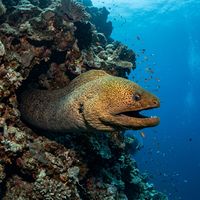
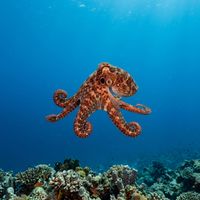
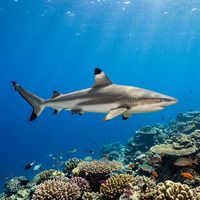
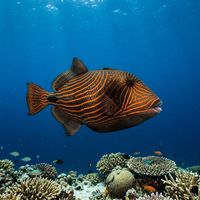
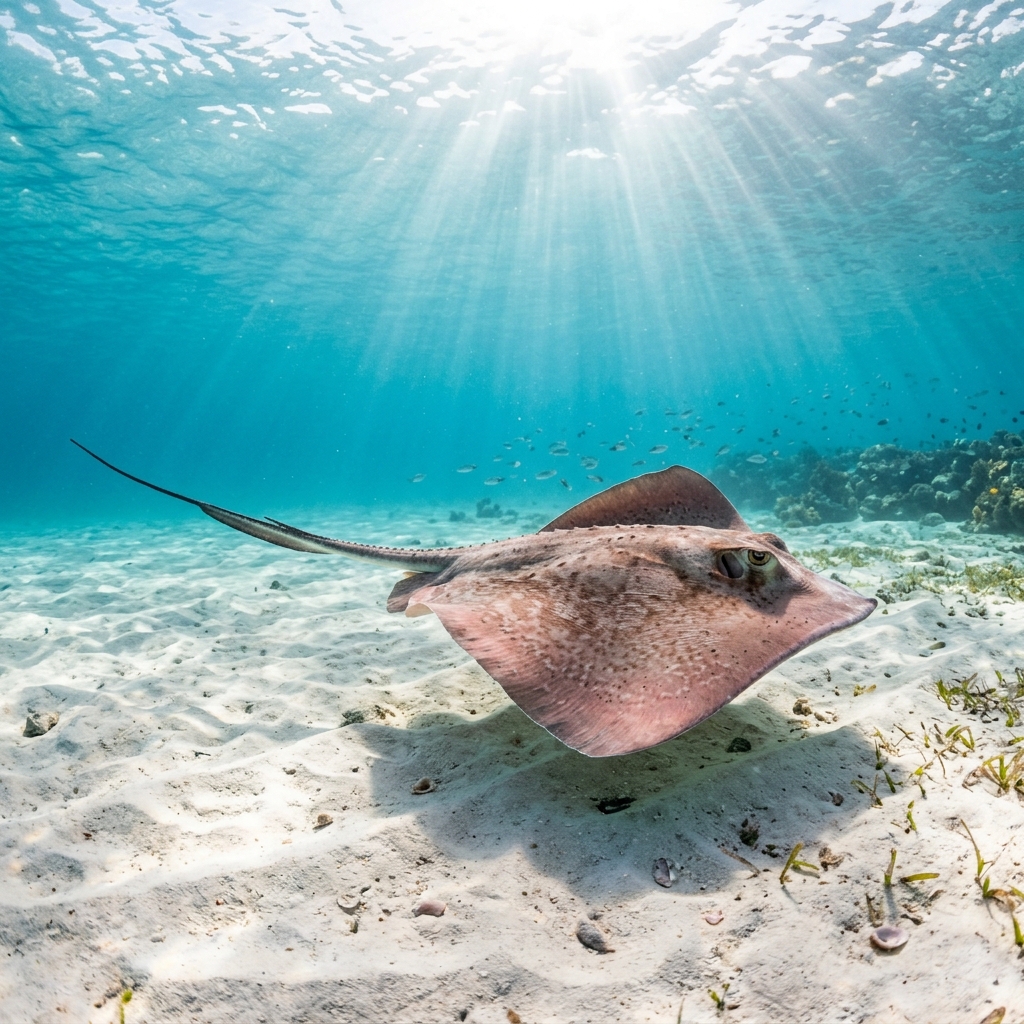
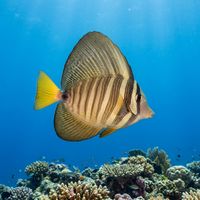
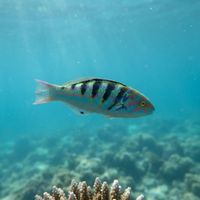
Observed species include the Spotted Eagle Ray, Pink Whipray, Giant Moray, Day Octopus, and Regal Angelfish. Triggerfish such as the Lagoon Triggerfish and Orangestripe Triggerfish are very commonly encountered across reef sites. The signature species list also includes the Blacktip Reef Shark and Turkey Moray, and the site at Anau is specifically associated with manta ray sightings.
Several sites in Bora Bora are rated for beginners, including Anau, the Anau Mantas Spot, and the Intercontinental Bora Bora Thalasso Spa site. These offer shallower coral gardens and reef slopes that suit those with limited experience. Intermediate divers have their own set of sites, including drift and cave options at Haapiti and Toopua Iti, so the region caters to a broad range of skill levels.
The site mix covers reef, wall, drop-off, cave, drift, and seagrass environments. Shallower lagoon sites such as Bora Bora Aquarium focus on coral gardens, while outer sites like Muri Muri involve deeper reef and stronger drift conditions. Caves feature at Haapiti and Toopua Iti, adding variety for divers who want something beyond open reef.
Most dive sites in Bora Bora require a boat to reach, which is reflected in the offerings from operators such as Reef Discovery Bora Bora, Dive and Smile, and Lagoon Service Bora Bora. Shore access is available for snorkelling at sites including Matira Beach, Pointe Ta'ihi, and Motu Piti Aau. The Bora Bora Aquarium site accepts both shore and boat entry.