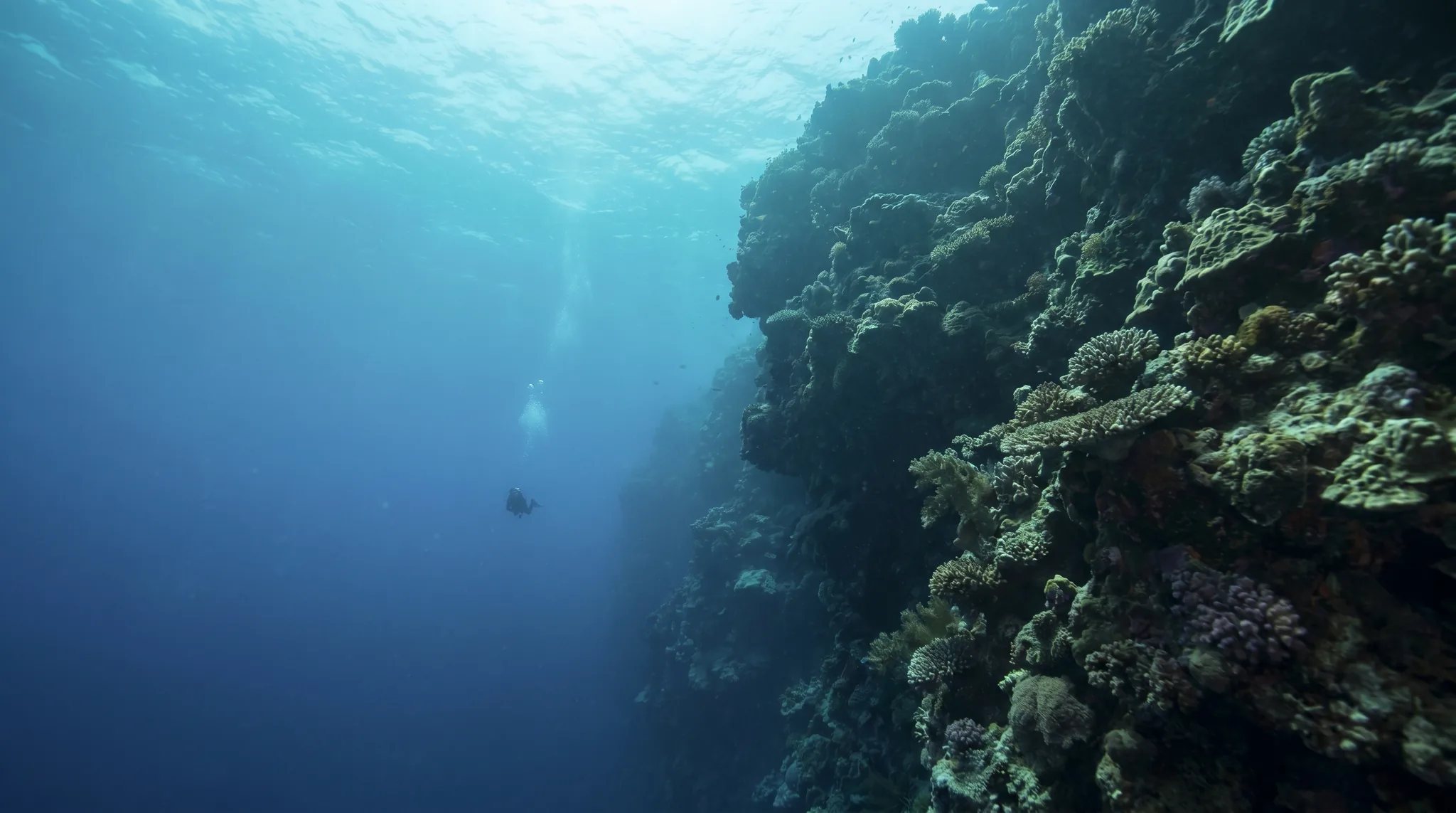
Tahiti divides into two distinct peninsulas: Tahiti Nui, which holds the majority of sites, and the quieter Tahiti Iti to the south-east. The underwater landscape is dominated by reef walls and drop-offs, with a wreck and cave systems adding variety. The Spotted Eagle Ray, Giant Moray and Napoleon Wrasse are among the signature encounters. Conditions favour intermediate divers across most sites, though accessible shallow reefs make snorkelling viable for beginners.
2 areas
Monthly water temperature across Tahiti's sites, from satellite sea-surface data corrected for depth. The band shows the site-to-site spread.
Water stays warm year-round, with the peak period running from late spring through to mid-autumn, when visibility and conditions are most settled. The cooler months from July to November see slightly reduced temperatures but remain comfortable. Exposed walls and drop-offs mean some sites carry current, so conditions vary between the sheltered Tahiti Nui sites and the more challenging terrain around Tahiti Iti.
14 operators
French Polynesia
French Polynesia
57 more sites to explore
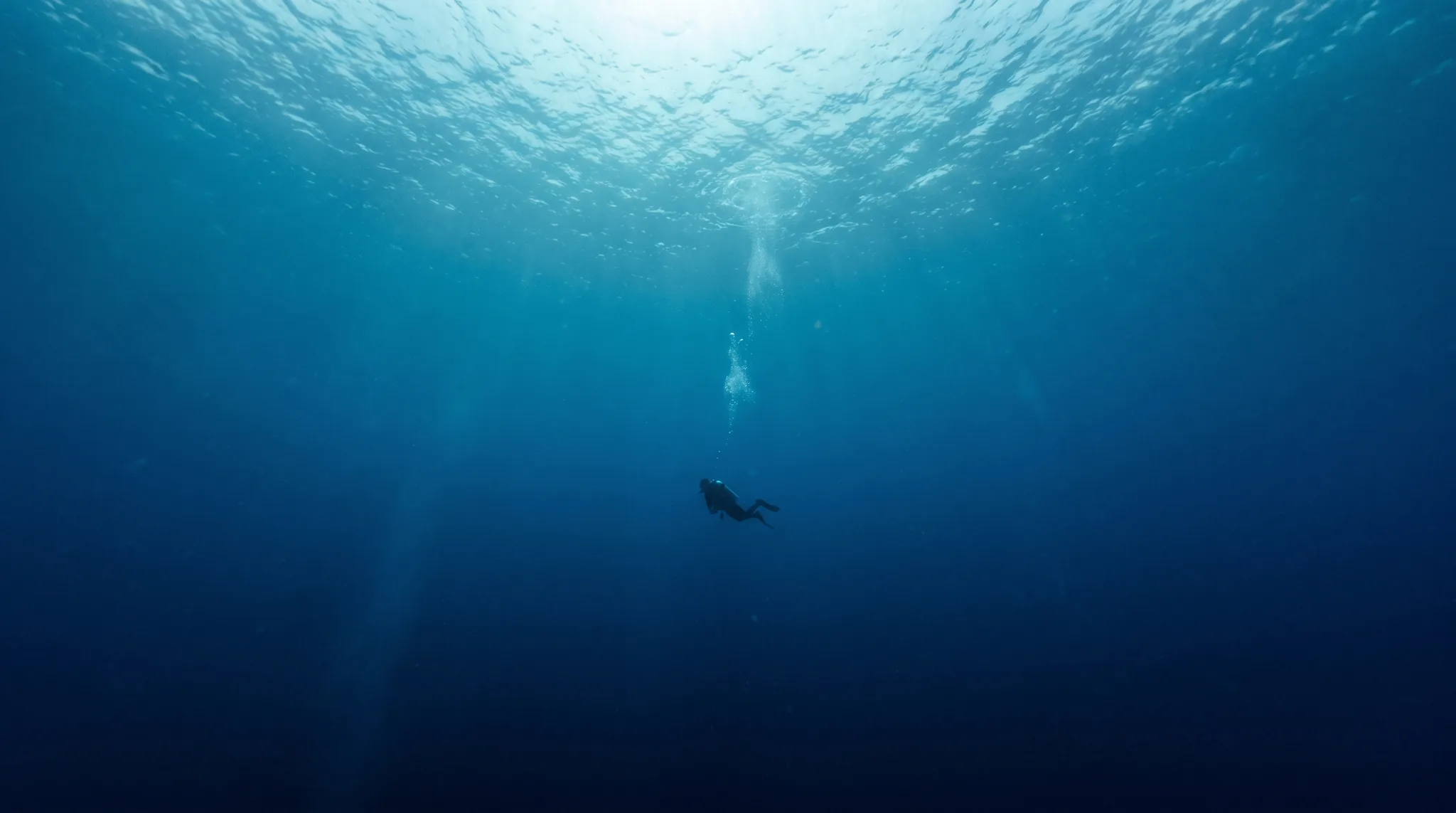
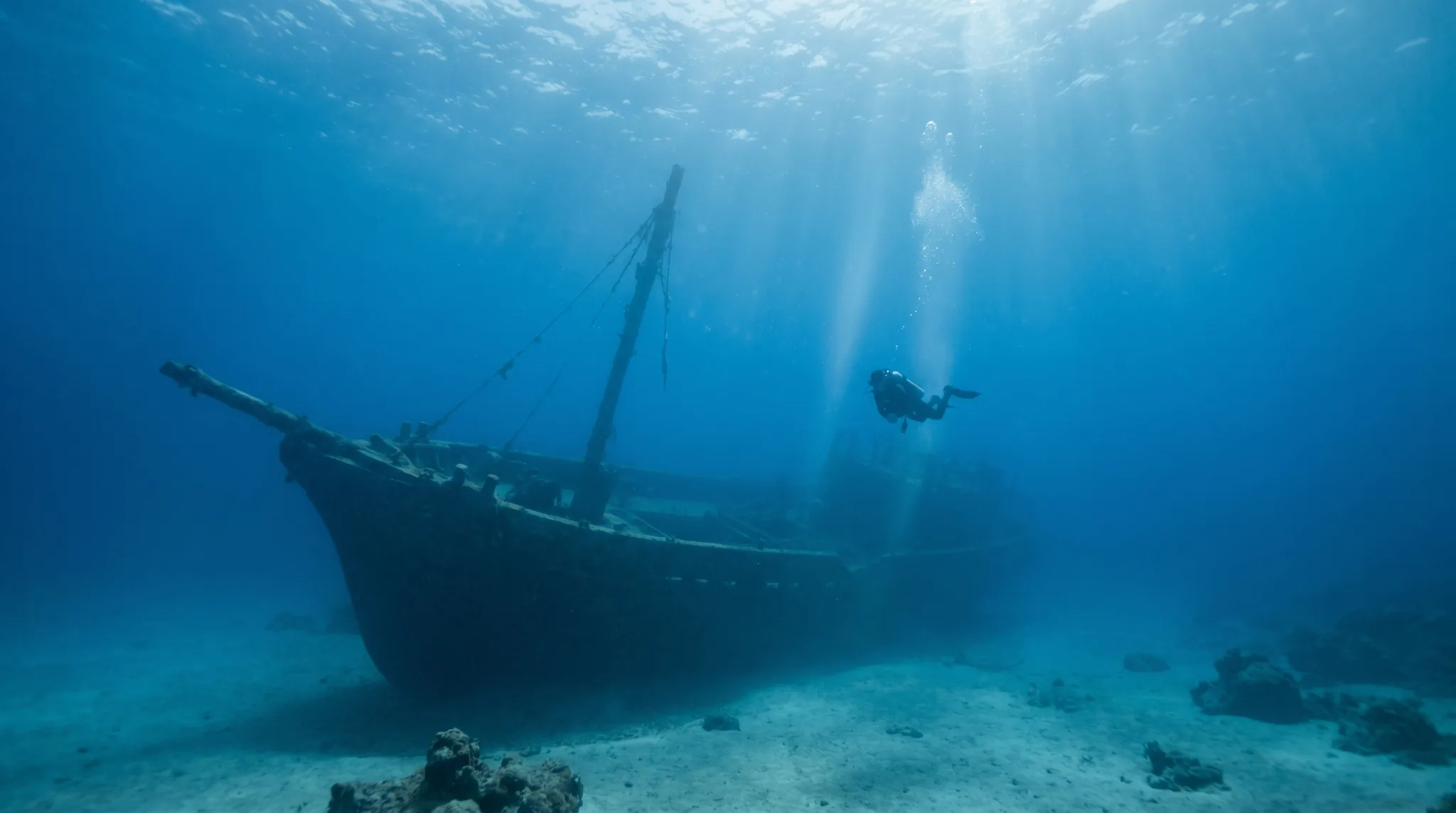
Walls, drop-offs and a wreck dive define Tahiti Nui, with a rich reef fish community led by eagle rays and giant moray.

Water temperature around Tahiti ranges from about 27°C in July to 29°C in February, based on satellite sea-temperature data for its dive sites.
With water around 27–29°C, a rash guard or 3mm shorty works in Tahiti year-round.
Fin maps 66 sites in Tahiti (56 scuba diving sites and 16 snorkelling spots, with some suited to both), organised into 2 areas.
Across Tahiti's dive sites, May, June, July, August, September and October are most often reported as the best months to visit.
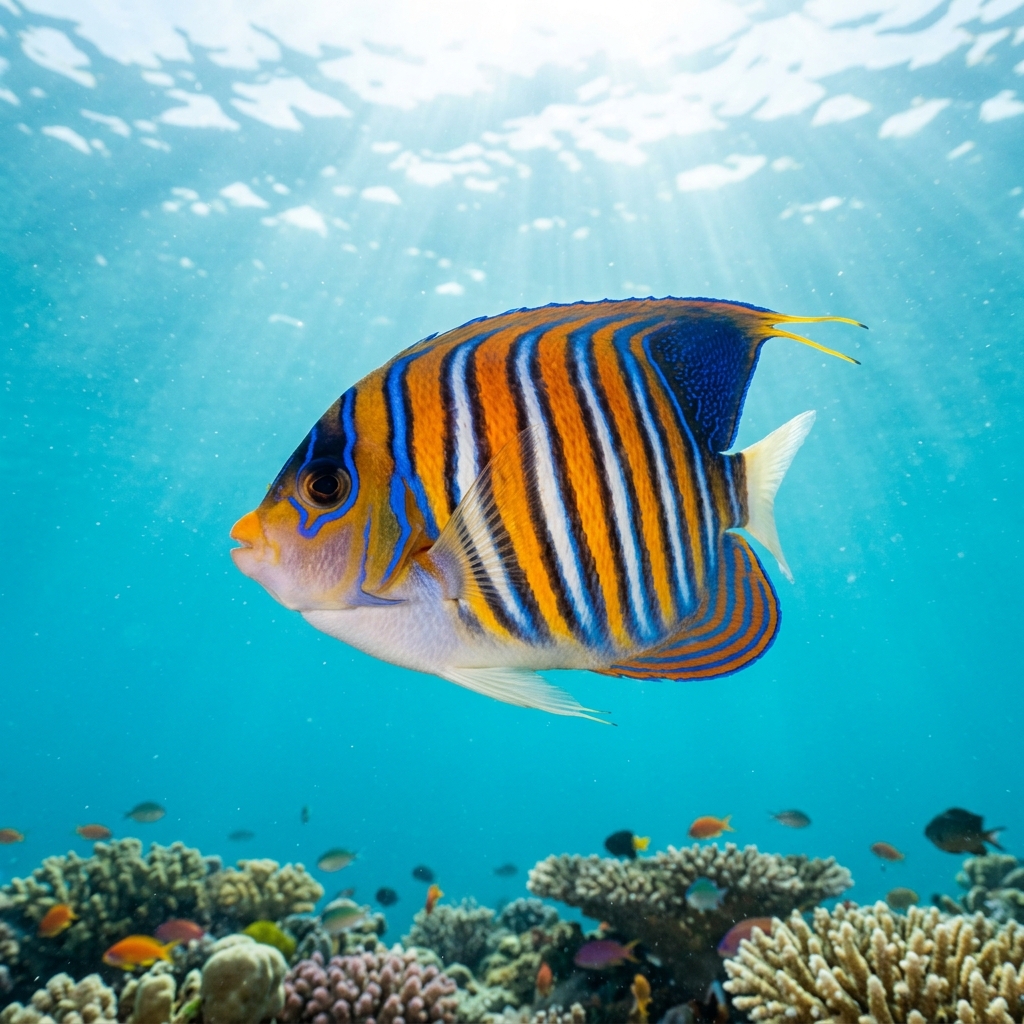
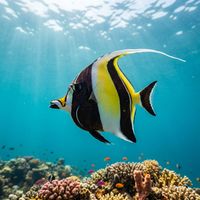
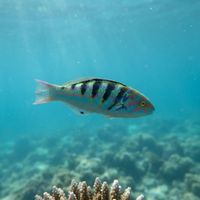
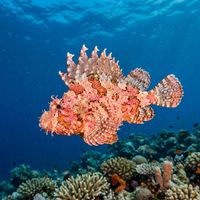
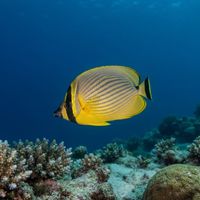
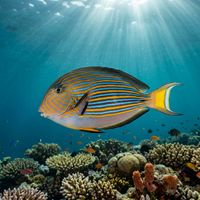
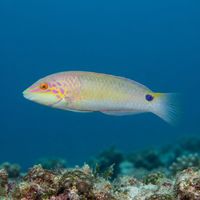
Tahiti's reefs support a wide range of species observed across the sites. Spotted Eagle Ray, Napoleon Wrasse, Giant Moray and Titan Triggerfish are among the signature encounters. Regal Angelfish and Emperor Angelfish are also recorded, alongside wrasse species including the Sling-jaw Wrasse, Bird Wrasse and African Clown Wrasse. Leaf Scorpionfish reward careful observation on the reef structure.
Most sites in Tahiti are rated intermediate, reflecting the walls and drop-offs that define much of the diving. However, beginner-friendly options do exist: The Catalina wreck sits at accessible depths and is rated for beginners. Snorkelling at shallow shore-entry sites on Tahiti Nui is a comfortable starting point for those new to underwater exploration.
Tahiti Nui holds the majority of sites and includes a broader mix of reef walls, drop-offs, a wreck and cave systems, with both shore and boat entry options. Tahiti Iti is quieter with fewer sites, but offers deeper and more demanding terrain such as The Marado, which is rated advanced. Operators including Tahiti Iti Diving are based to serve the southern peninsula specifically.
Several sites offer shore entry, including Pointe Venus on the north coast of Tahiti Nui and Arue Fault, which can be entered from shore or by boat. Many of the more exposed wall and drop-off sites such as St Etienne Drop-Off and Radio Whisky require a boat. Operators like Plongée Tahiti, ACTIVISEAS and ScubaTek Tahiti Dive Center can arrange guided boat dives to the full range of sites.