Pateobatis fai
Spot Pink Whipray in the Maldives, French Polynesia and Thailand. A reef-cruiser in warm tropical water, with tips on ID and the best dive regions.
If you're stung
Venomous tail barbGeneral first-aid guidance, not a substitute for professional medical care. In an emergency, call your local emergency number.
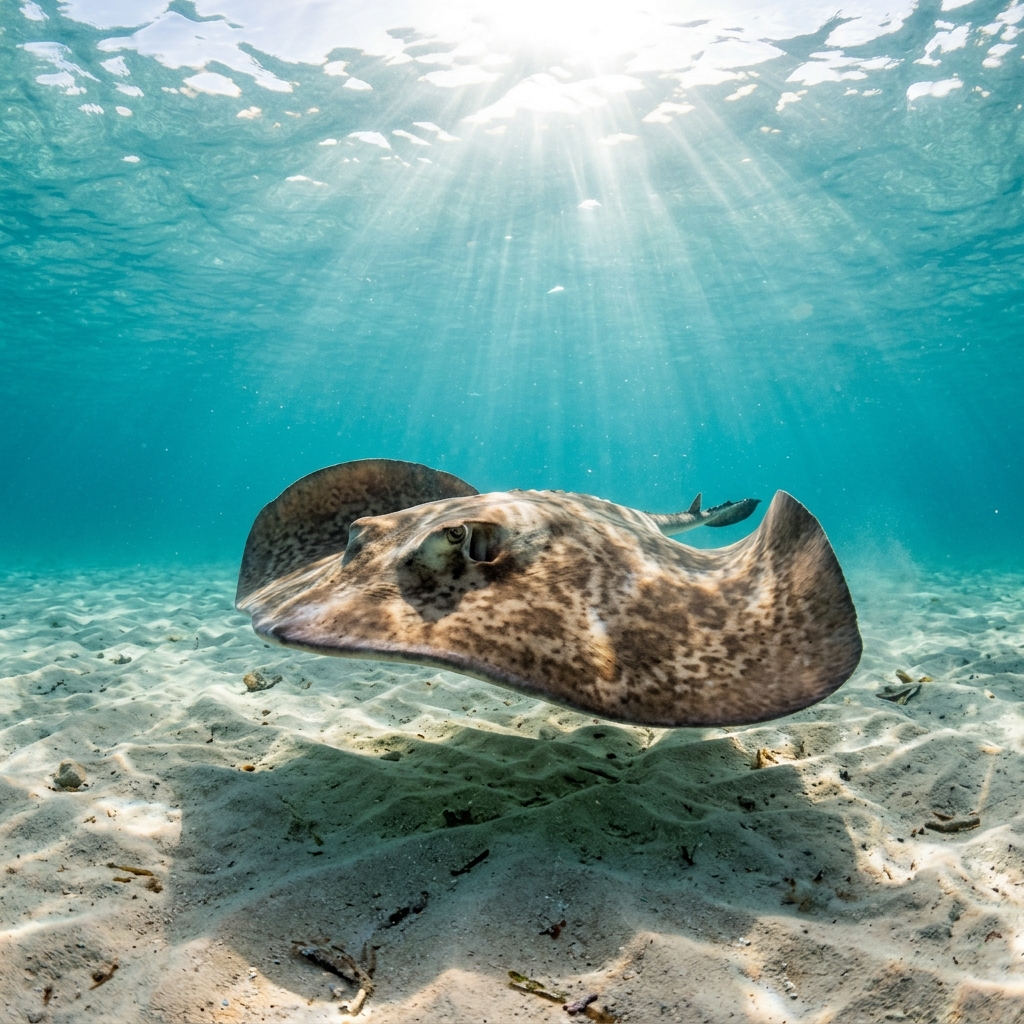
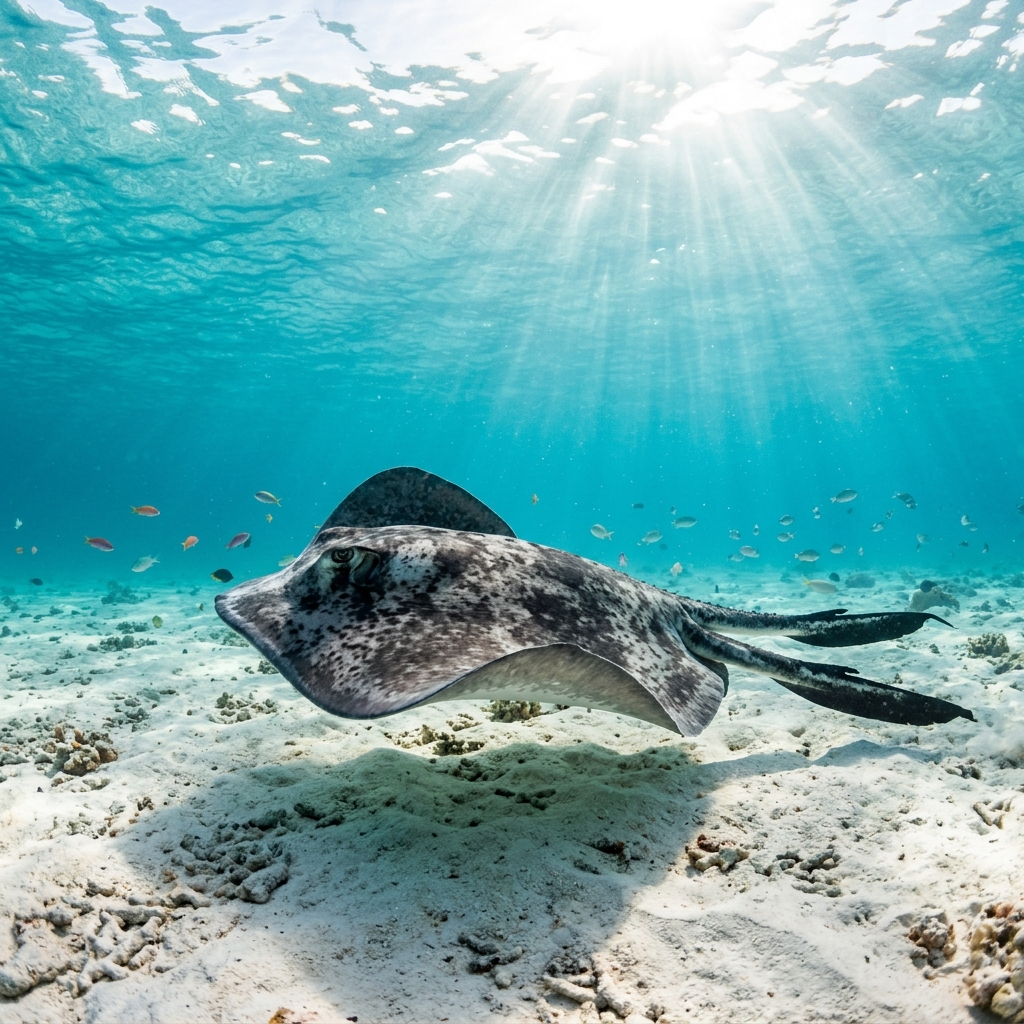
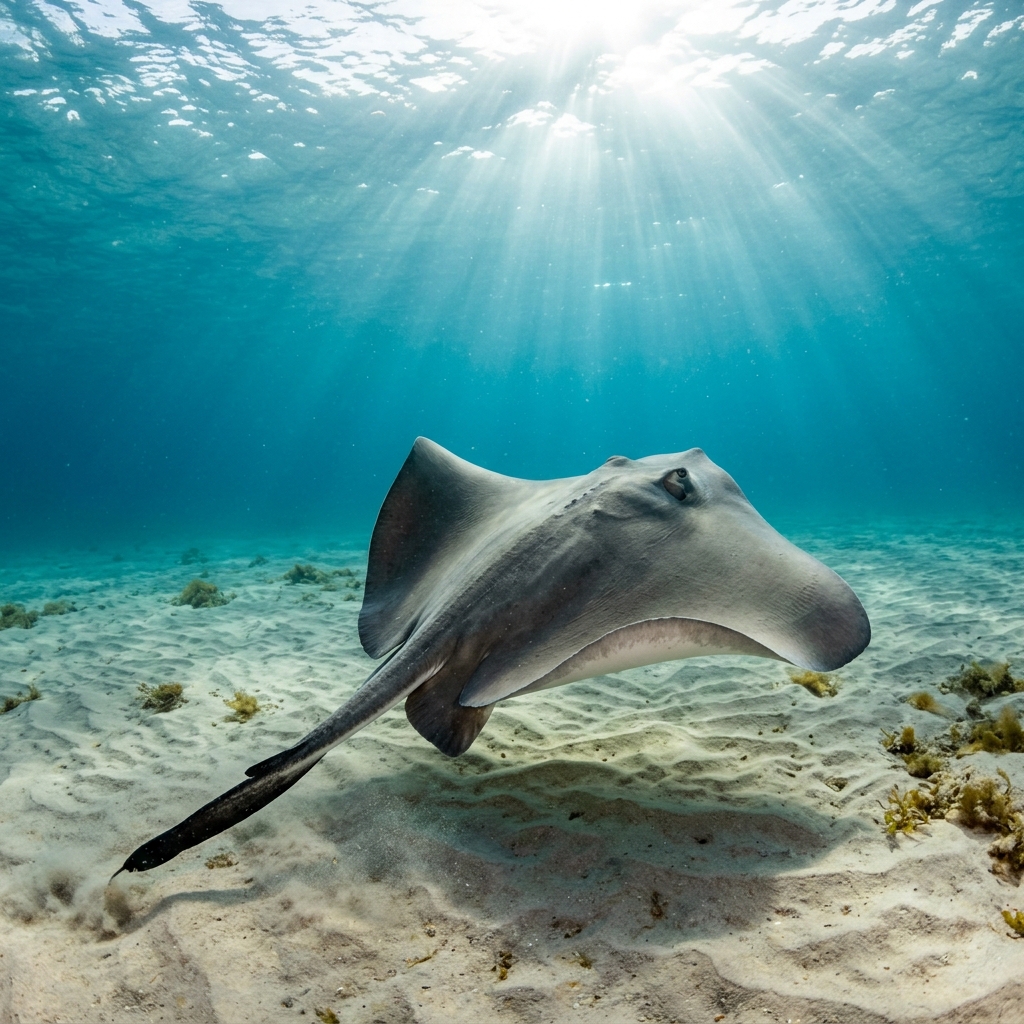
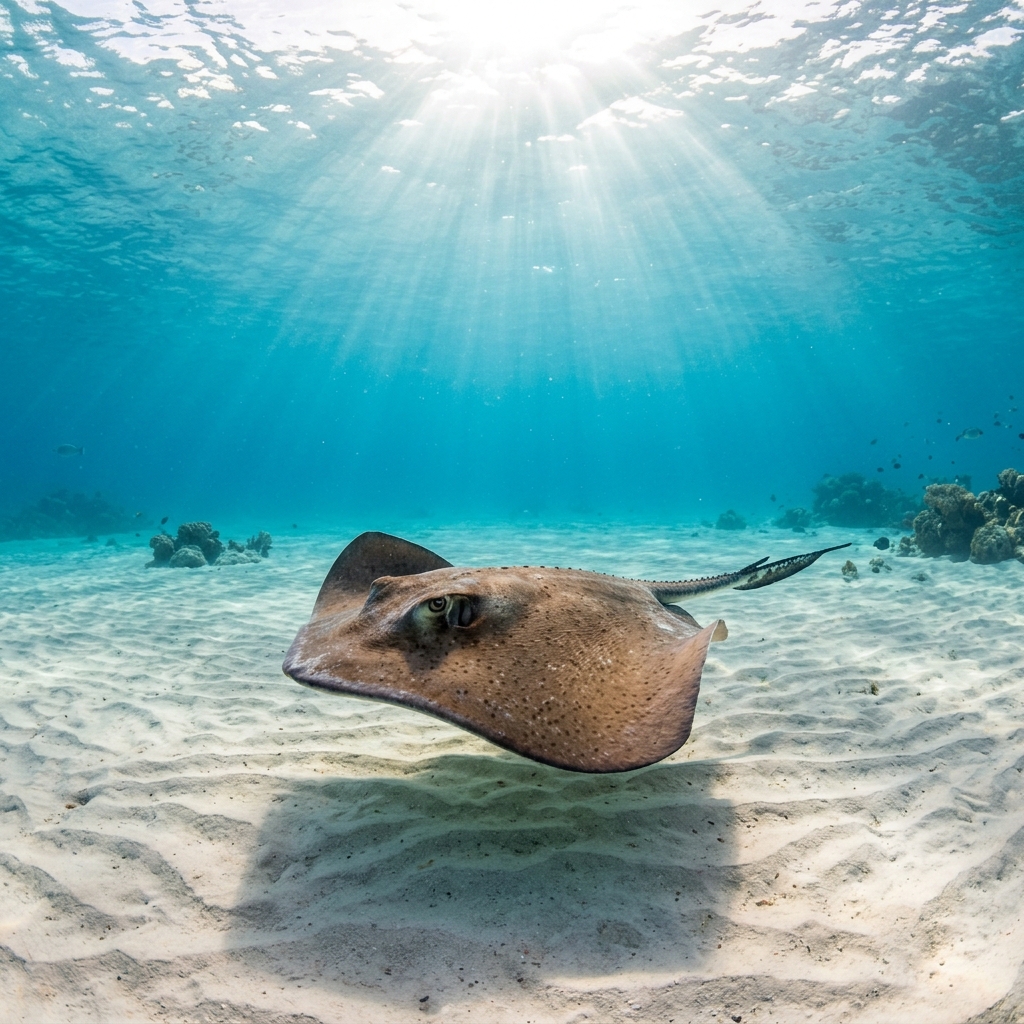
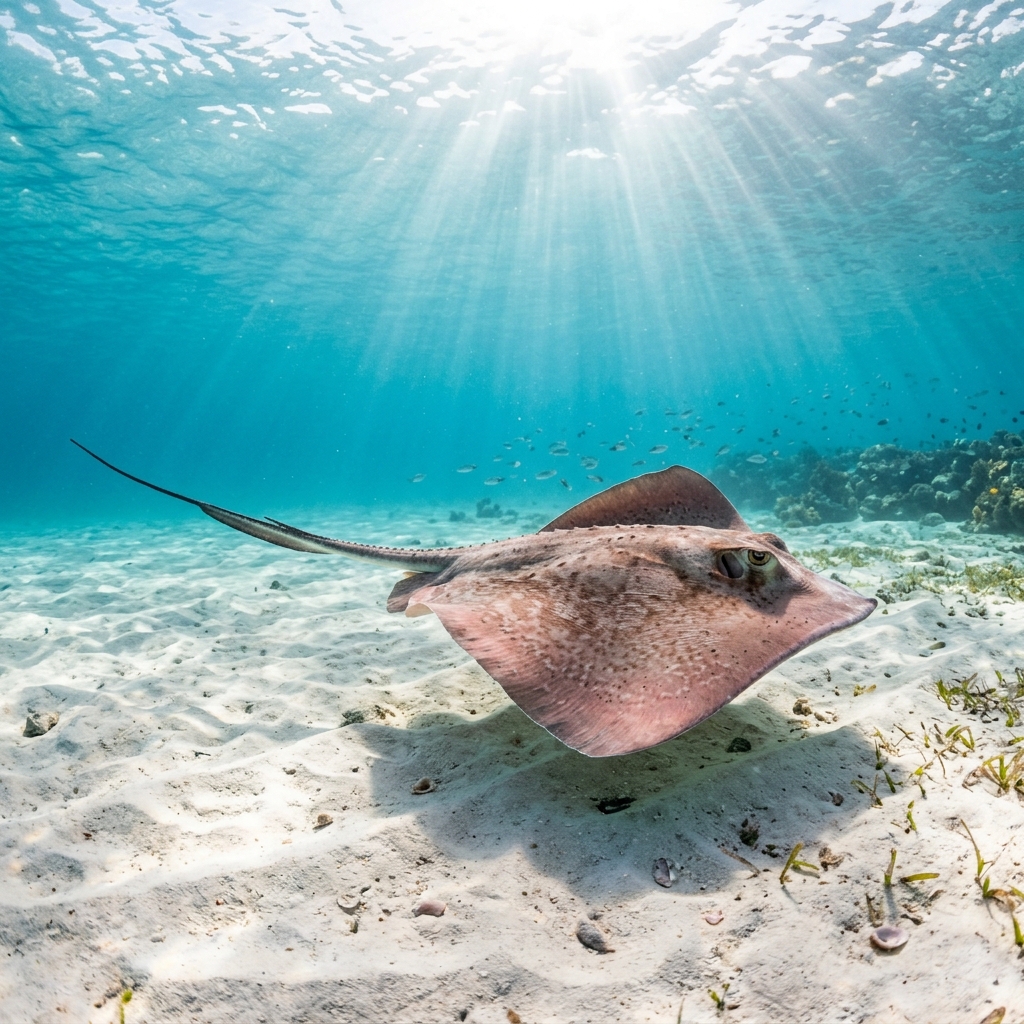
A large, flat disc-shaped ray with a distinctly pinkish to pale brownish-grey dorsal surface and a noticeably long, whip-like tail that gives the species its name. Underwater the pale colouration stands out against sandy reef floors, and the smooth, unmarked disc helps separate it from spotted or patterned rays. The tail is considerably longer than the disc width, trailing behind as the ray glides.
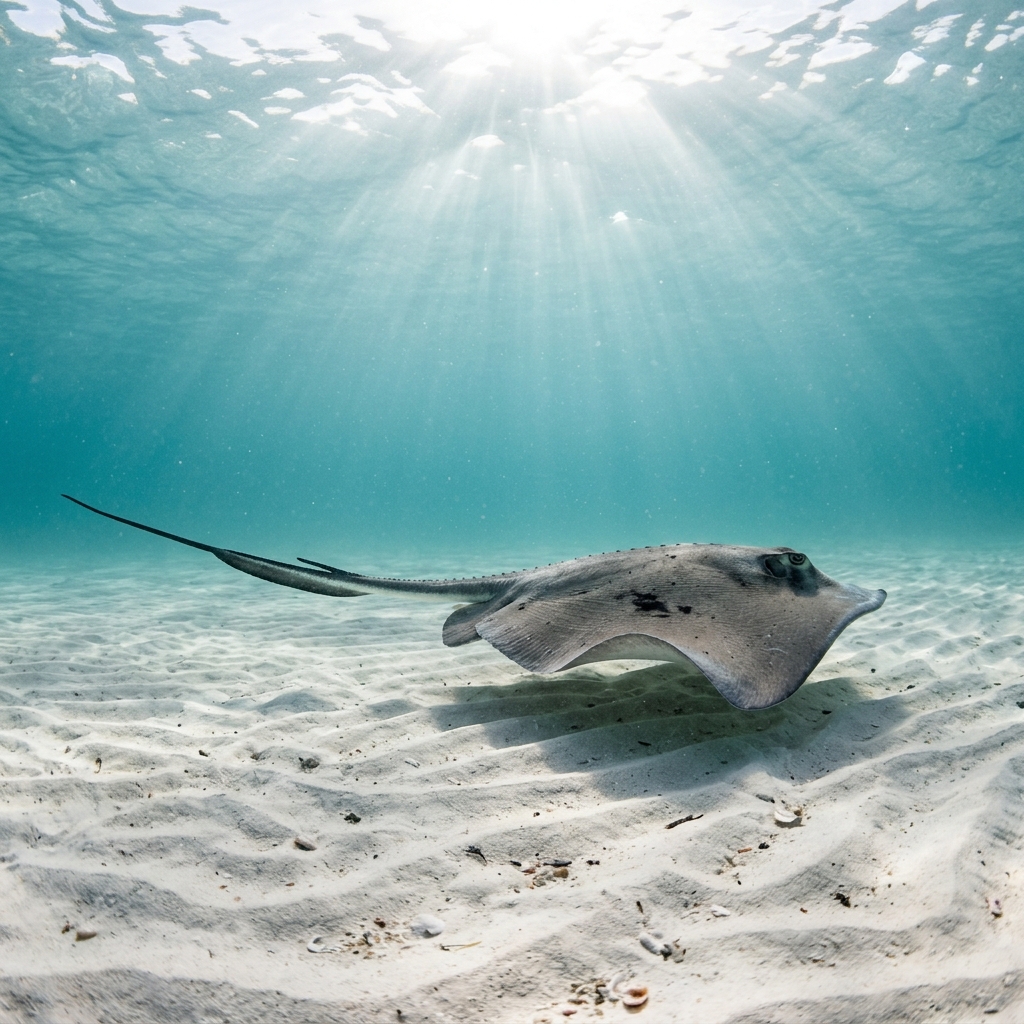
Divers most often encounter pink whiprays cruising slowly just above sandy or rubble-covered reef floors, apparently searching for buried prey. They are generally unhurried and allow a calm approach, though they will accelerate and peel away if a diver crowds them. Sightings tend to be solitary rather than in groups.
Like other whiprays, the pink whipray is ovoviviparous, meaning embryos develop inside the mother and pups are born live and fully formed, miniature versions of the adult ready to fend for themselves from the moment they arrive.
No clear seasonal peak has emerged from the data, so it is treated as a year-round resident. It is observed in water temperatures from about 23 to 29 °C, which covers the tropical and subtropical reefs where it lives throughout the calendar year.
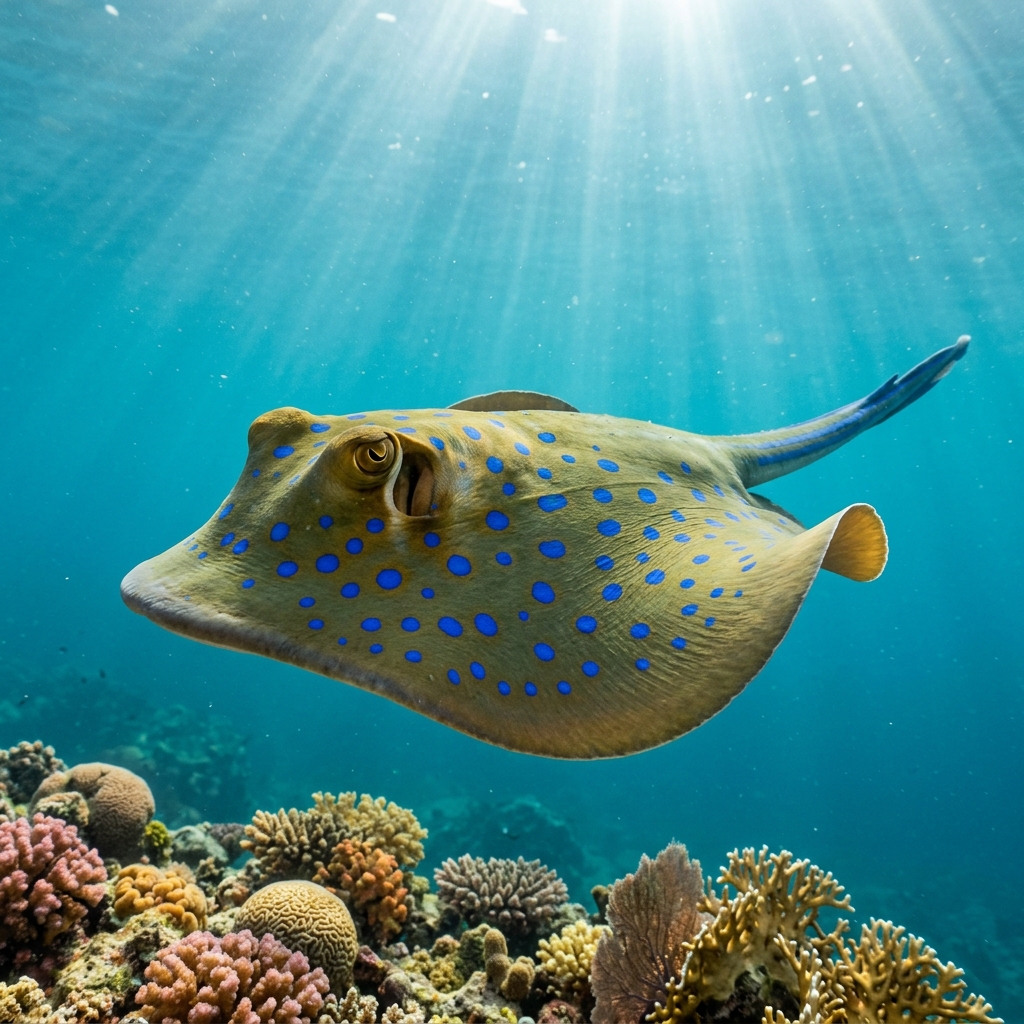
Reef neighbours a diver could mistake it for. Use the identification notes above to tell them apart.
Pink Whipray is most commonly logged in the Maldives, particularly around Male, Ari and the North and Central Atolls, and in French Polynesia around Tahiti and the Society Islands. Thailand's Phuket and Phi Phi region is the third-strongest hotspot, with further reliable sightings along South Africa's Durban coast and in Mozambique's Ponta do Ouro area.
Mapping where Pink Whipray is logged…
The strongest concentrations of diver sightings come from the Maldives (especially Male and Ari Atolls), French Polynesia around Tahiti and the Society Islands, and Thailand's Phuket and Phi Phi area. South Africa's Durban coast and Mozambique's Ponta do Ouro are also reliable, with smaller numbers of records from Australia, India and Oman.
There is no single peak season in the data, and the species appears year-round across its tropical range. It favours water temperatures roughly between 23 and 29 °C, so any time the reefs in the Maldives or French Polynesia are diveable is a reasonable window.
Look for the pale pinkish to greyish-brown, smooth and unmarked disc combined with a very long whip-like tail. The absence of spots or marbling is the quickest way to rule out similar rays. It typically cruises close to the sandy seafloor rather than in open water.
Pink whiprays are not considered dangerous to divers. Like all stingrays they carry a venomous tail spine used purely for defence, but unprovoked stings are extremely rare. Give them space, avoid cornering them or reaching towards the tail, and encounters are relaxed.
They are listed as Vulnerable by the IUCN, one step below Endangered. The main pressure comes from incidental capture in coastal fisheries across the Indo-Pacific. Divers logging sightings via citizen-science apps contribute useful population data, and avoiding any contact with the animal in the water is the simplest way to show good practice.
The Pink Whipray is listed as vulnerable by the IUCN. Observe from a distance, avoid touching or feeding it, and report sightings to local marine research organisations.
Pink Whipray is listed as Vulnerable on the IUCN Red List, primarily due to pressure from coastal fisheries across its range. Divers can help by logging every sighting to citizen-science platforms, keeping a respectful distance to avoid stress, and never touching or riding rays.
Site and sighting data is aggregated from diver logs, iNaturalist and GBIF. For taxonomy and conservation status:
Whiptail Stingray
1,747 sites