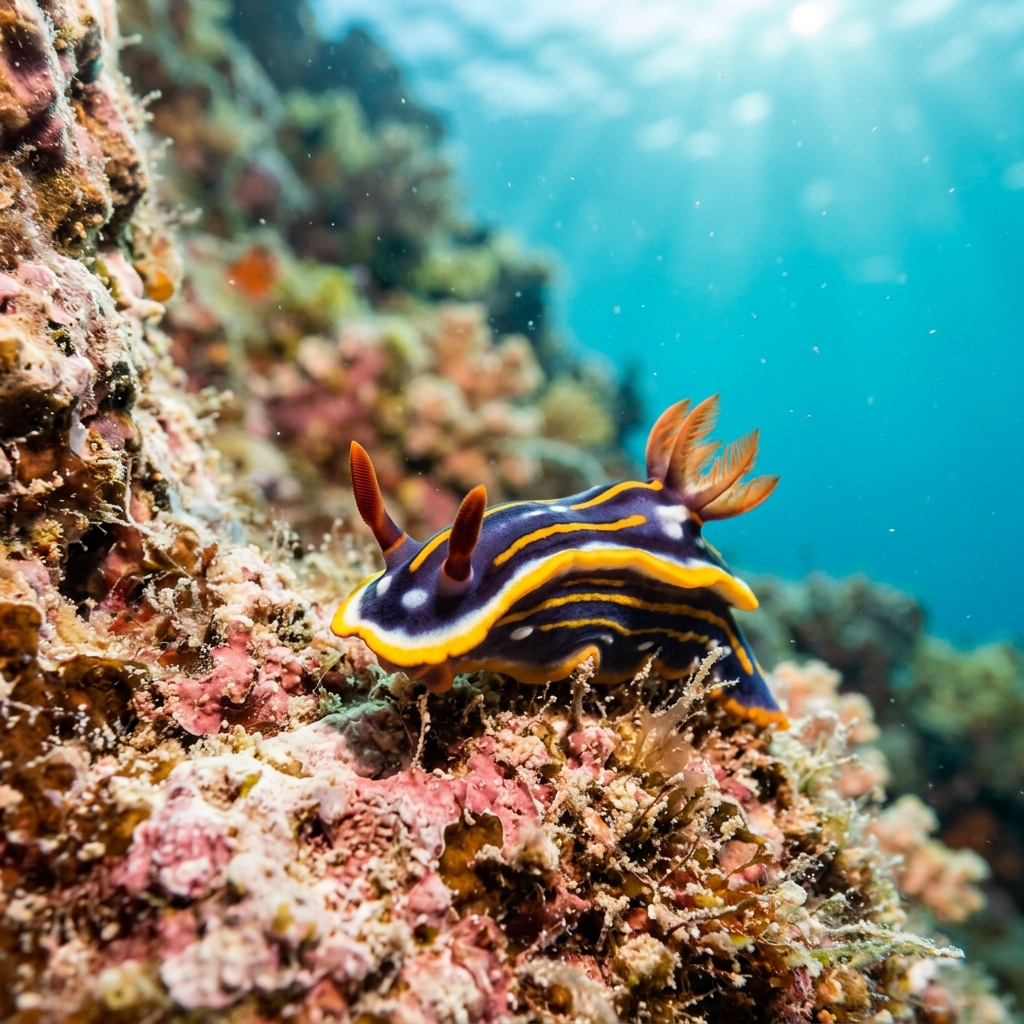
Felimare fontandraui
Spot Fontandrau's Felimare in the French Riviera and Lisbon Coast, Feb, Sep, in cool 13-22 °C water. ID tips and best dive regions inside.
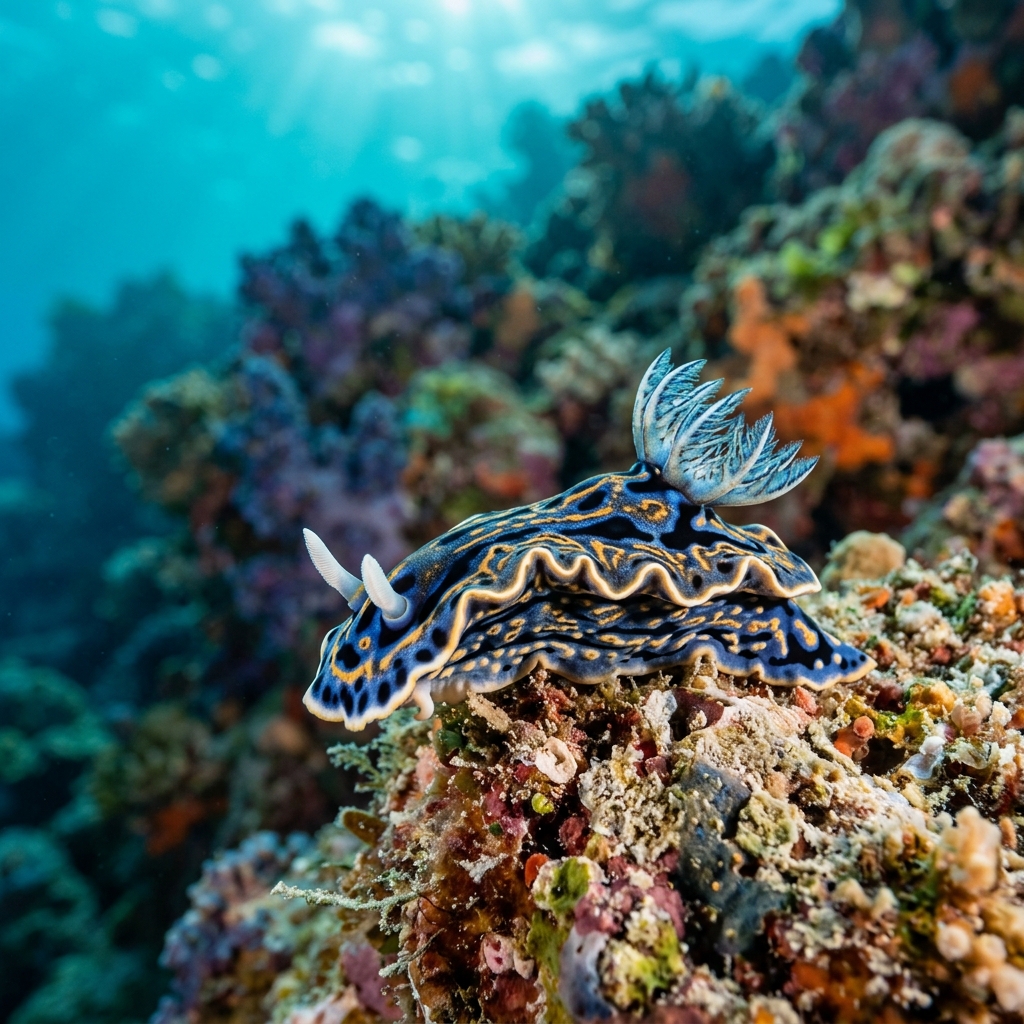
Look for a vivid blue body edged with bright yellow-orange marginal lines and similarly coloured gill plumes and rhinophores (the sensory horns on its head). Like other chromodorids, the body is elongated and flattened, hugging the substrate closely as it moves. The contrast between the deep blue dorsum and the yellow bordering is the key field mark that separates it from the crowd of Mediterranean nudibranchs.
You will typically spot one moving slowly across rocky reef surfaces or rubble, grazing on encrusting sponges. It rarely pauses for long, and when approached it usually continues on its way without retreating, making for a steady photographic subject if you move calmly. Most sightings are of solitary individuals; check shaded crevices and the underside of boulders where sponge growth is richest.
Like all chromodorids, this species sequesters chemical compounds from the sponges it eats and stores them in its skin, making it distasteful to predators. The conspicuous blue-and-yellow colouration is a direct advertisement of that unpalatability, a strategy known as aposematism.
Sightings concentrate from February through September in the northern Mediterranean and Atlantic Coast sites. The species is associated with cool water between roughly 13 and 22 °C, which corresponds well to that late-winter-to-late-summer window in its core range.
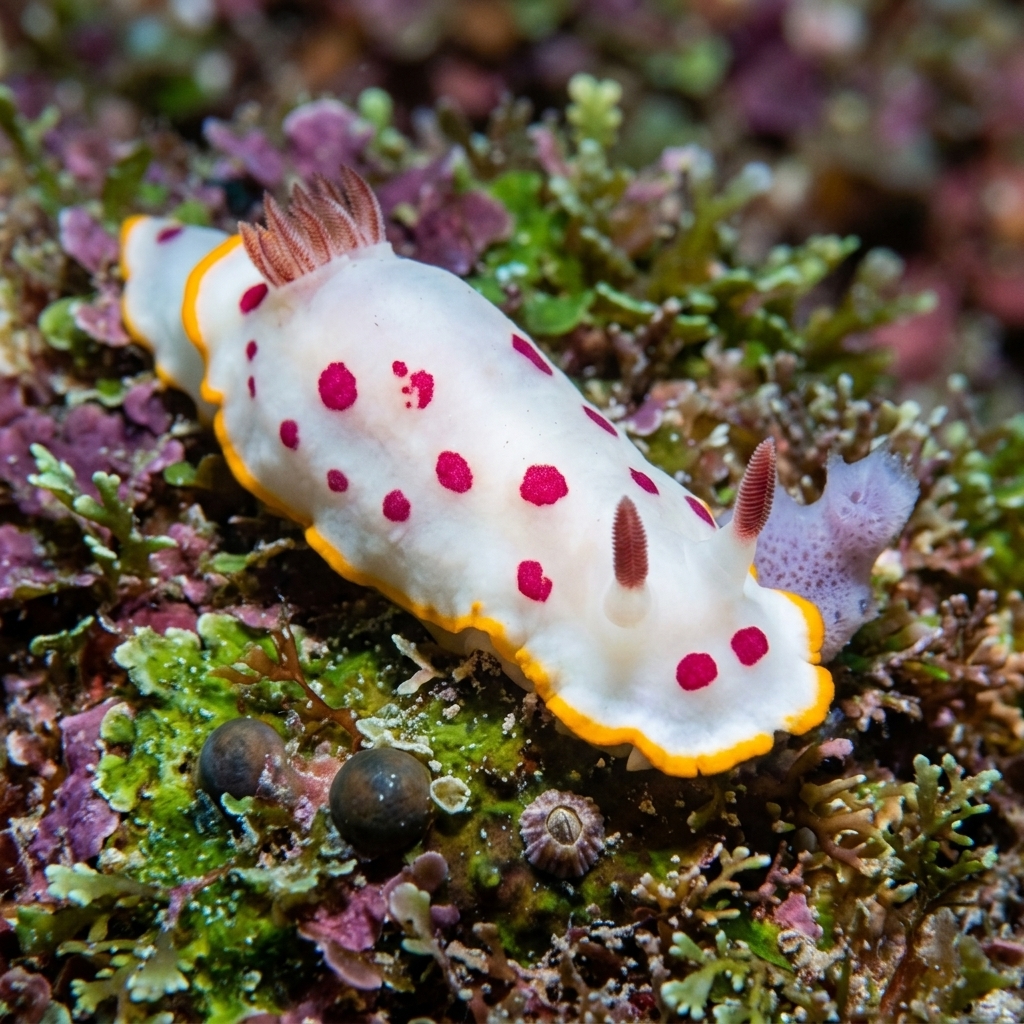
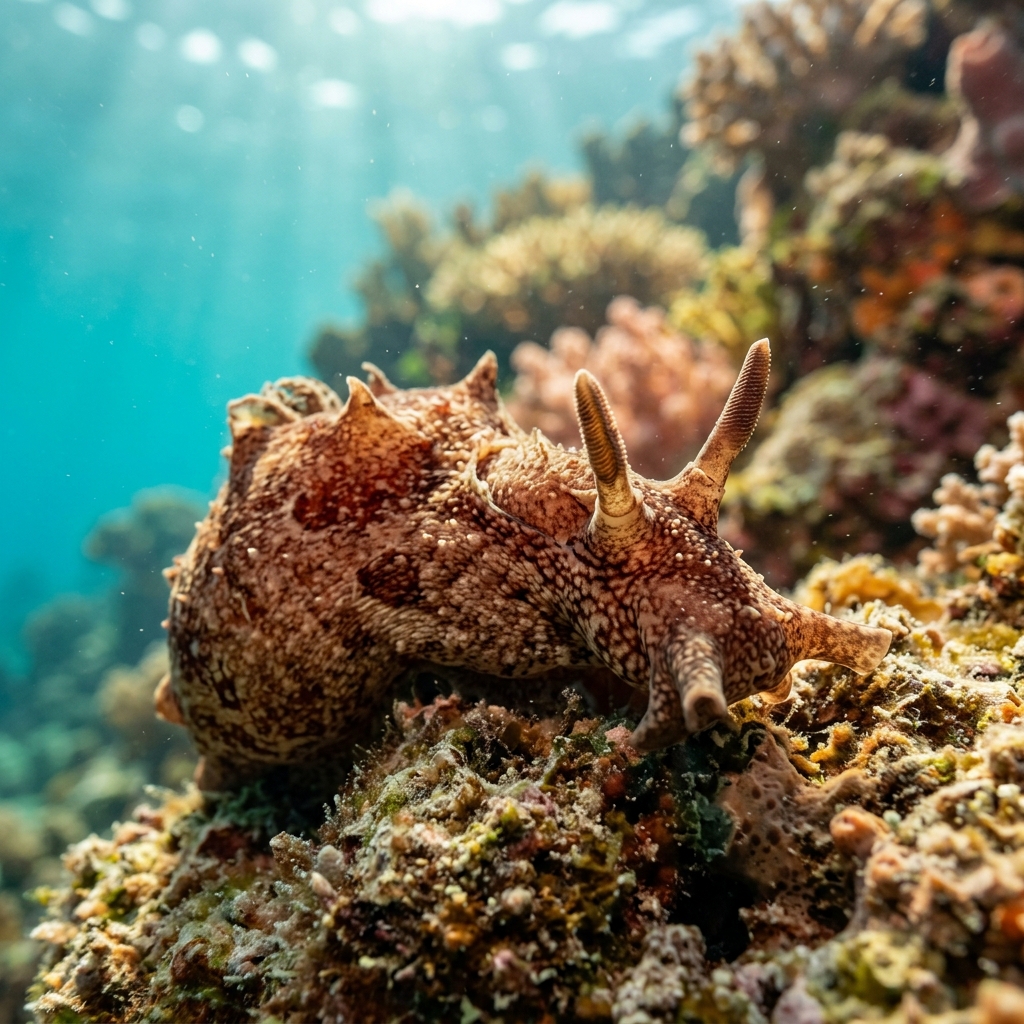
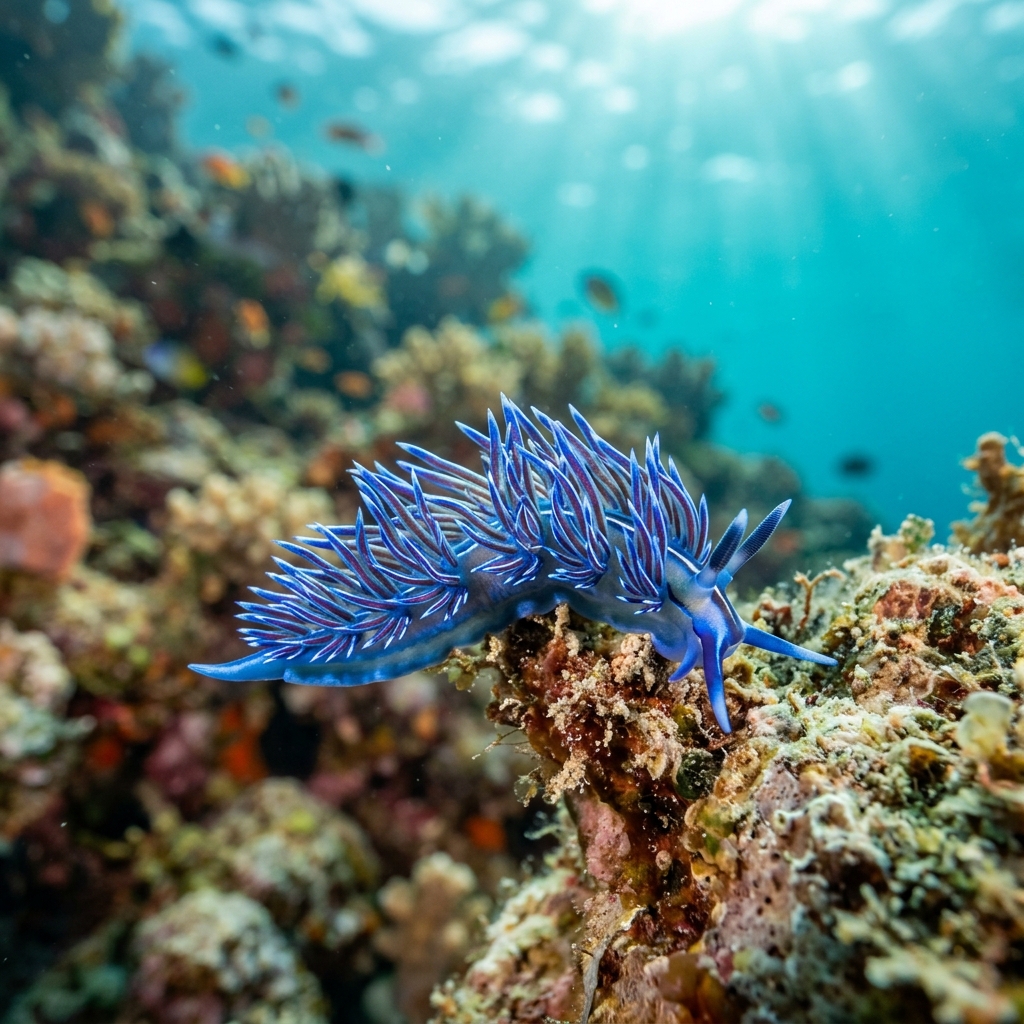
Reef neighbours a diver could mistake it for. Use the identification notes above to tell them apart.
Most logged across the French Riviera and Provence, which accounts for the lion's share of records, making it the go-to region for this species. Strong sightings also come from the Lisbon Coast and Algarve in Portugal, Andalusia and the Balearic Islands in Spain, and a smaller cluster in Sicily and Lampedusa. France, Spain, and Portugal are the three key countries to target.
Mapping where Fontandrau's Felimare is logged…
The French Riviera and Provence is by far the most reliable area, with further sightings along the Lisbon Coast, Algarve, Andalusia, and the Balearic Islands. Sicily and Lampedusa round out the range in Italy. All recorded sites sit around the western Mediterranean and adjacent Atlantic coast.
Sightings peak between February and September in its core European range. The species favours cool water around 13 to 22 °C, so the cooler months of late winter and spring can be particularly productive, even if overall activity continues well into summer.
Key on the deep blue body with bright yellow-orange margins running along the edges, and matching colours on the gill plumes and rhinophores. That blue-on-yellow contrast is the quickest way to separate it from similarly shaped chromodorids on the same reef.
It is logged as rare at the majority of sites where it has been recorded, with a smaller number of sites rating it uncommon and fewer still rating it common. Patience and a slow, methodical search of rocky rubble and sponge-covered surfaces gives you the best chance.
No. Like all nudibranchs, it poses no threat to divers whatsoever. You can observe it as closely as you like, though touching it or disturbing the reef around it is best avoided.
Site and sighting data is aggregated from diver logs, iNaturalist and GBIF. For taxonomy and conservation status:
Light-spotted Aegires
3,168 sites