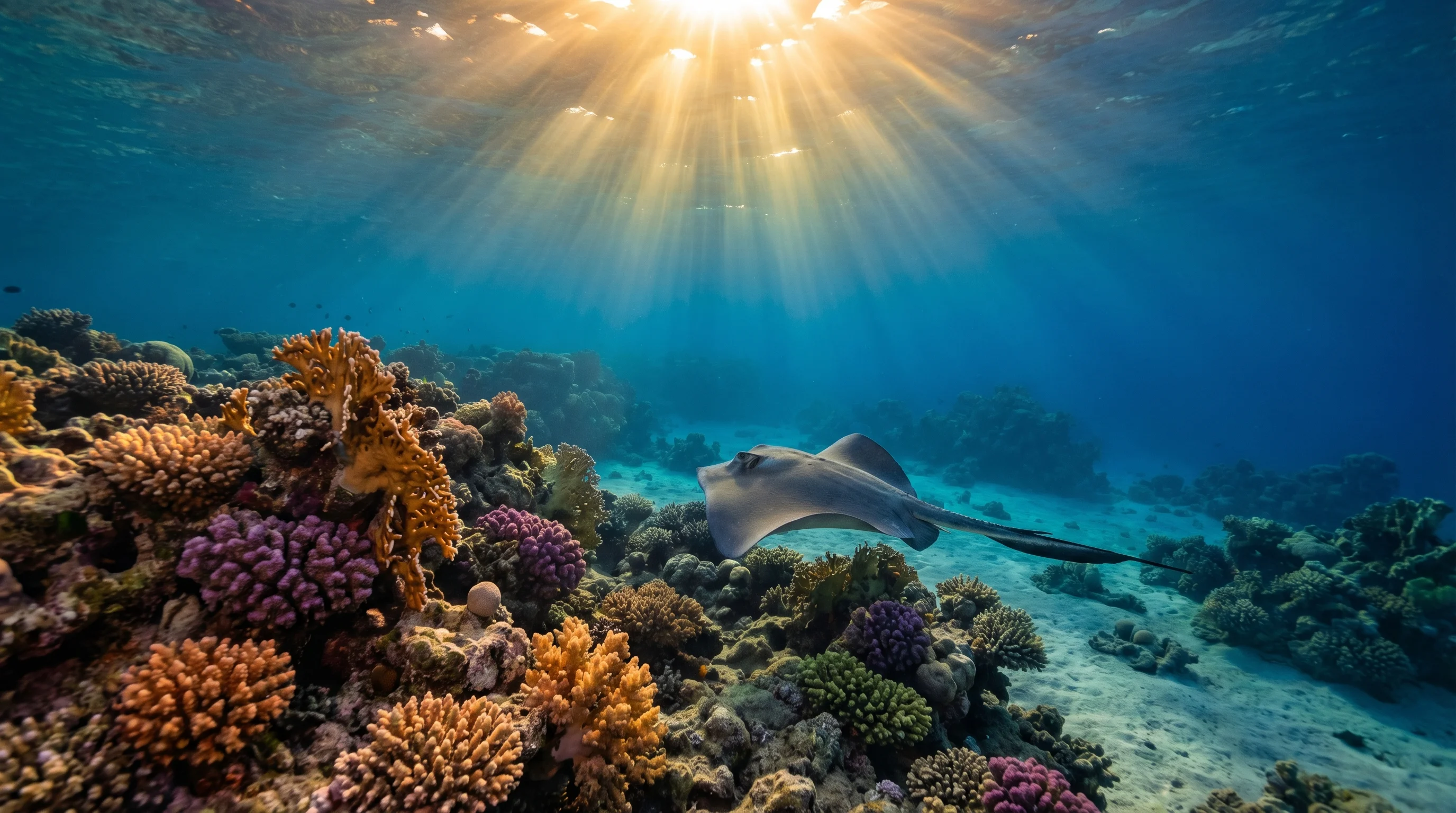
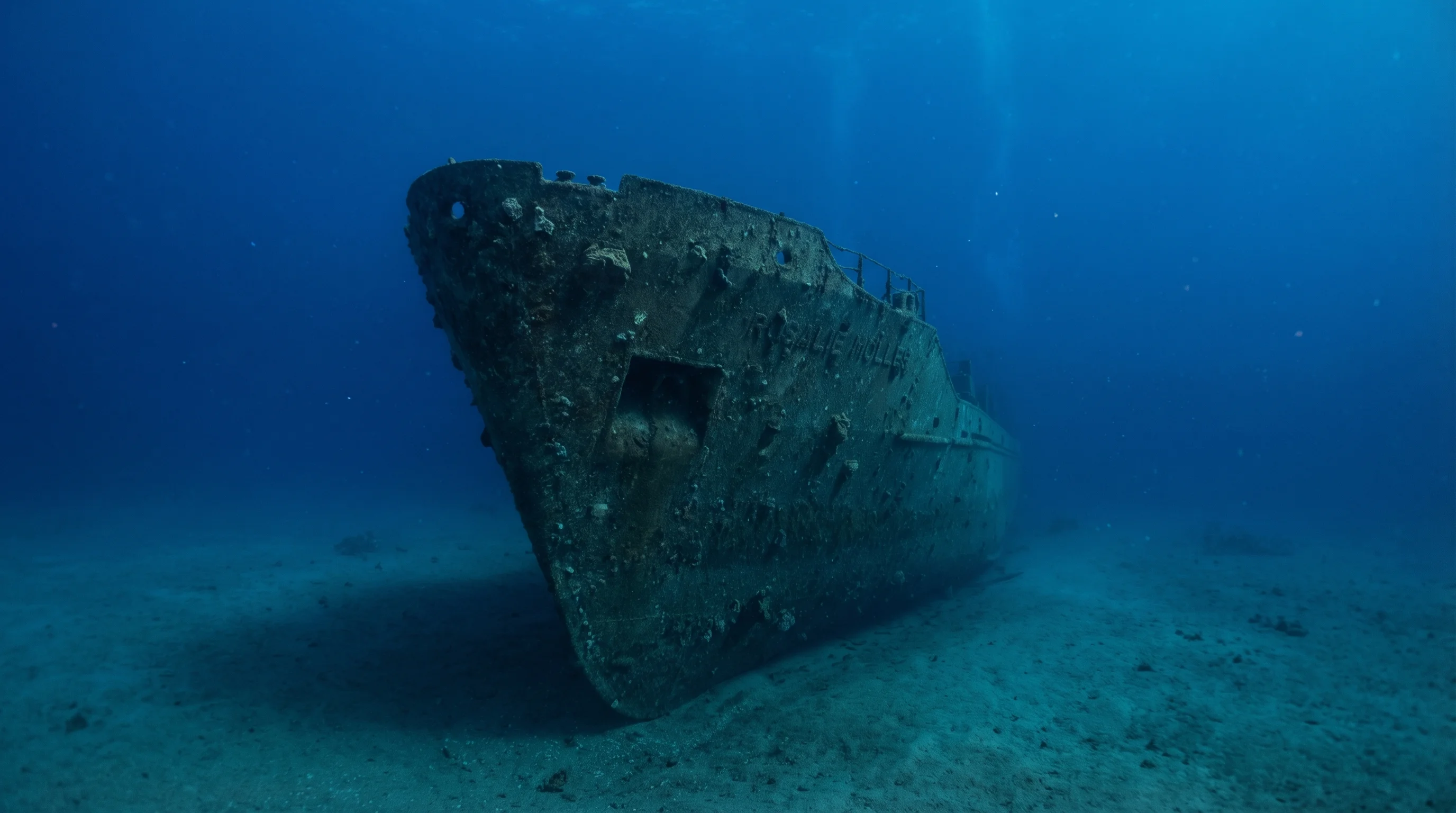
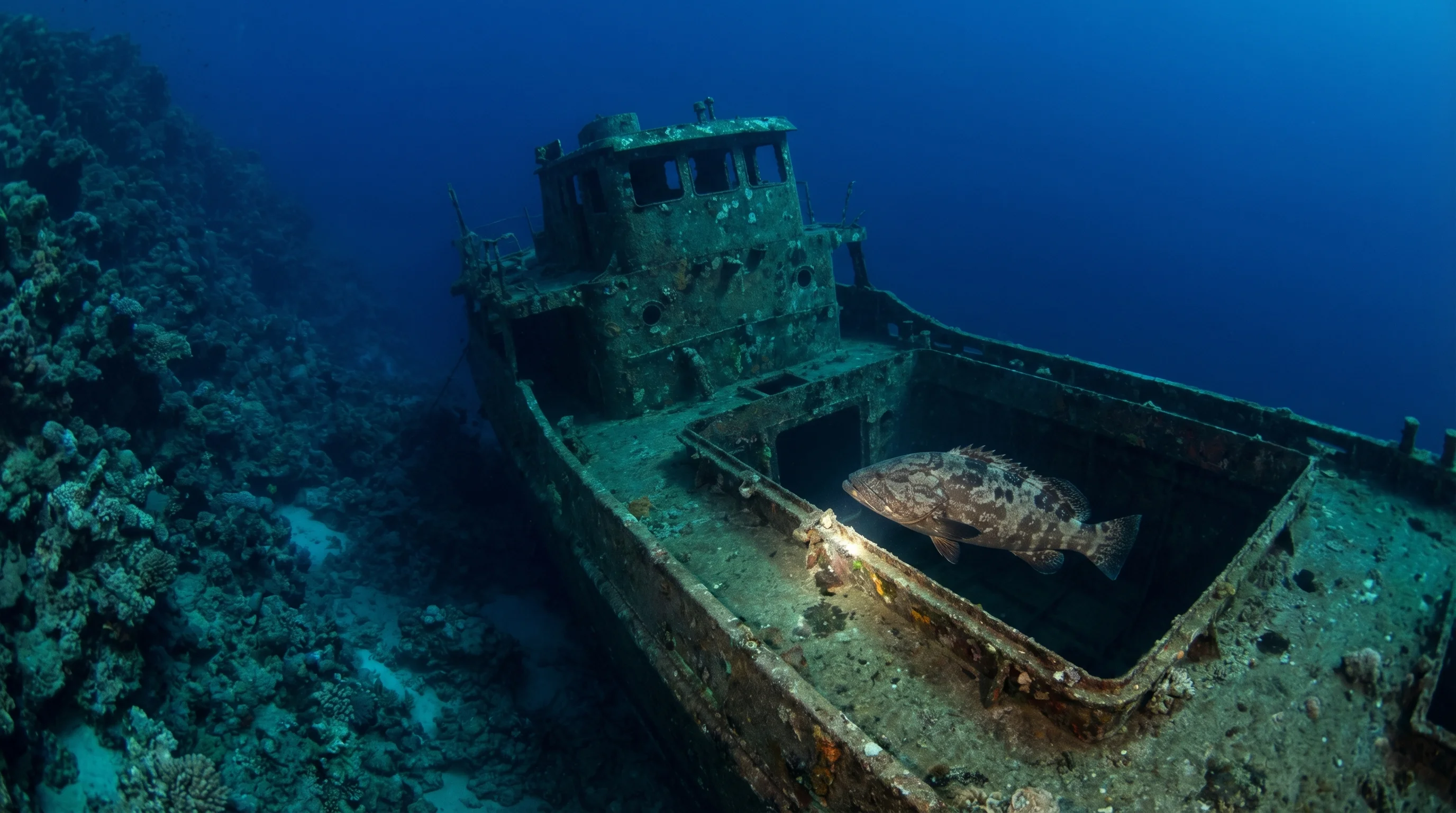
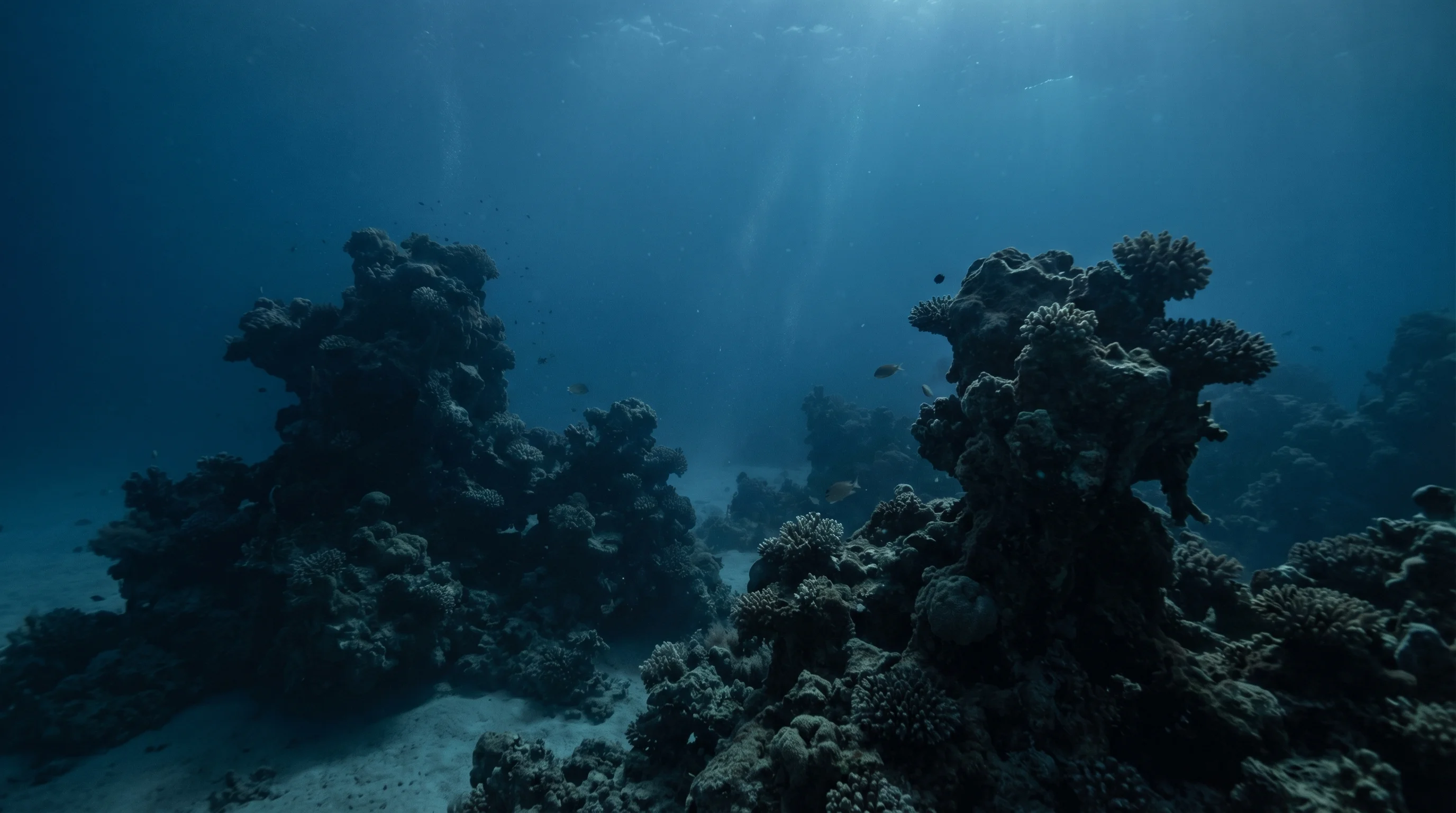
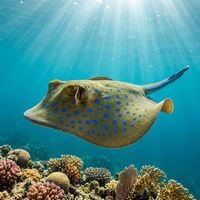
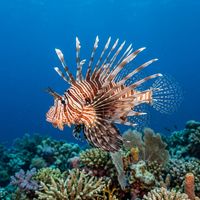
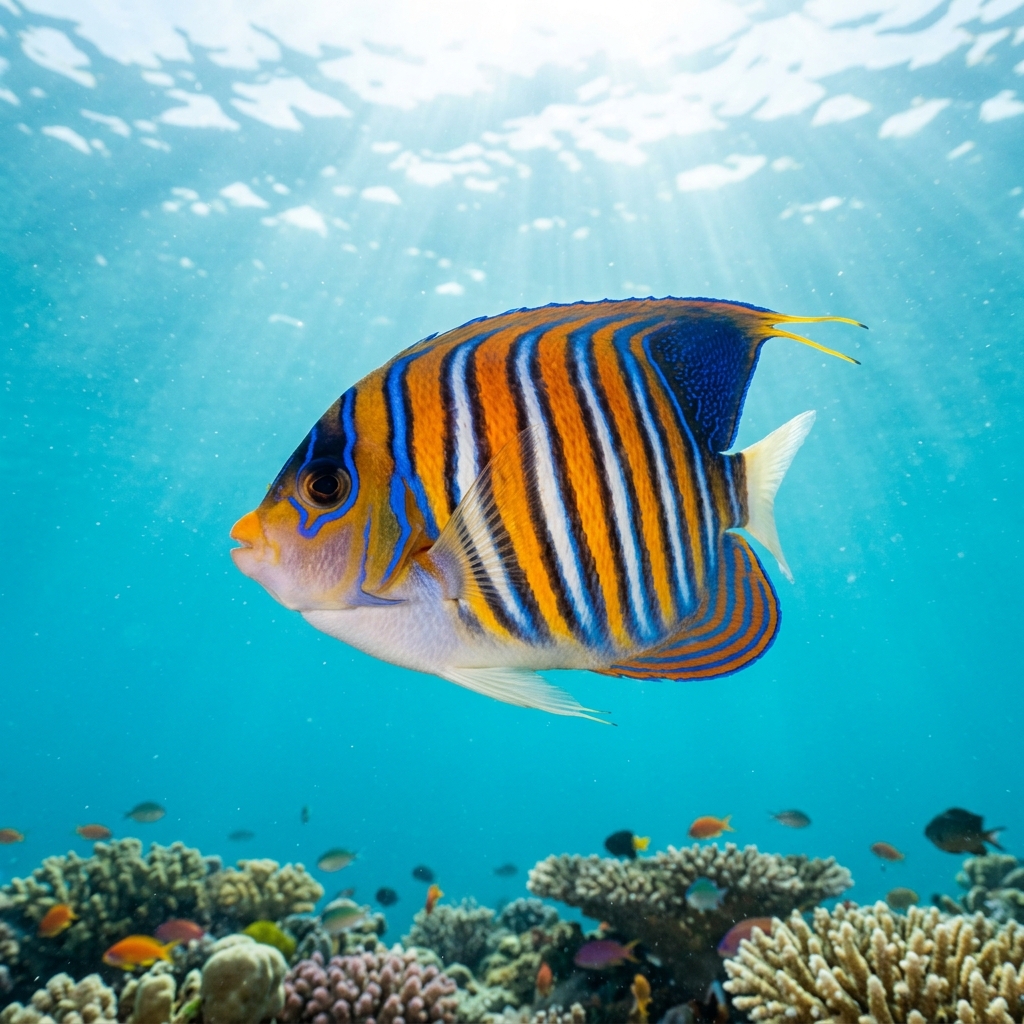
The Red Sea Riviera covers a stretch of Egyptian coastline that delivers one of the most varied dive rosters in the region. Sub-areas run from the pinnacles and open reefs of Safaga and Soma Bay through the more sheltered waters of Hurghada and El Gouna, out to the wreck-dense passage of Gubal and Abu Nuhas. Wrecks like the Rosalie Moller and the Numidia sit alongside vertical walls, cave systems, and shallow beginner reefs. The Bluespotted Fantail Ray, Indian Lionfish, and Regal Angelfish appear across most sites, while strong currents at places like South-West Wall and Gorgonian Forest reward advanced divers with drift diving at depth. Spring and autumn bring peak conditions, but the warm water curve means diving is viable year-round.
5 areas
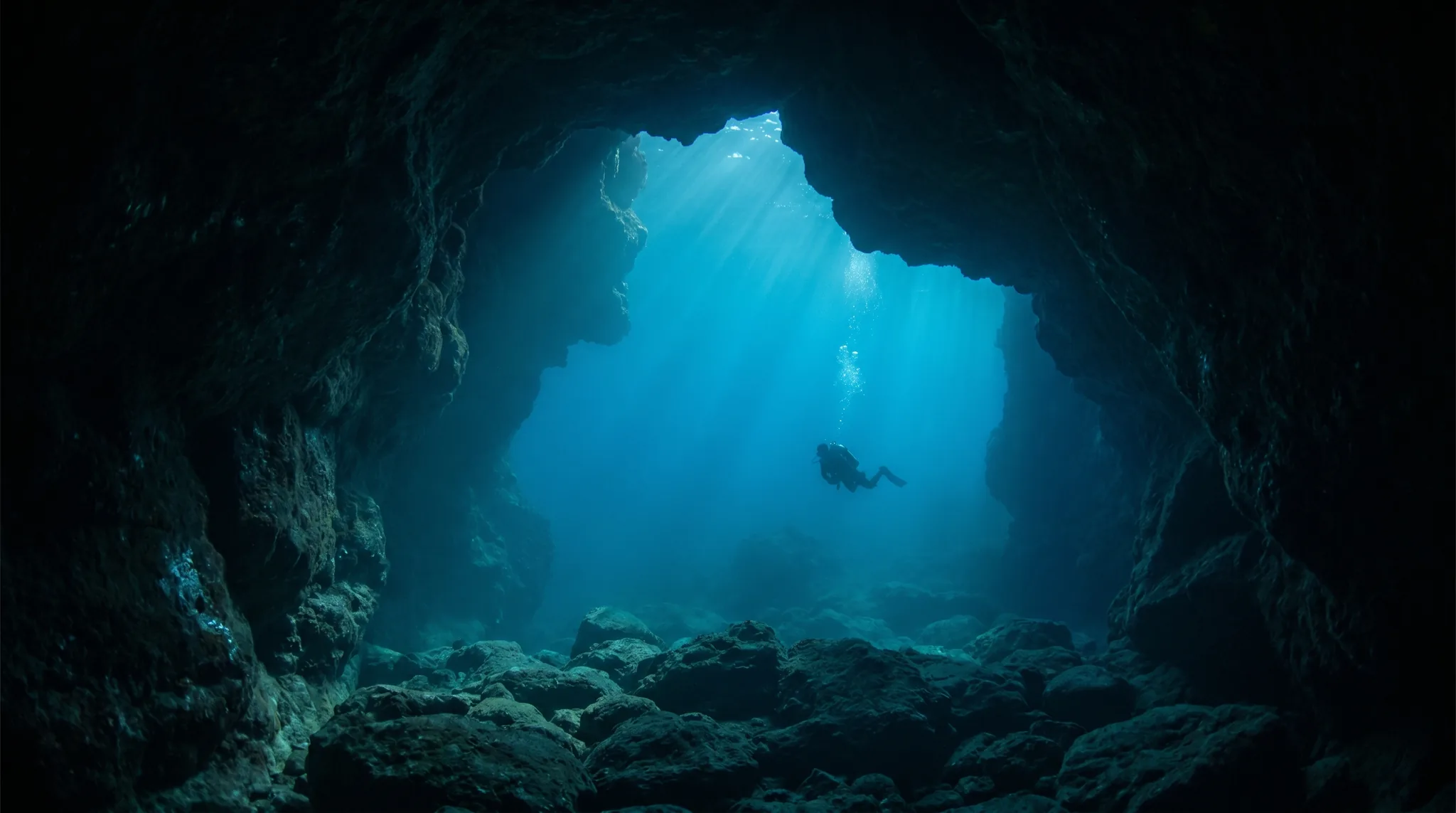 44
44Reef walls, pinnacles and drift sites across Safaga and Hurghada, with consistent sightings of Indian Lionfish, rays and moray eels.
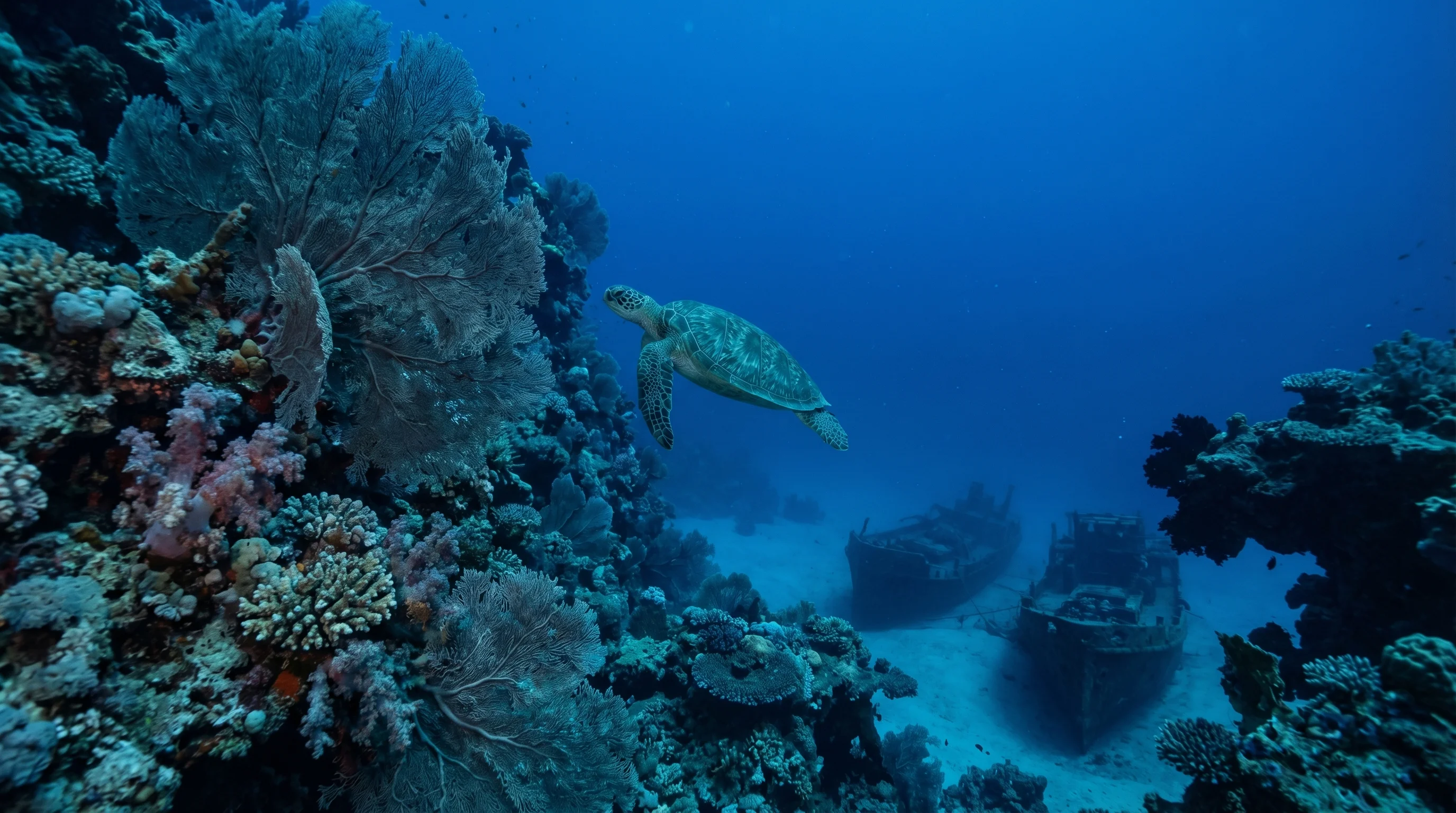 37
37Shore and boat reefs backed by significant wrecks and challenging drift walls, with rich angelfish and ray encounters across the site mix.
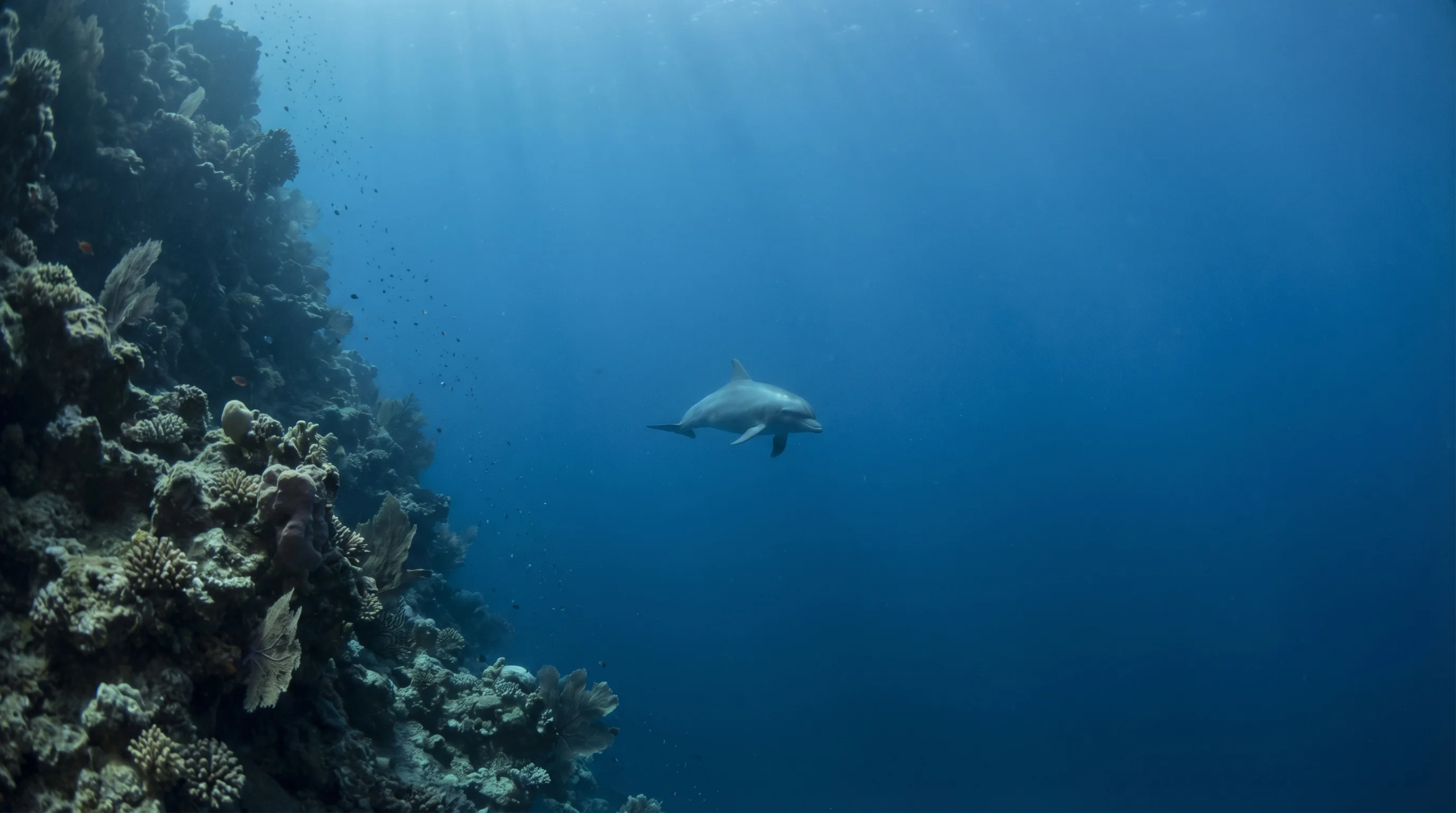 24
24Reef walls, drift dives and rich fish life including Bluespotted Fantail Ray and Regal Angelfish, with sites for every skill level.
 11
11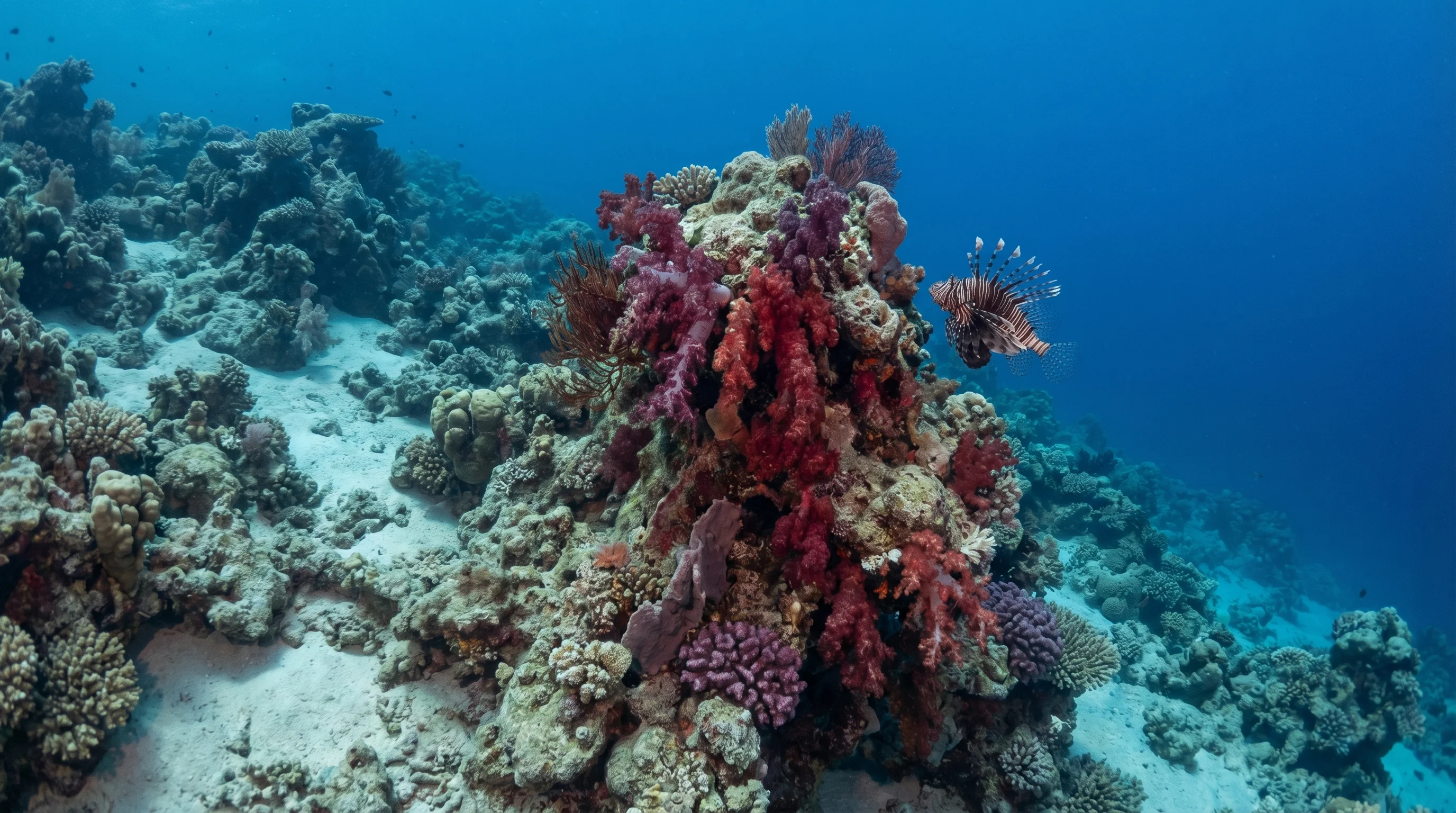
Monthly water temperature across Red Sea Riviera's sites, from satellite sea-surface data corrected for depth. The band shows the site-to-site spread.
Water stays warm across every month, with the coolest temperatures arriving in spring before climbing to their summer peak from July through October. The best-months data points firmly to April and October as the standout periods, with March, May, and November also rating highly. Currents vary considerably by sub-area: Safaga's offshore walls and drift sites demand experience, while the shallower reefs of Hurghada and El Gouna offer calmer conditions throughout the year.
70 operators
A concentration of accessible historic shipwrecks colonised by diverse reef life, all reached by boat.
Water temperature around Red Sea Riviera ranges from about 22°C in April to 29°C in August, based on satellite sea-temperature data for its dive sites.
In the warm season (about 29°C) a rash guard or 3mm shorty is comfortable in Red Sea Riviera; in the coldest months (about 22°C) step up to a 3mm full suit.
Fin maps 122 sites in Red Sea Riviera (121 scuba diving sites and 24 snorkelling spots, with some suited to both), organised into 5 areas.
Across Red Sea Riviera's dive sites, April, May, September, October and November are most often reported as the best months to visit.
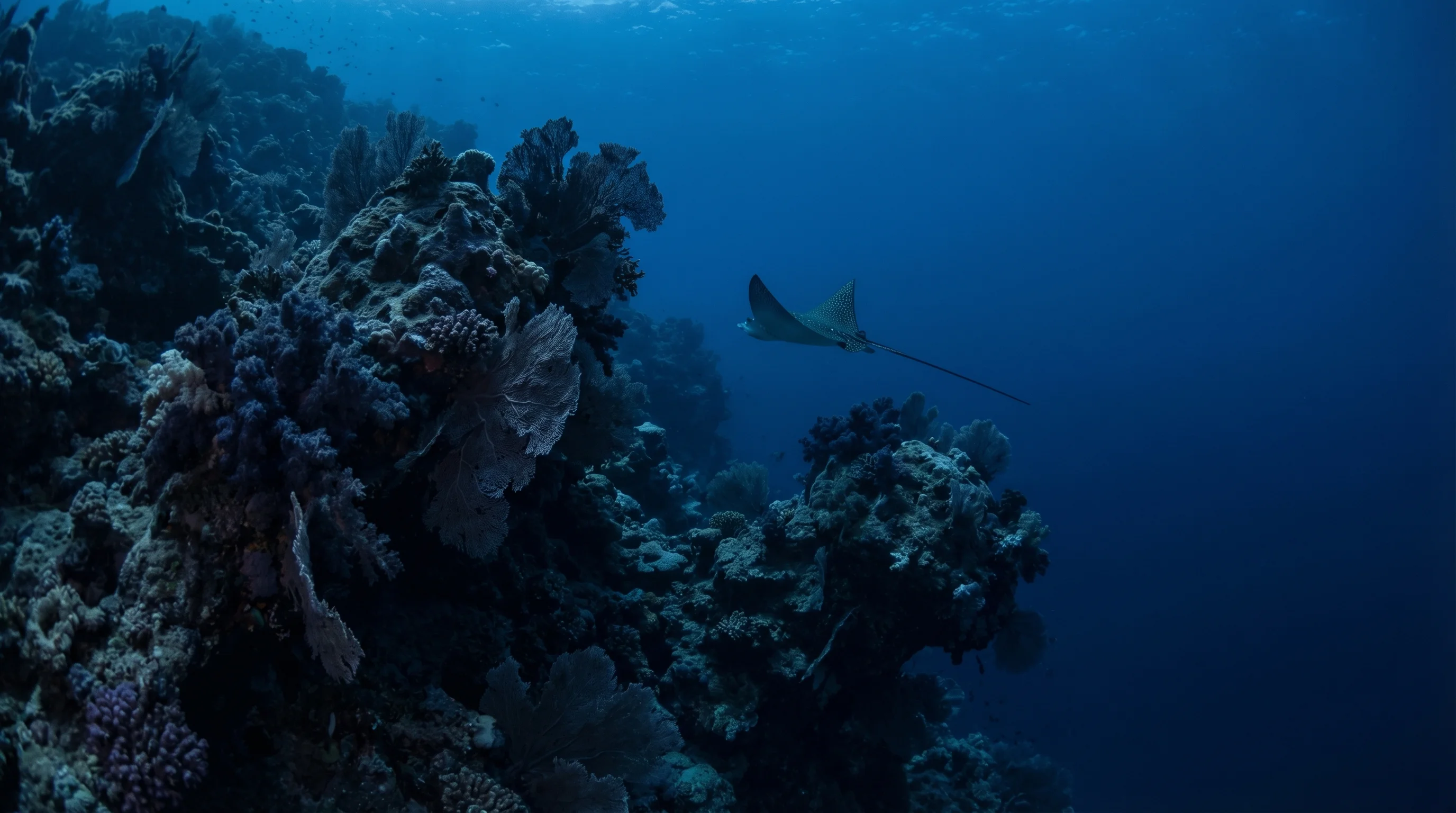
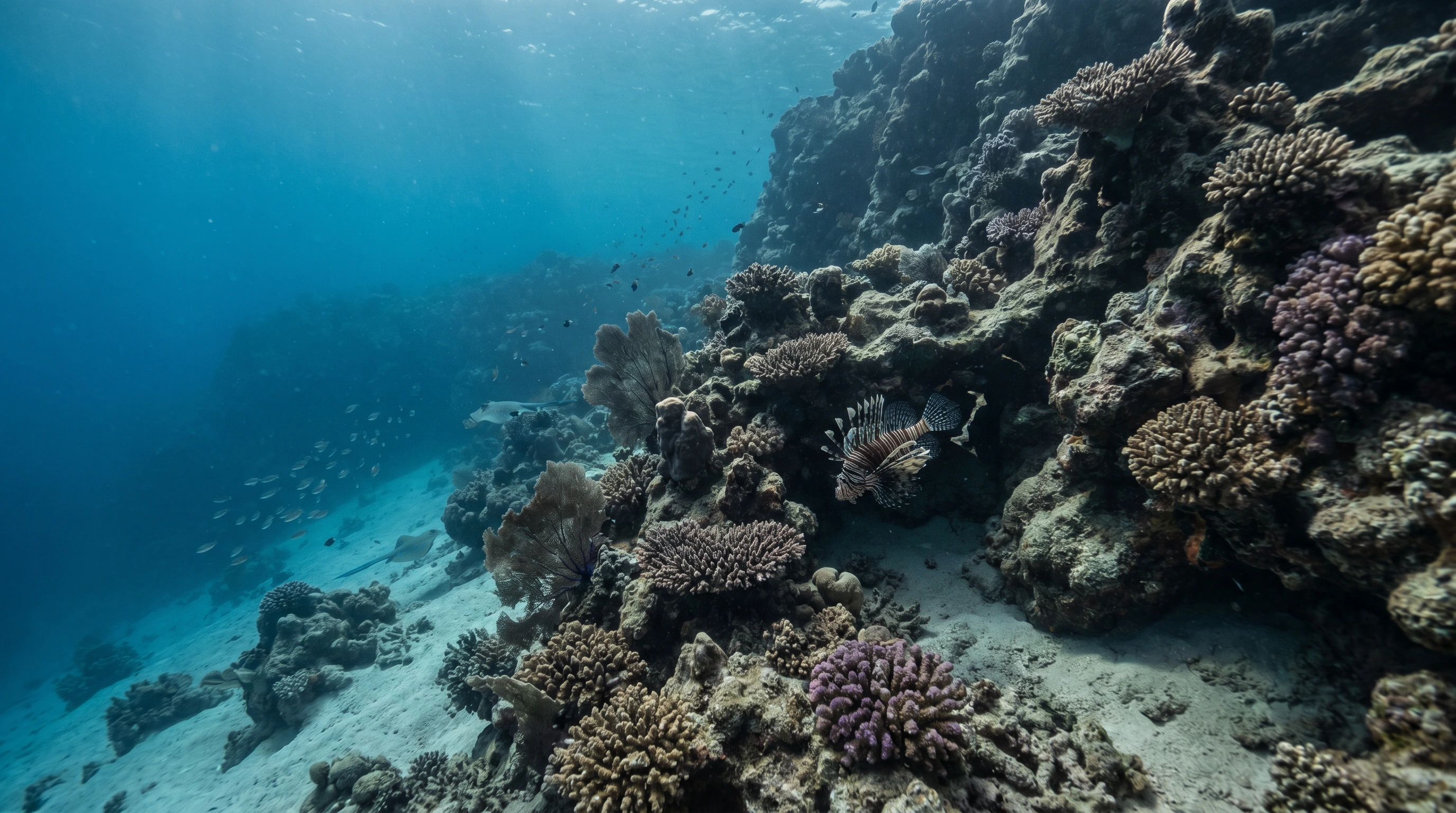
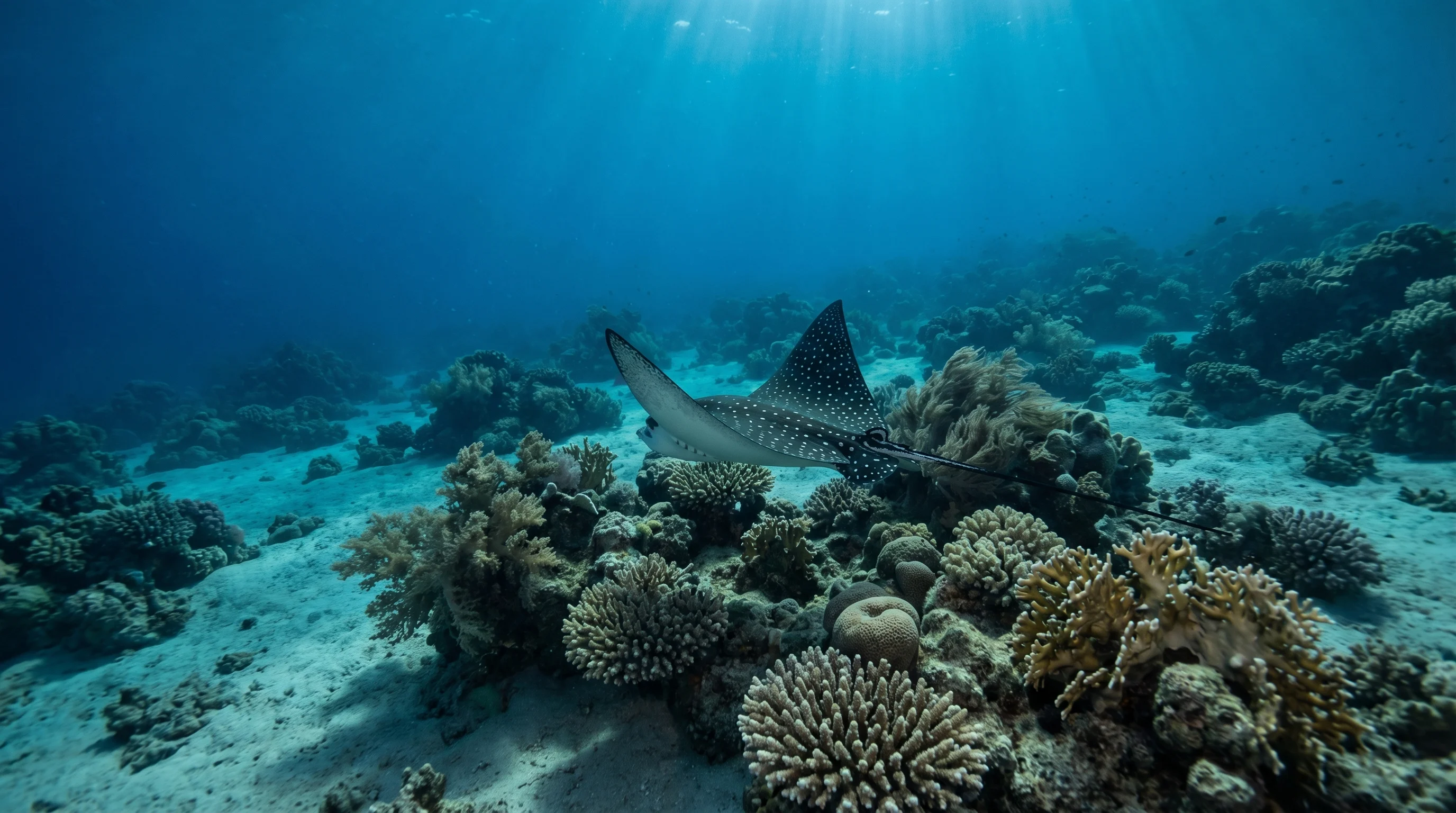
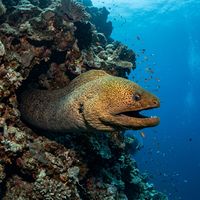
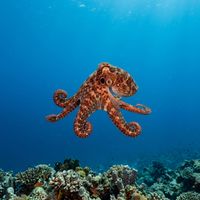
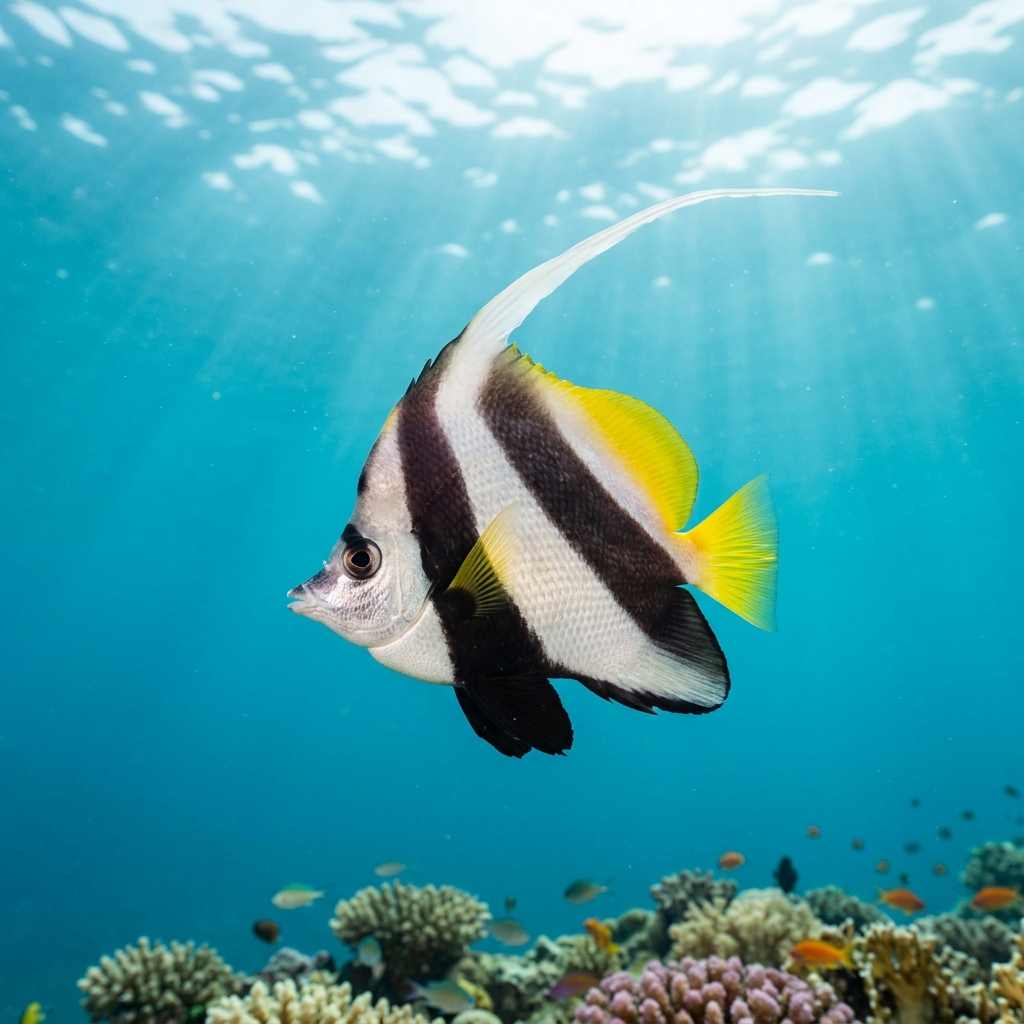
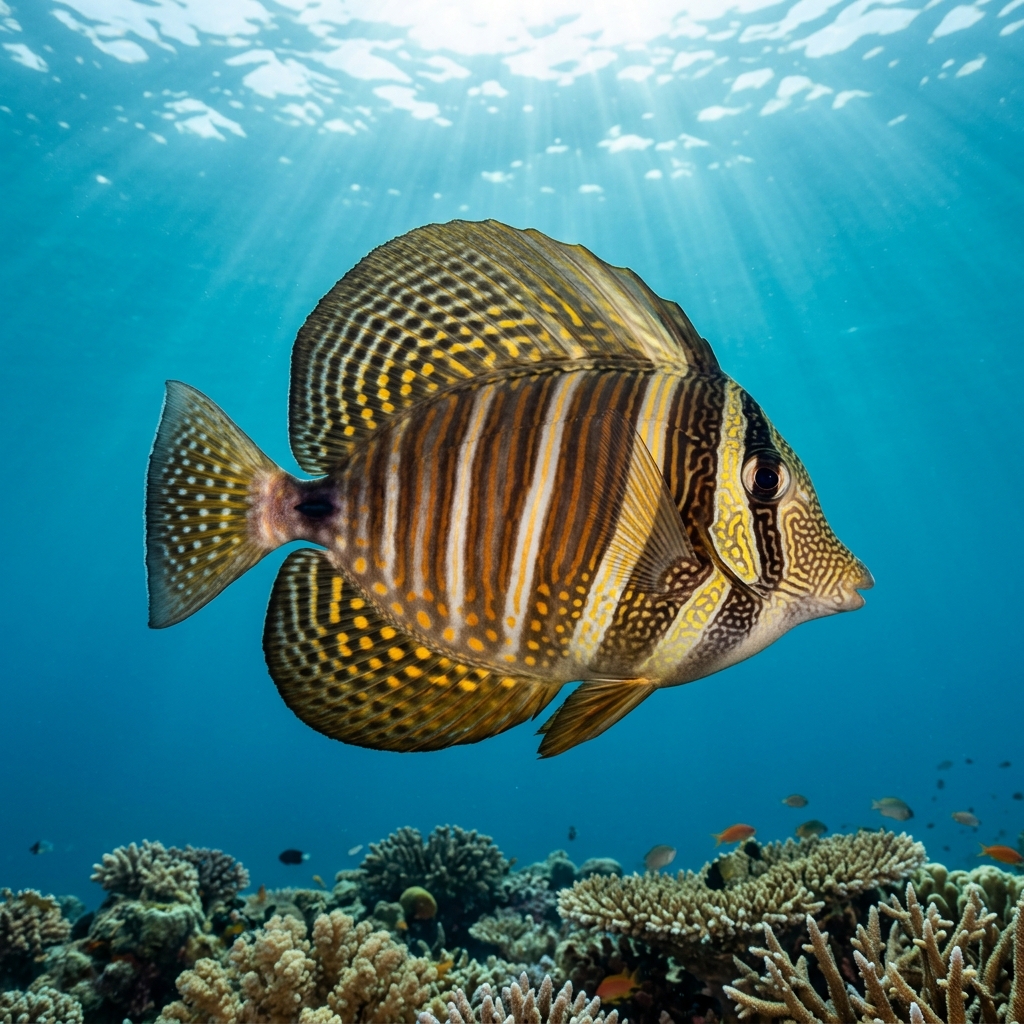
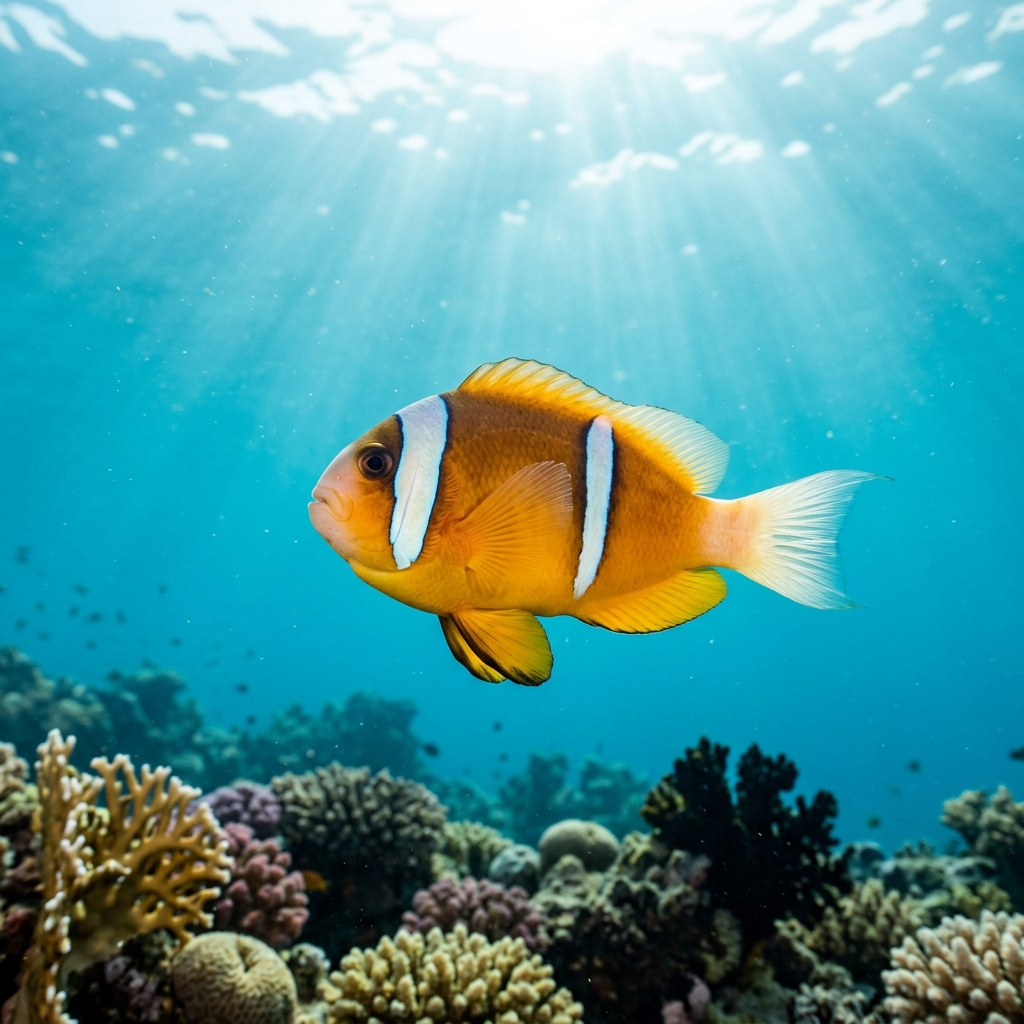
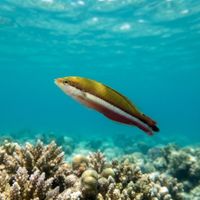
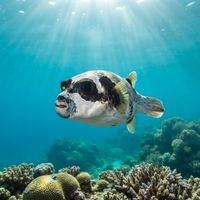
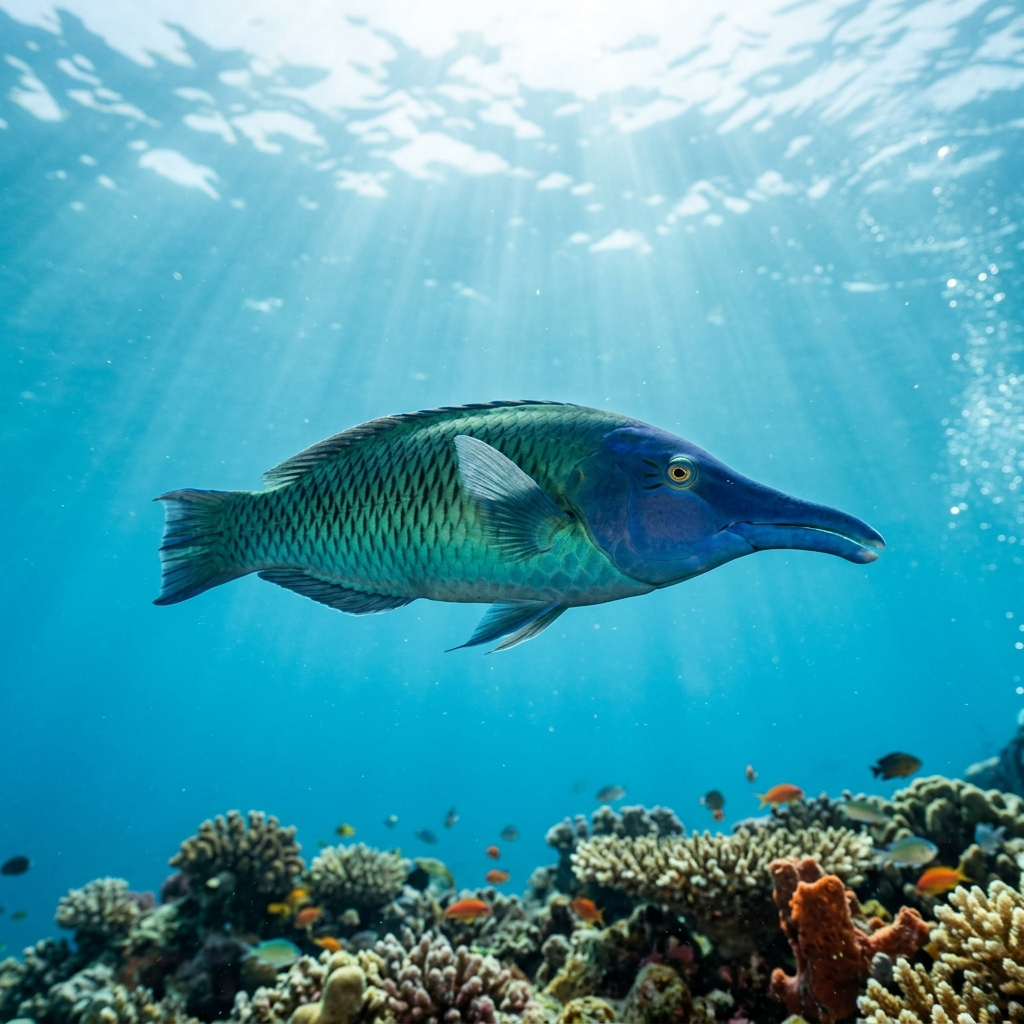
The reefs here host a rich and well-documented mix of species. The Bluespotted Fantail Ray and Indian Lionfish appear at the vast majority of sites, and the Regal Angelfish is equally widespread. Look also for Giant Moray in reef crevices, Day Octopus on sandy patches, Crocodilefish resting motionless on the bottom, and the occasionally sighted Emperor Angelfish on deeper reef sections.
Yes, a solid portion of the sites are rated for beginners. Maheleg in Safaga offers both shore and boat entry with gentle conditions, El Makhroga is a calm shore dive with a broad shallow reef, and Gotha Abu Galawa provides a very shallow, accessible environment for new divers. Intermediate and advanced sites such as South-West Wall and the Numidia Wreck are available once skills progress.
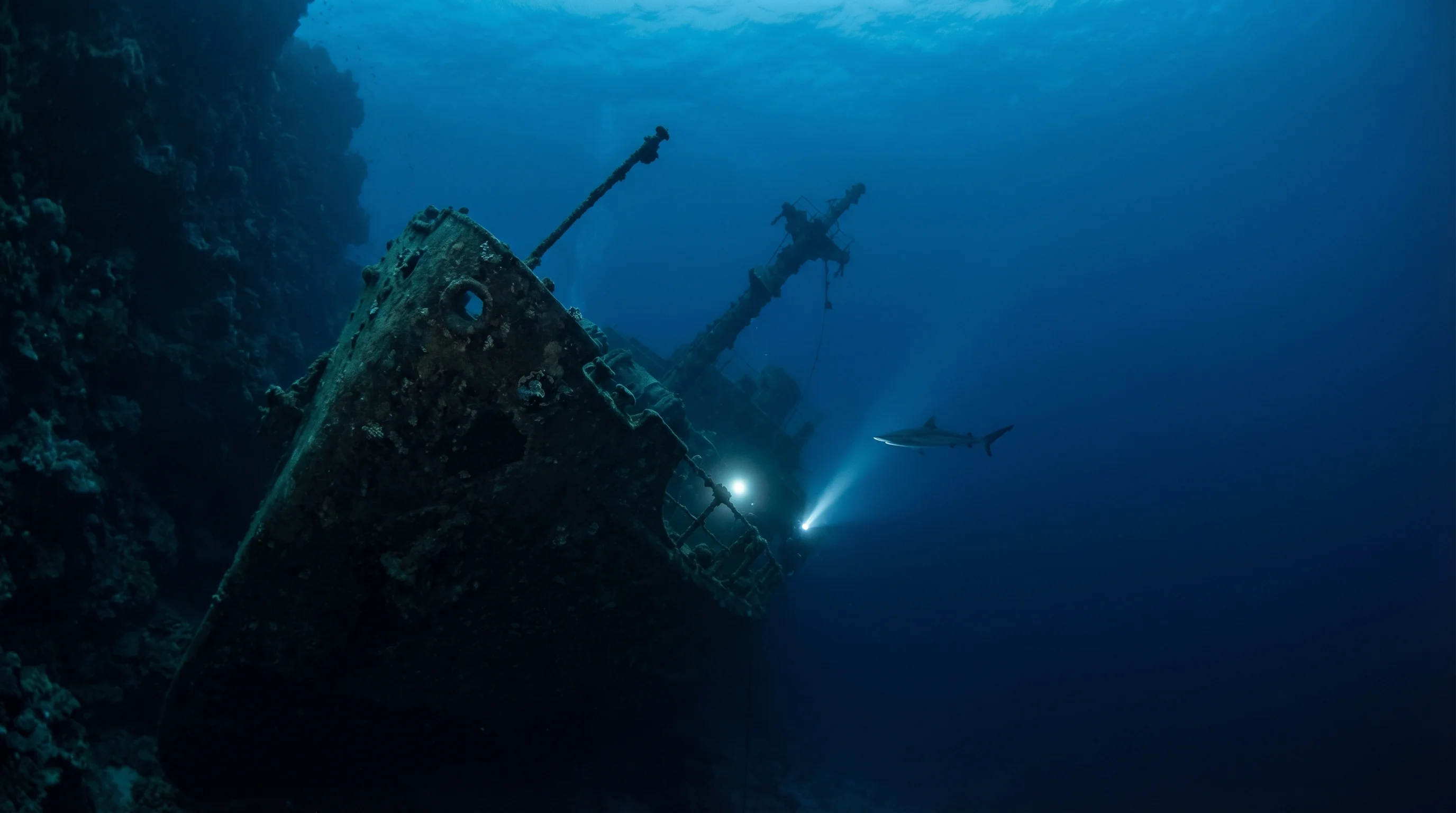
Soma Bay and Safaga together account for the majority of sites and lean towards open-water reefs, walls, and drift dives, some of which carry strong currents and suit experienced divers. Hurghada offers a mix of pinnacle and reef sites at moderate depths, with a few boat rides to offshore spots. Gubal and Abu Nuhas is the dedicated wreck zone, home to the Carnatic, Rosalie Moller, and Numidia. El Gouna has fewer sites but provides a quieter base.
Some sites are shore-accessible, including Abu Saaf ED and Abu Hamra in Safaga, and El Makhroga which suits beginners. However, the majority of sites across the region require a boat, particularly the offshore pinnacles, walls, and all the wreck sites. Operators such as Freedom Divers, Extra Divers, and FL-TEAM Safaga run regular boat trips across the sub-areas.