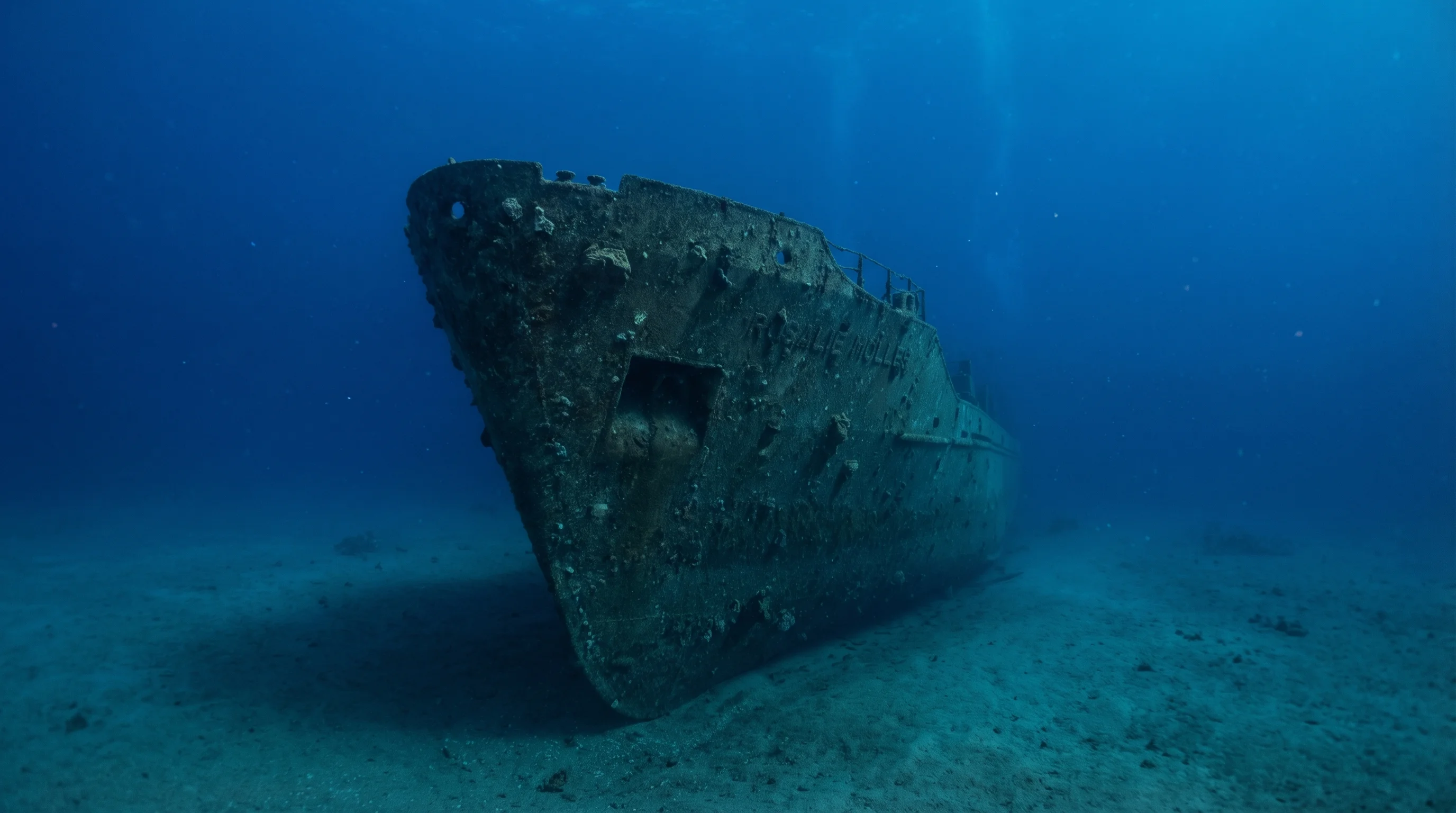
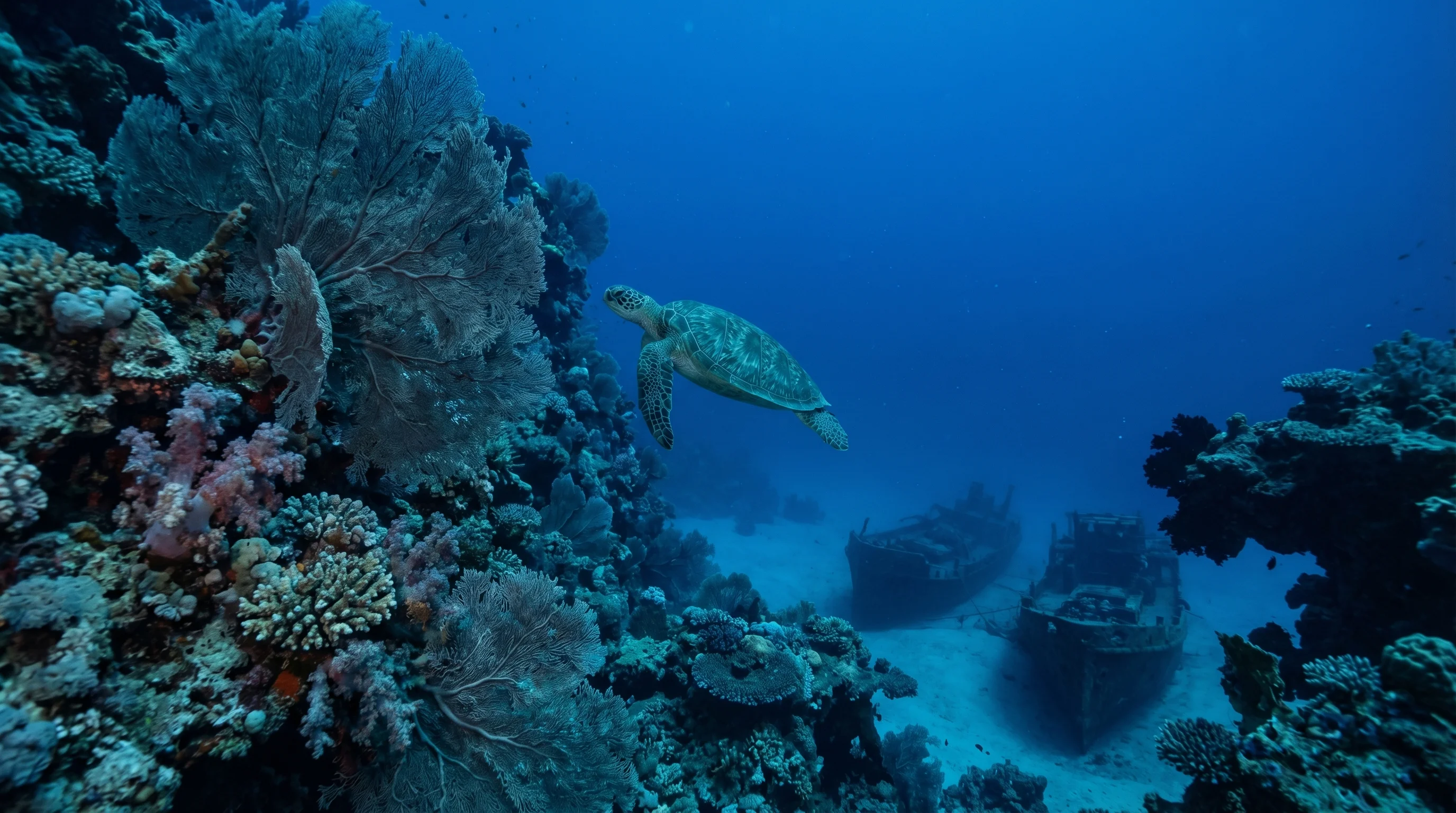
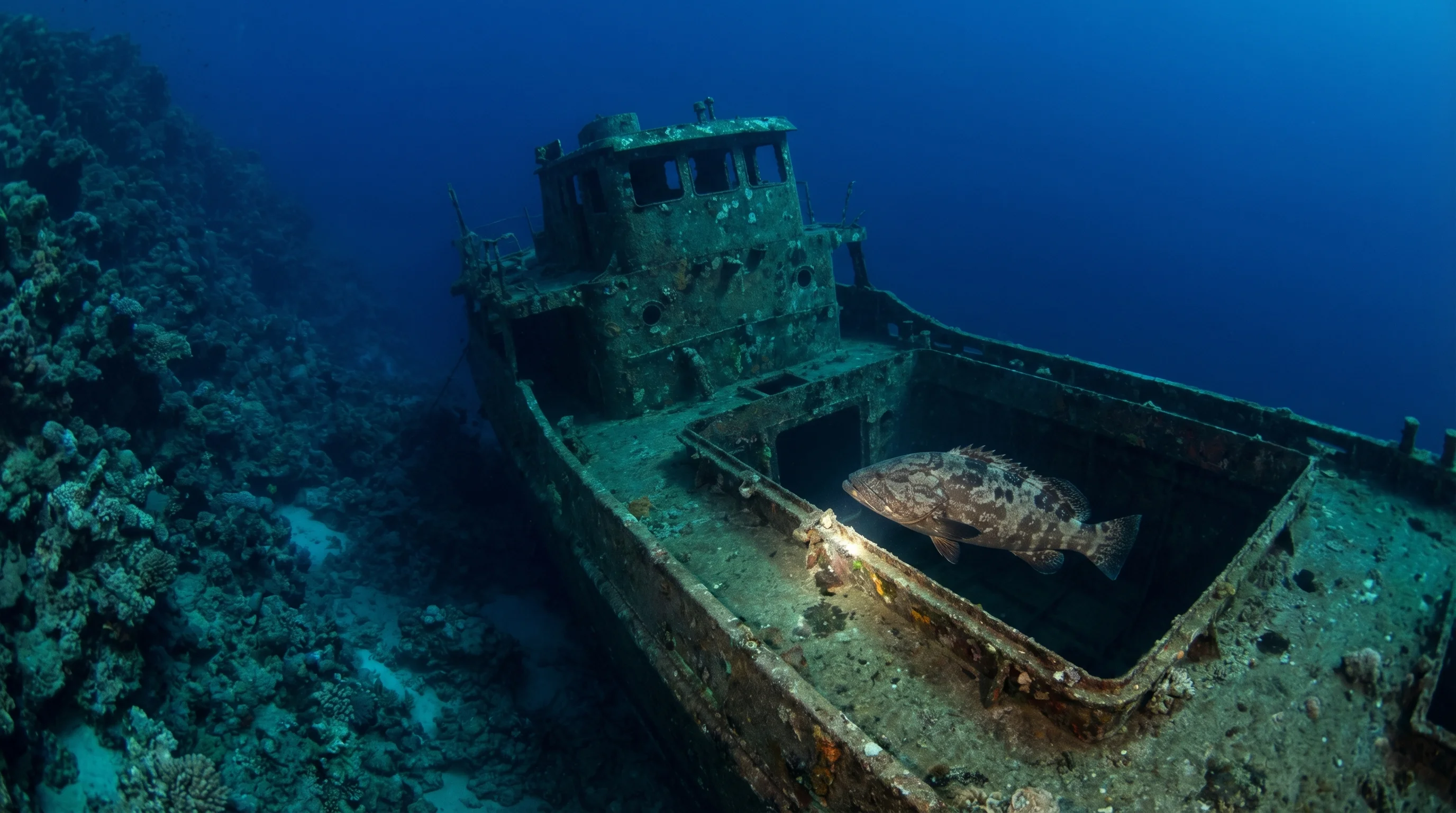
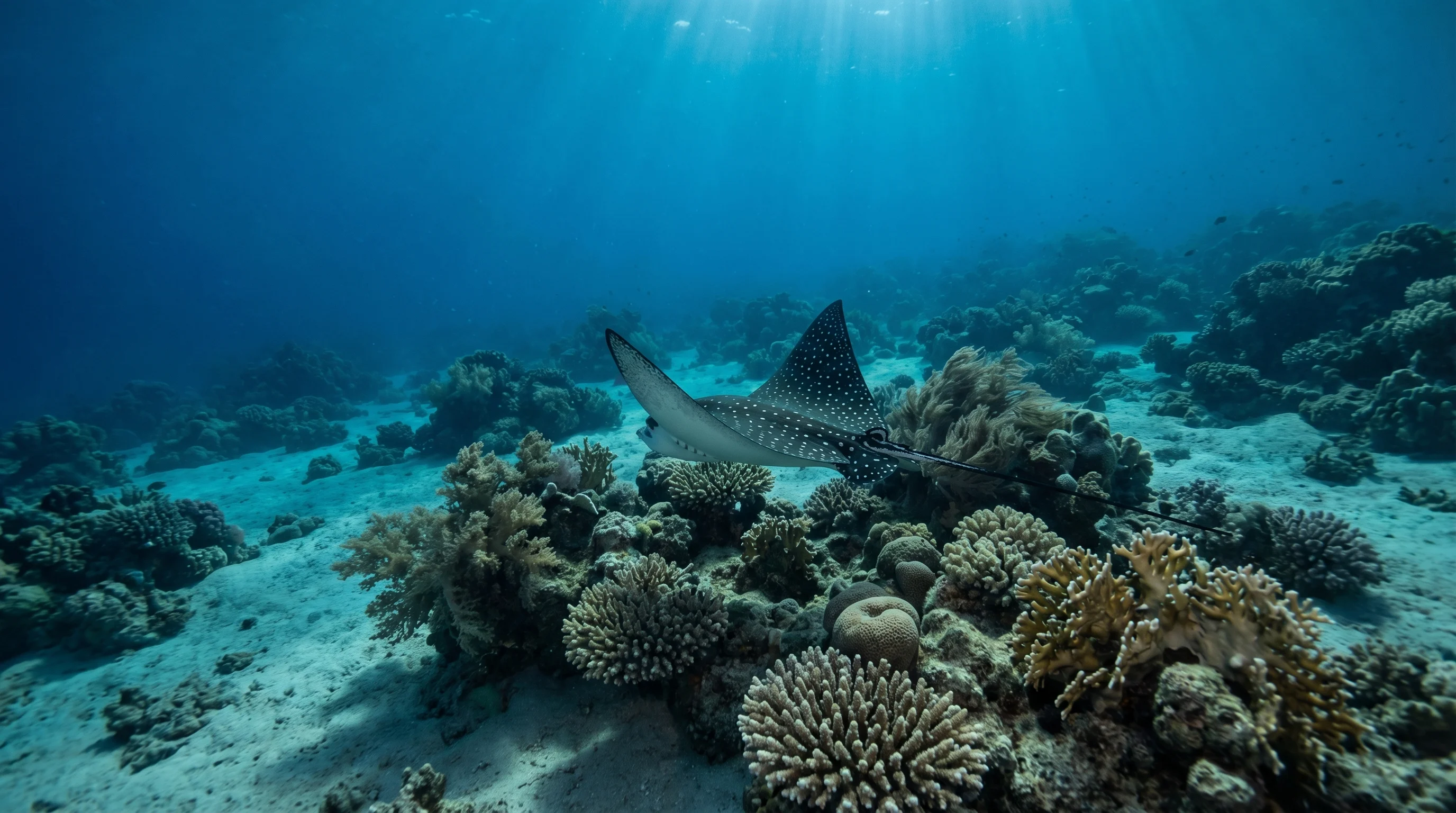
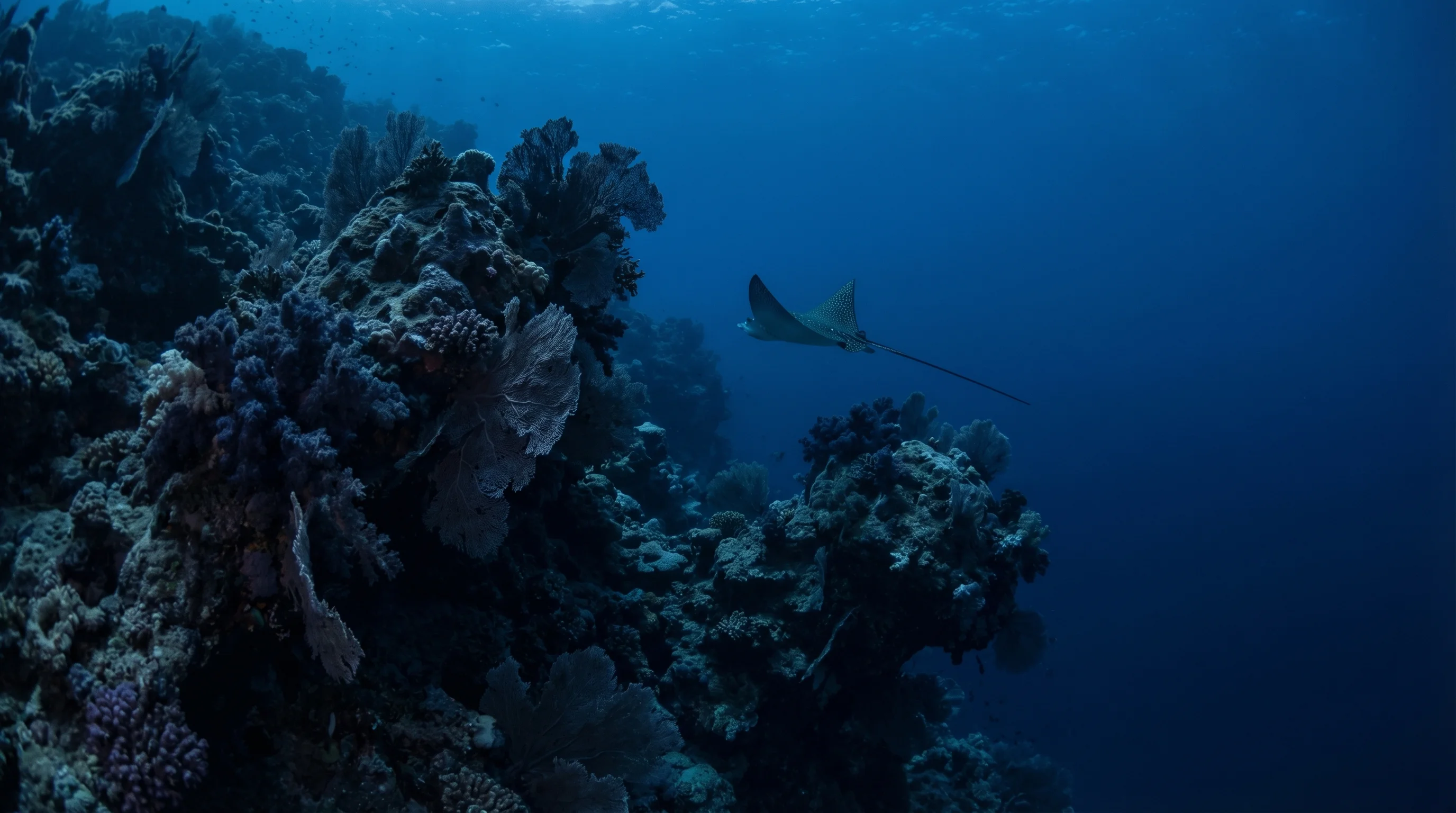
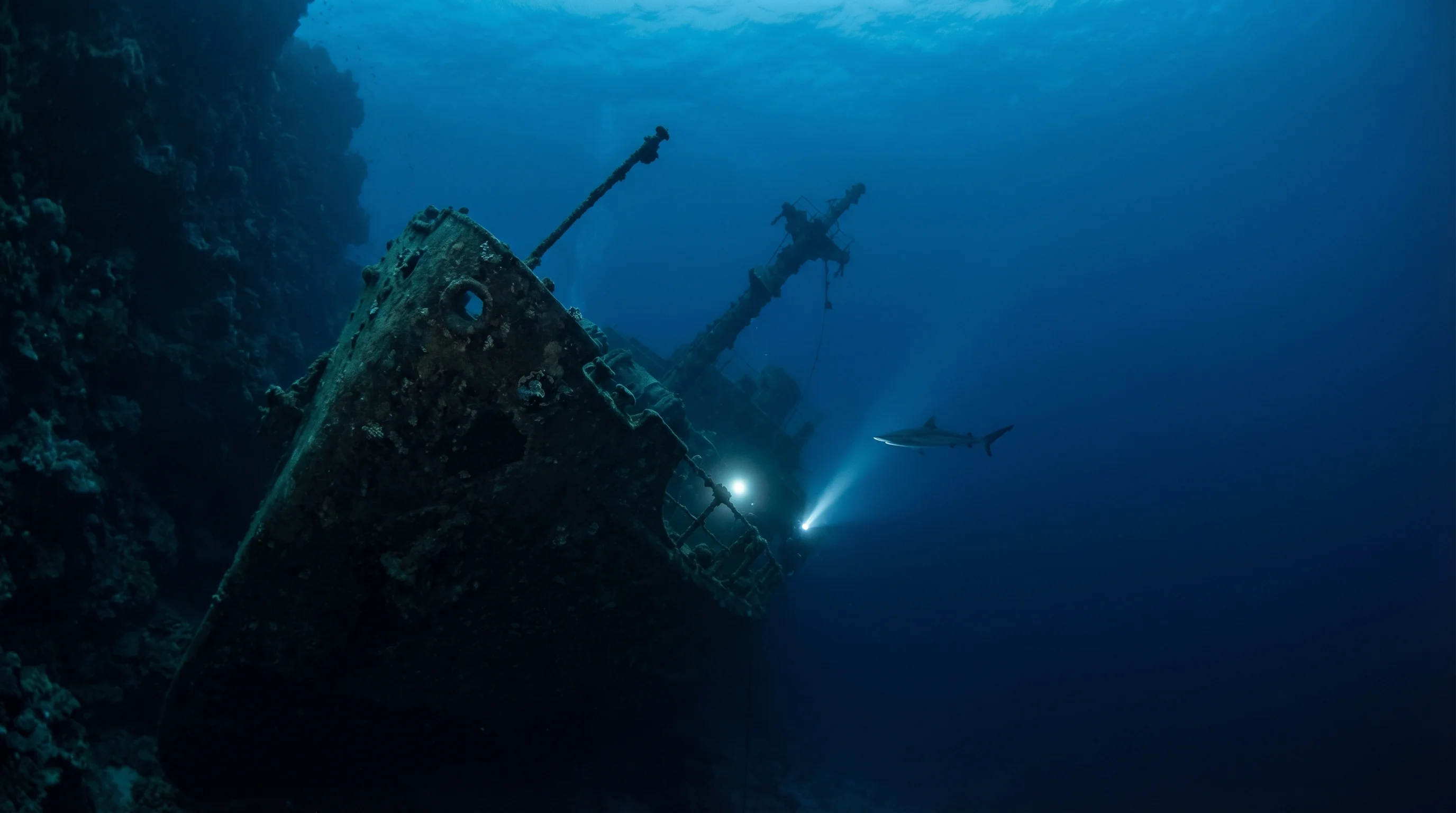
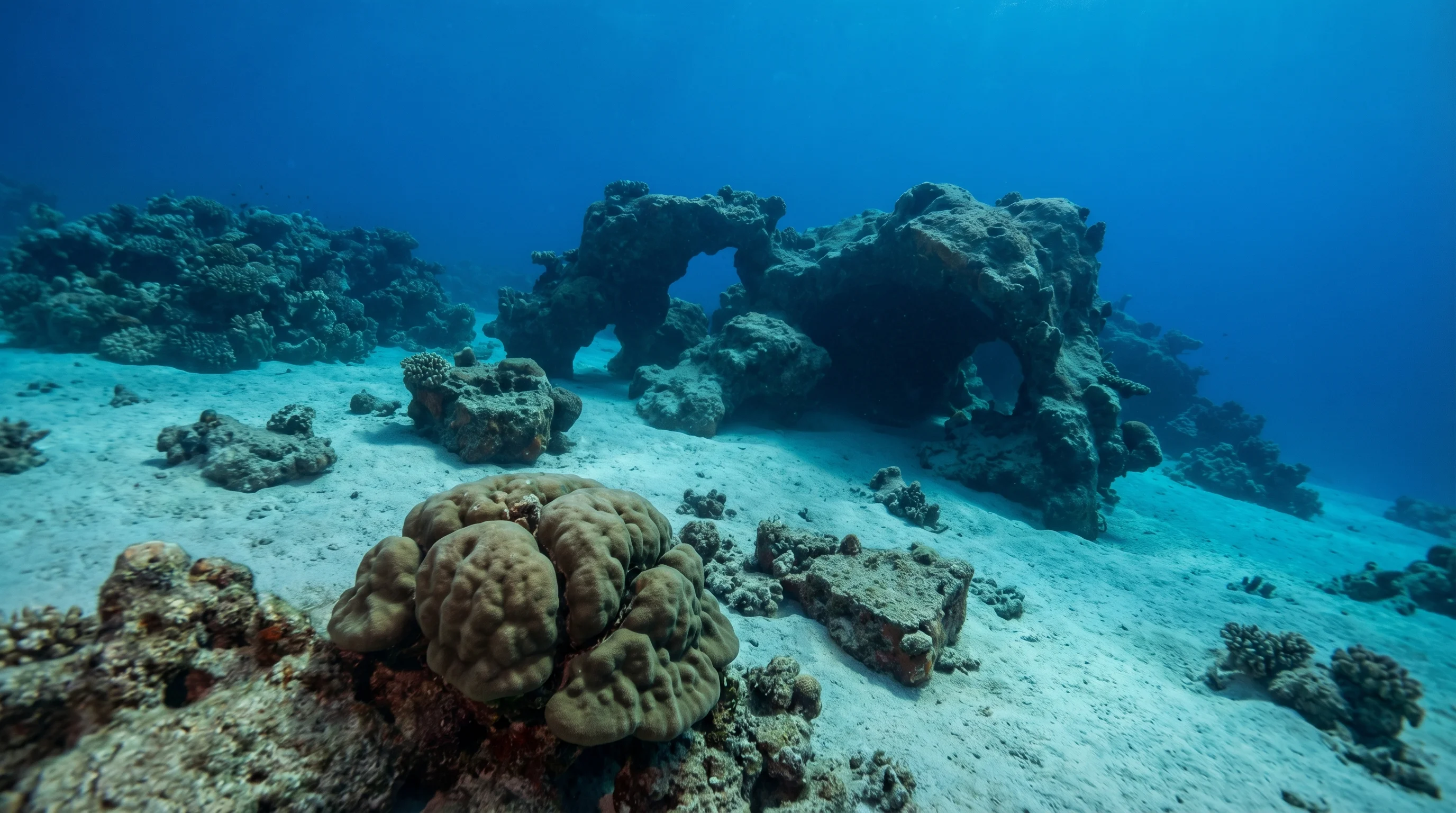
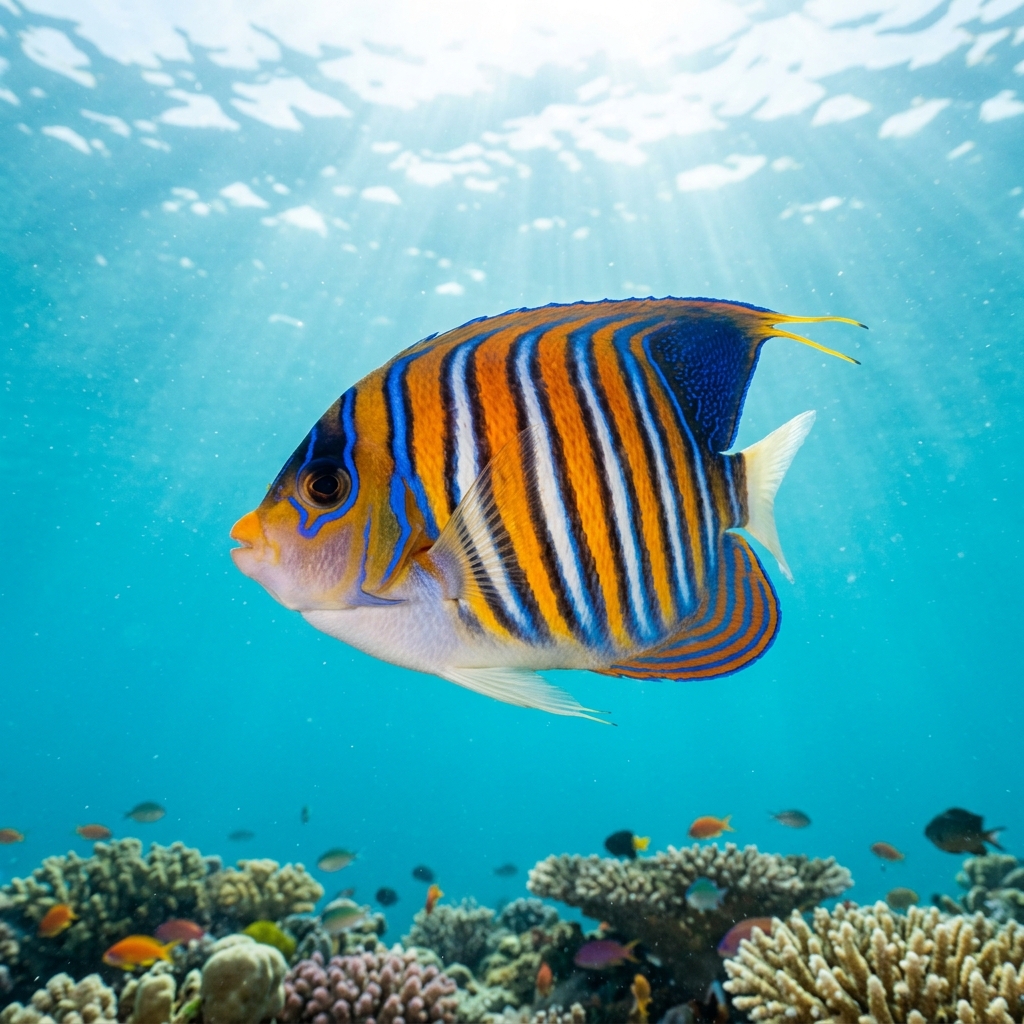
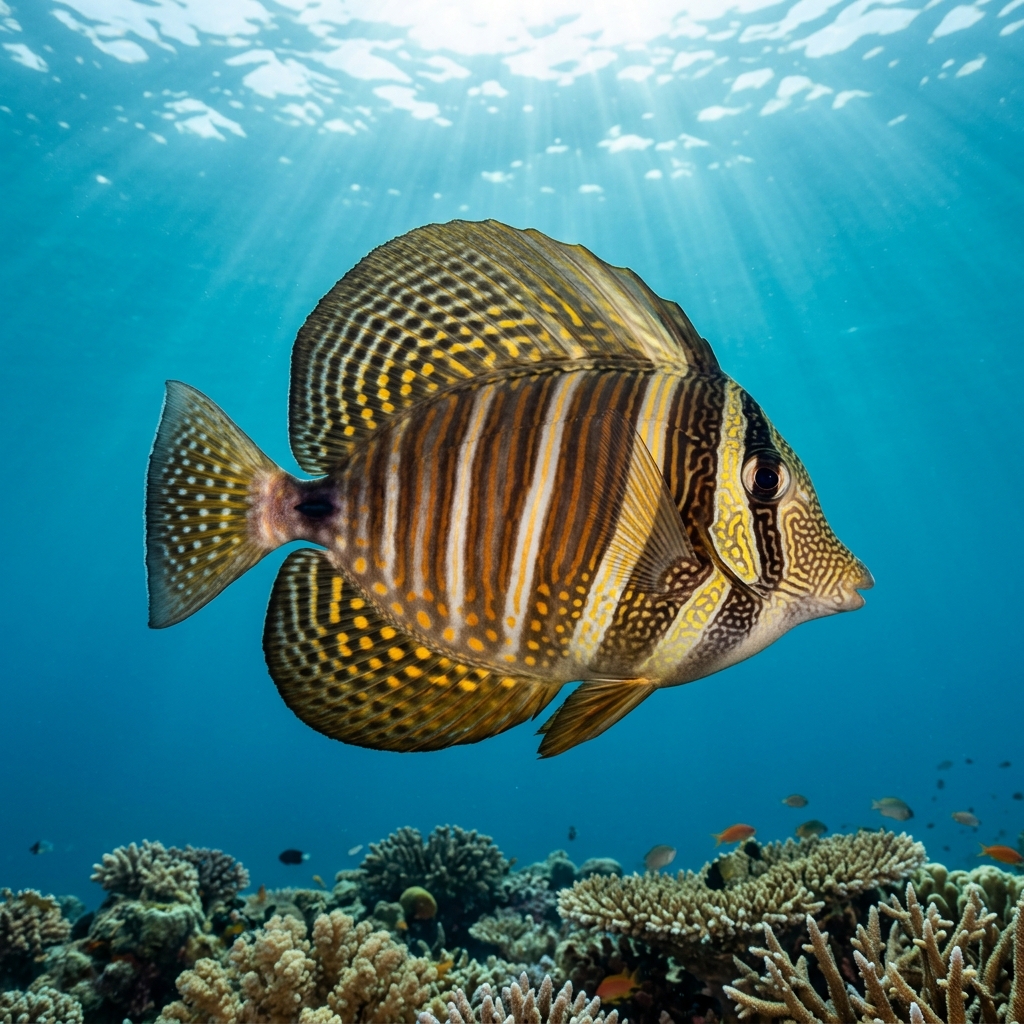
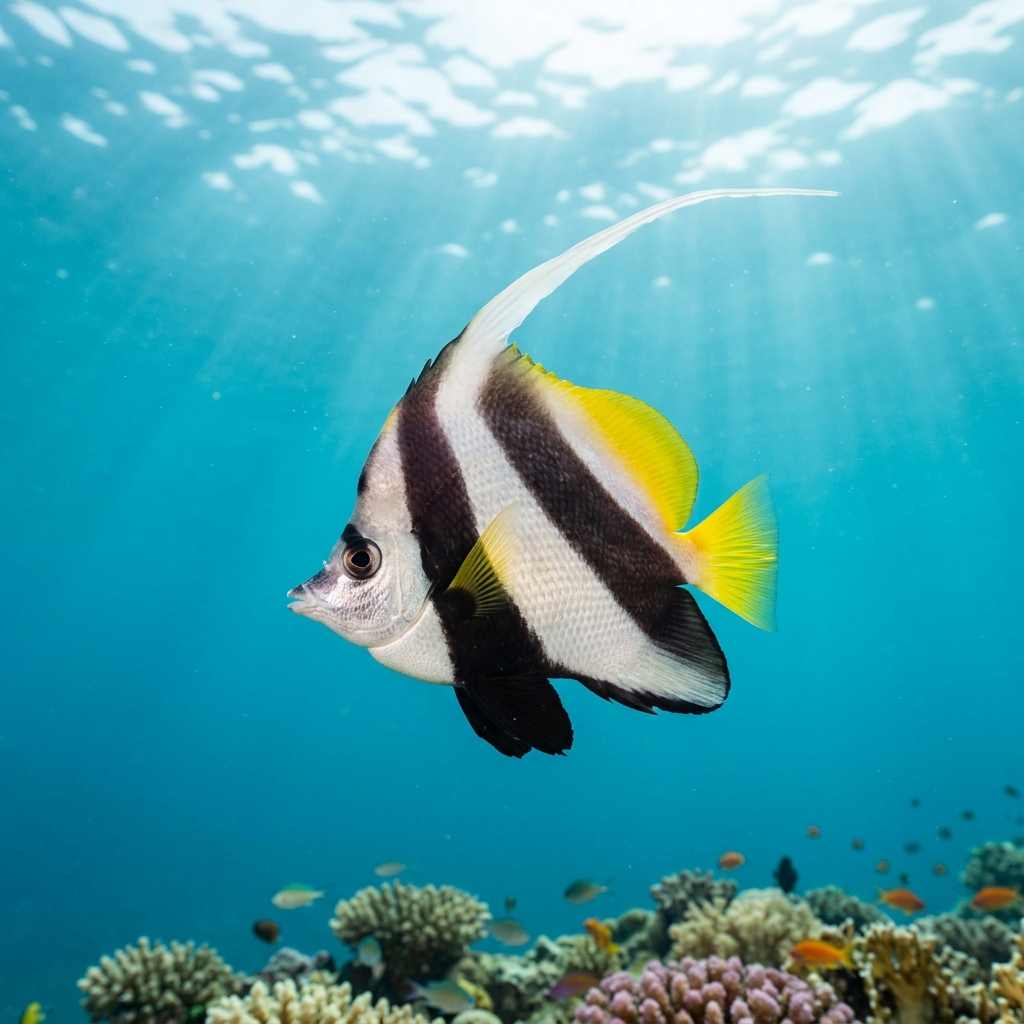
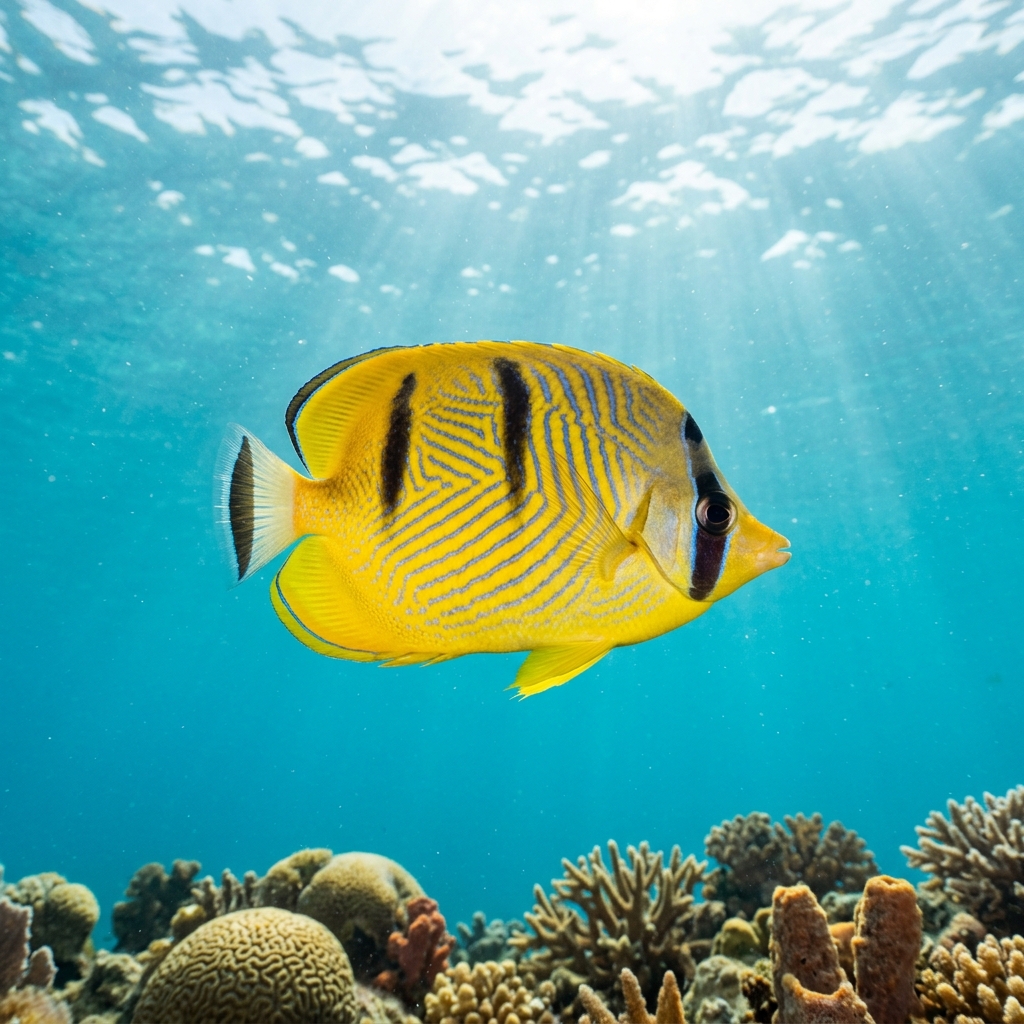
Safaga divides sharply between sheltered beginner reefs and demanding open-water sites. Shore entries at places like El Makhroga and Selim give new divers immediate access to coral, while boat trips reach wall dives, drift dives and wrecks including the Numidia Wreck and the Aida Wreck. The Regal Angelfish, Desjardin's Sailfin Tang and Red Sea Bannerfish are observed across almost all sites, and the Bluespotted Fantail Ray, Giant Moray and Day Octopus appear regularly. Strong currents at advanced sites such as South-West Wall and Gorgonian Forest reward experienced divers with dramatic drop-offs.
Monthly water temperature across Safaga's sites, from satellite sea-surface data corrected for depth. The band shows the site-to-site spread.
Water temperature climbs steadily from a cooler trough in spring through to a warm peak across the summer and early autumn months, making the middle of the year the most comfortable for extended dives. The histogram shows the broadest diver activity from late spring through autumn, with a secondary cluster in October and November when conditions remain warm and surface chop typically eases. Winter months are cooler and see fewer visits, though the reefs remain diveable for those willing to add an extra layer.
29 operators
Al Qusayr, Egypt
Al Qusayr, Egypt
Al Qusayr, Egypt
Al Qusayr, Egypt
25 more sites to explore
Water temperature around Safaga ranges from about 22°C in April to 29°C in August, based on satellite sea-temperature data for its dive sites.
In the warm season (about 29°C) a rash guard or 3mm shorty is comfortable in Safaga; in the coldest months (about 22°C) step up to a 3mm full suit.
Fin maps 37 sites in Safaga (37 scuba diving sites and 7 snorkelling spots, with some suited to both).
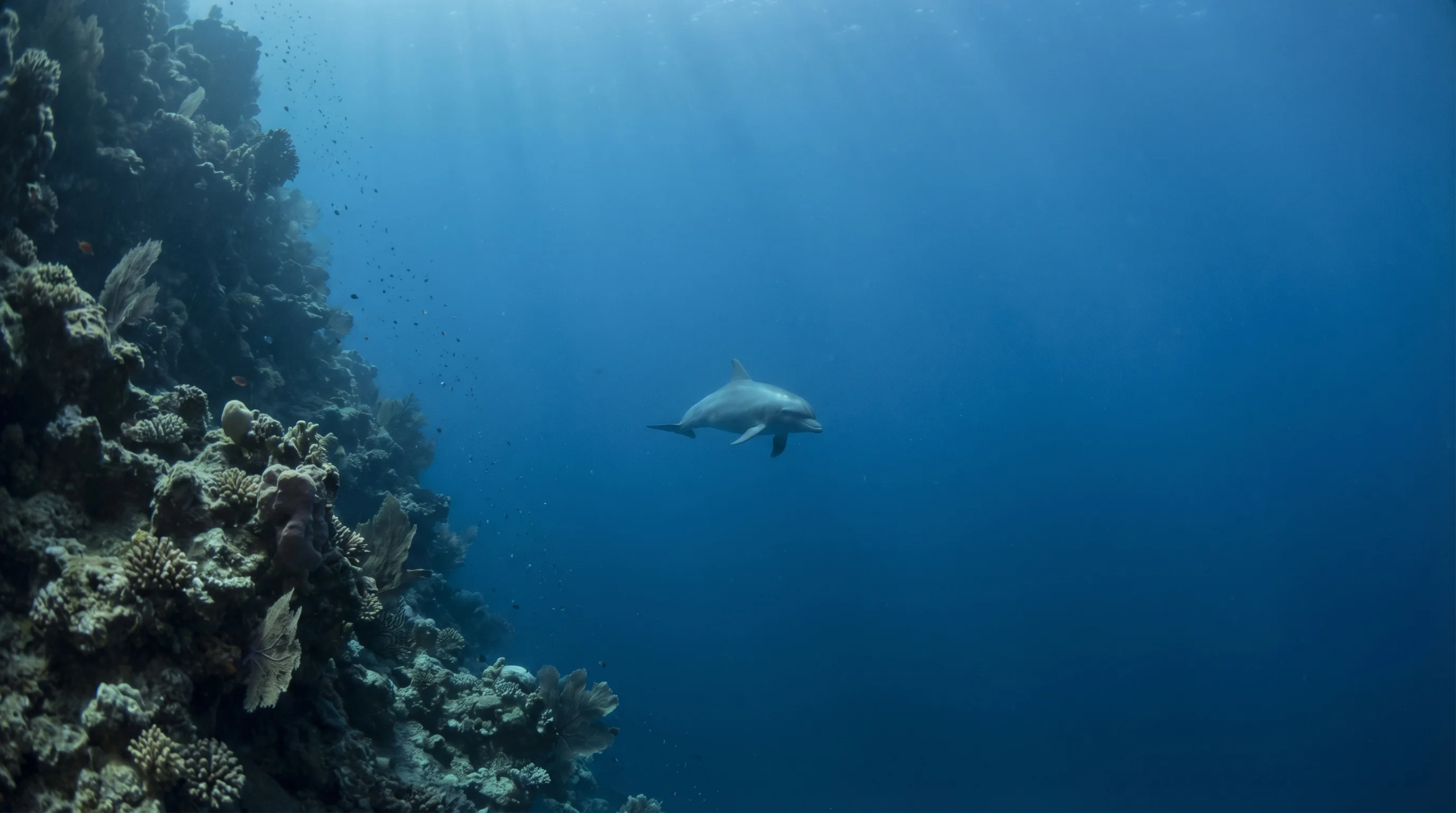
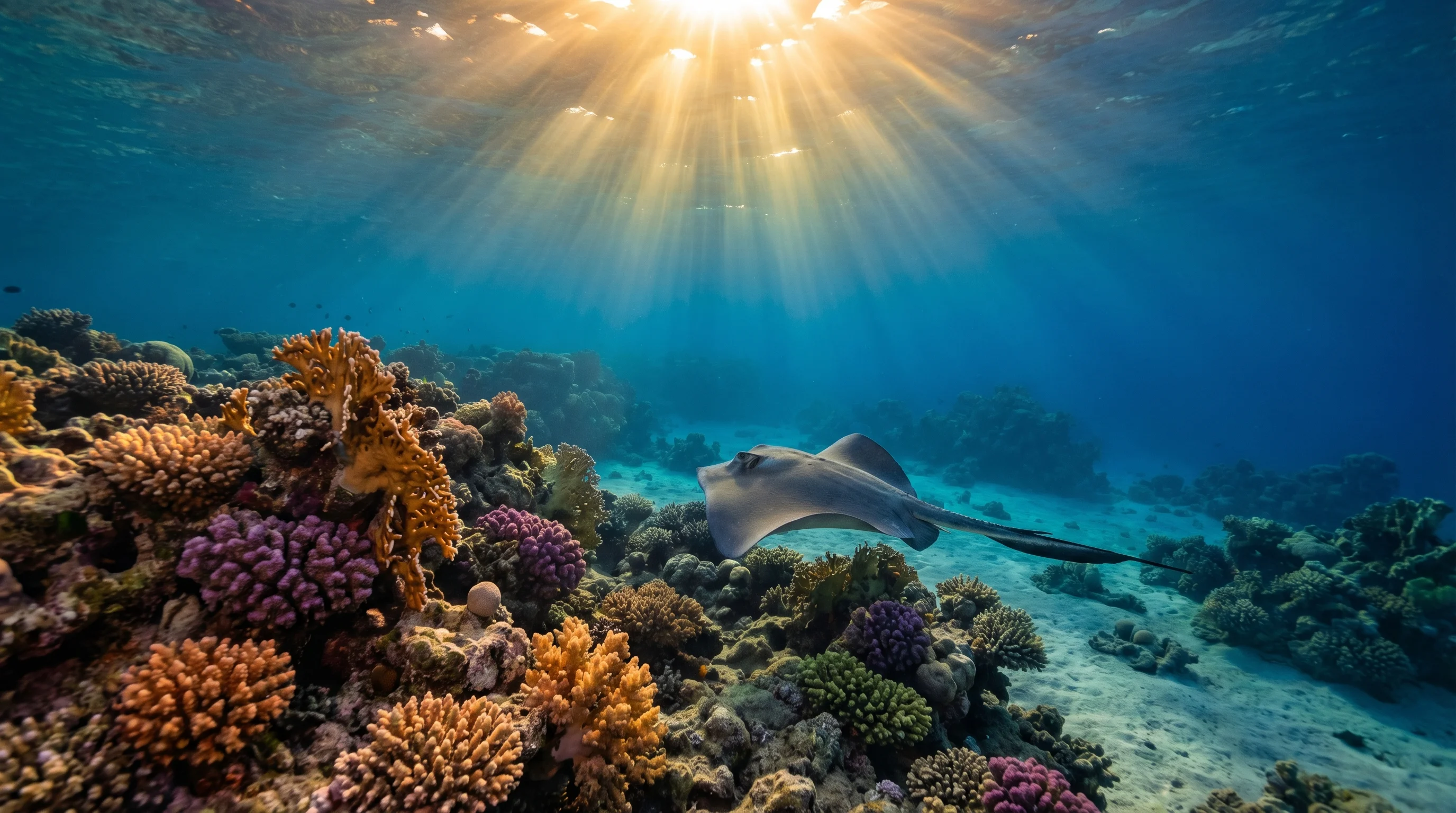
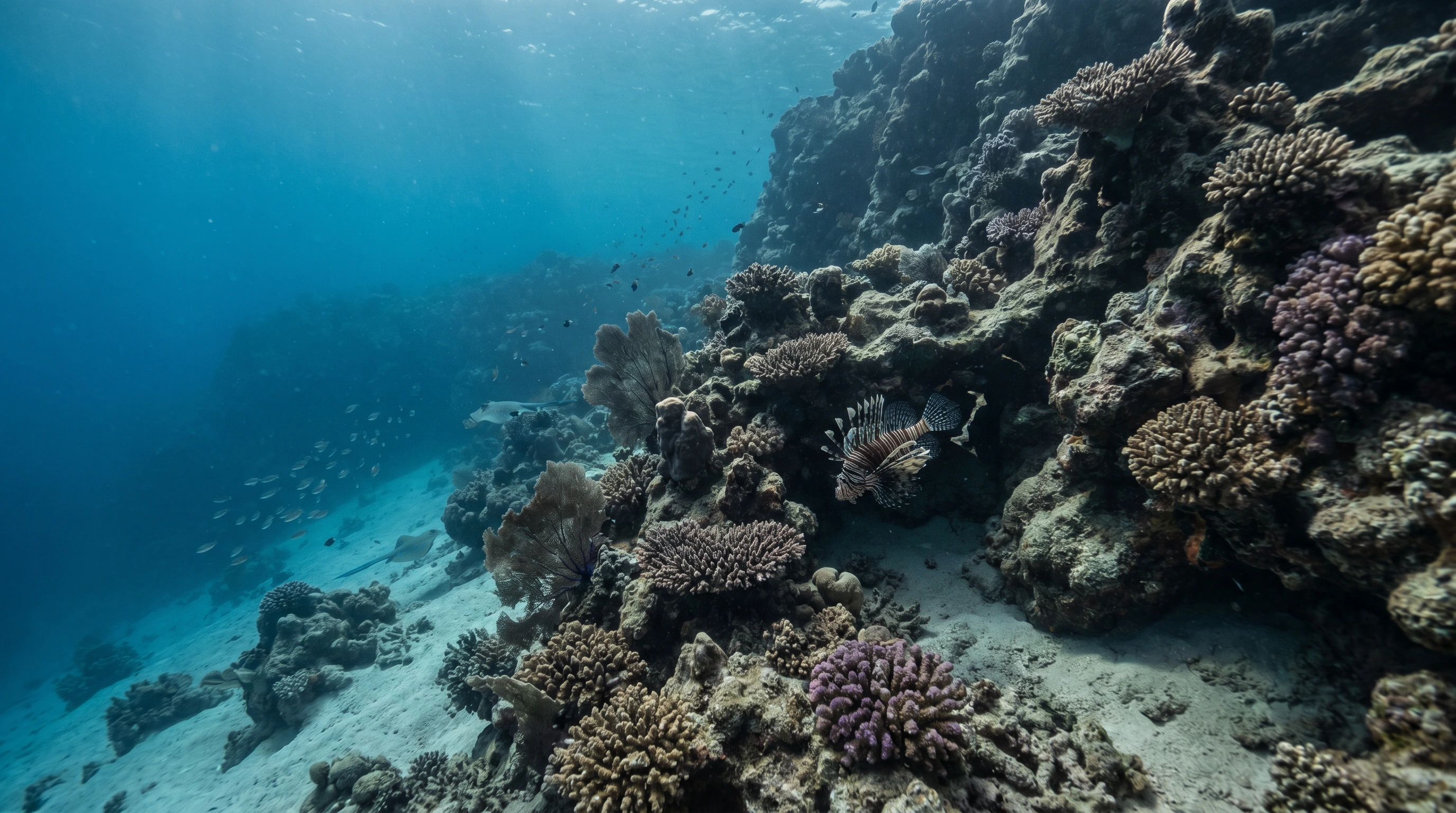
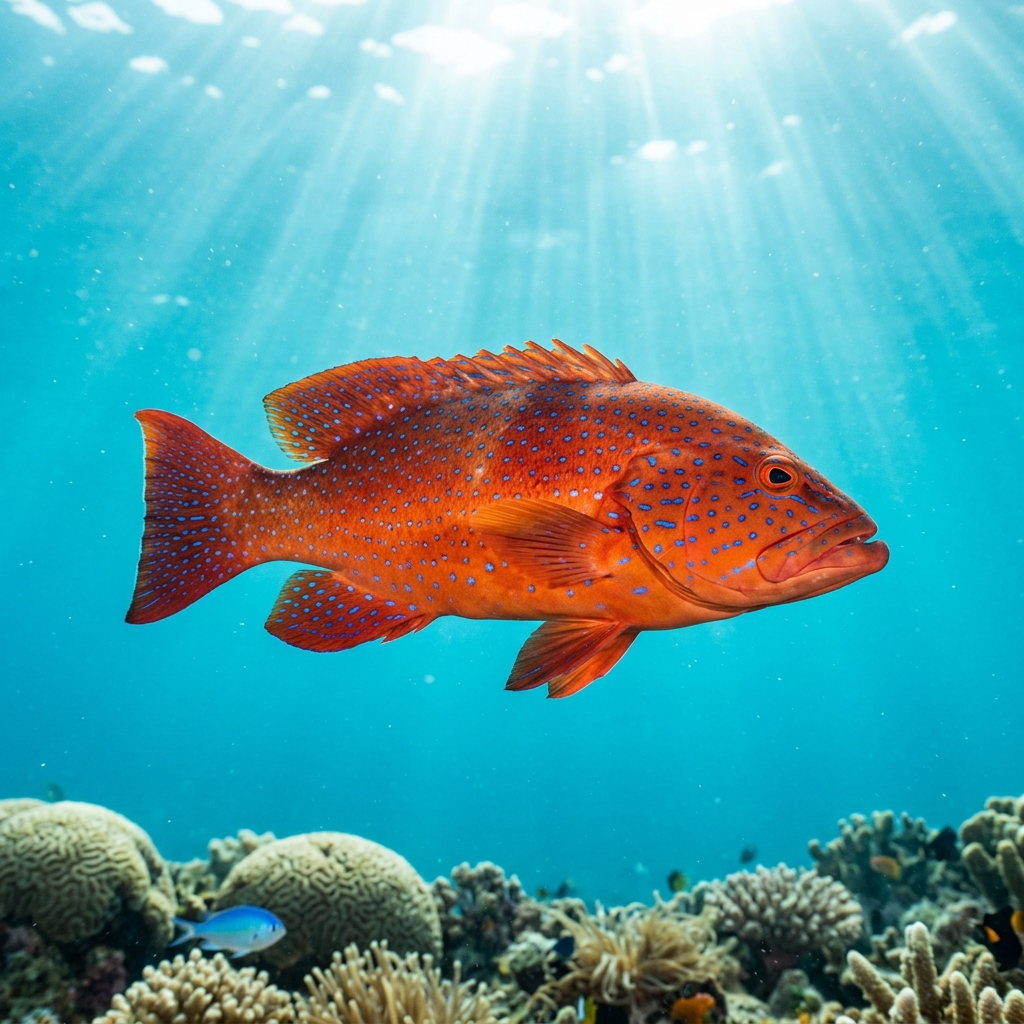
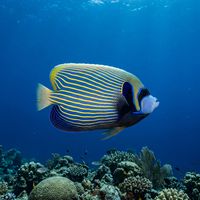
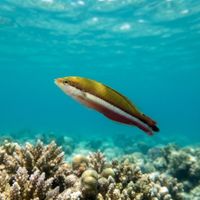
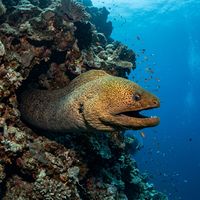
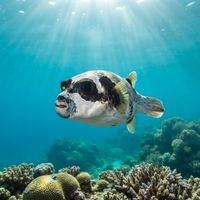
Observation-backed sightings across Safaga's sites include the Regal Angelfish, Emperor Angelfish, Bluecheek Butterflyfish and Red Sea Bannerfish on nearly every reef visited. The Bluespotted Fantail Ray and Coral Grouper are common, while the Giant Moray and Day Octopus appear regularly in crevices and on sandy patches. Signature species such as the Spanish Dancer nudibranch and the Napoleon Wrasse are seen occasionally, and the Indian Lionfish is a frequent find on coral structures.
A good portion of Safaga's sites are rated for beginners, including shore-accessible options like El Makhroga and Selim where currents are mild and depths are manageable. Anemone Garden and Shaab El Kenz are shallow boat dives well suited to those building confidence. Advanced sites such as South-West Wall, Gorgonian Forest and the Numidia Wreck involve strong currents and considerable depth and are reserved for experienced divers.
Several sites, including El Makhroga, Selim, Bet Goha ED and Abu Hamra, are accessible directly from shore, which suits independent divers and those on structured resort programmes. The more diverse and deeper sites, from wrecks like the Aida and El Mina to the wall dives at Oma Sukan and South-West Wall, require a boat. Operators such as Freedom Divers, Extra Divers and Nemo Dive Club and Hotel run regular boat trips across the range of sites.
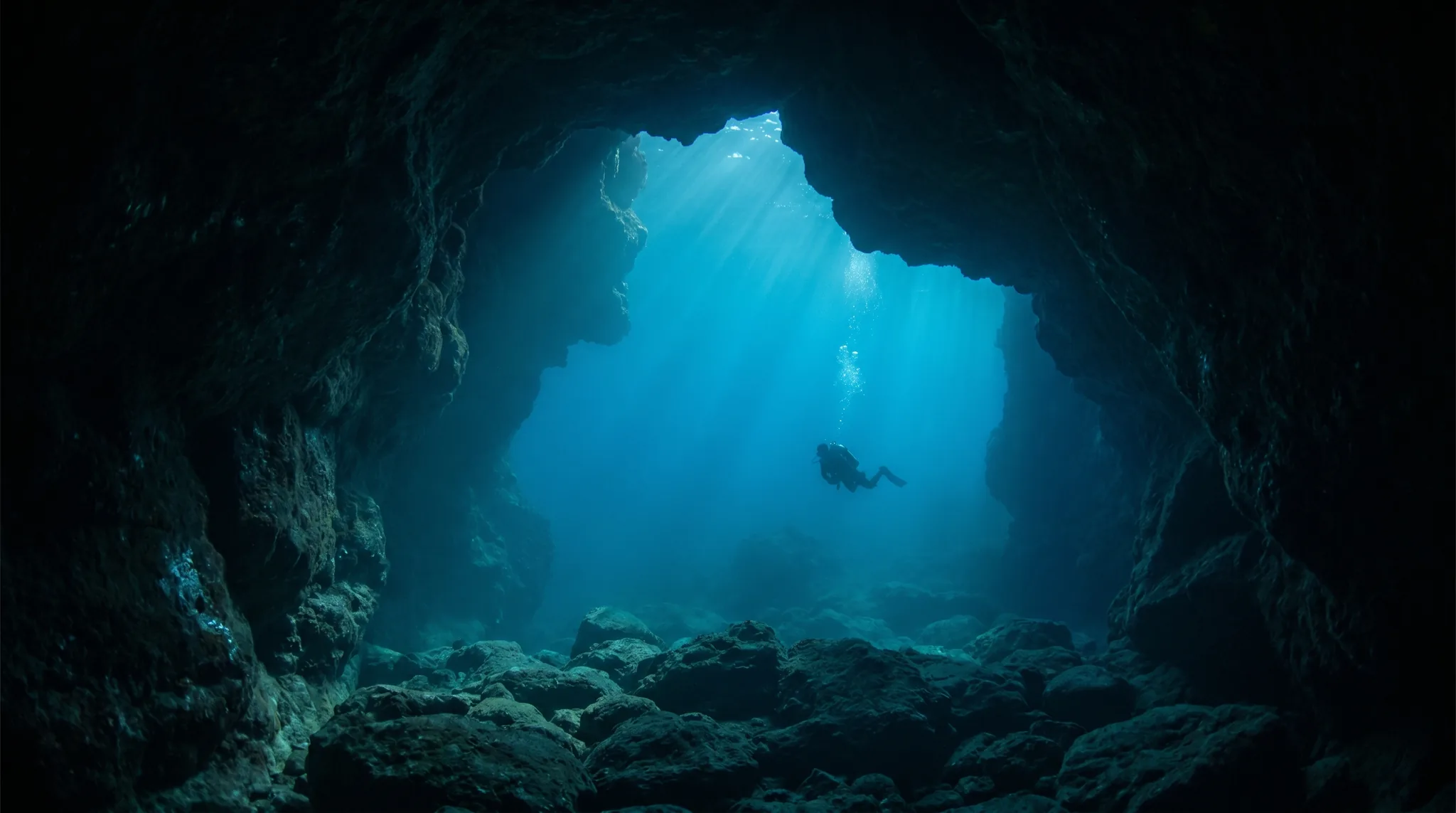
Safaga offers a broad mix: open reef dives, vertical walls with significant drop-offs, drift dives in current-swept channels, and several wrecks now functioning as artificial reefs. Sites like Pensee combine reef, wall, drop-off and cavern in a single dive, while Gorgonian Forest layers a drift dive over deep drop-offs with wreck elements nearby. This variety means Safaga rewards repeat visits at different skill levels rather than delivering a single signature experience.