Best for advanced divers, 8-80m, boat entry, strong current.
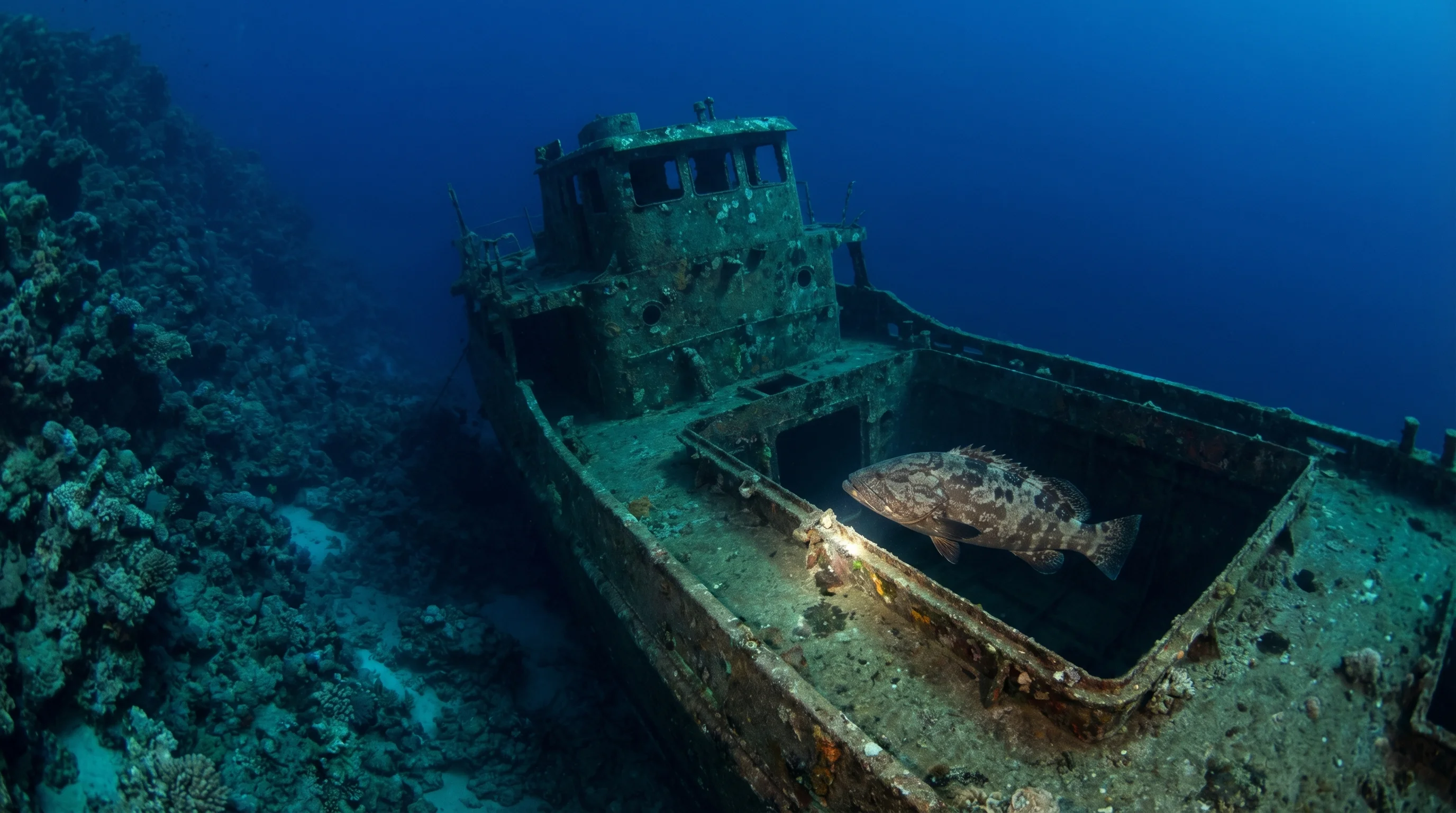
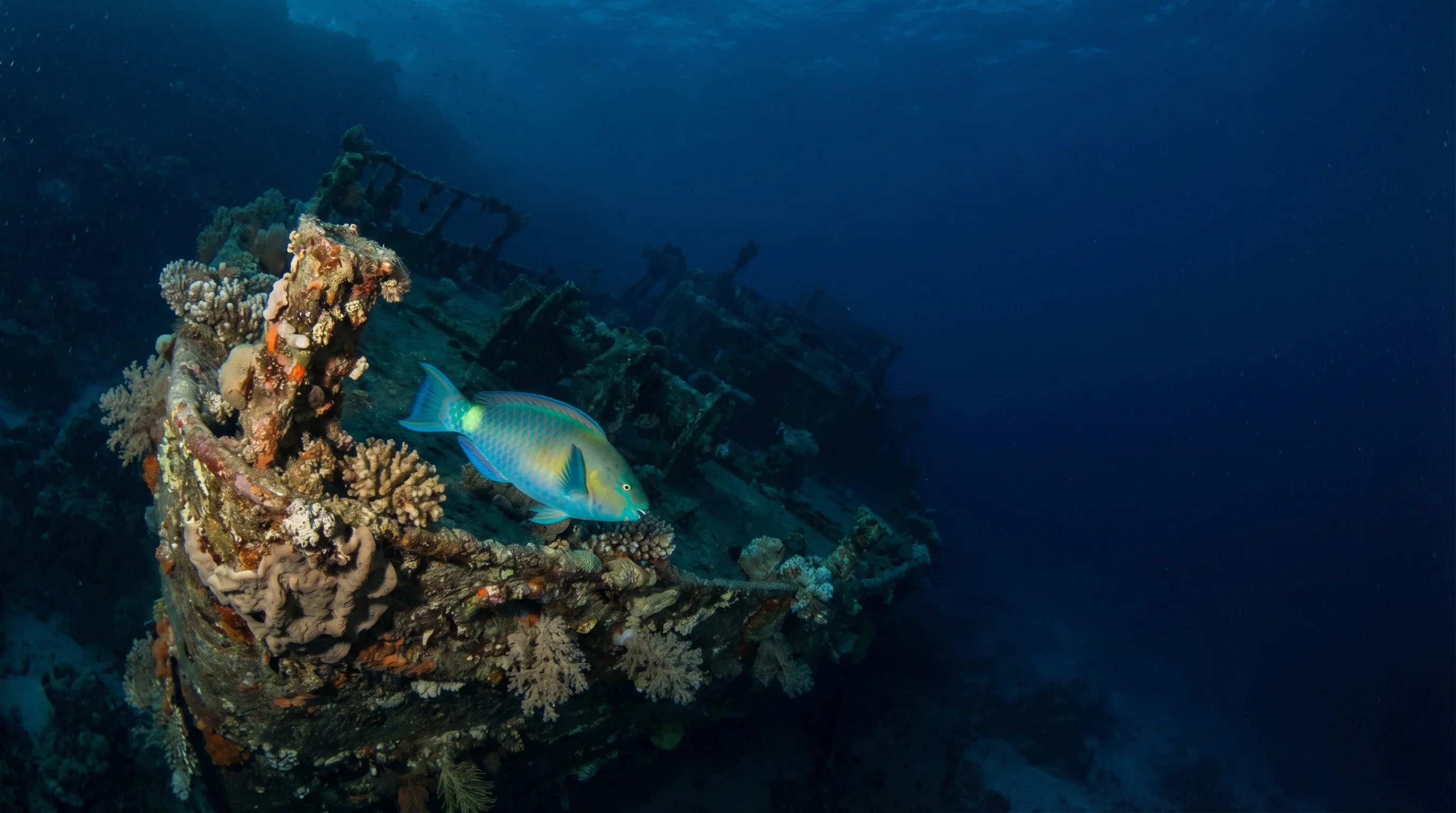
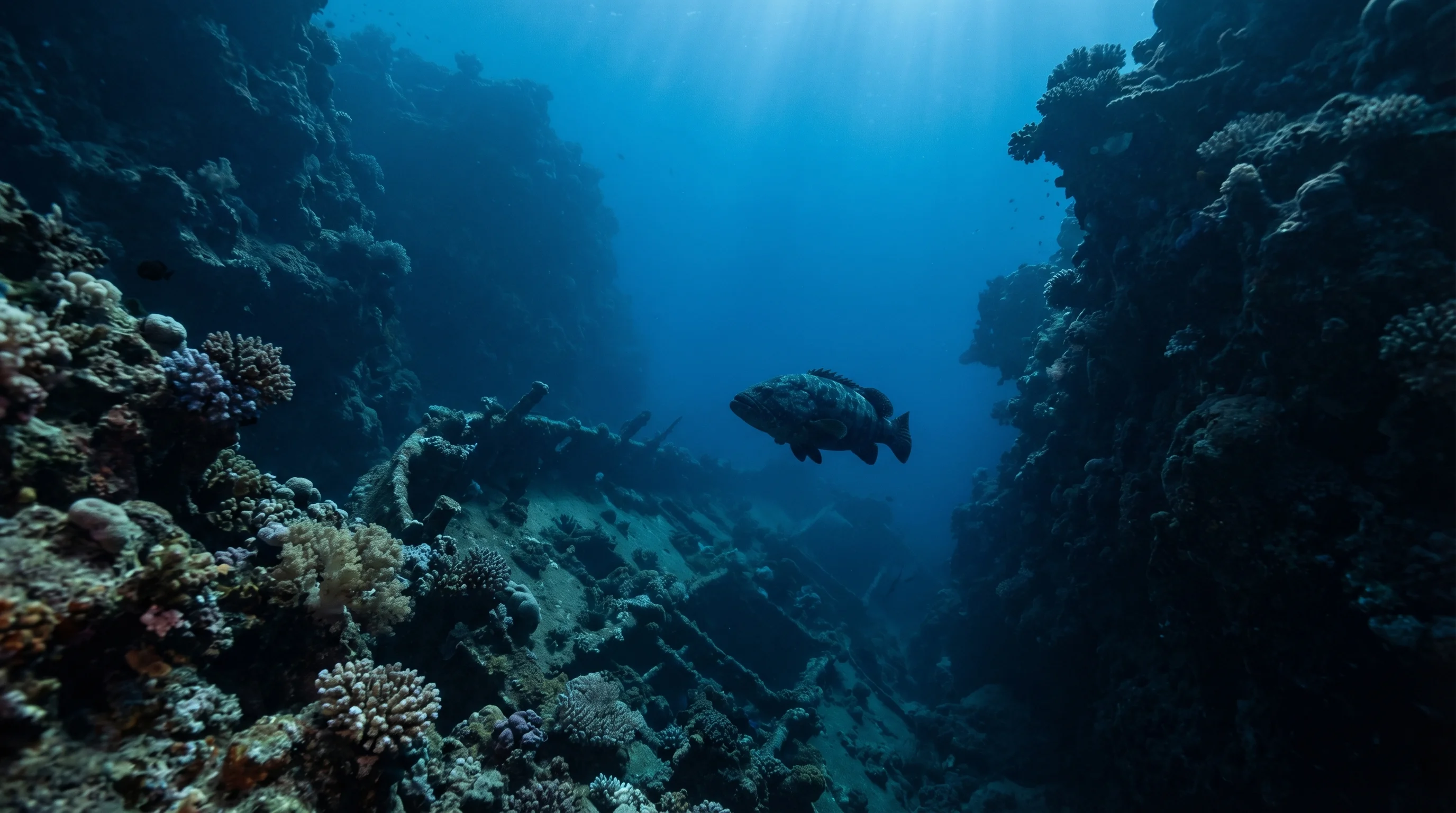
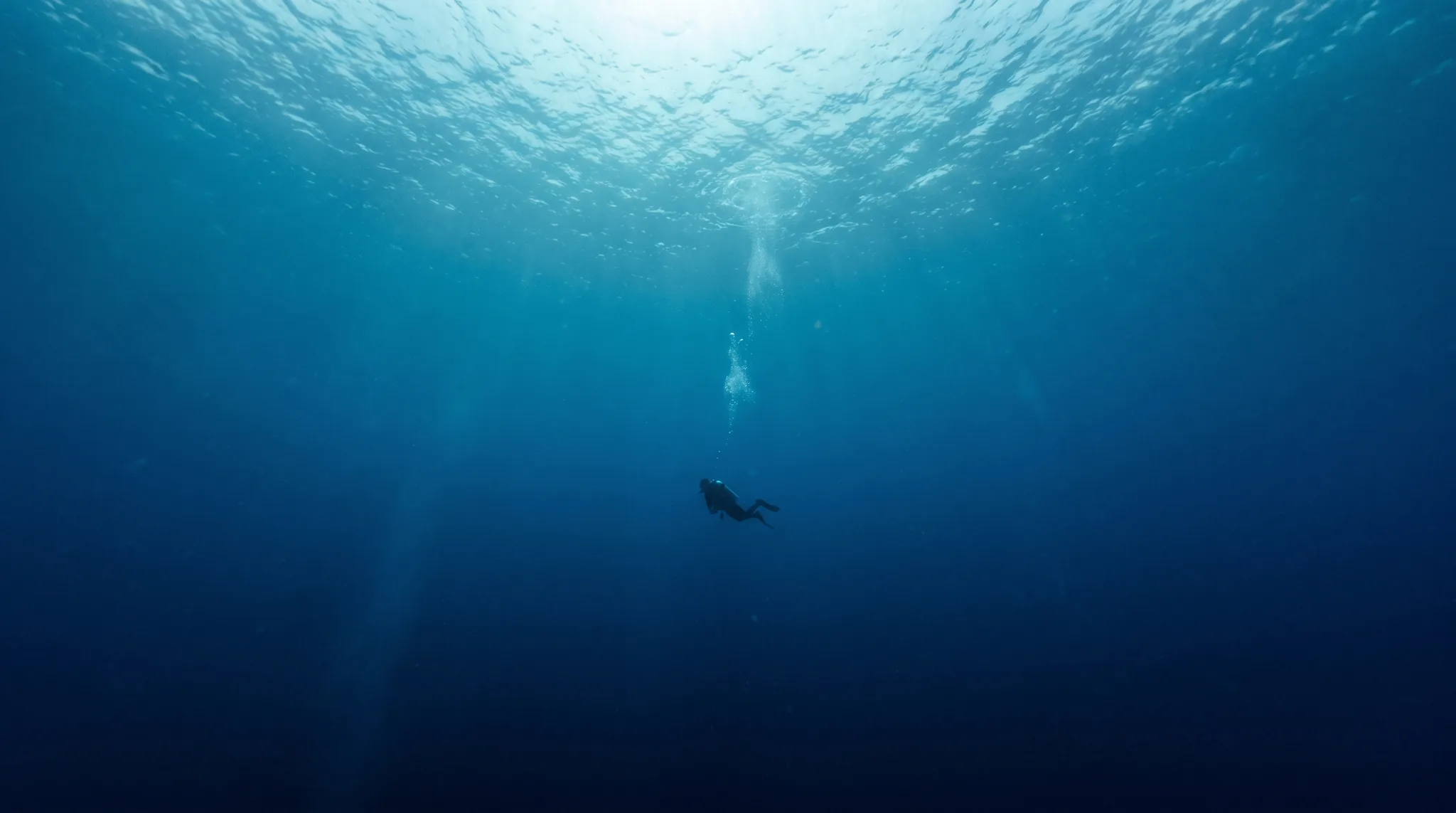
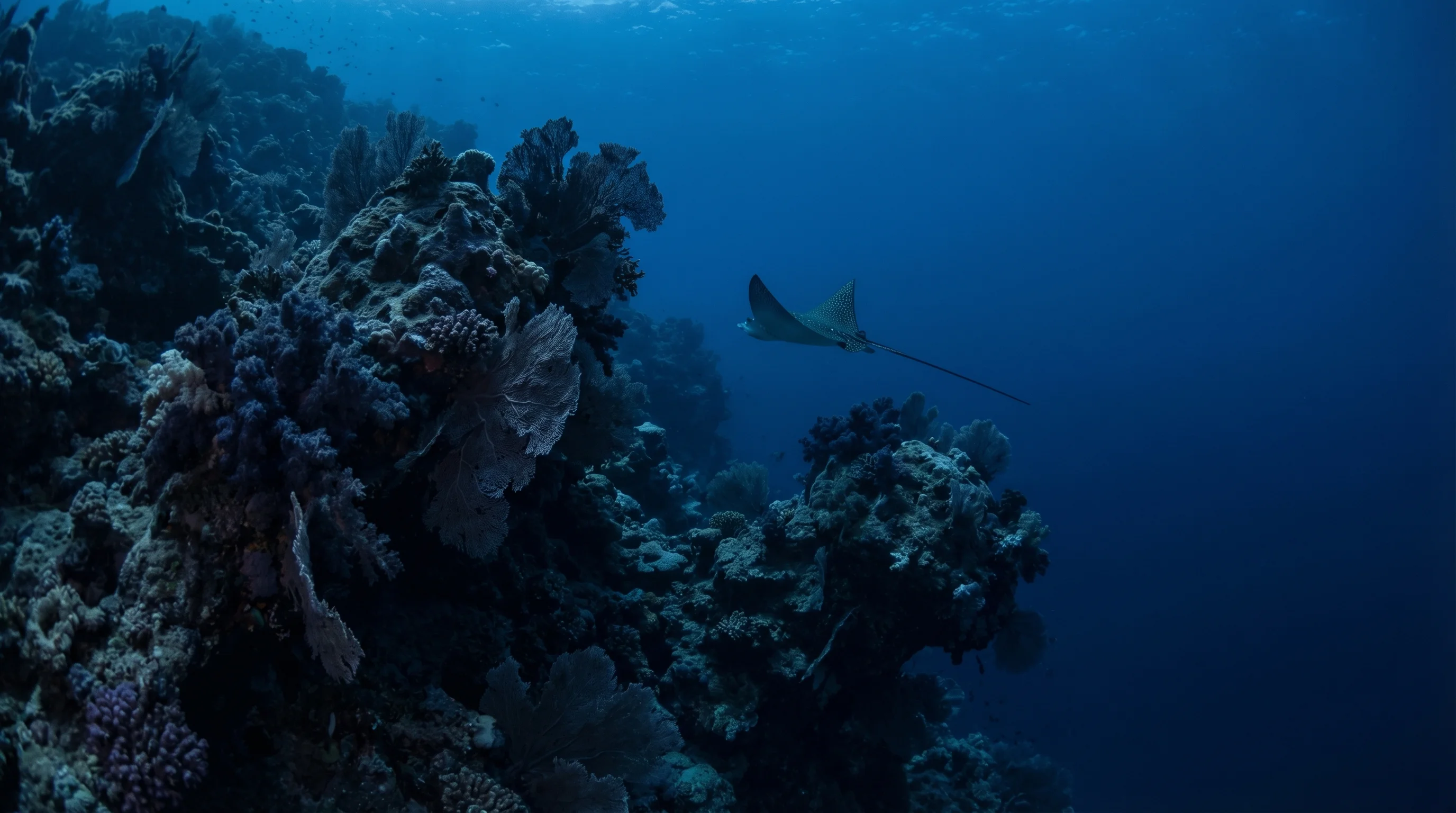
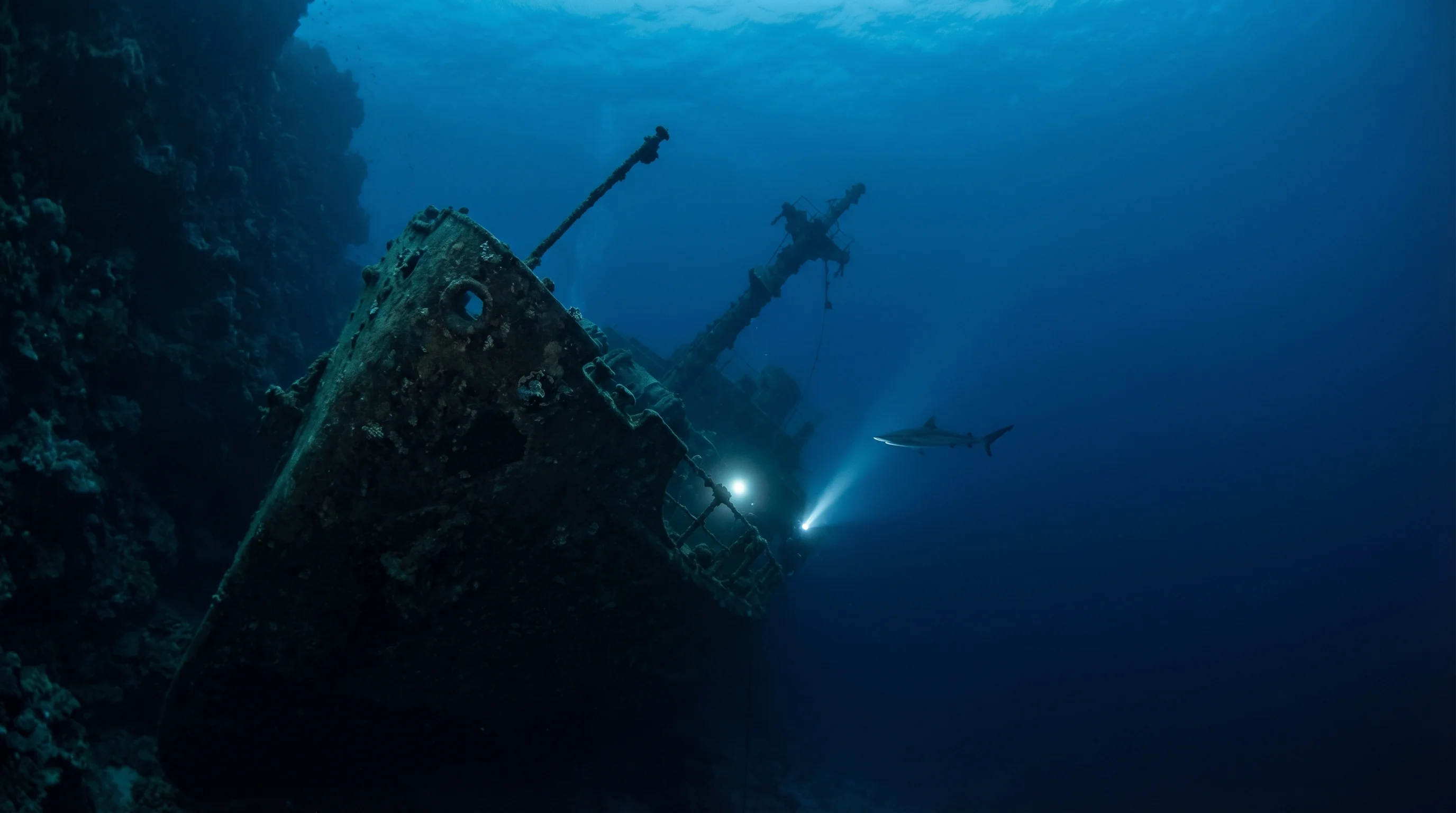
The Numidia Wreck is a significant wreck and wall dive located off the coast of Safaga, Egypt. Resting at depths ranging from 8 to 80 metres with an average of 30 metres, this site is strictly for advanced divers due to the potential for strong currents, down currents, and overhead environments. The wreck serves as an artificial reef, providing a complex structure for exploration. Access is exclusively by boat, as the site is situated 40 kilometres from the shore. Divers should be prepared for variable visibility between 20 and 40 metres and remain vigilant regarding boat traffic in the area.
26.31547, 34.84198
Divers should carry a surface marker buoy due to strong currents.
Accessible only by liveaboard boats.
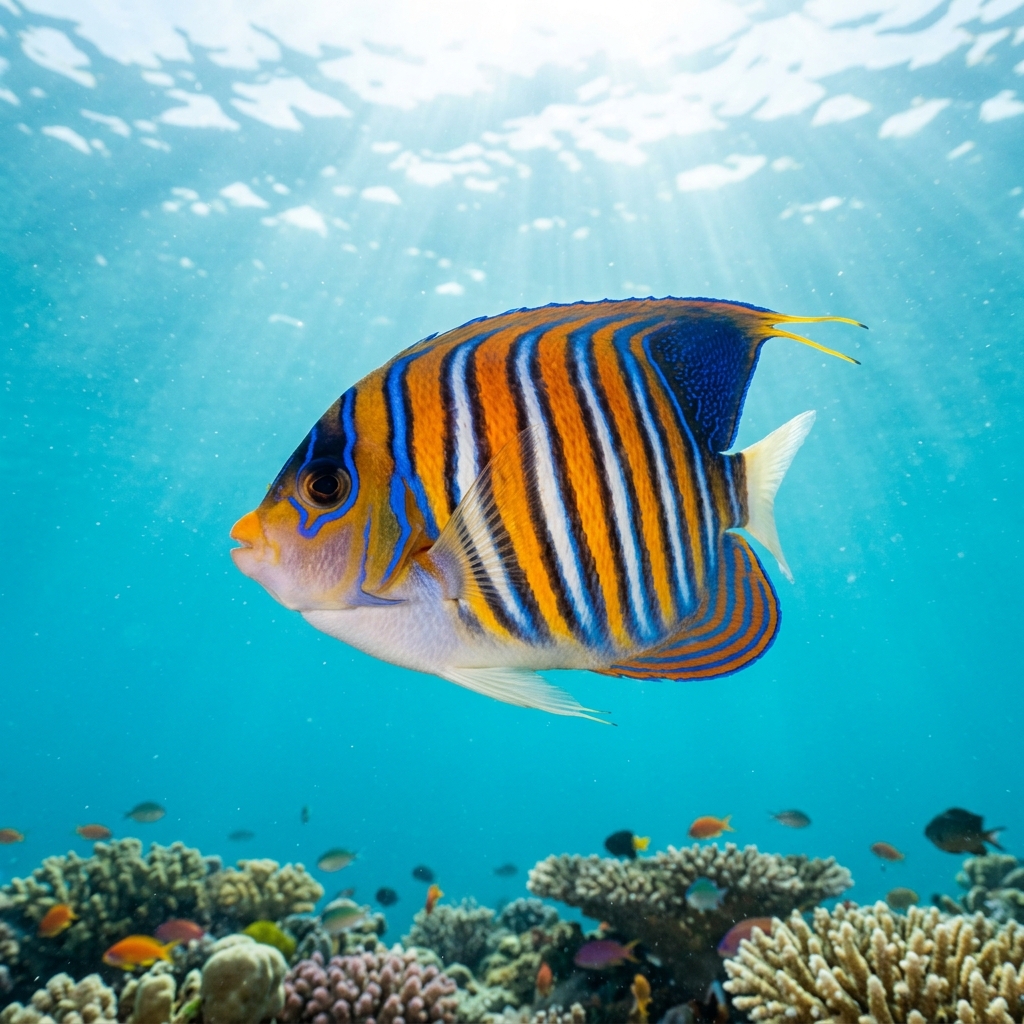
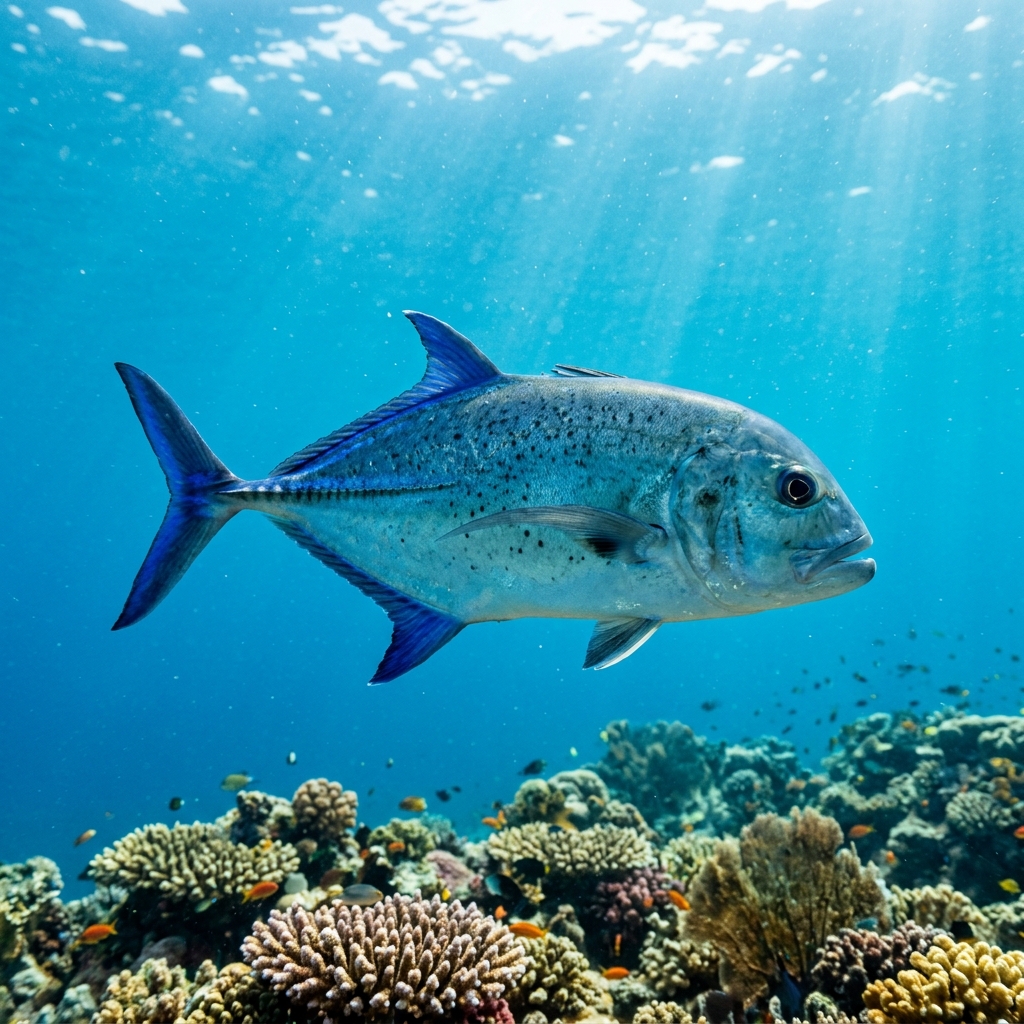
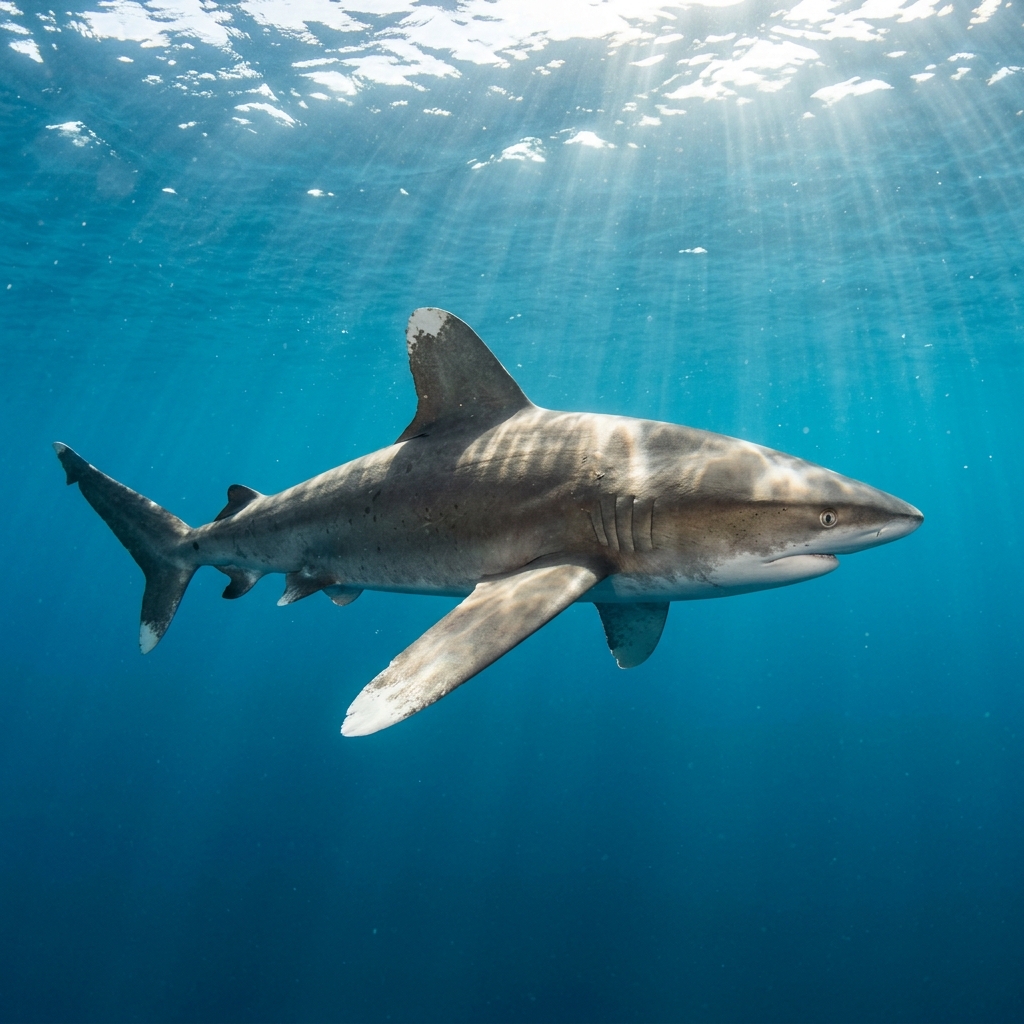
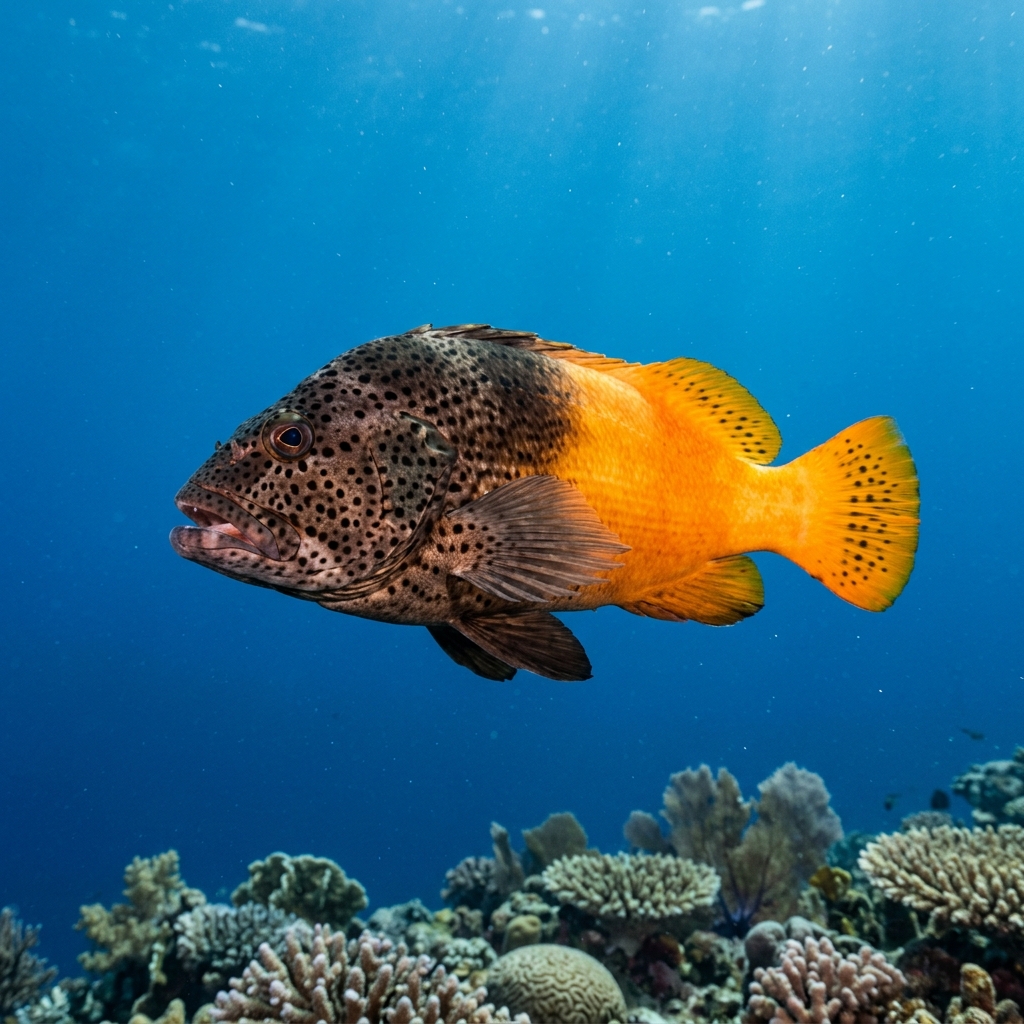
Recorded at this site
Depth
8-80m
Visibility
20-40m
Skill Level
Advanced
Entry
Boat
Boat required
Water Temp
22-25°C
Current
Strong
Typical Dive
45 min
Best Time
May, Nov
No, this site is intended for advanced divers only due to the depth, strong currents, and overhead environments present at the wreck.
The site ranges from 8 to 80 metres in depth, with an average depth of 30 metres.
The Numidia Wreck is a boat-only dive site located 40 kilometres from the shore.
The best months to visit this site are May and November.
Diving at Numidia Wreck in Numidia Wreck requires the following certifications: Open Water, Advanced, Wreck, Deep. Always dive within your training limits.
A 5mm wetsuit is recommended for diving at Numidia Wreck in Numidia Wreck. Water temperatures range from 22°C to 25°C.
Divers at Numidia Wreck in Numidia Wreck should be aware of sharks. These encounters are generally rare and avoidable with proper awareness. Follow local safety guidance and maintain a respectful distance from all marine life.
Numidia Wreck in Numidia Wreck can have strong currents. Advanced experience with drift diving and current navigation is recommended.
Visibility at Numidia Wreck in Numidia Wreck typically ranges from 20 metres to 40 metres. Conditions vary with weather, tides, and seasons.