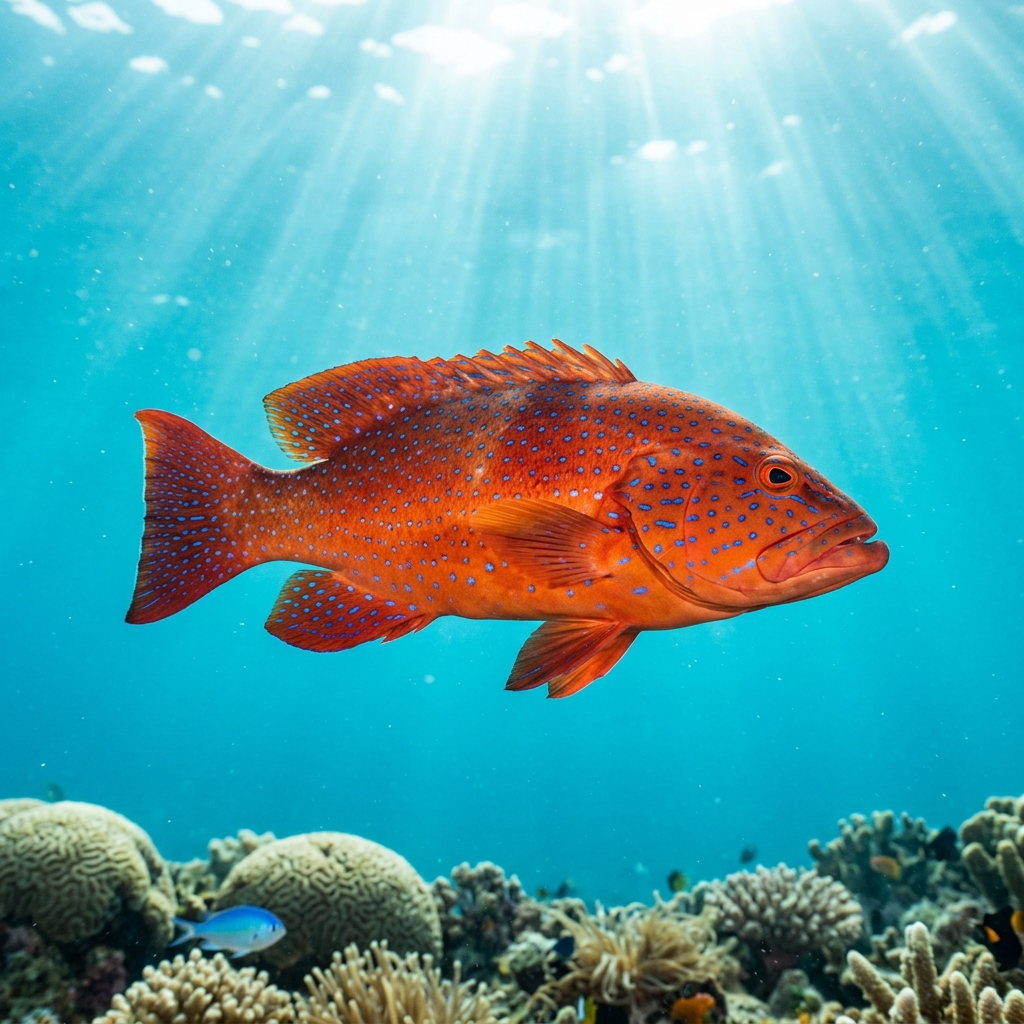
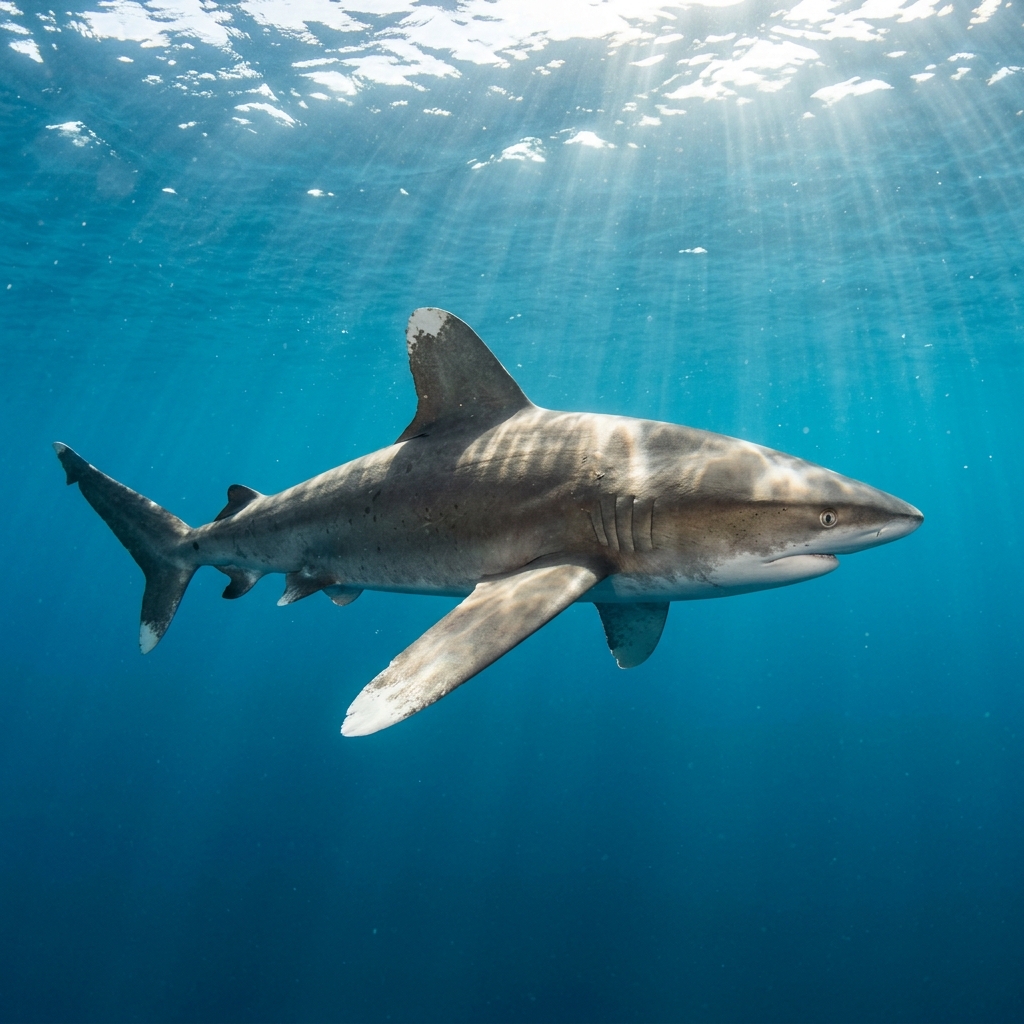
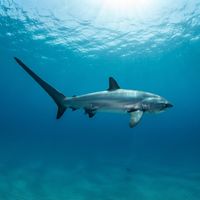
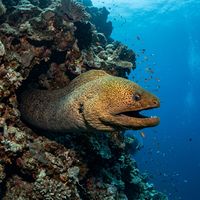
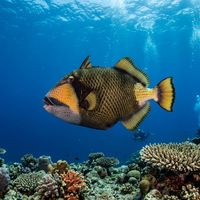
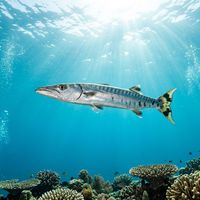
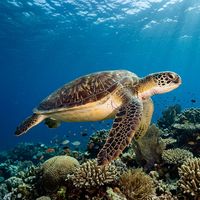
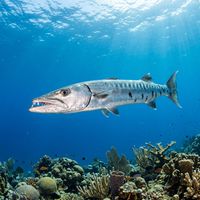
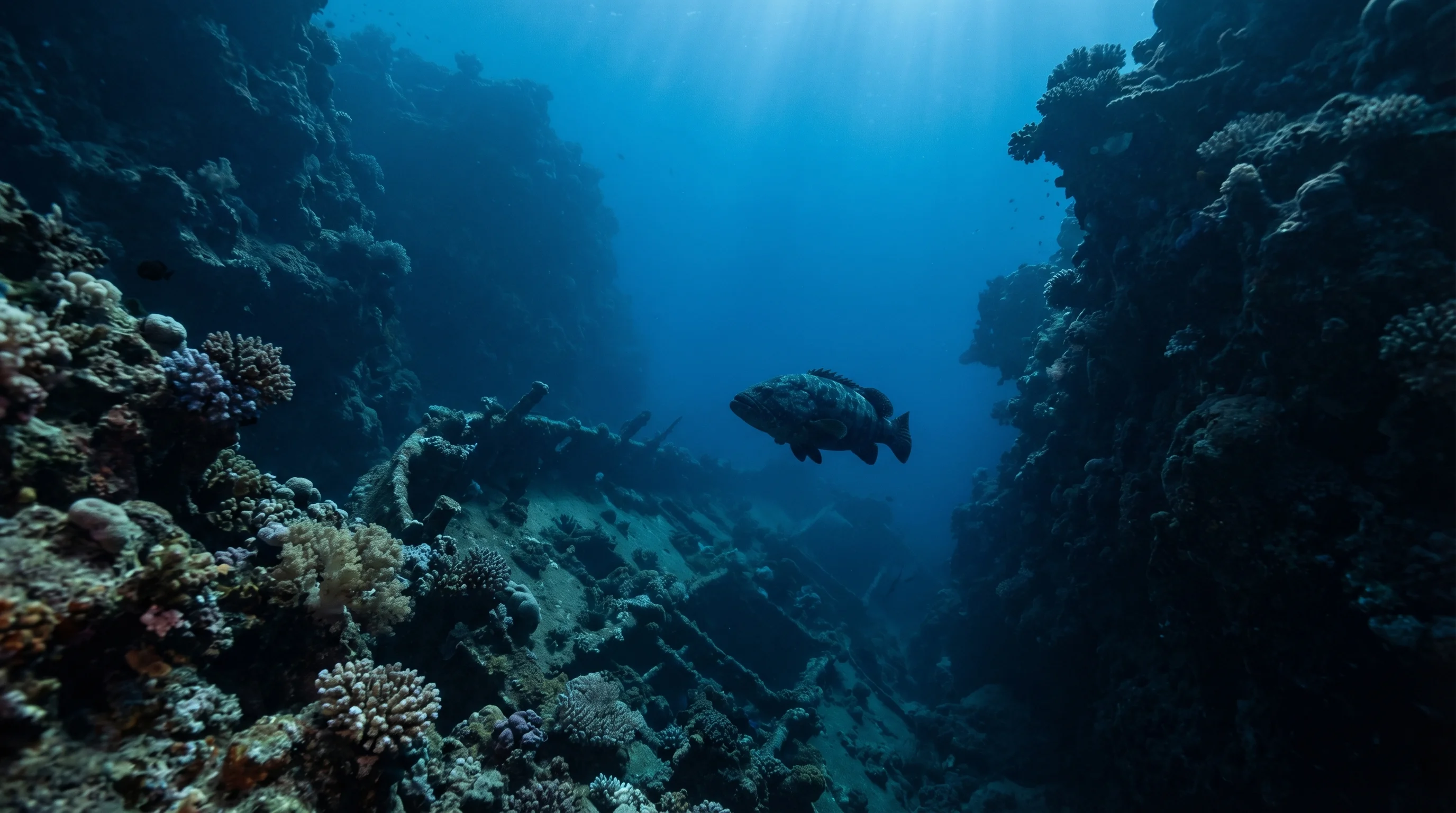
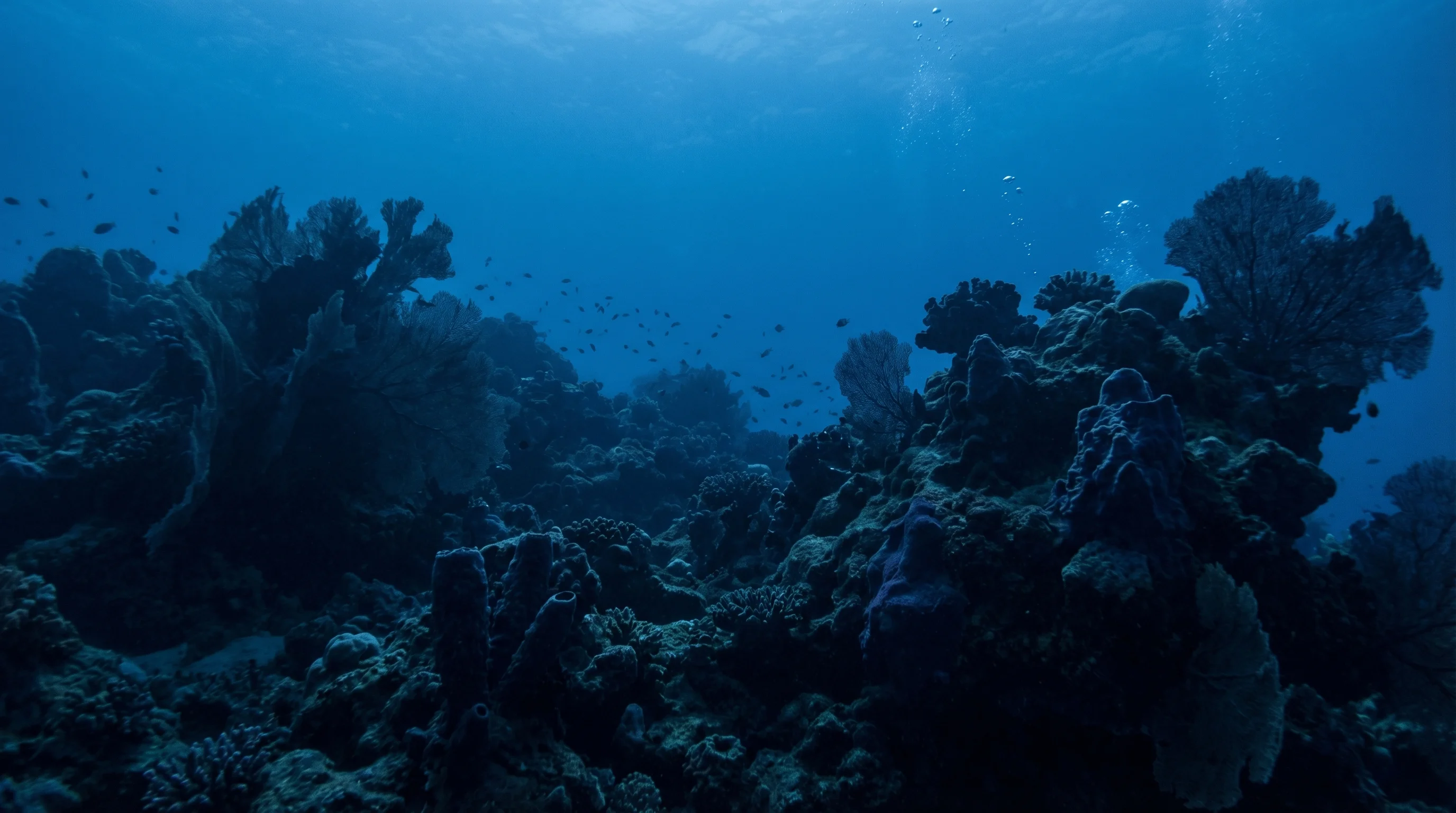
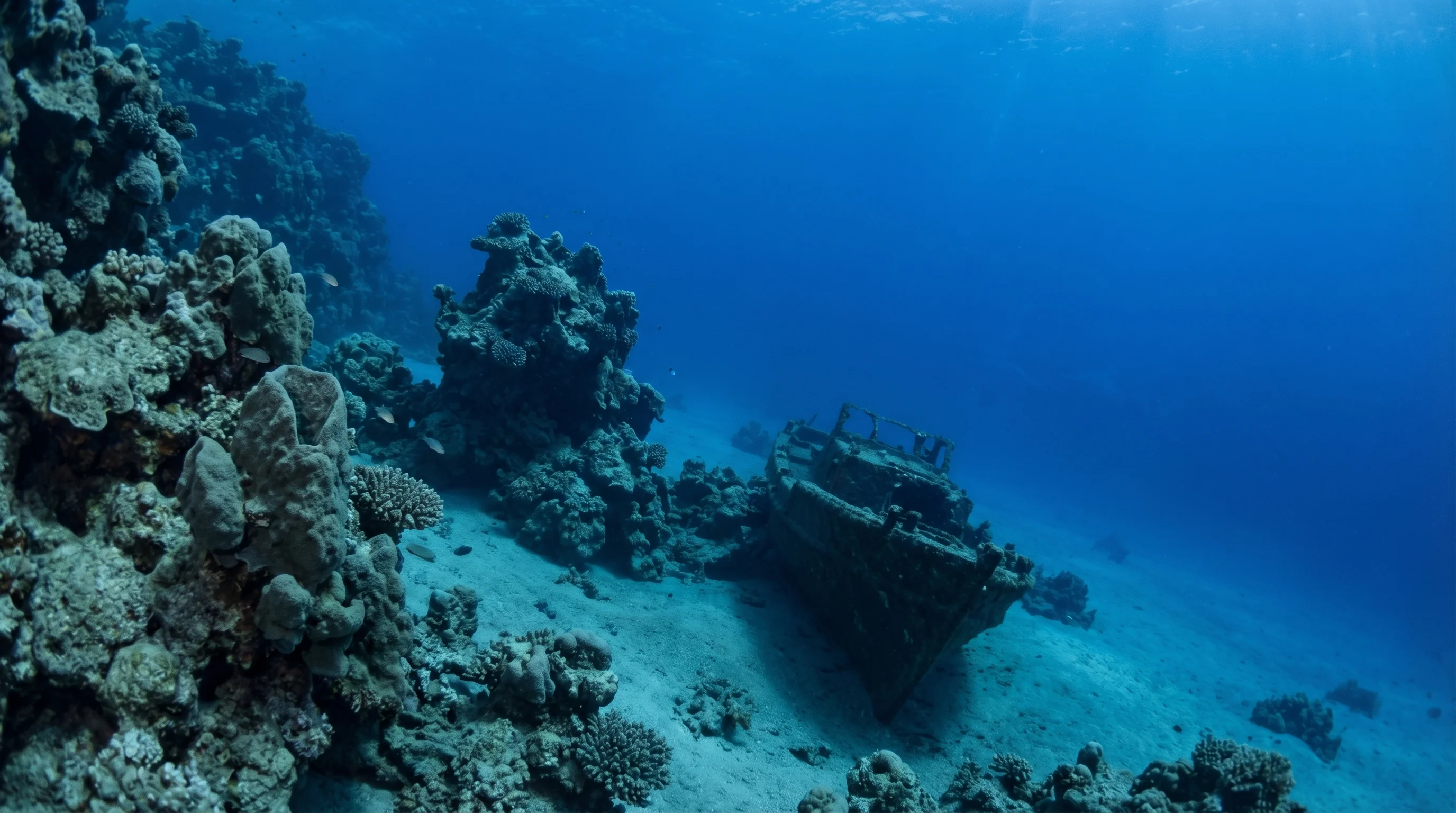
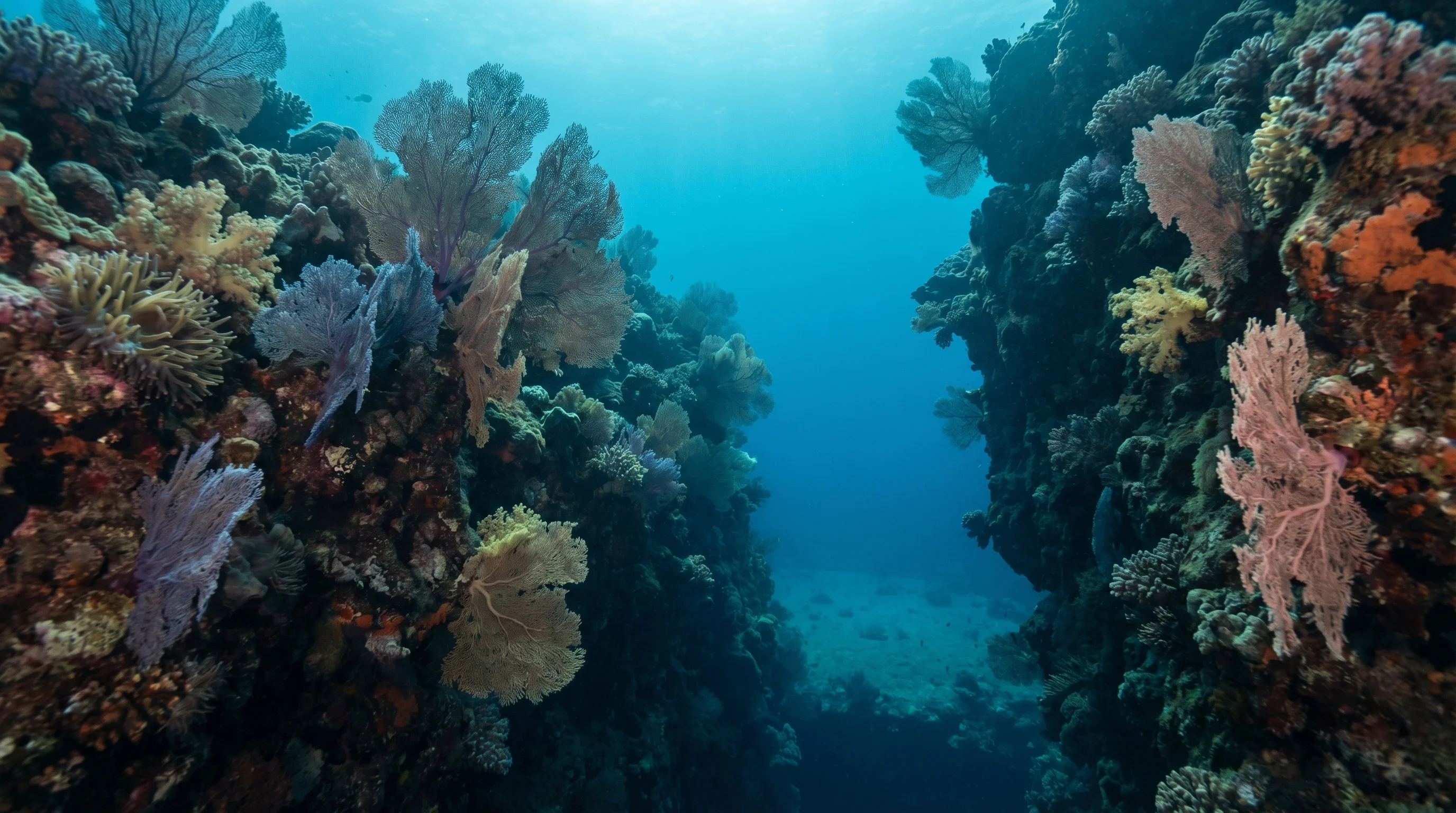
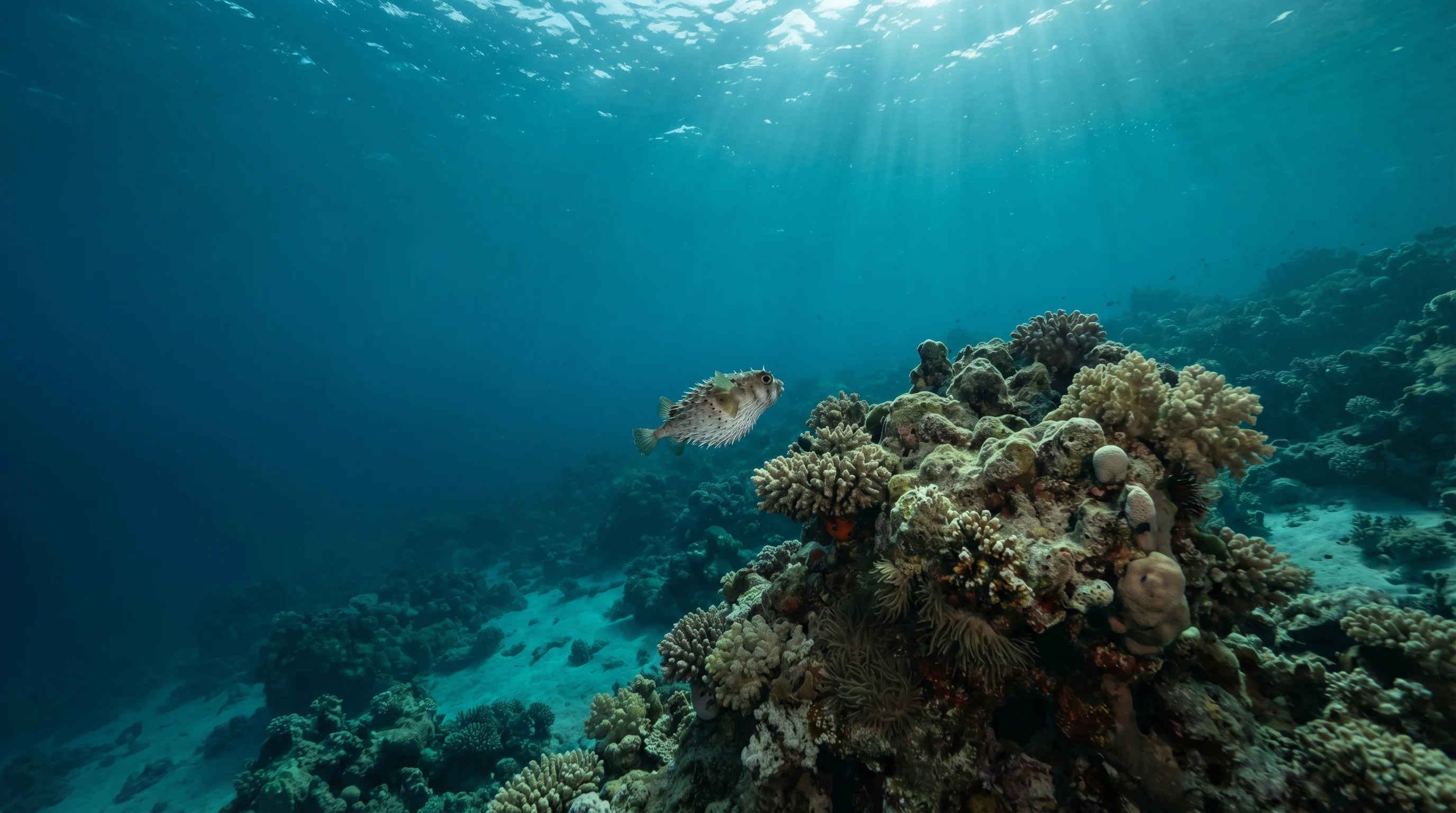
The Offshore Red Sea clusters its sites around three remote sub-areas: Brothers Islands, Rocky and Zabargad, and Daedalus Reef. Each is reached exclusively by liveaboard, and every site demands serious dive experience. The topography runs to steep walls, exposed drop-offs and strong drift conditions, with wrecks adding structural complexity at Brothers Islands and Zabargad. Pelagic encounters define the region's character: the Oceanic Whitetip Shark is a consistent presence, alongside Grey Reef Shark and Barracuda. Reef species such as Coral Grouper, Napoleon Wrasse and Emperor Angelfish round out the picture across most sites.
3 areas
 5
5Advanced liveaboard diving in the central Red Sea, with steep walls, strong currents, and regular oceanic whitetip shark encounters.
 4
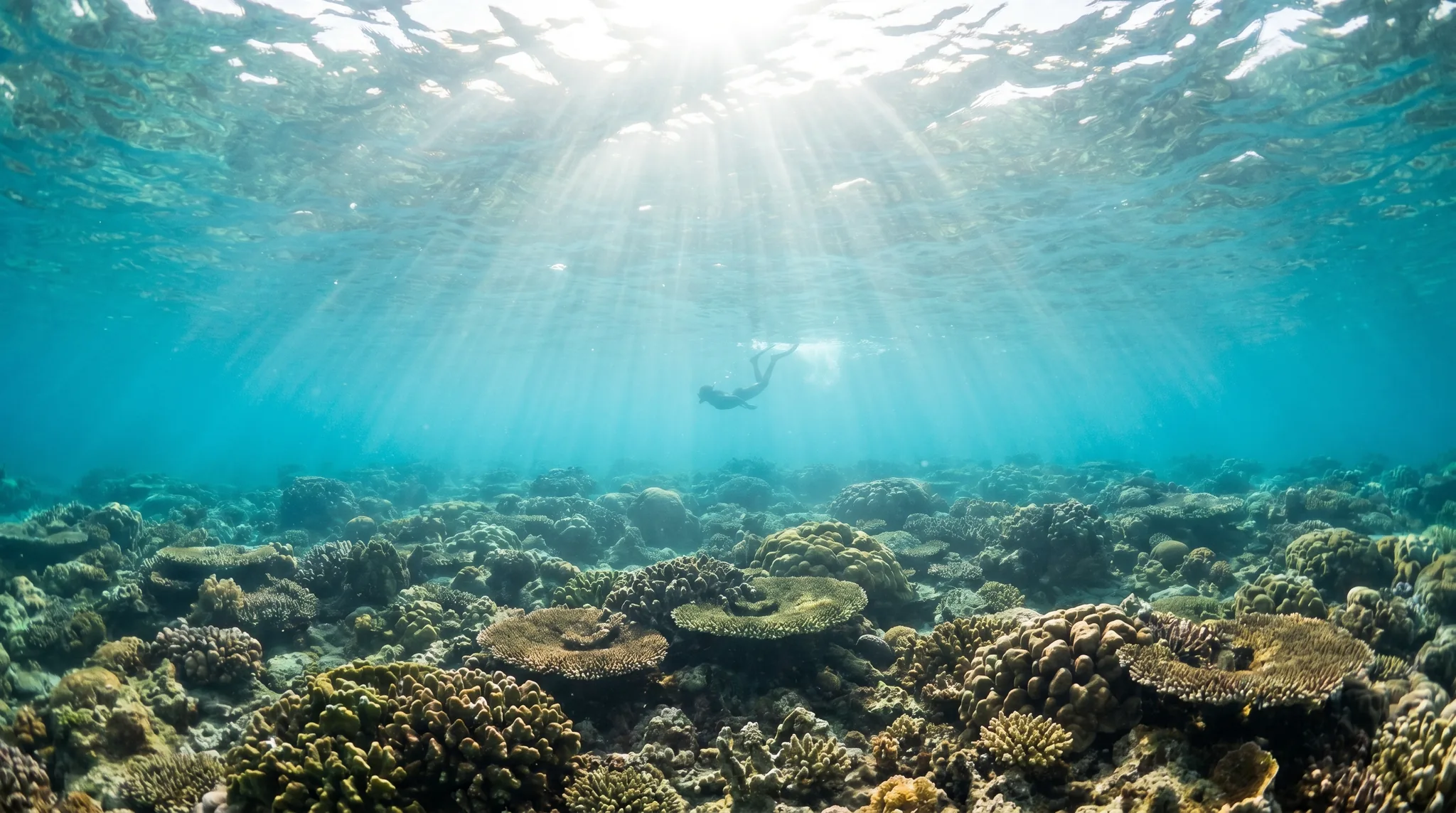
4Southern Red Sea liveaboard diving, from expert-level Rocky Island walls to Zabargad's mixed reef, wall, and wreck sites.
 1
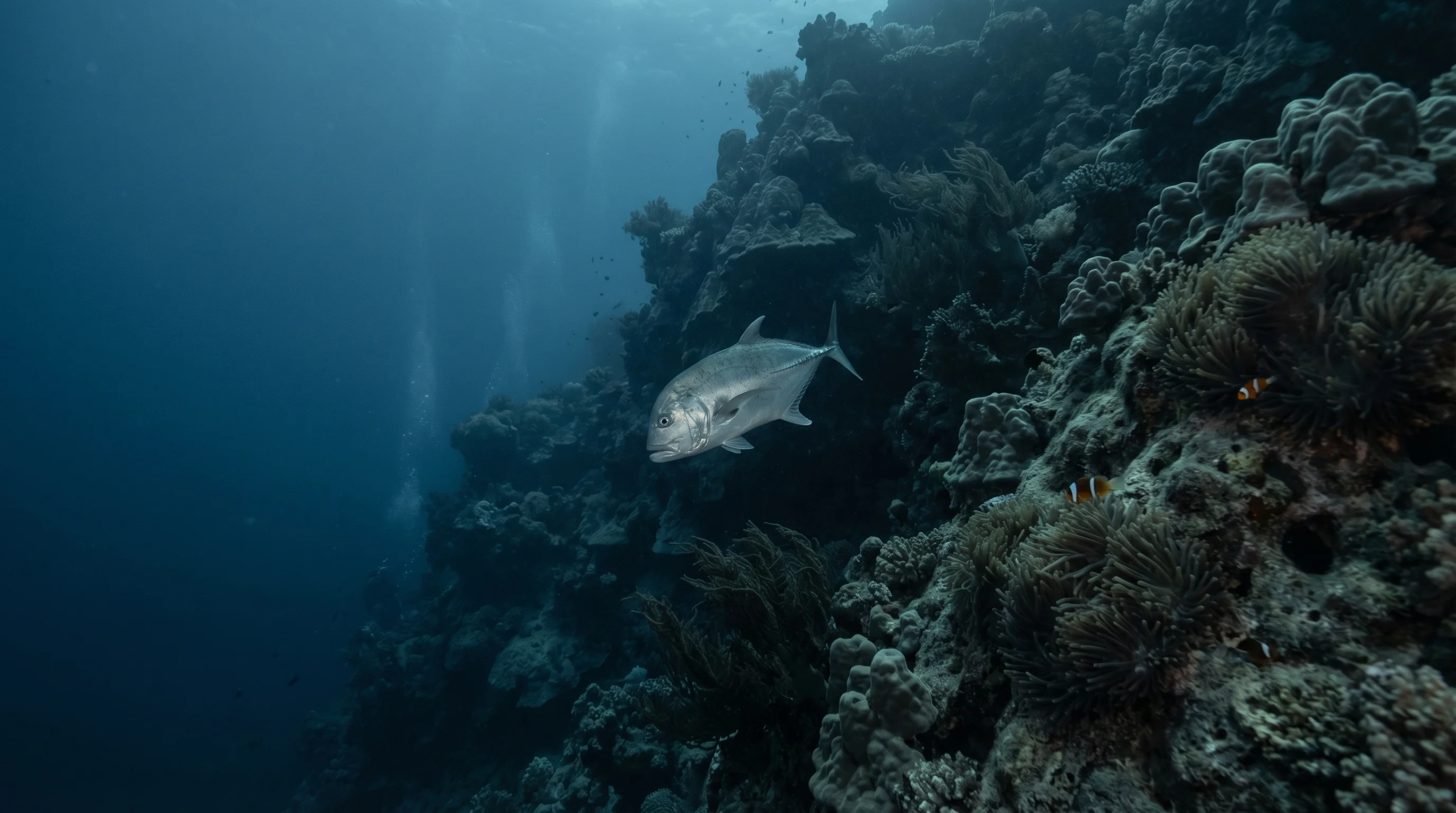
1Remote central Red Sea atoll with a steep drift wall, strong currents, and oceanic whitetip sharks for advanced divers only.
Monthly water temperature across Offshore Red Sea's sites, from satellite sea-surface data corrected for depth. The band shows the site-to-site spread.
Water temperatures stay warm through the year, rising through summer to their peak in August and September before easing off in the cooler months around April. The best-months data points strongly to late spring through autumn as the prime window, with June through November attracting the most consistent conditions. Exposed offshore positions mean currents can be strong at any time of year, so drift diving is a routine rather than an exception.
7 operators
Water temperature around Offshore Red Sea ranges from about 23°C in April to 29°C in August, based on satellite sea-temperature data for its dive sites.
In the warm season (about 29°C) a rash guard or 3mm shorty is comfortable in Offshore Red Sea; in the coldest months (about 23°C) step up to a 3mm full suit.
Fin maps 10 sites in Offshore Red Sea (10 scuba diving sites), organised into 3 areas.
Across Offshore Red Sea's dive sites, June, July, August, September and November are most often reported as the best months to visit.
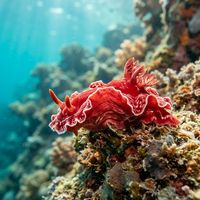
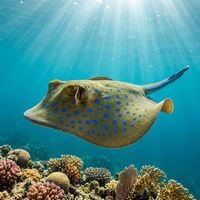
The region has strong observation records for both Oceanic Whitetip Shark and Grey Reef Shark, making shark encounters a realistic expectation rather than a lucky bonus. Napoleon Wrasse and Barracuda are common across most sites, and Bluefin Trevally are frequently seen in open water. Occasional sightings of Green Sea Turtle and Spanish Dancer add further variety.
The majority of sites are rated advanced, with strong currents, deep walls and exposed offshore conditions the norm at Brothers Islands, Daedalus Reef and Rocky Island. Zabargad West and Zabargad itself are rated intermediate and offer a somewhat more sheltered introduction to the region. Divers without solid drift and deep-water experience should build those skills before making the journey.
Brothers Islands holds the greatest concentration of sites and combines wreck diving with wall and drift topography at Big Brother and its surrounding dive points. Rocky and Zabargad offers a mix of advanced walls at Rocky Island and more moderate reef diving at Zabargad, including a wreck at Zabargad West. Daedalus Reef stands alone as a single exposed drop-off site, characterised by steep walls and reliable current.
All sites in the Offshore Red Sea are boat-access only, and given the distances involved, a liveaboard is the standard means of reaching them. There are no shore-entry options anywhere in the region. This also means divers should plan their itinerary around liveaboard schedules and factor in open-water crossings when considering conditions.