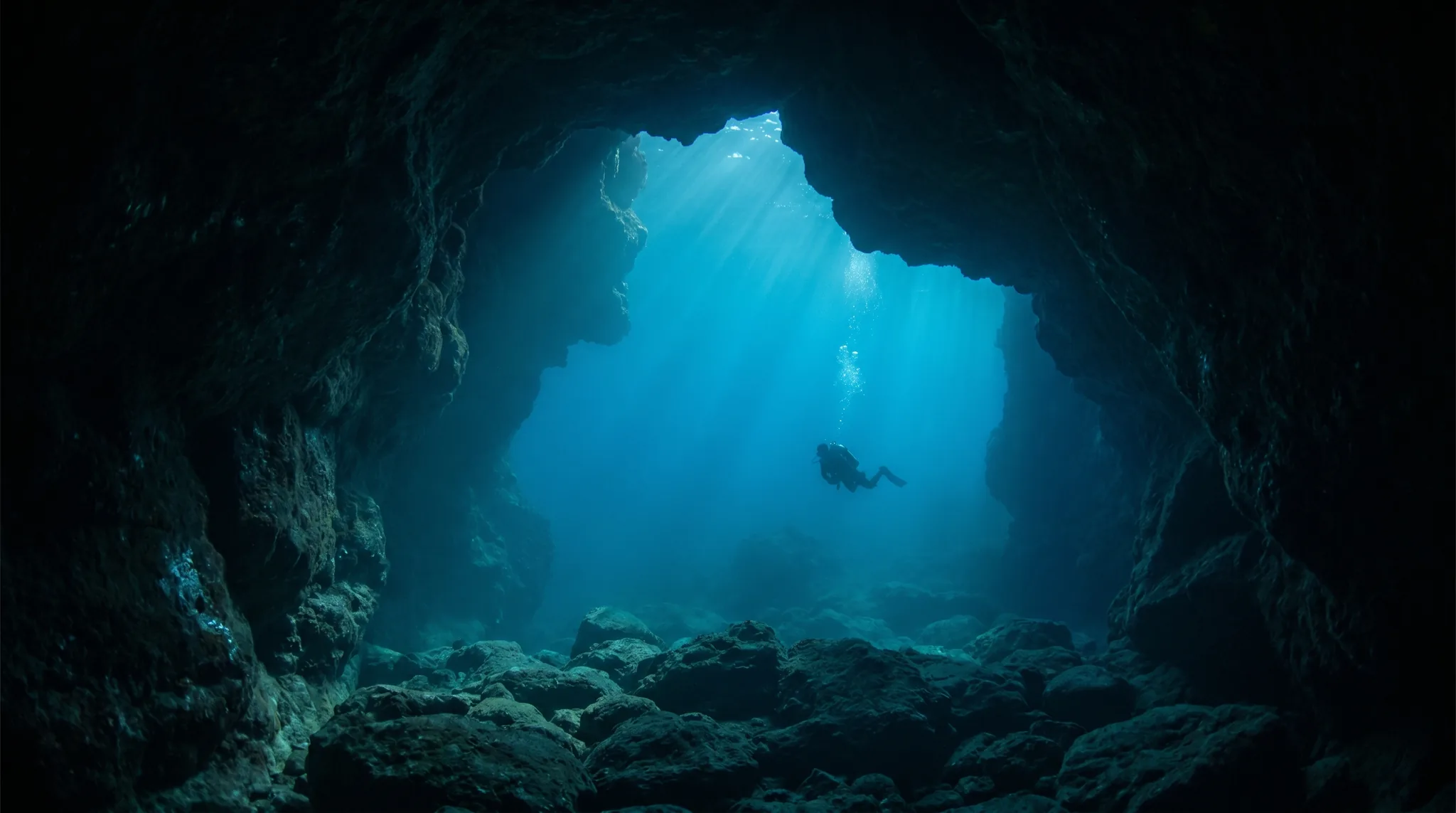
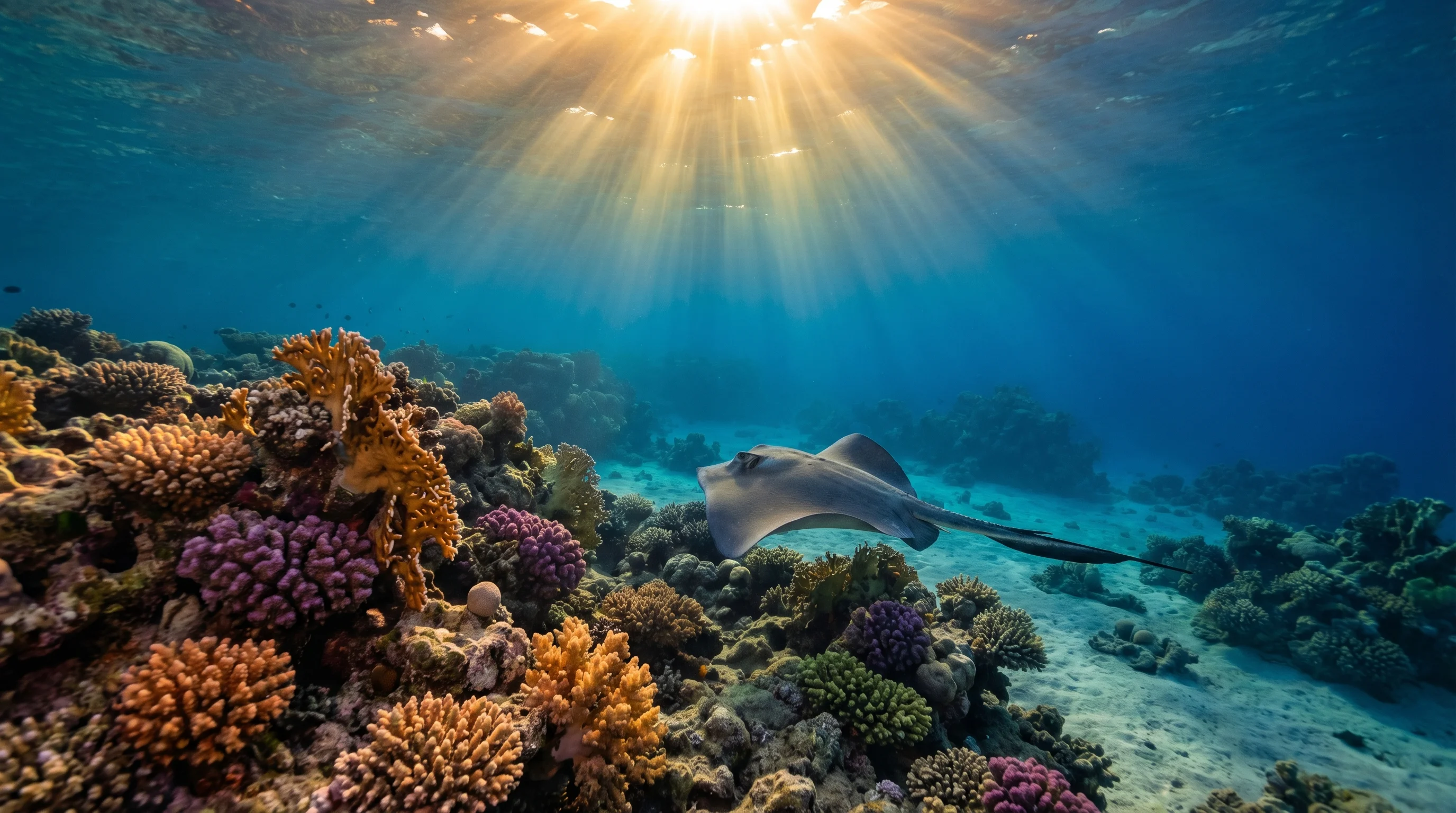
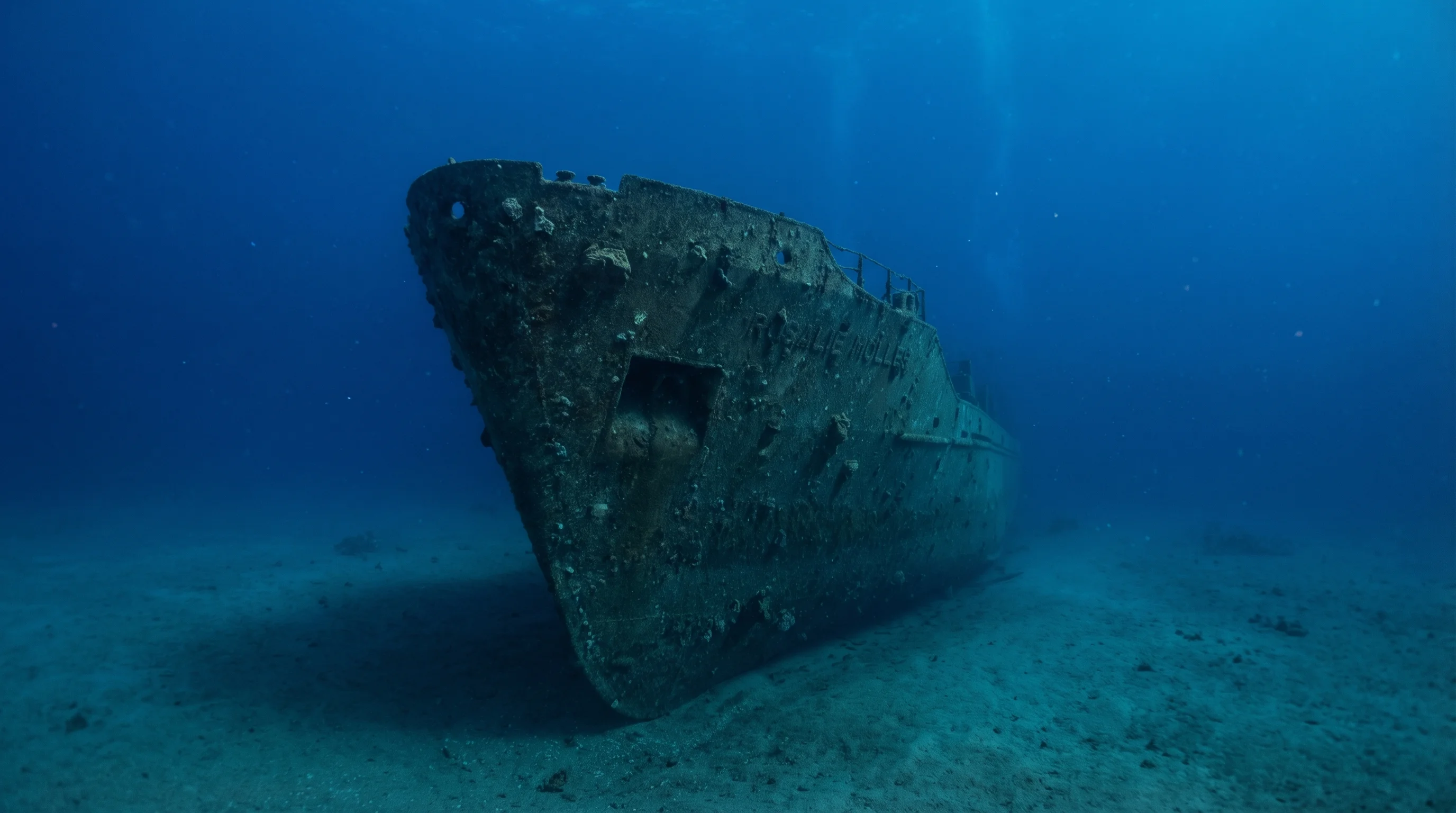
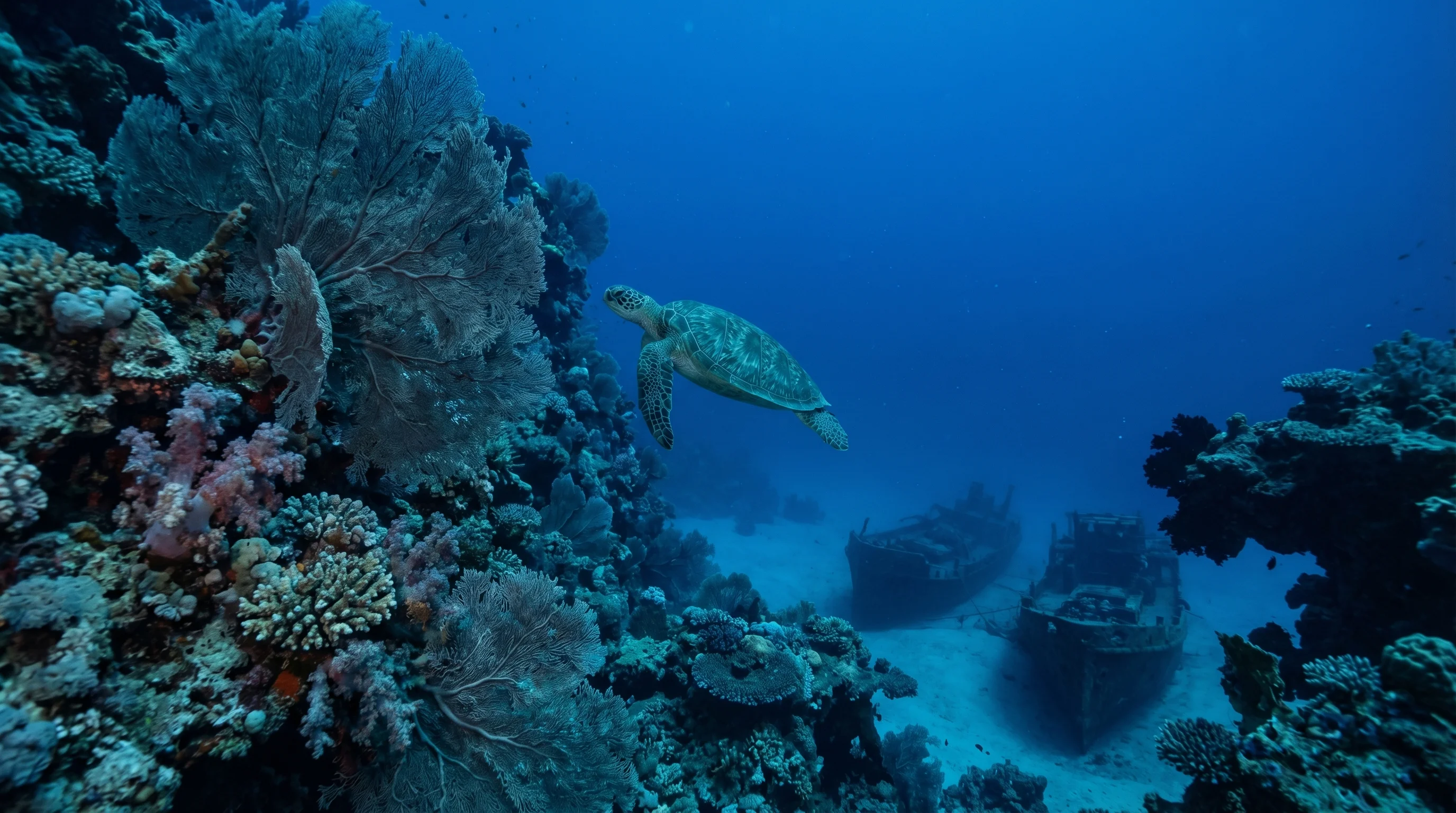
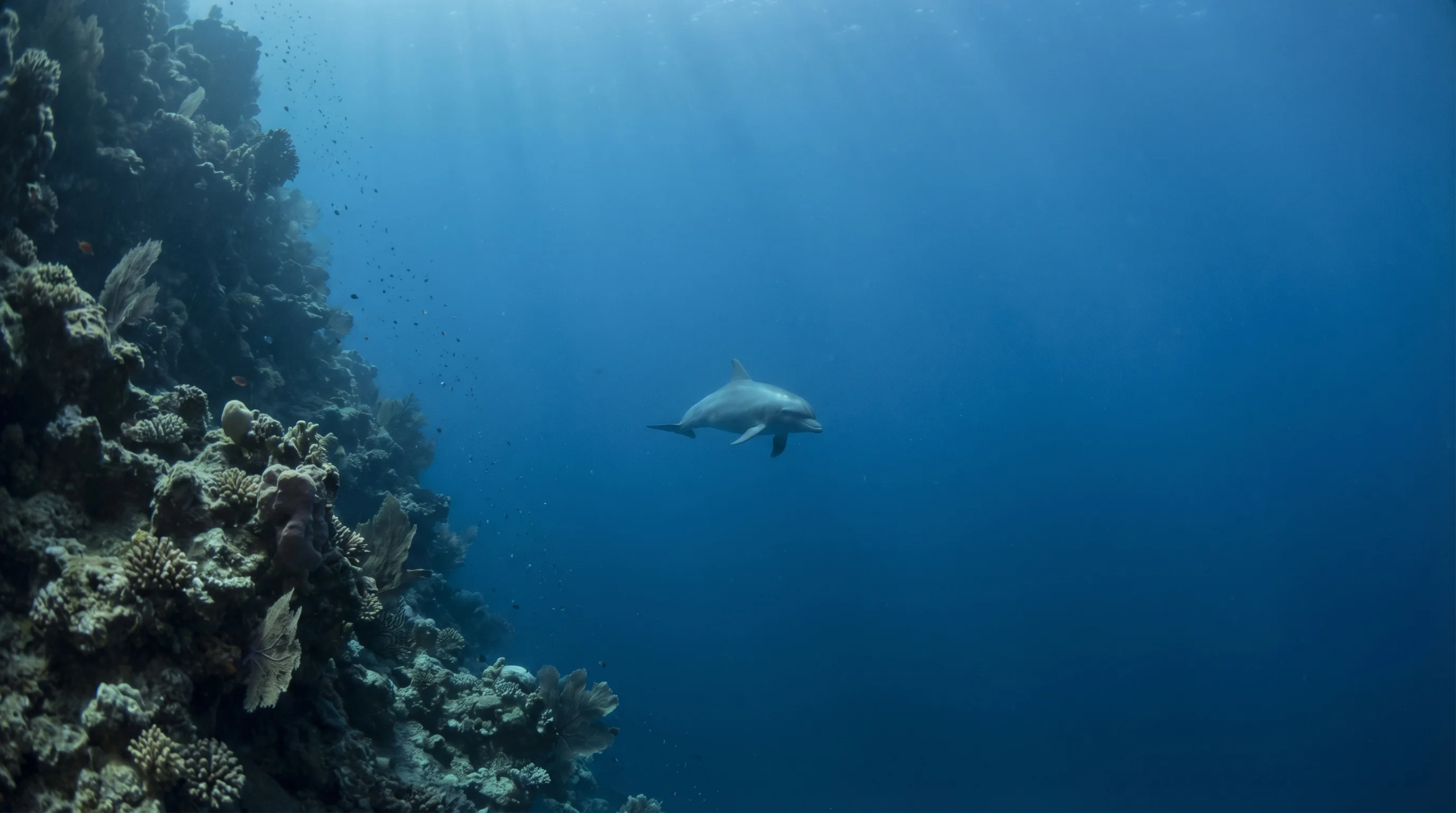
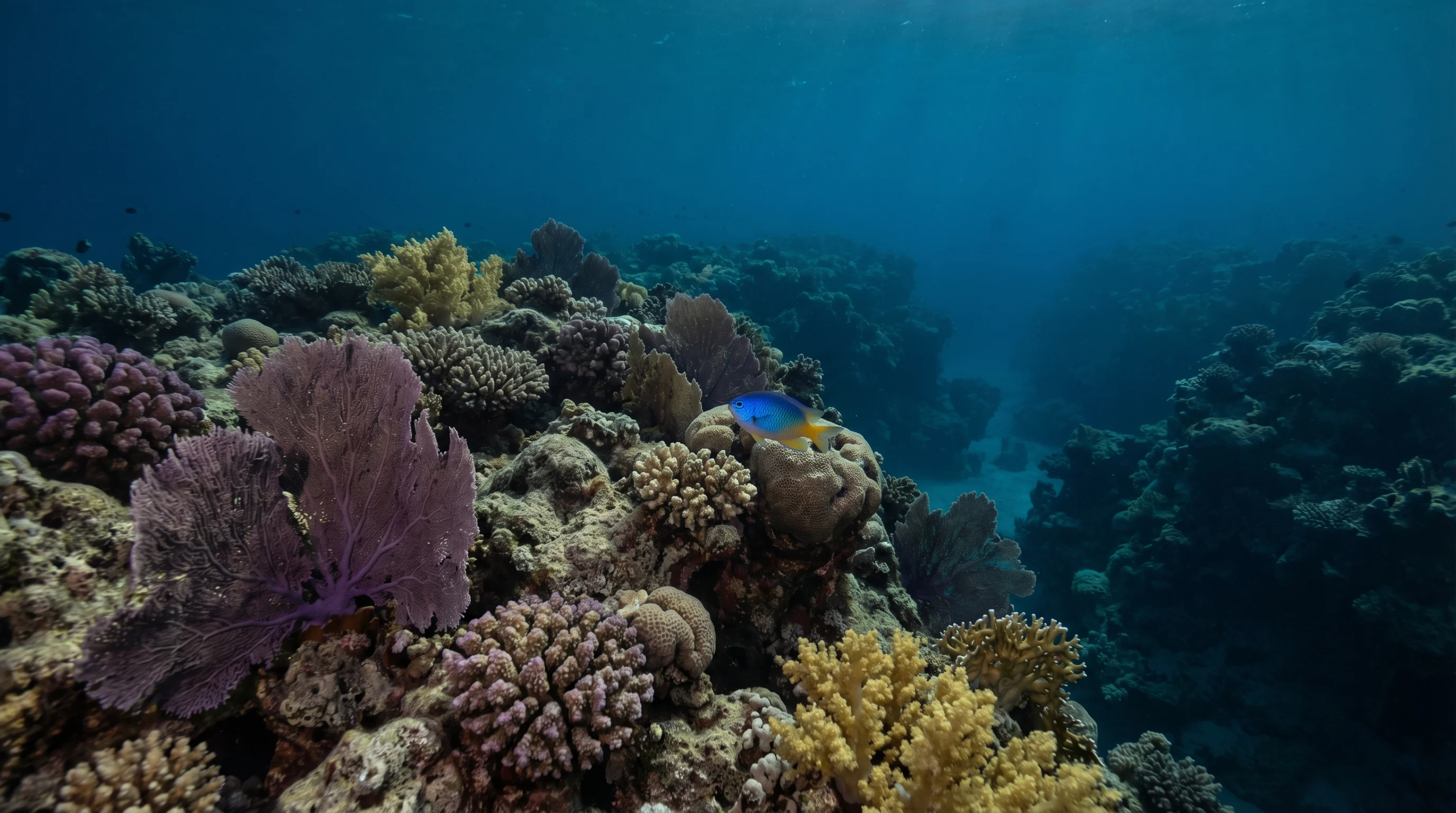
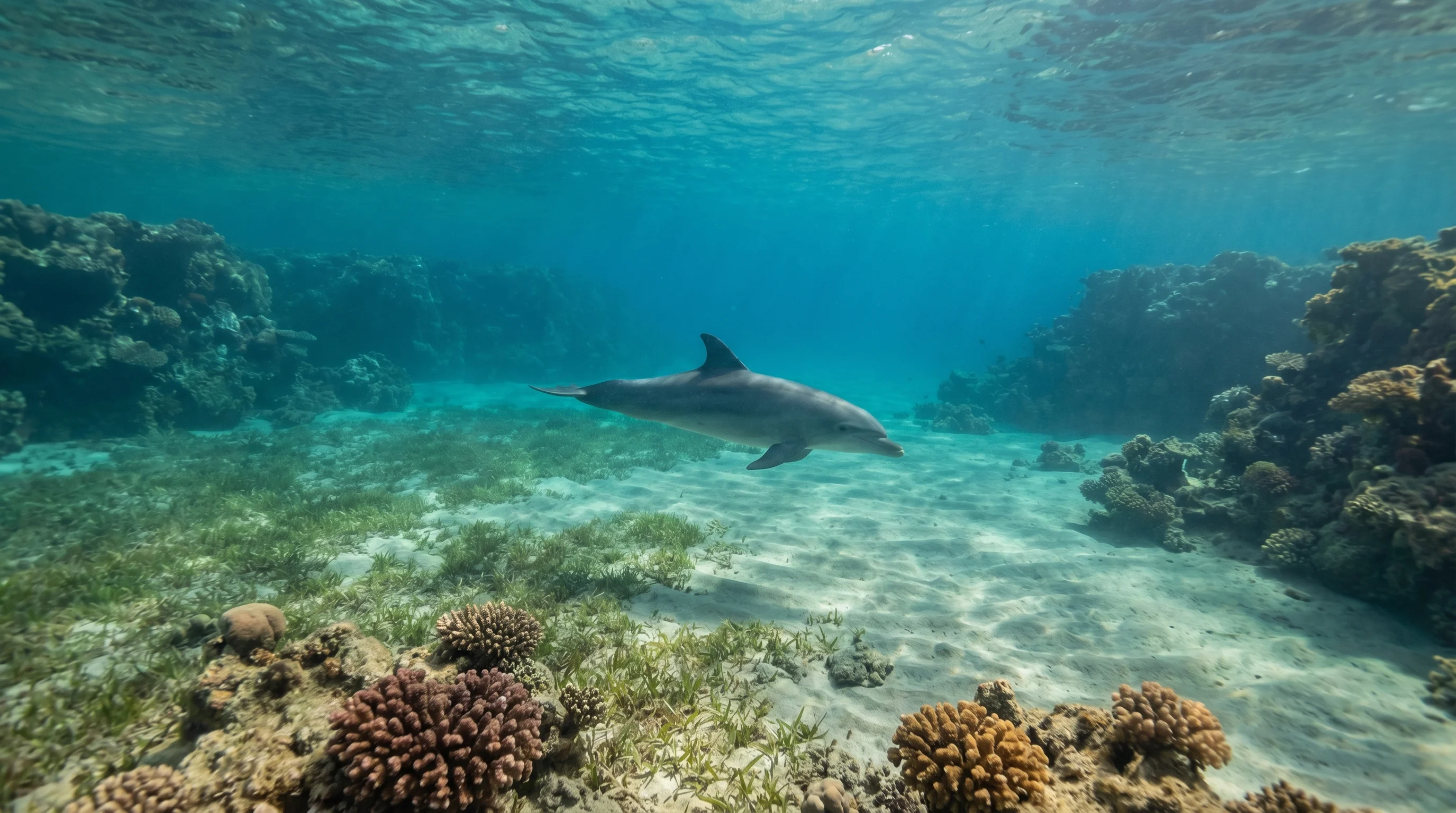
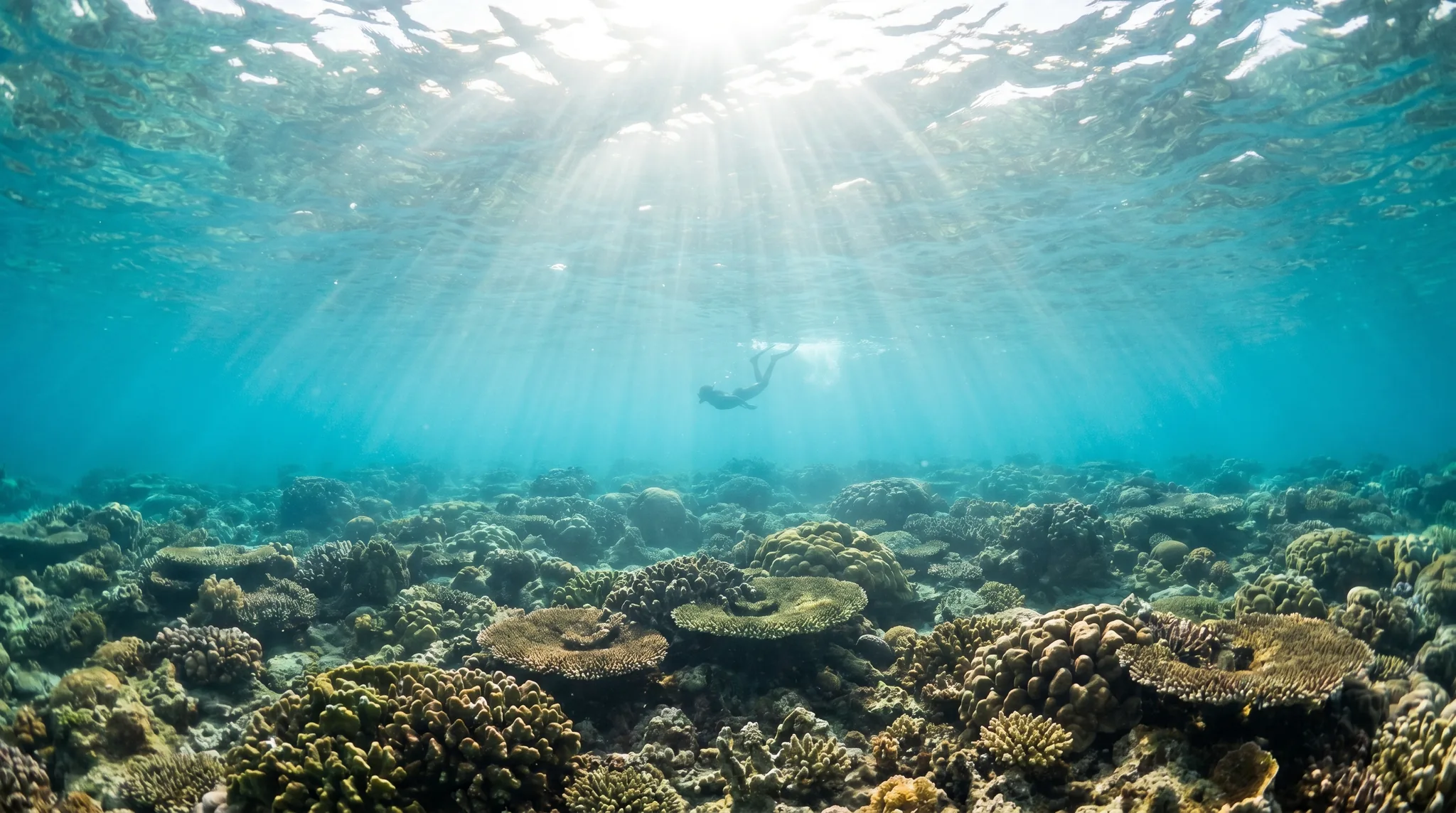
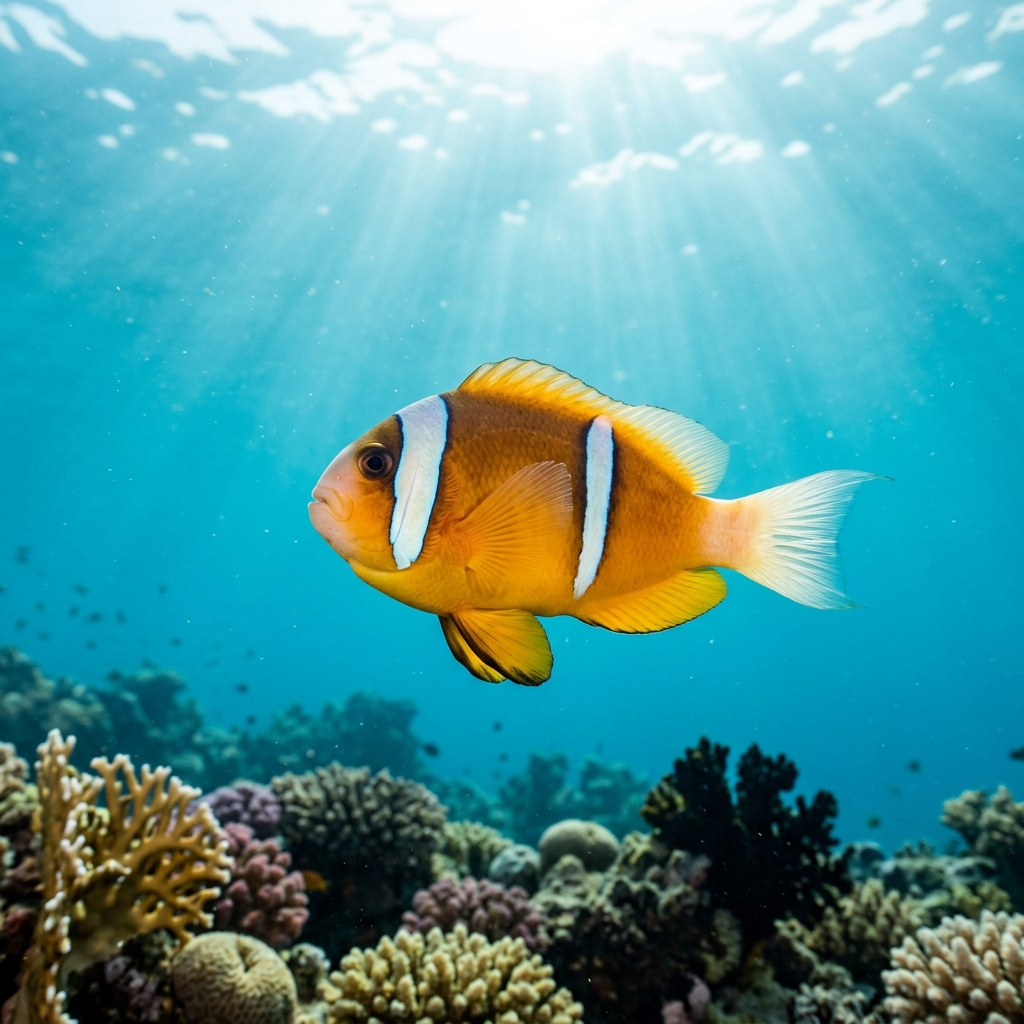
Hurghada offers a broad mix of reef walls, drop-offs, drift dives, seagrass beds and artificial structures spread across shore and boat-access sites. Beginners and intermediate divers are both well served, with shallow lagoon sites alongside deeper wall dives. The Bluespotted Fantail Ray, Regal Angelfish, Twoband Clownfish and Giant Moray are observed consistently across sites. Water stays warm year-round, peaking through summer and easing slightly in late winter, making the region diveable in most months.
Monthly water temperature across Hurghada's sites, from satellite sea-surface data corrected for depth. The band shows the site-to-site spread.
Water temperature rises steadily from spring into summer, reaching its warmest through August and September before cooling gradually toward a mild winter low in March. The best-months data points to spring and autumn as the most consistently favoured periods, balancing warm water with calmer conditions. Several sites feature drift and wall profiles that become more rewarding when visibility is at its best during these shoulder seasons.
2 operators
13 more sites to explore
Water temperature around Hurghada ranges from about 22°C in March to 29°C in August, based on satellite sea-temperature data for its dive sites.
In the warm season (about 29°C) a rash guard or 3mm shorty is comfortable in Hurghada; in the coldest months (about 22°C) step up to a 3mm full suit.
Fin maps 24 sites in Hurghada (23 scuba diving sites and 9 snorkelling spots, with some suited to both).
Across Hurghada's dive sites, March, April, May, September, October and November are most often reported as the best months to visit.
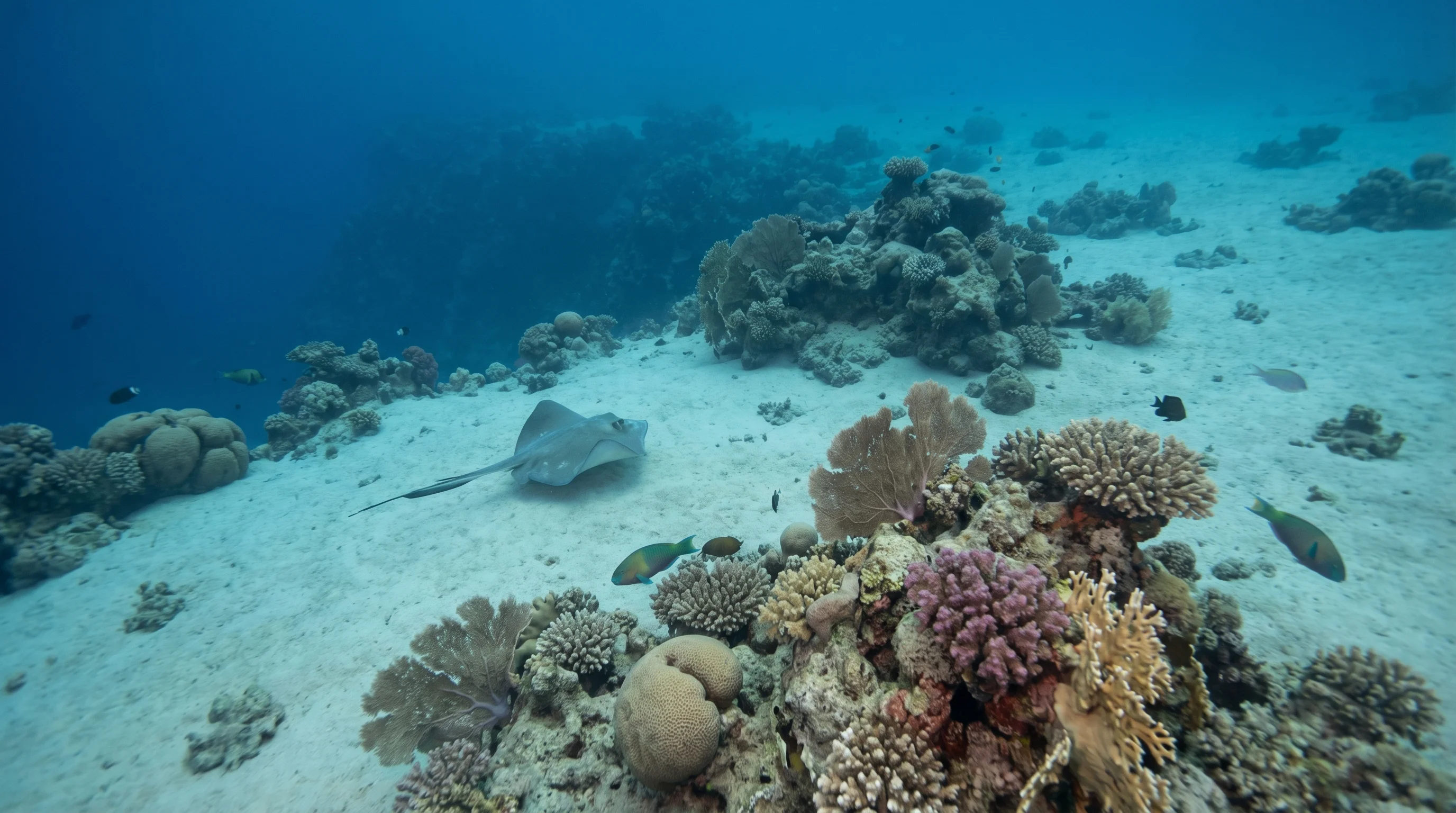
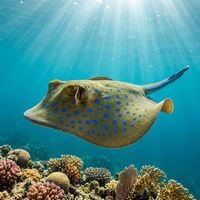
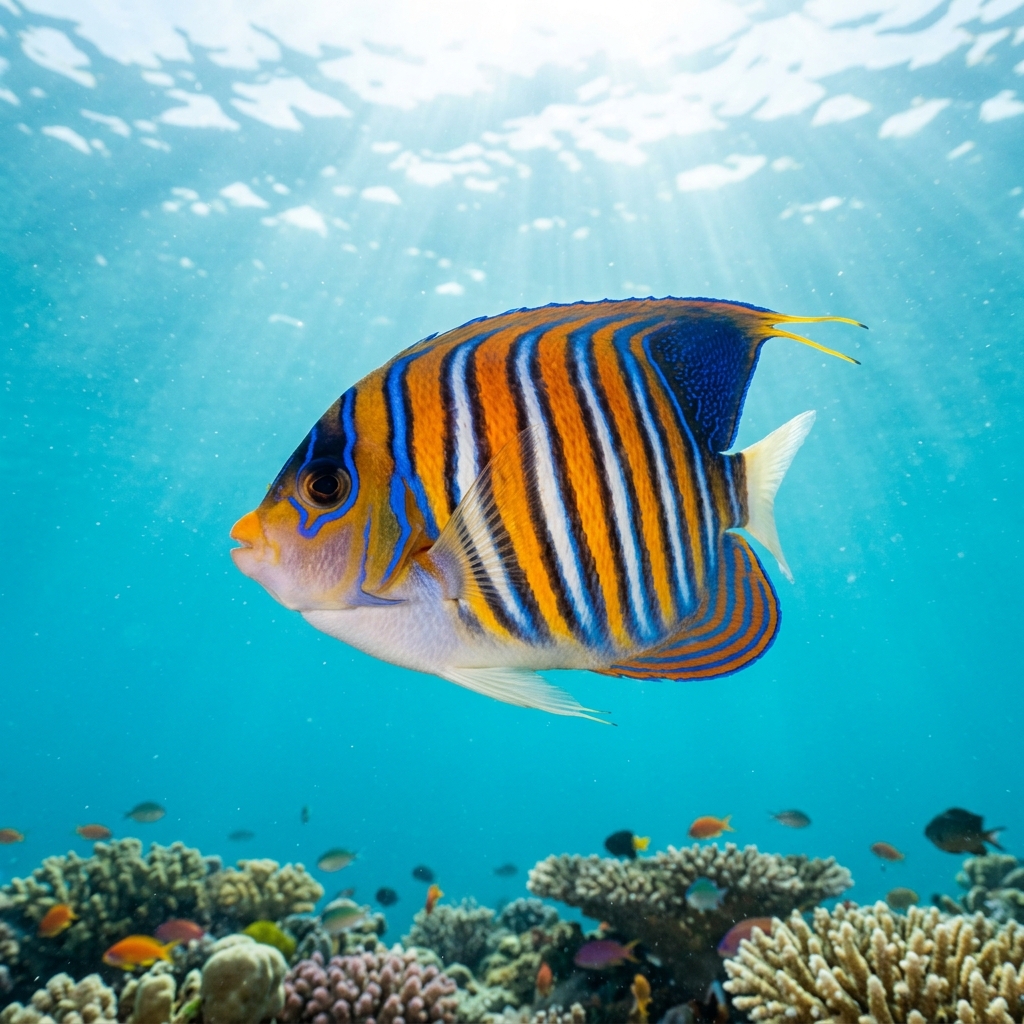
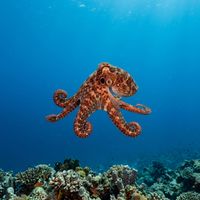
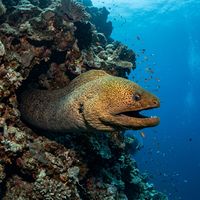
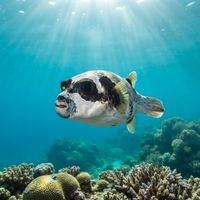
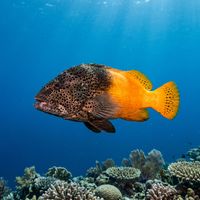
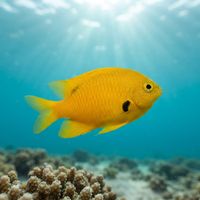
Observation-backed species recorded consistently across Hurghada sites include the Bluespotted Fantail Ray, Regal Angelfish, Indian Lionfish, Twoband Clownfish, Giant Moray and Day Octopus. Reef fish such as the Red Sea Bannerfish, Crown Butterflyfish, Purple Tang and Desjardin's Sailfin Tang are also very commonly encountered. The Lunartail Grouper is listed among the region's signature species.
A good portion of Hurghada's sites are rated for beginner divers, including shore-entry options like Makadi Bay West, Grand Coral and Royal Azur Coral. These tend to be shallow reef and seagrass sites with calm conditions and straightforward entries. Intermediate divers have dedicated options too, such as Sharm El Arab and Ras Malek, which offer walls, drop-offs and drift profiles.
Both options are available in Hurghada. Shore-accessible sites include Makadi Bay West, Fort Arabesque, Grand Coral and Royal Azur Coral, which are convenient for independent divers and snorkellers. Many of the more exposed reef and wall sites, such as Sharm El Arab, Abu Hashish Lagoon and Ras Umm Hesiwa, are reached by boat. Ras Malek offers both shore and boat entry.
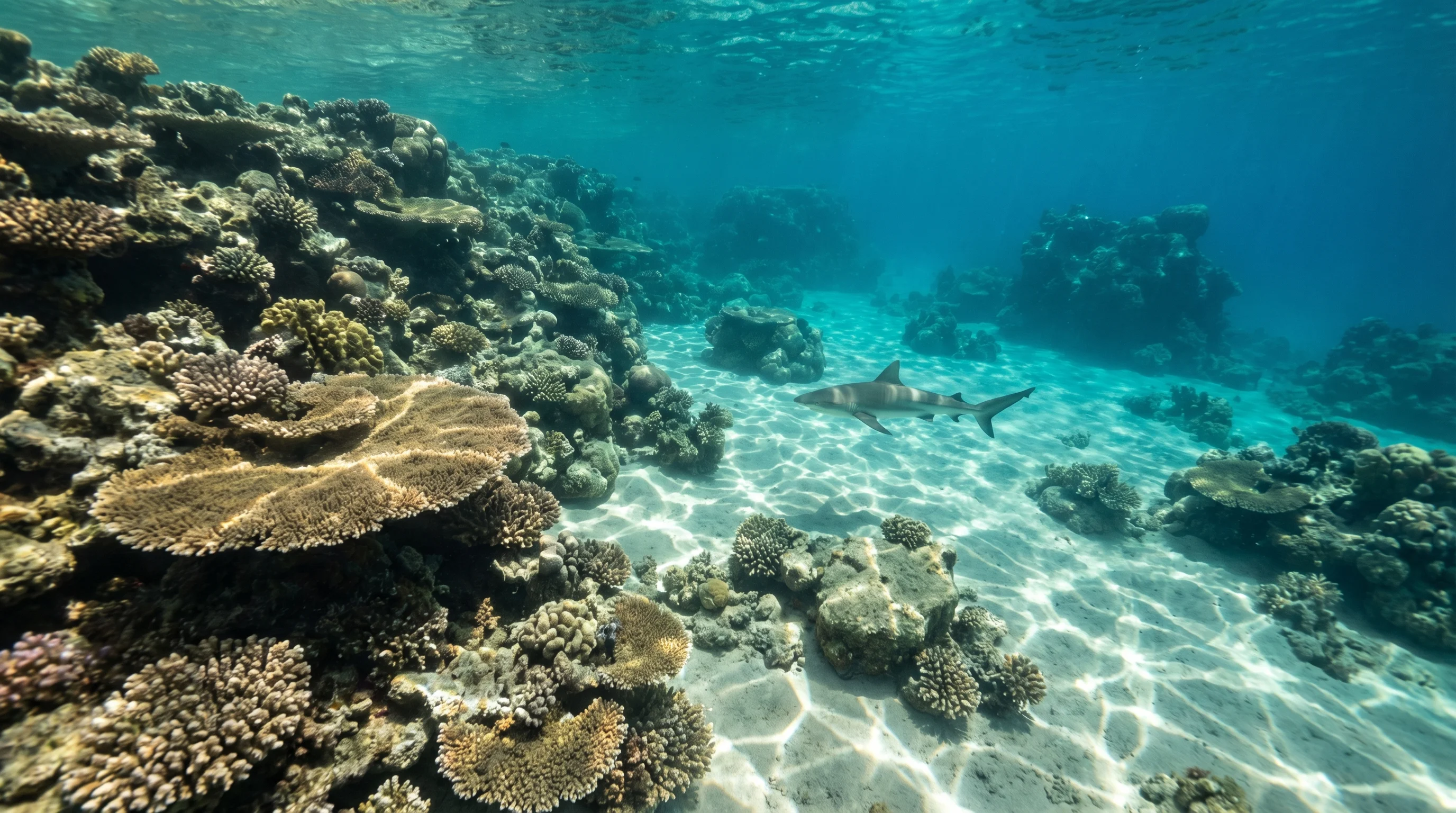
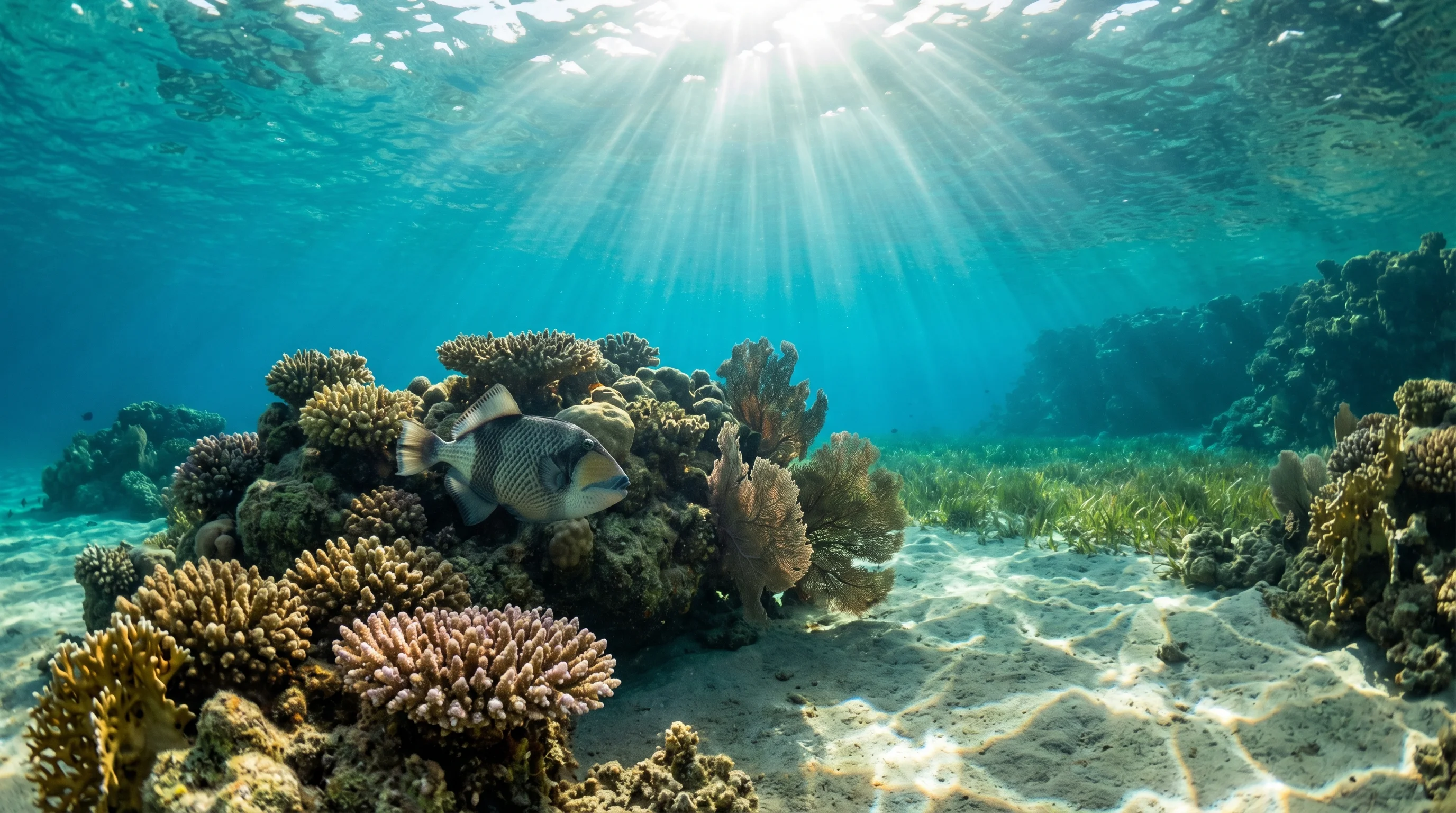
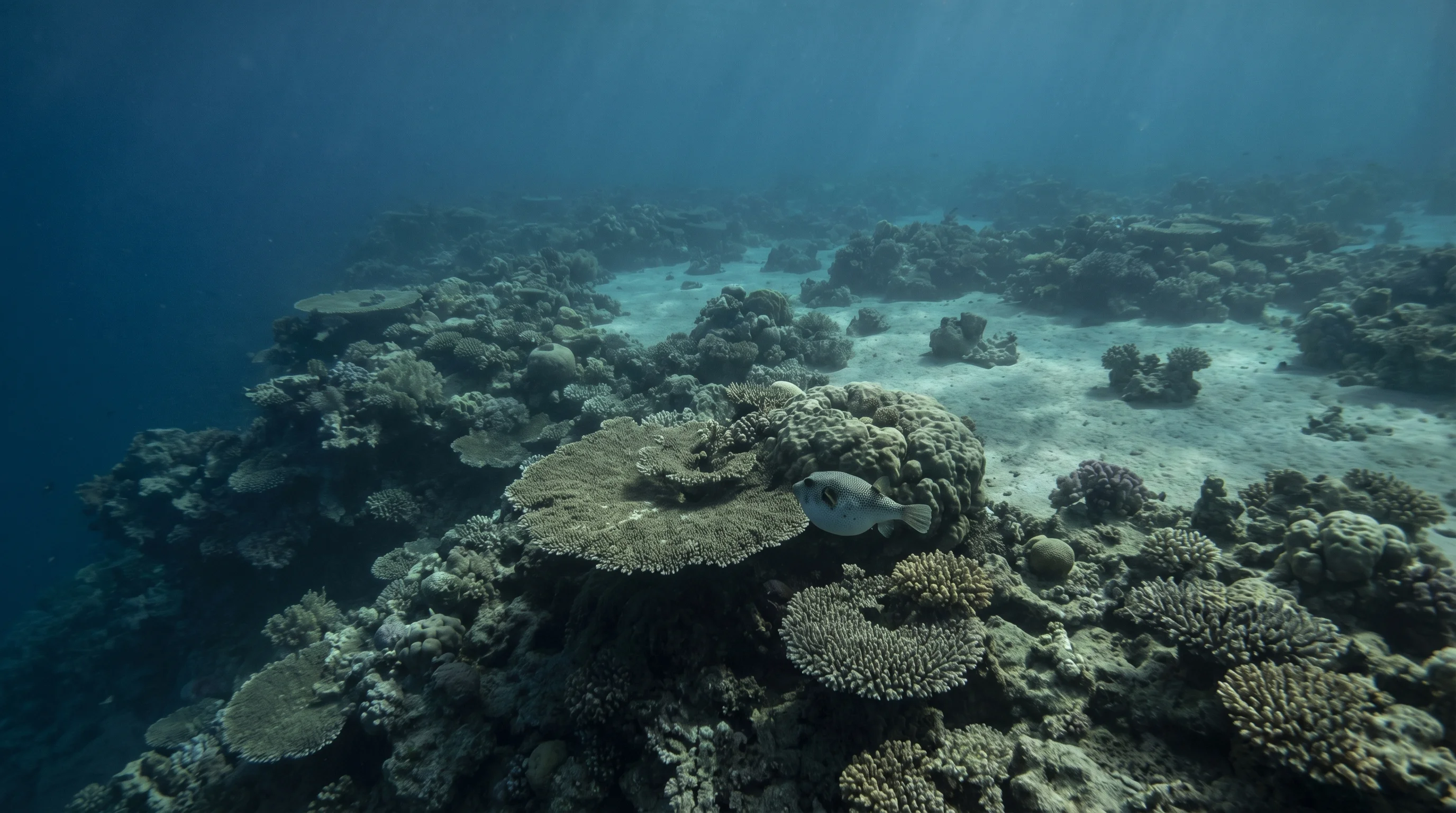
Reef diving is the backbone of Hurghada, with many sites combining natural reef with walls, drop-offs and drift sections. Seagrass beds appear at several sites, including Abu Hashish Lagoon and Makadi Bay West. Artificial structures feature at Fort Arabesque and Makadi Bay West, offering additional habitat variety. This mix means there is something different to explore at each site rather than a single repeated profile.